Bookshelf Speakers
Zoo Audio Method Bookshelf Review: High Sensitivity, Real Trade-Offs
A measured look at the Zoo Audio Method bookshelf speaker: strong sensitivity, limited bass, and an upper mid-range dip that shapes everything you hear.
Introduction
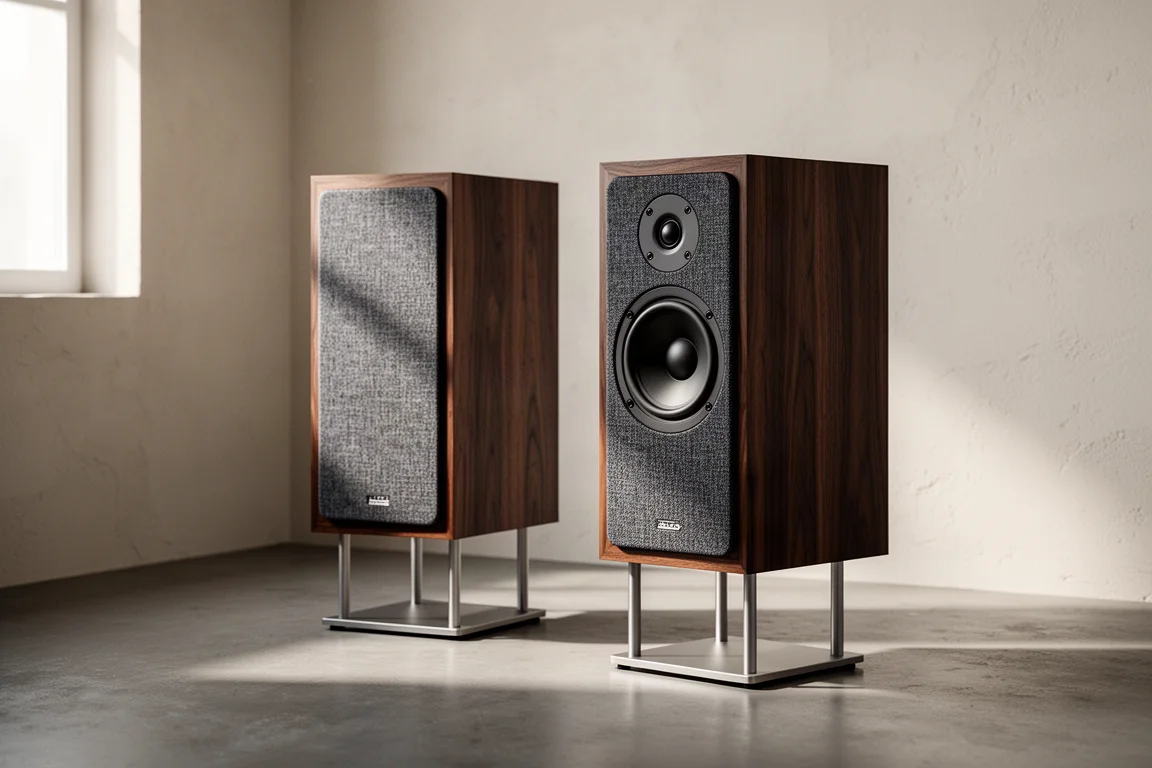
The Zoo Audio Method is a compact two-way bookshelf speaker built around a high-sensitivity design. Measured average sensitivity lands at about 90.7 dB across the vocal region from roughly 300 Hz to 3 kHz, which places it well above typical small bookshelf models and makes it easy to drive with modest amplification.
The pair tested here was purchased at retail rather than supplied as a sample, and delivery took about five weeks from order to arrival. Both units measured consistently, so sample-to-sample variation does not appear to be a factor in the results discussed below. The speaker also carries a 60-day return policy, which makes a home audition practical.
This assessment is a critical one. Listening impressions and measured data point in the same direction: high sensitivity, limited bass, an uneven upper mid-range, and treble behaviour that changes character from track to track.
Who This Speaker Is For
This speaker makes the most sense for listeners who value an easy amplifier load and high sensitivity above all else, and who are willing to spend time on placement. It rewards experimentation. The most even result came with the cabinets toed out so they sat nearly parallel to the wall behind them, rather than angled at the listening position.
It is a poor match for anyone who expects deep bass from a compact cabinet, who wants a consistent treble balance across different recordings, or who relies on precise imaging and a wide listening window. Those are the areas where the design struggles most.
Buyers who can use the 60-day return window have a low-risk way to find out which camp they fall into. Because the speaker’s character depends so heavily on positioning, an in-room trial tells you far more than a short demonstration ever could.
Main Strengths
Measured sensitivity is the headline figure. About 90.7 dB on average through the vocal range means the speaker needs relatively little power to reach a given level, and most 8-ohm-capable amplifiers will be comfortable driving it.
The impedance curve is undemanding as well. Minimum impedance dips to about 5.8 ohms, and EPDR sits around 3 ohms, which is not unusual for a small two-way design. Amplifiers with class A or class AB output stages should be given proper ventilation, but the load itself should not cause trouble.
Build consistency looks solid. Both samples measured essentially the same, and a comparison against an independent set of measurements taken on another pair showed the same general behaviour. The character described here is a property of the design rather than a faulty unit.
Placement flexibility is a modest plus. Toeing the speakers out until they sit nearly parallel with the front wall produced a more even result at the listening position than aiming them directly at the listener.
Sound Quality and Measured Performance
Bass extension is limited. Measured F3 sits at 92 Hz and F10 at 56 Hz, and the in-room estimate rolls off near 70 Hz. There is very little output below that, so the speaker cannot deliver the weight many listeners expect from a stand-mounted model.
The upper mid-range is the most significant issue. The in-room estimate shows a 5 to 7 dB suckout through that region, and the direct response includes a null that drops roughly 19 dB below the mean between about 1.5 kHz and 3 kHz. That dip drains attack and bite from snares, brass and woodwinds, and it mutes the body of male vocals.
Treble behaviour is inconsistent. Some passages sound bright and sharp while others sound soft and subdued, and cymbals, hi-hats and crashes rarely sound natural. The measured data points to comb filtering inside the compression driver, with energy cancelling unevenly as frequency rises.
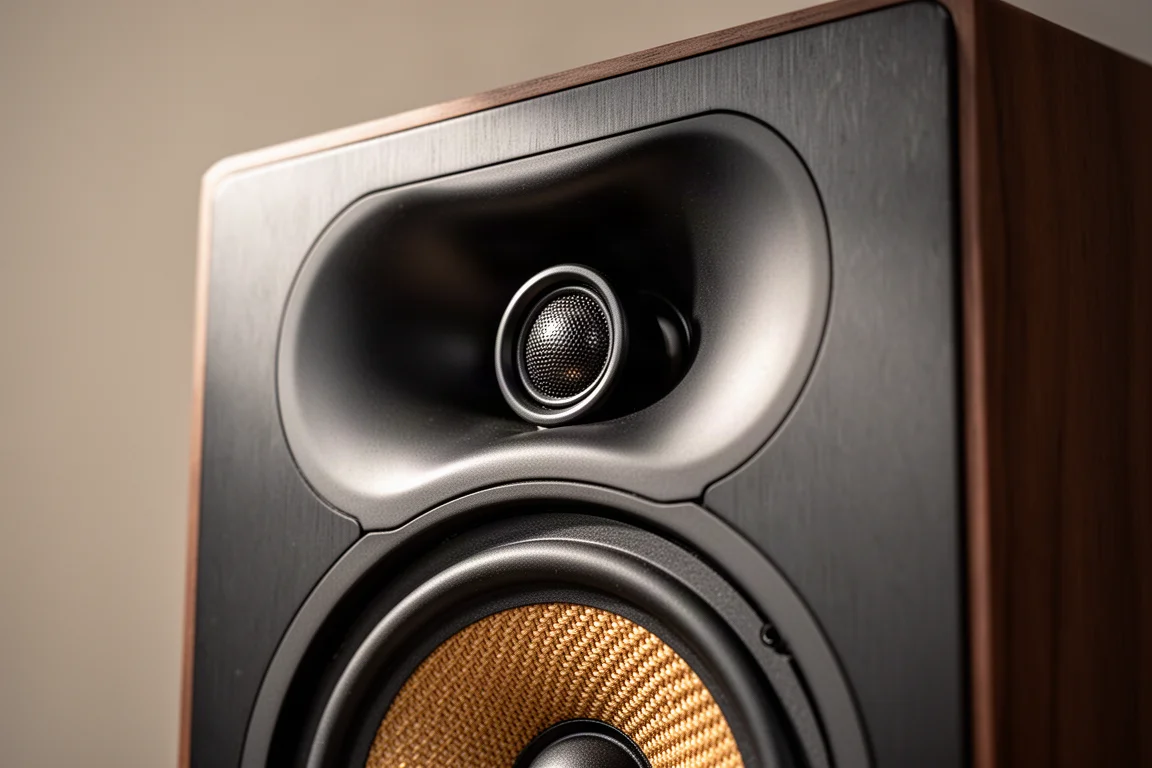
Off-axis performance diverges sharply from the direct sound. Because the mid-range beams while the tweeter stays wide open, the vertical sweet spot is narrow, and the sound arriving from the sidewalls differs enough from the direct sound that immersion and focus suffer. Horizontal off-axis response is uneven in the same way, with the dip around 7 kHz filling in as you move off axis.
Distortion adds to the impression of hardness. Third-order harmonic distortion peaks noticeably around 6 to 7 kHz at higher levels, and multi-tone distortion rises above a 3 percent threshold. That combination is consistent with the edgy, metallic quality heard in the upper treble.
Things to Consider Before Buying
Dynamic headroom is limited. High sensitivity does not automatically translate into greater dynamic capability here, and the speaker does not sound particularly dynamic in practice.
Lower mid-range and mid-bass are thin. Rhythm sections, particularly bass guitar and guitar, do not carry much groove, and the sense of pace that should come from the lower registers is largely absent.
Amplifier choice will not fix the fundamentals. A very high output impedance amplifier shifts the low end by about a decibel and a half and the top end by about a decibel, with roughly half a decibel of change through the mid-range. That is nowhere near enough to fill the upper mid-range suckout or extend the bass.
Speaker positioning matters more than usual. Aimed straight at the listener, the response problems are at their most obvious. Even with careful toe-out, the mismatch between direct and reflected sound limits how convincing the presentation can be.
Placement and Setup Notes
The most listenable configuration found was with both cabinets toed out until they were nearly parallel with the front wall. That arrangement evened out the interaction with the sidewalls and filled in some of the lower and upper treble regions, though it did not resolve the underlying issues.
Vertical placement is unusually sensitive. Because the mid-range driver beams while the tweeter radiates widely, small changes in listening height have a noticeable effect on tonal balance. Aligning ear height with the baffle is worth the effort if you are evaluating the speaker.
Break-in did not change the outcome. After about a week of intermittent pink noise at roughly 80 dB, the measured behaviour was unchanged from the initial results.
If you are trialling the speaker, give it a week before deciding, use familiar recordings that include acoustic instruments alongside male and female vocals, and listen from the seat you actually use. The differences between configurations are large enough to be heard within a few tracks.
Buying Advice
The Zoo Audio Method is worth considering only if its particular strengths line up with your priorities. If you want a highly sensitive, easy-to-drive bookshelf speaker and you are not asking for deep bass, it can be made to work in a small room with careful positioning.
If bass extension, consistent treble and stable imaging are on your list, this is not the speaker to buy. The measured response and the listening impressions agree on those points, and no amount of amplifier matching or equalisation will change the fundamental behaviour.
Amplifier matching is straightforward. Most 8-ohm-capable amplifiers will drive it without complaint, and the impedance load stays above about 5.8 ohms at its minimum. If you use a class A or class AB amplifier, make sure the enclosure has room to breathe.
The 60-day return policy lowers the risk of trying the speaker at home. That is the sensible way to approach it: audition it with your own amplifier and your own room, and let the return window do the rest.
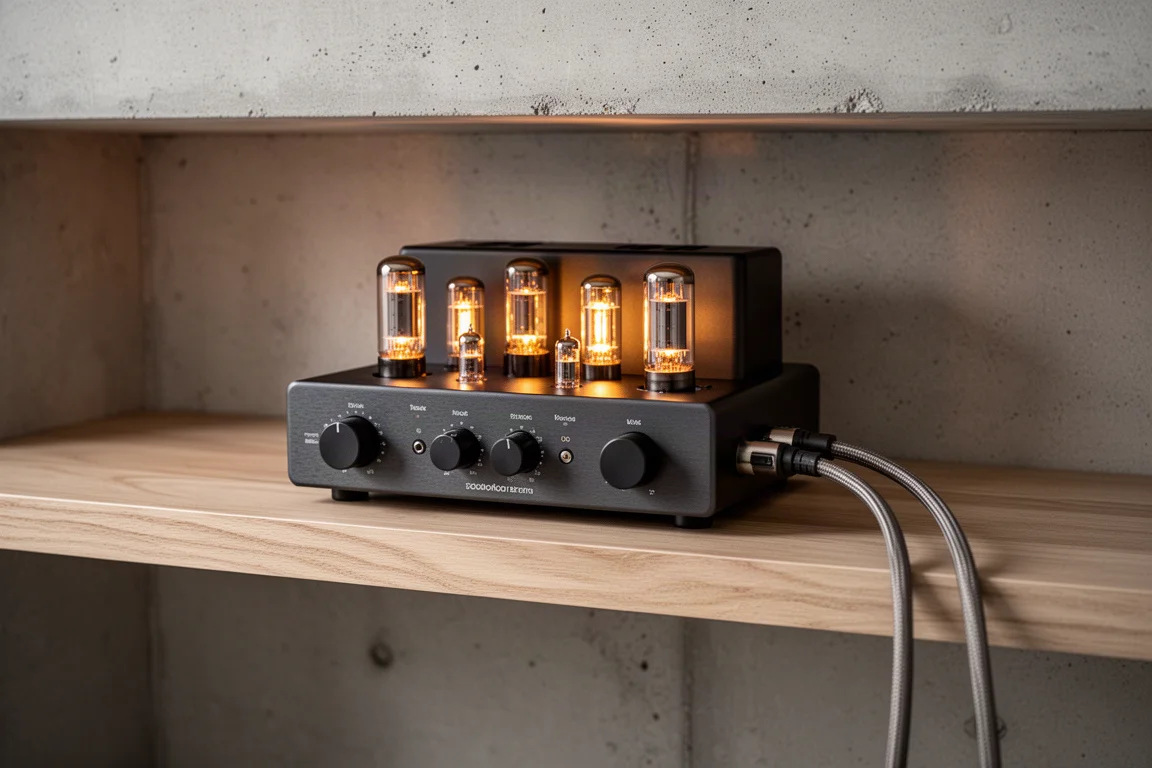
Set expectations accordingly. The sensitivity figure is genuinely high for the size, but the trade-offs that come with it are audible and measurable, and they define the experience more than any single strength does.
Conclusion
The Zoo Audio Method bookshelf speaker delivers high measured sensitivity of about 90.7 dB in the vocal range and an undemanding impedance load, and both samples measured consistently. Those are real, verifiable strengths.
They come with significant costs. Bass output rolls off near 70 Hz, the upper mid-range drops by 5 to 7 dB, treble balance varies from track to track, off-axis response is uneven, and distortion in the upper treble adds hardness to cymbals and high-frequency detail. Positioning helps, but it does not fix the design.
For listeners who want an easy load and can work around the limitations, the 60-day return policy makes an in-home trial reasonable. For everyone else, the measurements and the listening impressions point to the same conclusion.
Product link
View more details for Zoo Audio Method Bookshelf
This product is mentioned in the review. Check the specifications, options, and compatibility before buying.
View more details for Zoo Audio Method BookshelfFurther reading
Related Reviews
Bookshelf Speakers
Acoustic Energy A100 Mark II Review: A Compact Standmount With an Expansive Soundstage
The Acoustic Energy A100 Mark II brings clarity, natural tonality and a wide soundstage to an entry-level standmount, with a few setup details worth knowing first.
Bookshelf Speakers
Acoustic Energy AE-100 Mark II Review: Compact Bookshelf Speakers With Standout Imaging
A compact British two-way bookshelf speaker with deep, layered imaging, fast bass, and a slight treble lift to weigh against a crowded $500 field.
Bookshelf Speakers
Acoustic Energy AE100 MK2 Review: Measured Performance and Four Alternatives
A close look at the Acoustic Energy AE100 MK2 bookshelf speaker, what its measured performance reveals, and four alternatives with different trade-offs.