Satellite Communicators
Zoleo Satellite Messenger Review: Pros and Cons of an Affordable Two-Way Communicator
A practical look at the Zoleo satellite messenger, from its reliable two-way messaging and weather reports to the phone dependency, message delays, and battery limits worth knowing before you buy.
Introduction
Satellite messengers exist for one reason: keeping you in contact when there is no cell coverage. The Zoleo satellite messenger approaches that job differently from most of its competitors. Instead of packing a screen and a menu system onto the device itself, it pairs with your phone and leans on an app that behaves much like the messaging app you already use every day.
That design choice is the source of both its biggest strength and its most significant weakness. It makes everyday communication unusually simple, and it also means the device depends far more on a charged phone than some buyers expect.
This review walks through what Zoleo does well, where it falls short, and who is likely to be happy with it.
Who the Zoleo Satellite Messenger Is For
Zoleo makes the most sense for hikers, backpackers, paddlers, and other backcountry travelers who want reliable two-way messaging with friends and family, plus a genuine emergency option, at the lowest hardware price in the category.

If your priority is sending and receiving real messages rather than simply triggering an emergency beacon, Zoleo is built around exactly that use case. It also suits anyone who wants weather information in the field and a simple check-in message for a couple of contacts at home.
It is a less natural fit for travelers who want to leave the phone behind entirely, or for families who enjoy following a live tracking map of a trip as it unfolds.
Main Strengths
Two-Way Messaging That Feels Familiar
Sending and receiving messages is the thing Zoleo does better than anything else. The companion app mirrors a standard messaging app, so you can pull contacts straight from your phone and message them the way you normally would, even when you are far outside cell coverage.
Zoleo also issues a dedicated number, which means the people you text do not need special hardware or an app to reply. In extensive use, messages arrived reliably, with no dropped messages. For a device whose main job is two-way communication, that consistency matters more than any spec sheet.
Weather Reports in the Backcountry
The ability to pull a weather forecast while out on trail is the standout feature. Zoleo uses the Dark Sky weather service, which provides detailed local daily and even hourly reports, including the chance of rain and temperature.
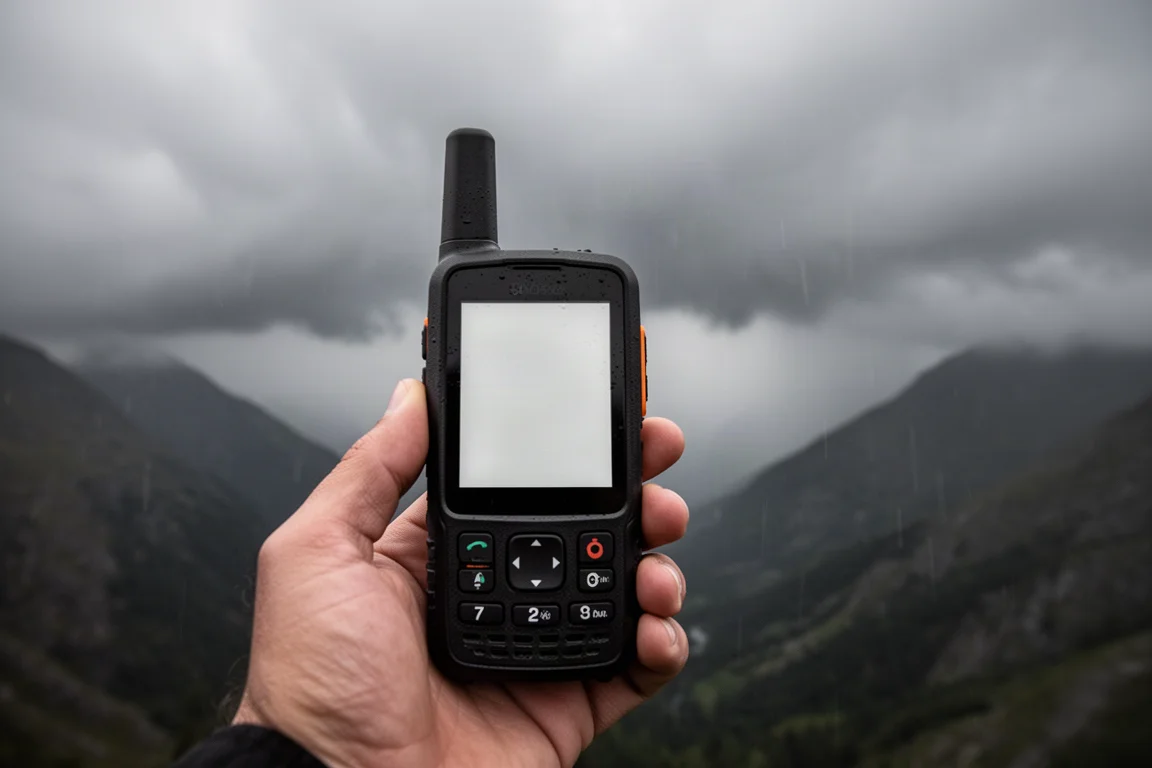
It is not instant. Connecting to a satellite and downloading the forecast can take a while, and the feature has occasionally behaved unpredictably, such as reporting that not enough time had passed since the last check when several days had actually gone by. Even with those quirks, having current conditions on demand is genuinely useful when plans depend on the sky.
SOS and Check-In Without a Phone in Hand
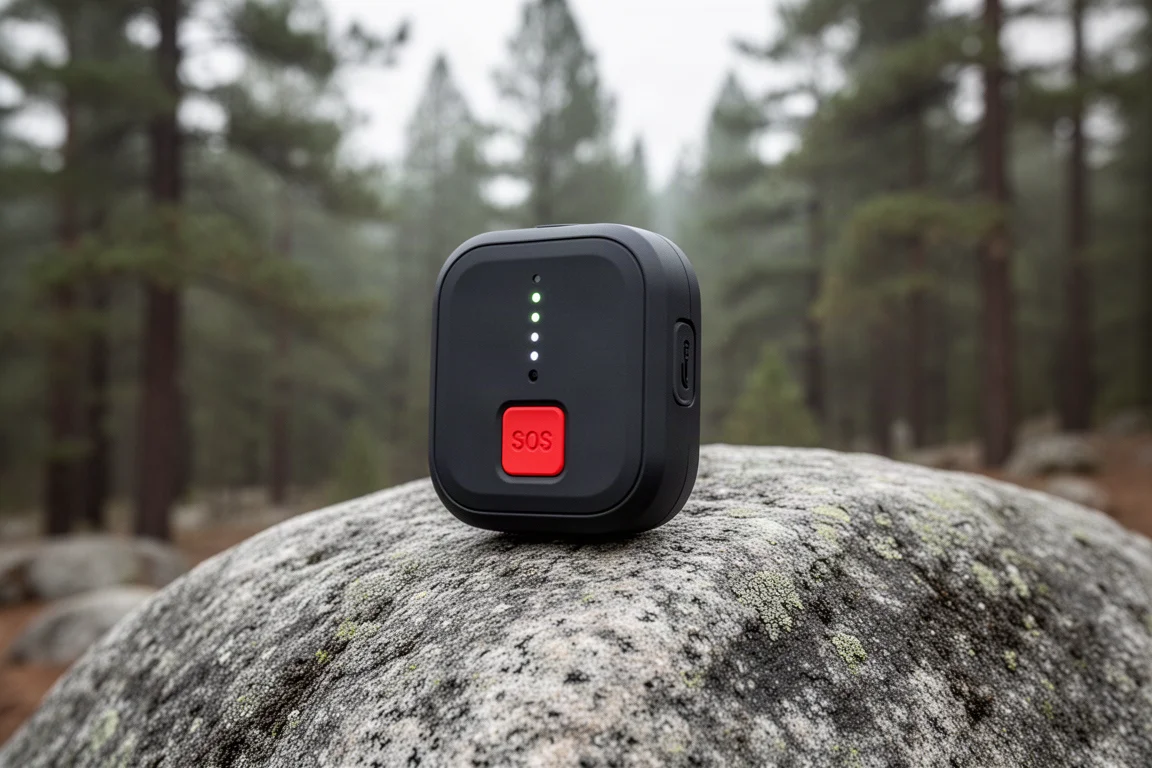
The SOS function is likely the reason most people start looking at a device like this. An SOS can be triggered from the app, and the dedicated SOS button on the device works even if your phone is dead.
Once an alert is sent, you can exchange text messages with the emergency coordination service that works with search and rescue. Separately, Zoleo can send simple check-in messages to two chosen contacts, and those can be sent with or without your phone.
Affordable Hardware and Flexible Plans
At $200, Zoleo is the cheapest satellite messenger on the market, though it is not the cheapest to run. Service plans range from roughly $20 to $50 per month depending on the message allowance.
For occasional users, the account can be frozen for $4 per month, which keeps the dedicated phone number active during months when the device stays in a drawer. That flexibility keeps the total cost of ownership reasonable for people who only venture out a few times a year.
Small Details That Add Up
Two smaller touches are worth noting. The device plays a sound whenever a message arrives, which is helpful when it is clipped to the back of a pack and out of sight. It is also waterproof, a fact discovered by accident rather than by reading the spec sheet.
Things to Consider Before Buying
Phone Dependency Limits What You Can Do
Even though SOS and check-in messages work without a phone, Zoleo is still heavily tied to one. That became obvious during an unexpected capsize in swift water, when the device was clipped to a life jacket but the phone was sealed in a dry bag inside the boat. Being physically safe but unable to contact anyone for help highlighted the gap.
Even with a phone on hand, battery life is the weak link. Photos, videos, GPS apps, and now messaging all draw on the same battery, and Zoleo’s features make a power bank or another charging method close to essential on longer trips.
There is also a functional ceiling. Some competing satellite messengers can send custom messages without a phone. Zoleo cannot. Outside of an emergency alert or a preset check-in message, you need the phone.
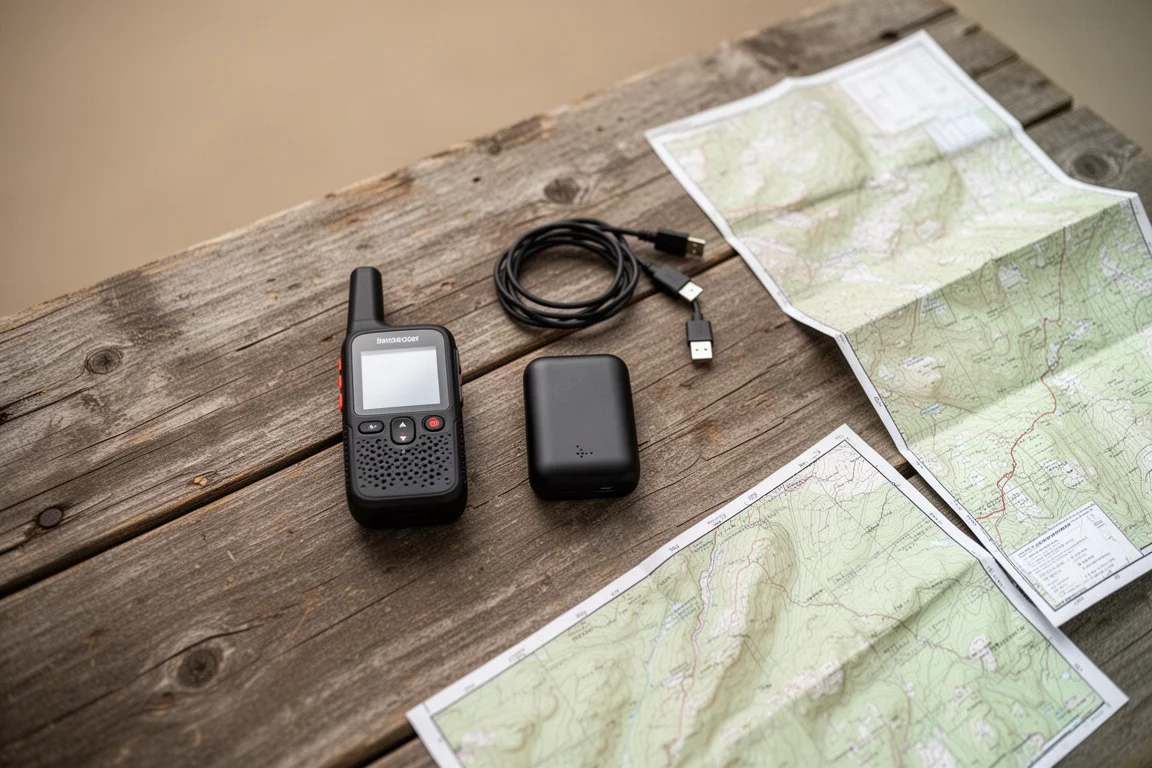
Check-in messages cannot be customized either. The text is fixed, where some competitors allow several tailored messages for different situations. Only two contacts can receive check-ins, which is a limiting cap for group trips where several partners or spouses would like updates.
Message Timing and Satellite Latency
Messages are reliable, but they are not fast. By default Zoleo checks for new messages every 12 minutes, and even with manual checks or continuous checking, sending and receiving typically takes an average of five minutes or more.
This appears to be a limitation of satellite messaging generally rather than something specific to Zoleo. Still, it is worth setting expectations before you buy: this is not instant texting.
Battery Life and a Sealed Battery
Battery endurance depends heavily on how often the device checks for messages. Running around the clock with a 12 minute refresh interval, the battery lasted a little more than five days. Switching to constant checking drained it in under 24 hours.
Turning the device off at night or lengthening the refresh interval extends runtime considerably. What you cannot do is carry a spare battery. The cell is not user replaceable, so a spare would mean carrying a power bank instead.
No Tracking or Map View
Zoleo can send one-off GPS location points, but it has no continuous tracking feature and no map view. For families who like to follow a trip online and see progress in real time, that absence is a real shortcoming.
Buying Advice
Zoleo is easy to recommend to a specific kind of buyer: someone who wants dependable two-way messaging, weather reports, and an emergency button at the lowest hardware price available, and who is comfortable keeping a charged phone within reach.
If you routinely travel without a phone, or if live tracking matters to the people waiting at home, look carefully at what other satellite messengers offer before deciding. The trade-offs are real, but for most recreational backcountry users the core job, sending and receiving messages, is handled well. Budgeting for a small power bank alongside the device closes much of the gap.
Conclusion
The Zoleo satellite messenger is an impressive, easy-to-use device at an affordable price, with reliable two-way messaging as its clear strength. Its reliance on a phone, its fixed check-in message, and the lack of tracking are the compromises that come with that price. Buyers who understand those limits and plan around them, with a power bank and realistic expectations about message timing, will find it a capable companion in the backcountry.
Product link
View more details for Zoleo Satellite Messenger
This product is mentioned in the review. Check the specifications, options, and compatibility before buying.
View more details for Zoleo Satellite MessengerFurther reading
Related Reviews
Satellite Communicators
Garmin inReach Messenger vs inReach Mini 2: Which Satellite Communicator Belongs in Your Pack
A practical comparison of two compact Garmin satellite communicators, covering navigation, screen size, battery life, reverse charging and price.
Satellite Communicators
Garmin inReach Messenger vs Zoleo: Which Satellite Communicator Is Right for You?
A practical comparison of two satellite communicators, covering price, battery life, messaging, apps, satellite coverage, and standalone SOS use.
Satellite Communicators
Garmin inReach Mini 2 vs inReach Mini: Is the Newer Satellite Communicator Worth It?
A practical comparison of the Garmin inReach Mini 2 and the original inReach Mini, covering battery life, USB-C charging, navigation, app support, and upgrade advice.