Satellite Communicators
Garmin inReach Mini 2 vs inReach Mini: Is the Newer Satellite Communicator Worth It?
A practical comparison of the Garmin inReach Mini 2 and the original inReach Mini, covering battery life, USB-C charging, navigation, app support, and upgrade advice.
Introduction
A satellite communicator earns its place in a pack at the point where phone coverage stops. The Garmin inReach Mini 2 arrived as the direct successor to the original inReach Mini, and the two devices look almost identical at a glance. The differences sit mostly inside the housing: a more efficient processor, longer battery life, a USB-C port, and a redesigned app experience.
That raises two practical questions. If you already carry the original inReach Mini, does the newer model justify the spend? And if you are buying your first satellite communicator, which of the two makes more sense?
What Both Devices Share
The physical design has not changed. Both devices are the same size, and the inReach Mini 2 still weighs only 100 grams, so either one disappears into a pocket or clips to a shoulder strap without pulling on the fabric.
Durability is unchanged as well. Both carry an IPX7 waterproof rating, which covers submersion to roughly 1 meter for 30 minutes, and both are built to resist knocks and drops. The emergency side of the hardware is identical too: SOS requests run through the GEOS IERCC system on either device.
Messaging works the same way on both. You can send two-way messages to phone numbers or email addresses directly from the device, or type them on a connected phone. Both can also push location updates to a Facebook profile or the Garmin Explore app so friends and family can follow a route from home. Weather forecasts are available on both, with a basic, less detailed summary and a more detailed forecast that costs a little extra.
Power storage is identical on paper: both use the same 950 mAh battery. As the sections below explain, that shared capacity does not translate into the same runtime in the field.
Garmin inReach Mini 2: What the New Model Adds
The inReach Mini 2 runs on a newer processor, and that single change ripples through the whole experience. Menus respond faster, widgets scroll more smoothly, and the battery indicator on the main screen is noticeably more accurate. The interface now behaves more like a Garmin watch, with scrollable widgets for messages, weather, and other essentials.
Connectivity improved as well. The new model uses Bluetooth 5 instead of Bluetooth 2.1, which is both faster and more power efficient when paired with a phone. Charging moved to USB-C, and the port refilled the battery roughly twice as fast as the micro-USB connection on the original. Screen resolution is slightly higher than before.
Navigation is where the new model pulls furthest ahead. It can connect to up to four satellite constellations, compared with GPS alone on the original, and the electronic compass is a clear step up from the earlier design. TrackBack is new and always active: the device keeps a breadcrumb of where you have been, so if you lose the trail you can follow it back to your starting point. It cannot be switched off, and it does not appear to drain the battery significantly.
The inReach Mini 2 pairs with the Garmin Explore app rather than the older Earthmate app. Routes can be uploaded quickly and followed as a breadcrumb trail on the screen. The map stays basic, with no topographic or landscape layers, but for straightforward navigation that is enough.
Garmin inReach Mini: Where the Original Still Makes Sense
The original inReach Mini does the core job well. SOS, two-way messaging, location sharing, and weather downloads all work as they do on the newer model, and the IPX7 rating and 100 gram weight are identical. For a buyer whose priority is a dependable emergency link at the lowest cost, the original remains a capable device.
The trade-offs show up in daily use. The interface feels clunkier and the menus take longer to learn. Navigation relies on GPS alone, and the compass is a weak point. Charging runs through micro-USB rather than USB-C. Battery life is shorter in every scenario, which matters most on longer trips.
App behaviour is the other notable gap. The Earthmate app sometimes fails to pull messages from the device, leaving them stranded on the screen until you pick up the unit itself. Resetting Bluetooth or the phone does not always resolve it.

Where the original still wins is value. It covers the safety essentials, and the newer model’s advantages are conveniences rather than new capabilities. Anyone who already owns one and is content with the app and the battery life has little reason to replace it.
Battery Life in Practice
The published figures set the tone: 30 days of battery life with 30-minute tracking on the inReach Mini 2, against 24 days on the original. Under real conditions, with Bluetooth enabled, a phone connected, and intermittent messaging but no tracking, the gap follows a similar shape, at roughly five to six days on the original and seven to eight days on the new model.
That difference is more useful than it looks. Seven days is a common trip length, and it is the point where the original needs a mid-trip charge while the inReach Mini 2 can finish the journey on a single fill.
Cover and sky view matter enormously. Garmin rates the inReach Mini 2 at about 10 days when tree cover and poor satellite line of sight come into play, compared with the 30-day figure in open conditions. Both devices share the same 950 mAh battery, so the extra runtime comes from the more efficient processor and the Bluetooth 5 radio rather than a larger cell.
Charging, Ports, and Everyday Handling
The move to USB-C is one of the most practical changes in the inReach Mini 2. It charges about twice as fast as the original, and it means one cable can cover a phone, a headlamp, and a satellite communicator on the same trip.
Handling improved alongside the hardware. The newer processor makes button presses feel immediate, and the widgets are easier to scan than the nested menus on the original. A more accurate battery readout on the main screen also removes some of the guesswork about when to top up.
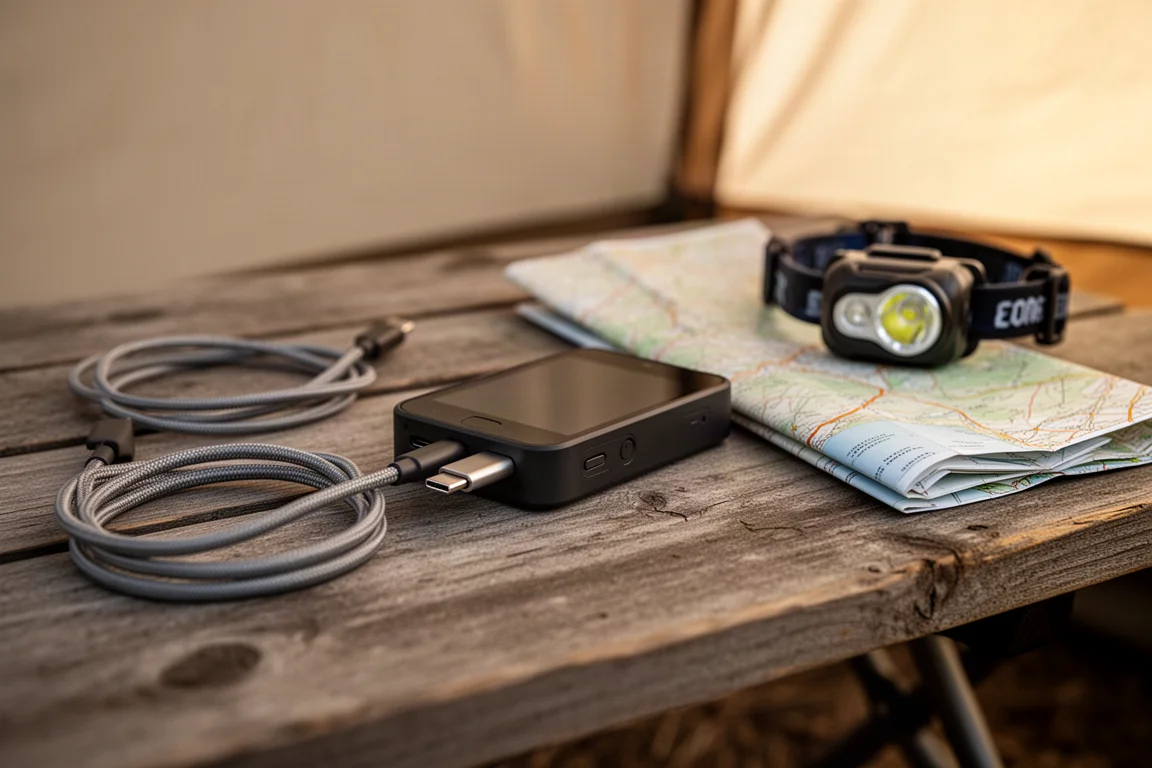
None of these changes alter what the device does. They change how often it gets in the way, which is the part that matters on a long day out.
Navigation, Apps, and Compass Differences
Navigation is the clearest functional split between the two devices. The inReach Mini 2 connects to the Garmin Explore app, where routes can be uploaded and followed as a breadcrumb line on the device screen. Messaging, weather, and even an SOS trigger are available through the app when a phone is connected. The original relies on the Earthmate app, which offers less cohesive mapping and a less polished experience.
In practice, message syncing has been reliable on the inReach Mini 2 across heavy use, with none of the stuck-message behaviour seen on the original. Bluetooth pairing is not perfect, though. Switching in and out of airplane mode or toggling Bluetooth can occasionally interrupt the connection, and turning Bluetooth off and on again is usually enough to restore it.
The compass upgrade is worth noting for anyone who navigates with a map and bearings. The original’s compass was a weak point, and the newer model is a meaningful improvement. That said, the inReach Mini 2 still shows a breadcrumb trail rather than topographic detail, so it complements a phone or watch rather than replacing them for complex route finding.
Overall Buying Advice
If you already own the original inReach Mini, the inReach Mini 2 is a quality-of-life iteration rather than an essential upgrade. Longer battery life, USB-C charging, TrackBack, better navigation, and a more dependable app are all welcome, but the emergency and messaging core is unchanged. There is no urgency to replace a working device.
For a first purchase, the calculation changes. The inReach Mini 2 costs more than the original, and the difference buys several days of extra runtime, faster charging, an always-on breadcrumb trail, multi-constellation navigation, and a better app. For anyone planning multi-day trips in the backcountry, that combination is easier to justify than a like-for-like replacement.
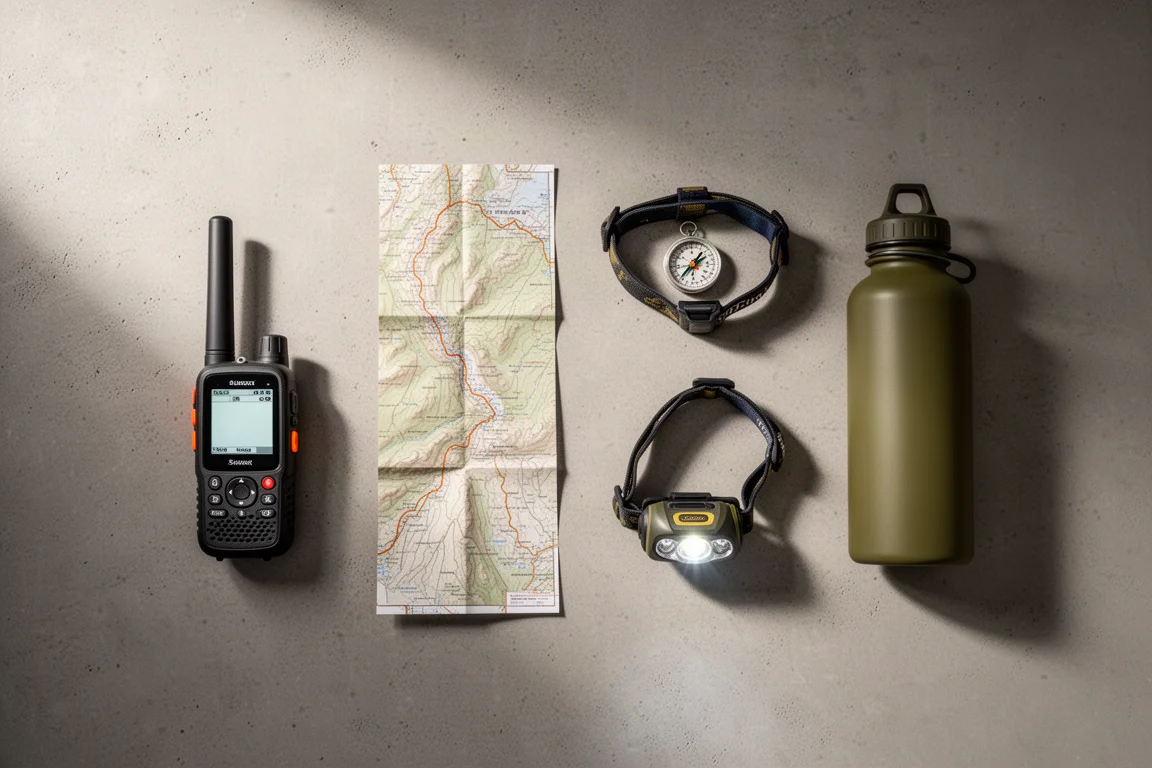
Buyers on a tight budget can still choose the original with confidence: it delivers the same SOS service and the same two-way messaging through the Iridium satellite network. The newer model simply asks less of you while doing it.
Conclusion
The Garmin inReach Mini 2 keeps everything that made the original appealing and refines the parts that were awkward. If you are shopping for your first satellite communicator, the newer model is the stronger long-term pick. If you already carry the original and it has served you well, there is no pressing reason to upgrade.
Further reading
Related Reviews
Satellite Communicators
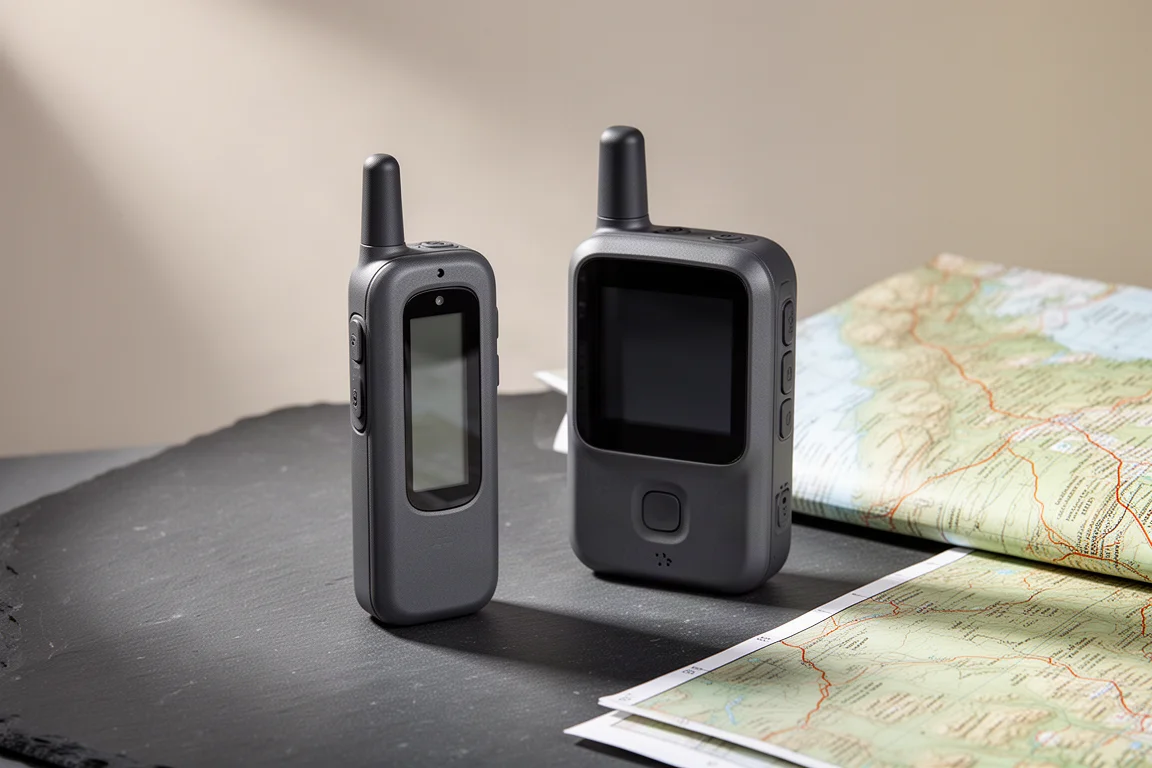
Garmin inReach Messenger vs inReach Mini 2: Which Satellite Communicator Belongs in Your Pack
A practical comparison of two compact Garmin satellite communicators, covering navigation, screen size, battery life, reverse charging and price.
Satellite Communicators
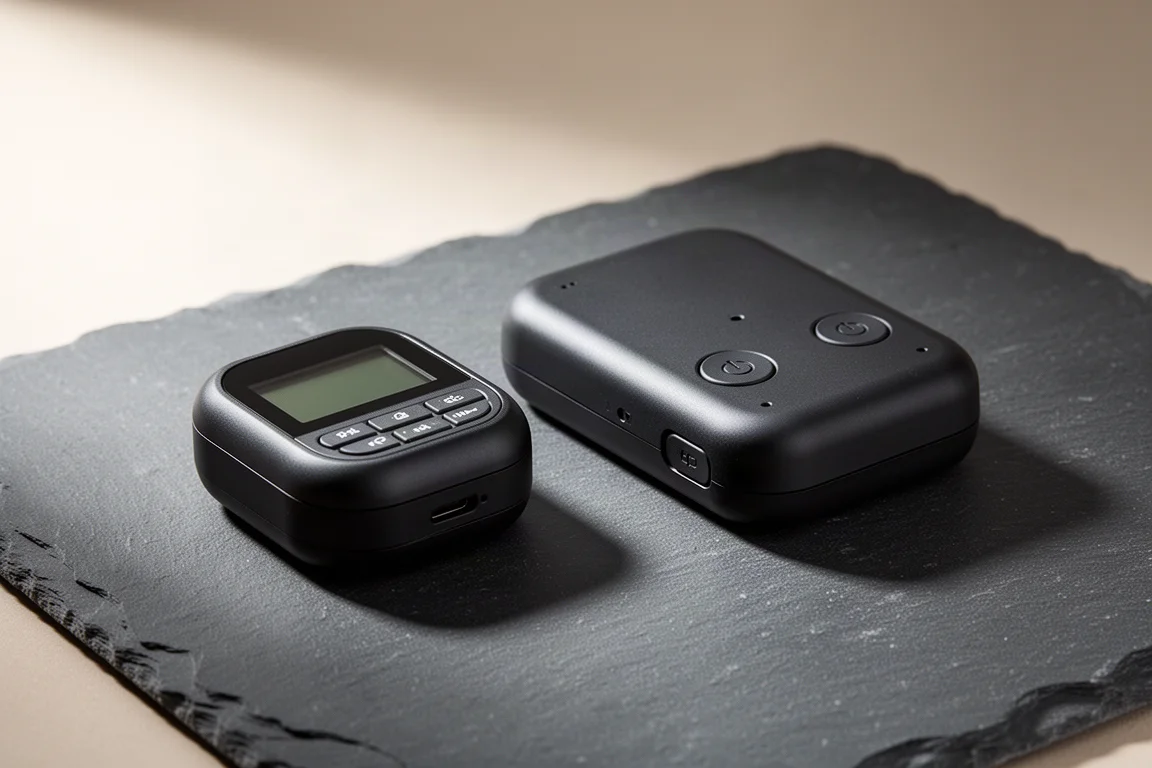
Garmin inReach Messenger vs Zoleo: Which Satellite Communicator Is Right for You?
A practical comparison of two satellite communicators, covering price, battery life, messaging, apps, satellite coverage, and standalone SOS use.
Satellite Communicators
Garmin inReach Mini 2 vs ZOLEO: Which Satellite Communicator Fits Your Trip?
A practical comparison of two satellite SOS communicators covering weight, battery life, charging, on-device messaging, and the subscription costs that matter over the life of the device.