Satellite Communicators
ZOLEO Satellite Communicator Review: Three-Plus Years in the Backcountry
A long-term look at the ZOLEO Satellite Communicator, covering messaging reliability, progressive SOS, Medical Assist, free check-in messages, and the Share Map feature.
Introduction
Satellite communication has never been more accessible for people who travel beyond cell coverage. Devices in this category offer life-saving capability such as SOS alerts that reach search and rescue, but they also add everyday convenience: two-way messaging, location sharing, and updated weather reports for a specific location. Just as importantly, they offer peace of mind to the family and friends waiting at home.
The ZOLEO Satellite Communicator has been in near-constant service for more than three years as a primary communication tool for backpacking and camping trips, used at least once per month. That long runway makes it possible to judge the device on the things that matter most over time: whether messages actually go out, whether the hardware survives real abuse, and whether the feature set has kept pace with a fast-moving category.

Across that period the standout quality has been consistency. Reliability, rather than any single headline feature, is what defines the ownership experience.
Who This Product Is For
This device suits backpackers, campers, and canyon hikers who spend time well outside cell coverage and want more than a one-way emergency beacon. The core appeal is the ability to send and receive messages at any time, which turns a safety tool into something you actually use on every trip rather than something you carry and forget.
It is also a strong fit for anyone whose family worries when they are out of contact. The routine of texting back and forth at the end of the day is the most common use case, and it delivers a level of reassurance that a simple tracking page cannot match.
A third group will appreciate the planning angle. Being able to pull updated weather reports for a specific location allows better decisions to be made about a route while the trip is still in progress, not just before leaving the trailhead.
As with any device in this category, the sensible first step is deciding what you personally need it to do. Some features will feel like overkill to one traveler and be exactly right for another, and the range of options on the market makes it possible to match a device to your own checklist.
Main Strengths
The most significant strength is reliability. Over three-plus years of at least monthly use, issues have been very minimal. The hardware has been dropped, dragged across rocks, and dropped in water, and it is still in amazing condition. That durability is not a marketing claim but an observed result of years of ordinary, occasionally careless, handling.
Messaging performance is the second standout. Texting over the Iridium satellite network has proven consistently fast, often feeling as quick as sending and receiving messages at home on 5G cell service. Connectivity has held up even in places with limited open sky, such as a narrow desert canyon.
The SOS implementation is where the device earns its place in a pack. ZOLEO uses a progressive SOS approach that allows two-way text communication with the Emergency Response Center while a rescue is in progress. Two people known personally to the long-term user initiated SOS within the last year, and both got the help they needed. In the first case, a member of the group was lifted out of a desert canyon by helicopter, and the ability to send real-time updates by text actually changed the rescue plan for search and rescue. In the second, a hiker in southern Utah who had done the right things but became dehydrated and was flirting with heat exhaustion used the device to text back and forth with family before initiating SOS, and help arrived in a very short period of time.
It is worth being precise about how SOS behaves. The SOS function does not depend on a paired phone. It can be initiated on the device itself, location is still shared, and search and rescue will still respond. What you lose without the phone is the two-way conversation: no way to send status updates and no way to receive information about an estimated arrival time.
Three feature updates have landed over the past year or so, and each adds real value. Medical Assist is included in all ZOLEO plans and provides access by satellite message to medical professionals who can help work through non-emergency medical situations in the backcountry, offering advice and things to watch for if symptoms progress. Check-in messages are now free and unlimited, where they previously counted against a plan’s message allowance. And Share Map lets you share a URL that anyone can use to follow your location and trip progress, with an expiration date you set so the link becomes inactive afterward.
The companion app is easy to use, which matters more than it sounds when you are tired, cold, and trying to type with one hand.
Things to Consider Before Buying
The one recurring issue observed on the trail involves check-in messages. A handful of times, a check-in successfully delivered the “I’m okay” message to check-in contacts but the location was not shared at that moment. In most of those cases the cause was situational or user error: sending from a tight desert canyon, or powering the device on and not waiting long enough for it to gather a GPS location before sending. Waiting for a solid location fix before triggering a check-in is a simple habit that avoids most of it.
Check-in messaging itself is still limited to a single message that says “I’m okay” and shares your GPS location when that option is toggled on. More variety in the app, with a couple of preset alternatives, would be a welcome addition for anyone sending quick updates to five check-in contacts.
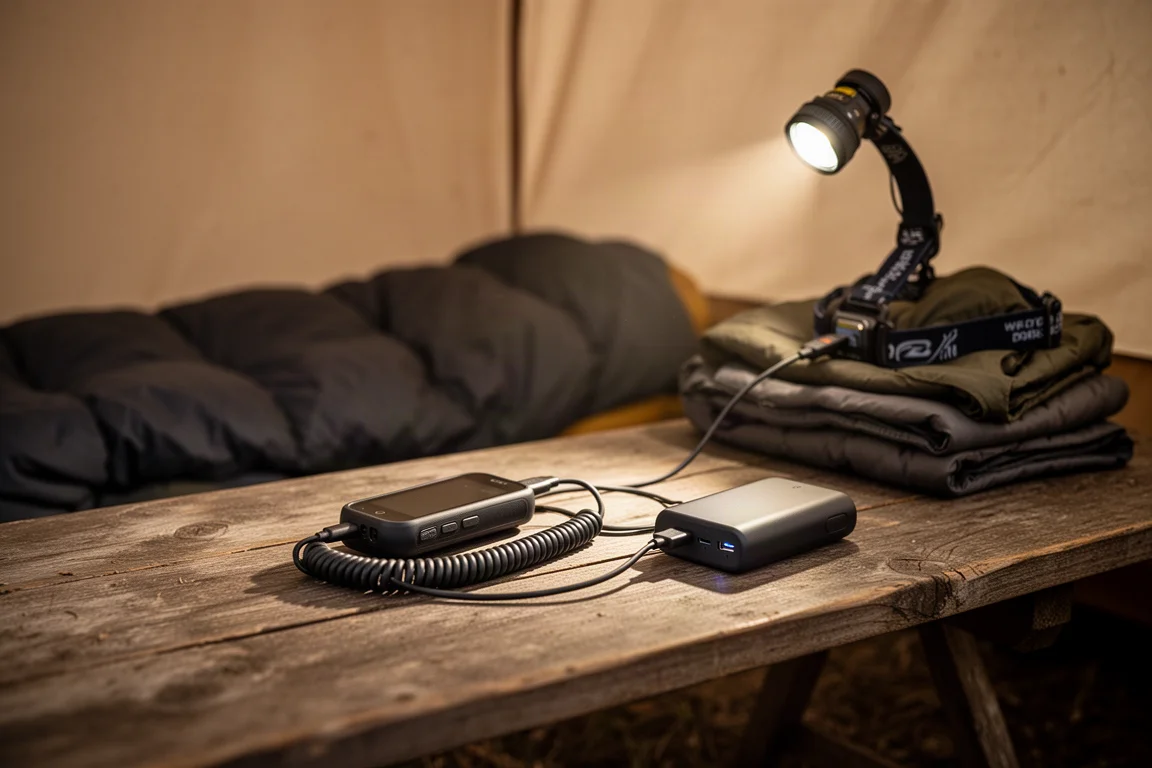
Battery management during an emergency deserves attention before you need it. Once SOS is initiated, the device and the phone both move into a fully active mode: the communicator checks for messages far more often and updates your location to the response center, and because texting runs through the app on your phone, the phone battery drains faster as well. The practical takeaways are to leave for a trip with everything fully charged and to carry a battery bank that can recharge both devices.
Finally, the check-in and location features are worth reading closely before you choose a plan. Free unlimited check-in messages do not carry an extra cost, but the Location Share Plus option, which sends automatic check-ins to your contacts on a set interval, does. Knowing which of those you actually want prevents paying for capability you will never switch on.
Buying Advice
The ZOLEO Satellite Communicator is a solid option at a nice price point, and the case for it rests on three things: a consistently reliable device, a genuinely easy app, and a feature set that keeps improving. Medical Assist being included in every plan is a meaningful differentiator for anyone who spends time far from medical care, and free unlimited check-in messages make the routine end-of-day text home a no-cost habit.
Plan selection should follow your habits rather than the other way around. If you only want to send an “I’m okay” message from camp, the free check-in allowance covers that. If you want contacts to see automatic interval updates, budget for Location Share Plus. If you want to let a wider circle follow a trip, Share Map with an expiration date is the cleaner tool because the link stops working when you decide it should.

Two habits are worth building before the first trip. First, let the device acquire a GPS location before sending a check-in, especially in narrow terrain. Second, treat power as part of your safety kit: start fully charged, carry a battery bank, and know that an active SOS will draw down both the communicator and your phone more quickly than normal use. Do that, and the device behaves the way you would hope a piece of safety equipment should.
Conclusion
After three-plus years of monthly use in the backcountry, the ZOLEO Satellite Communicator remains relevant for the same reasons it was appealing at the start: it sends messages reliably, it survives rough handling, and its SOS capability has been proven in real situations. The addition of Medical Assist, free unlimited check-in messages, and Share Map has made it more useful over time rather than less. For travelers who want two-way communication beyond cell coverage and reassurance for the people at home, this is a device that earns its place in the pack.
Product link
View more details for ZOLEO Satellite Communicator
This product is mentioned in the review. Check the specifications, options, and compatibility before buying.
View more details for ZOLEO Satellite CommunicatorFurther reading
Related Reviews
Satellite Communicators
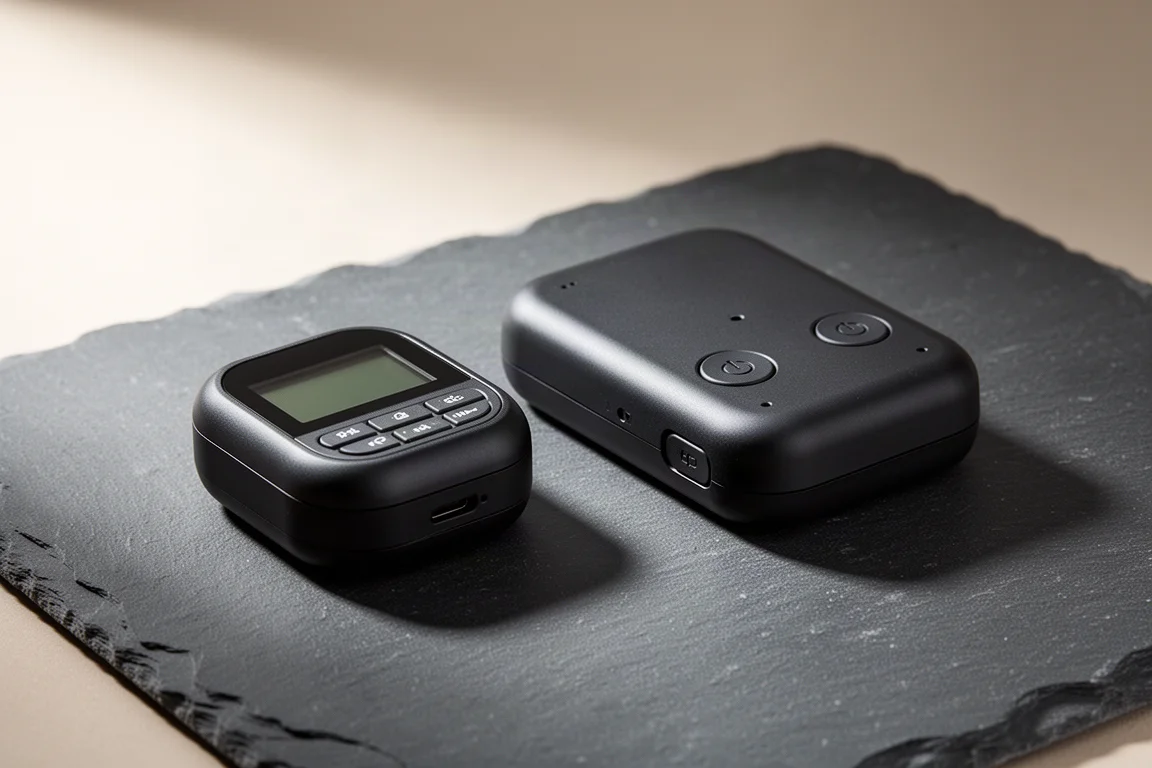
Garmin inReach Messenger vs inReach Mini 2: Which Satellite Communicator Belongs in Your Pack
A practical comparison of two compact Garmin satellite communicators, covering navigation, screen size, battery life, reverse charging and price.
Satellite Communicators
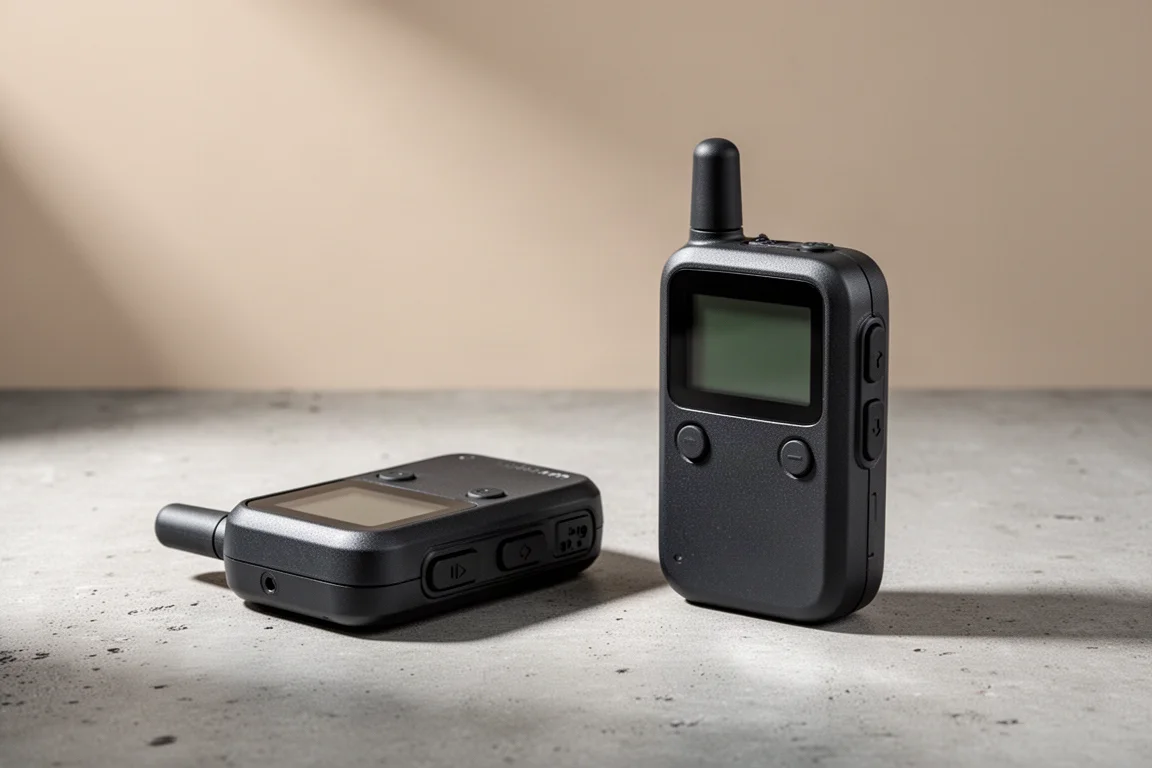
Garmin inReach Messenger vs Zoleo: Which Satellite Communicator Is Right for You?
A practical comparison of two satellite communicators, covering price, battery life, messaging, apps, satellite coverage, and standalone SOS use.
Satellite Communicators
Garmin inReach Mini 2 vs inReach Mini: Is the Newer Satellite Communicator Worth It?
A practical comparison of the Garmin inReach Mini 2 and the original inReach Mini, covering battery life, USB-C charging, navigation, app support, and upgrade advice.