Satellite Communicators
ZOLEO Satellite Communicator Review: Three Years of Backcountry Use
A long-term look at the ZOLEO satellite communicator, covering real-world reliability, SOS performance, and the feature updates that changed its value.
Introduction
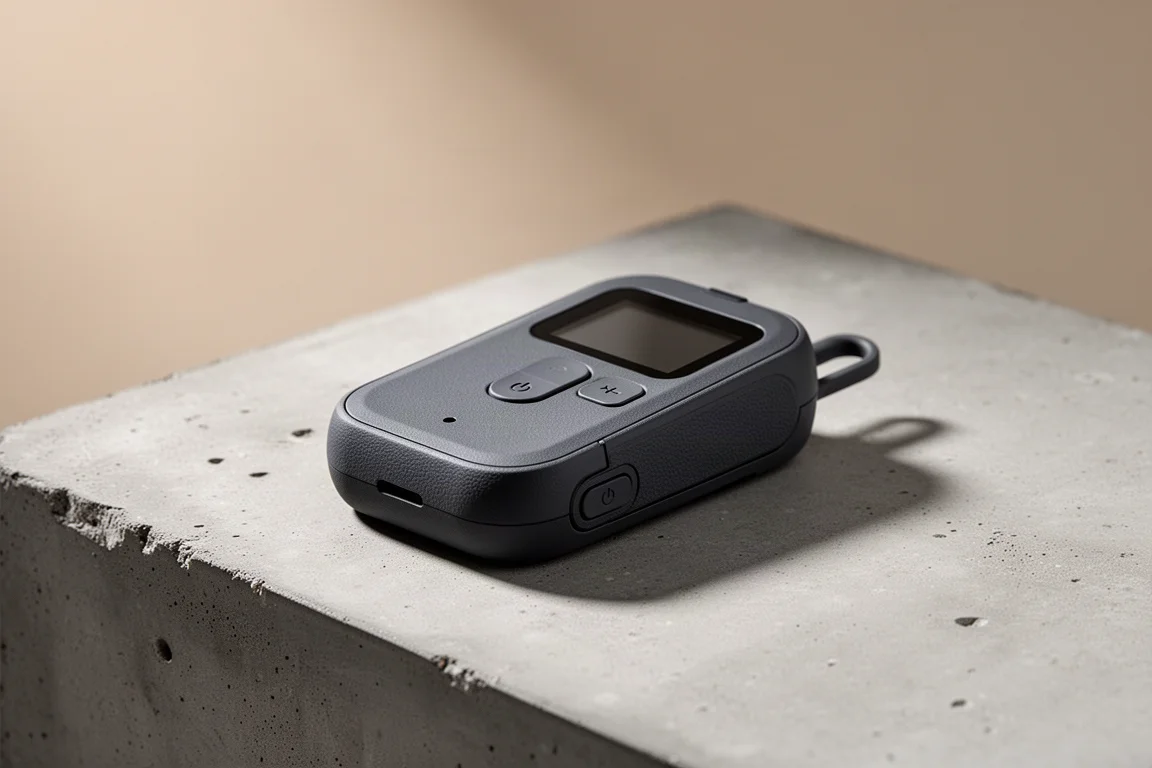
Satellite communication in the backcountry is more accessible than it has ever been, and the ZOLEO satellite communicator has been the primary communication tool for backpacking and camping trips for more than three years now. The appeal is straightforward: access to SOS help from search and rescue, two-way messaging, location sharing, and location-specific weather reports in one compact device that stays out of the way until you need it.
The value shows up in two places. On the trail, it adds convenience and a real safety net. At home, it gives family and friends peace of mind because they can follow along and receive messages. Being able to send and receive messages at any time, pull an updated weather report for a specific location, and make trip decisions based on current conditions changes how a backcountry day gets planned. The SOS function sits underneath all of it as the reason the device earns its place in a pack.

That combination is why the device has stayed in regular rotation rather than being left behind after the novelty wore off. It gets carried at least once a month, and often more.
Who This Product Is For
This is a device for people who spend time well beyond reliable cell coverage: backpackers, campers, thru-hikers, and anyone traveling remote canyons, desert routes, or alpine terrain where open sky is never guaranteed.
It also suits a particular kind of user, someone who wants to stay in touch rather than only signal for help. A satellite messenger that supports two-way conversation, weather lookups, and check-in messages does more day-to-day work than a one-way emergency beacon, and that is the role this device fills.
Finally, it is worth considering for the people who stay home. Check-in messages and shareable location links turn an anxious wait into a simple glance at a map.
Reliability and Everyday Messaging
Across more than three years of regular use, the consistency of the device stands out most. It has been used at least once per month or more, and issues have been minimal. Messaging over the Iridium satellite network has been fast enough that sending and receiving can feel comparable to being at home on a cellular connection. Connectivity has held up even in places with limited open sky, such as a narrow desert canyon.
The most common use case is simple: texting back and forth at the end of the day to check in and catch up on things at home. That everyday reliability matters more than any single headline feature, because it is what keeps the device charged, packed, and ready for the trips that matter.

One small pattern is worth knowing about. A handful of times, a check-in message delivered the “I’m okay” confirmation successfully while the location did not share. In those cases the cause was usually environmental or procedural: sending from a tight desert canyon, or powering the unit on and sending before it had enough time to acquire a GPS fix. Giving the device a moment to settle before sending a check-in resolves most of it.
Feature Updates That Matter
Several feature updates over the past year or so have meaningfully changed what the device can do.
Medical Assist is the most significant. It is included in all ZOLEO plans and provides access by satellite message to medical professionals who can help work through non-emergency medical situations in the backcountry. Being able to text back and forth about symptoms, what to watch for, and whether a situation is likely to escalate is genuinely useful for decision making, and it has real potential to reduce the number of unnecessary rescues.
Check-in messages are now free and unlimited. Previously they counted against a plan’s message allowance; that is no longer the case. The only time a check-in message costs anything extra is when Location Share Plus is enabled, which sends automatic check-in messages to your contacts at a set interval.
Share Map is the third addition. It generates a URL that can be shared on social media or sent to friends and family, and anyone with the link can see and follow your location. It is a clean way to let people watch the progress of a trip without using Location Share Plus, and the link can be given an expiration date so it goes inactive and stops sharing location after that point.
Real-World SOS Experience
Two people known personally initiated SOS on their devices within the last year, and both got the help they needed.
In the first case, a member of a hiking group was lifted out of a desert canyon by helicopter. The notable part was what happened during the rescue: the person who triggered SOS was able to send real-time text updates to the emergency response partner about the situation on the ground, and that information changed the rescue plan. That is the core advantage of a progressive SOS feature. Live communication with the emergency response center lets search and rescue arrive better prepared for what they will find.
In the second case, a family member hiking in southern Utah had done the right things but became dehydrated and was edging toward heat exhaustion. He texted back and forth with his mom about what was happening, decided he needed more help, and initiated SOS. Help arrived in a very short period of time.

There is one practical lesson from both situations. Once SOS is initiated, the device and the paired phone both burn through battery quickly, because the unit shifts into a fully active mode that checks for messages more often and pushes location updates to the response center, while the texting interface keeps the phone busy. Start every trip fully charged and carry a battery bank.
It is also worth knowing that SOS does not depend on the phone. It can be initiated on the device alone, location is still shared, and search and rescue will still respond. What you lose without the phone is the ability to send status updates or receive information about an ETA.
Things to Consider Before Buying
The check-in message system is the area with the most obvious room to grow. Only one message can currently be sent, and it reads “I’m okay,” with GPS location attached if that option is toggled on. A few more presets, something like “I’m okay, in camp and safe” or “back at the car and heading home,” would let a quick message reach five check-in contacts without typing out individual custom texts to each person.
Battery management deserves attention too. The device itself is frugal in normal use, but an active emergency changes that picture fast, so charging habits and a power bank are part of the kit rather than an afterthought.
Beyond that, it comes down to fit. A satellite communicator can be overkill for one person and exactly right for another, and the range of options on the market means it is worth deciding what you actually need the device to do before choosing.
Buying Advice
What stands out after close to four years of use is how well the device has held up. It has been dropped, dragged across rocks, and dropped in the water, and it remains in excellent condition. The companion app is easy to use, the hardware has been consistently reliable, and the price point is a genuinely pleasant surprise for the category.
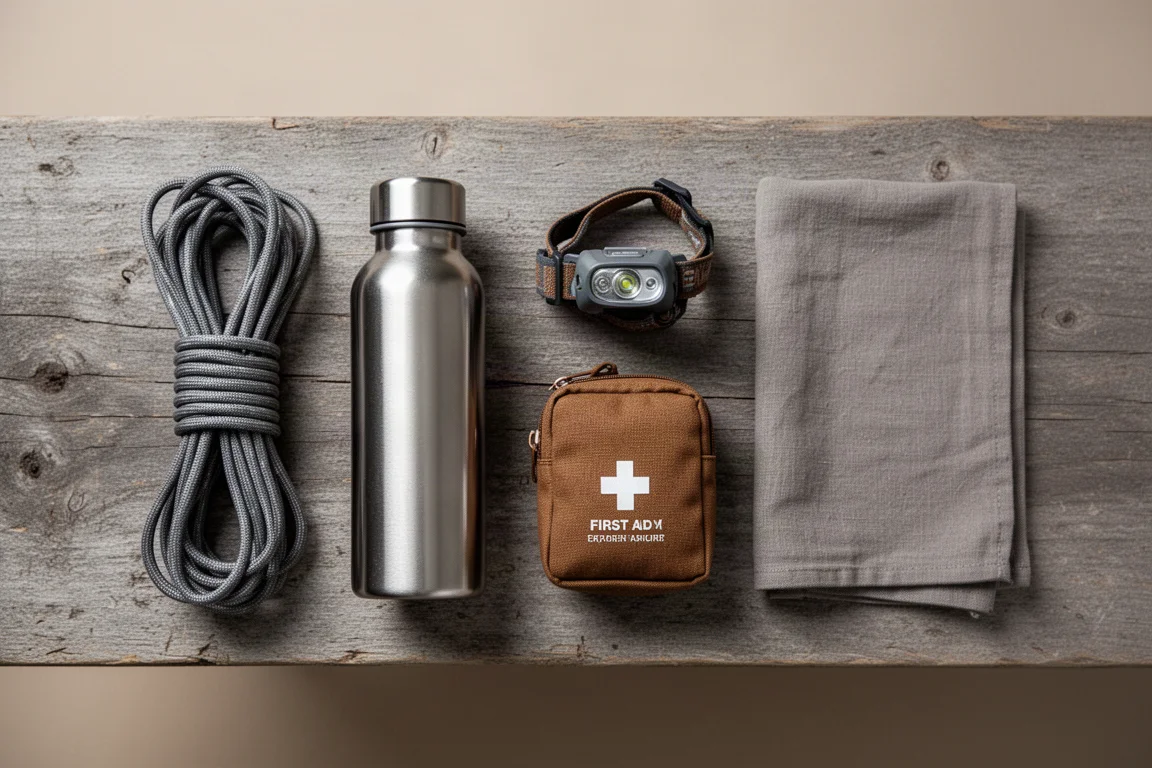
For anyone weighing a purchase, the practical checklist is short. If you travel beyond cell coverage and want two-way messaging, location sharing, weather reports, and a working SOS path, this device covers those needs with a straightforward app and a durable body. Keep the unit charged, carry a power bank on longer trips, and give it a moment to lock onto location before sending a check-in.
Conclusion
Three years of regular backcountry use points to the same conclusion each season: the device does its job without drama. Messaging is fast and dependable, the SOS path has proven itself in real emergencies, and the recent additions of Medical Assist, free unlimited check-in messages, and Share Map have made the overall package more useful than it was a few years ago. The single preset check-in message is the main thing left on the wish list, but that is a refinement rather than a dealbreaker. For a satellite communicator that is easy to live with and priced sensibly, it remains a solid choice.
Product link
View more details for ZOLEO Satellite Communicator
This product is mentioned in the review. Check the specifications, options, and compatibility before buying.
View more details for ZOLEO Satellite CommunicatorFurther reading
Related Reviews
Satellite Communicators
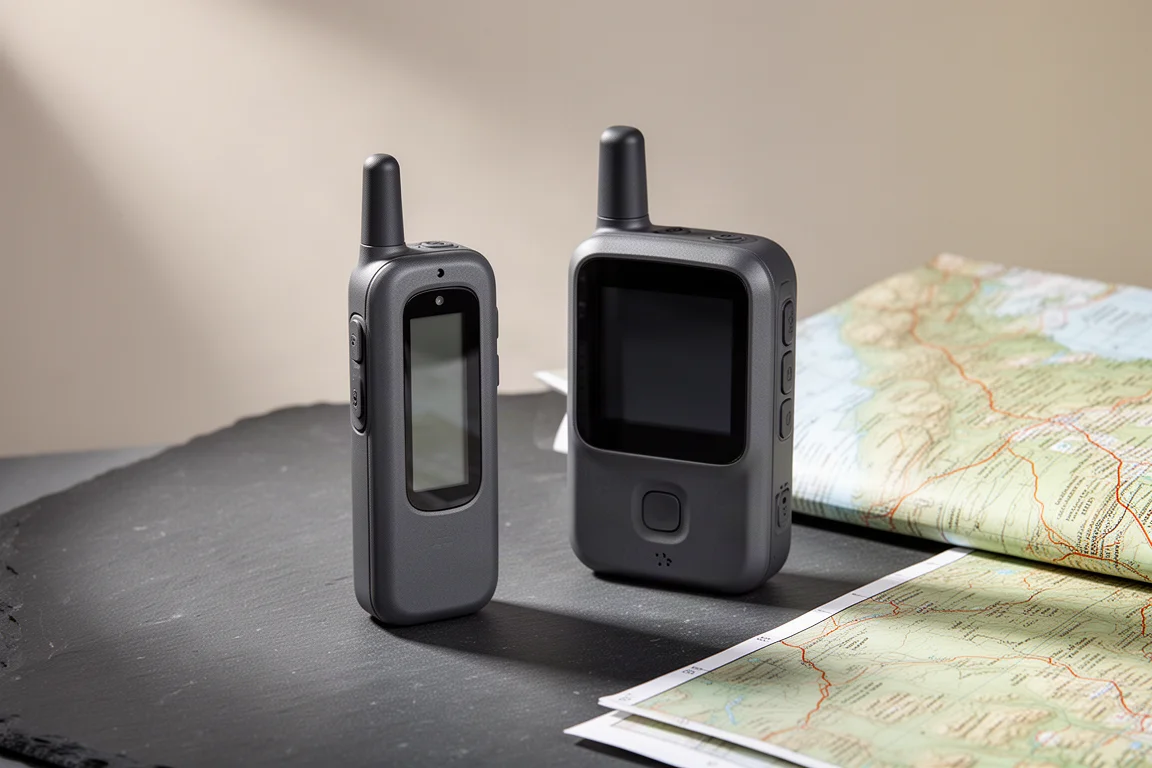
Garmin inReach Messenger vs inReach Mini 2: Which Satellite Communicator Belongs in Your Pack
A practical comparison of two compact Garmin satellite communicators, covering navigation, screen size, battery life, reverse charging and price.
Satellite Communicators
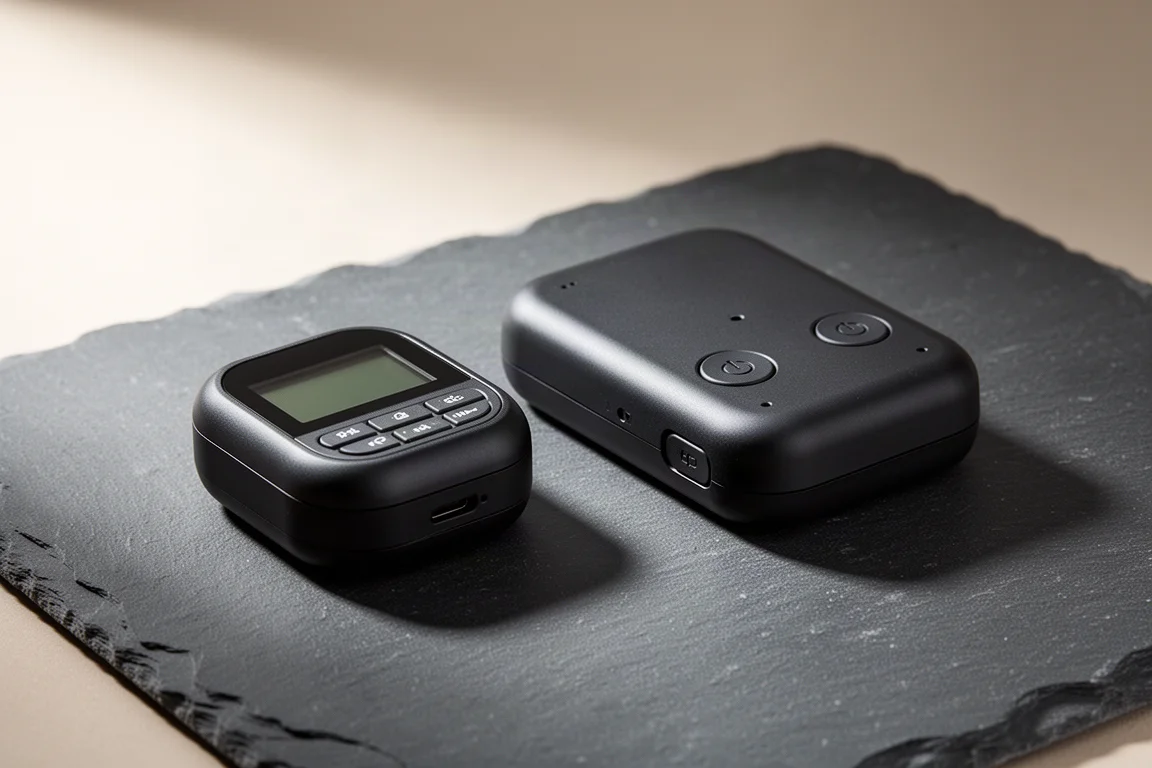
Garmin inReach Messenger vs Zoleo: Which Satellite Communicator Is Right for You?
A practical comparison of two satellite communicators, covering price, battery life, messaging, apps, satellite coverage, and standalone SOS use.
Satellite Communicators
Garmin inReach Mini 2 vs inReach Mini: Is the Newer Satellite Communicator Worth It?
A practical comparison of the Garmin inReach Mini 2 and the original inReach Mini, covering battery life, USB-C charging, navigation, app support, and upgrade advice.