Satellite Communicators
ZOLEO Satellite Communicator Long-Term Review: Reliable Backcountry Messaging
A long-term look at the ZOLEO Satellite Communicator, covering real-world reliability, Iridium coverage, subscription tiers, and the trade-offs worth weighing before buying.
Introduction
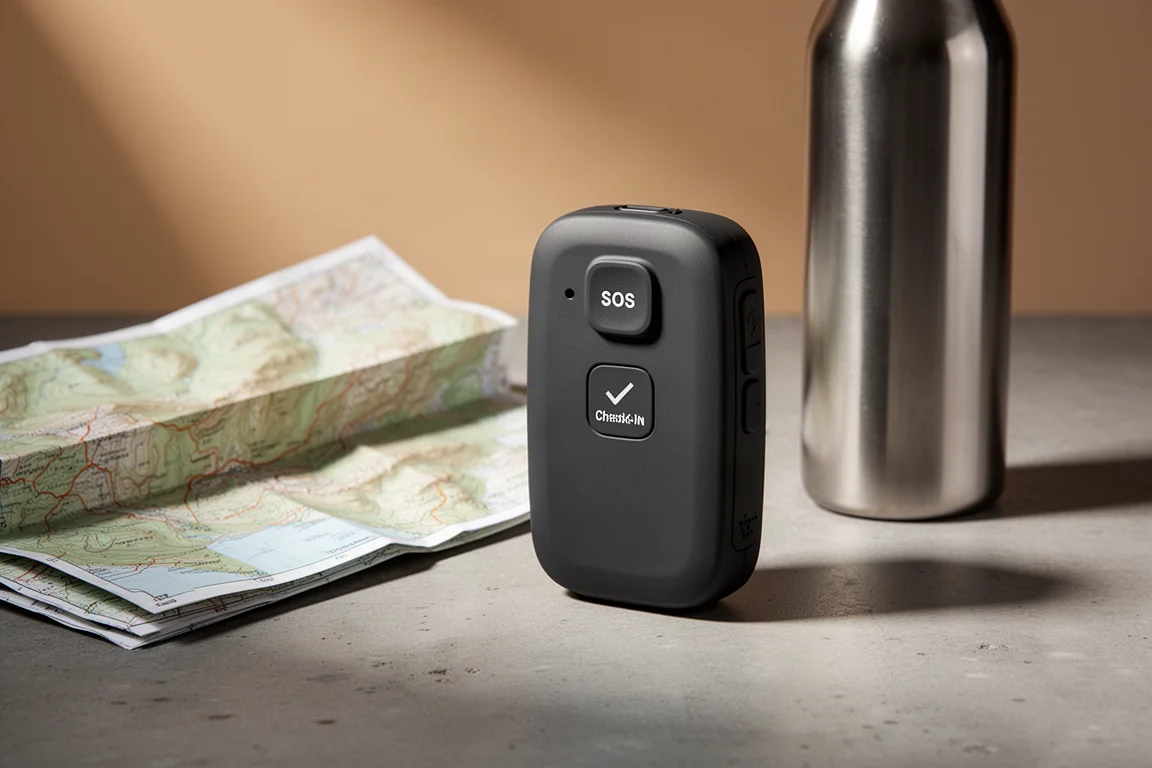
The ZOLEO Satellite Communicator is a compact device that keeps two-way messaging, check-in updates, and emergency SOS within reach long after cell signal disappears. It has been in continuous field use since February 2020 on solo trips, outings with friends, and family car camping weekends, and that much time in the backcountry makes the case for it fairly straightforward.

The hardware costs $200, which places it below much of the competition at the entry point. The bigger structural advantage sits underneath the device. ZOLEO runs on the Iridium satellite network, which delivers coverage across the entire earth. For a device whose whole job is working when nothing else does, that is the right place to start.
Who the ZOLEO Satellite Communicator Is For
It would be a stretch to call this the best device for every single person, and the honest answer depends on what you need it to do.
This device suits travelers who want genuine back-and-forth conversation with people at home, the ability to send simple check-in messages that say “I’m okay” along with GPS coordinates, and a way to call out SOS for a rescue when evacuation or search and rescue is genuinely necessary. Solo trips, group outings, and family camping trips all fit that description.
Anyone who wants a fully standalone unit with an on-device screen for composing messages will find the ZOLEO limiting, because it has no screen at all. Typing happens through the paired phone app. If complete independence from a phone is the priority, this is not the right pick.
Main Strengths: Reliability and Coverage
Reliability is the question that matters most with a device like this, and across months of use the ZOLEO has been completely dependable. Messages have gone out and been received every single time, confirmed by asking recipients directly whether each one arrived. Dozens and dozens of messages were sent deliberately to test that reliability, and none of them failed.
Two-way messaging feels close to real time, which changes the character of a trip when someone at home is following along. The unlimited plan removes any hesitation about volume, so messages can be sent and received freely without counting against an allowance or triggering extra charges.

Iridium coverage is what makes that reliability hold up in remote terrain, because the network spans the entire earth rather than leaning on regional ground infrastructure.
Messaging, Check-In, and Share Plus
Standalone operation is a genuine strength. The SOS button works without connecting to a phone, and the check-in button on the front of the device sends a simple message that says “I’m okay” together with GPS coordinates. Both can be used with the device alone, which suits travelers who do not want to be constantly connected and would rather send an occasional check-in on the lowest-priced plan.
Up to five check-in contacts can be configured in the ZOLEO app. A newer feature called Share Plus gives those five contacts a breadcrumb trail of location updates at intervals ranging from six minutes to four hours, so they can follow a route as it unfolds. Share Plus costs extra to enable and can be switched on and off as needed.
The one drawback with Share Plus is that check-in contacts have to download and use the ZOLEO app to receive those notifications and see the location trail. It is not an external link. Standard check-in messages work differently, and the location link in those can be opened directly and viewed on Google Maps, which is a familiar and convenient format for anyone receiving it.
The ZOLEO App, Weather Reports, and SOS
Pairing to a phone is where the device becomes genuinely pleasant to live with. Messaging is easy, and the app interface is the best of any satellite communication device in this category, with a user experience that stays simple and friendly. Sent messages are clearly marked as having gone out, incoming messages are easy to find, and notifications arrive without fuss.

Detailed weather reports come through the Dark Sky weather service, and that feature earned its keep on a trip in early March. At the trailhead, snow was falling heavily and the group needed to decide whether continuing was sensible. A Dark Sky report pulled through the ZOLEO app showed hourly detail that matched a separate forecast almost exactly, including a call that the storm would break and the sun would appear at four o’clock. It did, right on schedule, and the hike went ahead.
The SOS side of the device relies on GEOS. Triggered from the device without a phone, it contacts GEOS, transmits location, and requests help. When connected to the phone, an SOS texting interface allows back-and-forth communication with GEOS, showing what is happening and when search and rescue can be expected, whether that means a helicopter, a foot team, or another kind of response.
Things to Consider Before Buying
The lack of a screen is the most significant limitation. Messages cannot be typed on the device itself, so the phone becomes essential for anything beyond a basic check-in or an SOS.
Charging uses micro USB rather than USB-C, which is disappointing given how common USB-C has become on current electronics.
Check-in messages count against the monthly message allowance. They are not free and unlimited the way they are on some competing devices.
Share Plus carries an extra cost when it is enabled, and the breadcrumb trail it produces is only visible to contacts who install the ZOLEO app.
Plan management also deserves attention. Subscriptions are locked in for the first three months before they can be suspended. After that, a subscription can be frozen for $4 per month, which preserves the dedicated phone number. Cancelling instead removes that number, and reactivating later issues a new one, so contacts would need to update their records.
Buying Advice
The device itself is $200, with a $20 activation fee, which is a low barrier to entry for this category. A dedicated phone number and a dedicated email address come with the service, letting friends and family save the contact details and text at any time from wherever they are.

Three subscription tiers are available at $20, $35, and $50. The $35 tier includes 250 incoming and outgoing messages per month, with check-ins counted against that total, and it is the natural fit for someone who heads out often enough to want regular communication. The unlimited tier makes sense for frequent, heavy use, while the lowest tier suits occasional trips where a simple check-in is all that is needed.
Conclusion
The ZOLEO Satellite Communicator has earned its place through years of dependable use. Two-way messaging that feels close to real time, standalone SOS and check-in buttons, global Iridium coverage, and the strongest app experience in the category add up to a device that is easy to recommend. Buyers who need an on-device screen or USB-C charging should look elsewhere, but for everyone else this is a compelling and reassuring piece of backcountry kit.
Product link
View more details for ZOLEO Satellite Communicator
This product is mentioned in the review. Check the specifications, options, and compatibility before buying.
View more details for ZOLEO Satellite CommunicatorFurther reading
Related Reviews
Satellite Communicators
Garmin inReach Messenger vs inReach Mini 2: Which Satellite Communicator Belongs in Your Pack
A practical comparison of two compact Garmin satellite communicators, covering navigation, screen size, battery life, reverse charging and price.
Satellite Communicators
Garmin inReach Messenger vs Zoleo: Which Satellite Communicator Is Right for You?
A practical comparison of two satellite communicators, covering price, battery life, messaging, apps, satellite coverage, and standalone SOS use.
Satellite Communicators
Garmin inReach Mini 2 vs inReach Mini: Is the Newer Satellite Communicator Worth It?
A practical comparison of the Garmin inReach Mini 2 and the original inReach Mini, covering battery life, USB-C charging, navigation, app support, and upgrade advice.