Satellite Communicators
Zoleo 1500 vs Garmin inReach Messenger: Which Satellite Messenger Fits Your Trip
A practical comparison of the Zoleo 1500 and the Garmin inReach Messenger, covering screen-free messaging, battery endurance, subscription costs, and who each device suits.
Introduction
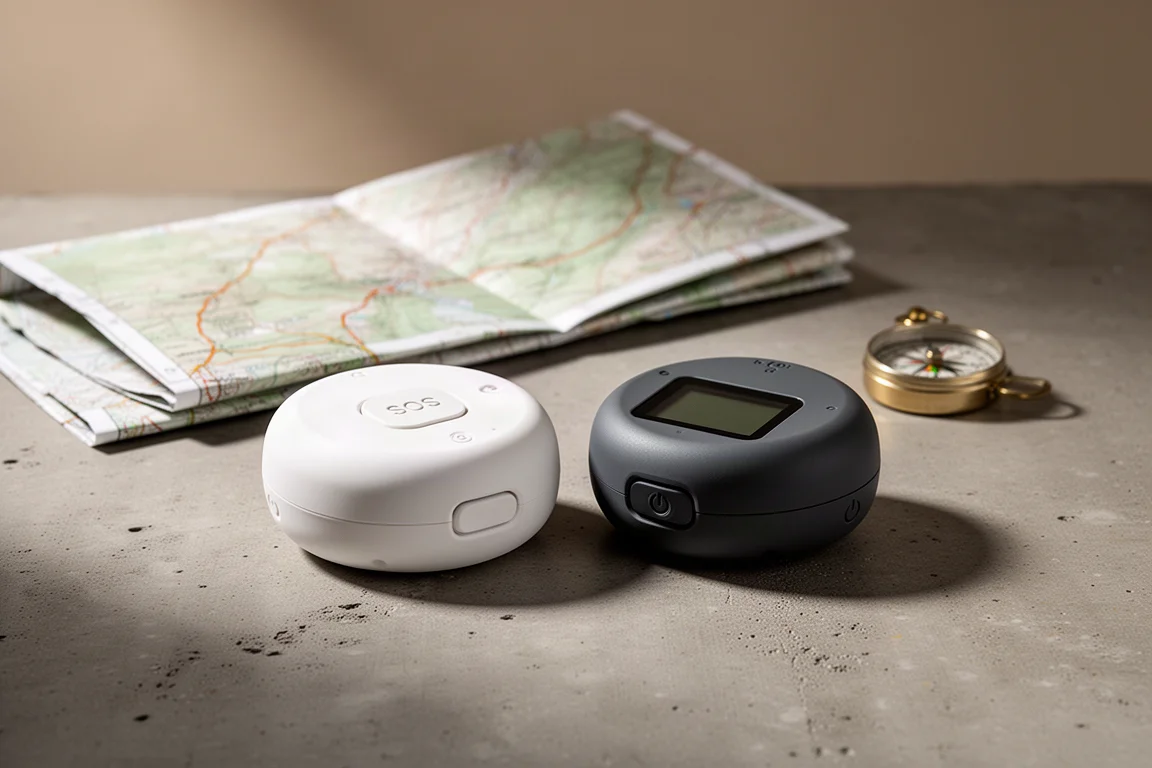
Satellite messengers exist for the moments when the cell grid ends and something still needs to be said. Two devices come up again and again for phone-centric users: the Zoleo 1500 and the Garmin inReach Messenger. Both run on the Iridium network, both are small puck-shaped companions that pair with a smartphone, and both can summon help where there is no signal. The similarities end at the details that matter most, which are whether you can still communicate when your phone is dead, how long the battery lasts, and what the service behind the hardware costs.
The Zoleo 1500 is the first new Zoleo device in six years, and it is best understood as a careful refresh rather than a reinvention. The Garmin inReach Messenger takes a different route, trading a little polish for a small screen and basic navigation. Neither is universally better. The right pick depends on how you travel and what you are willing to carry.
What Separates These Two Devices
Four differences decide most of this comparison. The first is what happens when your phone fails, since the Zoleo relies on a paired phone and app for two-way messaging while the inReach Messenger has a small screen of its own. The second is battery endurance, where the Messenger has the advantage. The third is the messaging model, because the Zoleo issues its own phone number and email address while Garmin works around that with an account ID tied to your cell number. The fourth is cost, both for the hardware and for the subscription that makes either device useful.

It is worth separating those points deliberately. A device that messages beautifully but only through your phone is a very different tool from one with a cramped screen that also works on its own, and the difference only becomes obvious on the days when something goes wrong.
The Zoleo 1500 and Its Screen-Free Approach
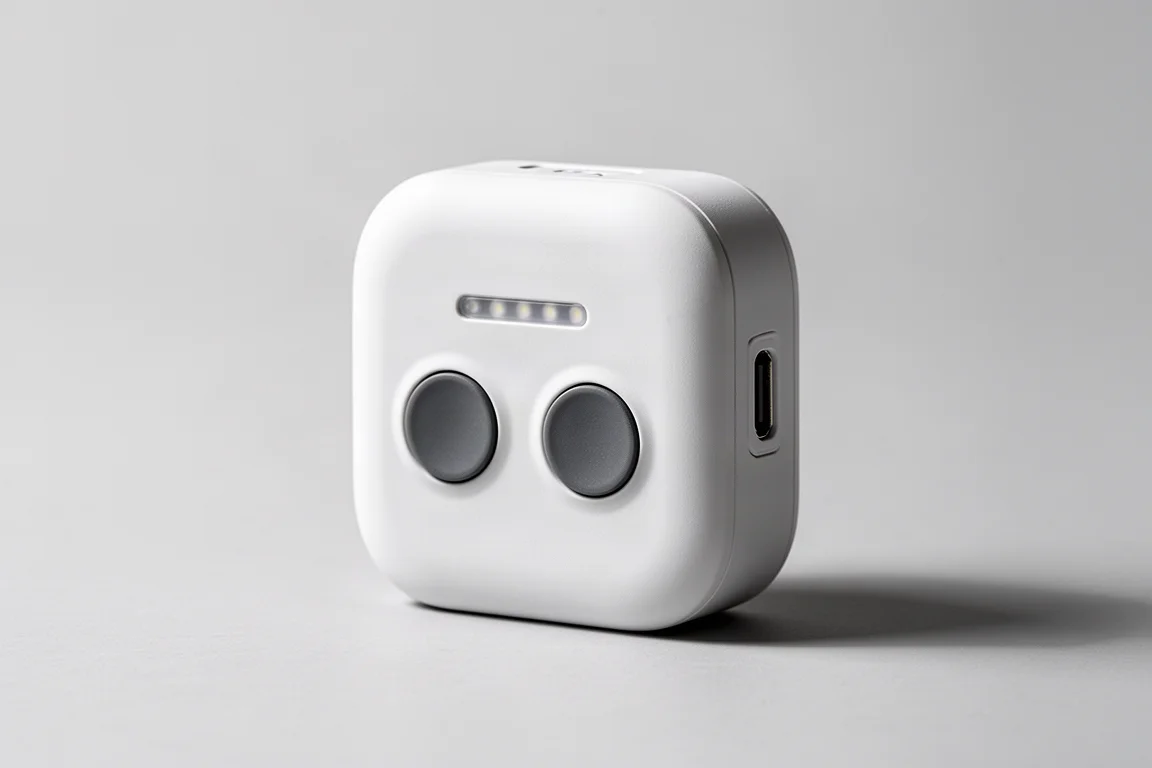
The 1500 keeps the core of the original Zoleo and updates the parts that had aged. The micro-USB port is gone in favor of USB-C, which means one cable for everything you carry. Bluetooth moves to 5.2 from 4.1, adding range and stability to the phone connection. The power and SOS buttons now give a tactile click, matching the check-in button, so you can feel that a press registered. The shell is finished in a high-visibility safety white, which matters more than it sounds when a device is dropped in low light or needs to be found in a pack at night.
Those are the changes. There is no screen, no navigation, and no new messaging model. What the Zoleo does well is communication. It has its own phone number and email address, so a contact can text it from an ordinary phone without installing anything. Messages are checked automatically in the background rather than requiring you to point the device at the sky, and the check interval can be adjusted to manage battery drain. On the device itself you get an SOS button, a check-in button that sends your location to a predefined contact, status LEDs, and an audible beep when a message goes out.
Location sharing has also improved. Any message can carry your latitude and longitude, and the recipient can open it on a map. An add-on subscription called Location Share Plus drops an automatic breadcrumb track at an interval you choose. If both parties download offline maps in the app, they can follow each other’s tracks without a live connection, which is genuinely useful for groups traveling together. A newer tracking dashboard on the Zoleo website shows every place the device has checked in from on a global map, broken down by day, and you can share that view with someone at home. It is included with the standard subscription.
The catch is unchanged and worth stating plainly: two-way conversation requires your phone and the Zoleo app. Without them the 1500 becomes a one-way device, good for an SOS or a check-in but not for a back-and-forth about whether a situation needs a rescue or simply a better route out.
The Garmin inReach Messenger and Its Backup Screen
The inReach Messenger uses the same Iridium network and the same puck-shaped, phone-first design, but the details diverge. Its list price sits about $100 above the Zoleo 1500, though it is frequently available for around $200, which is roughly what the Zoleo costs. Its battery endurance is better, helped by an enclosed battery. It also adds a small screen.
That screen is the crux. It is tiny and awkward to use, but it allows two-way messaging when your phone is dead or out of reach, which is exactly the scenario where a satellite communicator stops being a convenience and starts being a lifeline. The Messenger also offers limited navigation: you can read your position and follow a track back. It connects to more positioning systems than the Zoleo, though position fixes can take longer to arrive in side-by-side use.
The messaging model is the other difference. The Messenger does not have its own phone number or email address. Instead, your cell phone number becomes the account ID in the Garmin Messenger app, which works but is a workaround rather than a true second line.
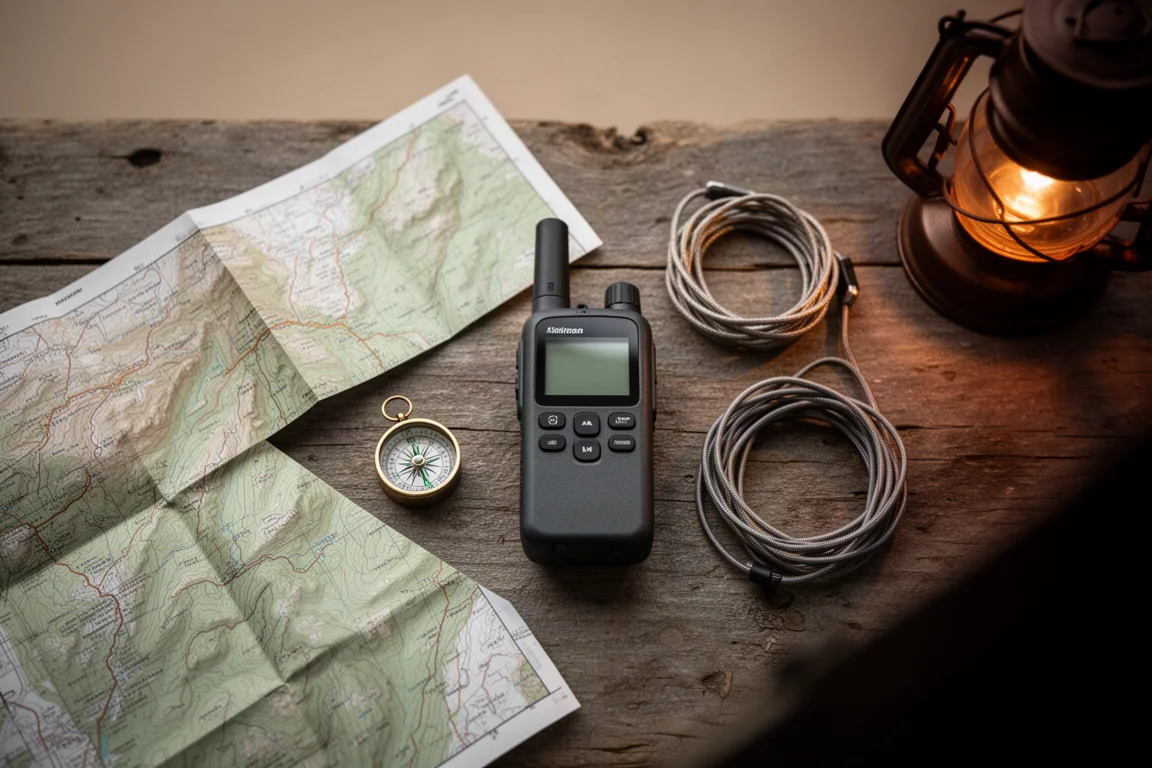
For a hiker who already carries paper maps and a separate navigation app, the screen may look like a small thing. For anyone whose trips run for days at a time, it changes what the device can do once everything else has failed.
Where the Zoleo 1500 Still Wins
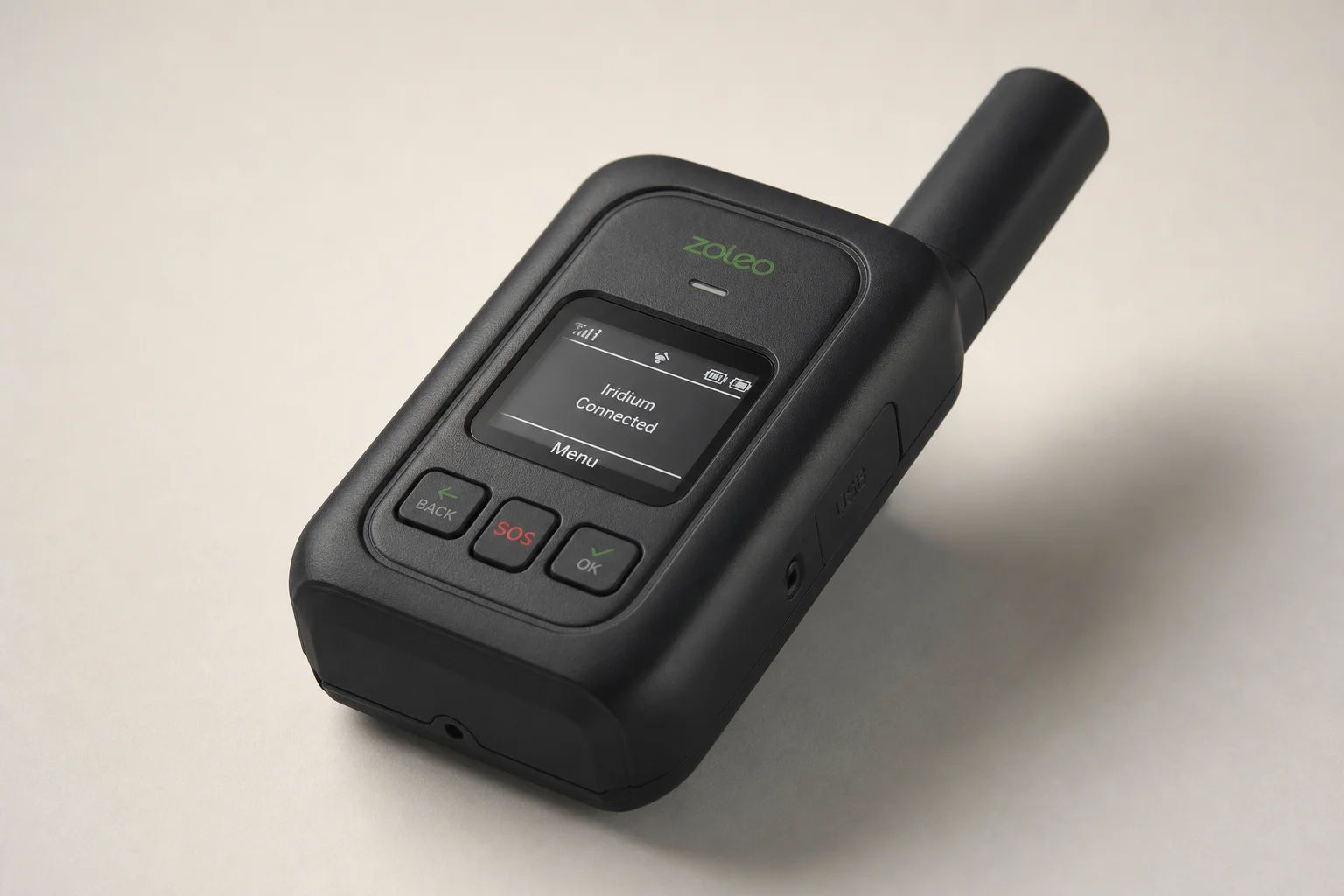
The 1500’s advantage is friction. A dedicated number and email address mean the people you want to reach do not need an app, an account, or a lesson in how satellite messaging works. They text, and the message arrives. Background checking means no ritual of aiming the device at open sky, which is a real difference from the satellite messaging built into some recent smartphones.
Position sharing is quick, and the free tracking dashboard gives family members a simple map to follow without extra cost or extra hardware. For Zoleo-to-Zoleo groups using offline maps, breadcrumbs turn a string of check-ins into a visible route. Because the device also runs while plugged into USB power, it can live permanently in a vehicle and stay topped up without any special planning.
Battery Life and Real-World Endurance
Zoleo rates the 1500 at more than 200 hours of battery life. In mixed use, endurance lands close to that figure, around 190 hours. Location Share Plus changes the picture substantially: with a breadcrumb every hour, expect roughly 140 hours, and with an interval of 12 minutes it falls to about 80 hours. The lesson is that automatic tracking is the single biggest drain, so set the interval to match how closely anyone actually needs to follow you.
Charging is straightforward. USB-C tops the device up quickly, it can be recharged in the field from a power bank, and it will keep working while plugged into USB power, which makes it a reasonable fit for a vehicle.
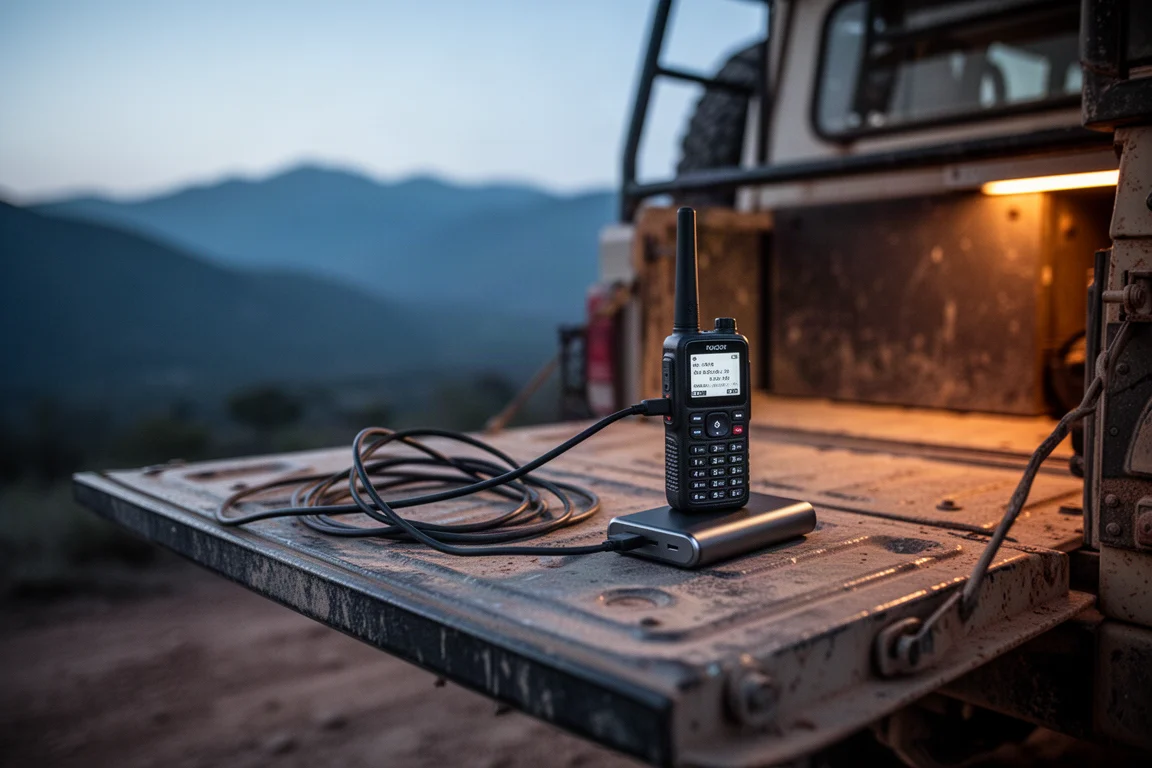
The inReach Messenger lasts longer on a charge, so if you are comparing purely on endurance, that is the device to beat.
Plans, Fees, and Subscription Math
A Zoleo requires a subscription, and the SOS function will not work without one. There is a three-month minimum term to start, an activation fee, and a fee if you pause or suspend the service for a month. Two main plans are offered, and the breakpoint sits at 80 messages: send 81 or more in a month and the higher tier is the one you want. That higher tier suits people who message constantly, such as overlanders or sailors treating the device as a primary line rather than an emergency backup. Location Share Plus is an add-on on top of the plan. Garmin structures its service differently, so the honest comparison depends on how many messages you actually send in a month rather than on the sticker price of the hardware.
Who Should Buy Which
The Zoleo 1500 suits a specific buyer. If you want a dedicated number that anyone can text, if you do not need a screen or navigation because you already carry those tools, and if the plan pricing lines up with how you travel, the 1500 is a clean and simple communications device. Overlanders, sailors, and thru-hikers who want their messages in one place without fuss will get the most from it.
For everyone else, the inReach Messenger is the more forgiving choice. The screen is unpleasant to use, but it means you can still send and receive messages if your phone dies, and the stronger battery endurance plus basic navigation add margin on longer trips. If being able to communicate without your phone matters to you, that is the trade worth weighing before you buy.
Conclusion
Both devices use the same satellite network and solve the same core problem. The Zoleo 1500 wins on messaging convenience, with its own number, background message checks, and a subscription-friendly tracking dashboard. The inReach Messenger wins on resilience, with a screen, better battery life, and basic navigation. Choose the Zoleo if simple communications are the whole job. Choose the Messenger if you want a device that still works when your phone does not.
Further reading
Related Reviews
Satellite Communicators
Garmin inReach Messenger vs inReach Mini 2: Which Satellite Communicator Belongs in Your Pack
A practical comparison of two compact Garmin satellite communicators, covering navigation, screen size, battery life, reverse charging and price.
Satellite Communicators
Garmin inReach Messenger vs Zoleo: Which Satellite Communicator Is Right for You?
A practical comparison of two satellite communicators, covering price, battery life, messaging, apps, satellite coverage, and standalone SOS use.
Satellite Communicators
Garmin inReach Mini 2 vs inReach Mini: Is the Newer Satellite Communicator Worth It?
A practical comparison of the Garmin inReach Mini 2 and the original inReach Mini, covering battery life, USB-C charging, navigation, app support, and upgrade advice.