Military Surplus Gear
Zippered Poncho Liner Review: The US Military All-Purpose Liner
A practical look at the zippered US military poncho liner from Winston-Salem Industries for the Blind, including how the closure changes warmth, what surplus grades mean, and what to check before buying.
Introduction
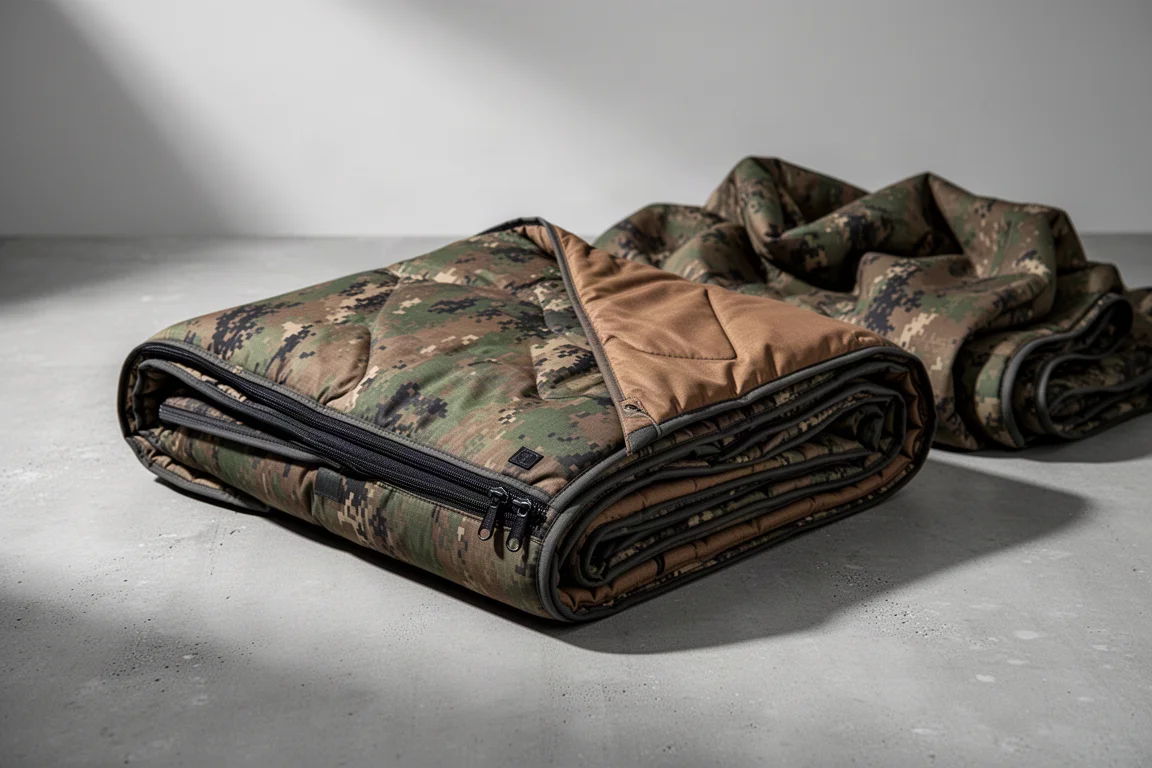
The poncho liner has been standard military kit since the Vietnam War, and its core design has barely changed since. The newest revision is one of the few real changes the product has seen: a zipper running around the body of the liner. The version covered here is made by Winston-Salem Industries for the Blind, and it keeps everything that made the original work, including the nylon ripstop shell, the polyester batting insulation, and the reversible camouflage print.
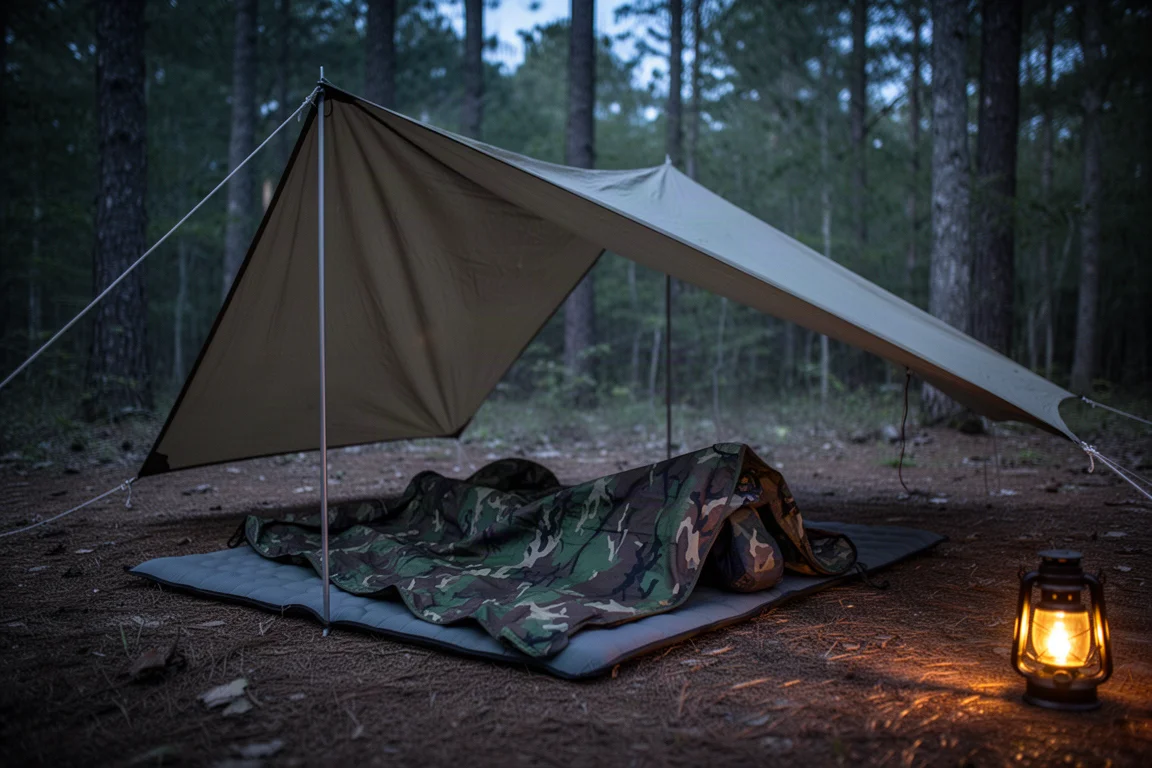
On paper the change is small. In practice it moves the liner from a warm blanket that you tie in place to something that behaves much more like a sleeping bag. It also adds very little bulk and no meaningful weight, which matters for anyone counting grams in a pack.
Who This Liner Is For
The zippered liner suits anyone who already values a traditional poncho liner but wants more warmth control. Zipped up, it holds heat far better than a flat liner held together with ties, so it works for mild-weather sleeping in a shelter, a hammock, or a vehicle. It also fits neatly into layered systems: worn with clothing, it is rated for around 50 degrees, and it can be paired with a poncho for weather protection.
It is a reasonable choice for civilians as well as service members. Campers who want a light, packable layer for summer nights, and households that keep emergency kits, will find the same advantages. The liner is reversible, so the coyote brown side or the digital woodland side can face outward depending on what the situation calls for.
Main Strengths
The zipper is the reason to choose this version. It closes around the body and, with the drawcord pulled tight at the top, traps warmth in a way the traditional tie-only liner cannot match. Getting in and out is quick, and there is no wrestling with nylon ties in the dark.
Everything else that made the original liner popular is still here. The materials are the same, the dimensions and weight are effectively the same, and the tie-off points remain in place for anyone who prefers the traditional setup or wants to attach the liner to a poncho. That combination gives one piece of gear two very different personalities.
Reversibility adds practical flexibility too. Coyote brown blends into most environments and looks neutral around camp, while the digital woodland print is useful when concealment matters. Flipping the liner takes seconds.
Zipper Design and Sleeping Bag Use
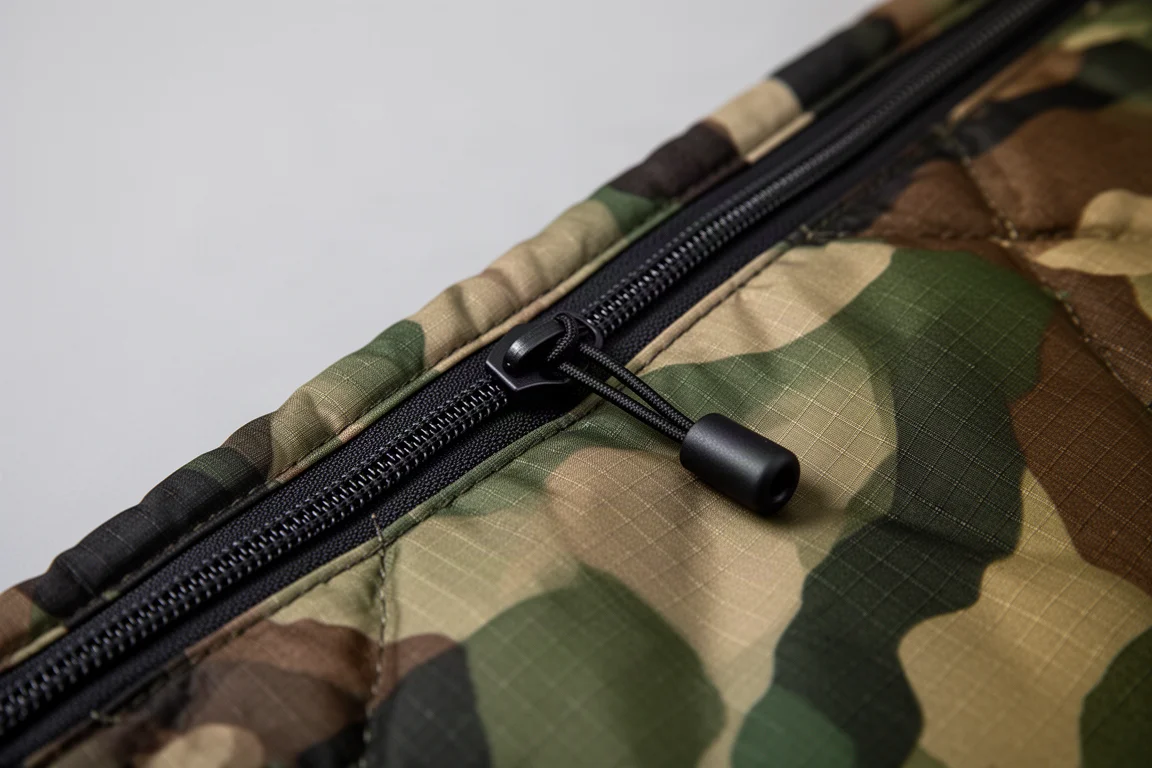
The closure is a YKK zipper that runs around the perimeter of the body, with a drawcord at the top to cinch the opening. Because the zipper follows the shape of the liner rather than sitting on a straight seam, it closes the blanket into a tapered sleeping bag shape instead of a simple tube.
That geometry is what makes the liner genuinely warmer than the traditional version. A flat liner leaves gaps at the shoulders and sides, and the ties do not seal those gaps. Zipped and cinched, the liner holds a pocket of warm air around the body, which is the main reason this revision exists.
The traditional liner is still the better choice if you want the simplest possible blanket and nothing more. But if you plan to sleep in the liner rather than just drape it over yourself, the zippered version is the more capable piece of gear.
Materials, Dimensions, and Packed Size
The shell is nylon ripstop inside and out, with polyester batting in the middle providing the insulation. That construction is unchanged from the traditional liner, and it is the reason the liner stays light while still trapping heat.
Measurements are roughly 88 inches long by 64 inches wide, and the weight is close to two pounds. A well-used traditional liner can measure longer because the fabric stretches with years of use, so a new zippered liner may look smaller side by side even though the cut is the same.
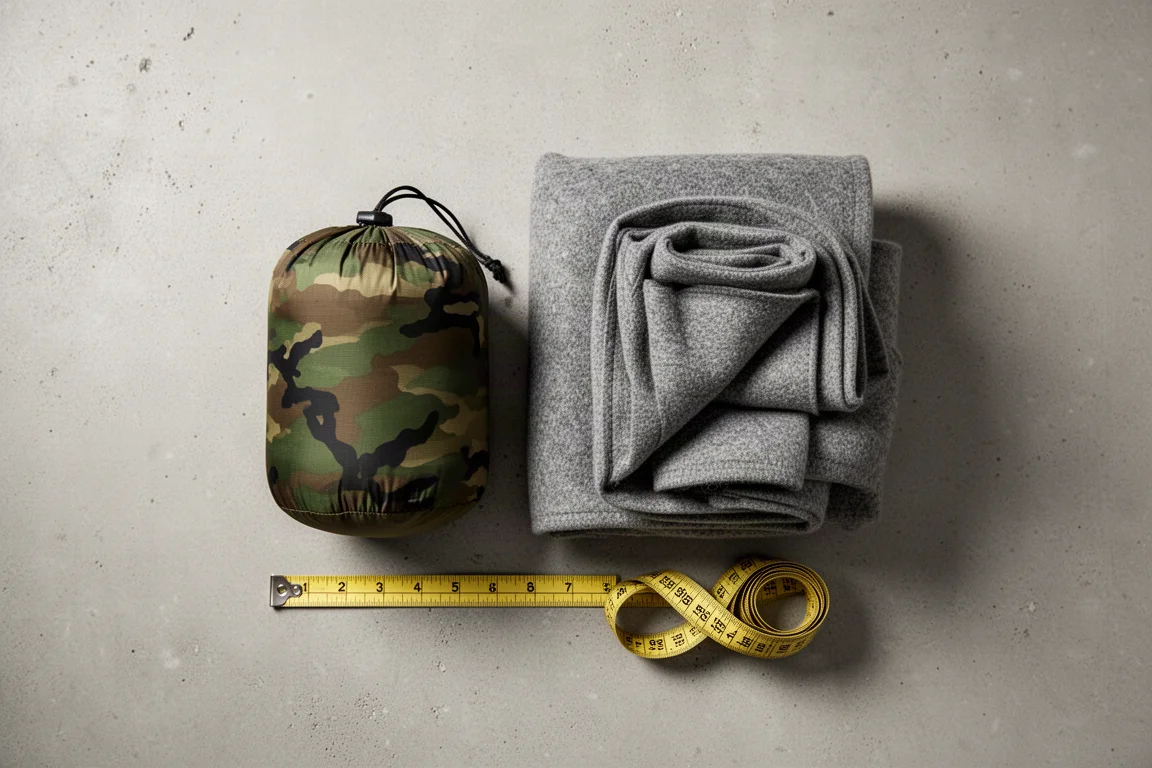
Packed down, the liner compresses to about 12 inches by 6 inches, which is essentially identical to the traditional version. That makes it easy to strap to the outside of a pack or tuck into a vehicle kit without giving up much space.
Things to Consider Before Buying
Availability is the biggest obstacle. The zippered liner is uncommon, and only a small number of surplus sellers carry it at any given time. So far the only camouflage pattern seen on this variant is digital woodland, so anyone hoping for another pattern may be waiting a while.
Condition matters when buying surplus. Surplus grades run from A at the top down to F, and the zippered liners that surface most often tend to be mid to lower grades. A Grade D example can arrive with holes, including melted holes that go all the way through the fabric. Those are usually repairable with an iron-on patch and a short run of stitching, and a damaged area next to the zipper can often be reinforced and re-stitched rather than replaced, but buyers should expect to do a little work.
Counterfeits are a real issue. Copycat liners can look convincing at a glance, and their labels often give them away through spelling errors, typos, or reused military stock numbers that do not belong to the product. The label on a legitimate liner reads “liner wet weather poncho all-purpose liner” and names Winston-Salem Industries for the Blind as the maker. If a seller will not show the label, it is safer to walk away.
Buying Advice
A Grade D zippered liner recently sold for $32 with free shipping, and at that price the value is hard to argue with. Grades B and C have since appeared on the market, and paying a little more for a cleaner example is a sensible trade if you would rather not patch anything.
Because supply is thin, timing matters more than shopping around. There is no deep inventory to wait on, and the same listing may not come back. Check the label before buying, confirm the zipper moves freely, and ask about the grade if it is not stated.
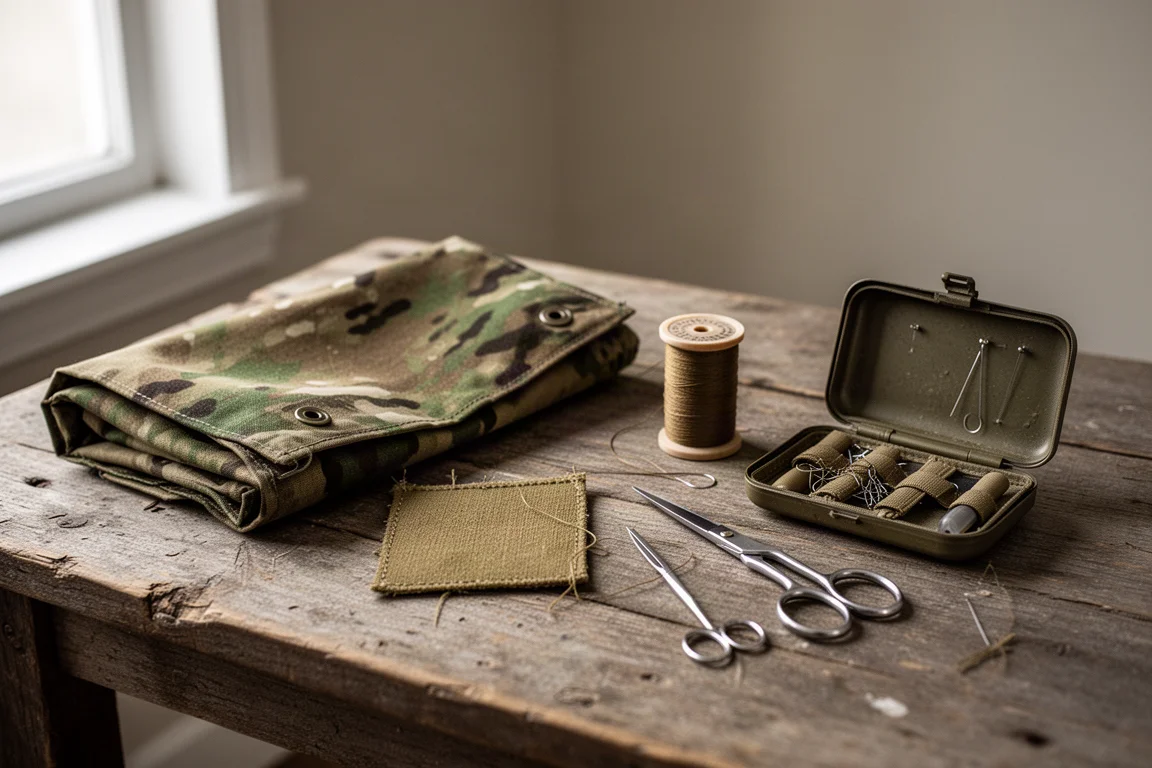
For most buyers, a mid-grade liner is the sweet spot: enough condition to use straight away, without paying a premium for a collector-grade example. Anyone comfortable with basic repairs can save money on a lower grade and still end up with the same functional piece of gear.
Conclusion
The zippered poncho liner is a smart evolution of a design that has worked for decades. It keeps the light weight, the reversible camo, and the packable size of the traditional liner, and adds a closure that turns it into a genuinely warm sleeping option. The main caveats are supply and condition rather than the product itself. Buyers who check the label and accept that surplus means variability will end up with a versatile layer that earns its place in a pack.
Product link
View more details for Winston-Salem Industries for the Blind All-Purpose Poncho Liner (Zippered)
This product is mentioned in the review. Check the specifications, options, and compatibility before buying.
View more details for Winston-Salem Industries for the Blind All-Purpose Poncho Liner (Zippered)Further reading
Related Reviews

Backpacking Gear
Building a 10 lb Base Weight: An Ultralight Backpacking Gear List
A practical walkthrough of the ultralight pieces behind a 10 lb base weight, from a 765 g pack and a roomy one-person tent to a full camp chair and a dependable water filter.

Road Bikes
10 New Road Bikes Worth Watching: Aero, Titanium, Steel and Endurance Standouts
A practical roundup of 10 new road bikes, from aero flagships chasing single-watt gains to titanium, steel and endurance platforms built for real roads.
Bikepacking Gear
11 Bikepacking Essentials for Long-Distance Cycling
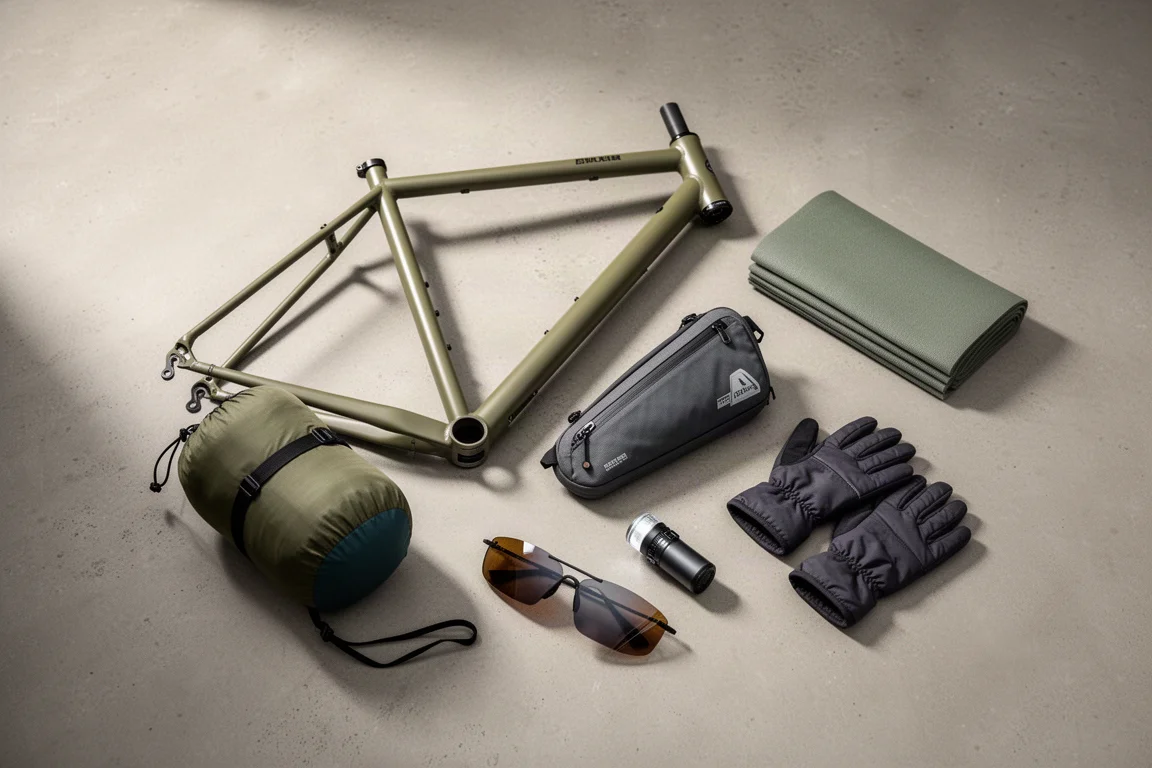
Eleven bikepacking essentials for long-distance cycling, from a steel gravel frame and a two-person tent to helmet lights, packable gloves, and a frame bag that puts weight in the right place.