Road Bikes
10 New Road Bikes Worth Watching: Aero, Titanium, Steel and Endurance Standouts
A practical roundup of 10 new road bikes, from aero flagships chasing single-watt gains to titanium, steel and endurance platforms built for real roads.

Introduction
The past twelve months have produced an unusually varied crop of road bikes. There are fourth-generation aero flagships, titanium frames that now hide their cables, steel all-road machines built for luggage, and endurance platforms that have quietly gone on a diet. This roundup covers 10 new road bikes that stand out for different reasons: drag figures, frame weight, material choice, tyre clearance or plain practicality.
Not every bike here is a race bike. Some are designed for comfort and load carrying, others exist to chase the smallest aerodynamic margins. The common thread is that each one answers a question riders are actually asking.
How We Picked the Bikes Worth Following
The starting point was how much each bike changes relative to what came before it. A claimed drag reduction of nearly 28 watts carries more weight than a 57 gram frame saving. Practical details matter just as much: threaded bottom brackets, mechanical shifting support, mudguard mounts and tyre clearance all affect how a bike lives with you after the first ride.
Material is part of the picture too. Titanium and steel now sit in the same conversation as carbon, and internal cable routing has moved beyond carbon race frames into other materials entirely.

The list is deliberately broad. It includes bikes that are expensive and narrowly focused alongside ones designed for comfort, luggage and rough road surfaces.
Colnago V4 RS
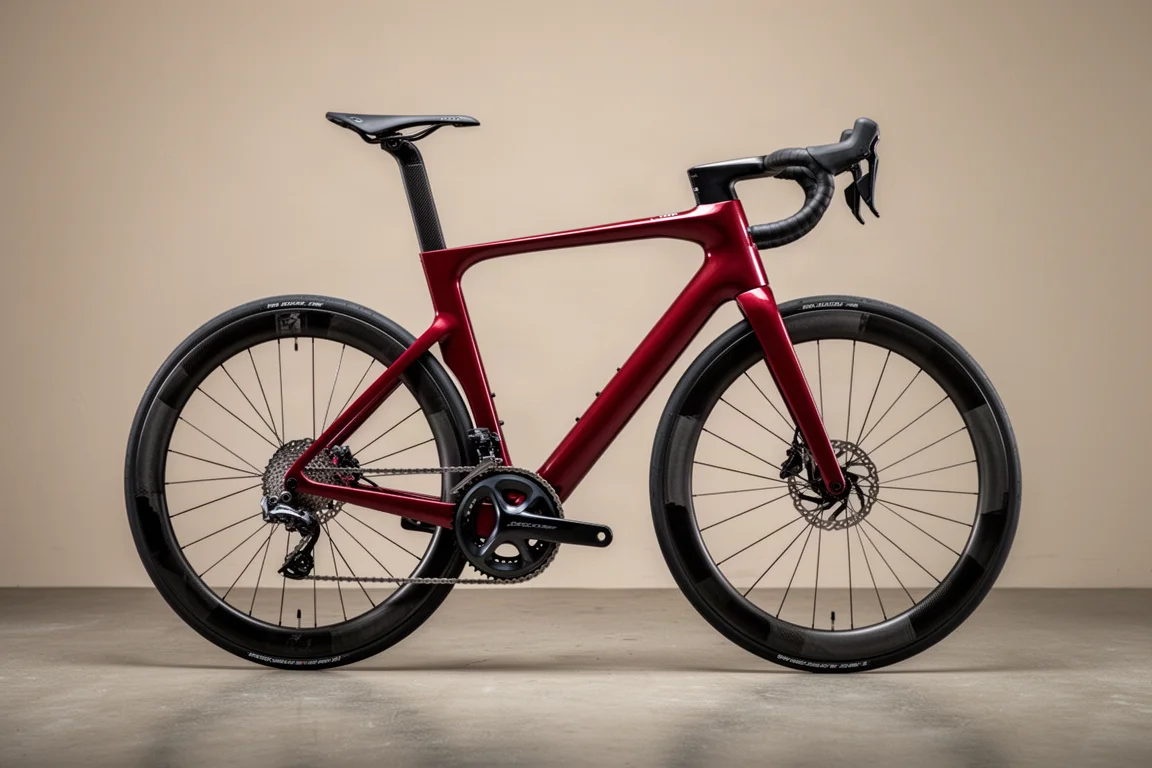
The V4 RS is the fourth generation of this aero platform, with the first version arriving back in 2014. The claimed weight saving over the previous model is 57 grams, which is small by the standards of recent launches. The aero claim is far more substantial: close to 28 watts of drag reduction, achieved through a new one-piece handlebar shared with the C68, a reshaped head tube and revised profiles on the seat tube and rear stays.
The frame also uses the same solid-bearing CeramicSpeed SLT headset as the C68, a detail that matters given how much internal cable routing adds to headset servicing.
Reilly Fusion Aero
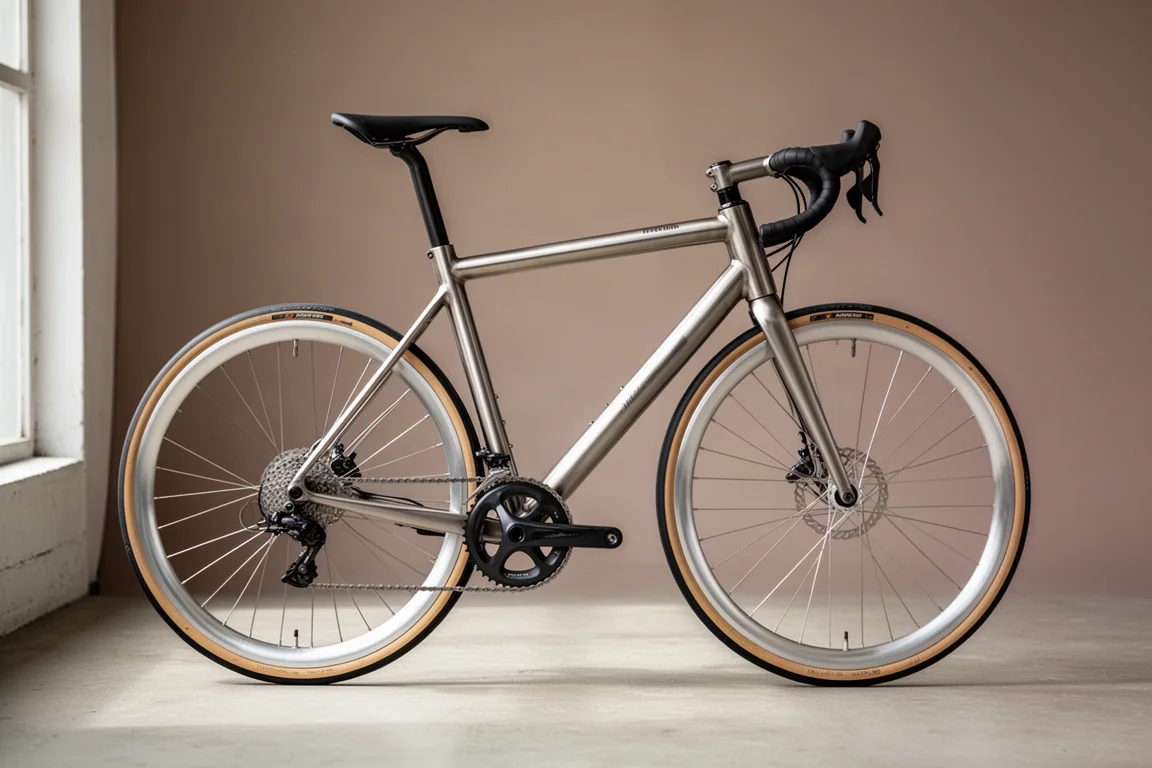
The Fusion Aero applies an approach normally reserved for carbon race frames to a British titanium frame. Hydroforming, a process usually found on aluminium, smooths the tube junctions into an almost carbon-like surface instead of the visible weld beads common on titanium. Full internal cable routing runs through an FSA ACR system, giving the frame a very clean silhouette.
Titanium has been a popular alternative to carbon for years, and internal routing is the biggest change to reach the material in a long time.
Giant Propel
The Propel is aero at its core, but the headline number is weight. The top endurance build is claimed at 6.9 kg, which puts it close enough to the brand’s own lightweight TCR to make that choice far less obvious than it used to be. The top build is expensive, above 10,000, though still cheaper than many rivals in the same tier. How much a mid-range build weighs is the open question.
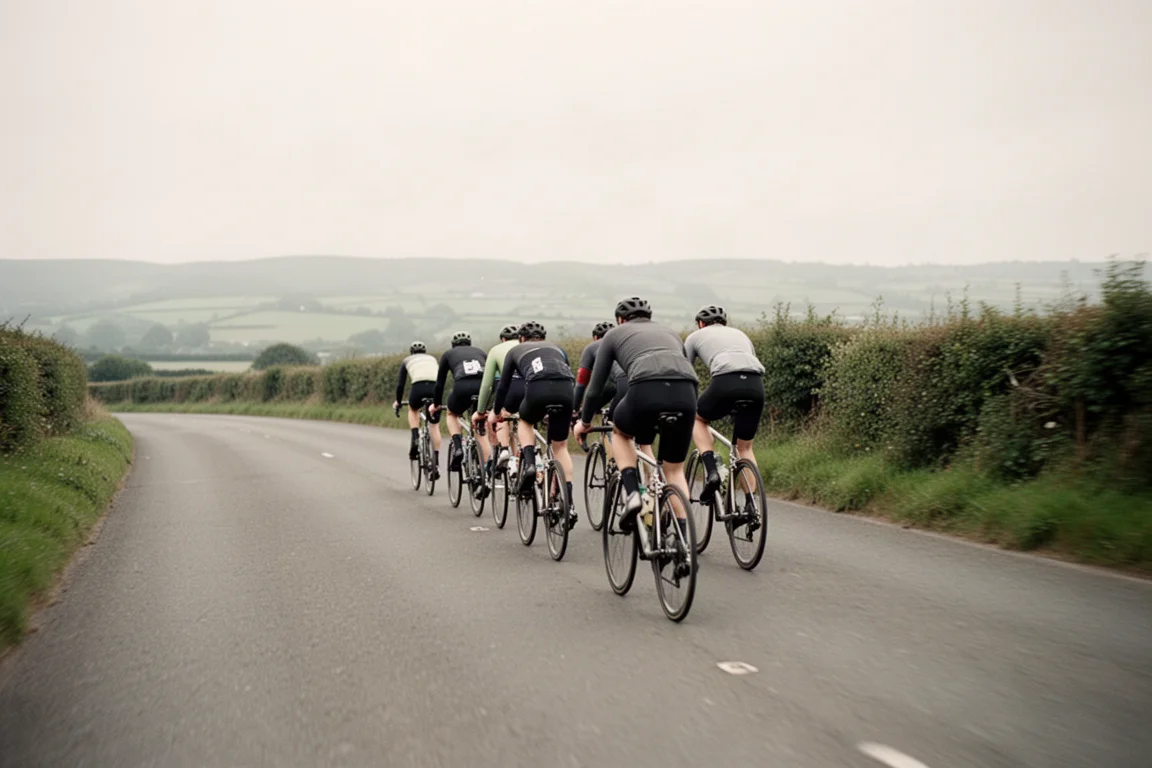
For riders who want one bike for racing, fast club rides and sporty days out, the Propel is a genuinely interesting proposition.
Bianchi Oltre RC
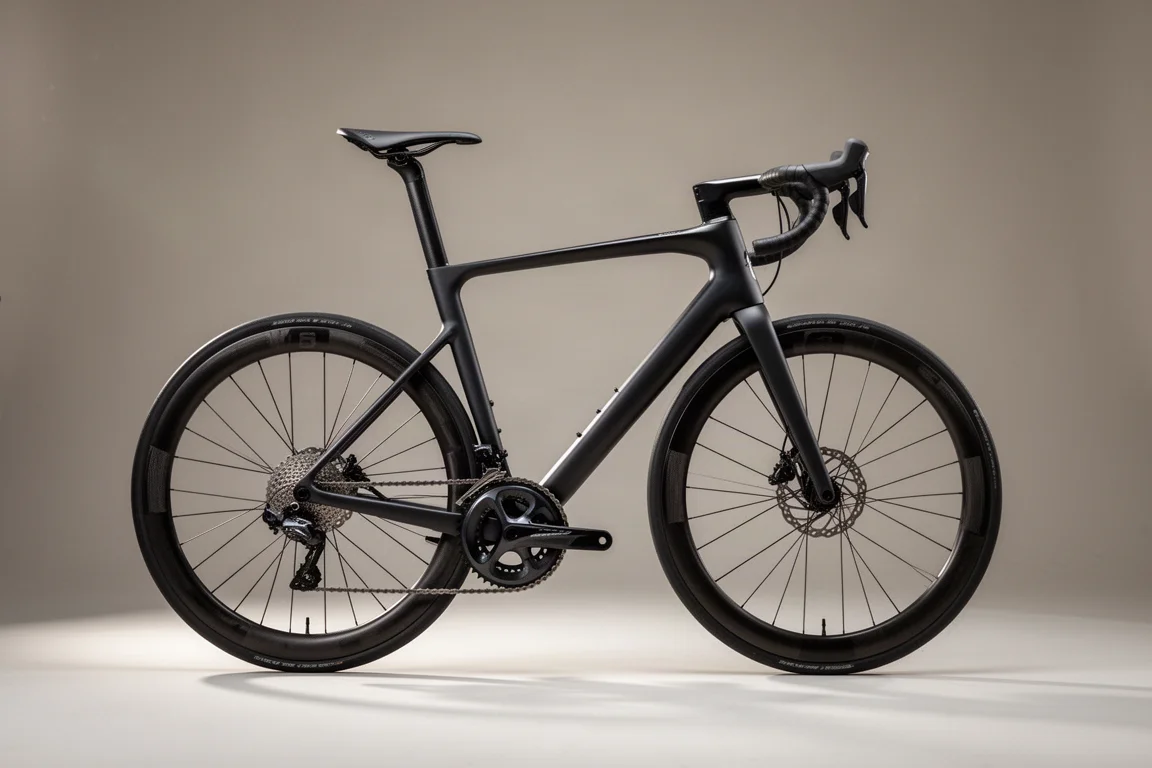
The Oltre RC was the most talked-about launch of the period, and a clear step forward from the previous bike. It uses a cockpit that echoes shapes seen on other aero leaders, along with small air deflectors on the head tube that have been widely treated as a gimmick rather than a meaningful performance feature.
The rest of the design is ambitious, and the frame looks striking on screen. Whether it is as fast as it looks is the question worth answering.
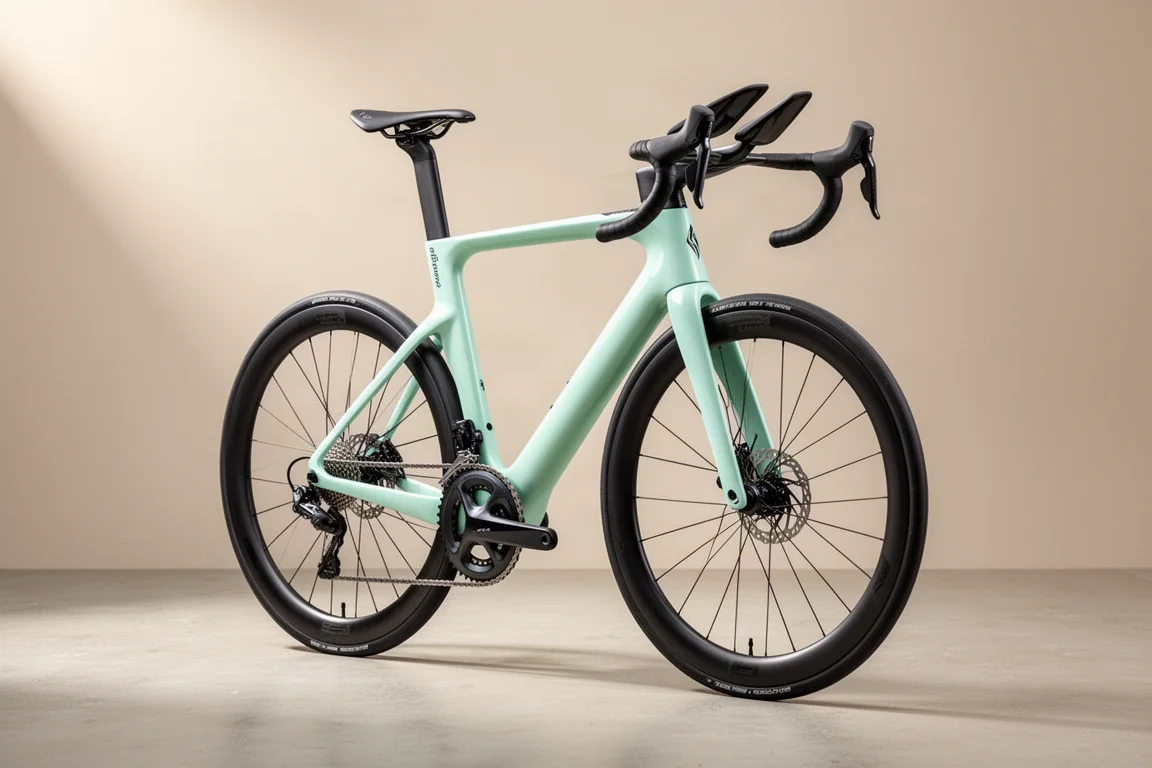
Cervélo Soloist
The Soloist name has been revived for a bike with a straightforward brief: fast, but not as extreme as the S5, and not as light as the R5. What makes it notable is how much of it is designed to be easy to live with. There is a two-piece handlebar and stem with internal routing, so changing the stem is simple, plus a threaded bottom bracket that any home mechanic can service.
Clearance for tyres up to 34 mm adds real-world comfort, and the frame supports mechanical groupsets, which matters if you want to build up a frameset on a budget. It also sits below the brand’s flagship models in price.
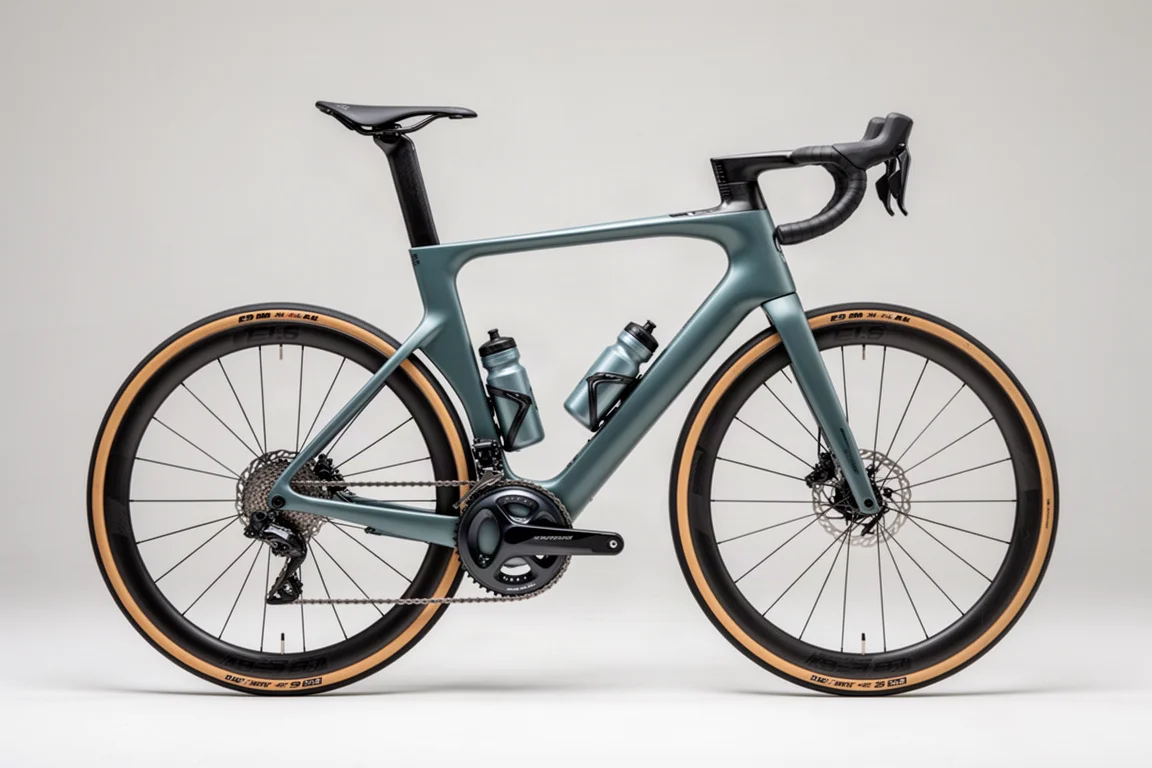
Trek Domane SLR
The Domane has long been the comfort-focused option in this class, and the latest SLR addresses the main criticism of the previous generation by going on a diet. The claimed saving is 400 grams, found while keeping the features that made the bike work: 38 mm tyre clearance, mudguard mounts and rear IsoSpeed. Front IsoSpeed has been removed to help achieve that weight.
Paired with wide slick tyres, the platform now covers everything from rough tarmac to light gravel.
Riders who want speed and comfort in equal measure have a stronger option here than before.
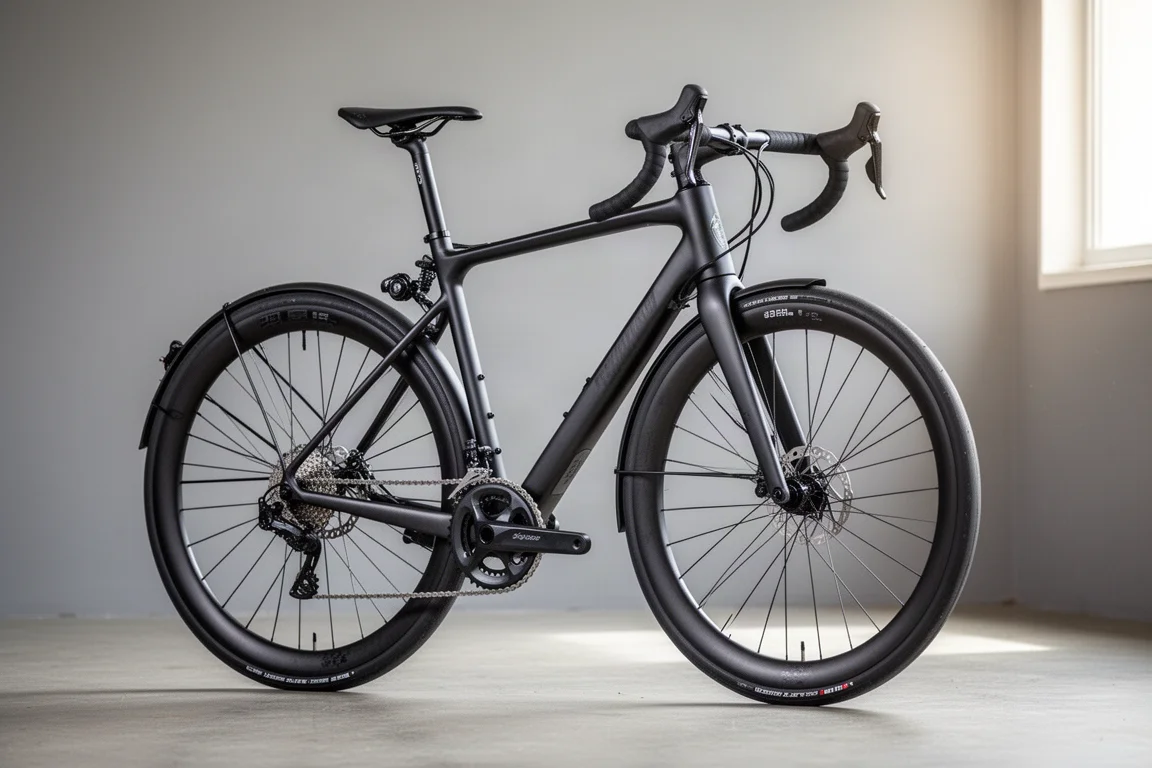
Trek Domane SL
The Domane SL sits below the SLR as the cheaper route into the same endurance platform, for riders who want the comfort-first approach without paying flagship money.
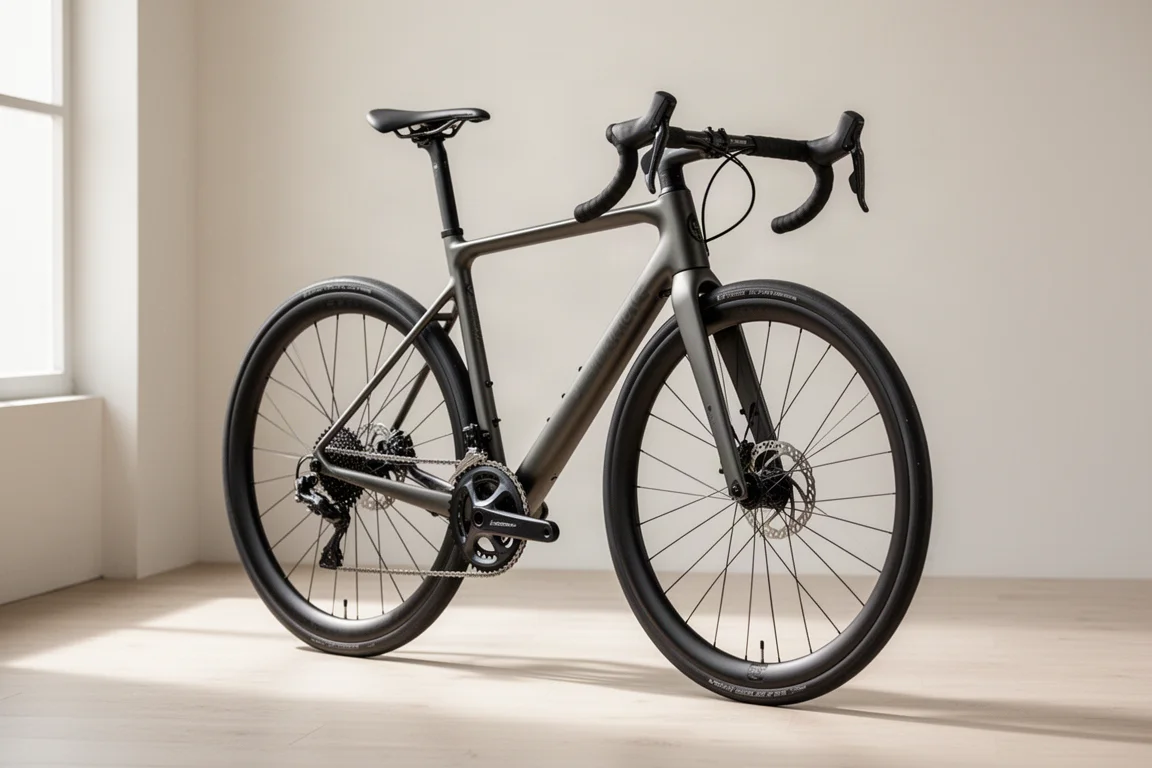
Mason Resolution
The Resolution is a steel all-road frame with clearance for 40 mm tyres, built for fast touring, cross-country riding and multi-day adventures. It carries mounts for racks and mudguards, plus a chain hanger and a pump peg, details that point firmly towards long-distance use rather than race day.
The frameset is expensive at around £2,000, so it makes most sense for riders who will actually use those practical touches rather than treat it as a fair-weather race bike.
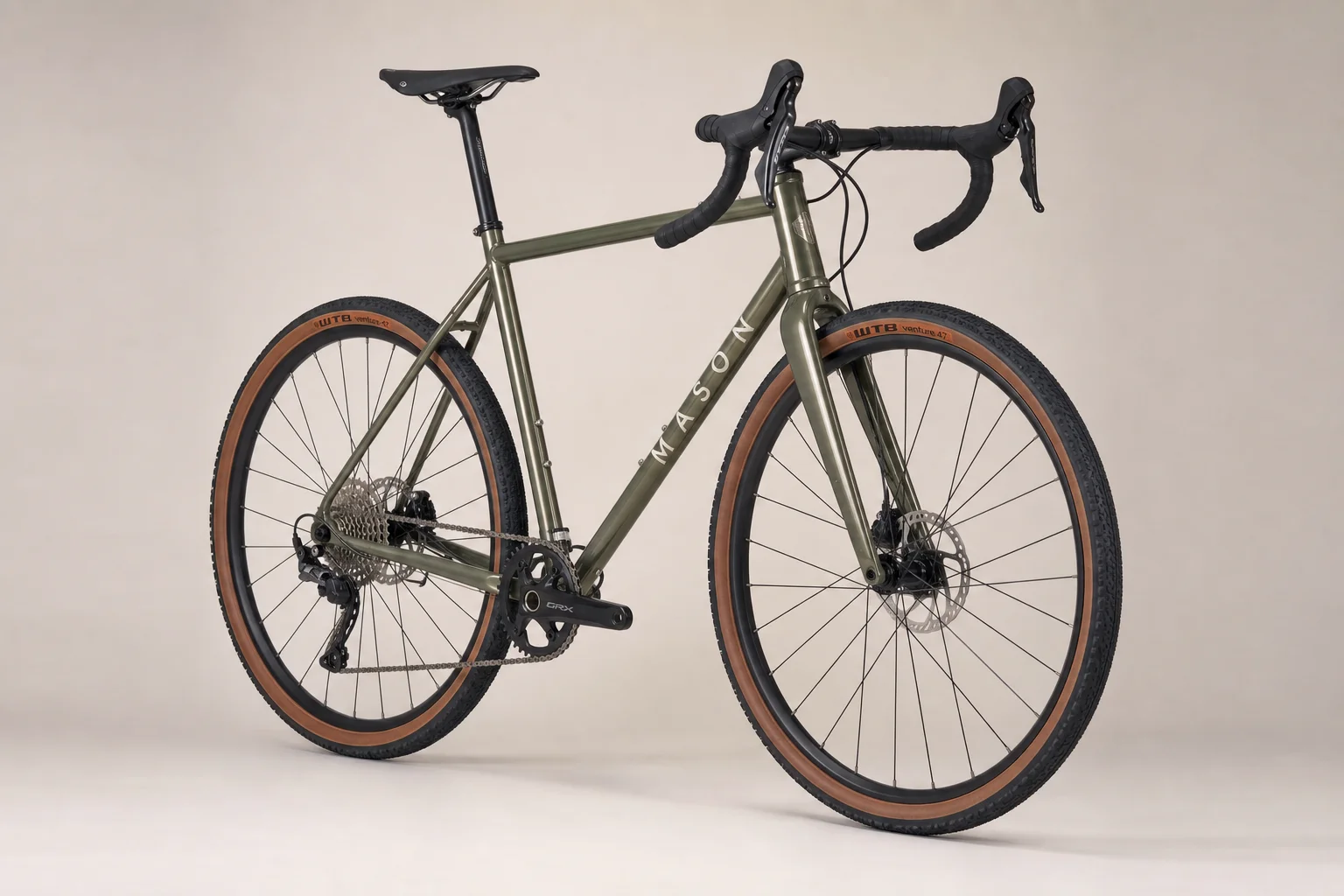
Enve Melee
The Melee is a mass-manufactured carbon road frame aimed squarely at the premium race-bike market. There are no unusual gimmicks, though it may read as slightly generic in aero terms, and it is currently offered in a single colour. The more interesting point is the build: wheels, tyres, handlebar, bar tape, stem, seatpost and saddle all come from the same brand, leaving only the groupset as an outside part.
That level of in-house specification is normally the territory of the very largest brands, which makes it a notable move from a smaller one.
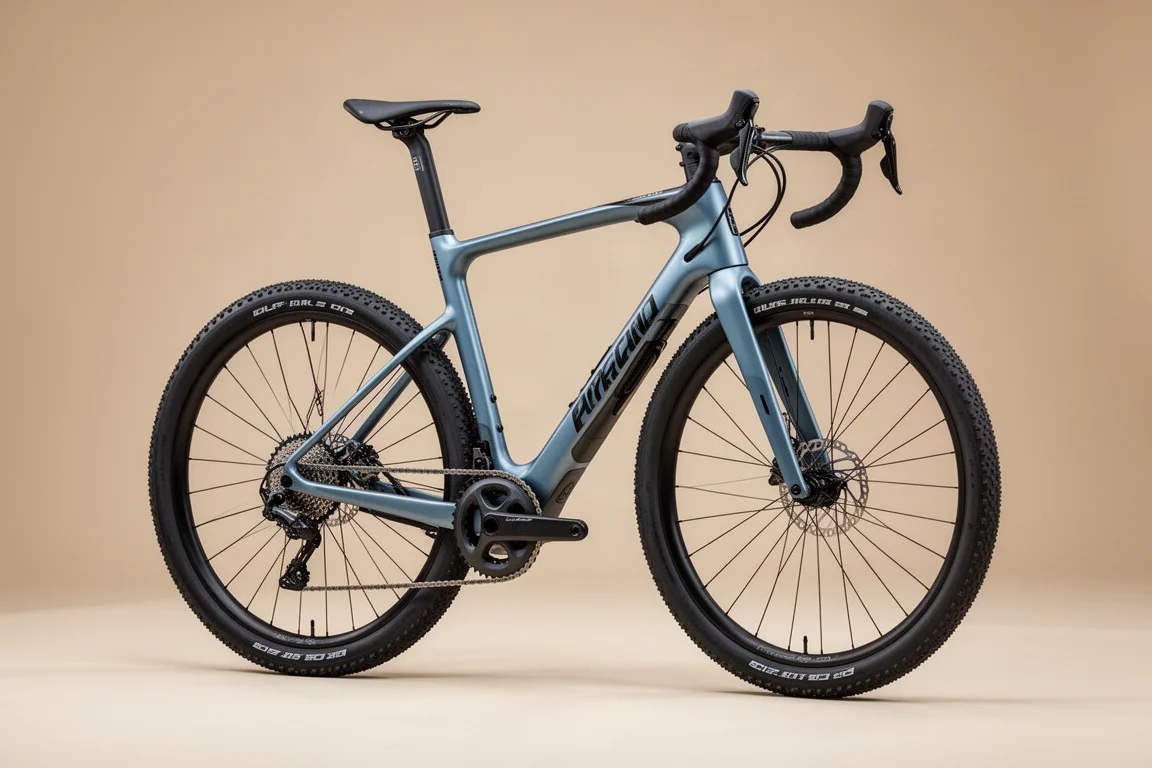
BMC Kaius
Gravel has split into distinct directions, and the Kaius takes the race-focused one. It is built around 40 mm tyres with a narrow aero handlebar and a frame that looks much like a road race machine fitted with wider rubber. There are no rack, mudguard or accessory mounts.
If you race gravel and want maximum speed, that singular focus makes sense. With a second set of wheels and tyres it could serve as a road bike as well, though it will never be the most versatile choice in this list.
Buying Advice: How to Choose
Start with where you ride. If most of your miles are on smooth tarmac and pace is the priority, an aero frameset with a narrow cockpit is the obvious direction. If your roads are rough, or you want to add light gravel, 34 to 40 mm tyre clearance changes the picture far more than any drag figure.
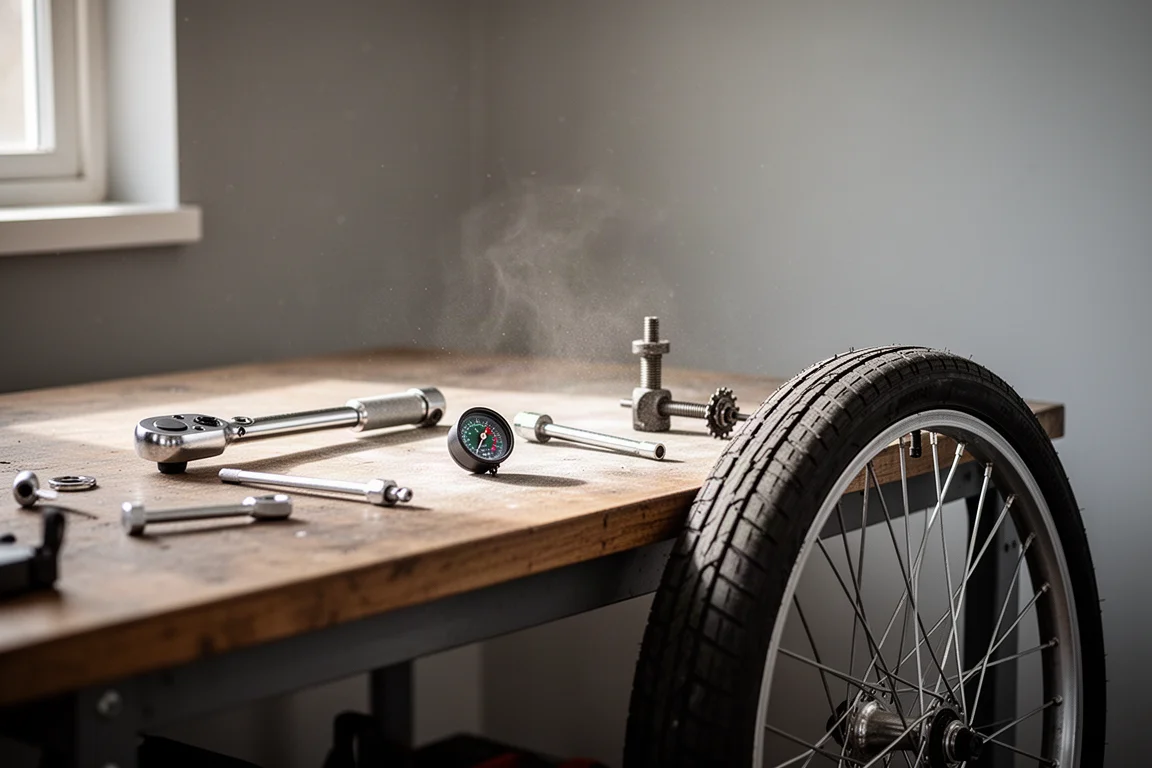
Then think about maintenance. Fully internal routing looks clean but adds labour to headset services, so a design with solid or ceramic bearings and an accessible stem can be worth a small aero trade-off. A threaded bottom bracket and support for mechanical groupsets make a frame much easier to build and keep running at home.
Finally, decide whether you are buying a complete bike or a frameset. Mid-tier platforms that sit below a brand’s flagship often deliver most of the performance for far less money, while frameset options let you reuse components you already own.
Conclusion
These 10 bikes are interesting for different reasons, and few of them compete directly with each other. Aero flagships push drag figures down in small increments, titanium and steel hold their place through finish quality and practical details, and endurance platforms quietly get lighter while keeping the clearances that make them usable.
The right choice comes down to the roads you ride, the maintenance you are willing to do, and how much you want to spend on the last few percent of performance.
Further reading
Related Reviews
Road Bikes
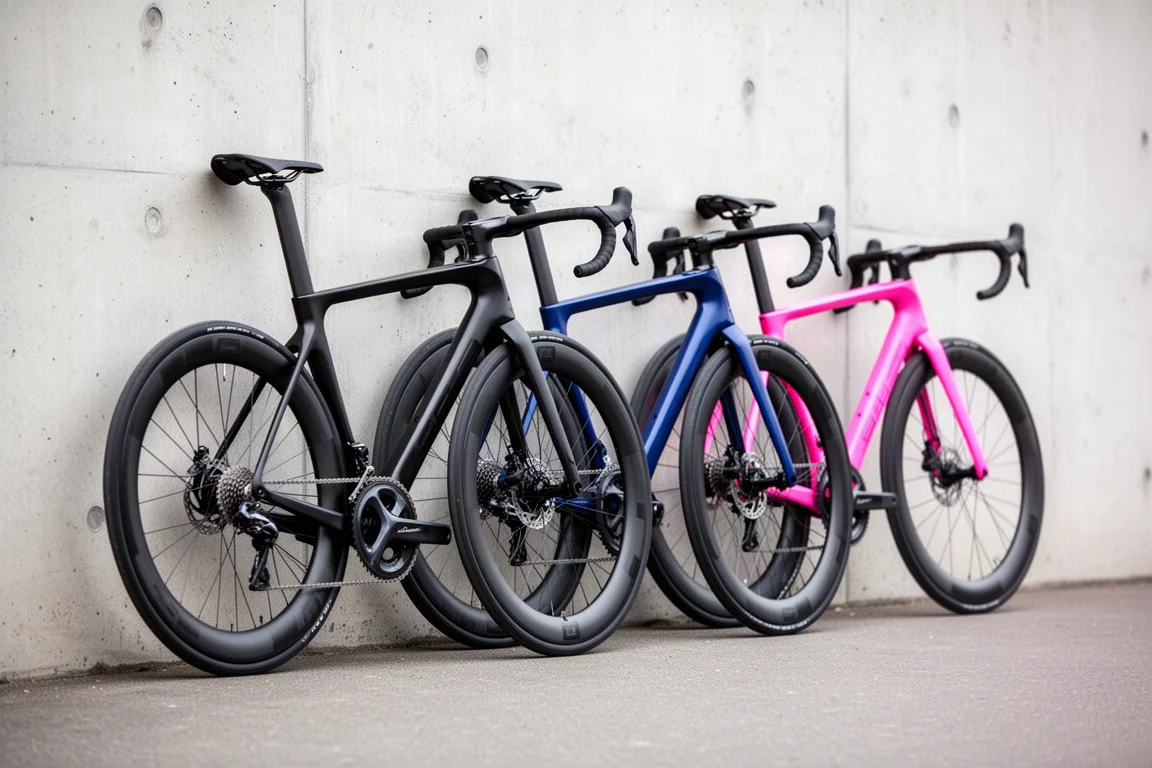
2026 Tour de France Road Bikes: Six Race Machines Worth a Closer Look
Six race bikes from the 2026 Tour de France grid, reviewed for paint, silhouette, wheels and the specification details that matter to buyers.
Road Bikes
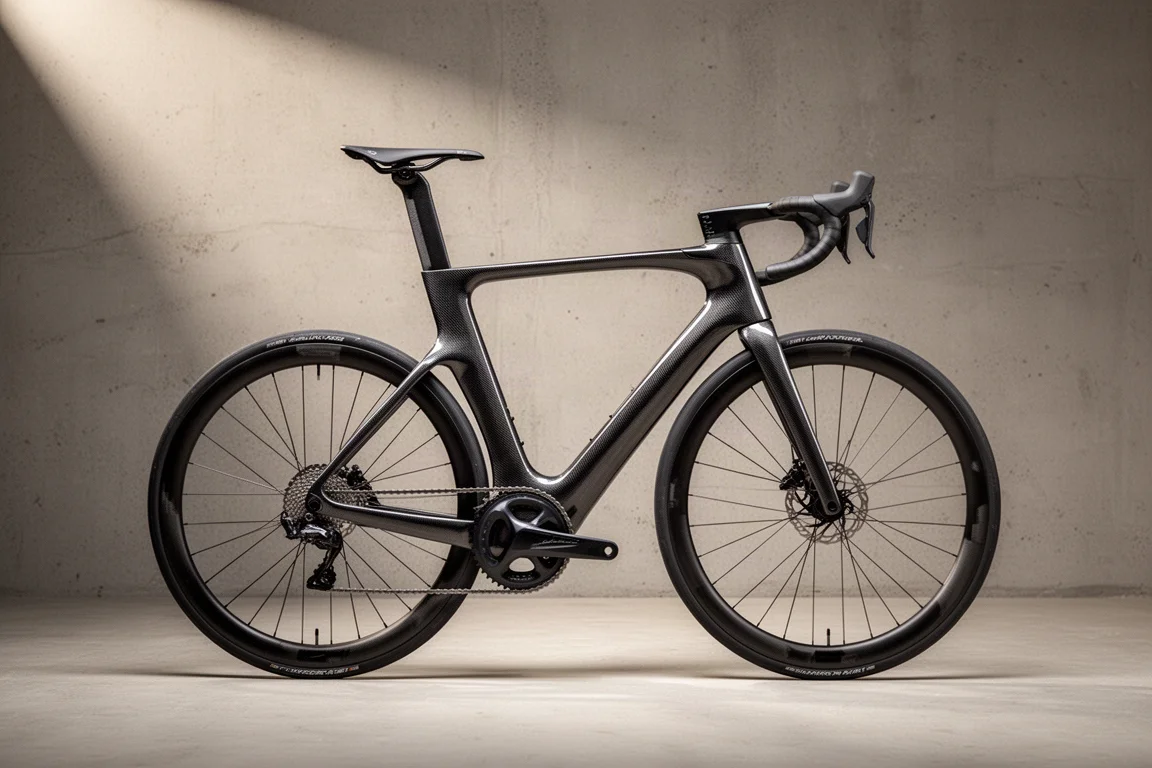
3T Strada Italia Review: A Radical Aero Road Bike That Rides Smooth
A made in Italy carbon aero road bike with a deep head tube, wide tire clearance and a genuinely comfortable ride. Here is what to know before buying.
Road Bikes
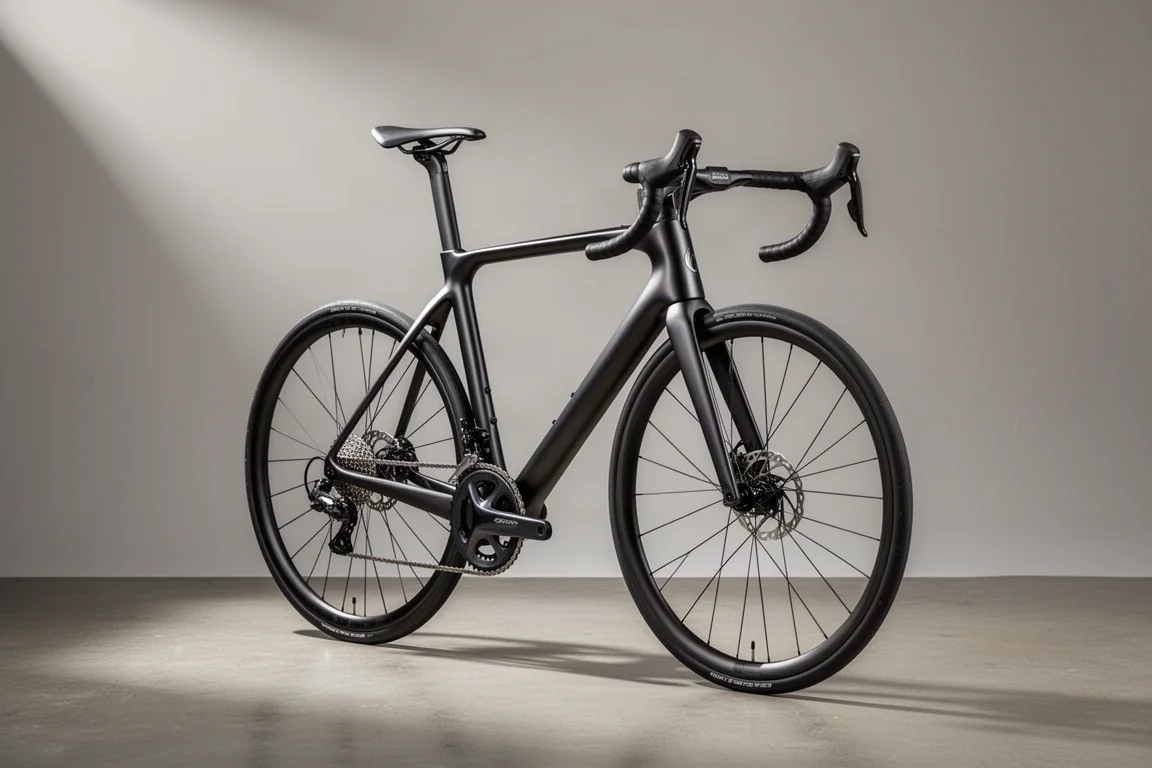
51 Seeker Review: A Lightweight Road Bike Built for Real-World Riding
A close look at the 51 Seeker, a lightweight carbon road bike with a higher stack, room for 40mm tires and a notably smooth ride, plus the trade-offs to weigh before buying.