Bikepacking Gear
11 Bikepacking Essentials for Long-Distance Cycling
Eleven bikepacking essentials for long-distance cycling, from a steel gravel frame and a two-person tent to helmet lights, packable gloves, and a frame bag that puts weight in the right place.
Introduction
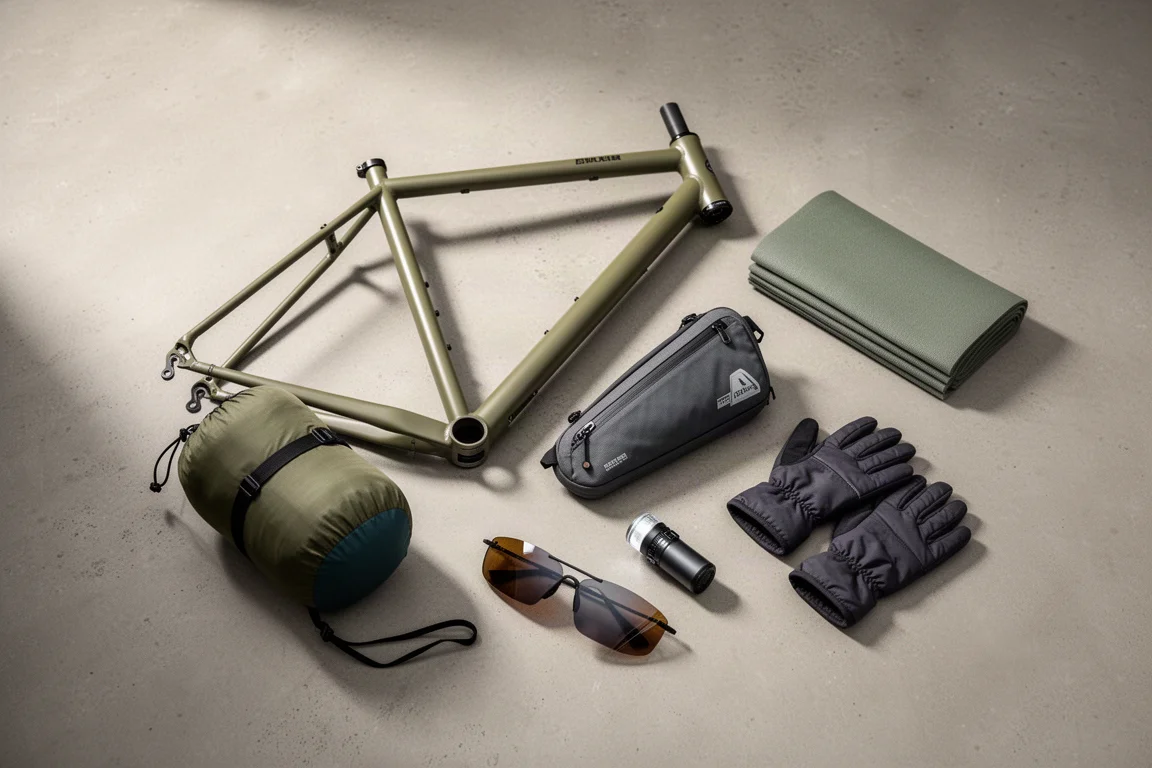
Long-distance touring punishes gear that only looks good in a catalogue. Weight, pack size, how quickly something dries, and whether it can be repaired at the roadside all matter far more than spec-sheet numbers once you are a week into a route. The eleven items below are the ones that have stayed in the kit through remote touring, mixed surfaces, dust, and long nights out.
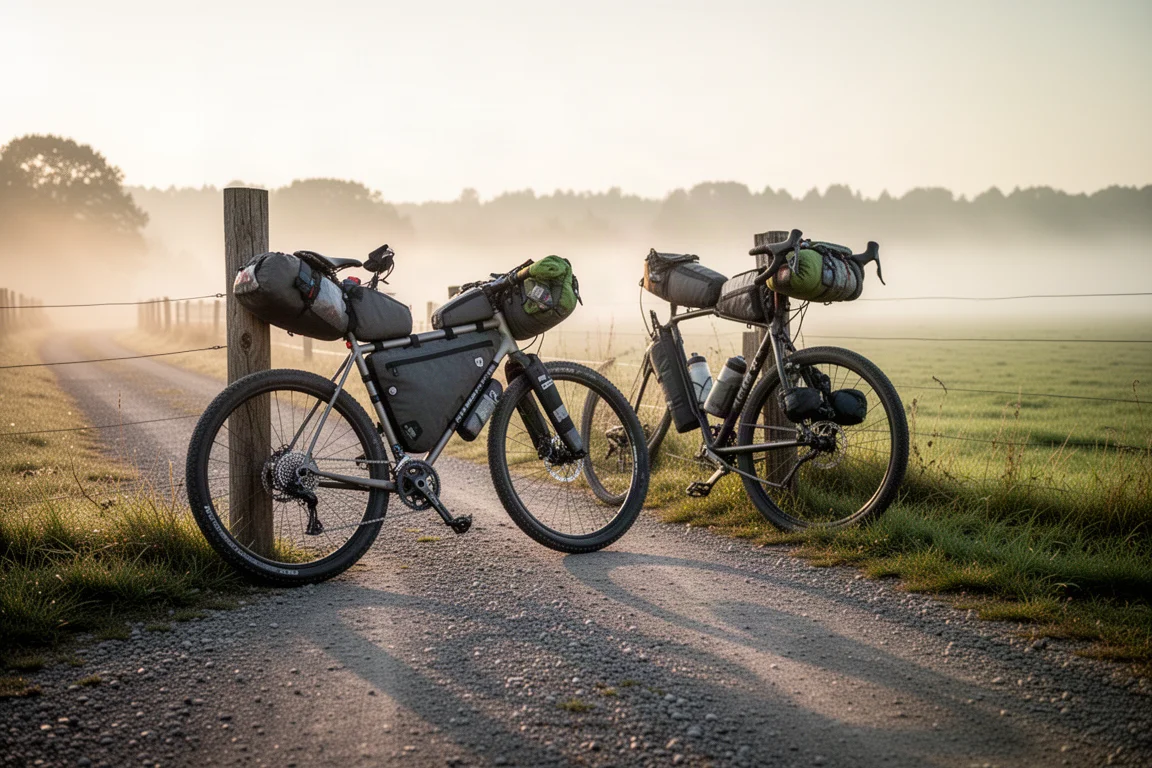
Some are big-ticket purchases, like the frame and the sleeping system. Others are small, inexpensive additions that quietly remove a daily annoyance. Together they cover the practical core of a bikepacking setup: carrying luggage well, sleeping properly, staying visible, and staying warm when the temperature drops.
What Matters Most When Packing for a Long Tour
Four things decide whether a piece of kit survives a long tour. Durability comes first, because gear that travels in bike boxes, on roof racks, and along rough tracks gets treated badly. Pack size comes next, since every litre has to fit somewhere on the bike. Repairability matters too, and modular parts that can be cleaned, serviced, or replaced are worth more than sealed units. Finally, comfort decides whether a good night’s sleep happens in a tent or in a hotel you did not budget for.
Mason Exposure: A Steel Frame That Takes a Beating
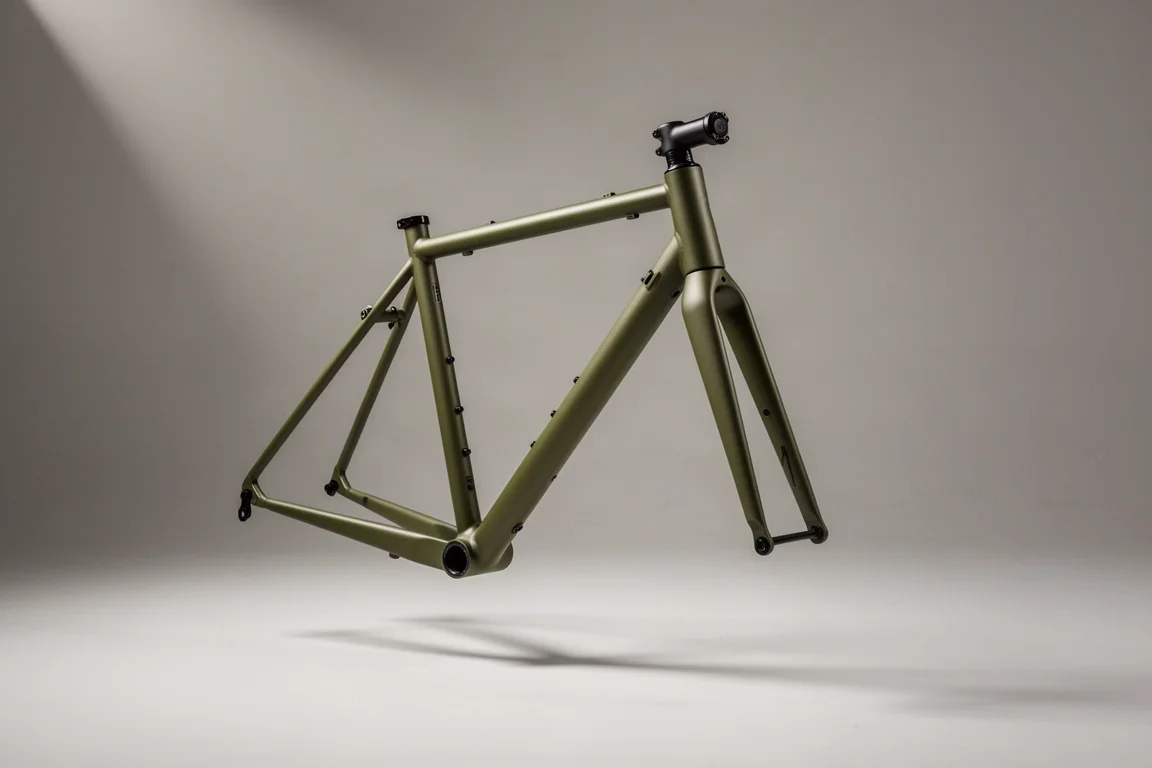
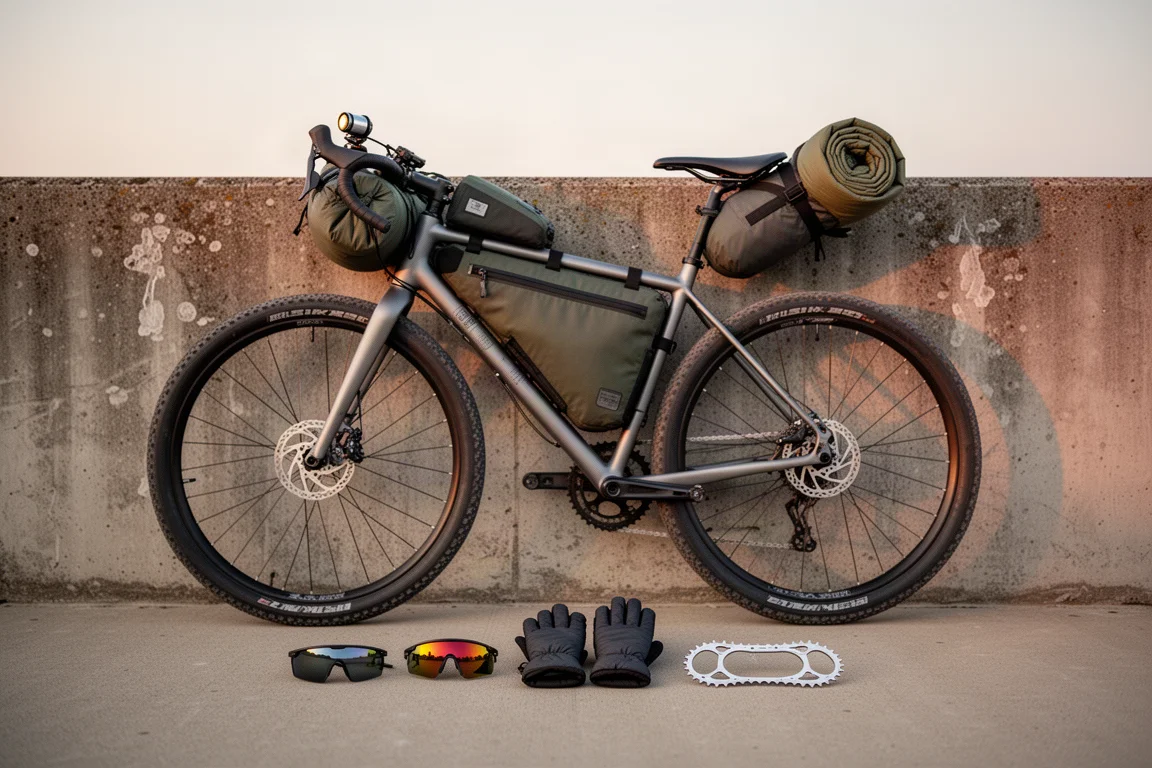
The Mason Exposure is a steel gravel frame built for fast, far rides, and steel is the reason it earns its place. It shrugs off the knocks of packing and travel, so there is no need to worry about its integrity every time it goes into a bike box or onto the back of a truck.
Mounts are everywhere. The seat stay mounts are the most useful of the lot, and they will hold bottles or a mini track pump, while additional mounts along the seat tube and down tube make it easy to bolt a frame bag directly to the frame. Tyre clearance is generous as well: the frame accepts up to 2.35in rubber in 650b and around 50mm in 700c, which covers everything from fast gravel to rougher tracks.
Garbaruk Oval Chainring: Smoother Power on Long Climbs
Oval chainrings divide opinion, and some riders dismiss them as a gimmick. The difference is obvious as soon as you fit one after riding round rings, and it becomes most noticeable over the length of a tour. The oval shape smooths power delivery, makes climbing feel a little easier, and the effect is strong enough that a rider can often push one gear harder than with a round ring.
There is a grip benefit too. Because power is delivered more consistently, torque stays more even, so the rear wheel is less likely to spin out when you stamp on the pedals on loose climbs, especially with a loaded bike. Garbaruk offers direct mount versions as well as five-bolt spider fitment, and a 38 tooth ring gives the feel of a 36 tooth ring on a climb.

MSR Hubba Hubba NX: A Tent Worth Sleeping In
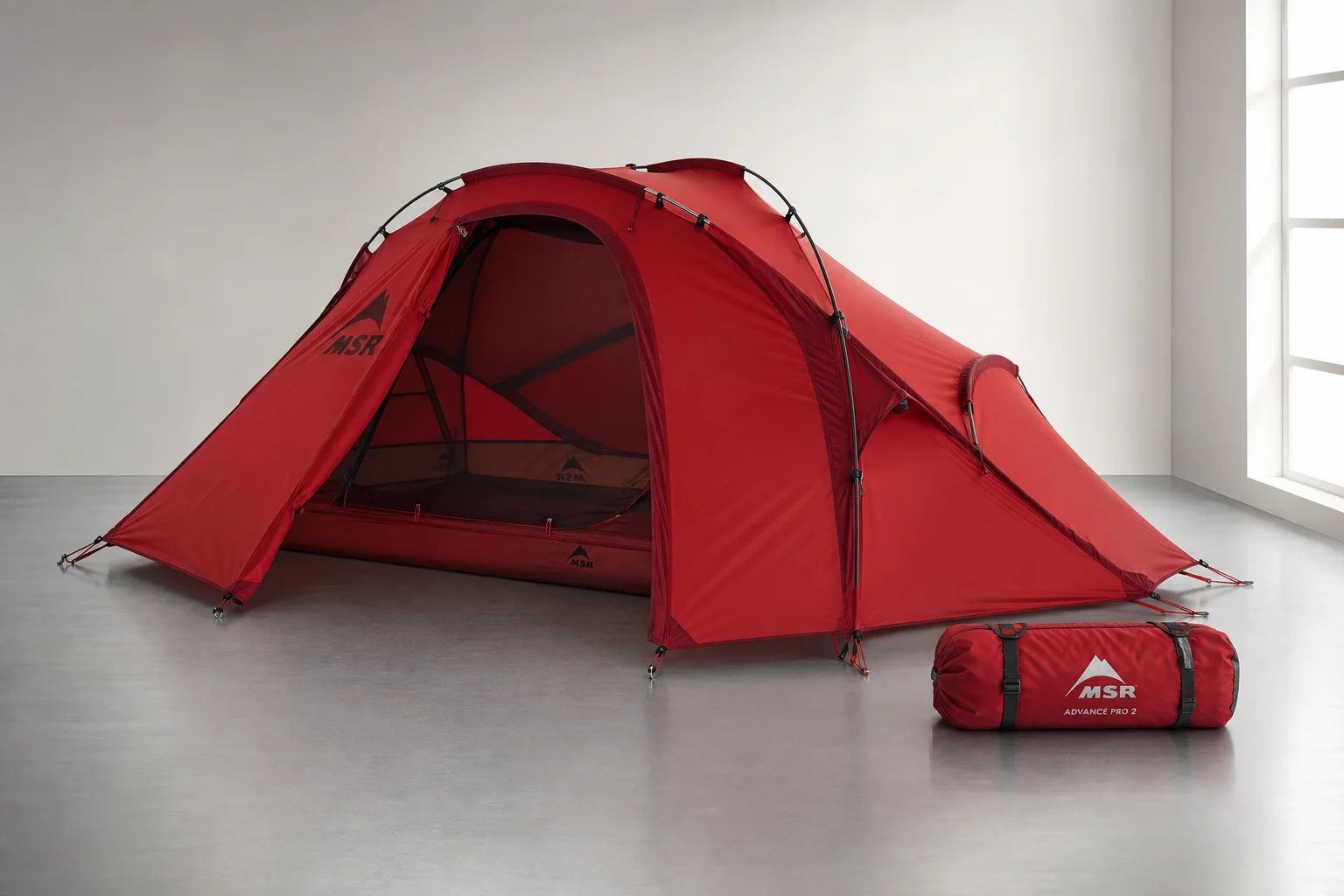
A good tent is the difference between sleeping properly and abandoning the campsite for a hotel, and the MSR Hubba Hubba NX is the tent that makes the first option realistic. It packs down small and light enough to fit inside a tail pack, yet the two-person size gives a tall rider genuine room.
The shape helps as well. Rather than a narrow triangular profile, the tent pegs out so the crossbar holds it closer to a cube, which adds usable volume around the sleeper. Adding a footprint underneath is a worthwhile extra: it protects the groundsheet on rocky pitches, adds another waterproof layer, and guards against the kind of ground-level problem that can ruin a night.
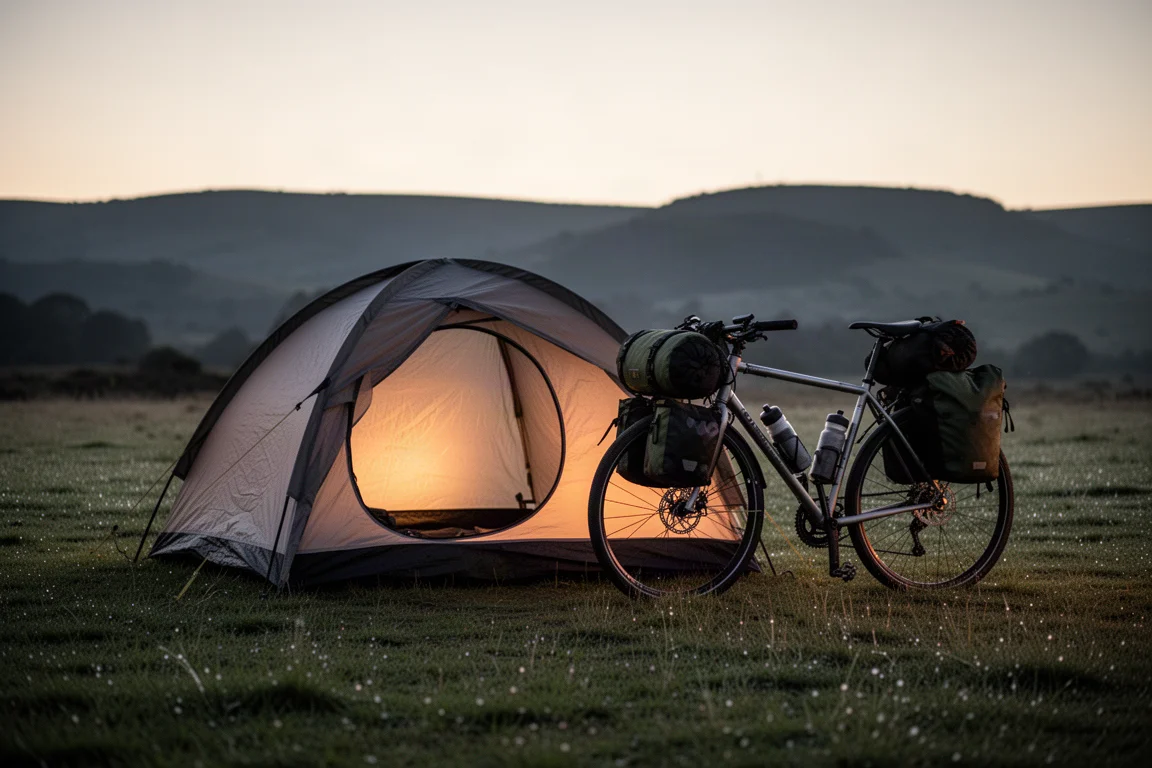
Packing the poles separately from the rest of the tent keeps the main bundle compact inside a tail pack, which is a small habit that makes camp setup faster at the end of a long day.
Therm-a-Rest NeoAir XTherm: The Sleeping Mat Benchmark
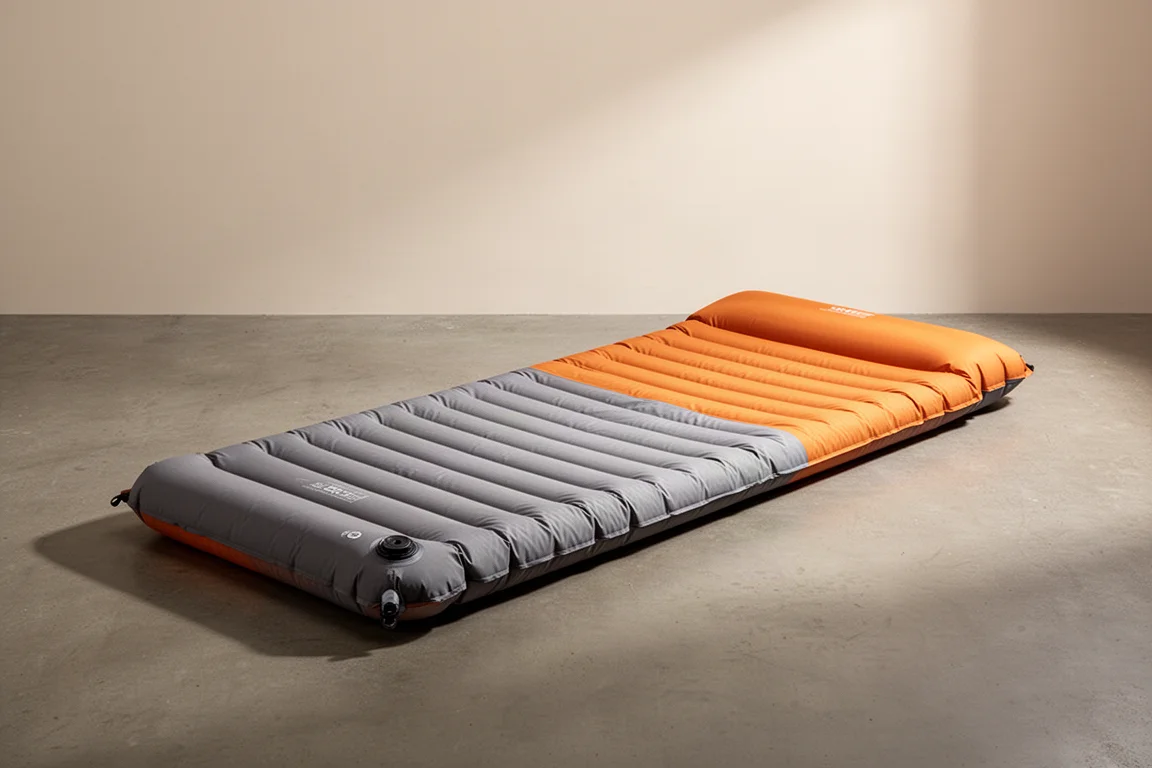
Sleeping kit is the last place to save money, and the Therm-a-Rest NeoAir XTherm is the benchmark mat for touring. Taller riders can choose the full-length, full-width square version rather than a tapered mummy shape, which means no cramped shoulders and no cold spots where the mat narrows.
It also packs down small enough to live inside the tent, so it is always in the same place when camp is being set up. Combined with a proper inflatable pillow, it turns a night on the ground into something close to a real night’s sleep.
Sea to Summit Aeros Down Pillow: Small Comfort, Big Difference
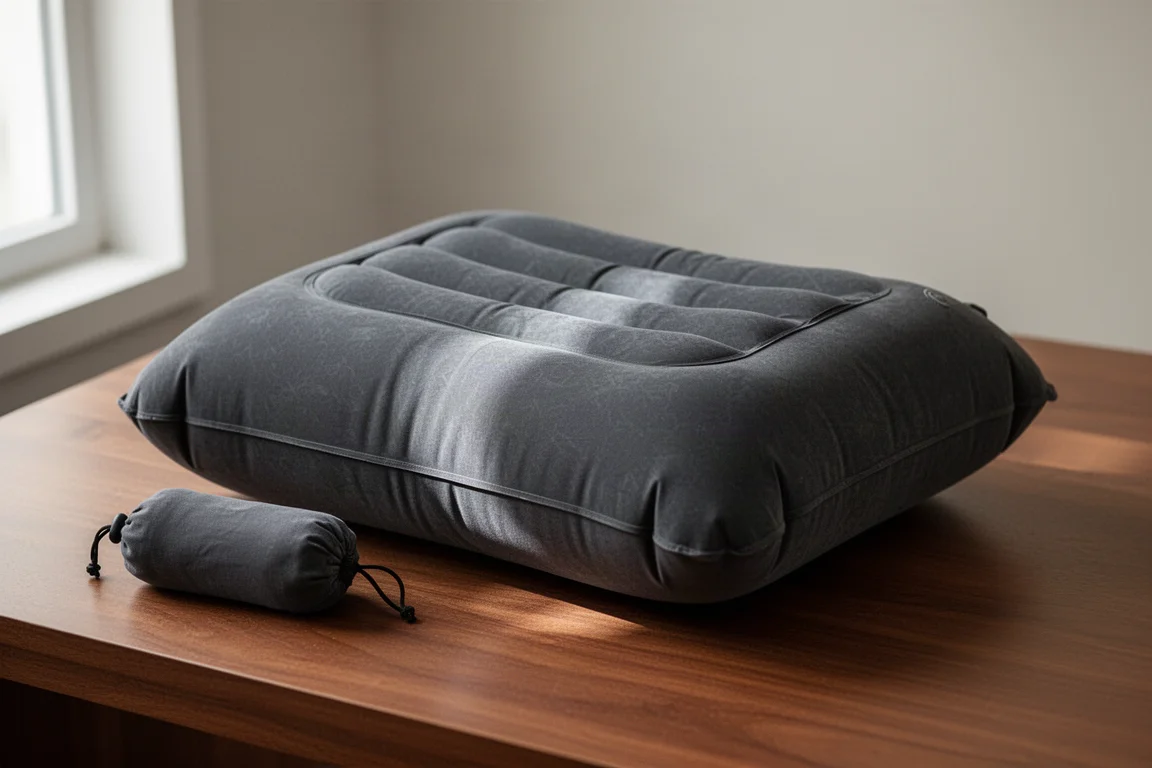
The Sea to Summit Aeros Down Pillow is the other half of that sleeping system. It is inflatable, so it packs down small, and the large size suits taller sleepers who find compact pillows useless.
It is a small item in the grand scheme of a touring kit, but it is exactly the kind of thing that decides whether you wake up rested. Cutting corners on sleep gear tends to cost more later, whether that shows up as hotel bills or as ruined days on the bike.
Alpkit Stingray Frame Bag: Making the Most of Dead Space
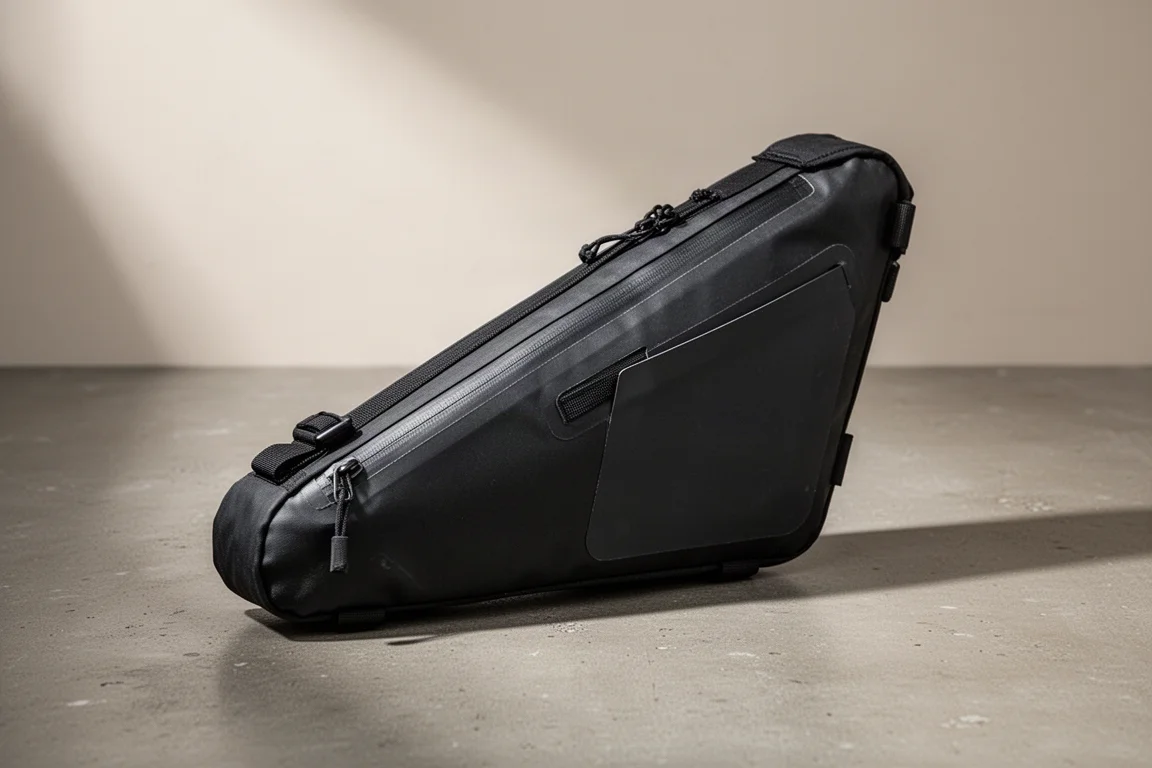
A full frame bag uses the dead space inside the front triangle, and the Alpkit Stingray is a custom option: you measure your own frame, which is more work but produces a better fit. Three details matter. Keep the bag as narrow as possible, because a wide frame bag rubbing against your knees is genuinely maddening. Ask for the zip to sit midway down the bag so it cinches the contents in rather than letting them bulge. And keep the bag further away from the cranks and bottom bracket than you think you need to.
Because the bag is custom, strap positions and bolt holes can be placed where you want them. Bolting it to the mounts on the seat tube and down tube means bottle cages can be fixed inside the bag, keeping bottles clean and dust-free in dry conditions. The optional outer document sleeve adds usable volume, and the whole setup puts weight in the middle of the bike, which helps the handling stay close to an unloaded feel and reduces shimmy.
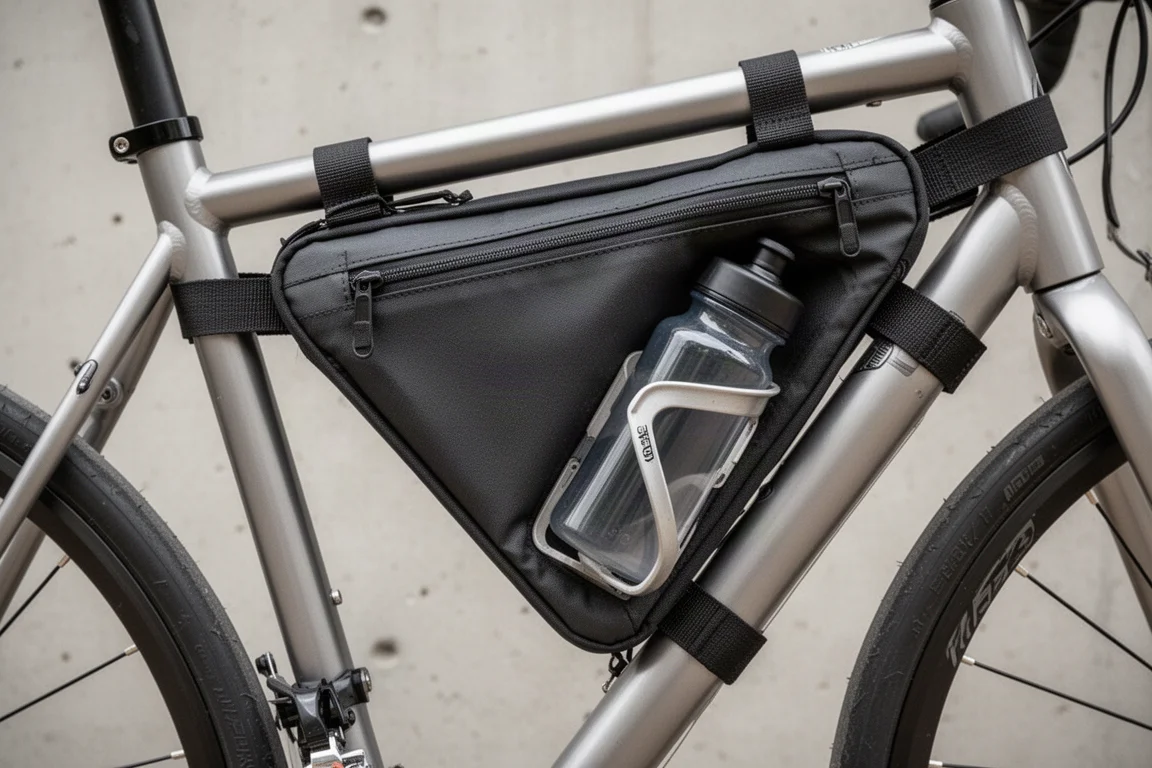
Riders who carry more equipment, including tablets or documents, will appreciate the extra volume a full frame bag provides over smaller partial bags.
Exposure Axis: A Helmet Light With Real Battery Life
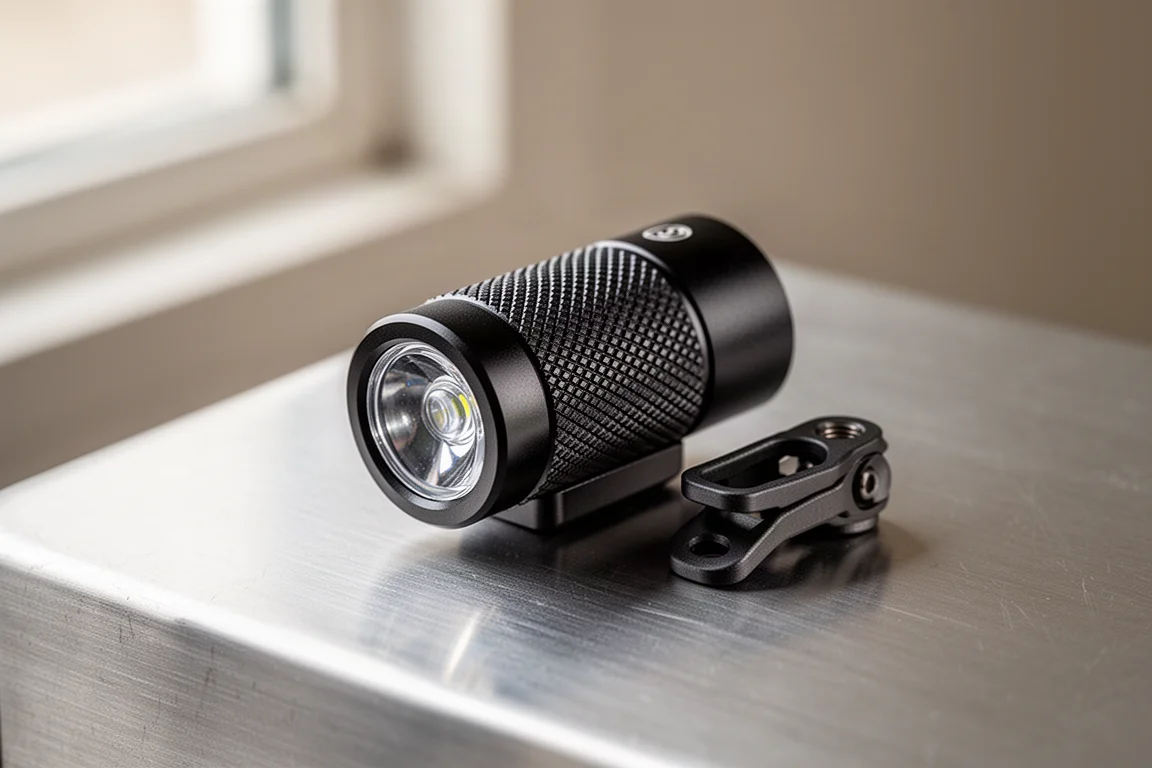
A helmet light changes night riding. The Exposure Axis has strong battery life and throws a directional beam that follows your line of sight, so you can look at exactly what you want to see. That is useful for spotting a potential camp spot while rolling in after dark, and it removes the guesswork when something makes a noise in the dark.
It is just as valuable when you stop. Instead of fumbling for a head torch, the helmet light is already there for checking kit, dealing with mechanicals, or finding something in a bag while your bar light points uselessly forward.
Exposure Joystick Mk10: One Light, Two Mounting Options
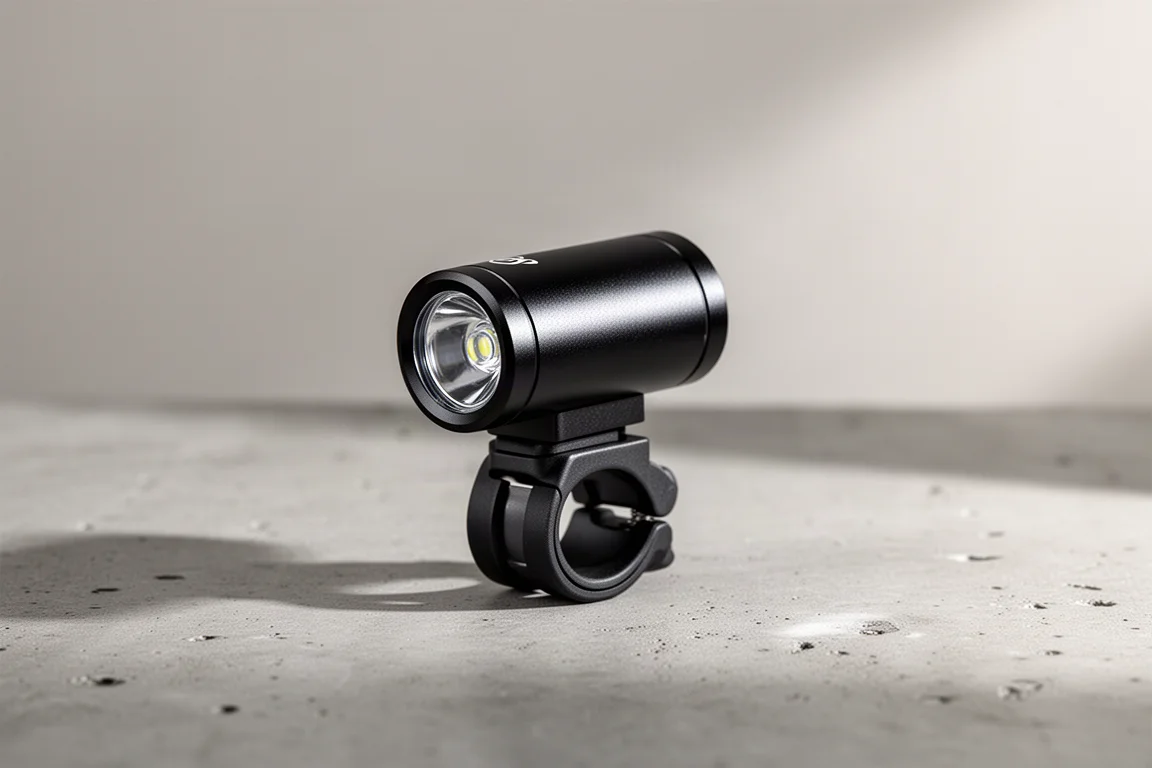
The Exposure Joystick Mk10 is the more flexible light of the pair. It mounts on a helmet, but it also works on the bike as a standard light setup, which makes it easy to move between the two depending on the ride.
For touring, that flexibility is the point. A single compact light that can serve as a helmet light on a dark descent and as a bike-mounted light around camp covers more situations than two dedicated units.
Vallon Herens: Unconventional Eyewear for Harsh Conditions
The Vallon Herens look unconventional, and they attract comments, but they earn their place in desert and mountain conditions. They are mountaineering glasses designed to cut glare at altitude and block reflected light from snow, and the wraparound coverage turned out to be just as useful when sand was blowing across the road.
That full coverage is the real benefit: no constant stream of grit in the eyes, and no squinting through a sandstorm. Riders who spend time in exposed, windy environments will get more from them than the styling suggests.
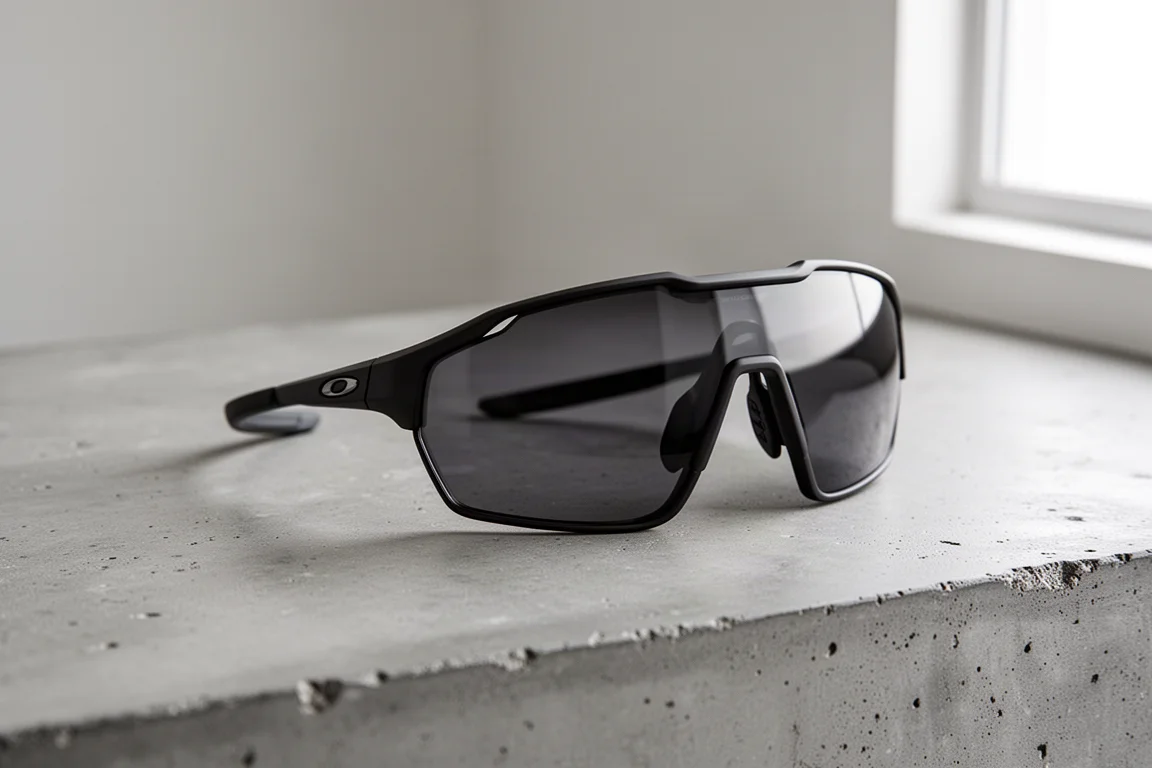
Oakley Watchtower: Cycling-Specific Eye Protection
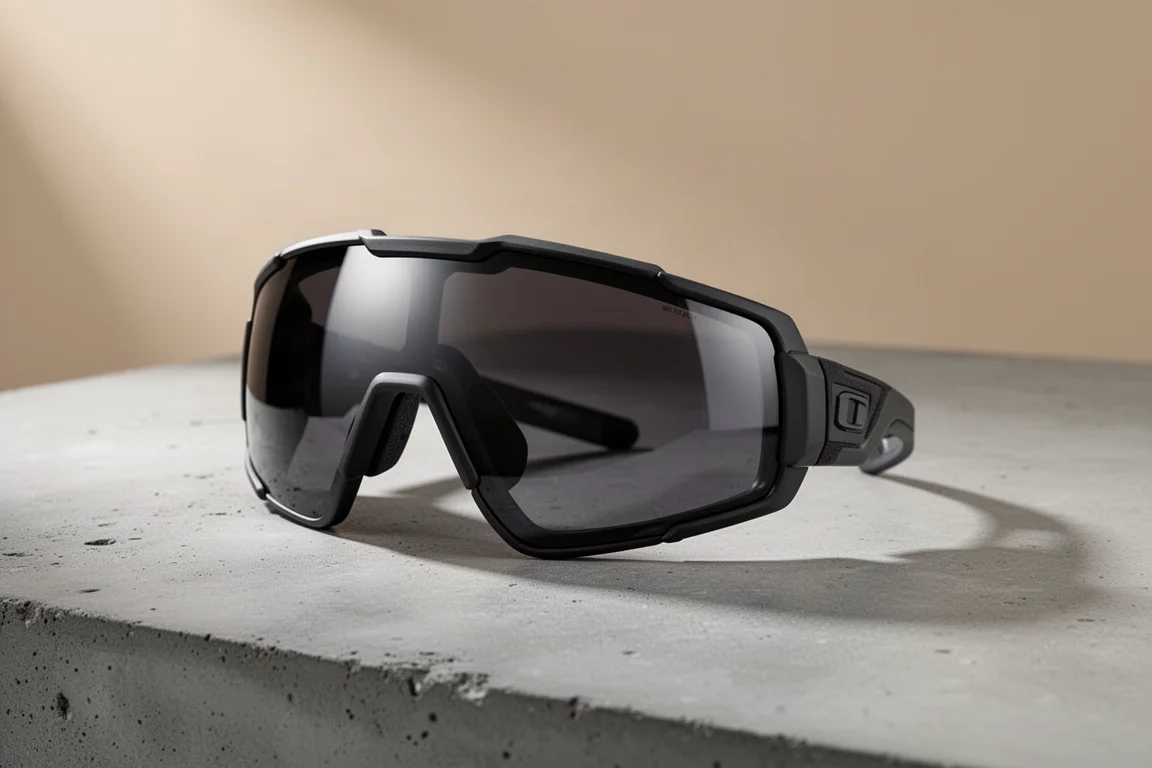
Oakley has since introduced a cycling-specific pair, the Watchtower, for riders who want eyewear designed around the bike rather than around the mountain. They have become the default choice for everyday riding.
Where the mountaineering glasses handle glare and blown sand, a cycling-specific pair is the more natural pick for the majority of tours, and it is the one that stays on the face from the first mile to the last.
Montane Prism Gloves: Instant Warmth in a Tiny Package
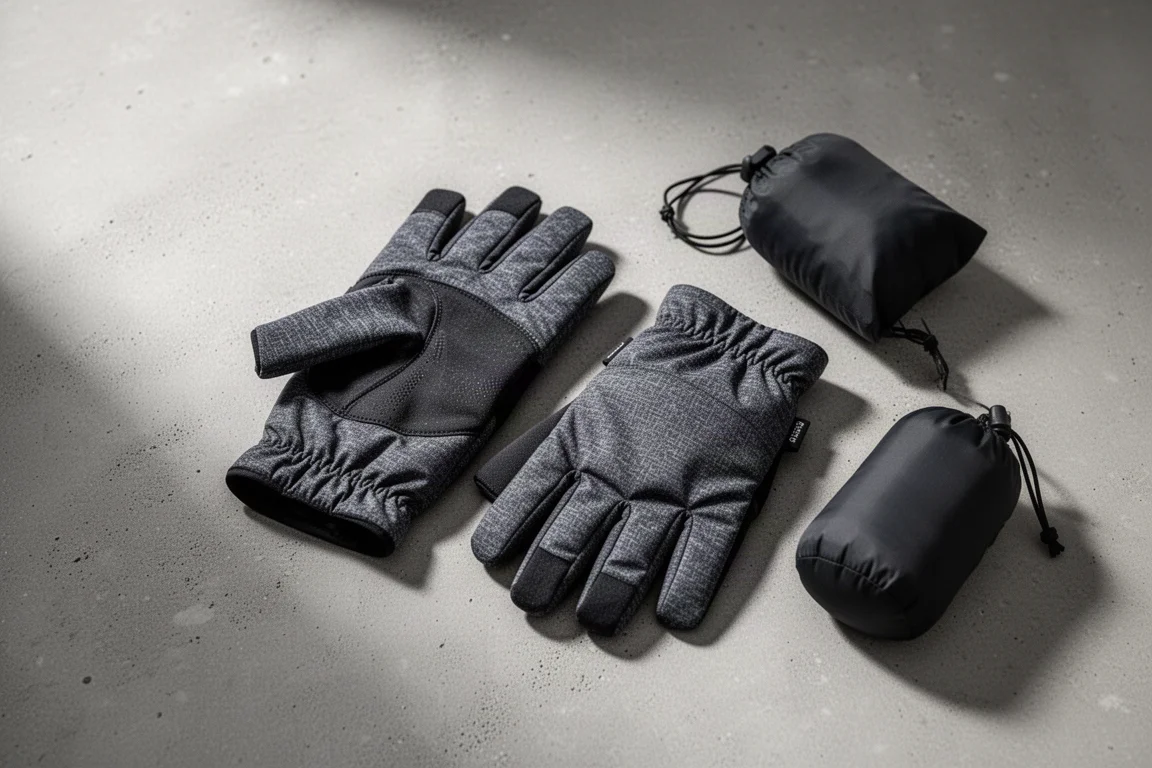
Cold hands end rides, and the Montane Prism gloves solve that in a package that packs down incredibly small. They are insulated gloves that can be pulled on for instant warmth on a long descent or at a cold campsite.
The pair in use has been repaired and stitched back together more than once, which says something about how often they get worn. This model appears to be out of production, so availability may be limited, but the category is worth prioritising regardless.
How to Prioritize Your Bikepacking Kit
Start with sleep and shelter, because those two areas decide whether a tour stays enjoyable. A tent that packs small and a mat that is wide and long enough for your body are worth spending on, and a pillow completes the system for very little extra weight.
Then look at how the bike carries weight. A frame bag that fits properly puts the load in the middle of the bike, and a frame with generous mounts makes luggage options far more flexible. Lights and visibility come next: a helmet light for seeing where you are going, and a rear light with built-in traffic radar for knowing what is approaching from behind, which matters even more on a loaded bike that handles differently from an unloaded one.
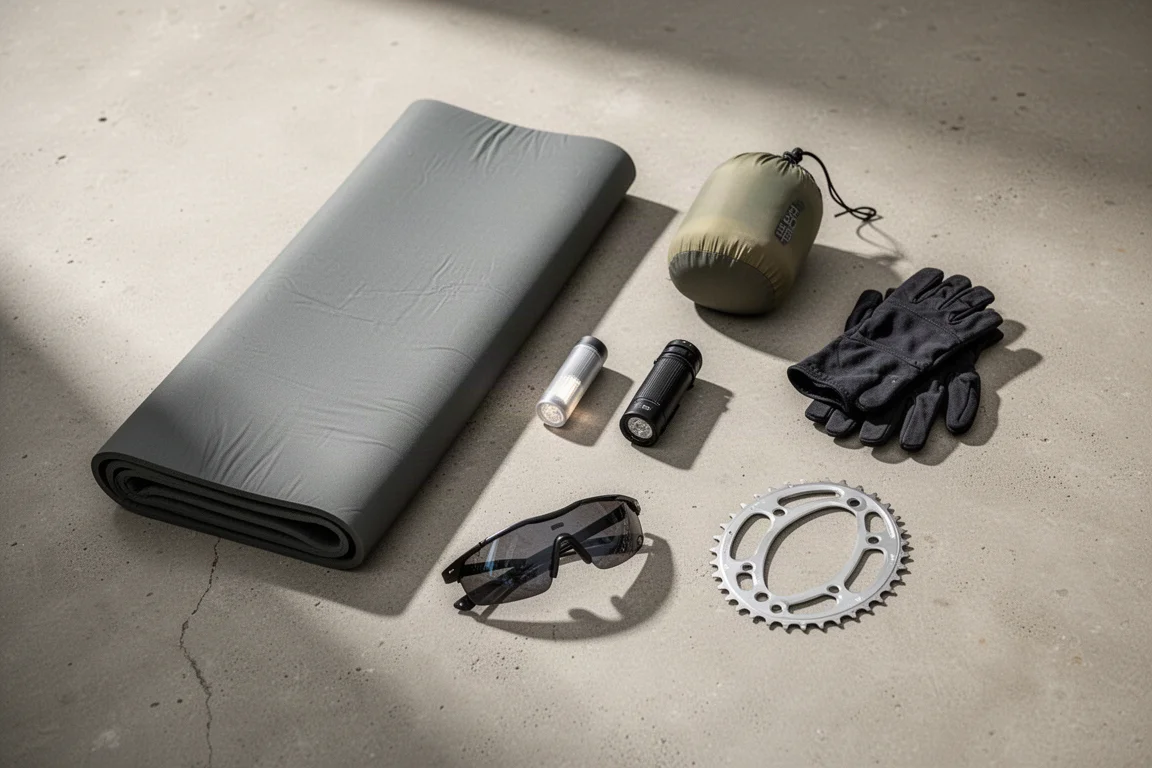
Finally, treat small comfort items as essentials rather than luxuries. Packable gloves, decent eyewear, and a chainring that suits your climbing style all cost far less than the big three, and they are the things you notice every single day.
Conclusion
Good touring kit is not about the longest specification list. It is about the frame that survives a bike box, the tent that keeps you out of hotels, the mat and pillow that deliver a real night’s sleep, and the lights and gloves that make the difficult hours easier. Pick the pieces that match how and where you ride, and the rest of the setup tends to fall into place.
Further reading
Related Reviews
Bikepacking Gear
Best Bikepacking Gear 2026: 11 Essentials Worth Carrying
A practical look at bikepacking kit that earned its place on long rides, from a solar bike computer and basket packing to bar bags, bivvies and gravel shoes.
Bikepacking Gear
Best Bikepacking Gear: 10 Field-Tested Picks for Long-Distance Rides
Ten bikepacking products that earn their place on long rides, from a steel gravel frame to packable gloves, with the strengths and trade-offs worth knowing.
Bikepacking Gear
Best Budget Bikepacking Essentials: Three Cheap Items That Protect Expensive Kit
Three low-cost bikepacking picks, plus the cheap hardware store items that keep a touring kit running without a big spend.