Cycling Wheels
Zipp 858 NSW Review: Are Deep Section Wheels Worth It?
A controlled test of the Zipp 858 NSW deep section carbon wheelset shows measurable time savings. Here is how much speed it really adds and who should buy it.
Introduction
Deep section wheels have long been one of the most popular first upgrades for triathletes chasing faster bike splits. They look fast, they sound fast, and the pros use them. The harder question is how much speed they actually deliver in real-world conditions.
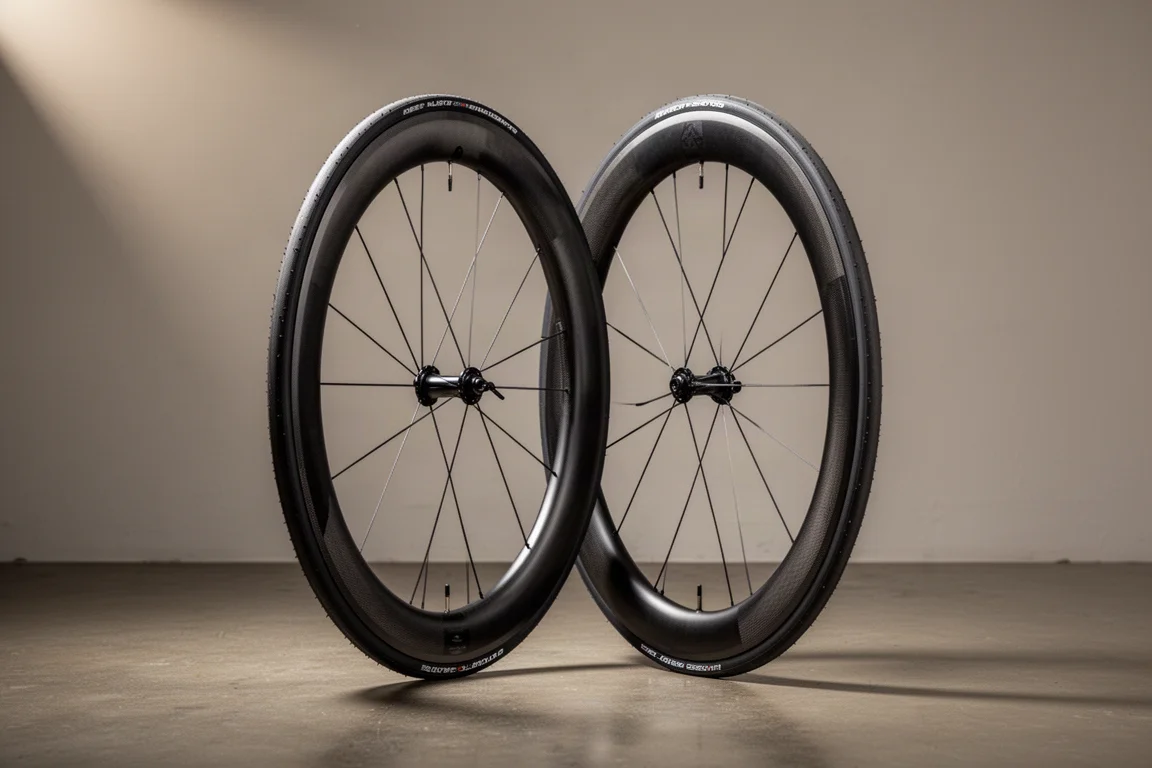
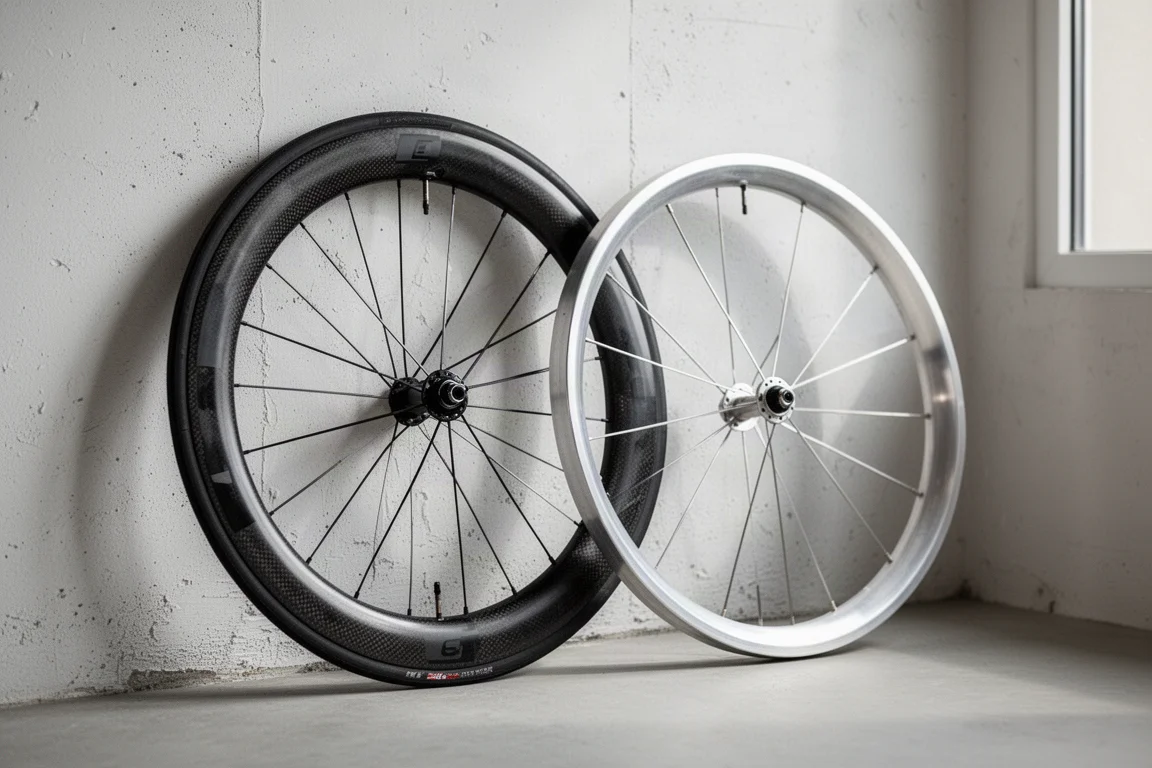
This review focuses on the Zipp 858 NSW, a deep section carbon wheelset that Zipp describes as its most advanced and fastest wheelset to date. The wheels were tested against a standard set of shallow aluminum wheels over an 11km loop at a target power of around 200 watts. The loop was chosen deliberately because it includes headwinds, tailwinds, crosswinds, and varied road surfaces. The same tire setup and pressures were used for both wheel sets, making the comparison as fair as possible.
Who This Wheelset Is For
The Zipp 858 NSW is aimed at riders who prioritize aerodynamic efficiency over all-round versatility. Triathletes and time trialists are the most obvious fit, because the wheelset is designed to deliver its largest gains during sustained efforts where every second on the bike matters.
Long-distance racers should pay particular attention. The measured gains on the test loop project to just shy of a minute saved over a 90km half Ironman distance and just shy of two minutes over a full 180km Ironman distance, assuming similar conditions.

That compounding time saving makes the wheelset far more compelling for endurance events than for short, punchy rides where the aero advantage has less time to accumulate. Riders who already run 28mm tubeless tires will also find that this wheelset aligns well with modern tire setups.
Real-World Speed Gains
The test used a simple and effective method. One lap was ridden on shallow aluminum wheels, then the wheels were swapped for the Zipp 858 NSW and the same lap was repeated immediately, which kept changing conditions to a minimum.
Over the 11km loop, the shallow wheels were ridden at an average of 208 watts and completed the lap in 19 minutes 48 seconds. The Zipp 858 NSW wheels were ridden at 206 watts, two watts lower, and completed the loop in 19 minutes 41 seconds. That is a seven second advantage at slightly less effort.
Extrapolated, that represents just shy of a minute over 90km and just shy of two minutes over 180km. For a triathlete, that is a meaningful difference that requires no additional power output.
Built Around 28mm Tubeless Tires
One of the most notable design decisions with the 858 NSW is that the wheels are optimized for 28mm tires. They are also tubeless and hookless, which changes the way the wheel and tire work together.
A wider rim paired with a wider tire reduces tire deflection, allowing the tire to conform better to the road surface. That lowers rolling resistance and smooths out the ride. The wider profile also creates a cleaner tire-to-rim interface, which in turn produces a more aerodynamic tire-to-rim transition.
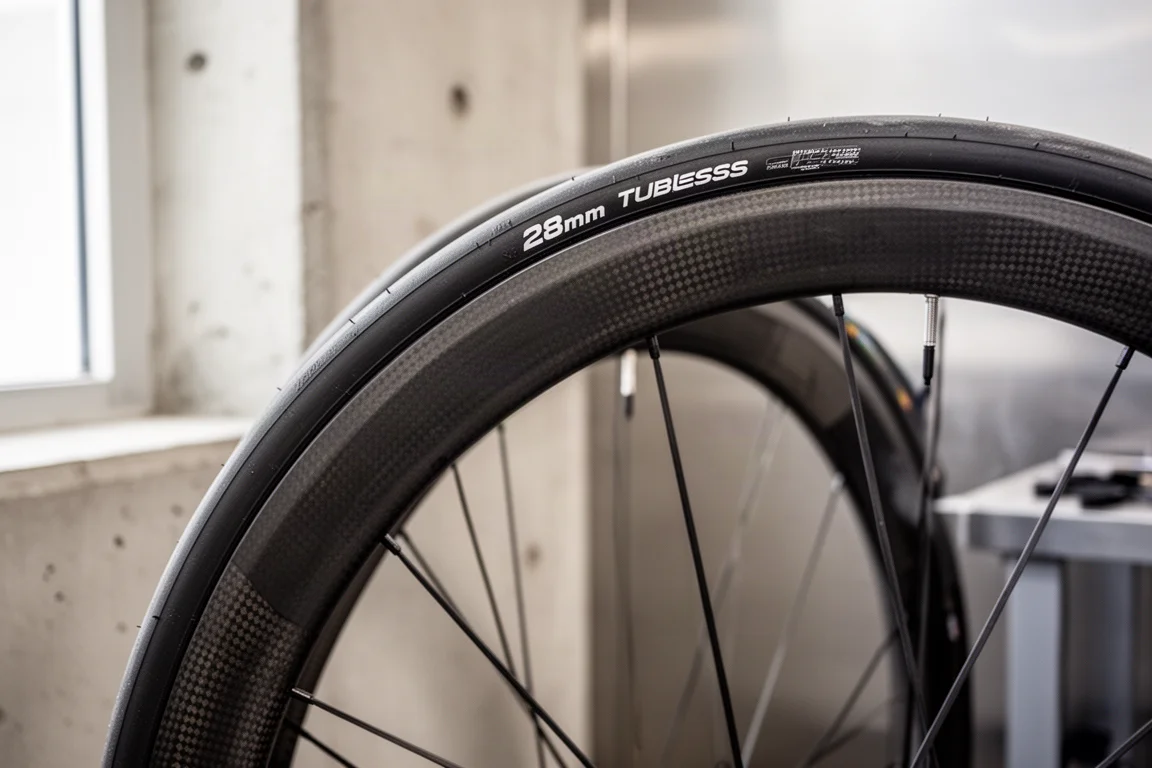
The hookless design has a second benefit. Zipp says it improves the manufacturing process by allowing more specific placement of reinforcement, which shaves 10% off the overall weight of the wheel. Lower tire pressures combined with a lighter wheel mean fresher legs on the run, which is part of why Zipp describes the wheelset as making you faster on the run as well as on the bike.
Crosswind Performance and the Sawtooth Profile
The biggest concern most riders have with deep section wheels is crosswind stability. A rim this deep presents a large surface area to the wind, and while the effect is also felt at the rear, it is the front wheel that feels more unsettling because it can turn. In a strong gust, the steering input can make the bike feel unstable.
The aerodynamic reasoning is straightforward. The leading edge of the tire splits the airflow and the rim works to control it. A deeper rim manages the airflow more smoothly, reducing turbulence behind the wheel and lowering drag. But when a crosswind increases the yaw angle, airflow can suddenly detach from the rim and stall. The result is a repeated, one-sided push against the wheel that can feel quite unnerving.
Newer rim shapes have reduced this problem considerably. The 858 NSW uses a toroidal, U-shaped profile that is wider and more rounded, which keeps the airflow attached at higher yaw angles than older V-shaped rims. Zipp also adds its unique Sawtooth profile. Rather than allowing a single large stall, this shape produces more frequent but smaller dumps of air, which makes the wheel feel more controlled instead of buffeting suddenly. The design is said to be inspired by the bumps on humpback whale pectoral fins.
Lighter Than Many Shallower Wheels
Deep section wheels are often assumed to be heavy, but the 858 NSW comes in at 1,530g, which is lighter than a number of shallower wheelsets. That changes the usual trade-off between aero depth and weight.
For riders who have avoided deep section wheels because of weight concerns, this wheelset offers aero gains without a major weight penalty. The hookless construction and the resulting 10% weight saving help explain how such a deep rim keeps its overall weight down. The practical result is a wheelset that remains responsive while delivering the aerodynamic benefits of a very deep rim.
Things to Consider Before Buying
The most important consideration is crosswind behavior. Even with a modern rim shape and the Sawtooth profile, the 858 NSW measures roughly 82 to 85mm in depth depending on where it is measured. That is a genuinely deep wheel, and riders in consistently windy areas should think carefully about whether they are comfortable managing the steering forces that come with it.
If crosswinds force you out of the aero bars or cause you to back off the power, even for a moment, some of the aero advantage can be lost. Crosswind tolerance is highly personal, so testing the wheels in your local conditions before committing to a race-day setup is the most sensible approach. It is also worth noting that the wheelset is designed around 28mm tubeless tires, so the intended performance relies on pairing it with a compatible tire setup.
Buying Advice
For triathletes and time trialists, the Zipp 858 NSW delivers a measurable and repeatable speed advantage. The test shows a seven second gain over roughly 11km at similar or slightly lower power. Over race distances, that compounds into a meaningful time saving without requiring extra fitness.
Riders coming from shallow aluminum wheels should expect the largest improvement, particularly if they already run modern tubeless tires. The wheelset also removes many of the traditional excuses for avoiding deep aero rims, thanks to the 1,530g weight and the improved crosswind behavior.

The practical advice is to consider how and where you ride. If most of your riding is on open roads or race courses with steady efforts, the gains are genuine. If you regularly face strong crosswinds on technical routes, spend time with the wheels in those conditions first. For riders who can handle the depth, the 858 NSW is one of the most aerodynamically advanced wheelsets available today.
Conclusion
The Zipp 858 NSW demonstrates that deep section wheels can deliver genuine, measured speed. A seven second advantage over an 11km loop at the same effort may sound modest, but extrapolated across half Ironman and full Ironman distances it becomes a compelling upgrade.
The wheelset also addresses the two biggest objections to deep aero rims: weight and crosswind handling. At 1,530g, and with a toroidal Sawtooth profile that keeps airflow attached at higher yaw angles, it is both lighter than many shallower wheels and more stable in gusty conditions than earlier generations. For triathletes looking to save time without adding watts, the Zipp 858 NSW is a strong candidate.
Product link
View more details for Zipp 858 NSW
This product is mentioned in the review. Check the specifications, options, and compatibility before buying.
View more details for Zipp 858 NSWFurther reading
Related Reviews
Cycling Wheels
Aero vs Lightweight Carbon Wheels: Hunt 60 Limitless and Hunt 32 Aerodynamicist Compared
Deep-section aero wheels and featherweight climbing wheels promise different things. Controlled real-world testing on flat laps and a steep climb shows where each set actually gains time.
Cycling Wheels
Best Carbon Road Bike Wheels 2026: Six Standouts From Entry Level to Premium
A practical guide to carbon road bike wheels across six price brackets, covering rim width, rim depth, hub engagement and what each step up actually buys.
Cycling Wheels
Best Rim Brake Road Wheels: Six Options From Budget to Premium
Six rim brake road wheelsets covering nearly every price point, from a value alloy set to sub-kilogram tubulars, plus advice on custom builds and buying secondhand.