Cycling Wheels
Best Carbon Road Bike Wheels 2026: Six Standouts From Entry Level to Premium
A practical guide to carbon road bike wheels across six price brackets, covering rim width, rim depth, hub engagement and what each step up actually buys.
Introduction
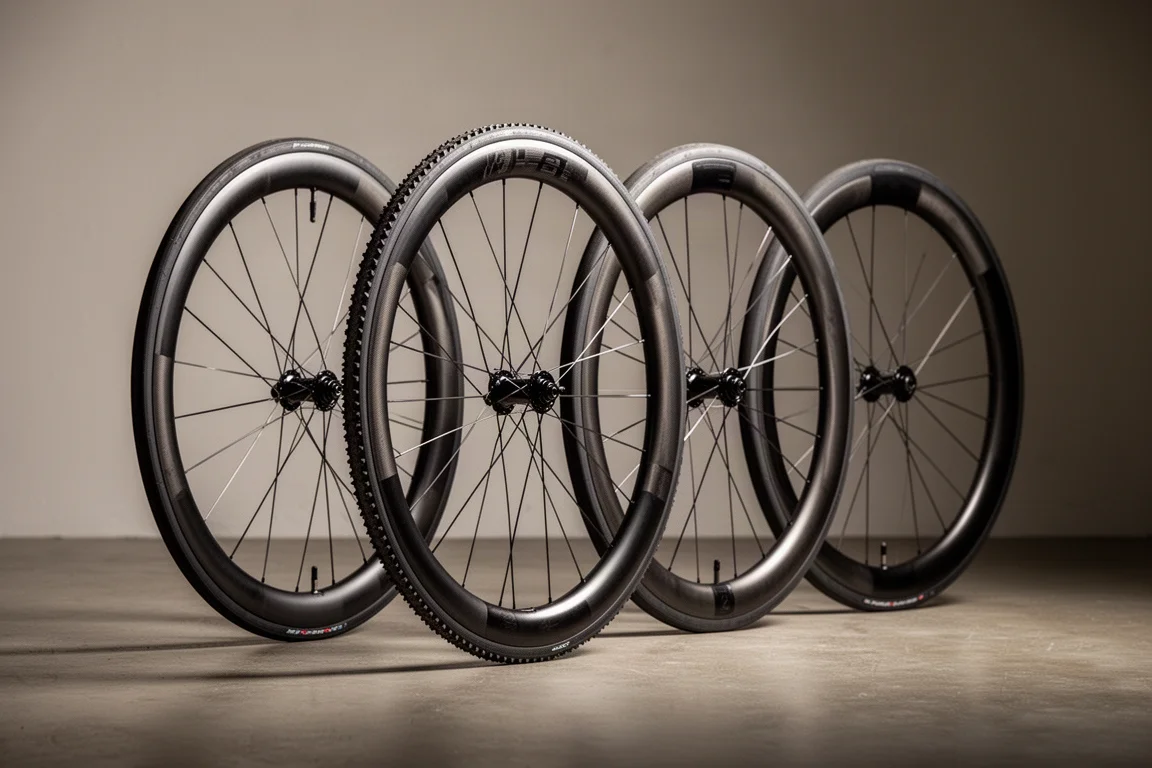
Carbon wheels have long been one of the most effective upgrades a road cyclist can make, and the benefits are well documented: less weight, quicker responses, better aerodynamic performance, reduced rolling resistance, and improved comfort and grip. They also happen to look the part.
What has changed is the price of entry. Carbon road wheels are no longer reserved for the fastest riders in the world. Some sets are far more affordable than many riders expect, and the trickle-down effect of technology means mid-priced wheels now perform remarkably close to models costing far more.
Because the market spans such a wide range, this guide groups the best options in £500 steps, from around £500 up to roughly £3,000. Every wheelset here is available in the US, the UK and the EU, though regional pricing differs slightly from market to market.
How the Price Brackets Work
To make the range easier to navigate, the wheels in this guide are grouped in £500 increments, starting at around £500 and running up to about £3,000. A few sets sit slightly above or below the exact figure, so treat each bracket as ballpark guidance rather than a strict rule.
What matters more than the number is what each step actually buys: lighter rims, wider internal widths, faster hub engagement and more refined rim profiles. Those are the details worth comparing, and they are the focus of each entry below.
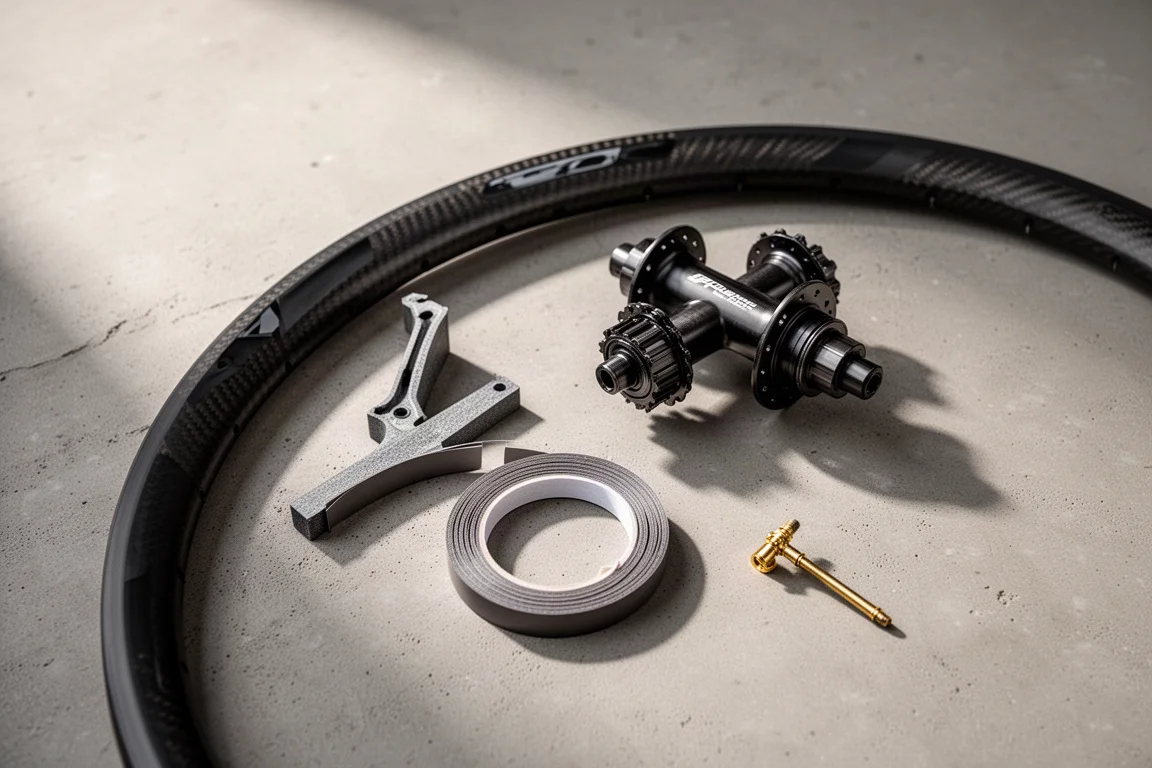
The trickle-down effect is genuinely useful here. Technology that debuted on flagship wheelsets now appears at much lower price points, so a mid-range set can feel surprisingly close to something costing considerably more. That is why this comparison leans on rim dimensions, claimed weight and hub engagement rather than badge appeal alone.
Best Budget Pick: Vel RL60
The Vel wheelset is the clear standout at the entry price point. The rim measures a claimed 27.5mm externally, which makes it a natural match for 28mm tyres and produces a smooth transition from rim to tyre. The freehub runs 102 points of engagement, so power delivery feels snappy rather than vague.
Weight is where the compromise shows. The 38mm version is claimed at 1,550g, which is not remarkable for that depth, but it still represents a tangible improvement over the stock wheels that come on many new bikes, which can weigh around a kilo more. Lighter riders who spend their time climbing will get the most from the shallower option.
The RL60 takes the same approach with a 60mm deep rim. It carries an additional weight penalty and will not feel as eager under acceleration, but it holds speed nicely on long flat days and suits riders who occasionally take on a time trial. It is worth noting that these wheels currently sit in this bracket because they are on sale, so pricing can move.
Best Value All-Rounder: Hunt 44 Aerodynamicist Carbon Disc
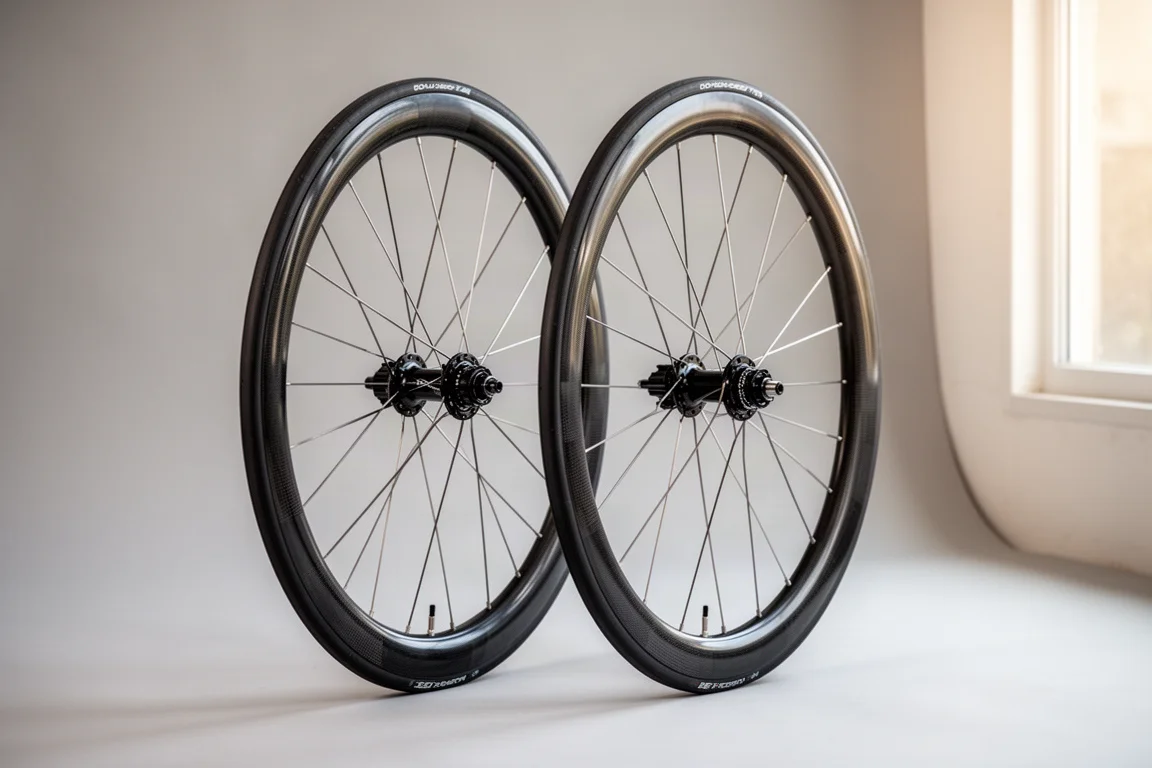
Hunt has built a strong reputation for good value wheel performance, with build options that cover a broad spectrum of riders. The 44 Aerodynamicist Carbon Disc is the one that stands out here: 44mm deep, with a claimed weight of 1,466g that is respectable for that depth.
The rim uses a 20mm internal width and a 29mm external width, so 28mm or 30mm tyres sit well. Beyond the roughly 100g weight saving over the entry-level option, the wider external width also makes the wheels more aerodynamic when paired with the wider tyres most riders now run.
The biggest advantage is the rim profile. Compared with a sharper, more V-shaped cross section, the Hunt rim is more bulbous, and that shape lends itself to greater stability in crosswinds. The wheelset also offers greater axle compatibility, and adapters and tubeless tape are included. For the average rider, it represents a strong first step into better wheel performance.

Whether the step up in price is worthwhile depends on what you value. The rim profile and the weight saving alone make a convincing case, particularly for riders who regularly ride fast, exposed roads.
Best Versatile Mid-Range Choice: Zipp 303 Firecrest
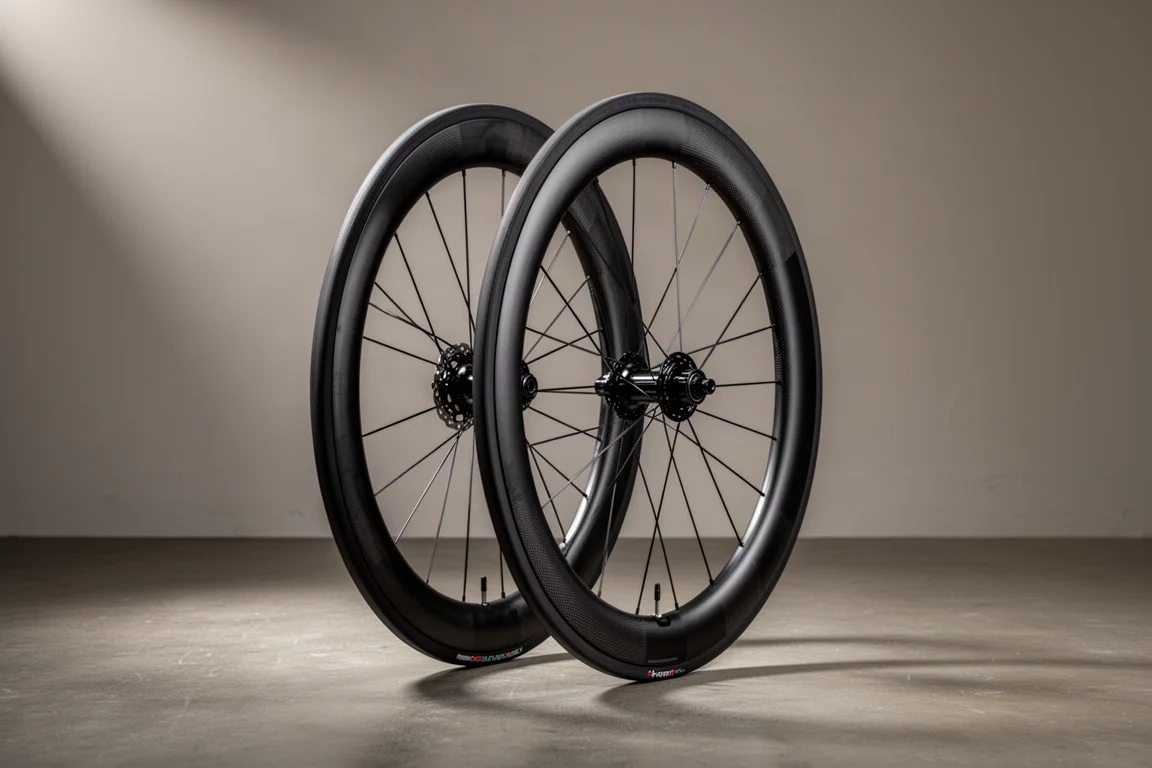
At around £1,500 the Zipp 303 Firecrest is a compelling option, largely because it benefits from technology that has filtered down from more expensive wheelsets in the range. Brands that develop and sell very high-end wheels tend to push newer designs downward over time, and these wheels are a good example of that.
Versatility is the headline. A 25mm internal width means the wheels can run anything from a 28mm tyre all the way up to the widest gravel tyres, so they work for road, gravel and cyclocross. The claimed weight is 1,408g at a 40mm depth, which is good for the category.
One trade-off is the hookless rim. Tyre compatibility is slightly limited, and pressures cannot exceed 73 PSI. In practice that matters less than it sounds. These wheels are designed for tubeless setups, which work better at lower pressures, and most riders pairing them with 28mm or 30mm tyres will not need to go near that ceiling.
The rim profile is more bulbous than the previous version, which helps stabilise the wheels in crosswinds. At the centre sits the ZR1 DB hub, with 66 points of engagement at the rear for a snappy response. The ride feels stiff and fast across surfaces, which makes these a sound choice for a wide range of riding.
Best Premium Road Option: DT Swiss ERC 1100 DICUT 45
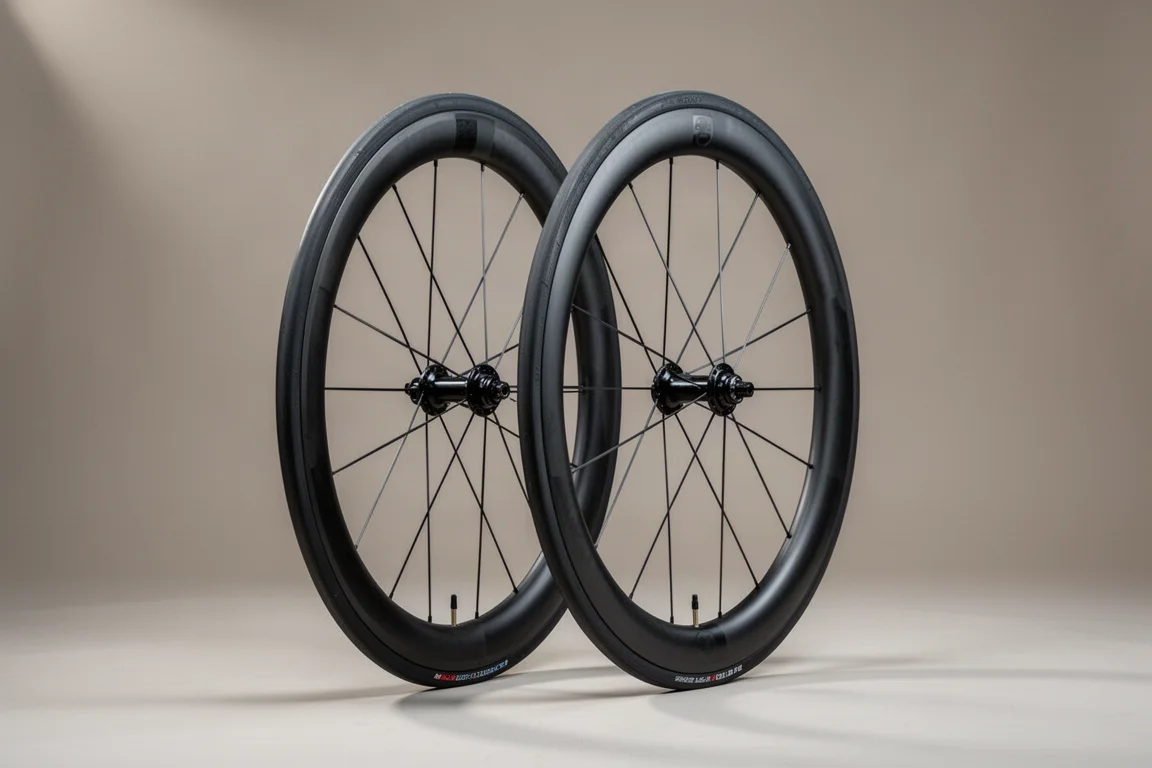
The £2,000 mark is an odd one. There are more options at the £1,500 and £2,500 levels, but one genuinely interesting set lands near this figure: the DT Swiss ERC 1100 DICUT 45. Finding the best price takes some effort, and it may even mean buying the two wheels from different retailers, but the specification makes the search worthwhile.
The claimed weight is 1,449g at a 45mm depth, which is strong for the depth. Internal width is 22mm, so these are less versatile than the Zipp wheels if you want to run very wide tyres, but they are ideal for road tyres, and the 28.5mm external width allows a smooth rim-to-tyre transition. Under the latest ETRTO standards, 28mm tyres are arguably the better match.
The hubs are the real talking point. DT Swiss 180 hubs use the Ratchet EXP engagement system, where two plates slide over each other while coasting and then lock into place when power is applied. With 36 points of engagement, response is quick, and the freehub sound is distinctive.
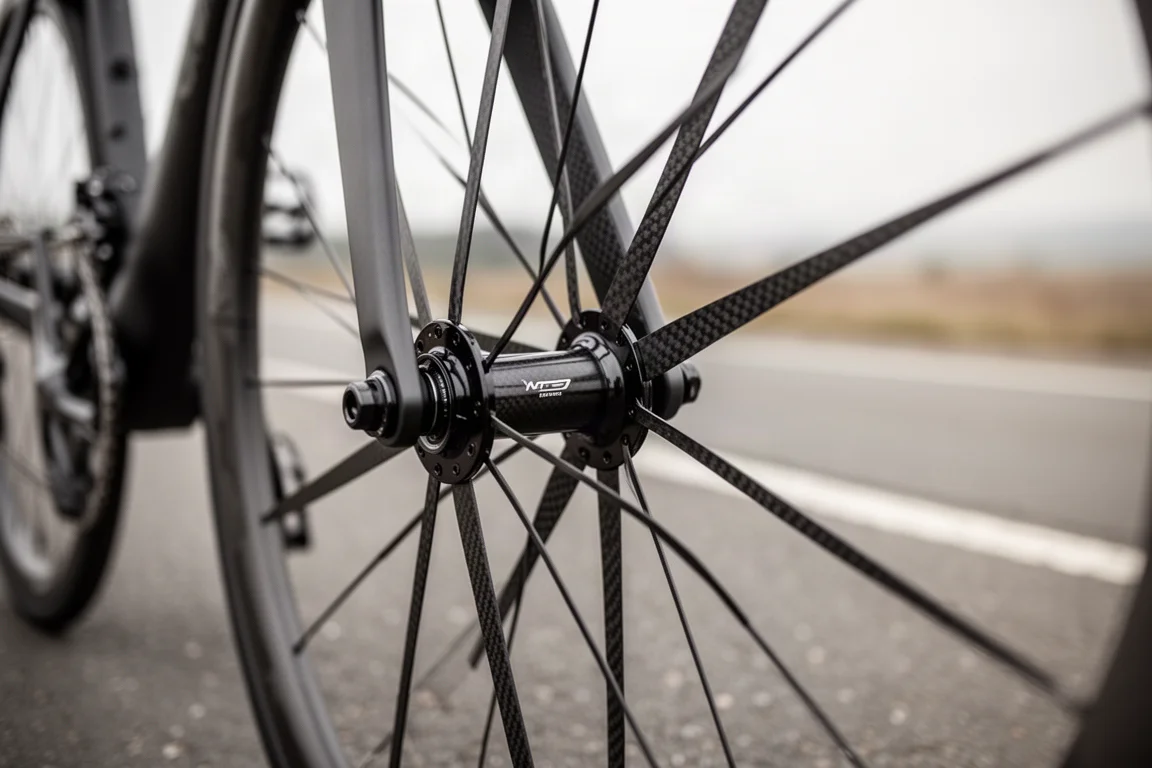
These wheels are also available in a shallower 35mm depth that sheds another 50g, bringing the claimed weight just under 1,400g. This is also the price point where ceramic bearing technology starts to appear, and the ERC 1100 uses hybrid steel ceramic bearings. Hybrid designs feel very smooth when new, but pairing very hard ceramic balls with a softer steel race can wear the steel over time, unlike a full ceramic bearing where hardness is consistent throughout. DT Swiss says its bearings use a steel alloy chosen to increase strength, which may address that concern.
If the price is a stretch, DT Swiss also offers an ERC 1400 model that carries over many of the same features at a more affordable price.
Best Lightweight Race Wheel: Cadex 50 Ultra
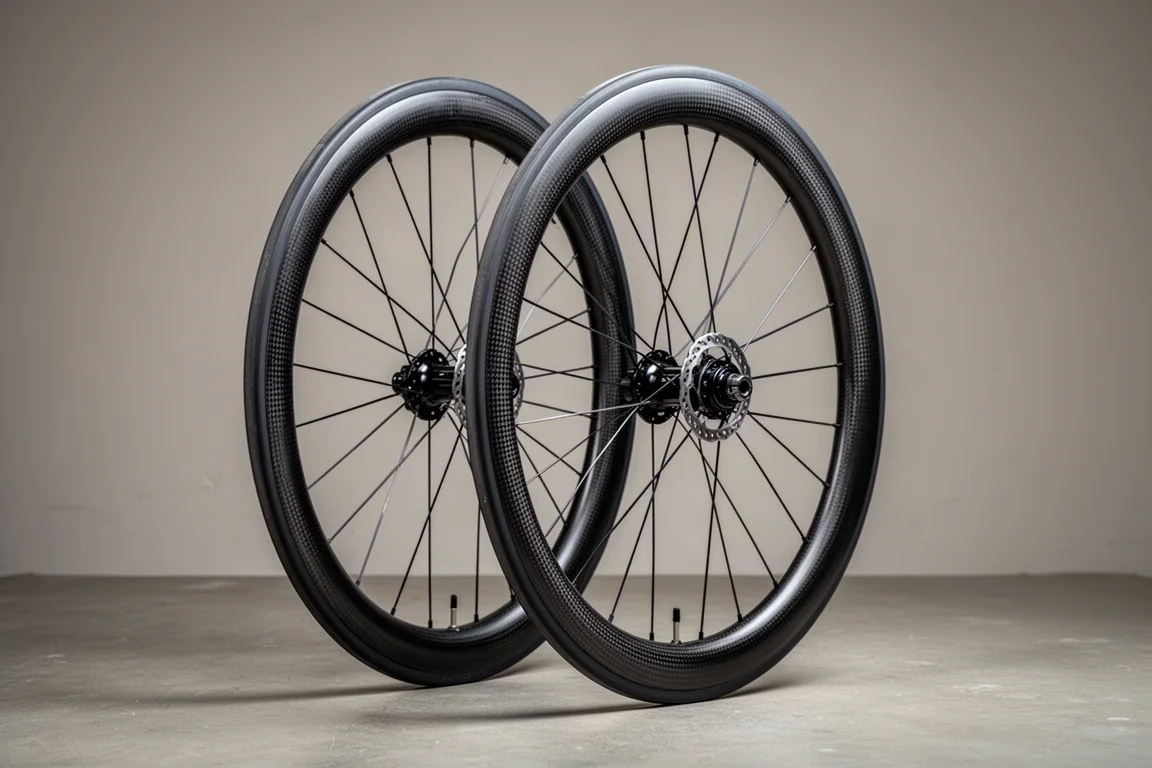
The Cadex 50 Ultra sits at serious money and is the sort of wheelset most riders file under dream upgrades. At 50mm deep, the claimed weight is a striking 1,349g, helped by carbon-bladed spokes.
Internal width measures 22.4mm, which suits the tyres of today well. The rim is hookless, so it should only be run with compatible tyres. The wheels were developed with wind tunnel work, which shaped the bladed spokes and the aerodynamically optimised hub shapes, and the bearings are ceramic for smooth rolling.
Freehub engagement works on a similar principle to the DT Swiss design, but the engagement plates use 40 points, making pick-up marginally quicker.
On the road, these wheels deliver most of what a modern road cyclist is looking for. The hookless rim will be the most debated detail, but everything else points to a set that would noticeably elevate a ride and leave very little to be desired. At £2,650 in the UK they stretch the bracket they sit in, yet the performance supports the price.
Best High-End All-Round Wheelset: Zipp 353 NSW
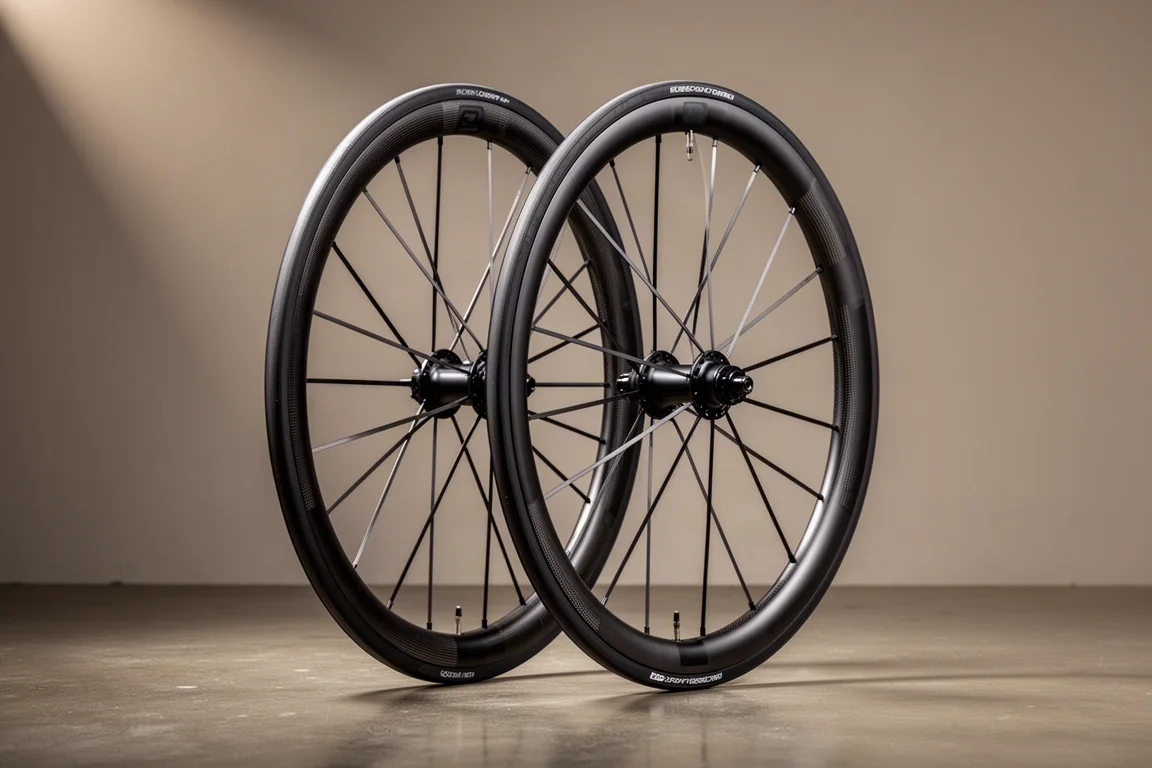
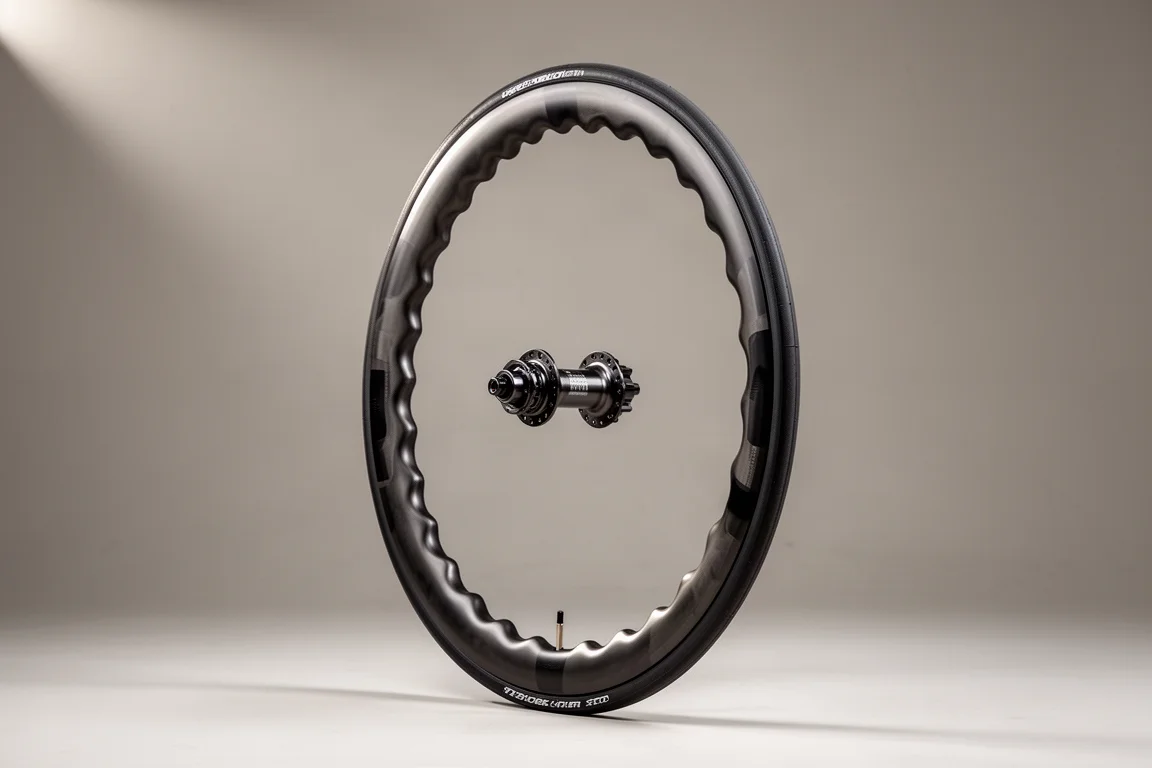
At the top of the scale, the Zipp 353 NSW is the pick around the £3,000 mark. Its headline feature is the Sawtooth rim profile, designed to battle the usual compromise between the aerodynamic performance of a deep wheel and stability in crosswinds. That is a lot to ask of one rim, and in practice it performs very well.
The 353 was chosen over its bigger, more aerodynamic sibling, the 454 NSW, because it combines aerodynamics with a very low claimed weight of 1,308g. The result is a wheelset that feels fast and responsive on climbs while still rolling quickly on flat roads. With a 25mm internal width, the versatility is hard to match, and the wheels can be used almost anywhere.
As with other wheels at this level, the hookless rim may divide opinion. Riders shopping in this part of the market tend to be keen adopters of modern wheel standards, so it is unlikely to be a dealbreaker.
Buying Advice: Matching Wheels to Your Riding
Depth and weight are the two numbers that shape most of the decision. A shallower, lighter rim suits lighter riders and anyone who climbs often, while a deeper rim carries speed better on flat, fast roads and suits heavier riders or those who ride in more exposed conditions.
Internal width matters just as much as depth. A wider internal width opens up tyre choice, from narrow road rubber through to gravel tyres, while a narrower rim is a better fit for riders who stay on road tyres and want the smoothest possible rim-to-tyre transition.
Hub engagement is the detail that is easiest to overlook. Higher point counts mean faster pick-up when you start pedalling, which shows up on steep gradients and technical terrain. Bearings are the other long-term consideration. Ceramic options roll smoothly, though hybrid designs with steel races are worth thinking about carefully over several seasons.
Finally, be flexible about where you buy. Prices vary between the US, the UK and the EU, and shopping around can move a wheelset from one bracket into another. If a set sits just above your budget, it is worth checking whether a sale or a different retailer brings it within reach.
Conclusion
Carbon wheels no longer have to be an elite-only purchase. At the entry point, the Vel RL60 offers a clear upgrade over stock wheels, while the Hunt 44 Aerodynamicist Carbon Disc adds a more stable rim profile and better axle compatibility for a modest premium. The Zipp 303 Firecrest and DT Swiss ERC 1100 DICUT 45 cover the middle of the market with different priorities, one favouring tyre versatility and the other hub refinement. At the top, the Cadex 50 Ultra and Zipp 353 NSW deliver very low claimed weights and race-focused design for riders ready to spend accordingly.
The right choice comes down to the terrain you ride most, the tyres you want to run, and how much you value a lighter, faster-feeling wheel.
Further reading
Related Reviews
Cycling Wheels
Aero vs Lightweight Carbon Wheels: Hunt 60 Limitless and Hunt 32 Aerodynamicist Compared
Deep-section aero wheels and featherweight climbing wheels promise different things. Controlled real-world testing on flat laps and a steep climb shows where each set actually gains time.
Cycling Wheels
Best Rim Brake Road Wheels: Six Options From Budget to Premium
Six rim brake road wheelsets covering nearly every price point, from a value alloy set to sub-kilogram tubulars, plus advice on custom builds and buying secondhand.
Cycling Wheels
Bicycle Wheels Ranked: Seven Sets Worth Considering
A practical ranking of seven road and gravel wheelsets, from the accessible Zipp 303 S through to premium options from Enve, Campagnolo and Zipp NSW.