Cycling Wheels
Best Rim Brake Road Wheels: Six Options From Budget to Premium
Six rim brake road wheelsets covering nearly every price point, from a value alloy set to sub-kilogram tubulars, plus advice on custom builds and buying secondhand.
Introduction
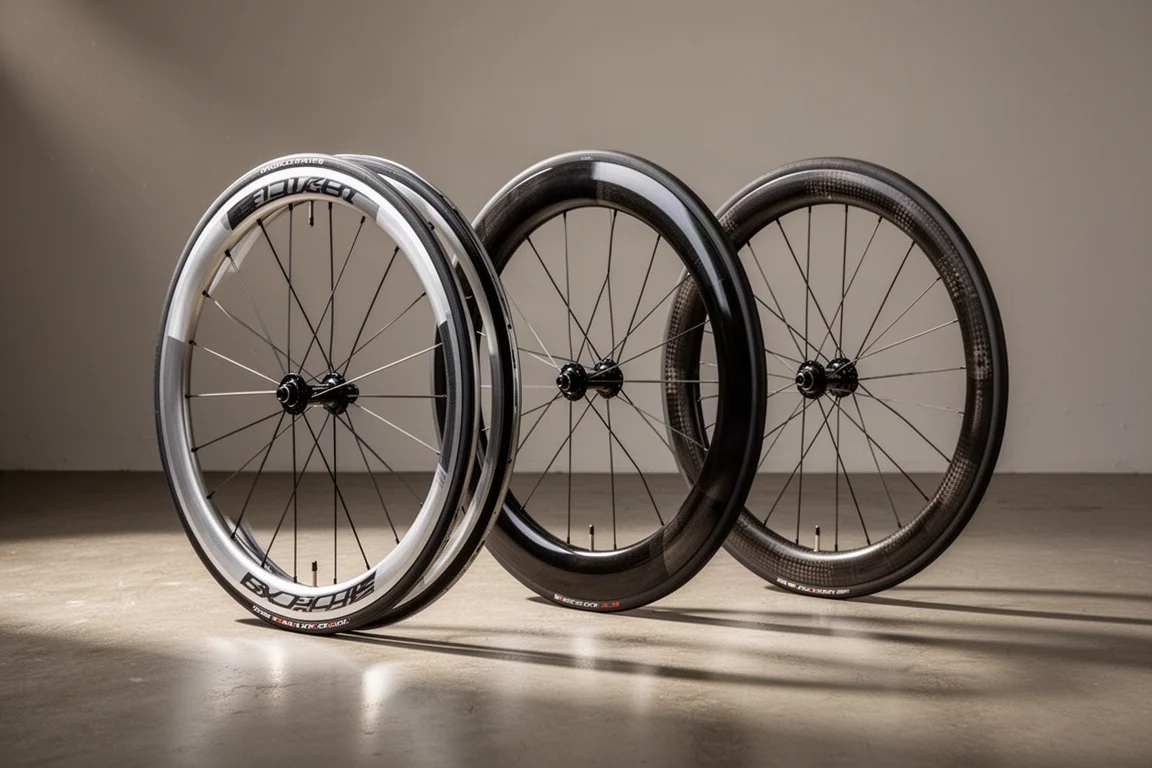
Rim brakes may no longer dominate new bike launches, but plenty of riders still own and love a rim brake road bike, and upgrading the wheels is one of the most effective ways to keep one feeling quick. The catch is availability. New rim brake wheelsets are becoming harder to find, and the options that remain are spread across a very wide range of prices.
This guide covers six rim brake wheelsets that span nearly every price point, from a value-focused alloy option to a sub-kilogram tubular set built for climbing. It closes with practical notes on custom builds and on what to inspect before buying a used pair.
How These Rim Brake Wheelsets Compare
Tire compatibility is the first filter worth applying. Most sets here suit 23, 25 and 28mm tires, and the Hunt Race Aero Wide is optimized for 25 to 28mm while still working down to 23mm, which matters if you are keeping an older frame with tighter clearances. Brands with long histories in the category, such as Mavic and Campagnolo, still list broad rim brake ranges, and specialists including Hunt and DT Swiss continue to offer rim brake wheels across several rim depths.
Rim material and depth drive most of the price difference. Alloy rims keep costs down and suit everyday riding, while carbon rims unlock deeper aero sections and lower weights. Within this selection, claimed weights range from 980g for the tubular Schmolke T30 up to 1,496g for the alloy Hunt Race Aero Wide.
Tubeless readiness varies and is worth checking model by model. The Mavic Cosmic SLR 40 uses a fully sealed rim bed, so there is no tape to fit. The Hunt Race Aero Wide is tubeless ready as well, though a tubeless setup on tires as narrow as these can be tricky to get right.
Finally, consider hubs and spokes. Hubs are where long-term durability is decided, and they are also the part most worth upgrading, which is one reason a custom build can make more sense than a stock wheelset.
Hunt Race Aero Wide: Strong Value at the Entry Point
Hunt is a wheel specialist with a large range and international shipping, and the Race Aero Wide is the budget-friendly rim brake option in that line-up. In the UK it costs £499 and has a claimed weight of 1,496g for the pair, which is competitive at this price.
Tire compatibility is broad. The wheels are optimized for 25 to 28mm tires, but Hunt says they also work well down to 23mm, which makes them a good match for an older rim brake project sitting in the garage. They are tubeless ready too, although with tires this narrow a tubeless setup can be fiddly, so classic inner tubes remain a sensible choice.
Campagnolo Bora WTO 45: Carbon Aero With Racing Heritage
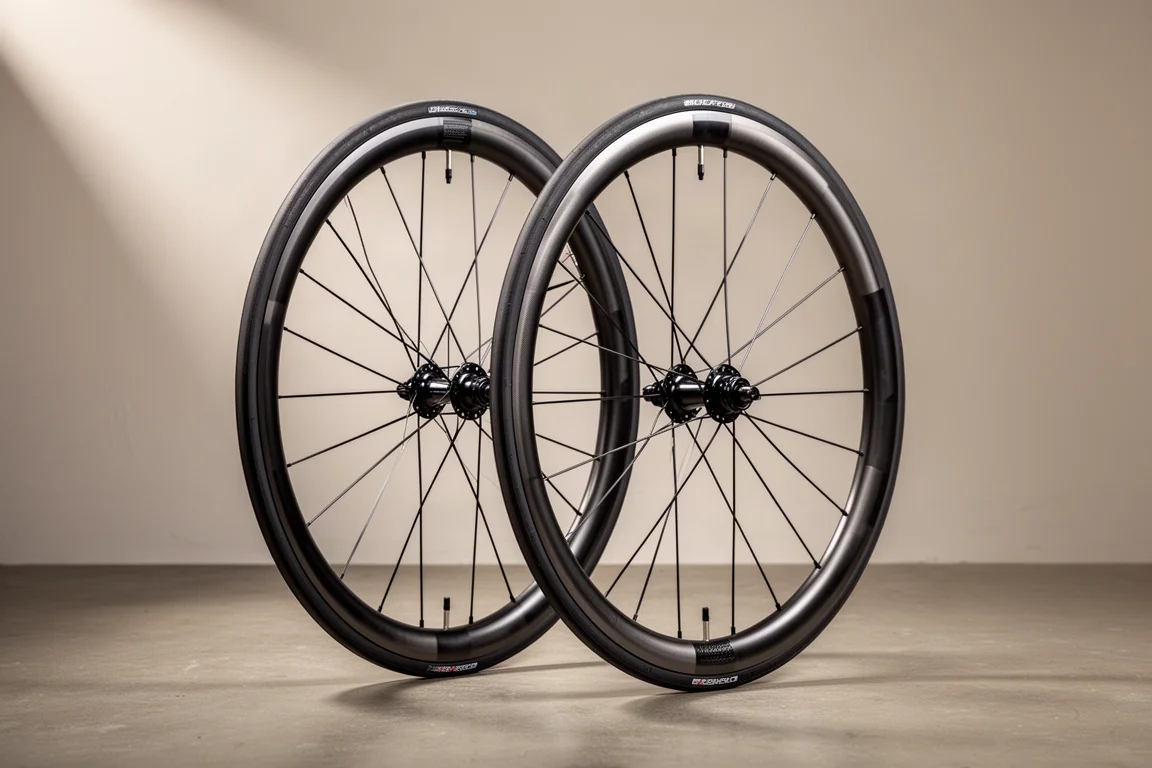
Campagnolo has been building wheels for a very long time, and the Bora WTO 45 sits near the top of its rim brake range. The 45mm carbon rim is a deliberate middle ground: enough depth for a genuine aerodynamic benefit without the weight penalty of a much deeper section. Campagnolo also offers more modest options for smaller budgets.
The rims are carbon fibre, so expect a snappy feel once you start putting power down. Tire compatibility covers 23, 25 and 28mm, and the two-way fit system lets you run either tubeless tires or classic clinchers on the same wheel. Pricing sits at the premium end of the range.
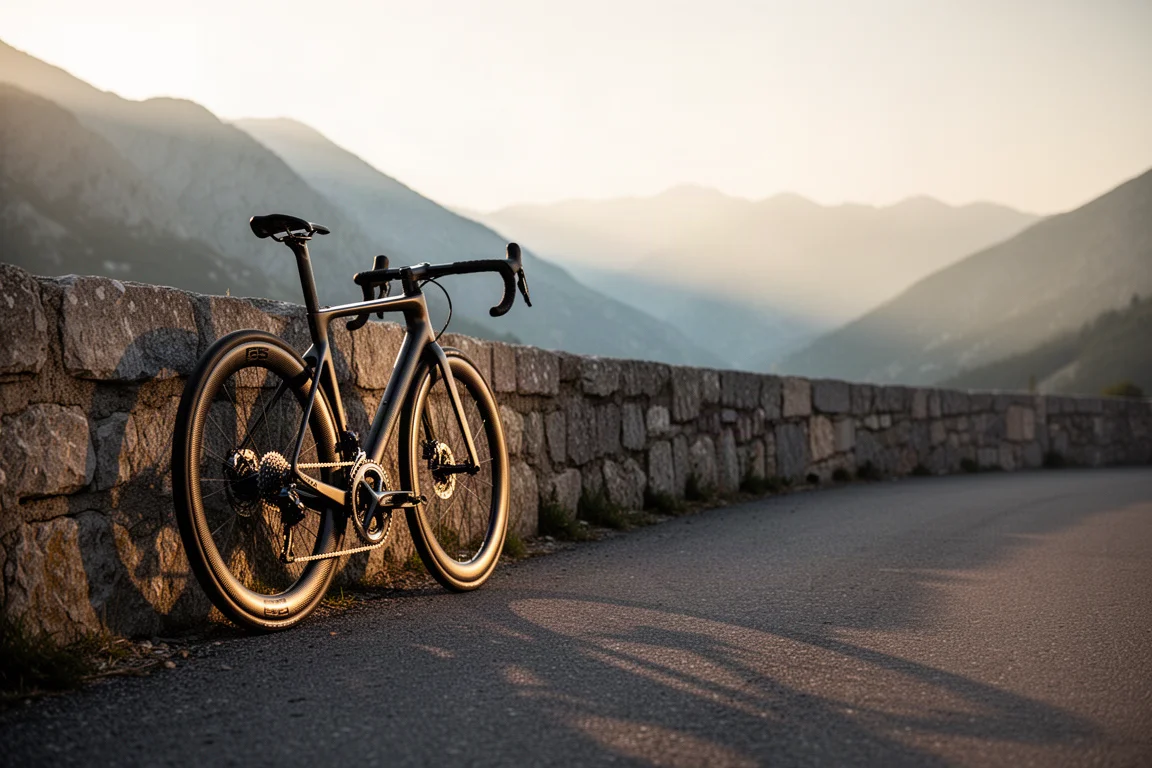
For riders who want one wheelset to cover fast group rides and long days out, the 45mm depth is a sensible compromise rather than an extreme.
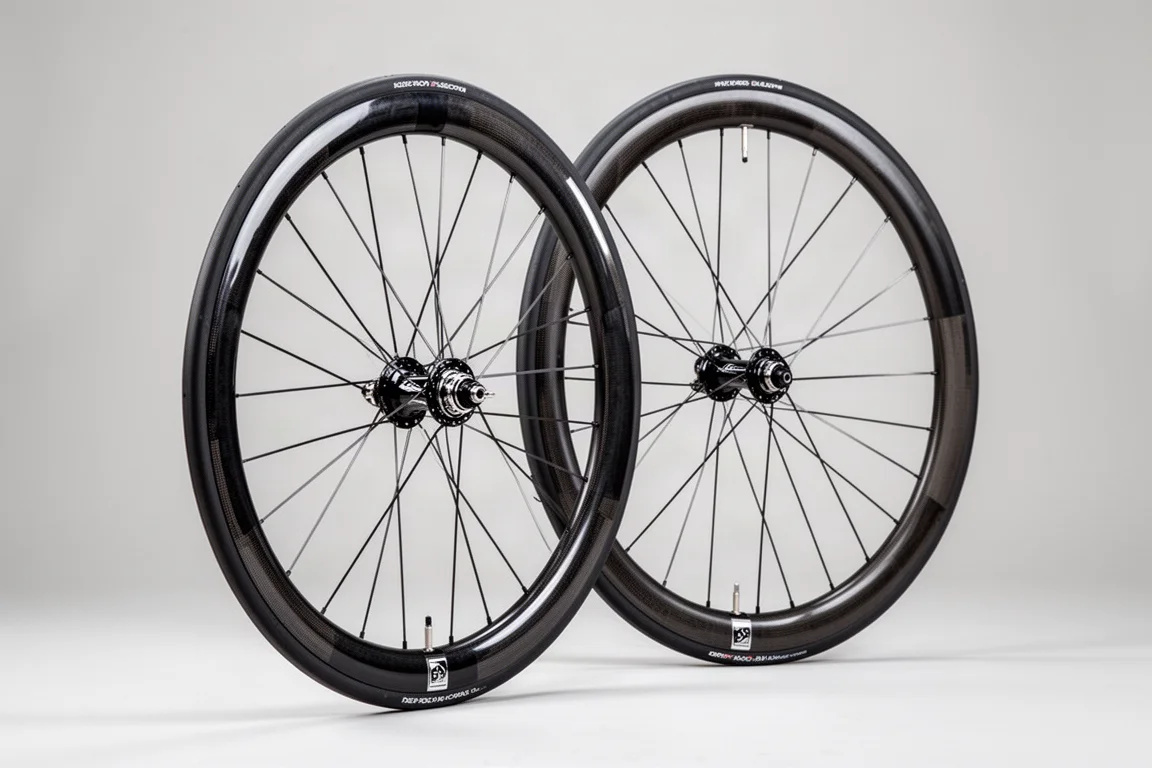
Mavic Cosmic SLR 40: Mavic’s Top Rim Brake Wheelset
Mavic’s rim brake range is comprehensive, and the Cosmic SLR 40 sits at the top of it. It uses a carbon rim and carries a claimed weight of 1,390g for the pair, which is competitive for a wheelset at this level.
One detail stands out: the rims have fully sealed rim beds. There is no tape to fit, replace or get wrong, which removes a common source of tubeless frustration and makes the switch to tubeless considerably tidier.
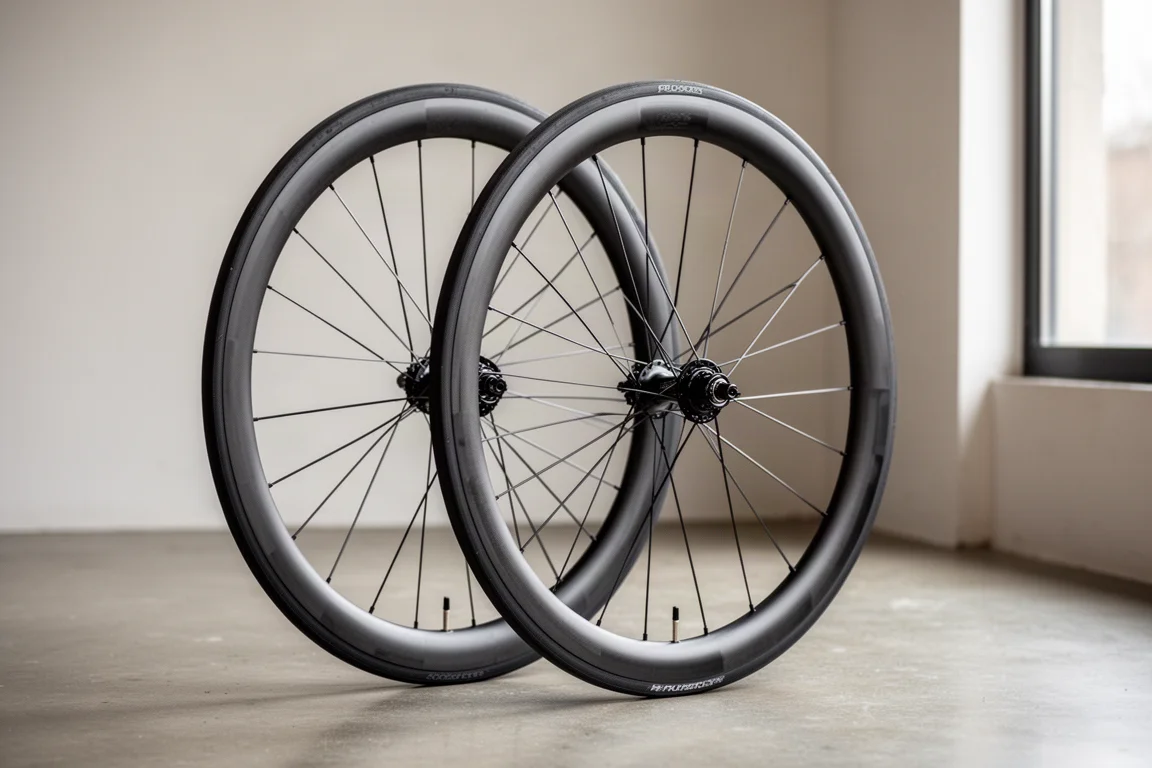
Mavic Ksyrium SL: The Mid-Range Mavic Option
If the Cosmic SLR 40 is more than you need, the Ksyrium SL is the mid-range alternative in the same rim brake line-up. It sits between Mavic’s flagship rim brake model and the entry-level option, which makes it the natural pick for riders who want a dependable set without paying flagship money.
Mavic’s long history in wheels is part of the appeal. The brand has been building wheelsets for decades, and its rim brake range still covers a wide spread of budgets.
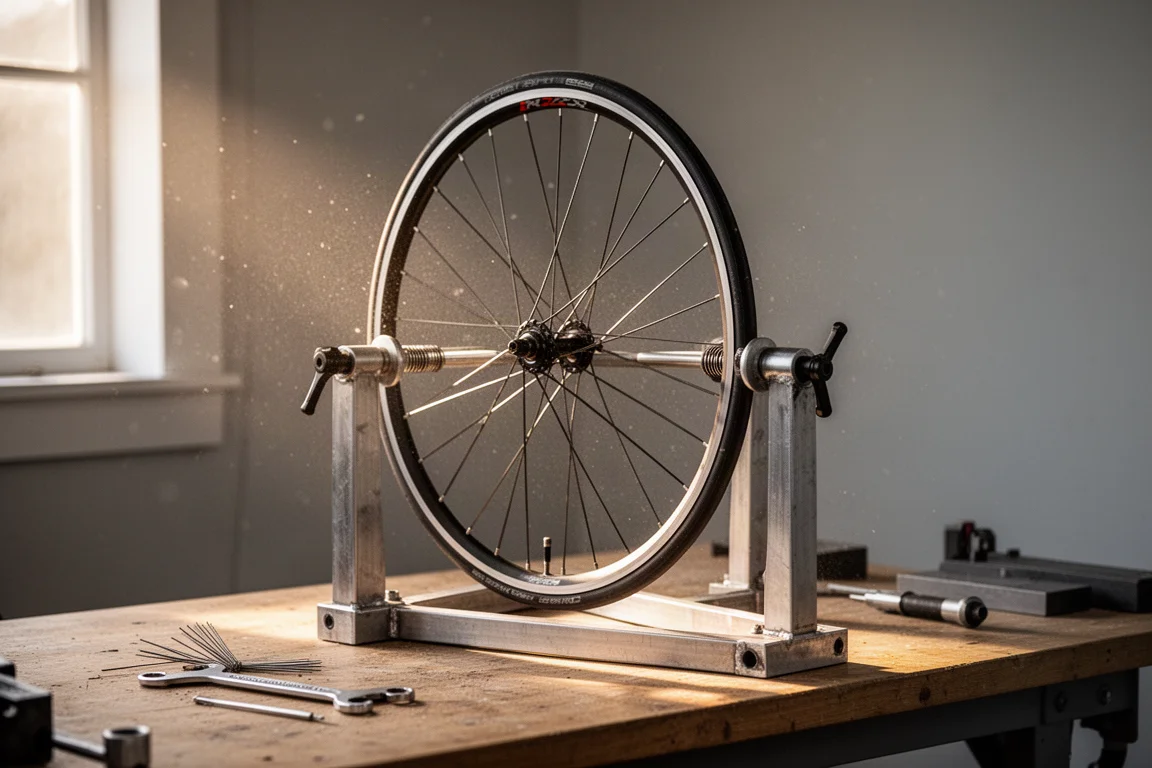
For everyday riding, a mid-range wheelset from a long-established brand is a lower-risk purchase than an exotic alternative, and it leaves budget for tires and servicing.
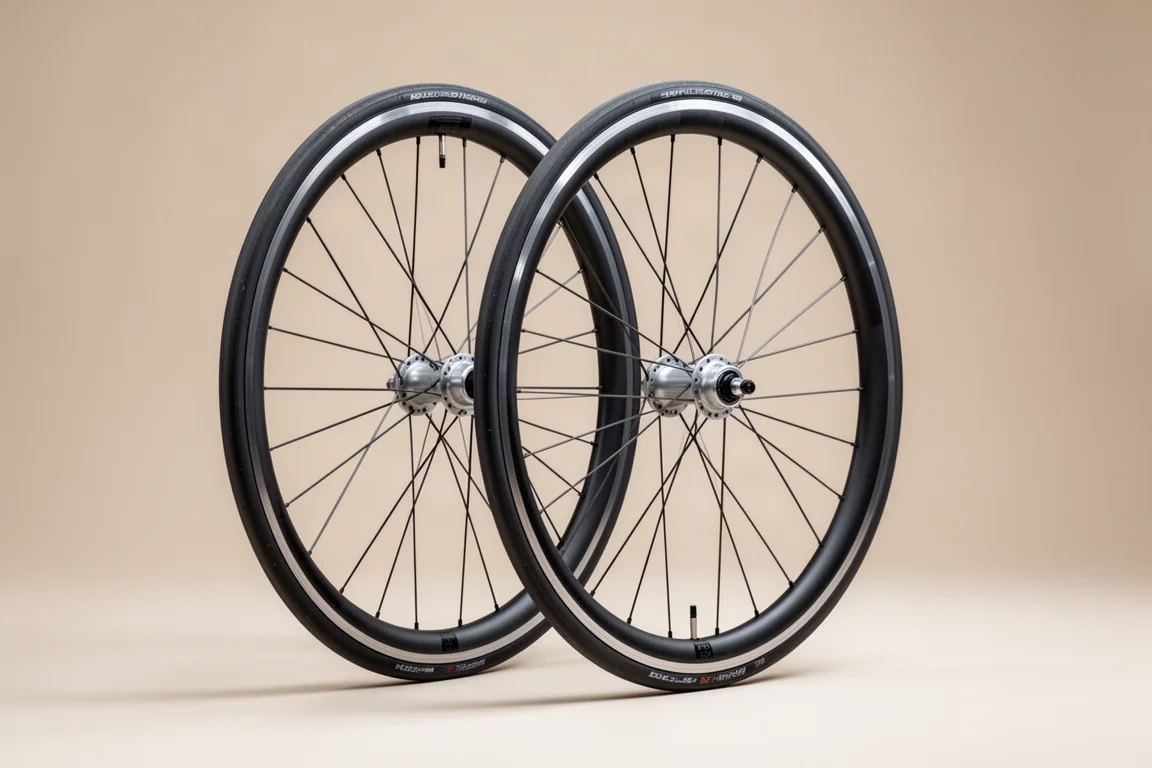
Mavic Aksium: The Most Affordable Option Here
The Aksium is the budget model in Mavic’s rim brake range and costs just €299 for the pair. At that price it is the most accessible route into a complete, brand-name wheelset in this selection.
It makes most sense for a winter bike, a commuter, or a second set of wheels you are happy to use in poor conditions. If you are replacing a worn-out original wheelset on an older rim brake bike, this is a straightforward and low-cost way back to a rideable setup.
Schmolke T30: Sub-Kilogram Tubulars for Climbers
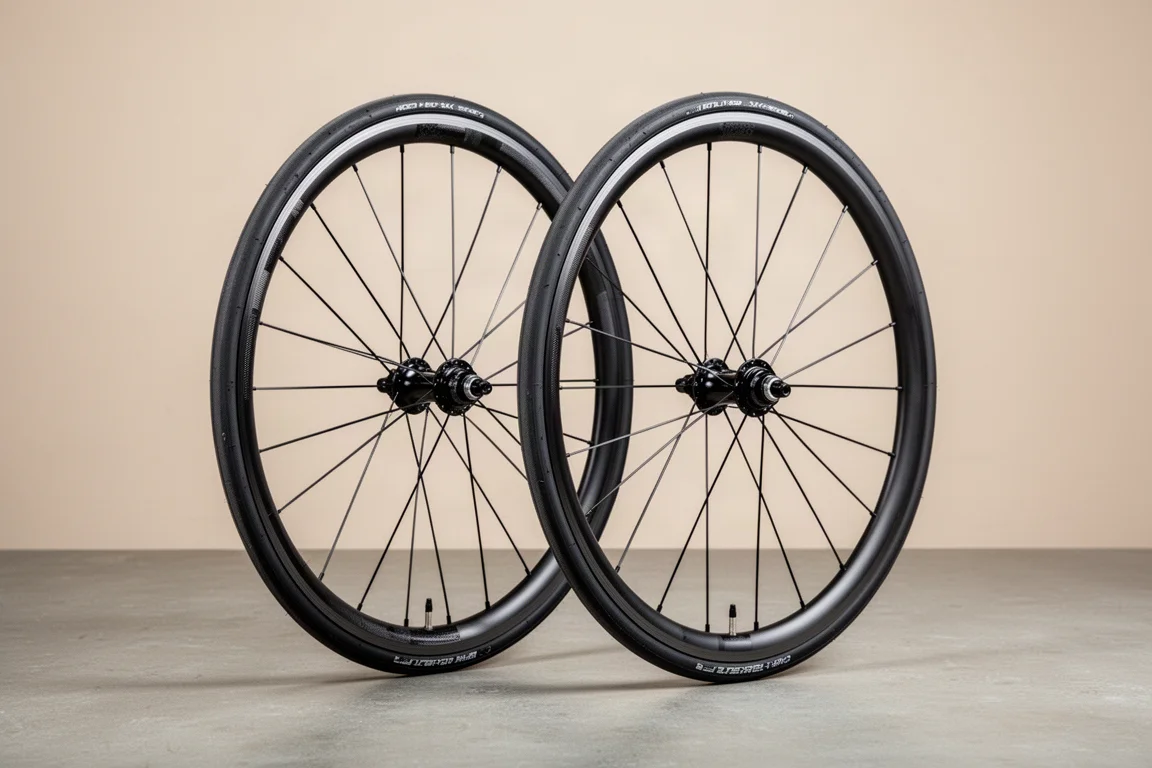
The T30 is the outlier here, and deliberately so. It is a tubular wheelset with a claimed weight of 980g for the pair, which is under a kilo for a complete set. It also uses ultra-rare, ultra-light hubs from an Italian specialist, and the build is designed for one job only: going uphill fast.
Tubular tires are a niche choice today, and there are very few circumstances where they are the practical answer. For a rider who wants the lightest possible no-compromise rim brake wheelset, though, the T30 belongs near the top of the list. It is not cheap, but some rival wheelsets cost twice as much, which makes the pricing look almost reasonable in context.
Custom Builds and Secondhand Buying Advice
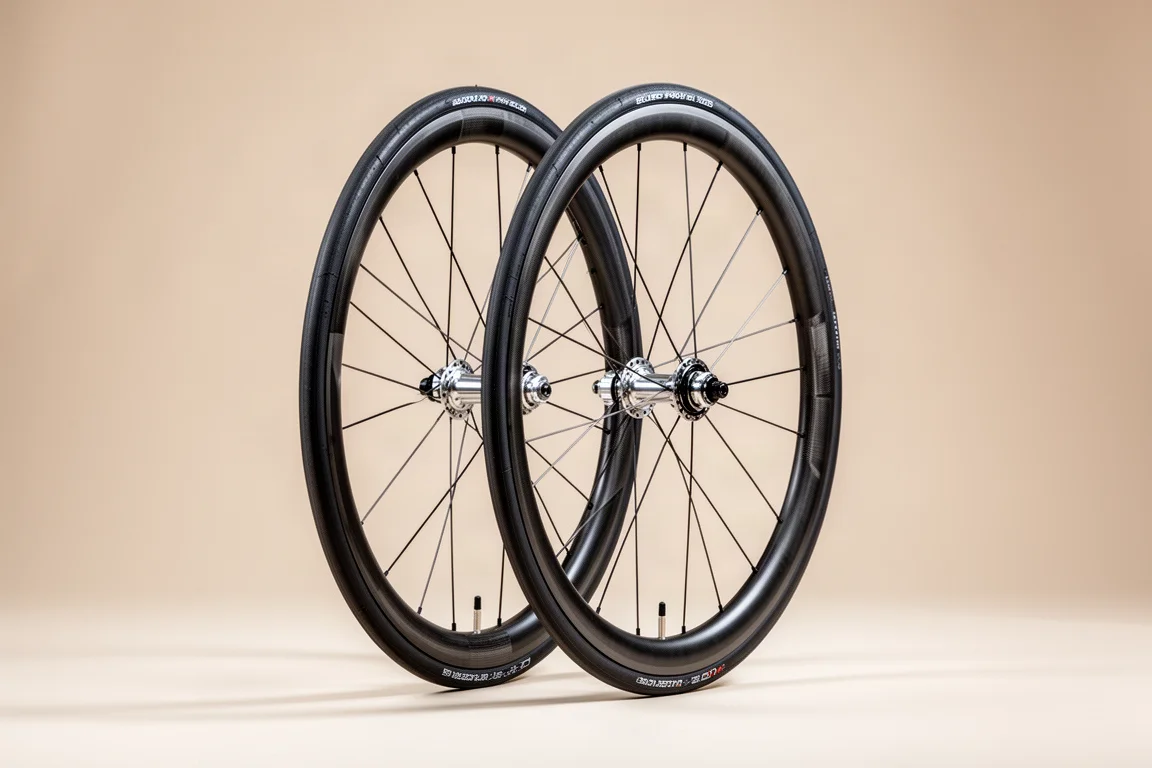
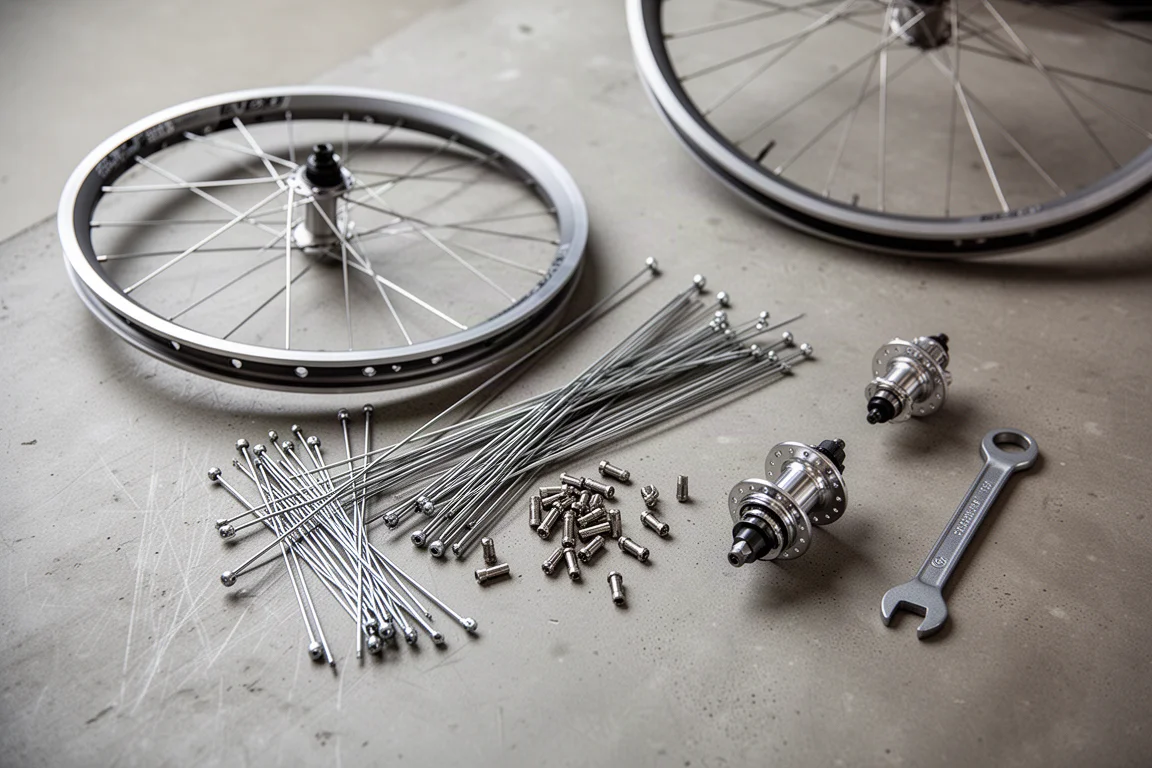
Before you commit to a stock wheelset, it is worth knowing that custom builds are still very much alive. You choose the hubs, spokes and rims, then either build the wheels yourself or pay an experienced wheel builder to do it. Going custom almost always costs more, but it opens up boutique parts and combinations that stock wheelsets simply do not offer.
A good example is a cheap set of winter rims paired with a very high quality set of hubs that can put up with years of wet weather abuse. Brands rarely pair their best hubs with a budget rim, so this is a combination that is difficult to find off the shelf. A wheel builder can also tune a wheelset to your riding style, for instance by speccing a build that copes better with a particularly powerful rider.
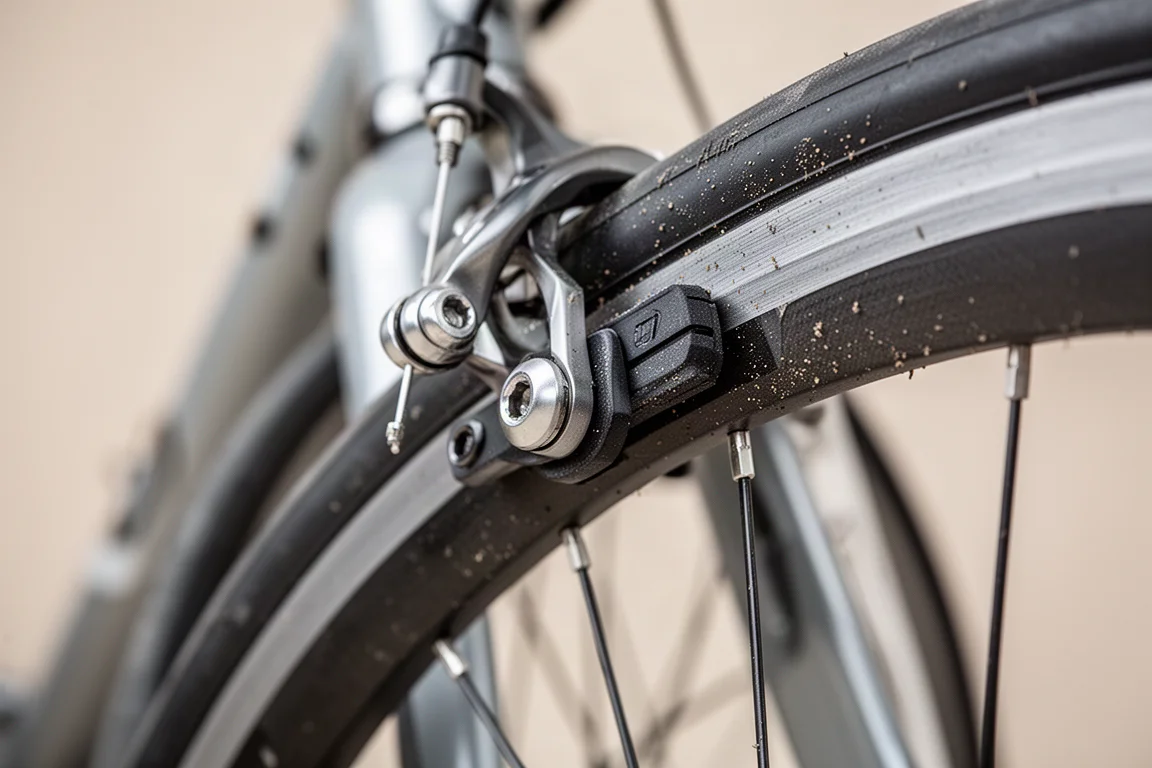
Secondhand rim brake wheels can represent excellent value as more riders switch to disc brakes, but they may have had a hard life. Start with the brake track and look for excessive wear. A deep groove worn into the rim by the brake pads is the warning sign here. Some rims have wear indicators, but if the rim looks badly worn, walk away, because a badly worn rim can fail catastrophically under braking.
Next, check the hubs. Look for lateral play, and spin the bearings to confirm they run freely. It is often easier to carry out these checks with the wheels fitted to a bike. Inspect the freehub body for play as well, and check whether the cassette has started to bite into it. A little marking is usually acceptable, but deep grooves suggest the freehub will need replacing before long.
Finally, work your way around the wheel. Squeeze the spokes to confirm they all feel tight, look at the nipples for signs of corrosion, and check that the rims run true. Once again, doing this with the wheels in a bike makes a wobble easier to spot. If a deal looks too good to be true, it usually is.
Conclusion
Rim brake road wheels are still worth buying, but the right choice depends on what you want from them. The Hunt Race Aero Wide is the value pick with broad tire compatibility, the Campagnolo Bora WTO 45 and Mavic Cosmic SLR 40 cover the carbon aero end, the Mavic Ksyrium SL sits comfortably in the middle, and the Mavic Aksium keeps the entry price low. The Schmolke T30 is a specialist answer for riders chasing the lightest possible build.
Whichever route you take, match the wheelset to your frame’s tire clearance, decide whether tubeless matters to you, and if you buy used, inspect the brake track, hubs and spokes before handing over any money.
Further reading
Related Reviews
Cycling Wheels
Aero vs Lightweight Carbon Wheels: Hunt 60 Limitless and Hunt 32 Aerodynamicist Compared
Deep-section aero wheels and featherweight climbing wheels promise different things. Controlled real-world testing on flat laps and a steep climb shows where each set actually gains time.
Cycling Wheels
Best Carbon Road Bike Wheels 2026: Six Standouts From Entry Level to Premium
A practical guide to carbon road bike wheels across six price brackets, covering rim width, rim depth, hub engagement and what each step up actually buys.
Cycling Wheels
Bicycle Wheels Ranked: Seven Sets Worth Considering
A practical ranking of seven road and gravel wheelsets, from the accessible Zipp 303 S through to premium options from Enve, Campagnolo and Zipp NSW.