Cycling Components
Zipp 303 S SW With Built-In Tire Pressure Sensors: First Impressions
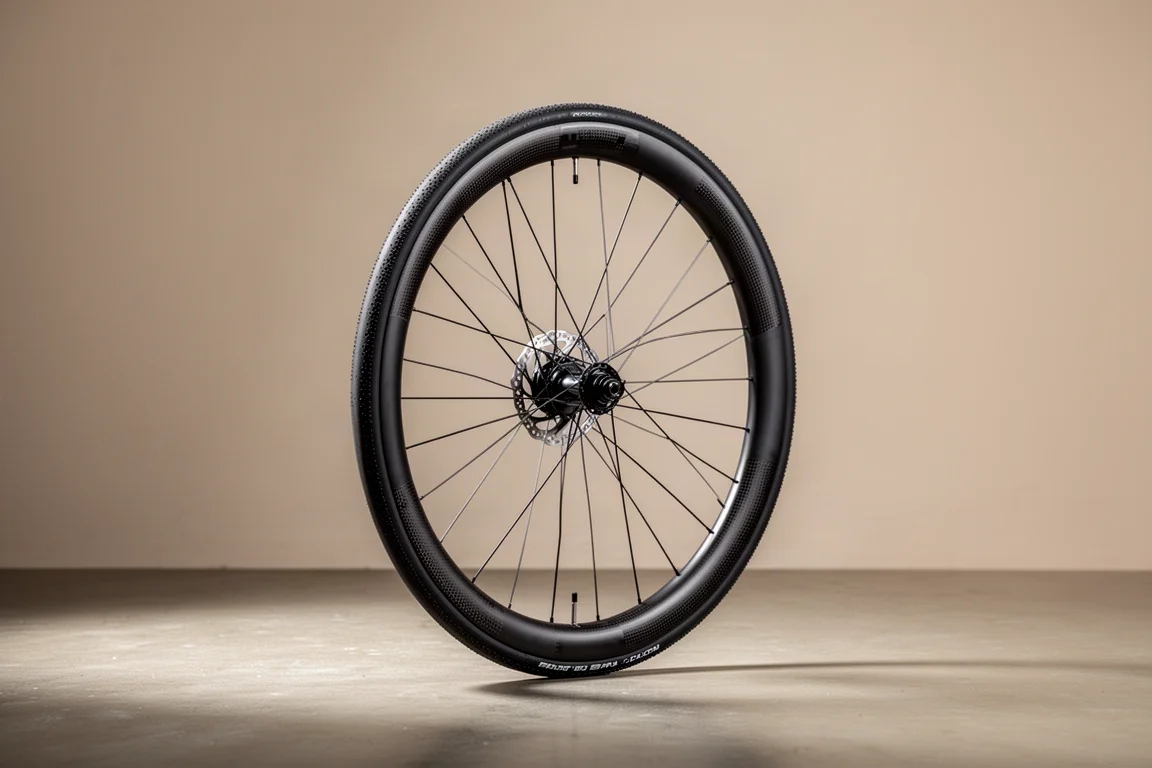
Zipp integrates SRAM TireWiz pressure sensing directly into the rim on the 303 S SW, alongside a road-focused 353 NSW SW and co-designed Goodyear Vector RZ30 SW tires.
Introduction
Zipp has taken tire pressure monitoring in a genuinely new direction: instead of clipping a sensor pod onto the outside of the valve, the new SW-series wheels build the sensing hardware directly into the rim itself. The headline act is the 303 S SW, an all-arounder aimed at road, gravel, and cyclocross, with a road-focused 353 NSW SW sitting above it and a pair of co-designed Goodyear Vector RZ30 SW tires completing the system. Everything here runs a little over $2,000 for the 303 S SW set, with the 353 NSW SW costing a bit more, so the obvious question is whether integrated pressure sensing is worth that kind of money.
Zipp 303 S SW: The All-Rounder
The 303 S SW is the more versatile of the two wheelsets, pitched at road, gravel, and cyclocross racing. It is optimized for 30 to 44 mm tires, with Zipp stating that the best performance lands at 35 mm. In practice that makes it feel more endurance-road oriented than pure gravel, though it absolutely works for gravel riding as long as you are not chasing super-wide rubber.
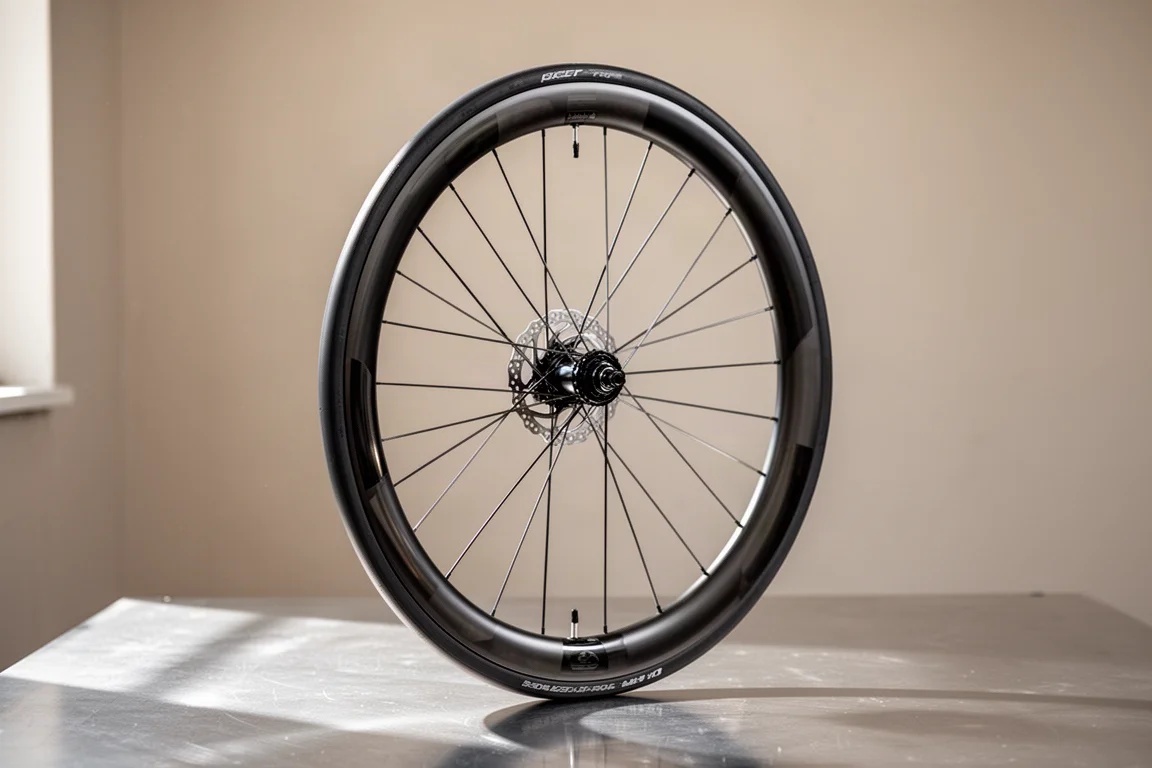
The rim is hookless, which seems to be here to stay for Zipp, and sits around 40 mm deep with an internal width of about 25 mm and 33 mm on the outside. The advertised weight is 1,440 grams. The wheels are center lock disc compatible, come standard with an XDR or Shimano driver body depending on your choice, and a Campagnolo body is sold separately. Zipp’s lifetime warranty covers the set.
Tire Pressure Sensing Built Into the Rim
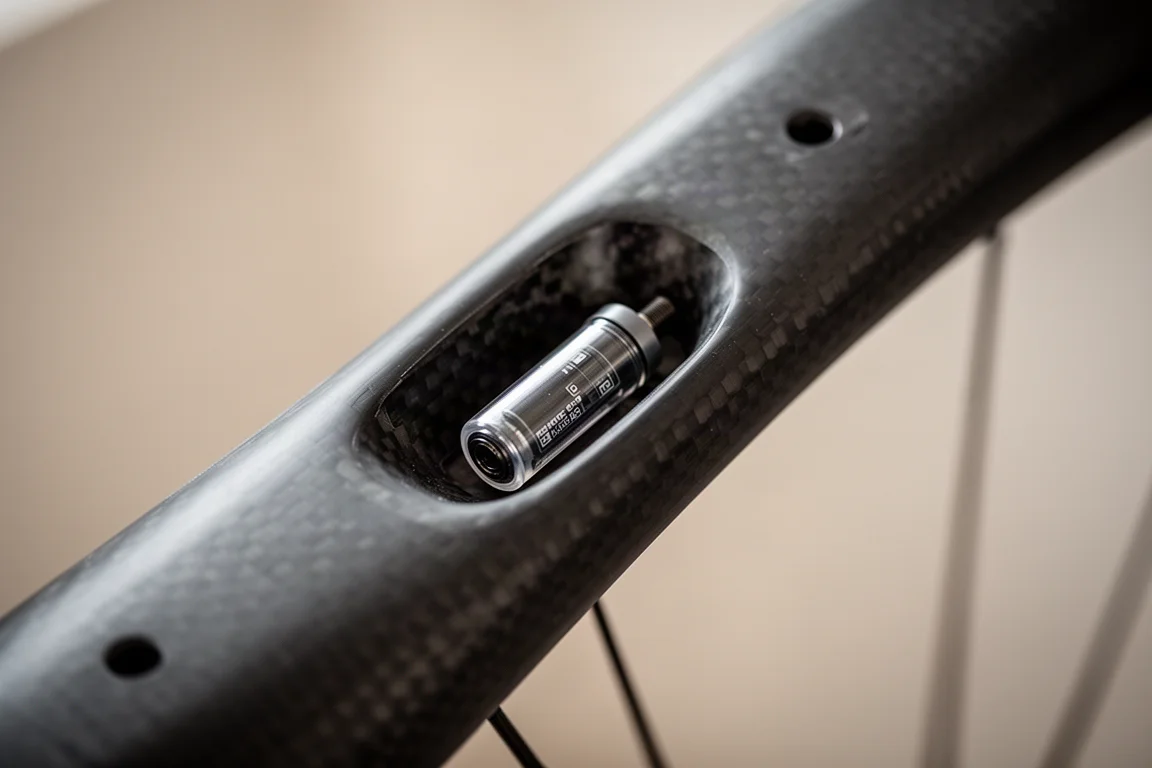
The interesting part is how the sensing works. Zipp took its existing TireWiz technology, which previously attached to the valve stem, and moved it inside the rim as a small cartridge that slides into place. Each cartridge runs on a CR 2032 coin cell battery, the same type used in heart rate straps and Zipp’s AXS shifters. Because the cartridge adds a few grams, the weight is balanced around the rim so you do not end up with speed wobbles.
One important detail: this system uses a specific valve for pressure sensing. You cannot just thread in any tubeless valve. The valve is part of the system and it even needs to be aligned correctly, perpendicular to the rim, for readings to be accurate. Adding sealant also requires care. You either use Zipp’s sealant injection tool, a narrow tube that guides sealant past the sensor, or you fill the tire before fully mounting it. Either way, the goal is keeping sealant away from the sensors.
Real-Time Pressure Monitoring From the Handlebars
Once set up, you can set a target pressure and a threshold, then monitor pressure in real time from your head unit or the SRAM AXS app. There is also an LED on the outside of the rim itself that gives a quick at-a-glance check: green means you are good to go, red means you are out of range. The SRAM AXS app can even calculate your optimal tire pressure based on your setup.
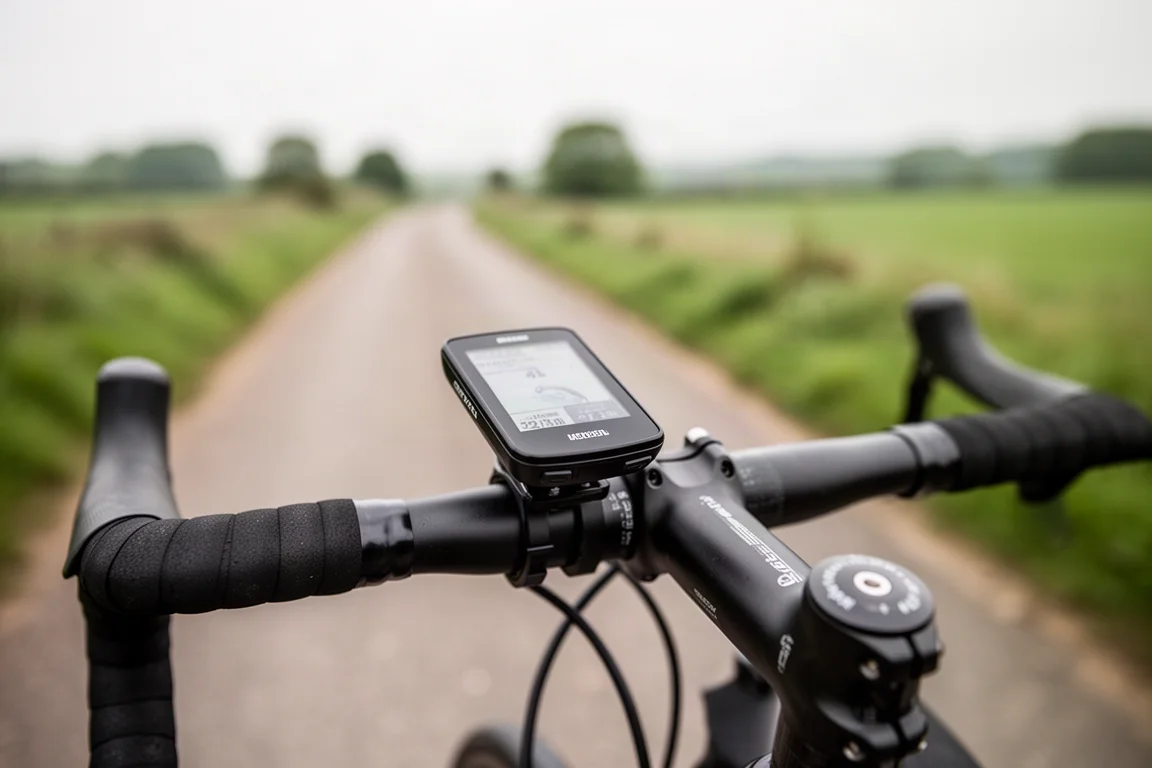
The practical payoff is bigger than it sounds. Being able to pump up before a ride and instantly see where you are at is genuinely convenient, and on mixed rides you can react to pressure changes as terrain and temperature shift. On a long road-and-gravel day, that live feedback is where this system earns its keep.
Tire Mounting Is a Workout
Mounting the 30 mm Goodyear tires on this mid-to-wide rim is a challenge. At first it looks nearly impossible, and getting them on took some serious wrangling. Zipp’s own mounting video makes it look relaxed, but depending on your tire size there may be some swear words involved. A pair of tire pliers is highly recommended.
The upside of that snug fit is that no compressor was needed. The tires seated with a hand pump alone. Once mounted, the 30 mm tire creates a very aerodynamic profile transitioning from tire to rim, which is very much Zipp’s area of expertise, and the rim sidewalls carry the brand’s signature dimples.
Flats, Tubes, and Roadside Realities
What happens when you flat? You can use a standard tube, but because the system relies on its specific sensing valve, pressure monitoring will not work with a regular tube. Zipp is making a dedicated tube with the sensing valve built in for exactly this case.
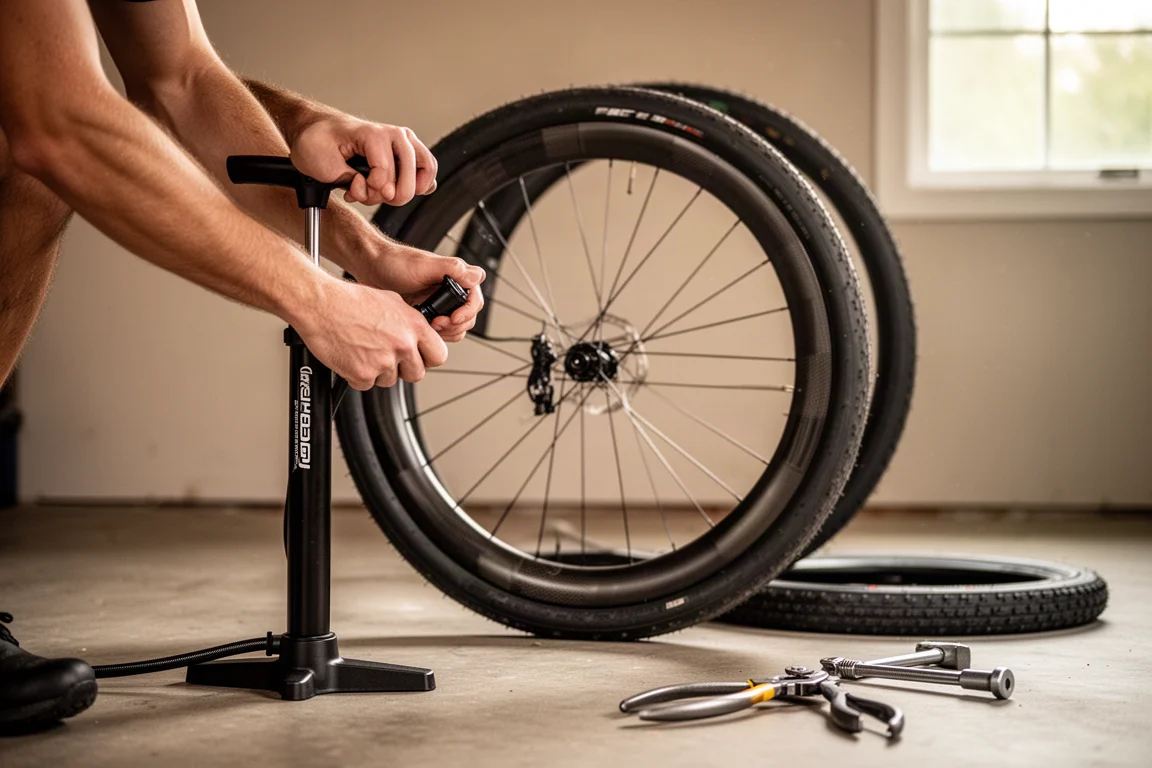
The bigger concern is getting the tire off roadside. Given how hard it is to mount, removal is likely just as difficult, especially out on the road. Tubeless sealant and plugs are your friends here. Zipp also claims the rims have a refined shape that helps shield the tire from impacts that could cause a pinch flat, which adds a little peace of mind.
Goodyear Vector RZ30 SW Tires
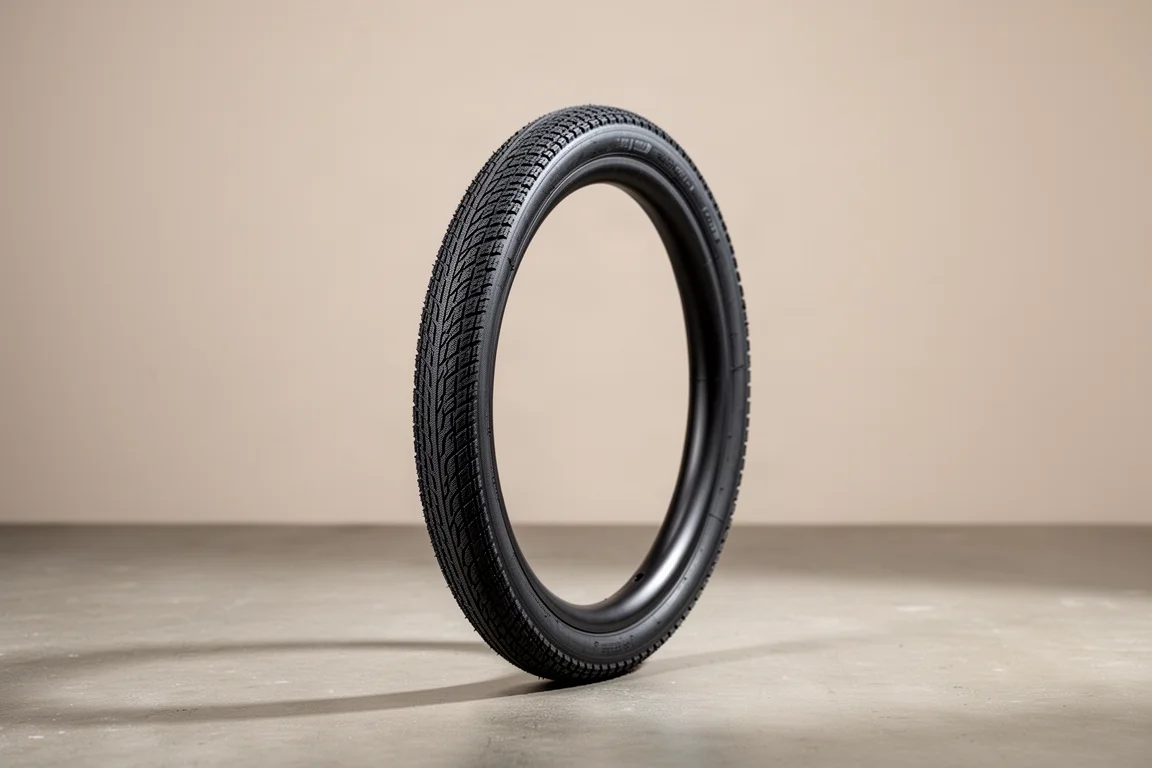
Zipp co-designed these tires with Goodyear specifically for the SW rims, following the same approach it used with the recently released Explorer wheelset. In 30 mm width on the 303 S SW rim, they mount up with that distinctive aerodynamic tire-to-rim profile. Be warned that a full list of compatible tires for these rims was not yet available at the time of testing, though the 30 to 44 mm range suggests a broad and usable selection. The mounting tightness alone is a good reason to budget for tire pliers if you go this route.
Zipp 353 NSW SW: The Road-Focused Option
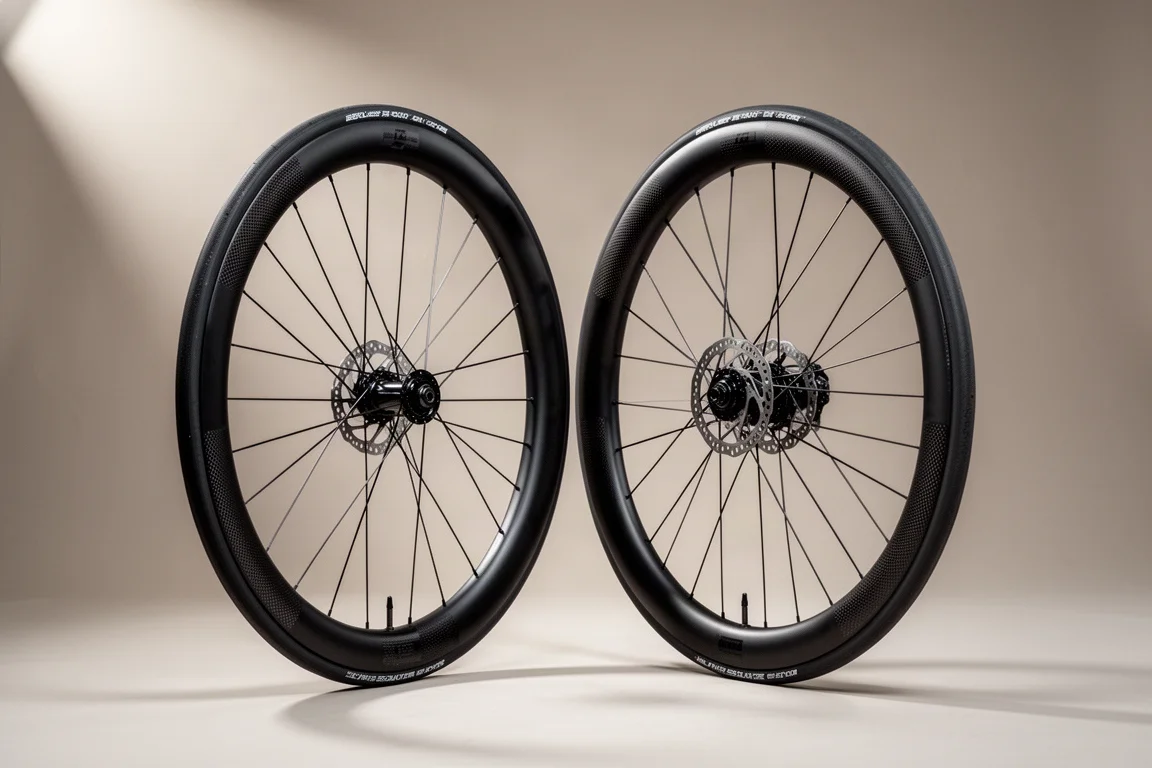
If your riding is purely on tarmac, the 353 NSW SW is the version built for that. It sits above the 303 S SW in the lineup and costs a bit more, targeting riders who want the same integrated pressure sensing in a dedicated road wheelset. Both share the core idea: TireWiz sensing built into the rim, live monitoring from the handlebars, and the same system-specific valve requirements. The choice between them comes down to where you ride, not whether you want the technology.
How They Ride
These wheels have not been in use long enough for a long-term verdict, but the short answer is that they are fast, which is what you expect from Zipp. What stands out about the 303 S SW specifically is that the 40 mm depth is not too deep, so it does not catch much crosswind while still delivering the aerodynamic benefits. That makes for a confident wheel in gusty conditions.
Who These Wheels Are Really For
These are not inexpensive wheels, and there are a lot of system-specific details to live with, from the special valve to the sealant procedure. But they sit firmly on the bleeding edge of technology, and that is exactly the point. They suit riders who want the most current features and every available advantage.
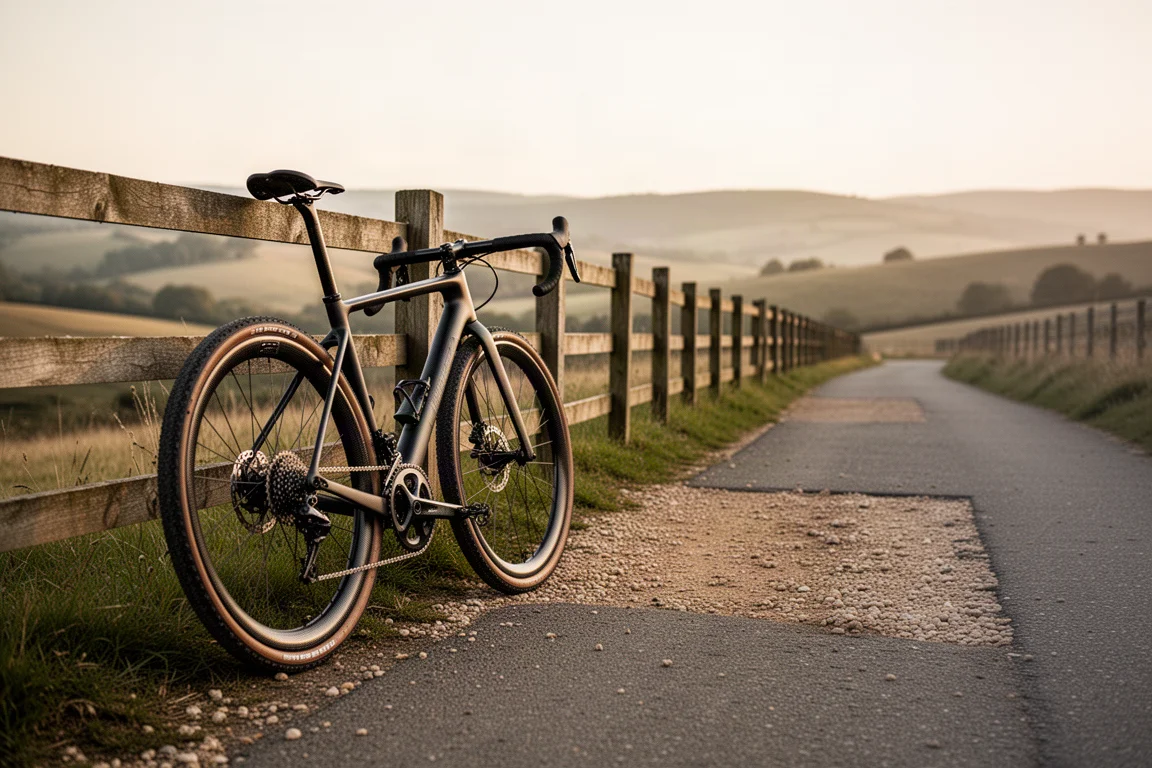
The versatility case is strong. With a 30 to 44 mm tire range, you could run one wheelset on one bike and simply swap tires between road and gravel duties. As tested, the 303 S SW was set up on a gravel bike as a road-ready configuration, with a second wheelset reserved for gravel. On adventurous rides that mix plenty of road with plenty of gravel, adjusting pressure in real time as terrain changes is a compelling reason to pick this system.
Buying Advice
If you ride mixed terrain and value live pressure data, the 303 S SW is the pick of the lineup, with the best claimed performance at 35 mm tires and enough clearance for genuine gravel rubber. If you never leave the tarmac and want the same sensing technology in a road-focused package, the 353 NSW SW is the one to look at. Either way, plan on the Goodyear Vector RZ30 SW tires, tire pliers for mounting, and the SRAM AXS app to dial in your pressure. A long-term review will follow once these have a full season of riding behind them.
Conclusion
The 303 S SW turns tire pressure from a guess into live data, with the sensor hidden inside the rim instead of dangling off the valve. Tight tire mounting, a system-specific valve, and a premium price are real trade-offs, but for riders who want cutting-edge technology and real-time control over their setup, Zipp has delivered something genuinely new.
Further reading
Related Reviews
Cycling Components
A 20,000-Mile Budget Race Bike Build: Five Parts Worth Knowing
A rim brake race bike assembled from low-cost components and ridden for 20,000 miles. Here is what delivered real speed, what caused problems, and what to weigh before copying the formula.
Cycling Components
7 Bike Fit Products Fitters Avoid: What to Check Before You Buy
Seven bike components that regularly cause knee, foot and saddle problems, with the specific concerns behind each one and what to look for instead.
Cycling Components
Four Affordable Bike Upgrades That Improve Ride Feel
Four low-cost cycling products that make a real difference to ride feel, plus the free setup changes worth trying first.