Cycling Components
Four Affordable Bike Upgrades That Improve Ride Feel
Four low-cost cycling products that make a real difference to ride feel, plus the free setup changes worth trying first.
Introduction
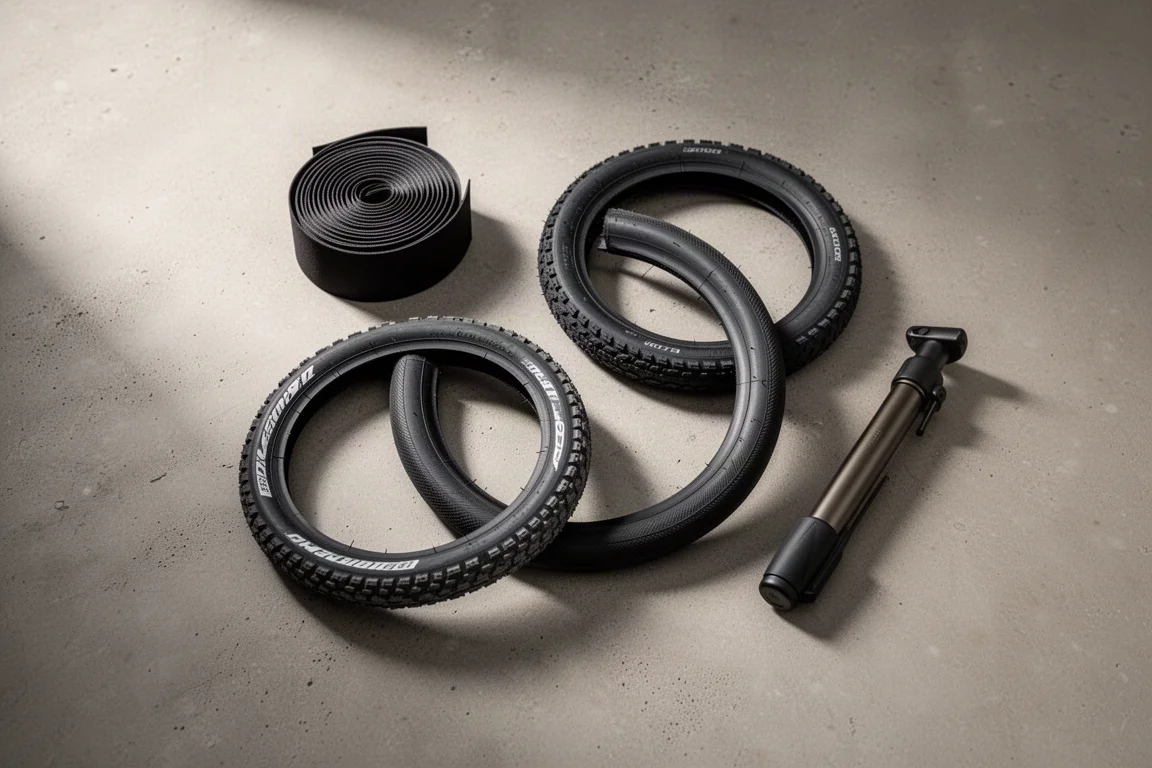
Some bike upgrades cost a lot and change almost nothing about the way a bike actually rides. The changes that matter most are often the cheapest ones, and a few of them are completely free. Tire pressure is the clearest example. A bike pumped up rock hard can feel harsh and nervous, while the right pressure lets it glide over rough surfaces and still feel responsive when accelerating and cornering.
Every tire has a recommended pressure range, or at least a maximum, printed on the sidewall, usually in both bar and psi. Those figures also appear on the gauges of most bicycle pumps. A gravel tire might list a range as wide as 29 to 65 psi, which covers everything from rock hard to quite soft, so the number you choose matters far more than the pump you use.
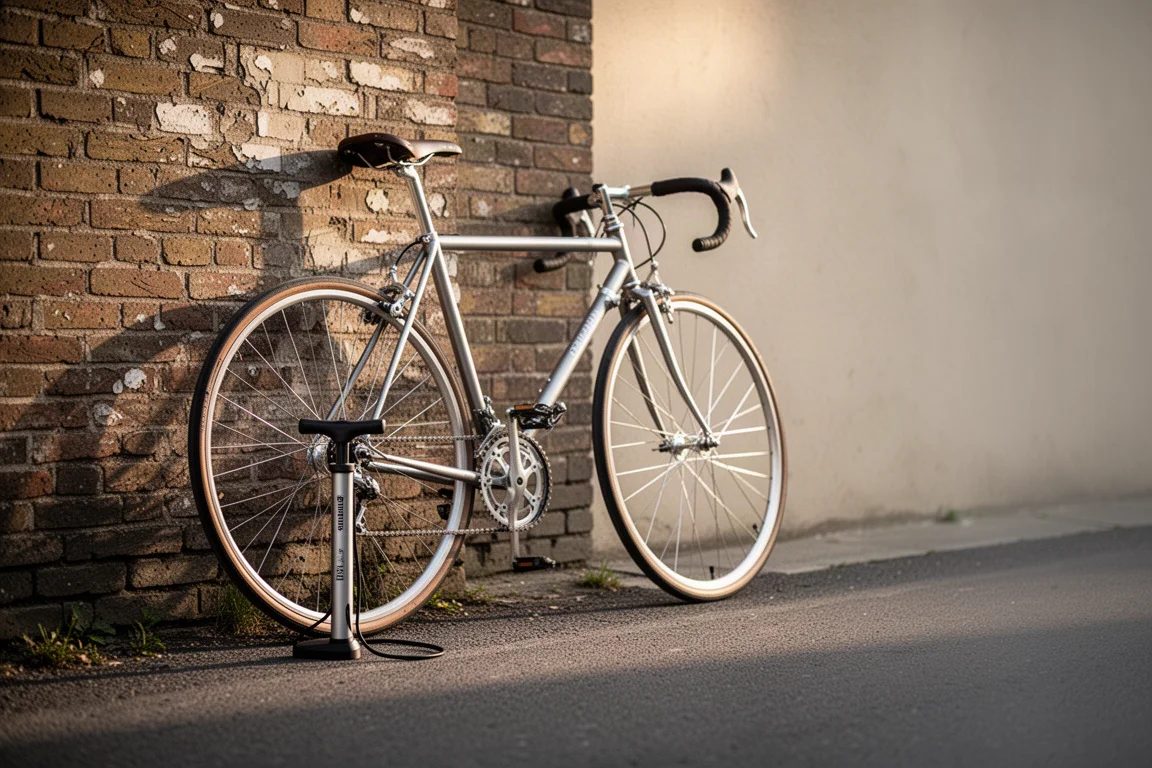
Staying inside the printed range is the sensible starting point. Too low and the tire can bottom out on bumps, risking wheel damage. Too high and there is a real chance of the tire coming off the rim. Beyond that, pressure comes down to how much you and your bike weigh and what surface you are riding on. Lighter riders on lighter bikes can run lower pressures, heavier riders need a little more, and hard packed surfaces generally reward slightly higher pressure than mud, where a softer tire conforms to the ground and creates a larger contact patch.
That is the free end of the spectrum. The four products below are the paid ones, ordered from the cheapest way to change how a bike feels to the most committed.
How These Four Products Were Chosen
The criteria here are simple. Does the product change how the bike feels to ride, and does it do so at a price that makes sense for most riders? Practicality matters just as much. A tire that feels wonderful but punctures constantly is a different proposition from one that balances feel with durability, and the right answer depends on where and how far you ride.
There is also a deliberate limit to what is included. Every item below is a consumable or an accessory rather than a new frame or groupset, so the total cost stays modest while the effect on ride quality remains noticeable.
Best Value Bar Tape: BBB Flex Ribbon
Bar tape deserves attention because it is one of the few contact points you are touching constantly. Most cheaper bikes come with a cork tape, usually a mix of cork and polyurethane. Some riders like it, but it can feel slippery once hands are sweaty or when it is raining, and it does not always survive being unwrapped and rewrapped.
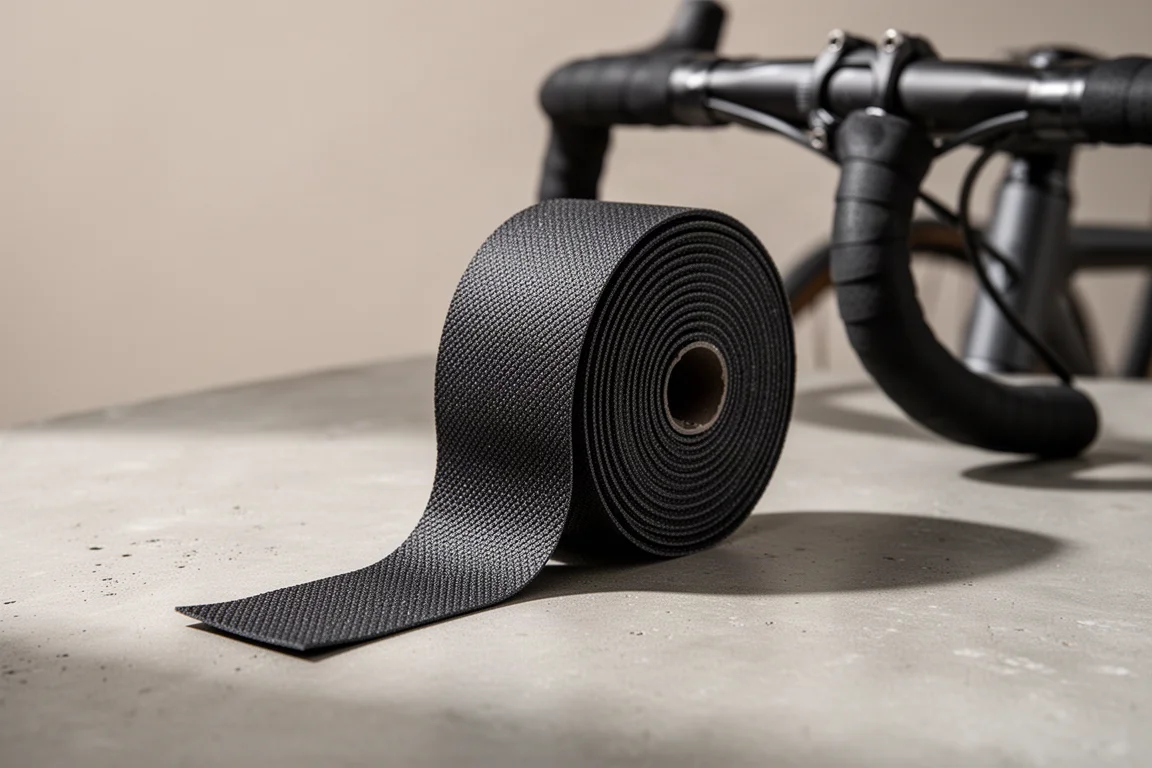
A grippier tape with an anti-slip surface feels more premium and holds up better in poor conditions. There is no shortage of options, including very expensive tapes, but a good tape does not have to cost much. BBB Flex Ribbon is an affordable option that stays grippy, lasts a long time and can be rewrapped without falling apart. It also comes in different thicknesses, so riders who want more cushioning for off-road surfaces or cobbles can choose the thicker version for a small extra cost.
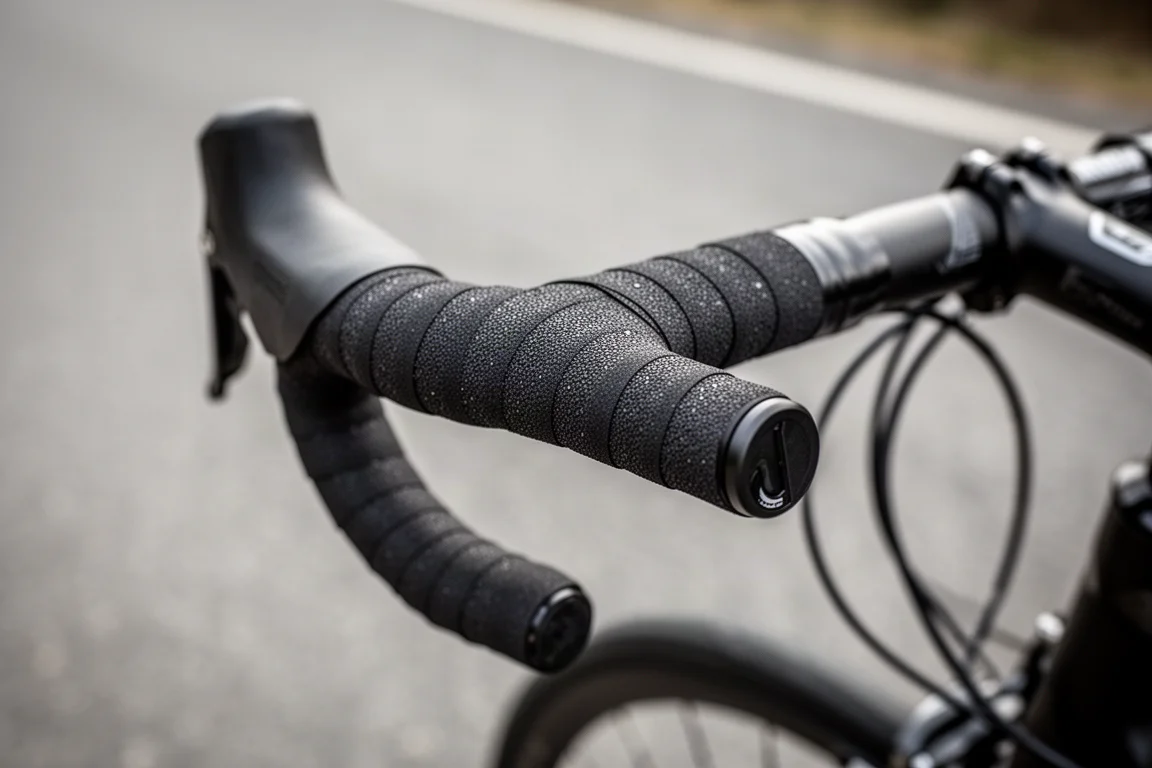
If you are spending six hours at a time on the bike, a tape that feels good in the hand is a small change that makes the whole bike feel better put together. Personal preference still decides the final choice, but grip and durability are the two things worth prioritising.
Best Puncture Resistance: Schwalbe Marathon
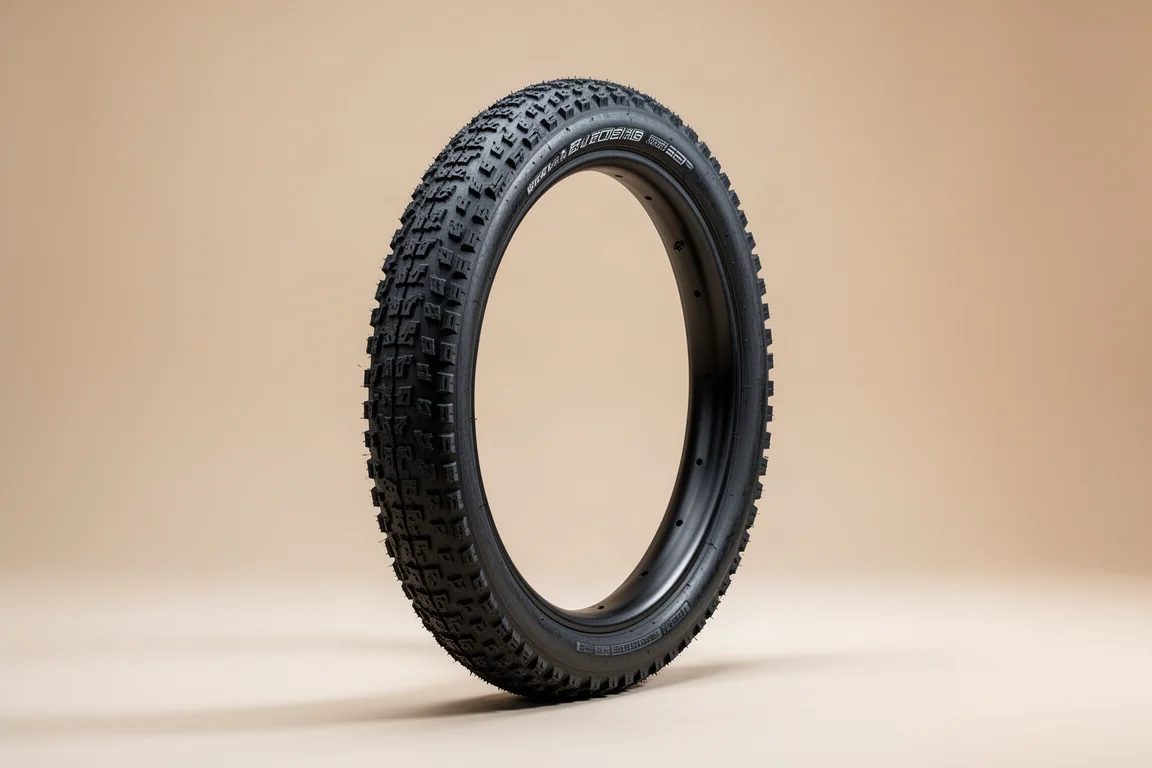
Ride feel is not the only thing riders care about, and Schwalbe Marathon is the reference point for the opposite priority. These tires essentially never puncture, which makes them a sensible choice for commuting, touring and anyone who would rather not stop at the roadside.
The trade-off is honest and worth stating plainly: they do not feel great to ride. That is why they sit apart from the performance tires below rather than competing with them. If reliability matters more than the sensation of speed and smoothness, this is the tire that delivers it.
Best All-Round Performance Tire: Continental GP 5000
A supple tire is simply a flexible one. It deforms easily over imperfections in the road or trail, which makes the bike feel smoother and is usually faster as well. Suppleness comes from how the tire is built. Thinner tread means less material and less stiffness, and the casing, the fabric structure inside the tire, uses a higher threads per inch count, or TPI. Higher TPI means thinner, more flexible threads with less rubber filling the gaps between them, and cotton is more flexible than nylon, though it usually costs more.
The catch is durability. Supple tires are thinner, so they puncture more easily, and the more supple they get, the more expensive they become. Some of the top racing tires cost over £100 each, and because a tire is a consumable, keeping that ride feel means buying them again and again.
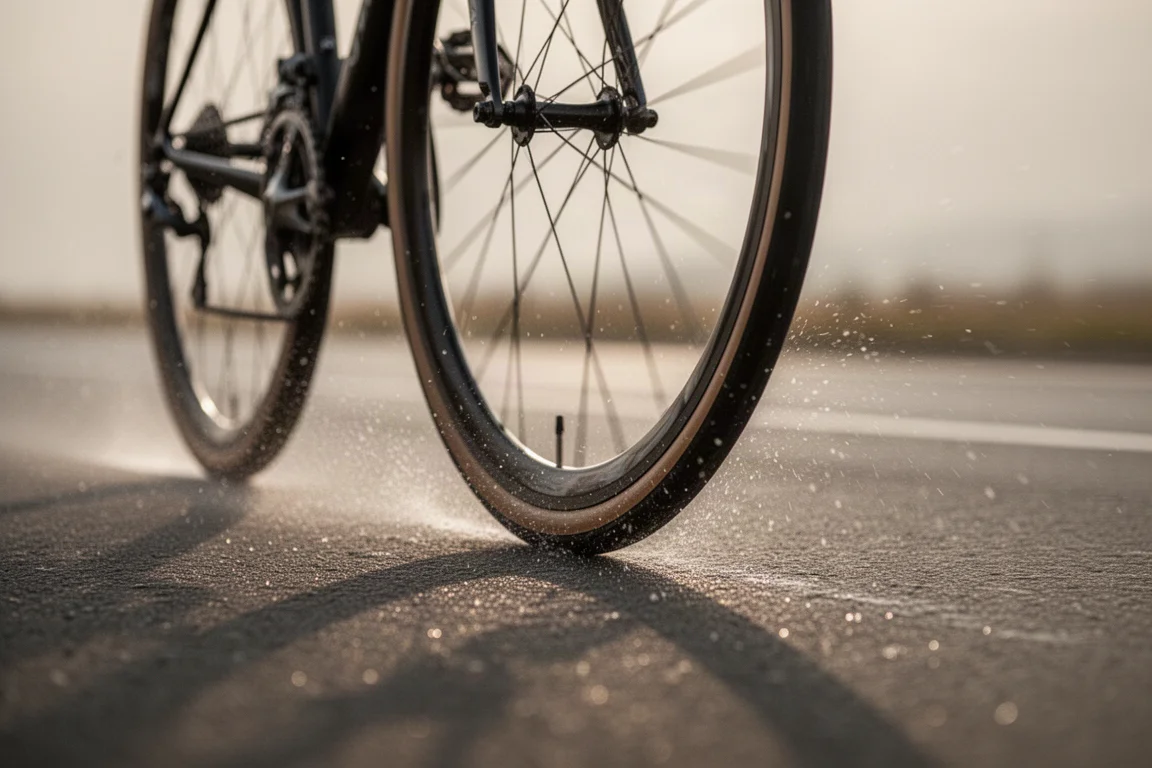
There is a sweet spot in the middle, and the Continental GP 5000 sits close to it. It is one of the tires that does everything reasonably well, offering a noticeably better ride than a hard wearing commuting tire without the fragility of an out and out racing tire. For most riders who want a faster, smoother feeling bike without signing up for frequent punctures, that balance is the whole point.
Best Supple Tire: Vittoria Corsa Pro
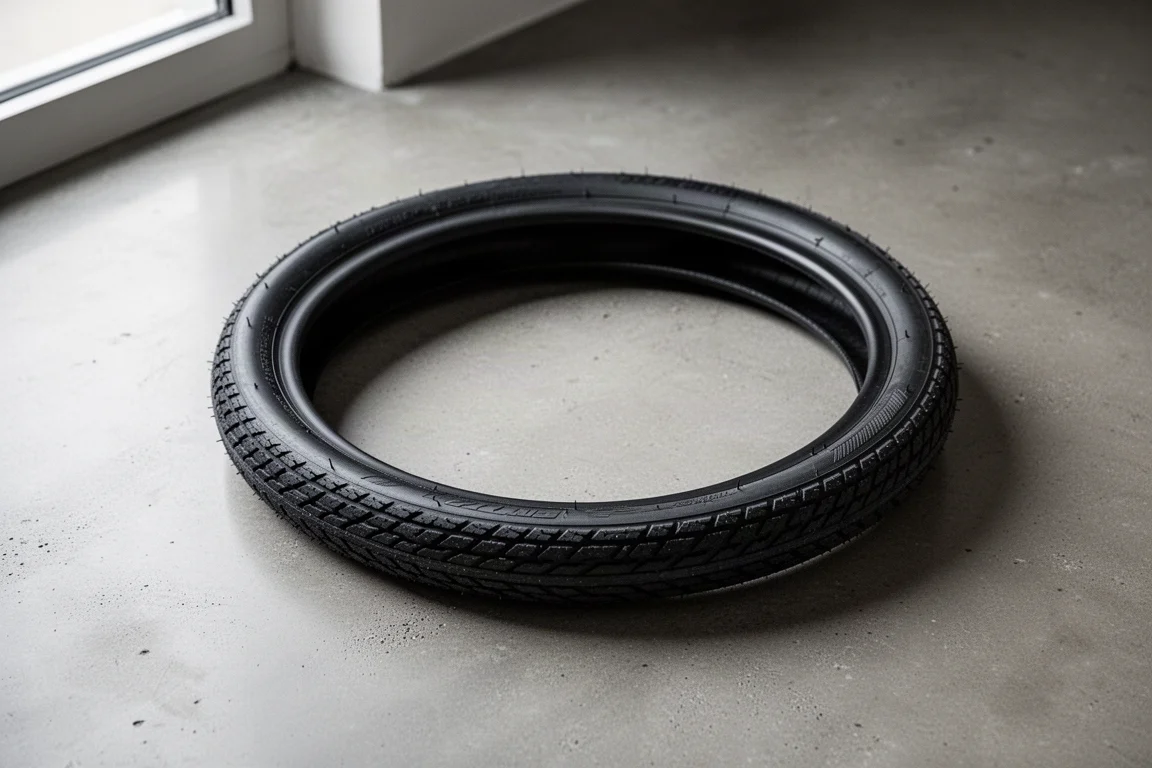
For riders who want the smoothest ride and are willing to accept the cost, the Vittoria Corsa Pro is the other tire that does everything quite well. It belongs to the supple end of the market, where the priority is how the tire deforms over the road rather than how long it lasts.
That means accepting the practical downsides of a thin, flexible tire. Punctures are more likely, replacements come around more often, and the price per tire is high because it is a consumable rather than a one-off purchase. Riders who have grown used to that level of ride quality often find it hard to go back to something stiffer, which is worth knowing before you try it.
Buying Advice: Where to Start
Start with the free changes, because they cost nothing and can be revisited as often as you like. Set tire pressure within the range printed on the sidewall and adjust from there based on your weight and the surface you ride. Online pressure calculators from SRAM and Silca are a useful starting point, though personal preference should fine tune the final number. A track pump gauge is accurate enough for most riders, and a dedicated electronic gauge is there for anyone who wants more precision.
Lever position is the other free adjustment. Shifters on new bikes are frequently set too far down the handlebar, which rolls the wrists forward and can create tension further up through the shoulders and neck. Many riders are better served by a position tilted slightly up, almost as if leaning against the levers with the hands. It is a fiddly job that involves unwrapping the bar tape, loosening the shifter with an Allen key, moving it, retightening and rewrapping, so allow half an hour.
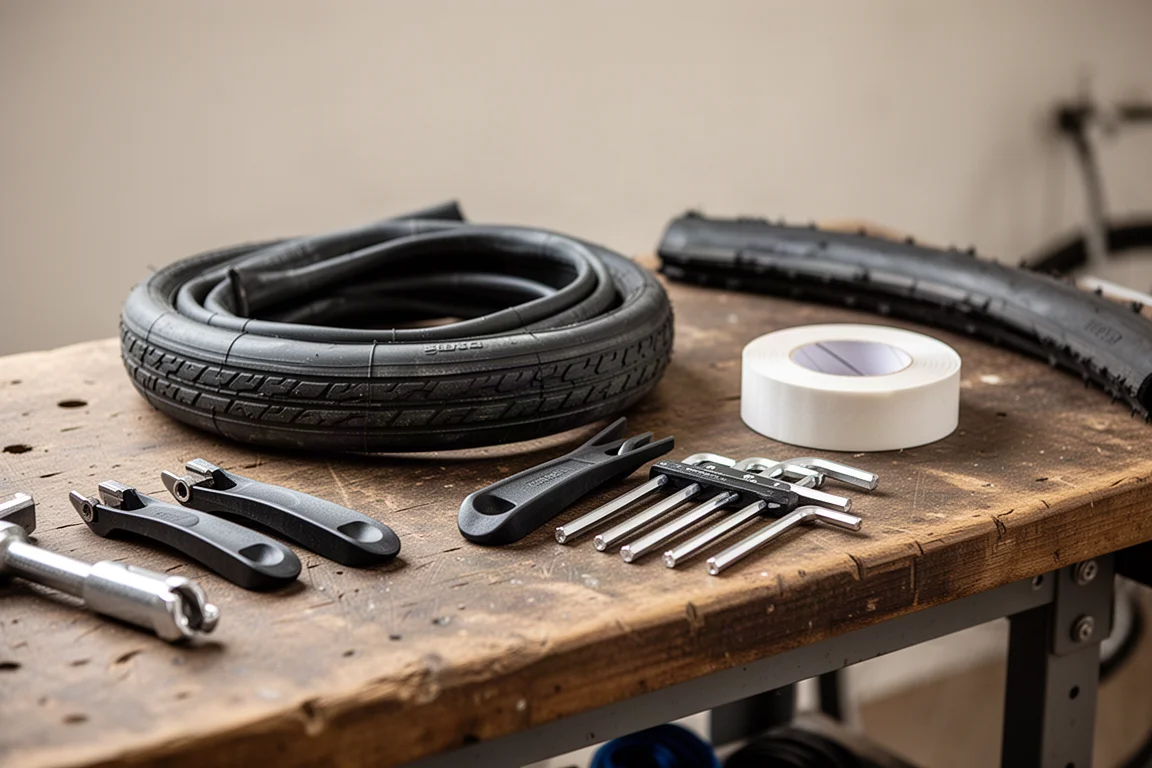
From there, spend in the order that matches your priorities. Bar tape is the cheapest way to change how the bike feels under your hands. Tires are the biggest single change to ride quality, and the choice between puncture resistance and suppleness is the decision that matters most. Inner tubes and tubeless setups are worth considering next. TPU tubes are extremely light and compact but relatively expensive and, in practice, may puncture more often, while latex tubes feel excellent but lose pressure constantly and need pumping before almost every ride. Going tubeless removes the tube entirely, allows lower pressures without the risk of pinch punctures and can self-seal small holes, but it needs tubeless-ready wheels and tires and works better with higher volume tires than with skinny road tires.
Finally, a professional bike fit is the single most effective thing you can do to make a bike ride better, because it puts you in the right position on the bike you already own. It is also the least accessible item here. A good fitter is hard to find and expensive, and if a bike is the wrong size to begin with, correcting it can mean replacing the stem, bars, cranks, saddle and seat post. Riders doing ten minute commutes are unlikely to need one. Riders spending hours in the saddle usually benefit, and the knowledge gained makes choosing future bikes far easier.
Conclusion
The upgrades that change how a bike feels do not have to be expensive. Tire pressure and lever position cost nothing at all, BBB Flex Ribbon improves one of the most used contact points for very little, and the choice between a Schwalbe Marathon, a Continental GP 5000 and a Vittoria Corsa Pro comes down to how much you value puncture protection against the smoothness of a supple tire. Get those decisions right and almost any bike will feel better to ride.
Further reading
Related Reviews
Cycling Components
A 20,000-Mile Budget Race Bike Build: Five Parts Worth Knowing
A rim brake race bike assembled from low-cost components and ridden for 20,000 miles. Here is what delivered real speed, what caused problems, and what to weigh before copying the formula.
Cycling Components
7 Bike Fit Products Fitters Avoid: What to Check Before You Buy
Seven bike components that regularly cause knee, foot and saddle problems, with the specific concerns behind each one and what to look for instead.
Cycling Components
Six Affordable Bike Upgrades That Improve Ride Quality
A practical guide to six low-cost cycling upgrades, from handlebars and bar tape to tires and inner tubes, and how each one can make an entry-level bike feel noticeably better.