Cycling Components
7 Bike Fit Products Fitters Avoid: What to Check Before You Buy
Seven bike components that regularly cause knee, foot and saddle problems, with the specific concerns behind each one and what to look for instead.
Introduction
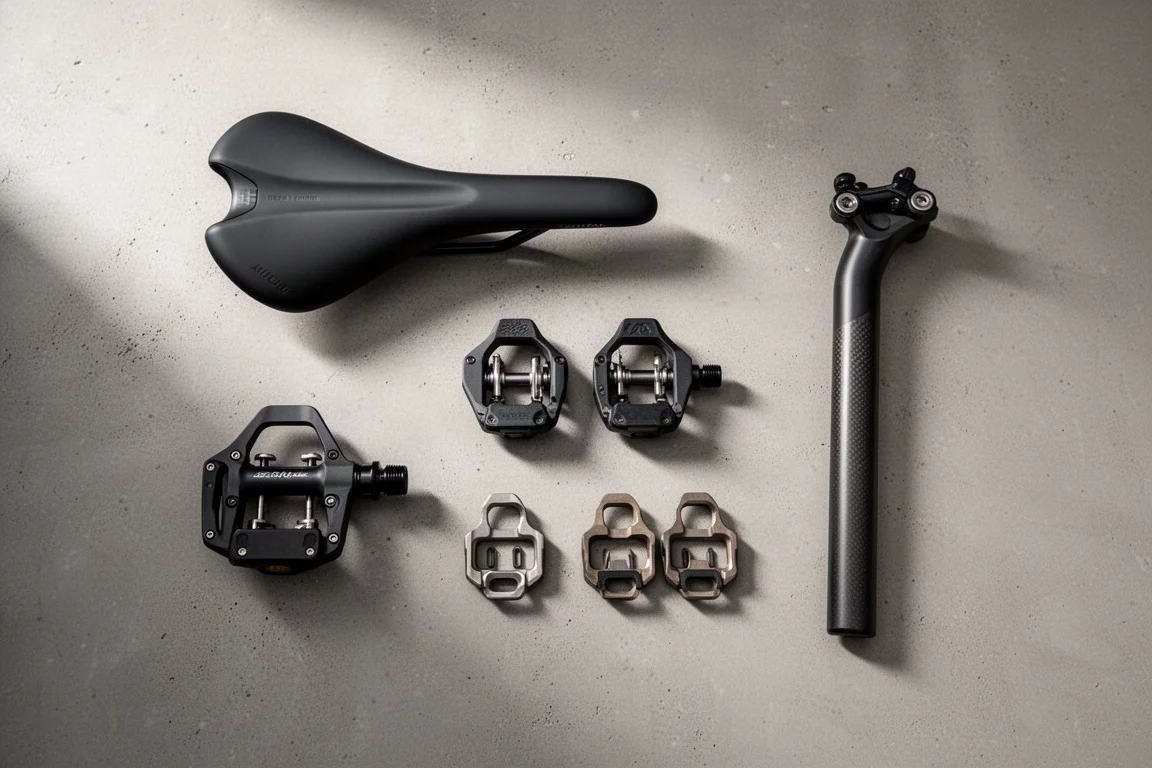
Some components create problems that no amount of adjusting can fix. Bike fitters tend to judge parts by the problems they create, and the pattern that emerges is consistent: the components worth avoiding are the ones that sit directly between you and the bike, namely cleats, pedals, saddles and seatposts.
The seven items below share that theme. Either they remove the movement your knees and feet need, or they refuse to hold the position you set them to, or they cost far more to live with than they first appear. Each entry explains the specific concern and what to look at instead.
How These Components Were Evaluated
The questions here are practical rather than technical. Does the component let the knee and foot move the way they naturally want to? Does it hold the setting you dial in, or does it drift over a few rides? Does it stay stable under load? And how expensive is it to replace or maintain across a season?
A component that fails any of these tends to push the rider into compensating somewhere else: sliding forward on the saddle, rolling the foot, or chasing a position that never quite settles.
This is not a verdict on every rider’s setup. It is a set of known trouble spots worth checking against your own bike before you spend money on an upgrade.
Look Black Cleat: Fixed Position, Fixed Problems
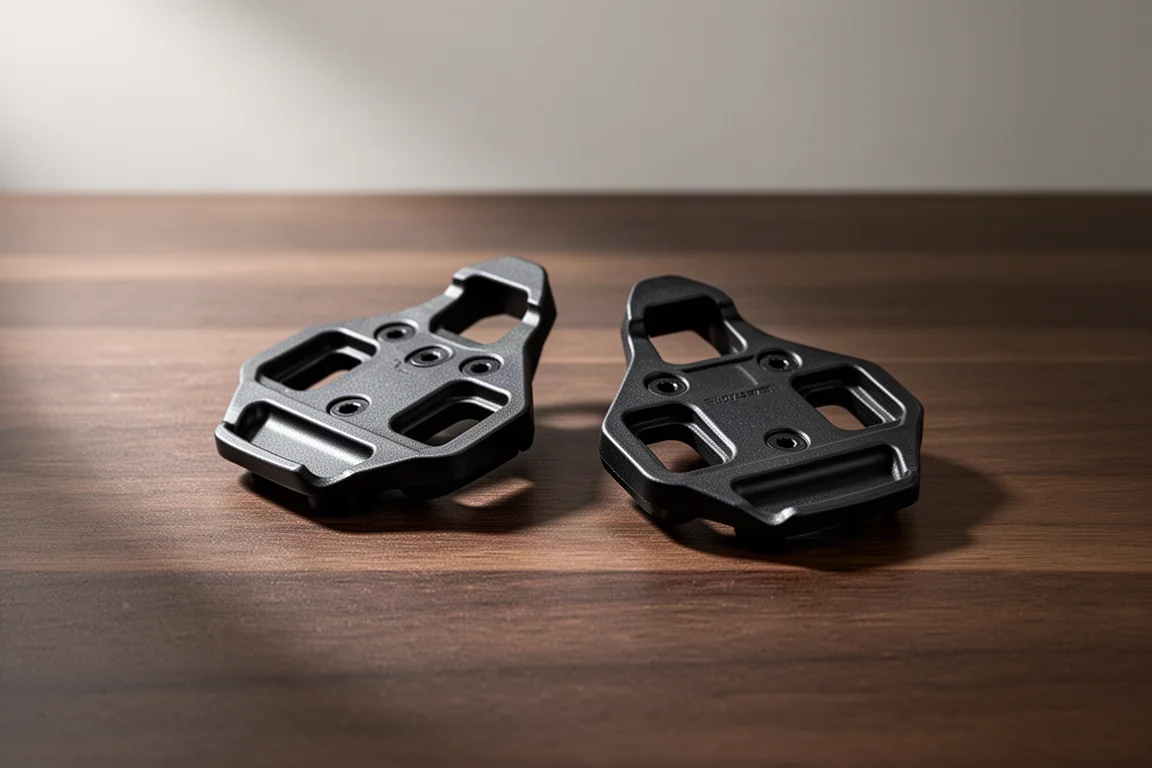
The Look black cleat locks the foot completely. There is no rotation available at the pedal, and the knee does not cope well with that.
The timing is telling. A wave of knee injuries in professional cycling during the mid to late 1980s lined up closely with the arrival of fixed cleats, a connection that took years to be recognised.
Riders often move to a fixed cleat because their foot slides around inside the shoe. That movement usually starts somewhere else: shoe fit, missing arch support, cleat position, or a lack of foot correction. Locking the cleat down does not address the cause, and a fully fixed foot can create knee trouble and foot problems of its own.
Shimano Red Fixed Cleat: The Same Story
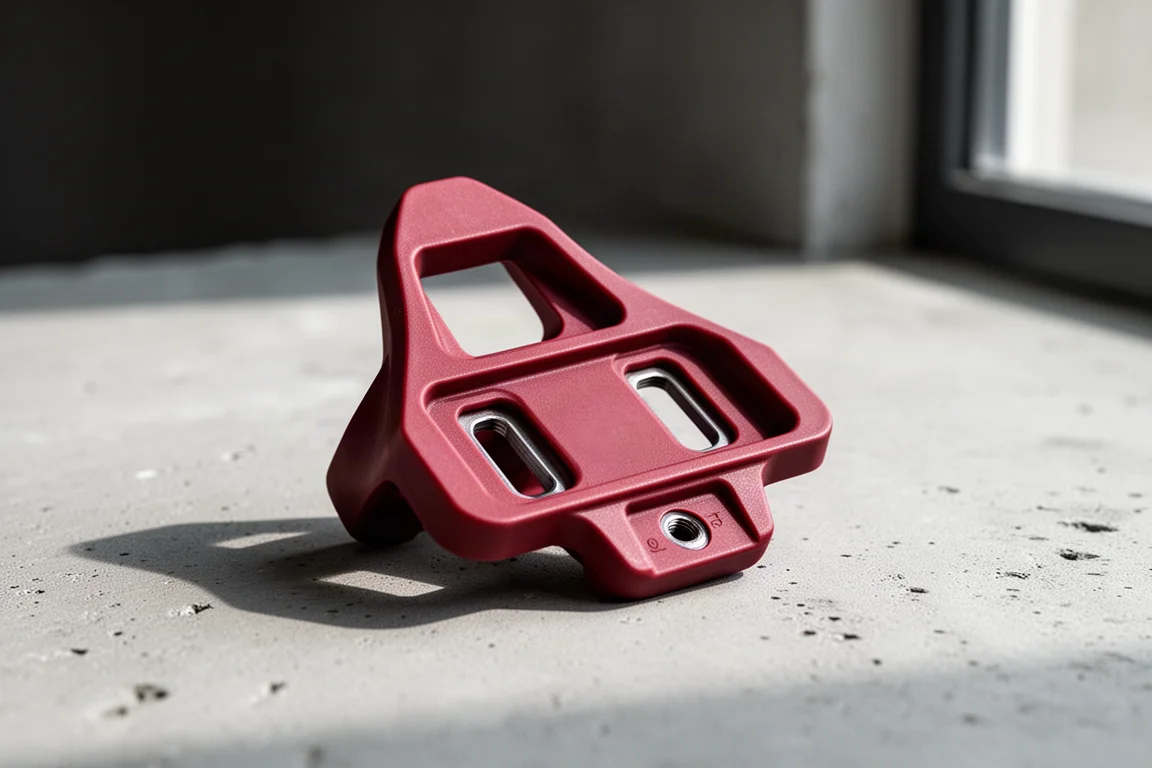
The red Shimano cleat is the fixed option in that range, and the reasoning is identical. Zero float means the knee has to absorb every bit of rotation the pedal stroke asks for.
If you already run a fixed cleat and have knee discomfort, float is the first variable worth testing. Riders who need that movement generally notice the difference quickly.
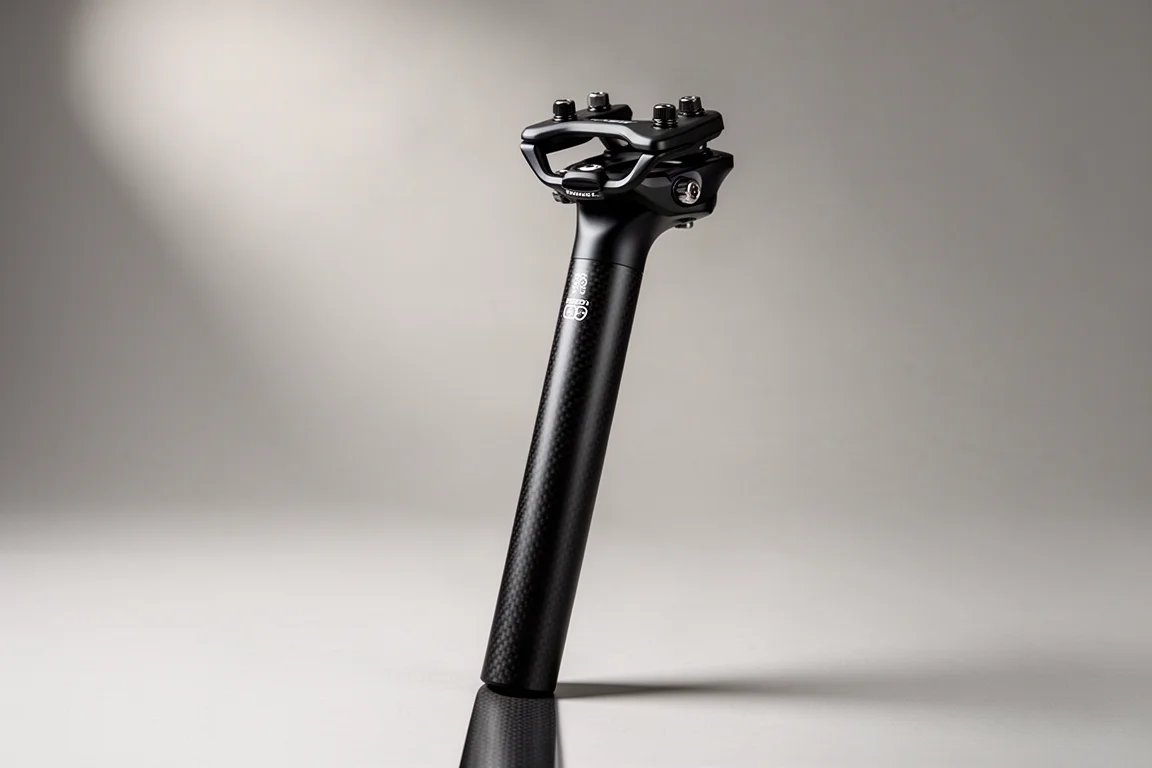
3T Ionic Seatpost: When the Saddle Will Not Stay Level
Two 3T seatposts came up in the same conversation. One will not stay level: it resists being tightened properly and works loose over time. The Ionic takes a different approach, with two opposing chambers that fit inside one another, and the outcome is a saddle that tends to sit either excessively nose-down or excessively nose-up.
Saddle angle matters more than most riders expect. A post that drifts, or that pitches the saddle out of range, keeps undoing the position you paid to have set in the first place.
Specialized Power Saddle: Wide Wings and a Short Nose
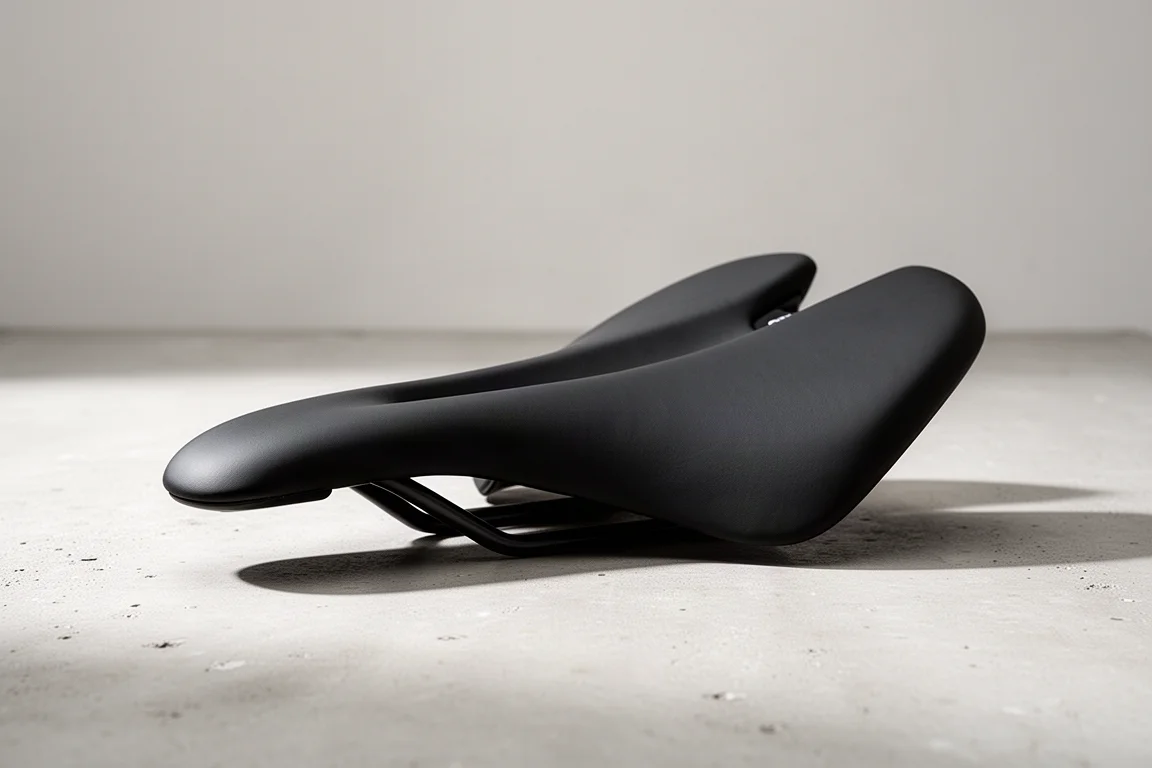
The concern here is width and flare rather than padding. The Power saddle flares out wide at the rear, and many riders catch their thighs on those wings, which pushes them forward onto the nose. On a short-nosed saddle there is very little left to support them once they get there.
This shape divides opinion, so it is worth checking your own sit bone width and preferred position rather than choosing a saddle on looks alone.
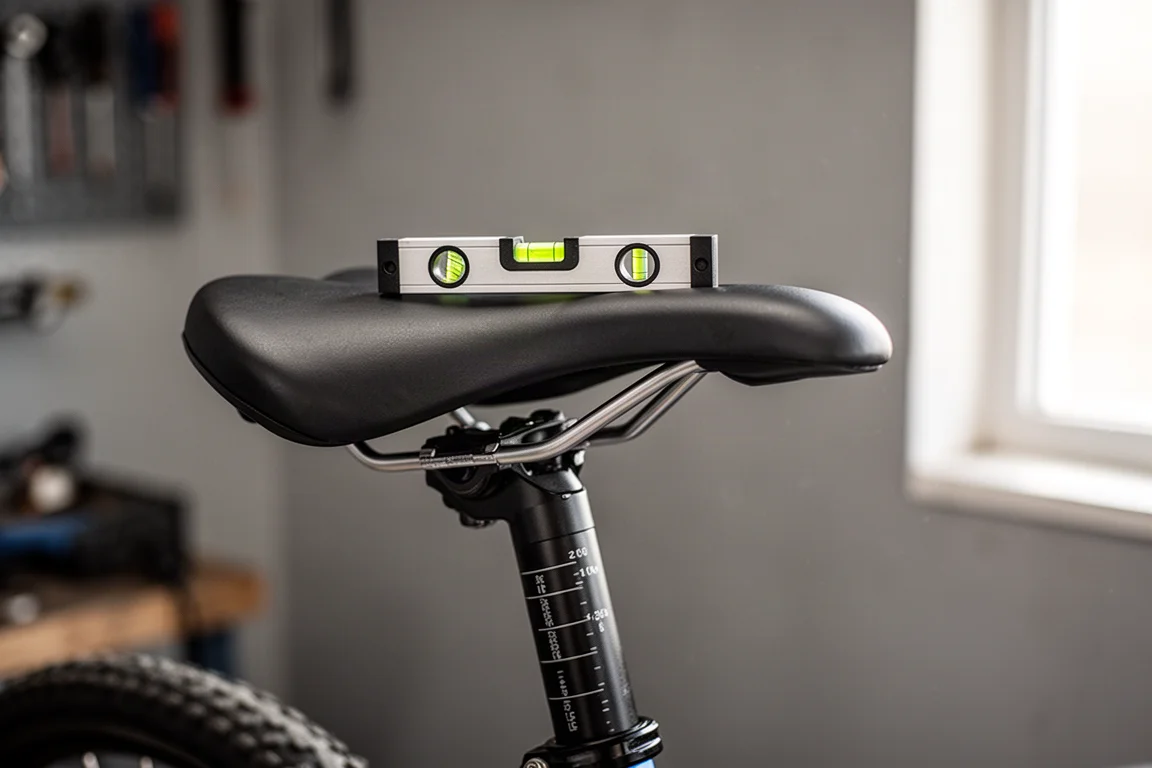
A saddle that suits a rider who stays planted will feel wrong to a rider who shifts around, and the reverse holds just as true. Width and flare angle are the figures to compare.
Speedplay Pedals: High Maintenance and Costly Cleats
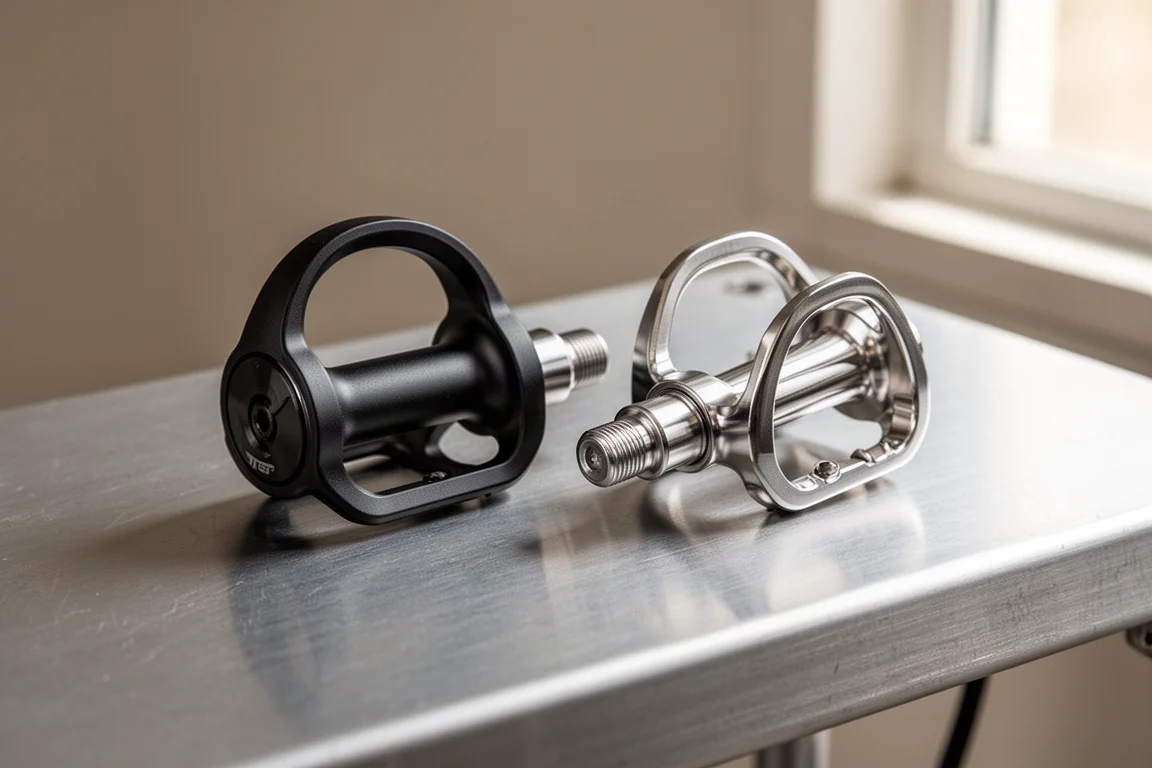
Speedplay sits at the expensive, high-maintenance end of the pedal market. The C-spring that holds the cleat in place is worn out after roughly a thousand miles. Replacement cleats run around £75. Under the current ownership, the axle extensions and base plate extensions that many existing users relied on have been discontinued.
The system offers a lot of adjustment, which is why it is often called a fitter’s dream. In practice, more adjustment is not the same as more comfort, and riders on the larger side commonly run into foot and knee problems with it.
Shimano R540 Pedals: Cleats That Do Not Sit Right
The R540’s weakness is the interface between cleat and pedal body. The cleats do not appear to seat properly, so they wrap around inside the pedal, and that movement destabilises the foot through the whole pedal stroke.
It is a small design difference with a noticeable effect at the foot, which is exactly where stability matters most.
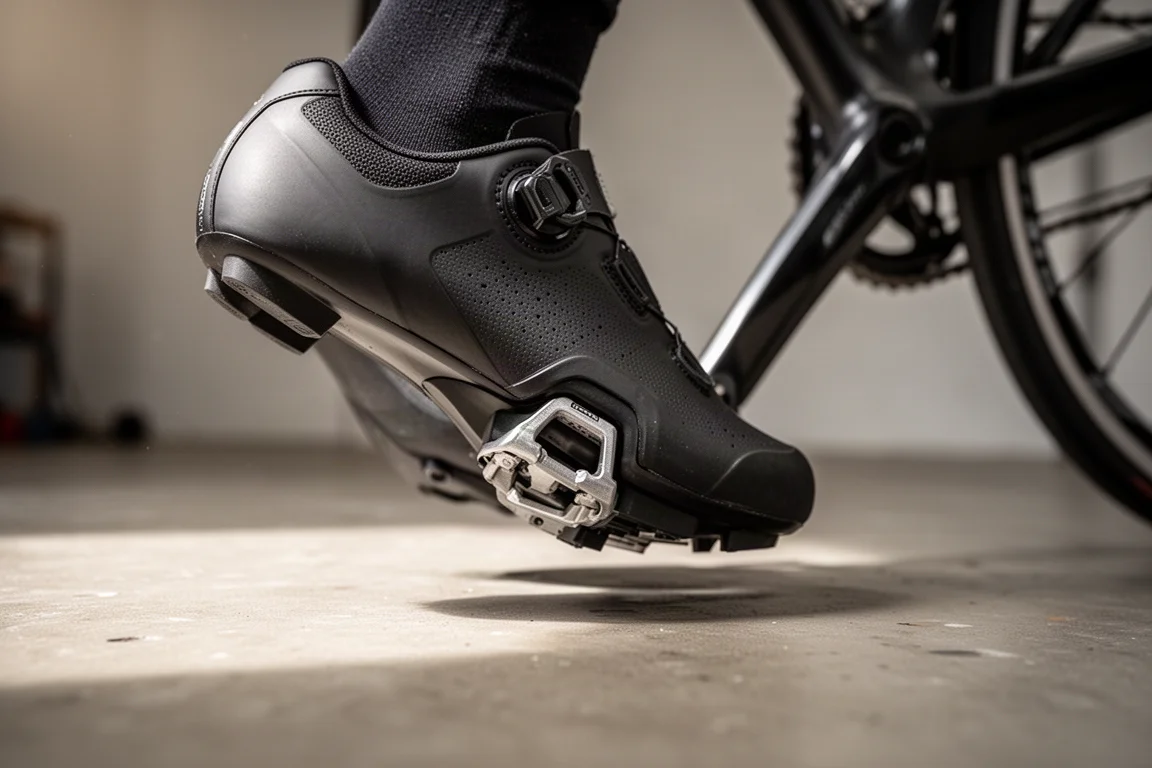
For a few pounds more, the next model up addresses it.
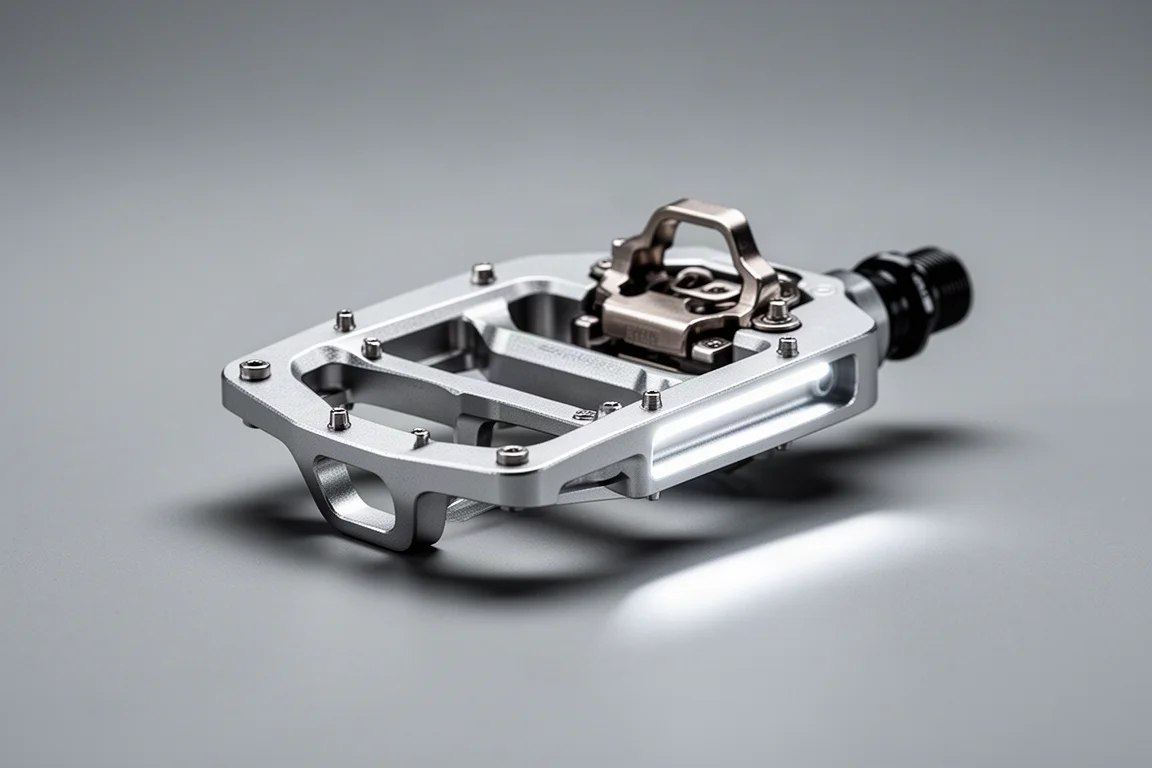
Shimano R550 Pedals: The Better Value Choice
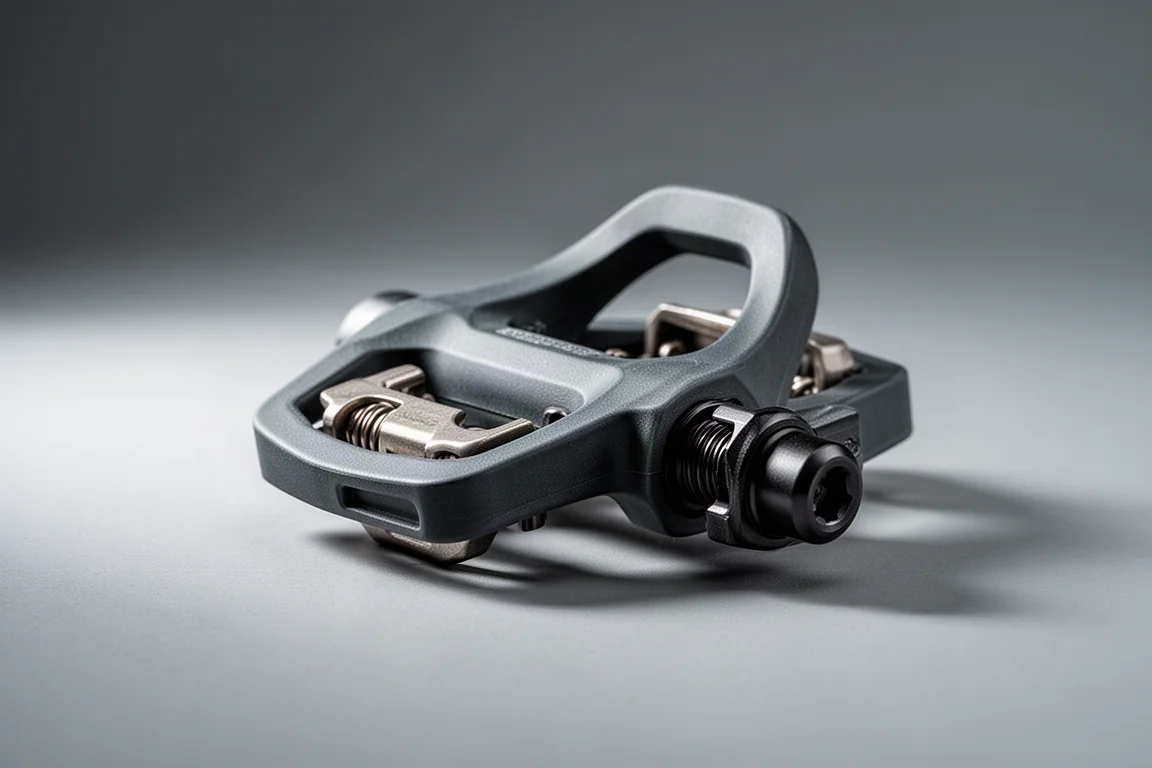
The R550 uses a plastic body rather than an aluminium one, and that is the trade-off. What you get in return is a cleat that seats properly in the pedal, a more stable foot, and a price only a little higher than the R540.
On value, this is the straightforward recommendation of the group: a small extra spend for a meaningful difference in how the pedal holds the foot.
Buying Advice: Fit First, Buy Second
The pattern across all seven items is the same. Components that restrict natural movement, or that will not hold a setting, create problems that surface somewhere else in the body.
That makes fit the first purchase rather than the last. Shoe fit, arch support, cleat position and saddle angle are worth resolving before you replace hardware, because a new part rarely fixes a position problem on its own.

Standard parts are also easier to live with. A round 27.2 mm seatpost is a safe default, while proprietary non-round posts can be expensive to replace when you need a different offset; one rider was facing £230 for a d-shaped post. At least one brand now makes a d-shaped post that still accepts a 27.2 mm post, which is a sensible direction. Integrated one-piece cockpits deserve the same caution, since they arrive with a bar width and stem length that may not suit you and cost a lot to change. Very wide handlebars are another common source of numb hands, neck and shoulder strain, and difficulty reaching the brake levers.
Forefoot wedging is worth a mention too. Thick wedges take up space inside the shoe without solving much for many riders, and the thickest part generally belongs on the inside of the foot, under the ball. Removing them has cleared up numbness, hot foot, knee pain and saddle discomfort for riders who were given them without a clear reason.
Conclusion
None of this is about spending more. The R550 is an inexpensive pedal that simply works better than the model below it, and a standard round seatpost is easier to adjust and cheaper to replace than a proprietary one.
Start with fit, sort out the shoe and cleat interface, and choose components that let your knees and feet move naturally. The parts that ask you to adapt to them are the ones that tend to end up in a fitter’s discard pile.
Further reading
Related Reviews
Cycling Components
A 20,000-Mile Budget Race Bike Build: Five Parts Worth Knowing
A rim brake race bike assembled from low-cost components and ridden for 20,000 miles. Here is what delivered real speed, what caused problems, and what to weigh before copying the formula.
Cycling Components
Four Affordable Bike Upgrades That Improve Ride Feel
Four low-cost cycling products that make a real difference to ride feel, plus the free setup changes worth trying first.
Cycling Components
Six Affordable Bike Upgrades That Improve Ride Quality
A practical guide to six low-cost cycling upgrades, from handlebars and bar tape to tires and inner tubes, and how each one can make an entry-level bike feel noticeably better.