Gravel Cycling
Zipp 303 Explorer Gravel Wheels and Goodyear Explorer Tires: A Wide-Rim System Reviewed
Zipp's 40 mm wide gravel rim and two co-developed Goodyear tires promise aero gains and lower-pressure control. Here is how the system performs on rough terrain.
Introduction
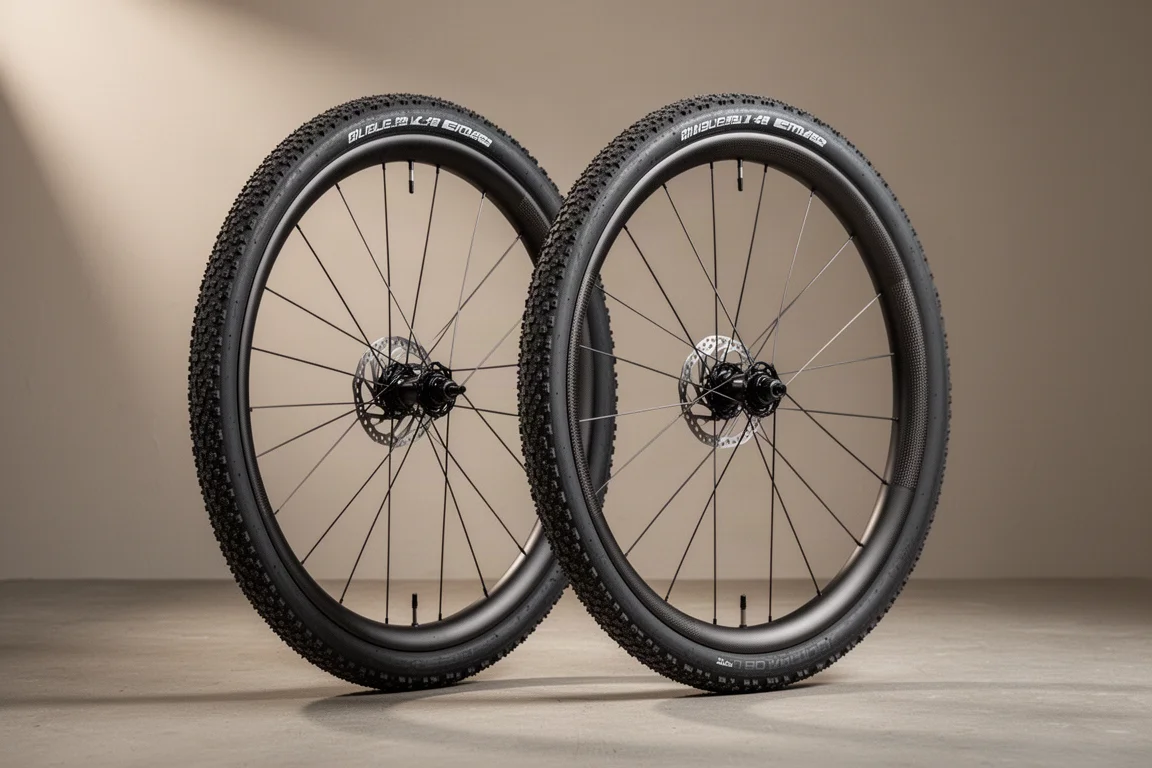
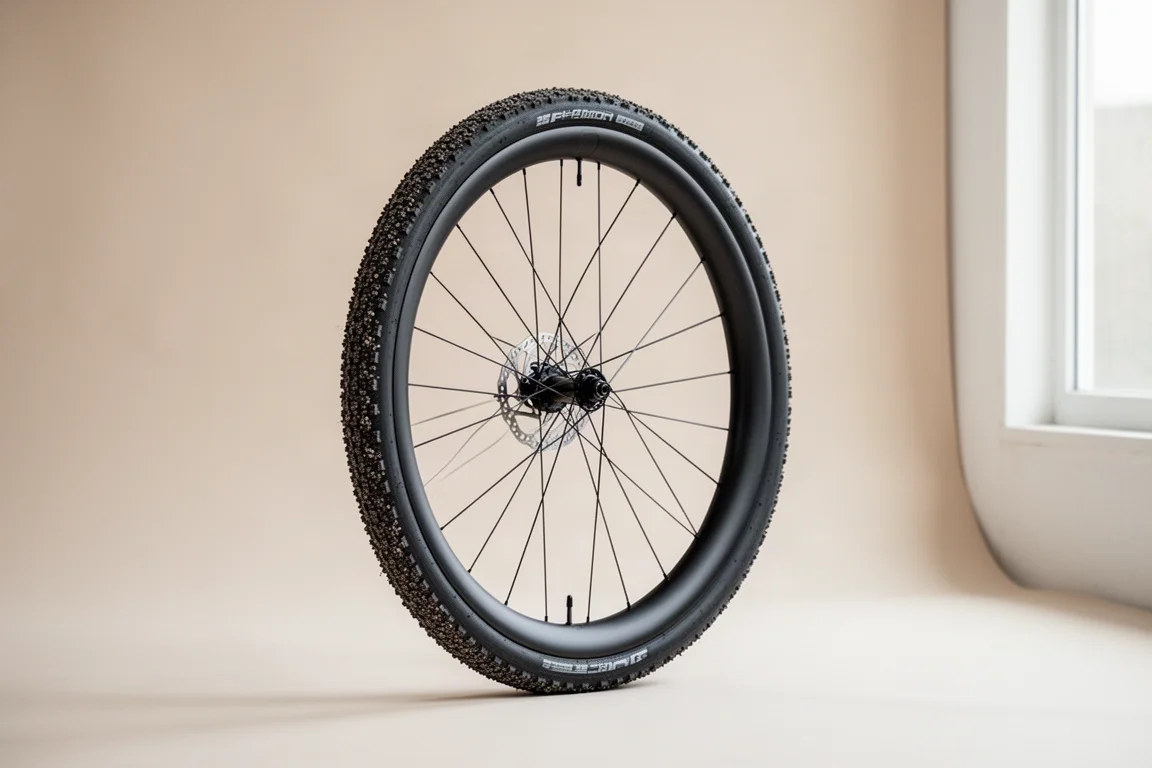
Gravel wheels and tires have been growing wider for years, and the new Zipp 303 Explorer takes that trend further than most. The rim measures 40 mm across the outside and 32 mm internally, which is wider than many cross-country mountain bike rims. Two tiers are available, the 303 Explorer SW and the 303 Explorer S, and Zipp co-developed two matching Goodyear tires: the 40 mm Explorer Slick and the 45 mm Explorer Inter.
Three days of riding across Austria and into Germany, on everything from fast hardpack to sharp technical rock, showed what that extra width actually changes on the trail. This guide covers each part of the system, what it does well, and where it asks for a little care.
Why Wider Gravel Rims Matter
Zipp designed the wheel around the tire rather than the other way around. The company picked the gravel tire sizes it considered appropriate, then built a rim behind them. Going wide serves two purposes.
The first is aerodynamics. Matching the rim’s external width to the tire creates a smooth transition so airflow can reattach as it moves between rim and tire, which reduces drag. Gravel racing speeds now routinely sit above 32 km/h (20 mph), and at that pace small aero advantages accumulate across a long event. Slower riders are not excluded from this: the savings are a smaller number of watts, but more hours on course means the total time saved can still be meaningful.
The second is vibration loss, the energy a rider spends being lifted and bumped over rocks and rough surfaces. The power required to hold a given speed on cobbles is roughly double what it takes on asphalt, and that gap is almost entirely vibration loss. The fix is lower tire pressure, and the fix for low pressure is a wider rim.
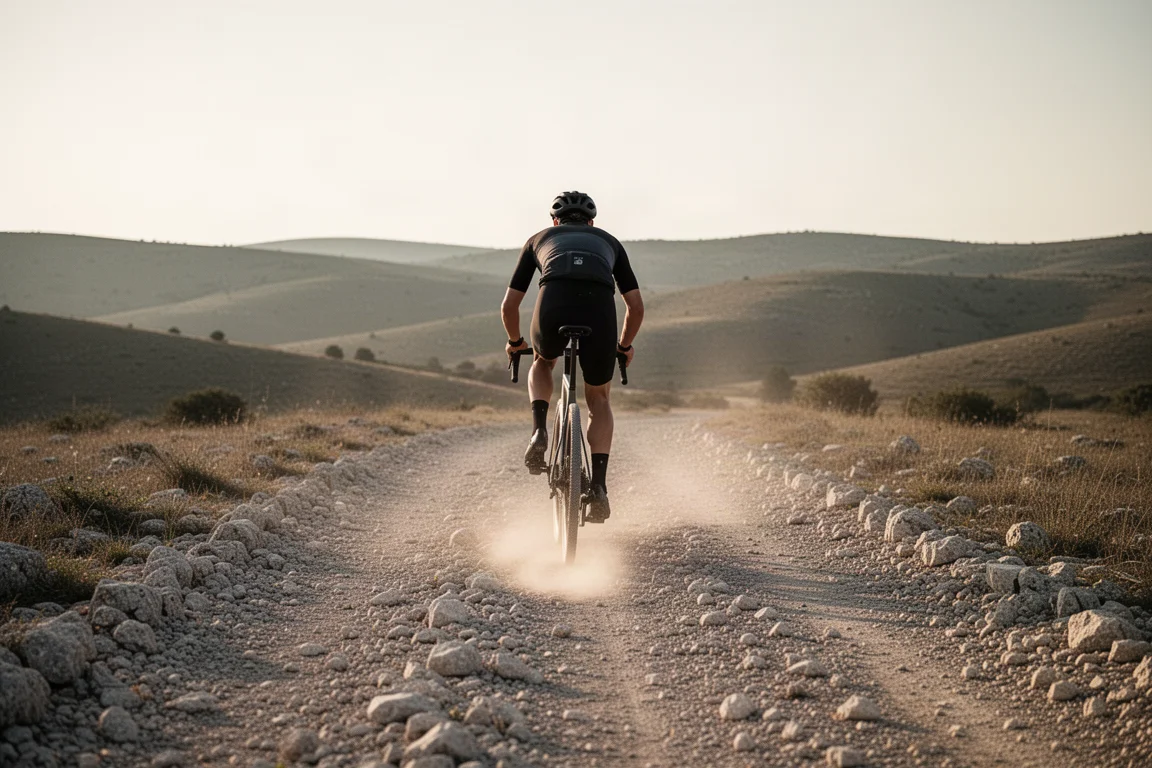
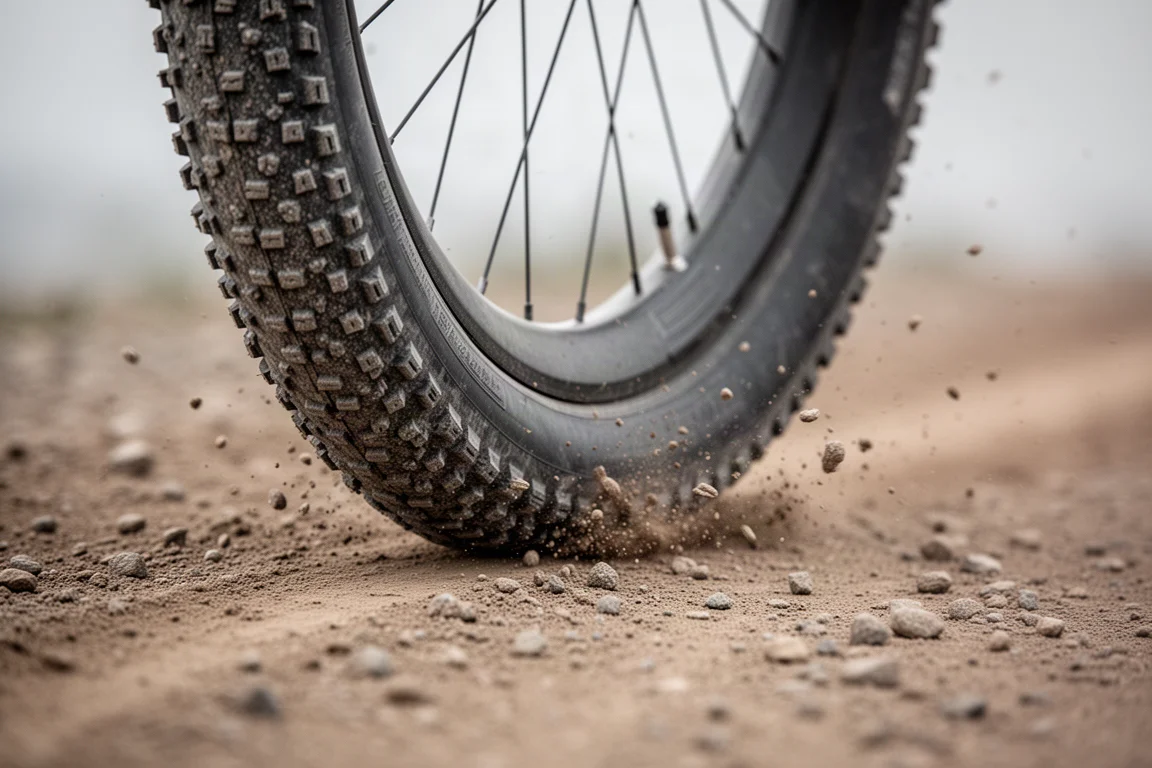
A wider internal width holds the tire in a broader stance, pushing the beads outward so they support lateral loads in corners. That means pressure can drop by roughly 7 to 8 psi, or over half a bar, compared with a narrower traditional gravel wheel, without the tire squirming, buckling, or folding in a hard corner.
The rim is hookless, and the straight vertical walls of the tire bed are almost twice as thick as those on the 303 Firecrest and Zipp’s other hookless wheels. That thicker platform supports the tire casing on a hard bottom-out hit to help prevent pinch flats, and it adds stiffness and strength to the rim itself.
Zipp 303 Explorer SW: The Flagship Gravel Wheelset
The SW is the top tier. It uses the 54 mm deep, 40 mm external, 32 mm internal rim profile with a dimpled surface finish, and the complete wheelset comes in just under 1,500 g. For a rim this deep and this wide, that is a light package.
Weight is relative, of course. The SW is around 100 g heavier per wheelset than the narrower 303 Firecrest, and it lands within roughly 20 to 30 g of the narrower, deeper 404. Zipp is clear that the priority was speed on gravel rather than chasing the lowest possible number on a scale.
Zipp 303 Explorer S: The More Accessible Option
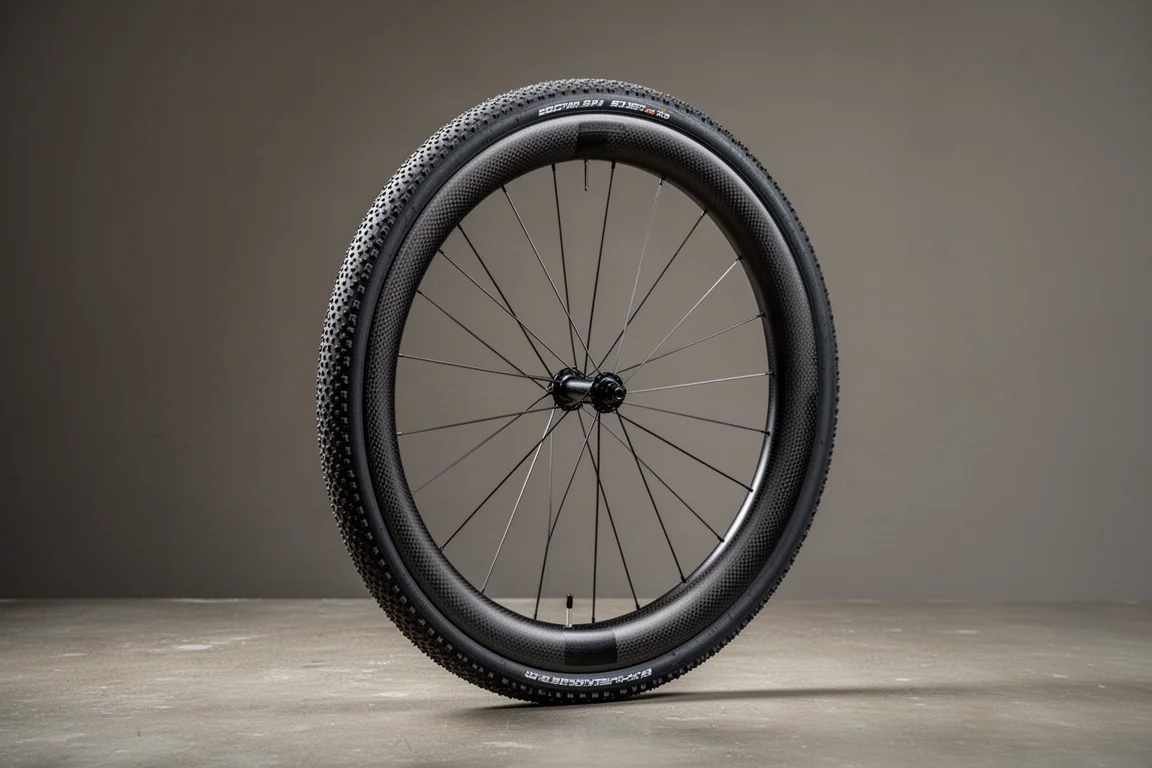
The S is the entry point to the same design. The macro rim shape and the tire beds are identical to the SW, so riders get the same low-pressure support and the same aero behavior. What changes is the finish and the build: no dimples, a smooth rim side, and slightly heavier rim, spokes, and hub. The result is a set that weighs around 168 g more, roughly 1,668 g.
That difference is worth knowing if you are comparing the two. The ride character is intended to be the same; the S simply trades a small weight penalty for a lower position in the range.
For riders who want the wide-rim geometry and the low-pressure benefits without the flagship price, this is the version that makes the design accessible.
Goodyear Explorer Slick: The Fast Dry-Condition Tire
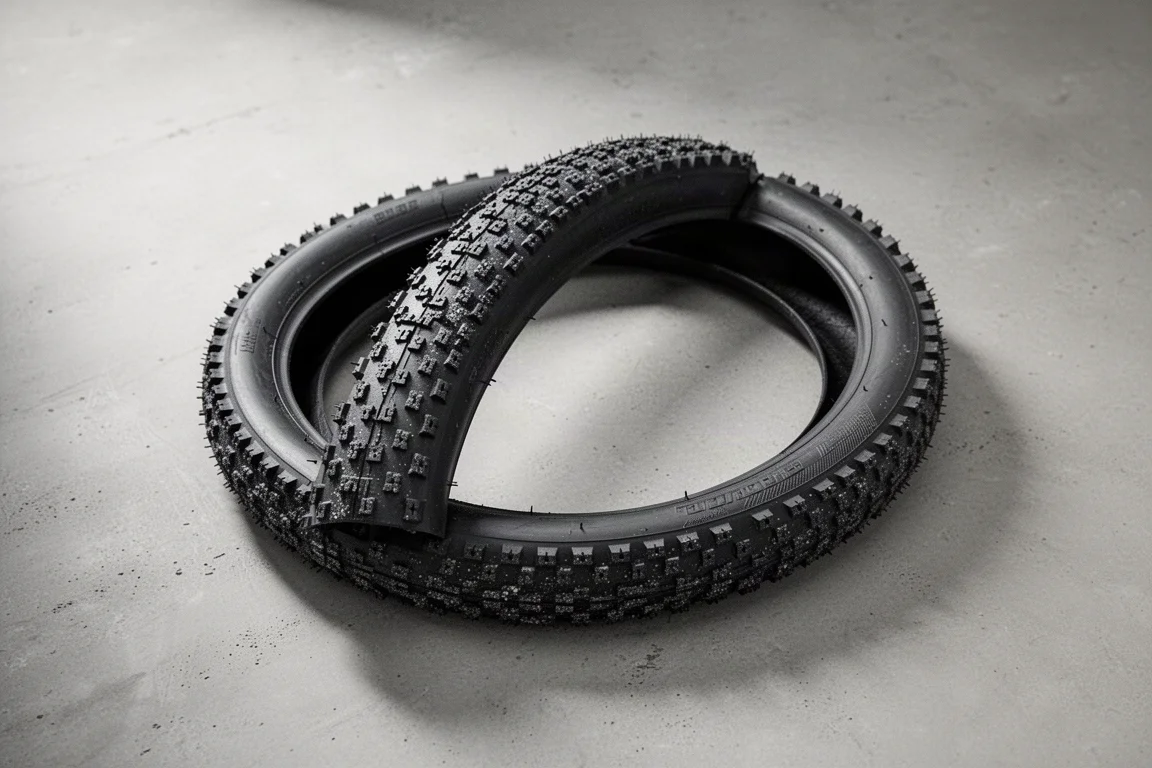
The 40 mm Explorer Slick was co-developed with Goodyear as the aerodynamic match for the 40 mm rim. Its tread is a slick center with small knobs along the edges, aimed at dry, hardpacked gravel where straight-line speed matters most.
On smooth gravel and hardpack it feels rapid, comparable in a straight line to a fast road tire, and the shoulder tread gives something to lean on when cornering. It is a dry-condition tire by design. On loose gravel descents, braking into a corner, there is not much braking traction to work with.
Goodyear Explorer Inter: The Mixed-Condition Tire
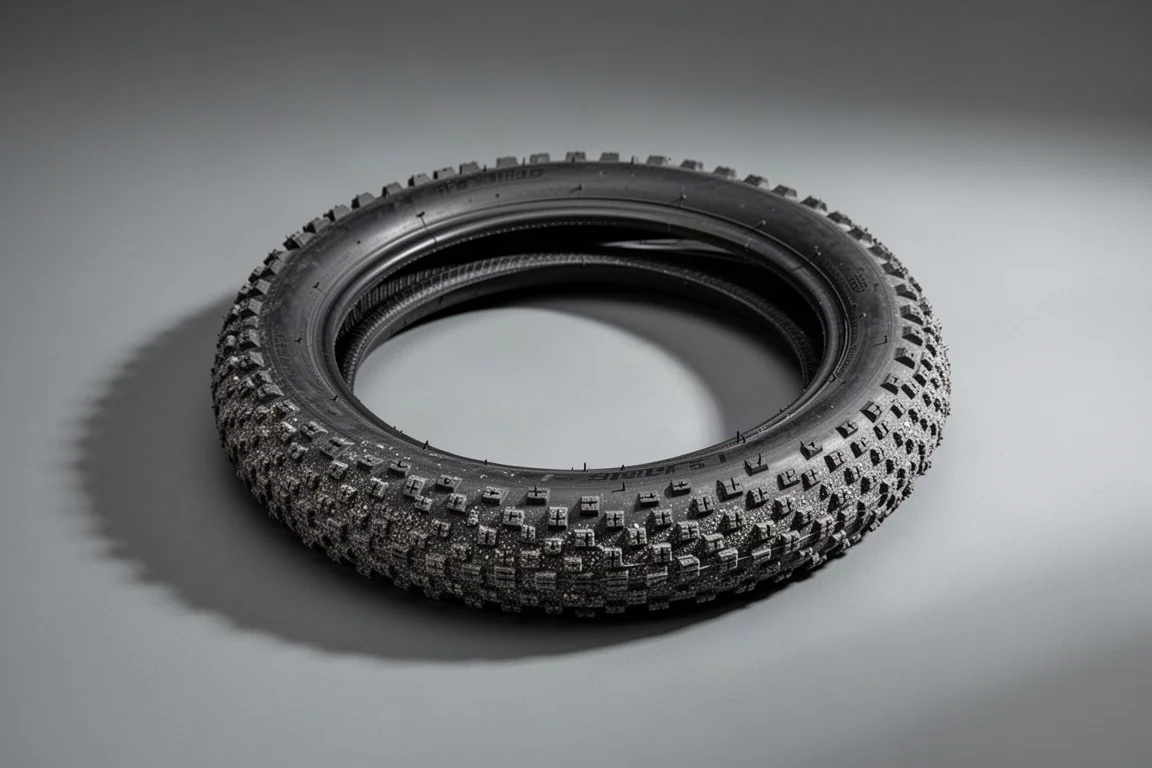
The 45 mm Explorer Inter is the mixed-surface option, intended for dry and wet gravel alike, and it also makes a strong aerodynamic match to the wide rim. For most riders it is likely the better all-around choice, especially in damper climates and on looser surfaces.
Size is the thing to check first. A 45 mm tire needs frame clearance, and a bike with an official maximum of 42 mm cannot officially run it, even though the tire itself is designed for this wheel.
If your frame has the room, the Inter covers more conditions with less compromise than the slick, at the cost of some outright speed on hardpack.
Tire Compatibility and Ownership Notes
These wheels require tires listed on Zipp’s compatibility chart. The rim itself conforms to ISO dimensional standards, but the ISO recommended tire sizes for this rim run from 58 mm to 84 mm, well outside normal gravel use. Zipp recommends 40 to 60 mm instead, and because its recommendation sits outside the ISO range, every tire model is validated one to one: the company contacts the manufacturer, tests tire retention in its lab, and the tire maker repeats similar tests before the model is added to the chart. Recommended pressures are less than half the maximum allowable system pressure.
Finding the chart is straightforward. A conspicuous orange sticker on the wheels carries a QR code that leads to product registration and then to the compatibility list. The same chart lives on the product page, and field guides work with bike shops and mechanics across North America and Europe to spread the word. Check it before you buy tires.
Riding Impressions and Buying Advice
On the rough, technical terrain of the test rides, with sharp rocks and mountain-bike-grade surfaces, the system’s strongest trait was support. At very low pressures the tire stayed planted, with no squirm in hard corners and none of the flop that a wide tire on a narrow rim can produce when pushed hard. That secure feeling under hard cornering is the clearest argument for the extra width.
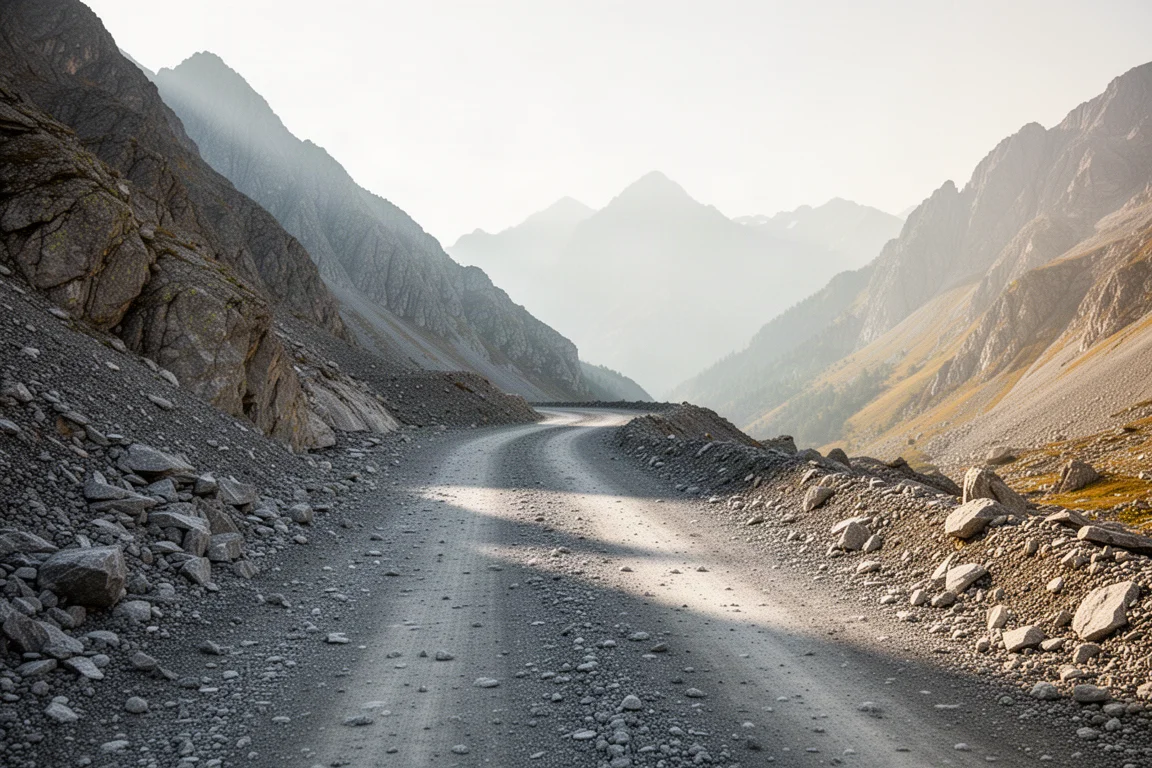
The slick is quick, and the trade-off is braking traction on loose descents. The 45 mm Inter is the more versatile tire, better suited to mixed and wet conditions and to riders who want one set of tires for most of the year.
Practical advice: confirm your frame clearance before choosing the 45 mm option, verify your tire model on the compatibility chart, and expect to run pressures well below what you might use on a narrower gravel wheel. Choose the SW if the lowest weight matters, the S if you want the same rim design at a lower entry point, and the Inter over the Slick unless your riding is mostly dry and hardpacked.
Conclusion
The Zipp 303 Explorer system is a deliberate bet that gravel speed now depends on width, low pressure, and the way rim and tire work together. The 40 mm external rim, the thick hookless tire bed, and the two co-developed Goodyear tires form a coherent package, and on rough ground the stability at low pressure is the payoff most riders will feel immediately. Check compatibility and clearance first, then pick the tier and tread that match the conditions you actually ride.
Further reading
Related Reviews
Gravel Cycling
Best Gravel Kit and Components 2026: Eight Standout Picks
Eight gravel picks that earned their place over a year of long rides, from a value wireless groupset and a light carbon frameset to a waterproof jacket that survived a week of Scottish rain.
Gravel Cycling
Best Gravel and Off-Road Upgrades: Power Meter Pedals, Suspension Stems and Race Shoes
Five gravel and off-road upgrades that have earned their place, from SPD power meter pedals you can swap between bikes to a suspension stem you can tune on the trail.
Gravel Cycling
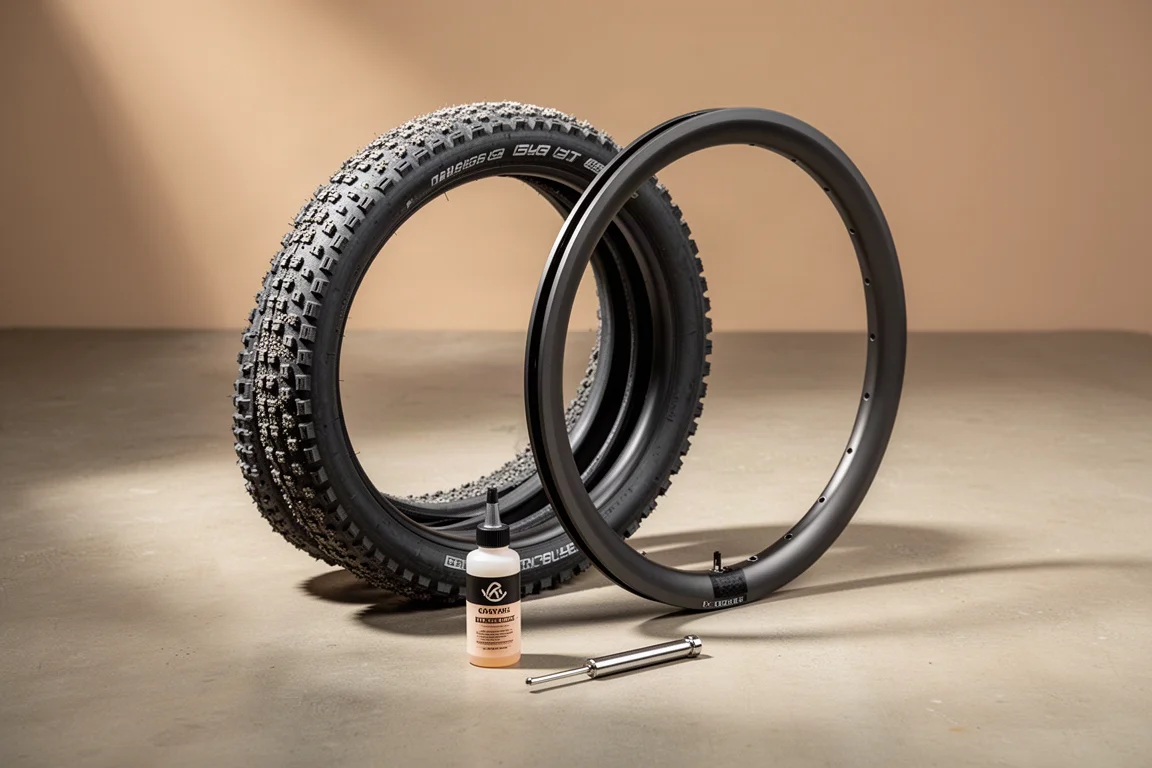
Best Gravel Race Tires, Wheels and Sealants: A Practical Setup Guide
A roundup of gravel tires, wheels and sealants, with measured widths, real race pressures and the puncture kit that holds a fast setup together.