Gravel Cycling
Best Gravel Race Tires, Wheels and Sealants: A Practical Setup Guide
A roundup of gravel tires, wheels and sealants, with measured widths, real race pressures and the puncture kit that holds a fast setup together.
Introduction
Tire width and tire pressure are two of the most consequential choices in a gravel race setup. A bike that feels nervous and harsh on rough terrain can feel planted and quick with a different tire and a few psi less. The setups below show how a range of riders preparing for a long-distance gravel event approached exactly that question, from endurance racers on 45mm tires to a monster-gravel build rolling on 55mm mountain bike rubber.
Wheels and sealants matter just as much as the tires themselves. Rim width determines how wide a tire actually measures once it is inflated, and the sealant inside decides whether a small puncture becomes a five-minute stop or an abandoned ride. This roundup covers the tires, wheels and puncture-repair products that appeared in those setups, along with the strengths and trade-offs of each.
How These Gravel Setups Were Compared
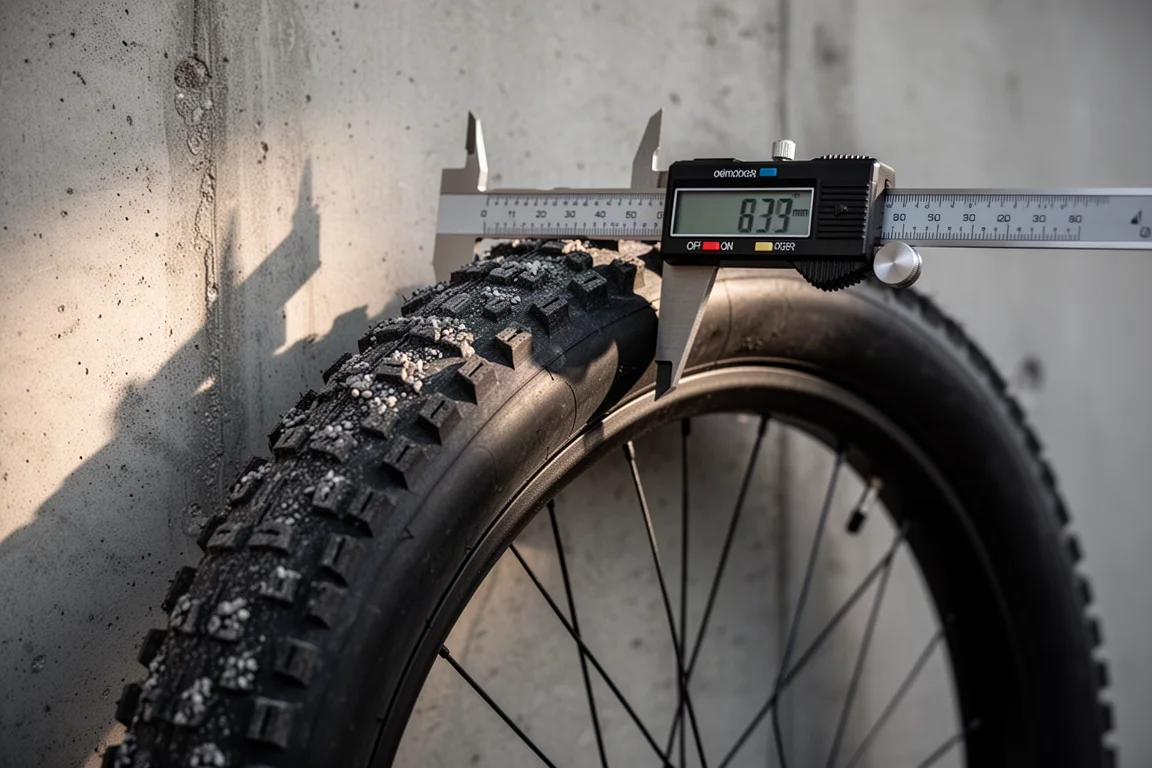
The first thing that becomes obvious when tires are measured properly is that printed sizes are only a starting point. A 45mm tire measured 44.1mm on a 21.5mm internal rim, 46mm on a wider gravel wheelset, and 48mm on another. Rim internal width, casing stretch and pressure all move the number, so frame clearance should always be checked against the real measured width rather than the label.
Pressure choices varied just as widely. Riders on 45mm tires settled between roughly 27 and 38 psi, with one rider preferring closer to 45 psi for puncture confidence, while a 55mm mountain bike tire setup ran slightly below 2 bar. Lower pressure generally means more grip and comfort, at the cost of some rolling speed and a higher risk of pinch damage.
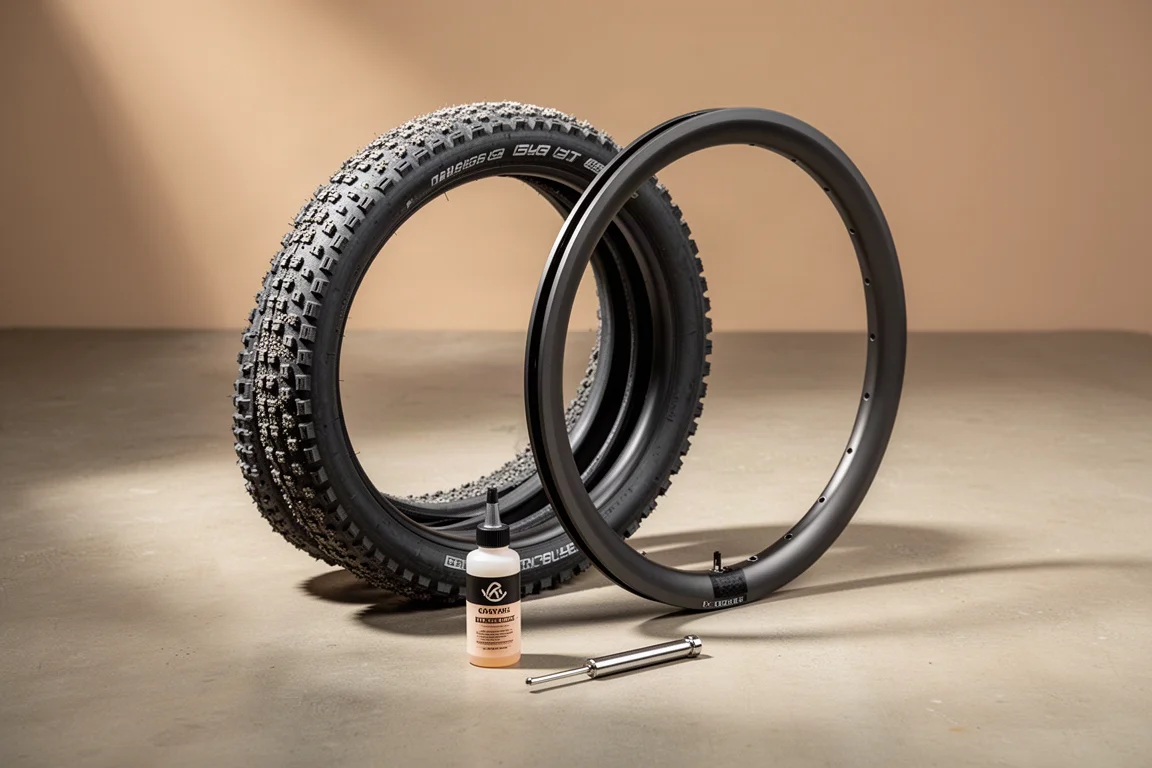
Every setup followed a similar puncture strategy: sealant inside the tire as the first line of defence, plug tools for punctures that will not seal, and a spare inner tube for the worst case.
That combination of sealant, plugs and a tube is worth copying regardless of which tires you choose, because it covers small holes, stubborn holes and damaged casings in one small kit.
Hunt Limitless 42 Adventure: Wide Internal Rims for Big Rubber
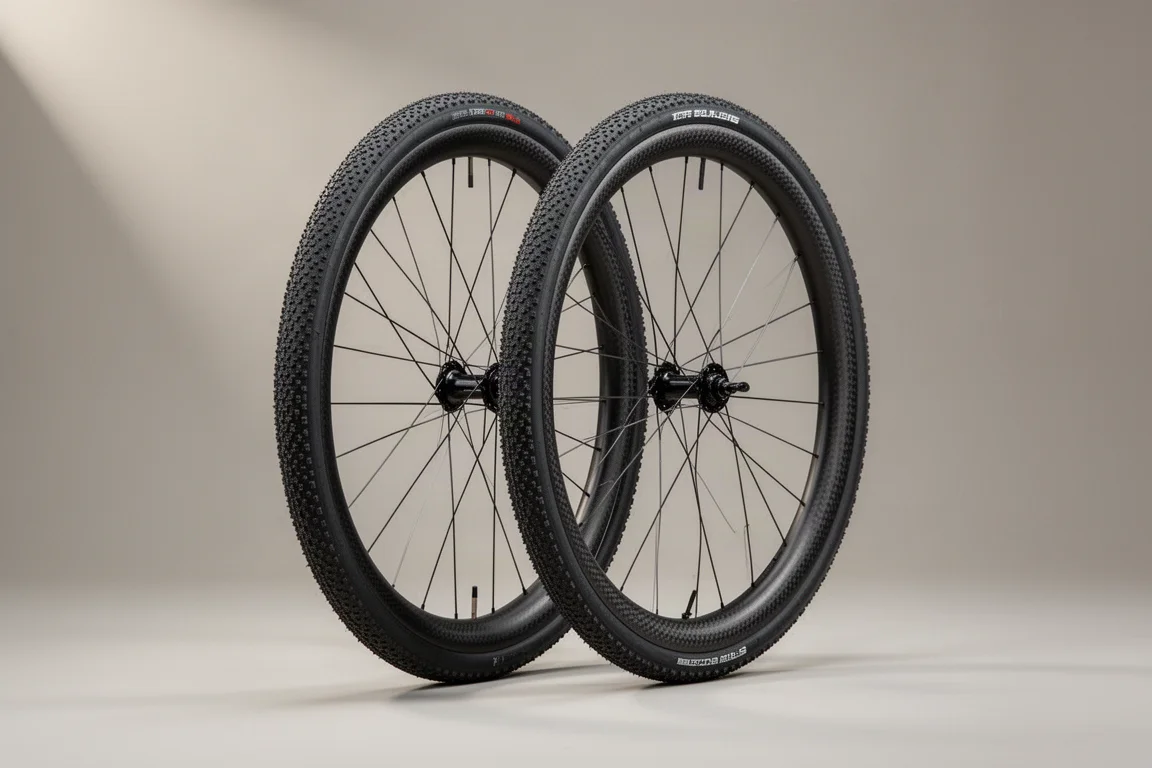
The Hunt Limitless 42 Adventure wheelset appeared on more than one of the fast setups here. Its defining numbers are a 25mm internal rim width, 30mm external width and a 40mm rim depth, which places it firmly in the wide-rim category for gravel. That internal width is what allows a 45mm tire to sit in a broader, more stable shape once inflated, and it is a large part of why the same tire measured 46mm on these rims.
Riders pairing these wheels with 45mm tires reported a combination that worked well, with enough volume to run lower pressures and enough width to keep the contact patch predictable on loose surfaces. It is the kind of wheelset that quietly changes how a bike feels, because the tire it carries ends up wider and rounder than the label suggests.
Schwalbe G-One RS: Fast Rolling 45s for Endurance Racing
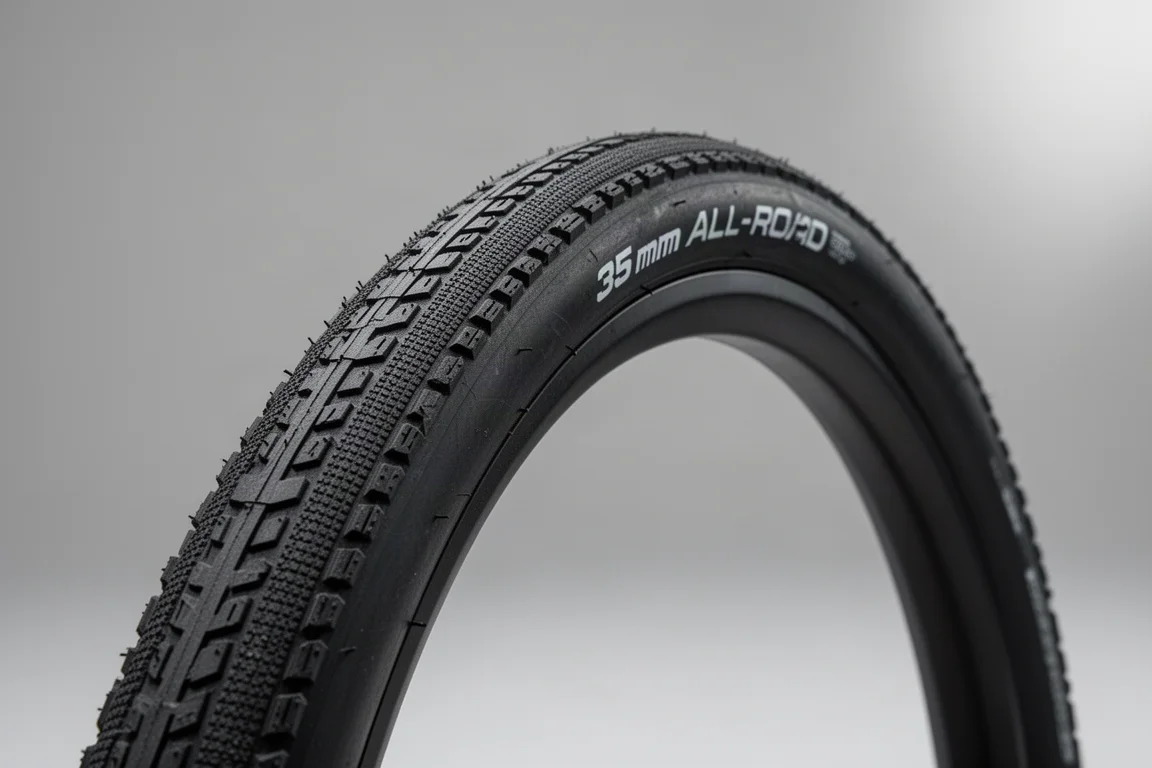
The G-One RS is a 45mm gravel tire built around speed. Its centre tread rolls quickly on tarmac and hard-packed gravel, while a small amount of knob on the shoulders adds bite when the surface gets looser. Mounted on wide Hunt rims, a pair of 45s measured 46mm on the nose.
For race day, the pressure used with this tire was 30 to 32 psi. The same rider noted that on a bigger tire, 50mm and above, pressure would drop considerably, to roughly 24 to 26 psi. That relationship is the useful takeaway: as volume goes up, pressure can come down without losing speed, and the tire still soaks up rough terrain. These tires suit long events where efficiency matters over months of riding rather than a single afternoon.
Goodyear Connector: Tight Centre Tread With Taller Shoulders
The Goodyear Connector in 45mm pairs a tightly packed centre tread with wider, taller shoulder blocks. That layout is designed to roll well on road sections while still offering grip when the course turns onto trail. On one bike the 45mm casing measured 45mm, and on another with wider rims it measured 46mm.
Pressure choices ranged from roughly 36 to 38 psi, with one rider describing anywhere in the mid-30s to low 40s as fine for his needs, up to about 45 psi on another bike, which that rider felt was a little softer than his usual preference. Riders also described the pairing of these tires with wide Hunt rims as a strong match for trail confidence and puncture repair.
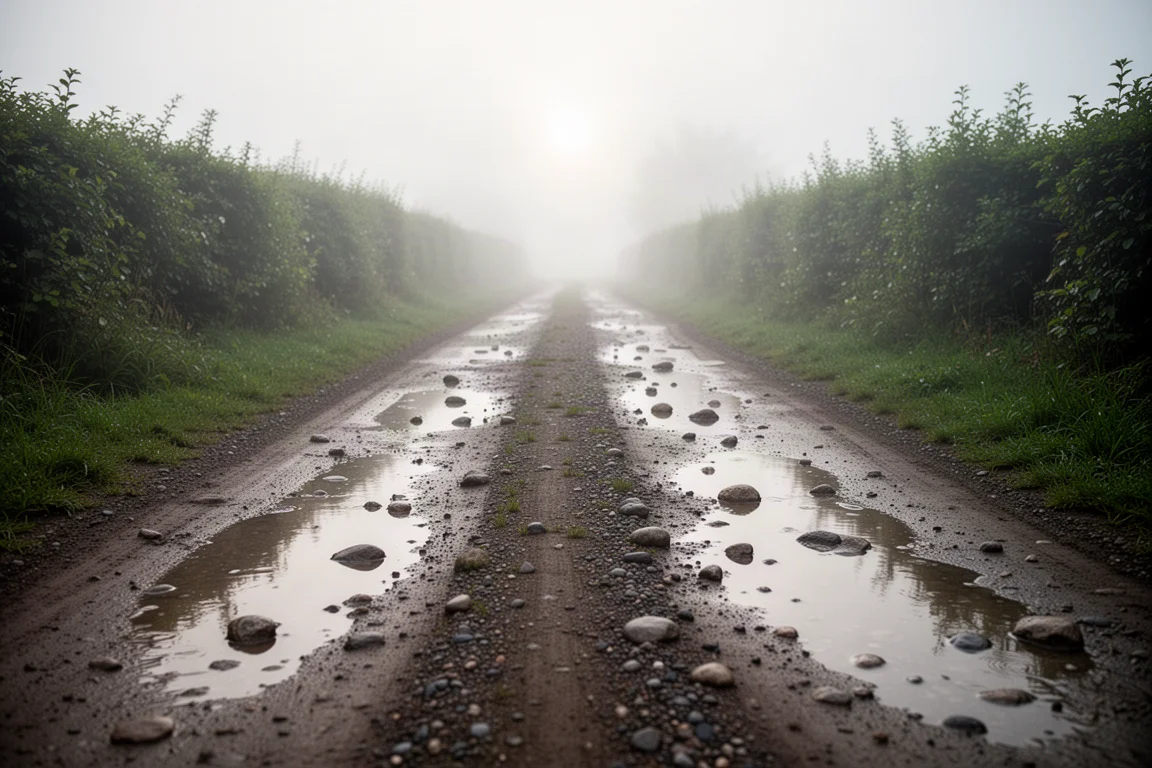
If your riding mixes tarmac links with loose, rocky trail, this tread pattern is a sensible middle ground rather than an extreme in either direction.
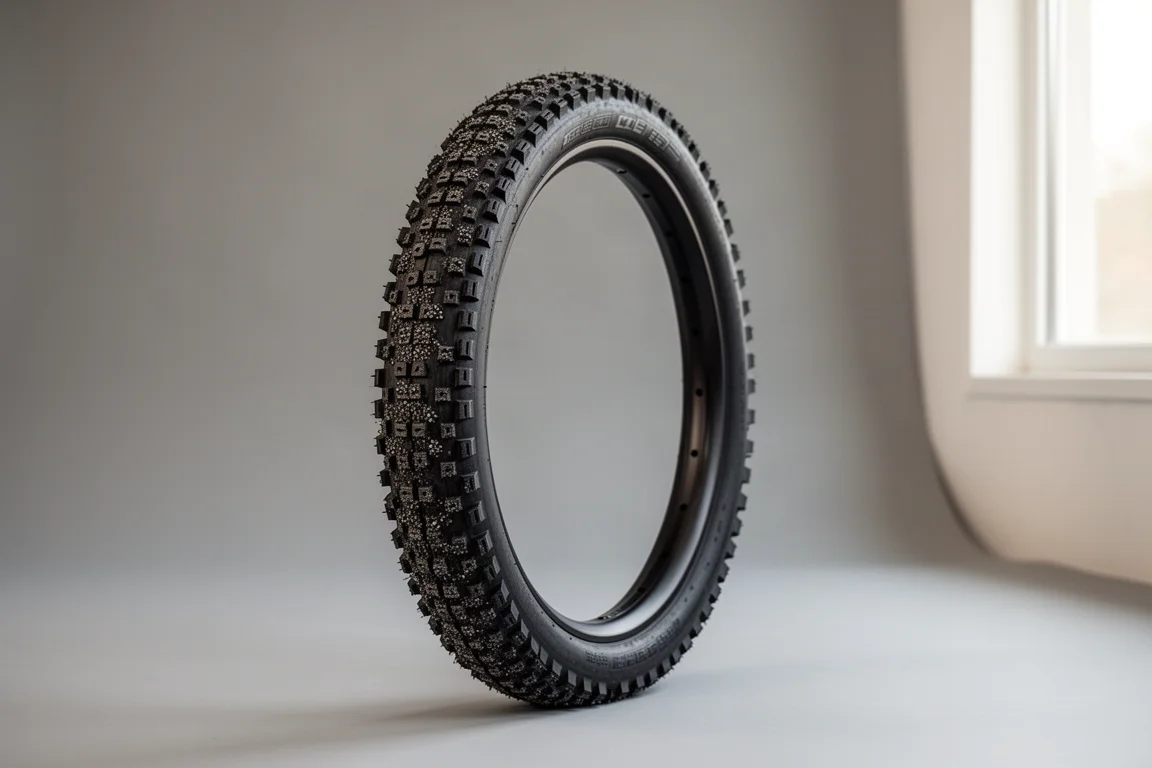
Pirelli Cinturato Gravel: Grip When the Course Turns Wet
The Cinturato Gravel in 45mm made the biggest difference in wet conditions in one of these setups. Measured on wide rims, it came up at roughly 48mm, which is worth checking against frame clearance before committing. Riders who compared it directly against a 45mm fast-rolling gravel tire found noticeably better grip in corners, more confidence on descents, and a clear advantage on wet terrain.
The same rider described the balance of rolling resistance and puncture protection as a strong one, and ran the tires at 27.5 psi with no liners, relying on sealant and plug tools for repairs. For courses where loose, wet corners decide the day, trading a little rolling speed for grip is usually worth it.
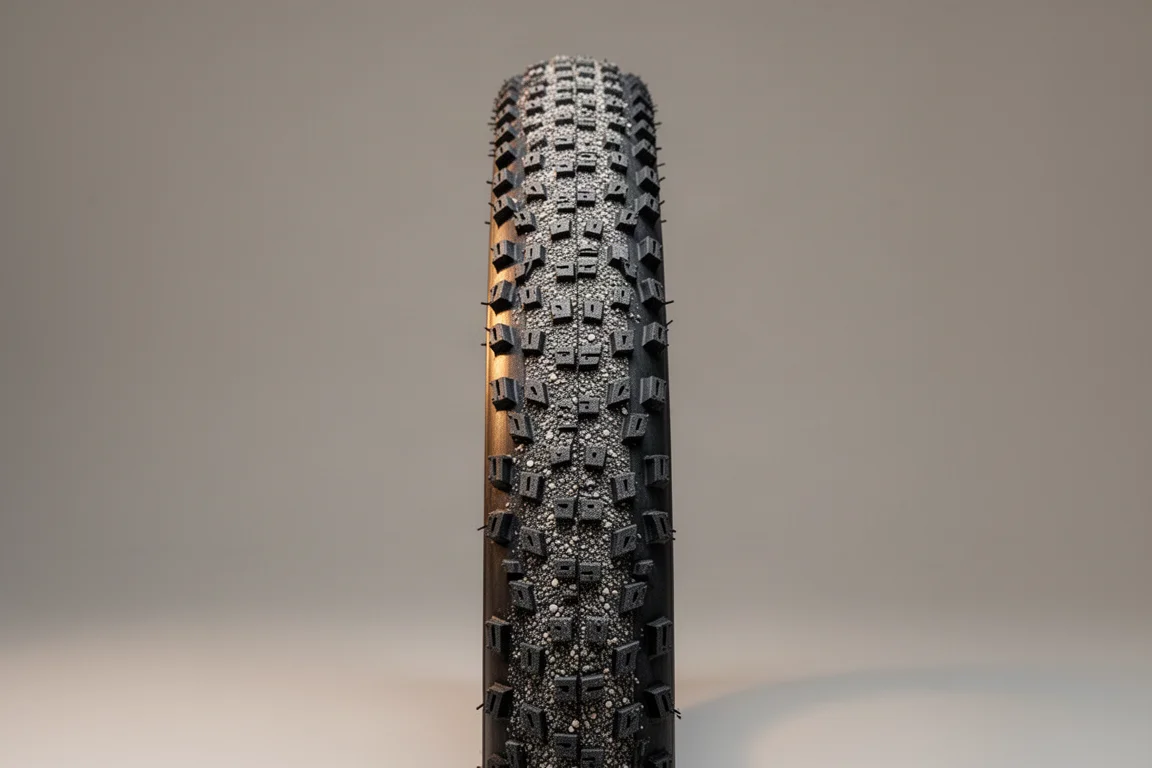
Hutchinson Tundra: The 50mm Front for Mud and Wet Traction
The Hutchinson Tundra is a 50mm tire with a taller tread profile, aimed at wet conditions and mud where extra traction matters more than outright speed. On the monster-gravel build here, the Tundra went on the front, where the taller knobs dig into soft ground, with a 50mm Hutchinson tread normally suited to hard pack and dry conditions on the rear.
On 29er carbon mountain bike rims, the front measured 55.5mm and the rear 55mm, and the setup ran slightly below 2 bar, which the rider described as relatively high but a personal preference for a firmer feel. Puncture protection came from sealant alone, backed up by plugs, a spare tube and needle and thread for heavier terrain.
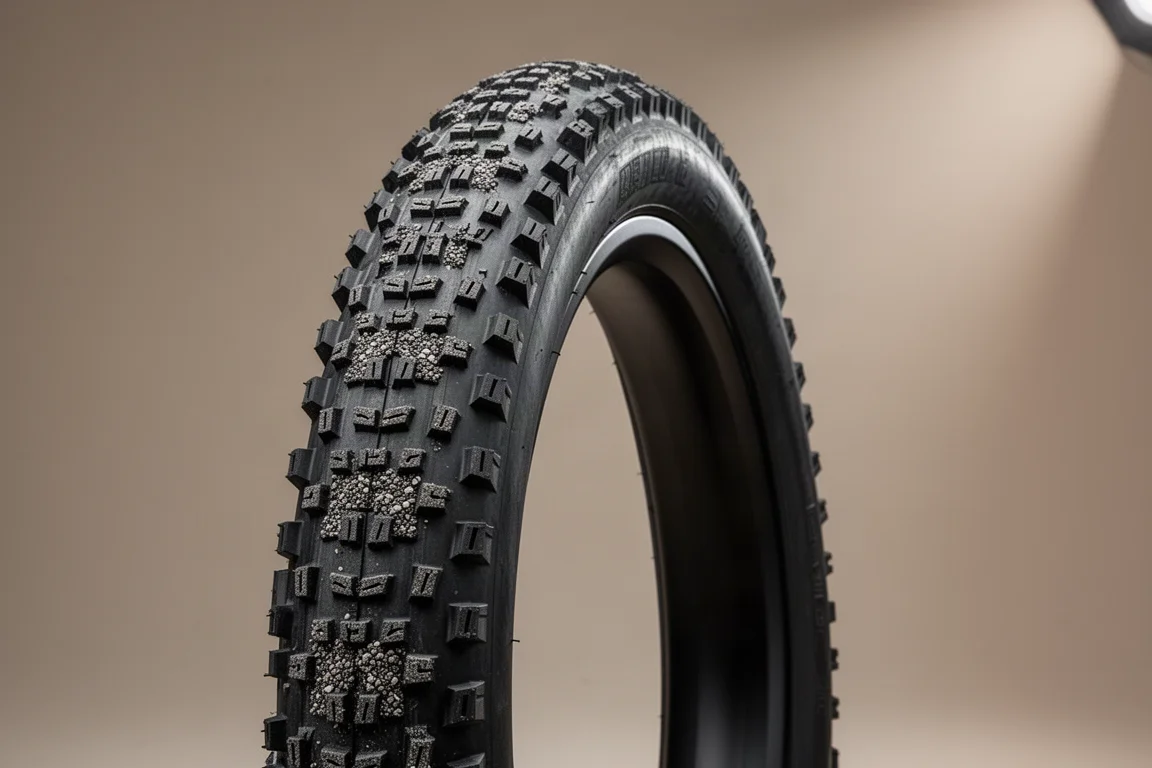
Orange Seal Endurance: Long-Lasting Puncture Protection
Orange Seal Endurance is the sealant that sat inside the 45mm tires of one drop-bar endurance setup. Its job is simple: close small punctures as they happen so the rider never has to stop, which matters enormously over the kind of distances these bikes are built for. The rider still carried plug tools, because sealant cannot handle every hole, but the sealant is the layer that keeps most small punctures from becoming an event.
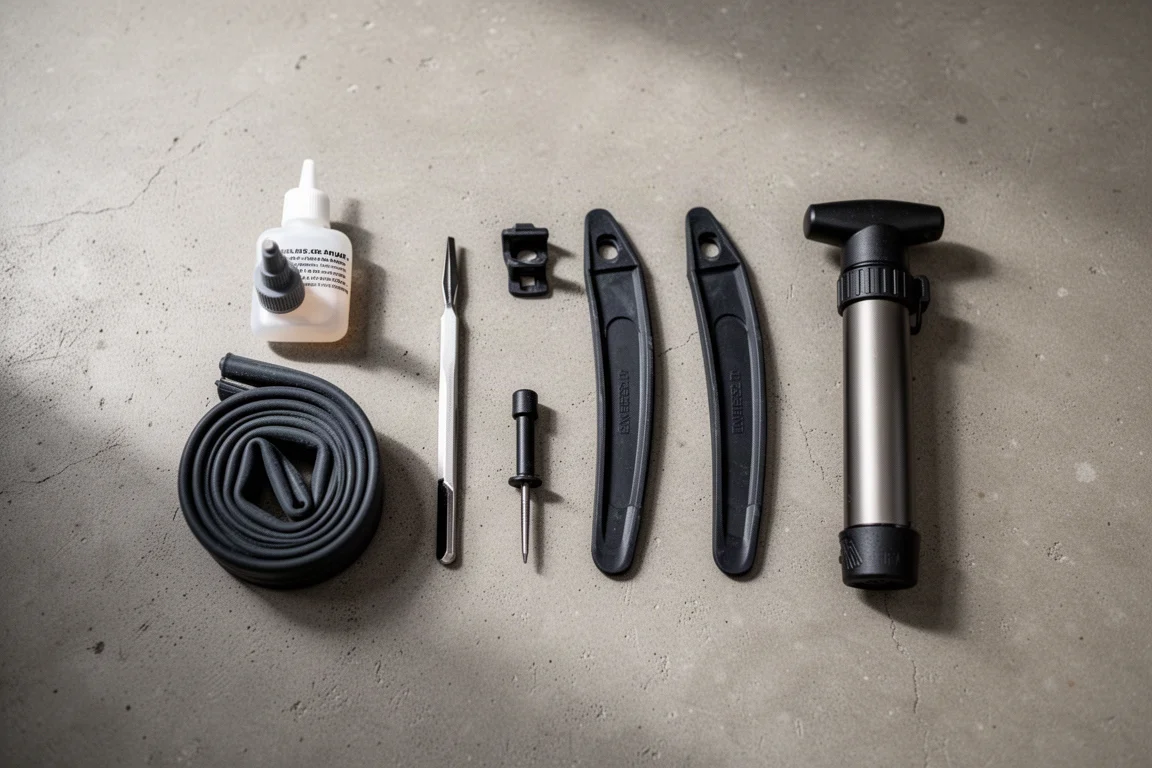
For tubeless gravel setups, an endurance-oriented sealant is the sensible default, particularly if you ride in dry, thorny or flinty conditions where small punctures are frequent.
Dynamic Barkeeper: A Sealant Choice With a Following
Barkeeper from Dynamic Biker is a tubeless sealant that appeared in a 45mm gravel setup run without tire inserts. The rider described it as his only choice for sealing, and the setup relied on the sealant plus plug tools rather than any internal liner.
It is a less commonly seen brand than the bigger sealant names, which can make it harder to find, but riders who prefer a straightforward sealant-only tubeless setup will find it does the same job as the better-known options.
Stan’s Race Sealant: The Old-School Race Formula
Stan’s Race Sealant turned up in more than one of the race setups, always inside 45mm tires and always without inserts. Riders described it as a proper old-school race sealant, one of the originals in the category, and it has stayed in use because it works as a dependable base layer of puncture protection.
As with any sealant, it is only part of the system. Every rider running it also carried plug tools, and most carried a spare tube or a pump as a last resort, which is the realistic way to approach a long gravel event.
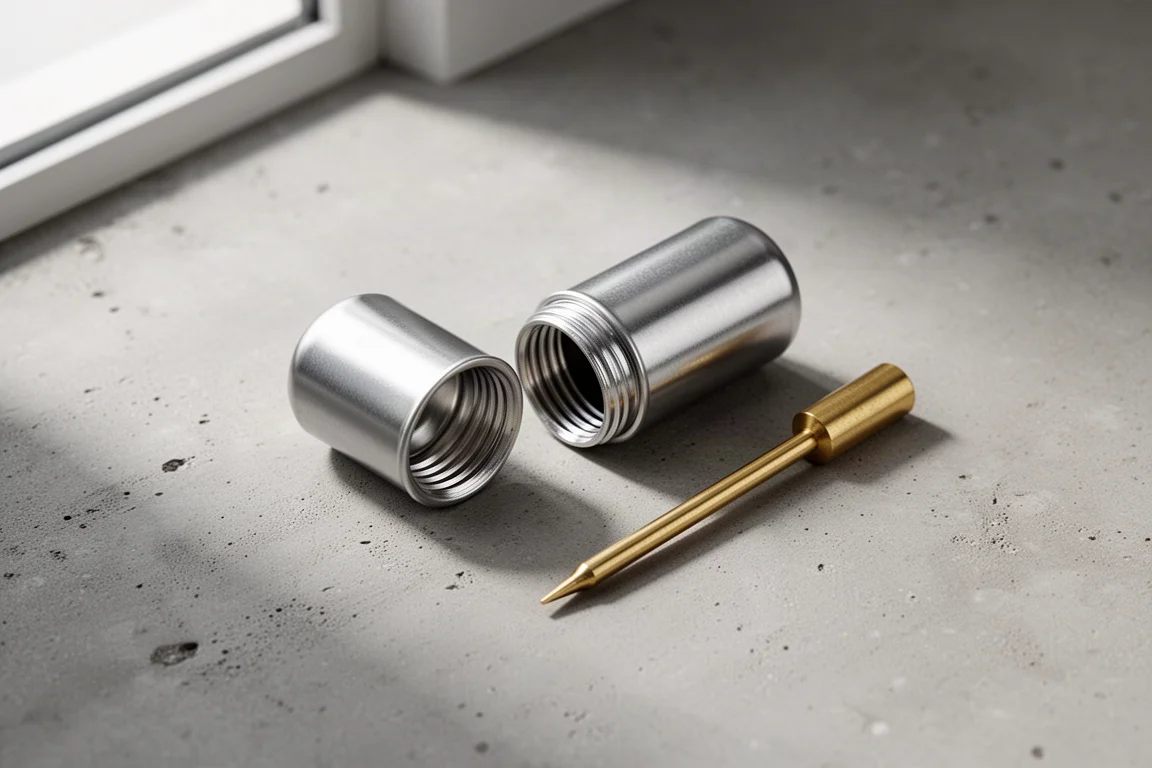
Dynaplug: The Plugs That Finish the Repair
Dynaplug plug tools were the first repair option in nearly every setup here, carried for the moment when sealant fails to close a puncture. Riders kept several plugs on hand and added a second canister in a pocket for longer events, so a second puncture does not end the day. On the heavier mountain-bike-inspired build, the plug kit was backed up with needle and thread for bigger casing damage, and every rider still carried at least one spare inner tube.
The logic is worth adopting: sealant handles the small stuff, a plug handles the puncture that will not seal, and a tube gets you home if the tire itself is damaged.
Buying Advice: Matching Width, Pressure and Sealant to Your Riding
Start with measured width, not the number on the sidewall. A 45mm tire can measure anywhere from 44mm to 48mm depending on the rim it is mounted on, so check frame clearance against the real figure. Wider rims generally produce a wider, more stable tire shape and let you run lower pressure with less risk of the casing rolling in corners.
On pressure, the range seen here for 45mm tires was roughly 27 to 38 psi, with one rider choosing about 45 psi purely for puncture confidence and another running 27.5 psi on a tire that measured 48mm. Heavier riders and rougher courses usually suit the lower end of that range, while smoother courses and a preference for a firmer feel push it higher. Bigger tires can go lower still, as the 55mm setup running below 2 bar shows.
For puncture protection, sealant is the foundation in every setup here, with plug tools and a spare tube covering everything it cannot fix on its own. Match the tire width to your terrain and frame clearance first, then set pressure around your own weight and comfort, and the rest of the kit falls into place.
Conclusion
The pattern across these setups is consistent. Tires in the 45mm range with a fast centre tread and modest shoulder knobs covered most of the racing, with pressure sitting somewhere between 27 and 38 psi. Riders who wanted more comfort or more grip moved up to 50mm and beyond and dropped pressure further, while wide rims quietly made every tire a little bigger and a little more stable than its label suggests.
The supporting products matter as much as the rubber. A wide gravel wheelset lets you run bigger volume safely, and a sealant plus plug kit combination means a puncture is usually a short pause rather than the end of a ride. Choose the width and pressure that match your terrain and your weight, build the puncture kit around it, and the setup will do the rest.
Further reading
Related Reviews
Gravel Cycling
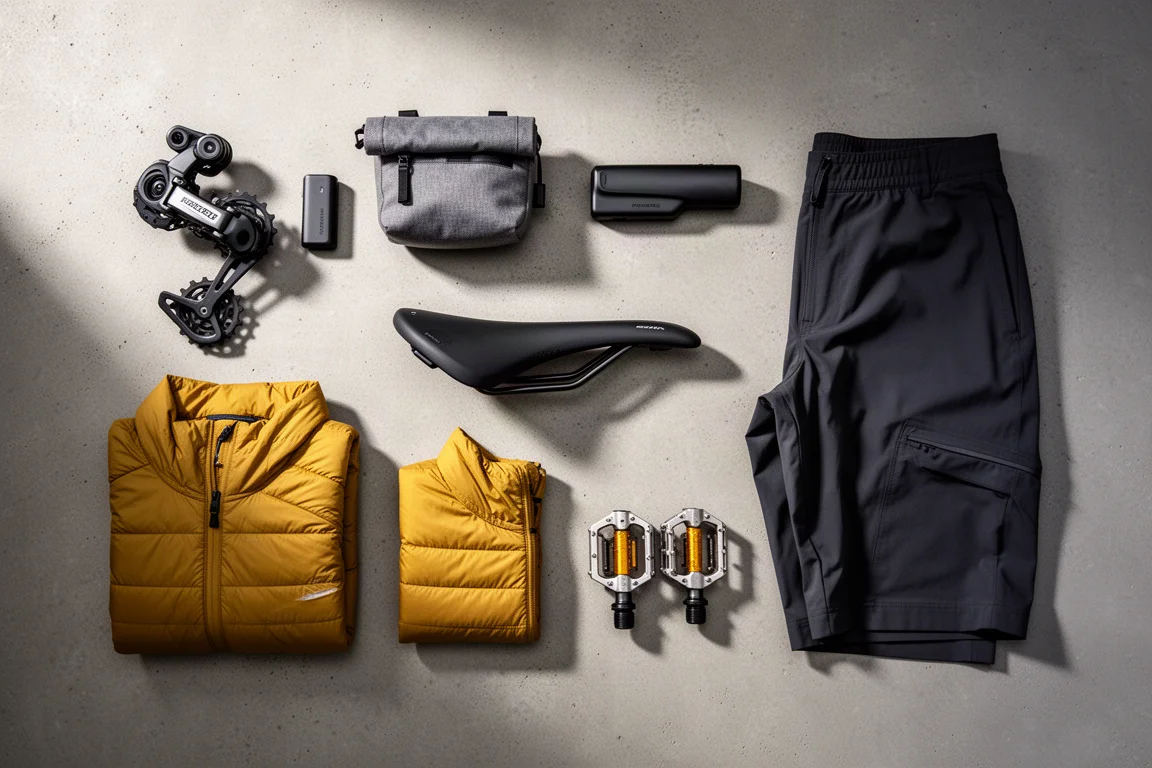
Best Gravel Kit and Components 2026: Eight Standout Picks
Eight gravel picks that earned their place over a year of long rides, from a value wireless groupset and a light carbon frameset to a waterproof jacket that survived a week of Scottish rain.
Gravel Cycling
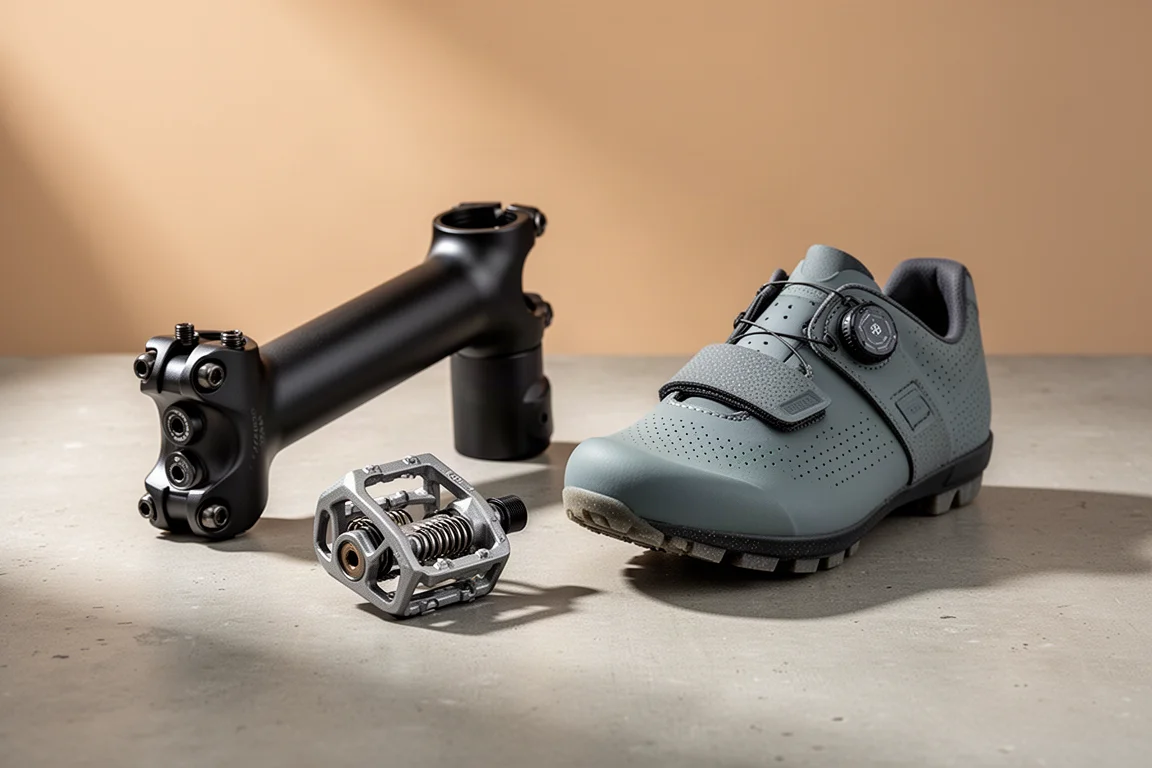
Best Gravel and Off-Road Upgrades: Power Meter Pedals, Suspension Stems and Race Shoes
Five gravel and off-road upgrades that have earned their place, from SPD power meter pedals you can swap between bikes to a suspension stem you can tune on the trail.
Gravel Cycling
Best Wide Gravel Tires and Wheels: Picking the Right Width
A practical look at the widest gravel tires and aero gravel wheels shaping the market, and how to choose clearance that will not date your next bike.