Gravel Cycling
Best Gravel and Off-Road Upgrades: Power Meter Pedals, Suspension Stems and Race Shoes
Five gravel and off-road upgrades that have earned their place, from SPD power meter pedals you can swap between bikes to a suspension stem you can tune on the trail.
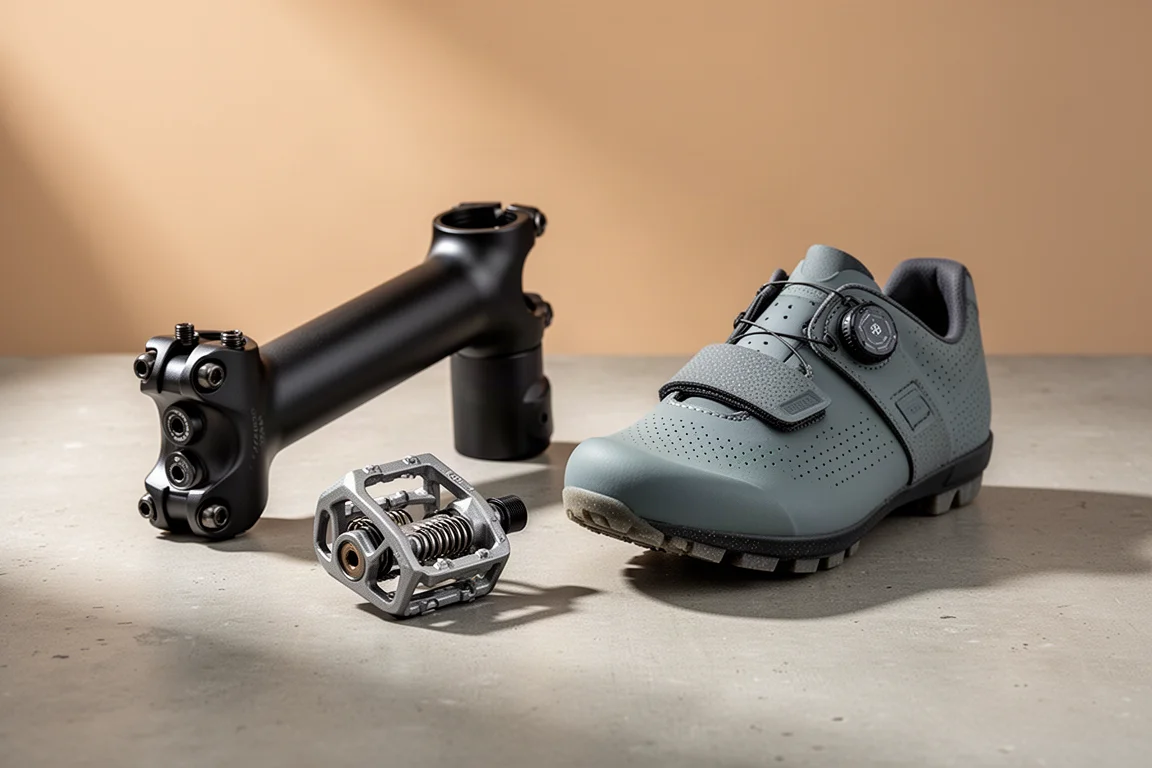
Introduction
Gravel and off-road riding asks more of equipment than smooth tarmac ever will, so the upgrades worth considering tend to be the ones still working after a season of mud, grit and jet washing. The products below have been ridden across mountain bike trails, cyclocross courses, gravel races, bikepacking routes and even a road-based cycle tour, which makes their strengths and their compromises fairly easy to judge.
This roundup covers three areas: off-road power meter pedals that move between bikes, suspension stems that take the sting out of rough surfaces, and a gravel race shoe whose closure system still sets the benchmark. Each entry sets out what it does well and where it asks you to compromise.
What Makes a Worthwhile Gravel Upgrade
Not every part deserves to be swapped. The upgrades that earn their place usually share a few characteristics: they survive wet weather and repeated washing, they work with the components already on the bike, and they do not add weight or cost without returning something noticeable in comfort, data or speed.
Compatibility matters as much as outright performance. A power meter that fits only one bike is far less useful than one that can be moved between a gravel bike and a mountain bike in a few minutes. A stem that needs a workshop session to change its feel is less useful than one you can adjust at the side of the trail.

Serviceability is the quieter factor. Parts that can be repaired, upgraded or adjusted over time tend to stay on the bike longer, whether that means a replaceable pedal body, an elastomer swap or a closure system that can be fine-tuned rather than simply tightened.
Fit and feel remain personal. Two riders can reach opposite conclusions about the same shoe or the same stem, so it is worth reading the specific trade-offs rather than assuming one verdict applies to everyone.
Favero Assioma MX-2: Dual-Sided Off-Road Power
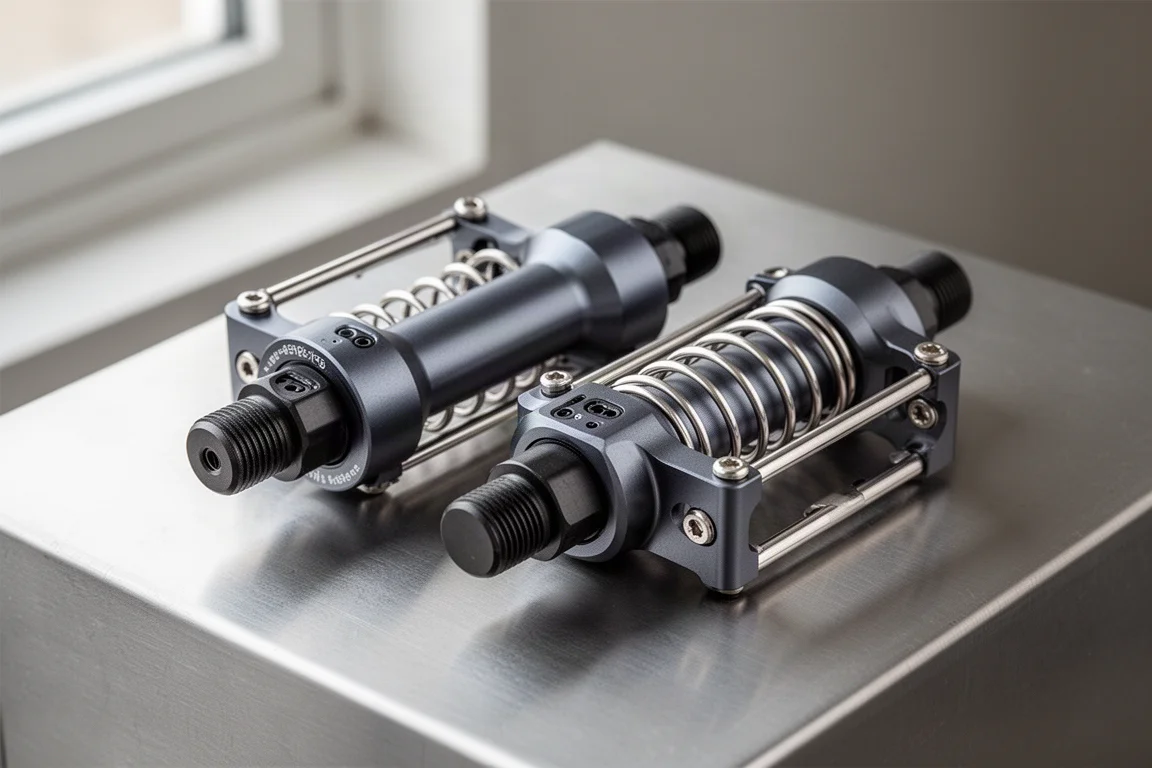
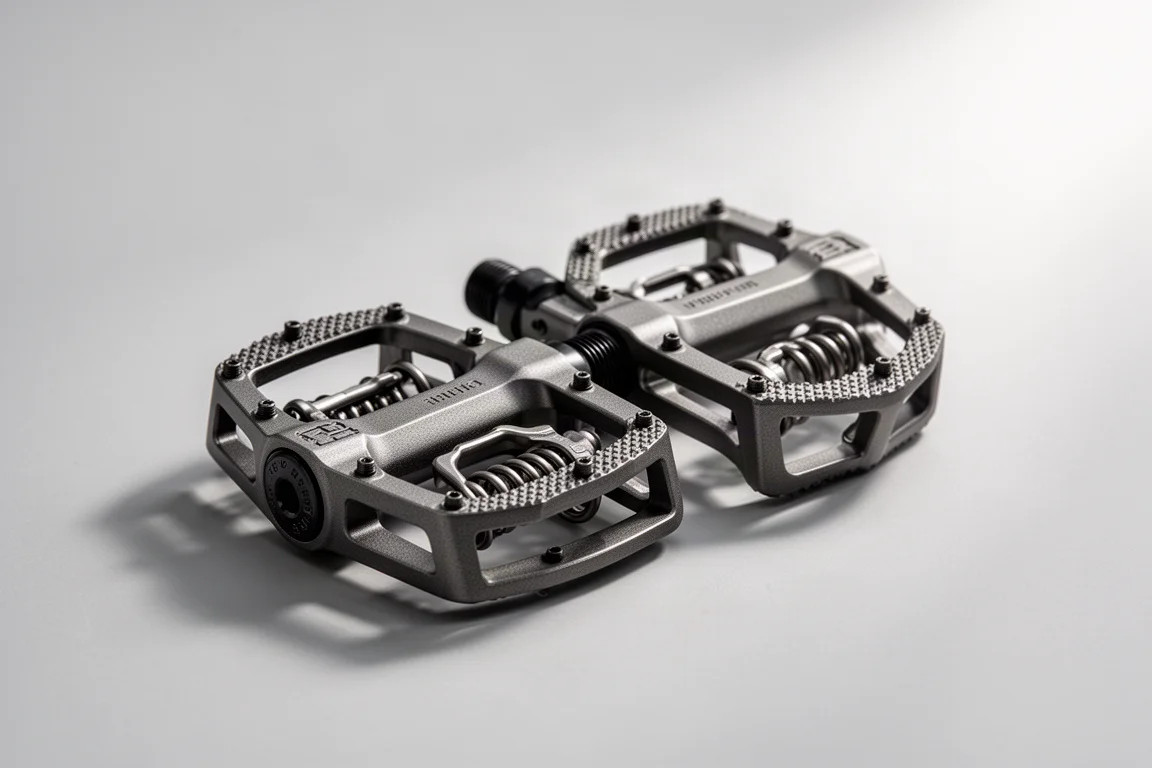
The Assioma MX-2 is an SPD-compatible power meter pedal built for mountain bike and gravel use, and the dual-sided version measures power on each side. That extra data feeds pedalling dynamics such as power phase and left-right balance when paired with a compatible head unit, which is useful for riders who want to understand how they produce power rather than only how much.
Accuracy is claimed at plus or minus one percent, in line with most power systems available today. In a direct comparison against a dual crank power meter on an 85 km off-road ride, the two tracked closely together, which supports the case for using them for training and racing. Pairing with head units from Garmin and Wahoo was straightforward, and the data stayed consistent across bikes.
Living with them is largely fuss-free. Stack height is close enough to a standard SPD pedal that saddle height did not need changing, and stance width made no noticeable difference to pedalling. Clipping in and out feels like a Shimano SPD pedal, with a release tension screw for adjustment. They have been used for mountain biking, cyclocross racing, gravel riding, bikepacking and a road cycle tour, including full submersion in water and jet washing, and they kept working reliably.
The compromises are worth knowing before you buy. They are heavier than a non-power pedal, coming in above 380 g, battery life is not as strong as Garmin’s system, and the battery cannot be removed or charged off the pedal. Charging runs through a cable that clips onto the pedal axle, with a claimed 60 hours of runtime that matched real-world use. A 15 mm pedal spanner is required rather than the 8 mm tool some riders expect, and unlike the Garmin Rally they cannot be converted to a road pedal body. On price they still undercut a comparable Garmin Rally setup at around £850, sitting under £500 direct before import taxes and customs duties. The pedal body itself can be replaced if it is damaged, and after months of rock strikes and crashes the pedals remain one piece, with only cosmetic wear around the edges.
Favero Assioma MX-1: The Single-Sided Route Into Power
The MX-1 is the single-sided version of the same platform, measuring power on one side only, and it can be upgraded to a dual-sided setup later. For riders who do not need the deeper pedalling dynamics, it is the more sensible purchase and the cheaper way into pedal-based power.

Everything else about the platform carries over: the same SPD-compatible engagement, the same release tension adjustment, the same ability to swap between bikes without touching saddle height, and the same sealed construction that has shrugged off water, mud and jet washing.
Durability has held up through crashes and dropped bikes, with wear around the edges but nothing bent or broken. For anyone building consistent power data across a fleet of off-road bikes, the MX-1 keeps the entry cost lower while leaving the door open to a dual-sided upgrade when you want it.
USE Vybe Suspension Stem: Tuning On the Trail
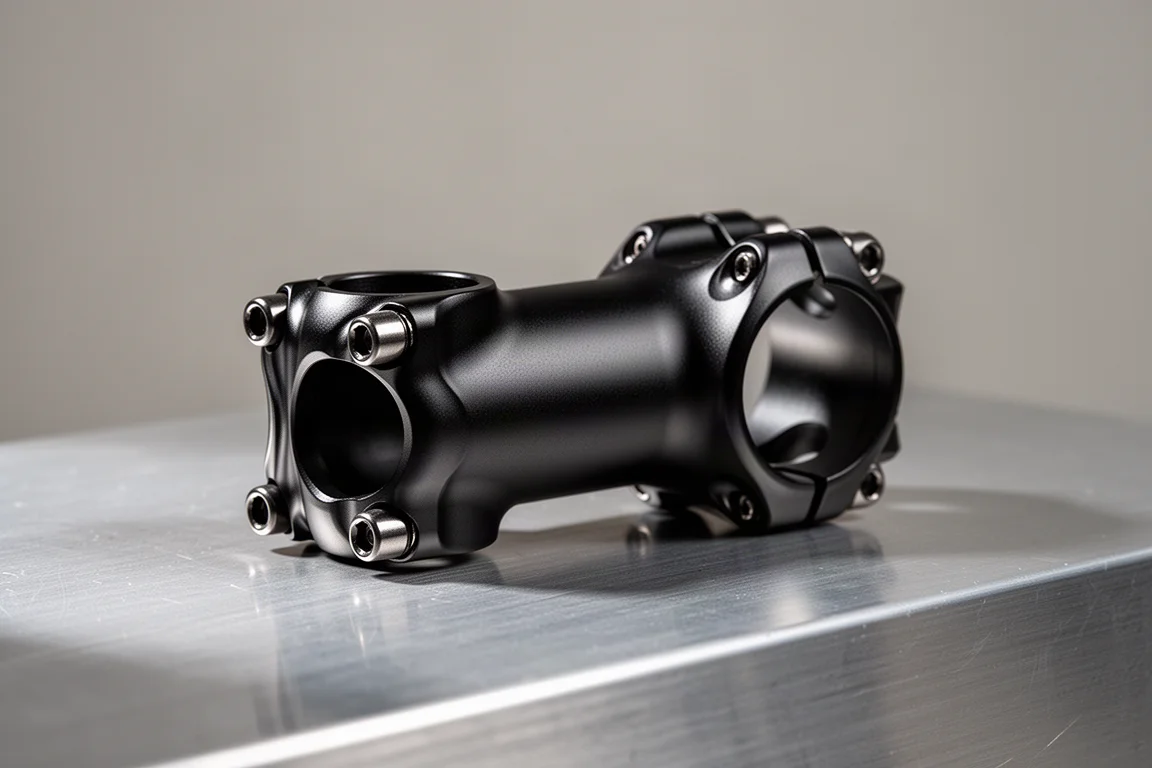
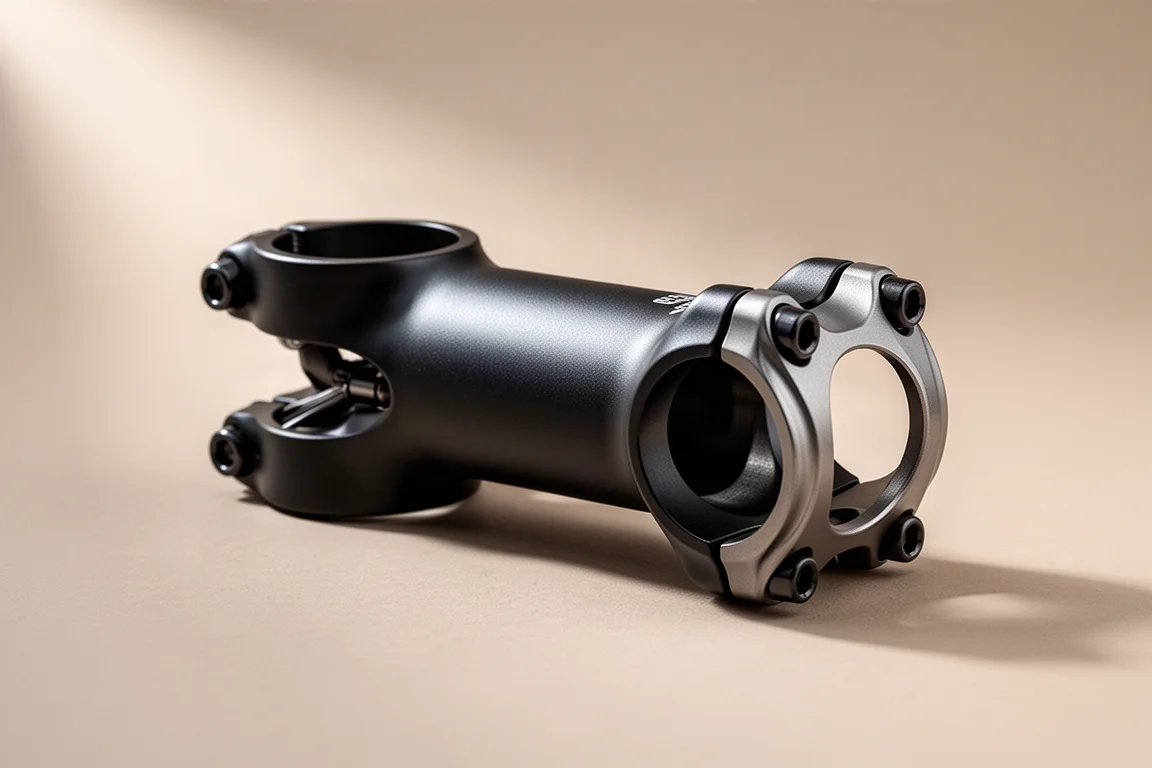
The Vybe is a newer suspension stem from a UK company, and it takes the comfort idea that made suspension stems popular with gravel riders and adds something genuinely useful: compression and rebound adjustment screws on the top and bottom of the body.
That adjustability proved its worth on a three-day bikepacking trip in poor conditions. With a loaded handlebar bag, the stem felt too soft on the first morning, so a few turns of the compression screw with a multi-tool firmed it up for the rest of the trip. The established alternative requires dismantling the stem and swapping elastomers to achieve the same change. The Vybe also uses elastomers inside, which can be tuned for rider weight.
The stem offers 20 mm of travel, and the handlebar arcs through that movement. Riders worried about a pogo-like feel should note that it is not designed to be ultra stiff; the point is controlled movement that takes the sting out of rough trails. Firmer elastomers and more rebound and compression adjustment can be dialled in so the stem reacts mainly to bigger impacts.
It does not replace a suspension fork. A fork works below the frame and isolates the rider from bumps, while a stem works above the frame and isolates the bike, so a fork remains the better choice for technical descending. Even so, the Vybe takes the edge off rocky trails and reduces the forces reaching the hands compared with a rigid stem.
At £80 it is significantly cheaper than the £250 alternative, lighter too, and it looks much closer to a conventional stem. It has been utterly reliable so far, with a longer test planned.
Redshift ShockStop: The Proven Suspension Stem
Redshift’s suspension stem has been a popular gravel upgrade for several years, and the appeal is easy to understand: more comfort with few real downsides beyond price and weight. It works well even with large tyres run at low pressures, adding a layer of absorption that tyre volume alone cannot provide.
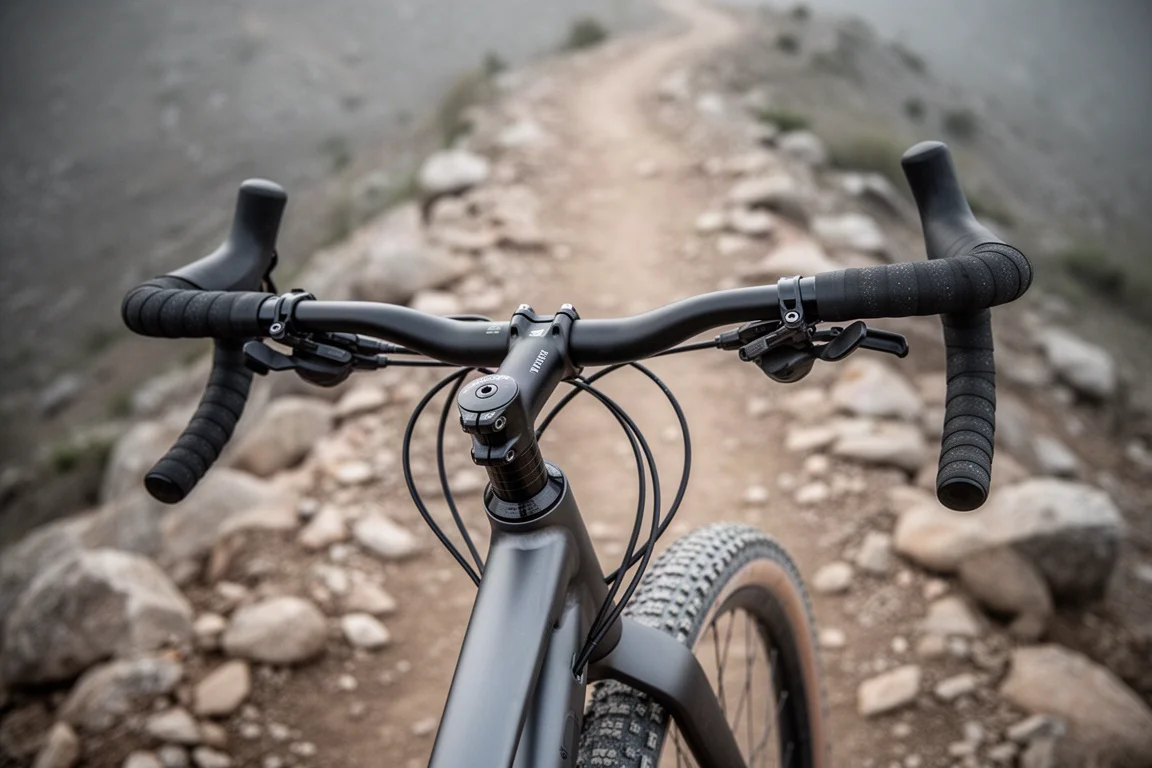
The limitation is adjustability. Making the stem firmer means taking it apart and changing the elastomers inside, which is fine on a workshop bench but not something to do mid-ride when a handlebar bag has changed the load over the front end.
At £250 it is the more expensive route, and heavier than the newer alternative, but it has a long track record with gravel riders and remains a dependable choice for anyone who wants set-and-forget comfort.
Fizik Vento Ferox Carbon: Fit and Closure Matter Most
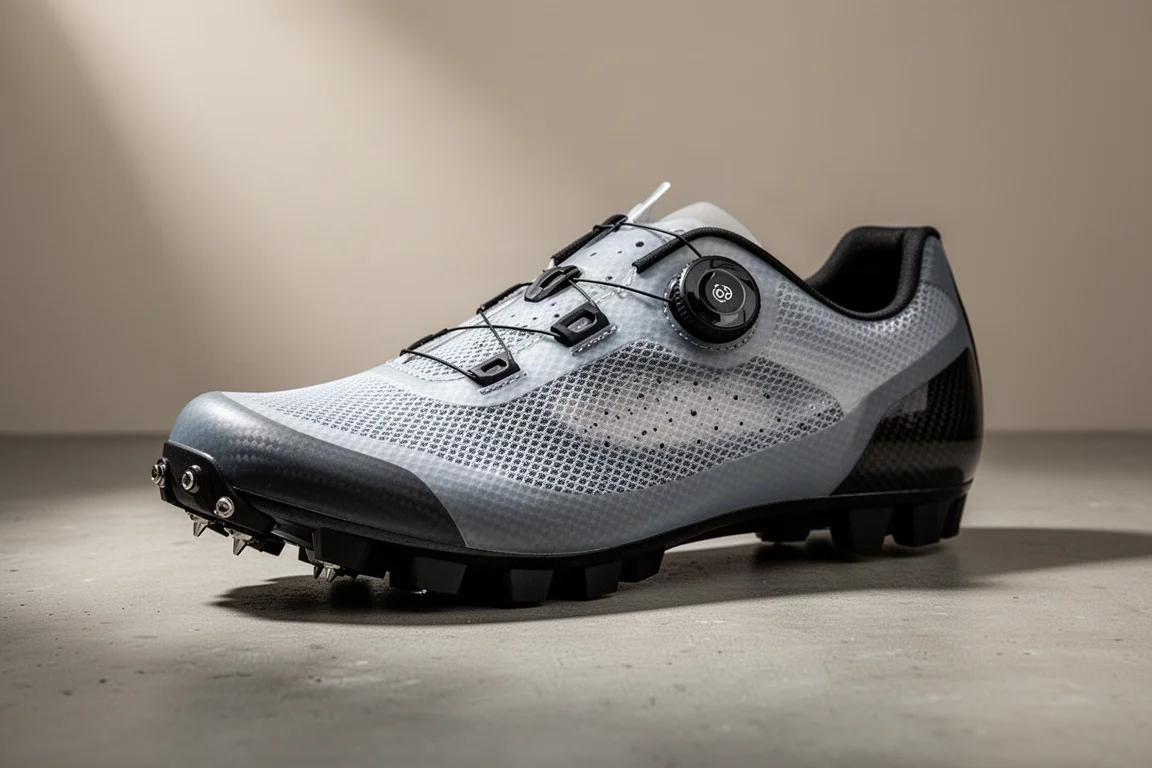
Fizik’s gravel line now covers two very different approaches to holding a foot in place. The newer model has drawn most of the attention: bold colourways with a distinct 1990s feel, a very light upper made from an ultra-thin translucent PU laminate mesh, strong ventilation, and a stiff carbon sole that shows no flex even when it is bent by hand.
The Vento Ferox Carbon takes a different route. Its closure is split between a dial lower on the instep and a hook-and-loop strap across the top of the foot, which lets tension be fine-tuned across two zones instead of one. The result is a secure hold with no pressure hot spots, and it is the shoe that gets chosen when the pace goes up.
That split closure matters because the newer single-dial design asks one dial to manage the whole top of the foot. In use it produced a pressure point across the top of the shoe and a less secure hold, which is a meaningful weakness in a shoe built for racing. Riders cruising at a relaxed pace may never notice it, but it is worth checking before committing.
The trade-offs on the Vento Ferox Carbon are straightforward. It costs more than the newer model, it is a little heavier on the scales although the difference is not obvious by hand, and it does not look as striking. It has been on sale for around two years, so discounts are easier to find. On the newer shoe, the thin ventilated upper also offers limited protection from debris, and a rock thrown up by the front wheel against the toe box is genuinely painful. Sizing on the platform runs true.
Matching the Upgrade to Your Riding
The right order of priority depends on what is actually holding you back. If training data is inconsistent between bikes, power meter pedals solve that problem directly and travel with you. If long days on rough surfaces leave your hands and shoulders battered, a suspension stem delivers comfort for a small weight and cost penalty. If your foot moves inside the shoe when you push hard, no component upgrade will fix that.
It is worth noting that more bikes now ship with crank-based power meters already fitted, which makes the case for aftermarket pedals harder if you ride one machine. For riders with several bikes, pedals that swap between them in minutes remain the more practical route, and they keep data consistent between indoor and outdoor sessions.
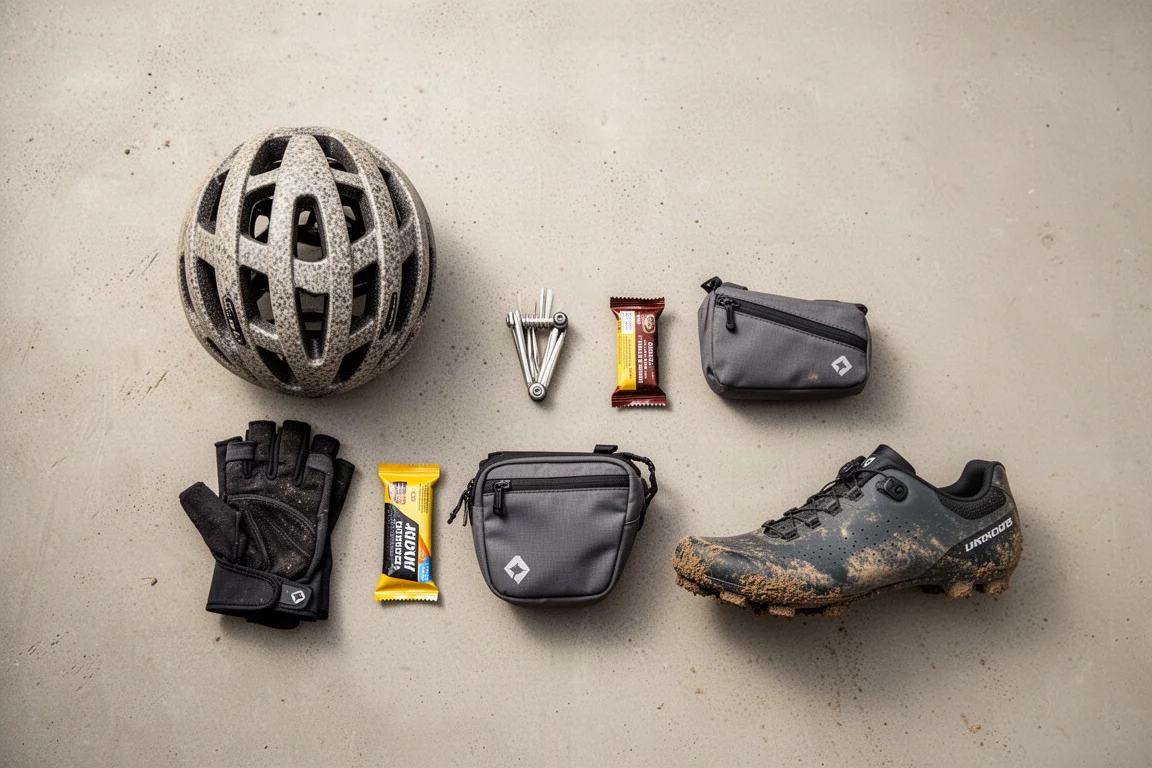
Comfort and control are separate goals. A suspension stem softens the ride and adds a little capability on rocky descents, but a suspension fork remains the bigger step for genuinely technical terrain. Likewise, a stiff carbon sole and a secure closure improve efficiency, yet neither compensates for a shoe that does not fit your foot shape.
The useful approach is to fix the biggest irritation first, ride with it for a few months, and then decide whether the next upgrade is still worth it. All five products here are built to be lived with rather than admired once, which is what makes them sensible long-term additions.
Conclusion
These five upgrades cover the three areas where gravel and off-road bikes most often fall short: consistent power data, comfort over rough surfaces, and a secure connection to the pedals. The Assioma MX-2 delivers dual-sided data with a rugged, swap-friendly platform, and the MX-1 offers the same reliability at a lower entry point. The Vybe brings on-trail tunability at a price that undercuts the established ShockStop, which remains a proven and dependable alternative. The Vento Ferox Carbon wins on fit and closure, even if it costs more and looks less dramatic than Fizik’s newer design. Choose the one that solves your most persistent problem, and the upgrade will earn its place.
Further reading
Related Reviews
Gravel Cycling
Best Gravel Kit and Components 2026: Eight Standout Picks
Eight gravel picks that earned their place over a year of long rides, from a value wireless groupset and a light carbon frameset to a waterproof jacket that survived a week of Scottish rain.
Gravel Cycling
Best Gravel Race Tires, Wheels and Sealants: A Practical Setup Guide
A roundup of gravel tires, wheels and sealants, with measured widths, real race pressures and the puncture kit that holds a fast setup together.
Gravel Cycling
Best Wide Gravel Tires and Wheels: Picking the Right Width
A practical look at the widest gravel tires and aero gravel wheels shaping the market, and how to choose clearance that will not date your next bike.