Gravel Cycling
Best Gravel Kit and Components 2026: Eight Standout Picks
Eight gravel picks that earned their place over a year of long rides, from a value wireless groupset and a light carbon frameset to a waterproof jacket that survived a week of Scottish rain.
Introduction
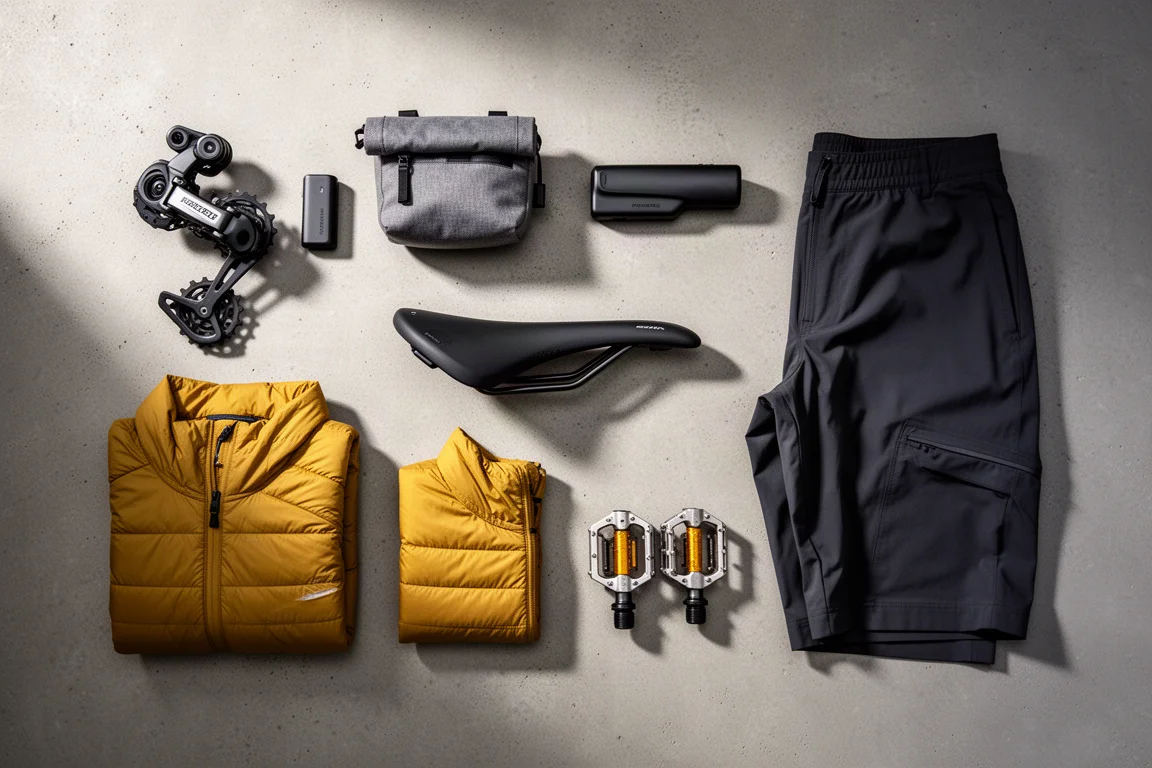
Every season brings a fresh wave of gravel bikes, components and clothing, and the interesting question is never what is new but what actually earns its place on the bike after months of riding. The eight picks below are the items that stood out over a year of long gravel rides, bikepacking trips, cyclocross races and everything in between.
Some are performance upgrades, some are comfort fixes, and at least one is a genuine bargain. Together they cover the whole picture: the frame, the drivetrain, the contact points, the luggage, and the layers you wear when the weather turns.
What These Picks Have in Common
None of these items were chosen because they look good in a catalogue. Each one solved a specific problem that came up repeatedly on real rides, whether that was mud packing into a pedal, food sitting out of reach on a long day, or a jacket that could not cope with rain lasting a week.
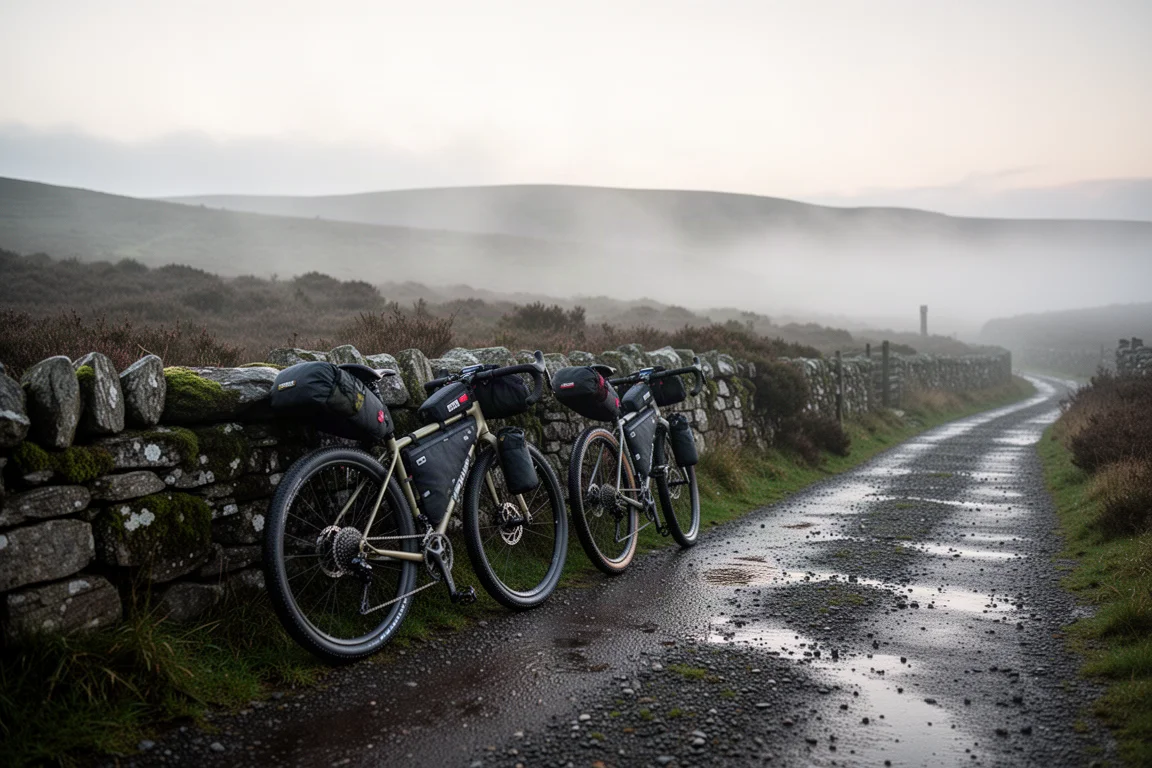
There is also a practical thread running through the list. Value matters more than badge appeal, and several of these items are deliberately the cheaper option in their range, chosen because the performance gap is small and the replacement cost is not. Others are genuinely premium, but only where the extra money buys something you feel on every ride, such as a lighter frame or a saddle that finally fits properly.
Everything here is also durable enough to be used hard. Gravel riding is unkind to equipment, and kit that only works on a dry summer day is not worth carrying.
SRAM Apex AXS: Wireless Shifting at a Friendlier Price
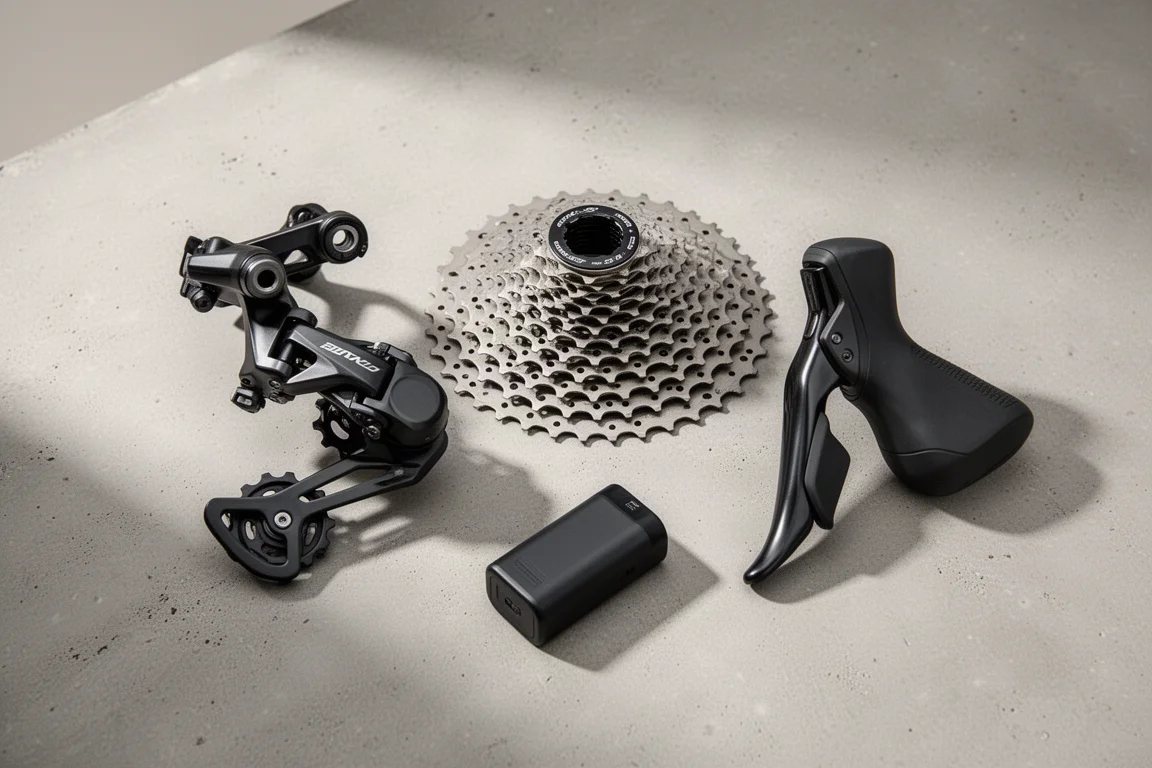
SRAM Apex AXS is the brand’s most affordable wireless groupset, and the surprise is how little it gives up. Shifting performance matches the higher tiers in the range, and the system has stayed tough and accurate across a lot of miles, including rides where the bike was deliberately abused in bad conditions.
The argument for Apex is not only the initial cost. On a bike built to be used in the worst weather and on the roughest surfaces, a cheaper rear derailleur is easier to live with when a rock or a tumble takes it out. A replacement Apex rear derailleur costs around £295, against roughly £610 for the premium equivalent, which is a meaningful difference for a part that is genuinely at risk.
The premium group saves some weight and looks more polished, but for a gravel bike that gets ridden hard, that trade is easy to justify.
Cannondale Topstone Lab 71 Frameset: A Lightweight Gravel Foundation
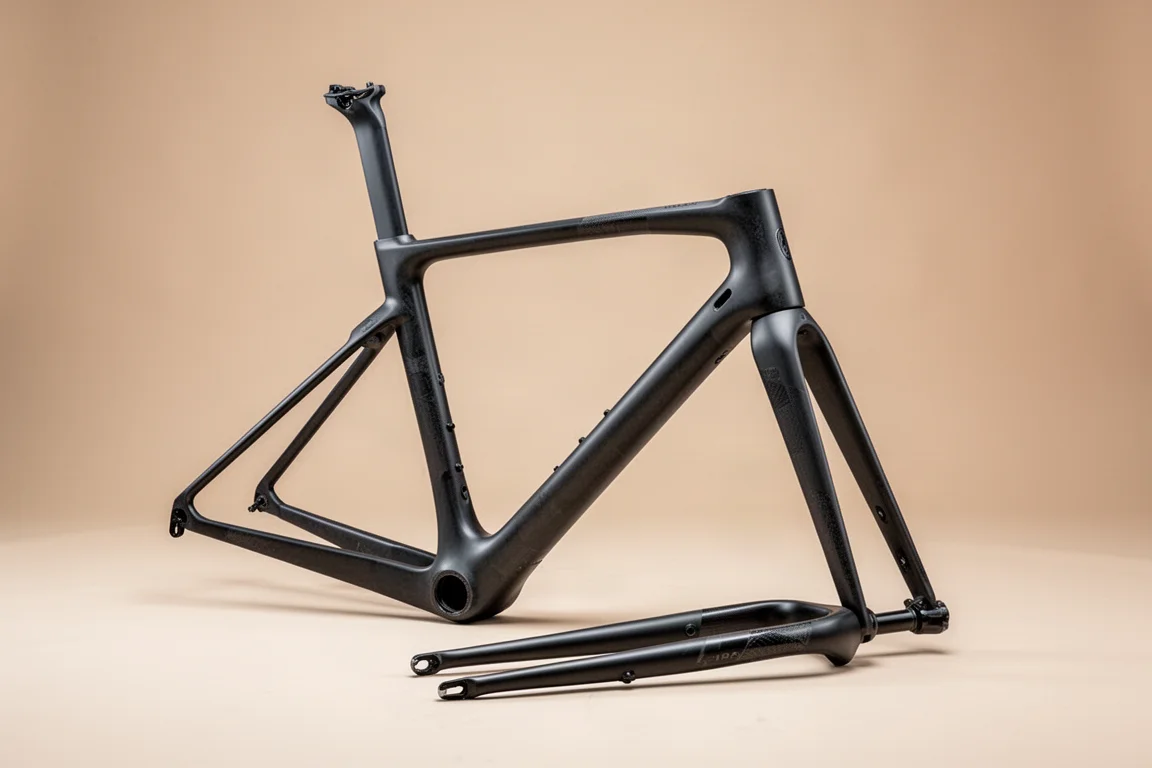
The Topstone Lab 71 frameset is a lightweight carbon platform, and it makes a convincing basis for a dream gravel build. Paired with lightweight carbon wheels, wide tyres, a carbon cockpit and a dropper post, it forms a fast and capable machine that still feels composed when the surface turns rough.
The build numbers are worth noting. With every part at full retail, the complete bike came to $7,100 and weighed 9.07 kg in a size 58, including two bottle cages, the frame mounting set, a flat toolkit, pedals and wireless blips. Take those away and the bare bike is 8.38 kg, which is plenty light for demanding gravel riding.
Uniqlo Ultra Light Down Jacket: Warmth That Packs Down Small
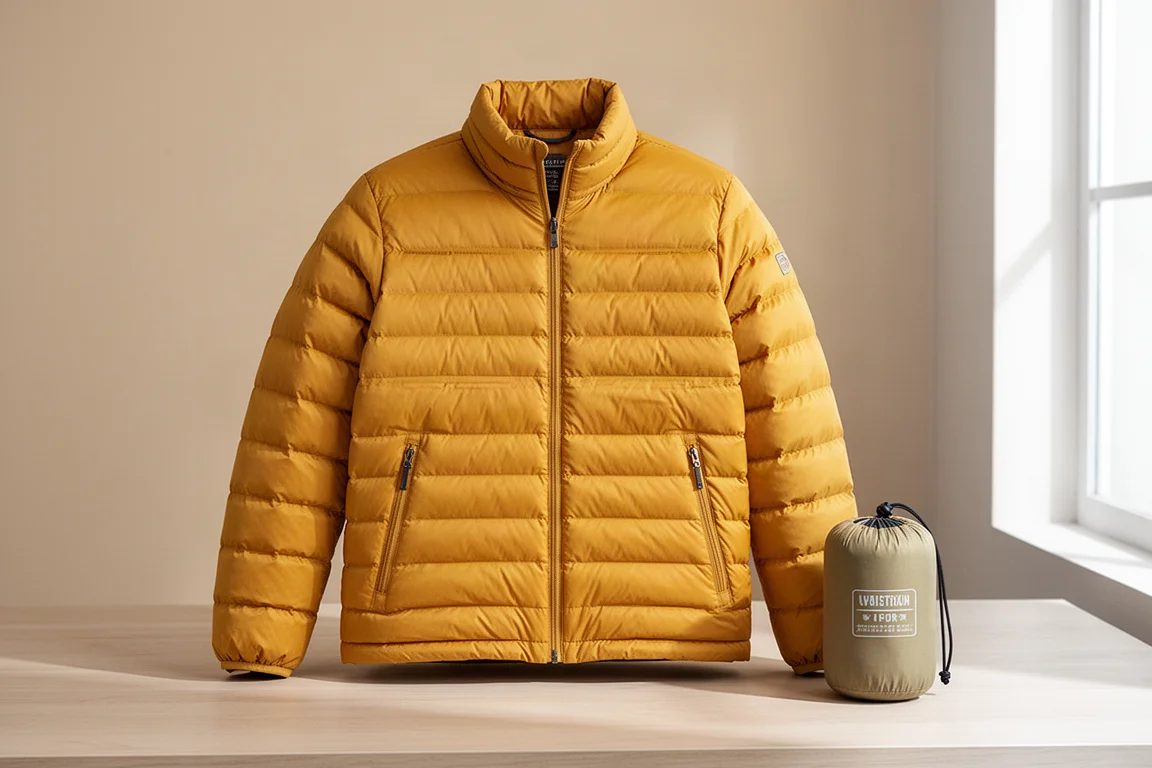
For bikepacking, an insulated jacket has to be warm, light, packable, and ideally cheap enough that you do not mind stuffing it into a damp tent. The Uniqlo Ultra Light Down jacket covers all four. It is warm, it packs down genuinely small, it is light, and it costs very little.
This jacket has a small following among backpackers even though Uniqlo is not known for technical outdoor clothing. A nearly new example can be found for around £15, and new ones generally sell for around £70. For touring and bikepacking, where clothing takes a beating, that price changes how you treat the jacket. Dribbling food down the front while hunched in a tent vestibule becomes an annoyance rather than a disaster.
Look X-Track Pedals: Mud Clearing You Can Trust
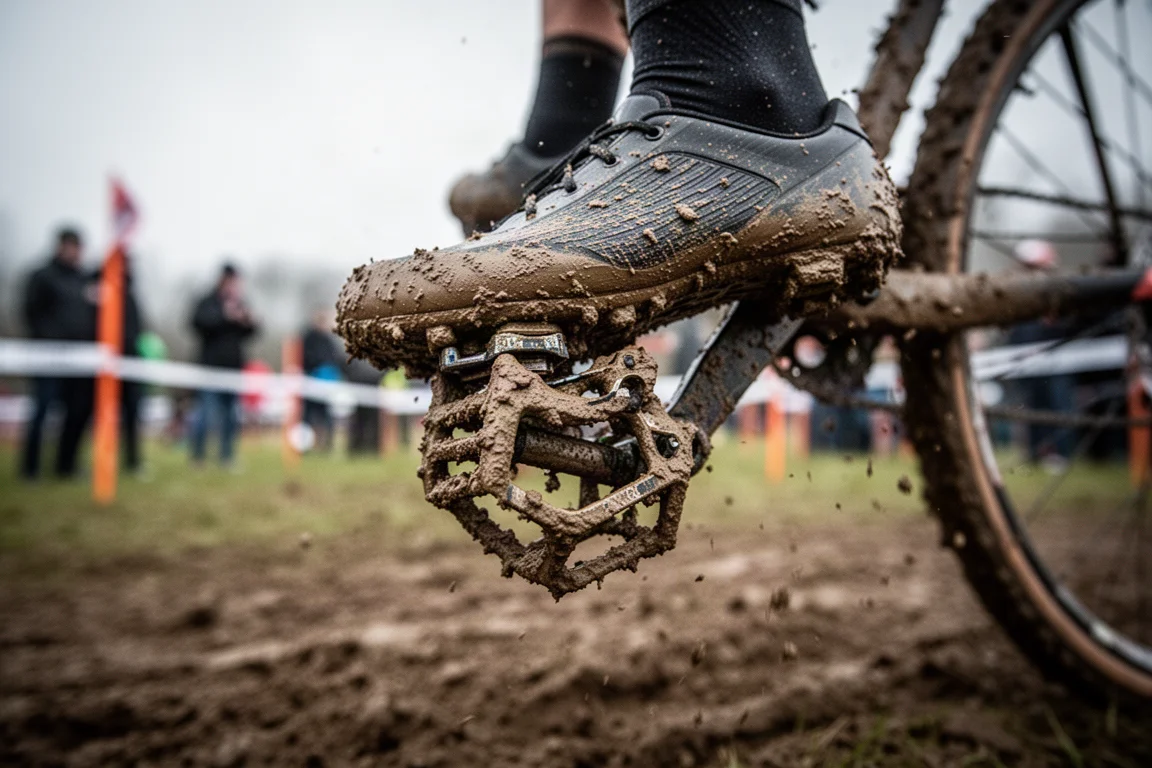
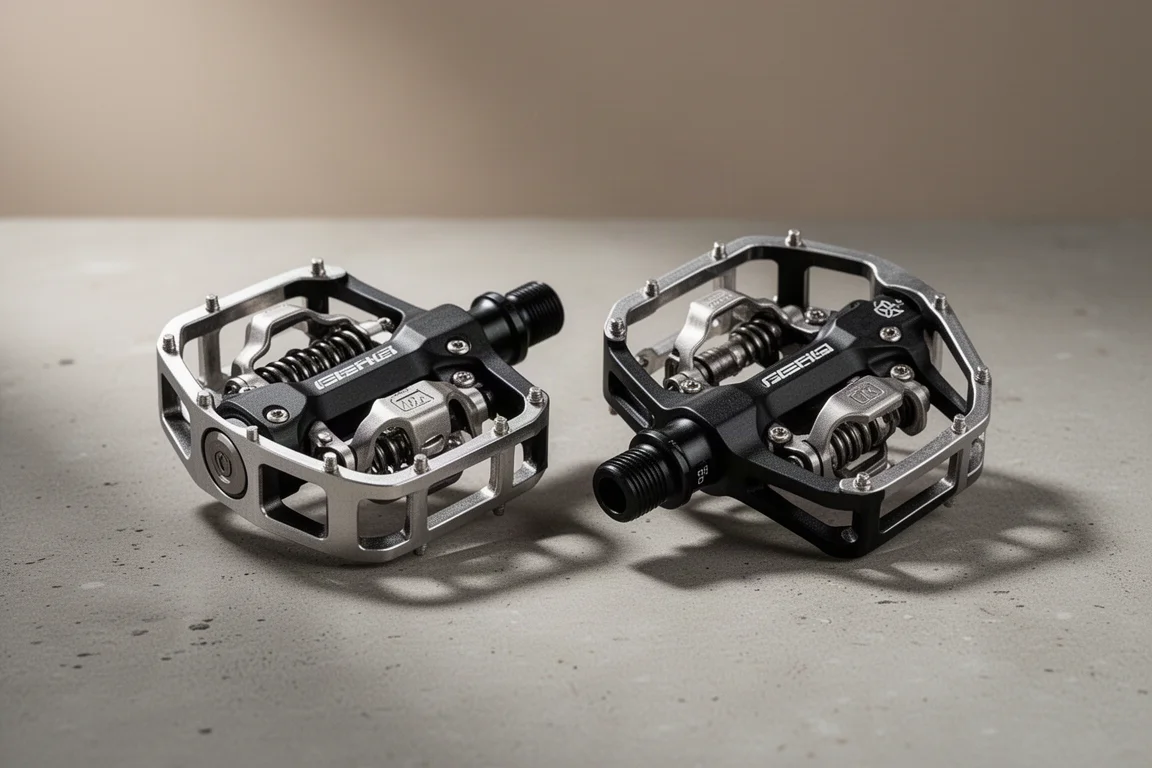
Mud clearance is the whole game with off-road pedals. The Look X-Track uses an open cage design that closely follows the layout long favoured for gravel and cyclocross duties, and it works.
The real test came at a regional cyclocross championship on a course that turned deep and tacky. An enormous amount of running through the technical sections filled shoes and pedals with mud, and small stones were thrown into the mix, yet the pedals kept clearing well enough to get feet back in. The bearings have shown no signs of distress after plenty of jet washing, and the pedal bodies are still in good shape.
The bonus is the pedalling platform. It gives a noticeably stable foot position, which longer gravel rides and sensitive knees appreciate.
Apidura Backcountry Snack Pouch: Food Within Reach
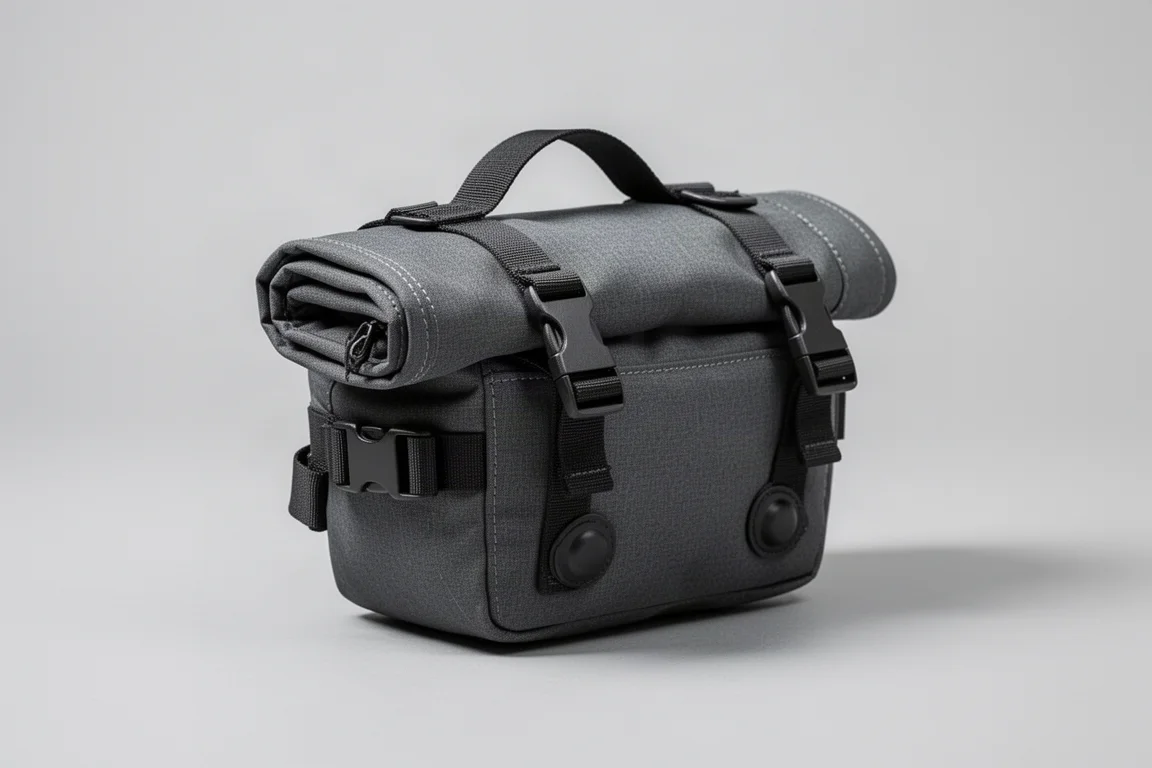
The Backcountry snack pouch from Apidura has become a permanent part of the bikepacking setup. It mounts easily by wrapping around the head tube, then sits sturdily on the handlebars.
It is fully waterproof, with a roll-down top that closes when rain arrives, and it offers 1.2 litres of storage. The real value is access. Having a large amount of food directly in front of you makes it far easier to keep eating on long rides, which means fewer energy dips and better days overall. It has also been used to hold an external charger so a computer can be topped up on the move.
Two small bumpers on the rear face are placed specifically to stop the bag rubbing the paintwork, a small detail that matters on a bike you care about.
WTB Gravelier Saddle: Comfort for Long Gravel Days
Saddle choice is personal, but the WTB Gravelier has been the most comfortable option after almost five years of searching. This is the medium size with carbon rails, retailing at $250, and cheaper models share the same shape.
Weight is a light 160 g, with dimensions of 140 mm wide and 246 mm long. The shape matters more than the numbers. The profile is thin but keeps a slight curve that the rider can sit into, which holds position without creating pressure. WTB explains the gravel-specific design through that side profile: gravel riders spend more time in a forward position, and the shape is intended to cradle the rider and provide locked-in support.
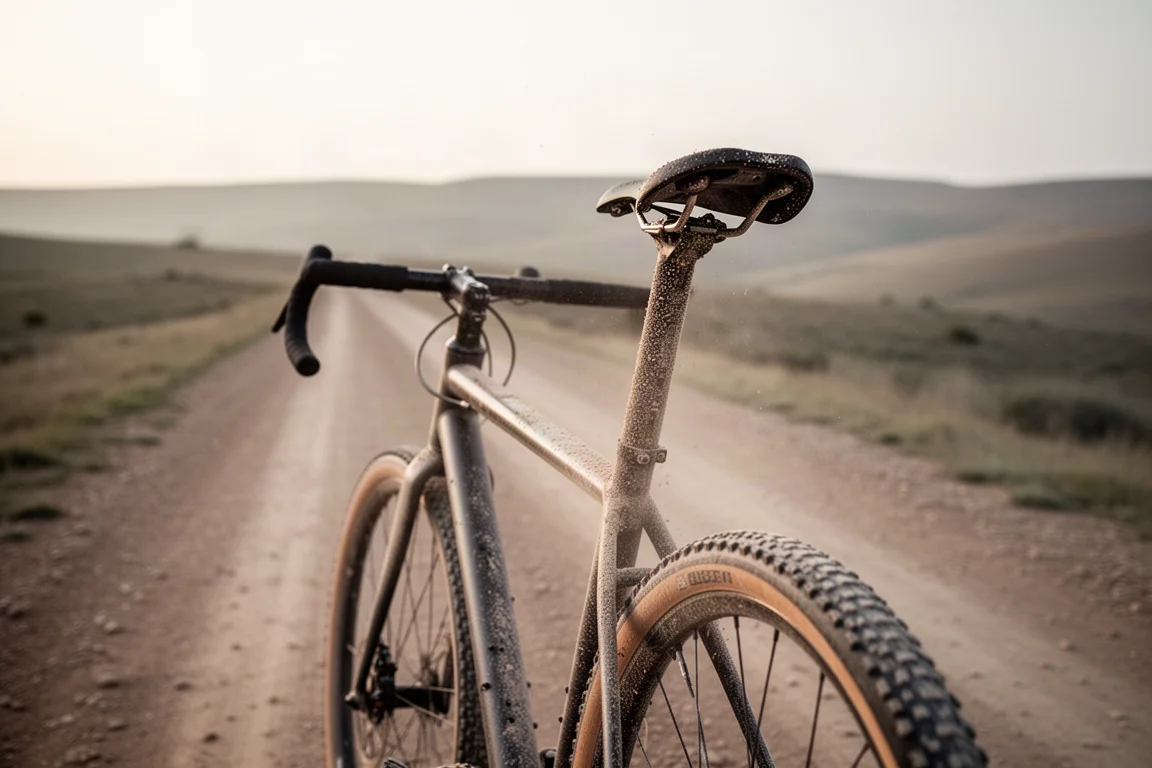
For anyone who has struggled to find a saddle that stays comfortable past the three hour mark, this shape is worth trying, and the cheaper versions make that experiment easier to justify.
Specialized ADV Shorts: Off-Bike Comfort, On-Bike Cut
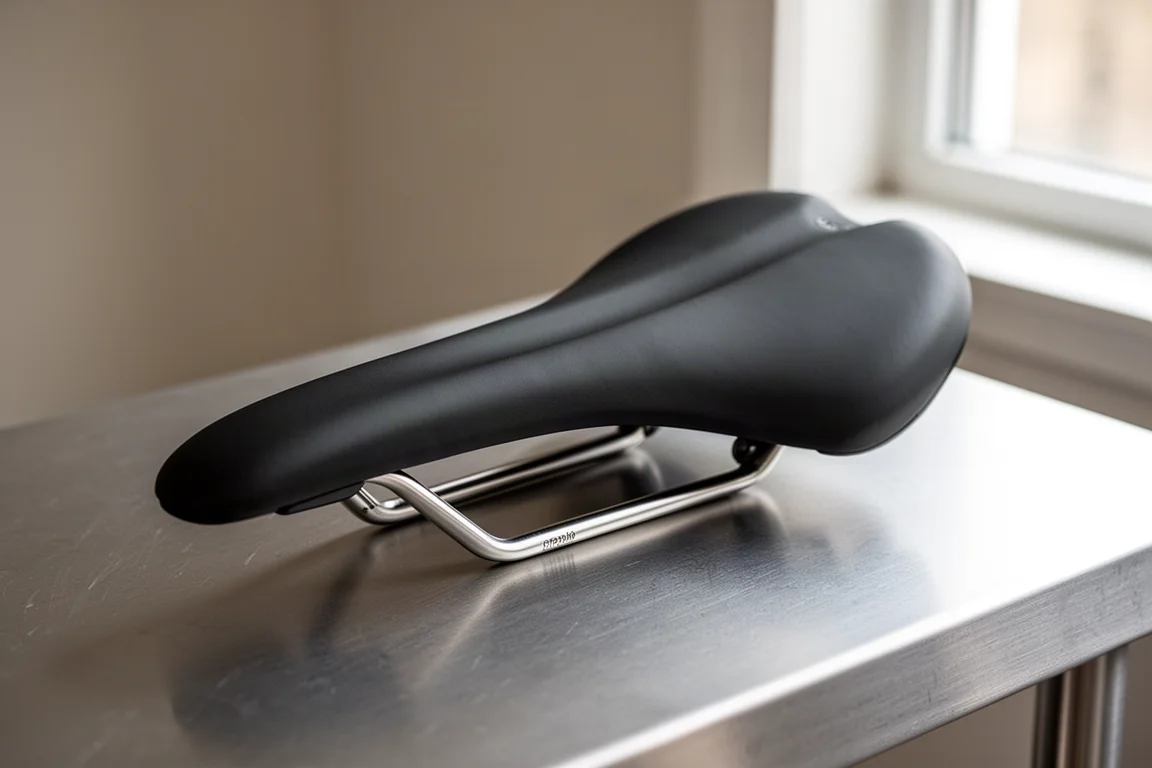
Baggy shorts on a gravel bike used to be a divisive look. The Specialized ADV shorts settle the argument. They use a breathable woven fabric, include useful pockets for everyday use, and are comfortable enough to wear at home or around an office.
The cut is the clever part. It is shaped for an on-bike posture without riding up the leg, so the shorts stay where they should while pedalling. They work paired with a padded inner liner or ordinary bib shorts, and they can also be worn on their own for shorter rides around town. That combination makes everyday errands on the bike much simpler, whether that is a supermarket run or a coffee stop in the middle of a gravel ride.
Patagonia Dirt Roamer Storm Jacket: Protection for Wet Rides
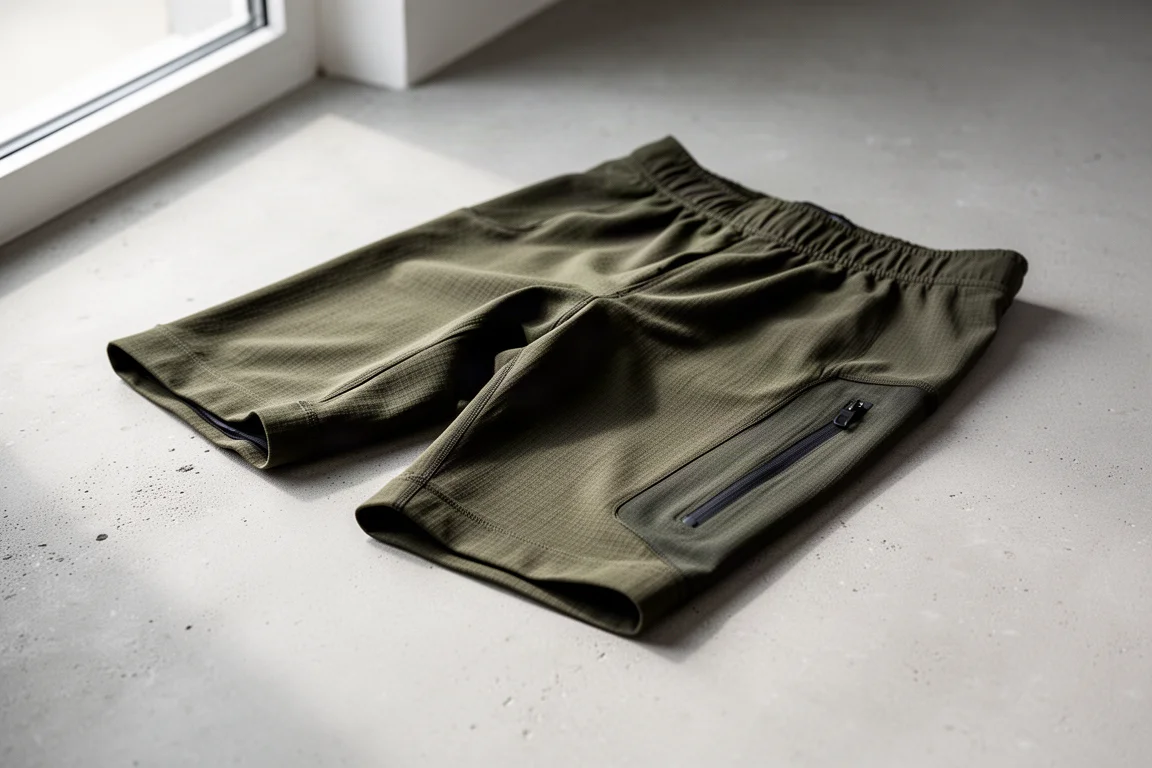
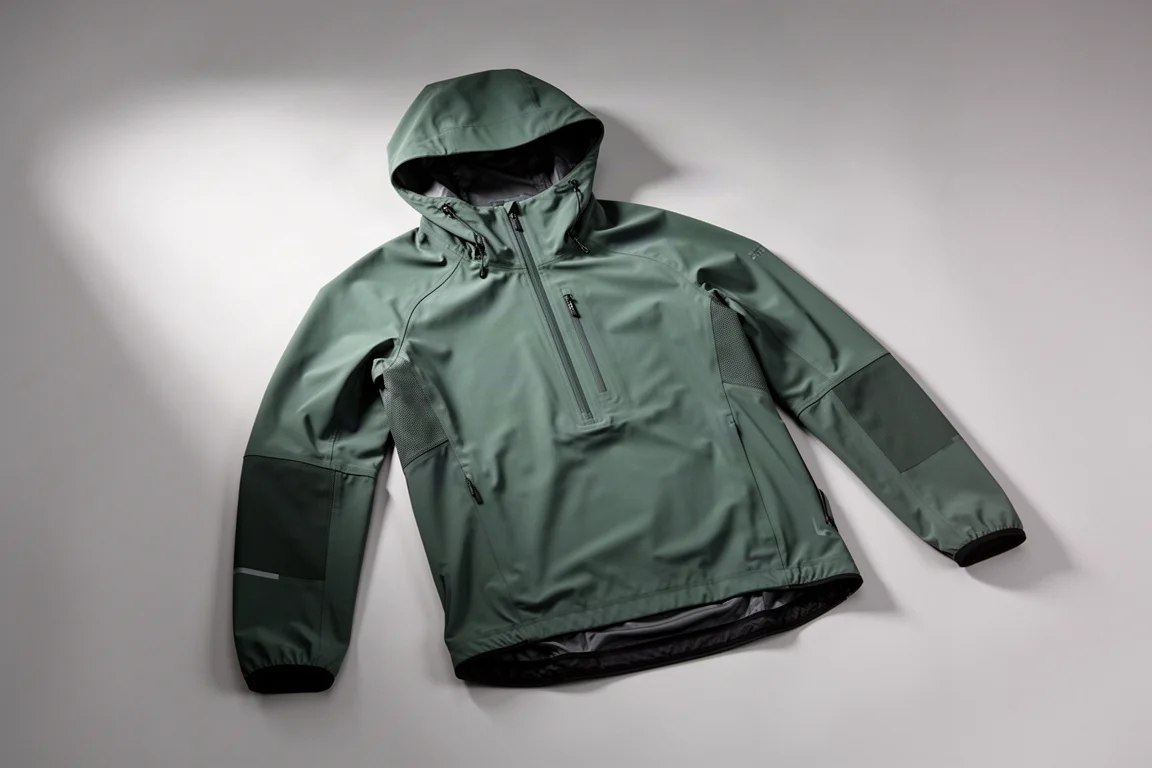
The Dirt Roamer Storm is classed as a mountain bike jacket, but it works perfectly well for gravel. It is lightweight, fully waterproof and breathable, and made from recycled fabric. Protection comes from a three-layer stretch shell with abrasion-resistant panels across the shoulders, forearms and rear tail.
The design is a pullover with a three-quarter length zip, plus underarm side zips that add ventilation and make the jacket easier to get on and off. The large hood fits over a helmet.
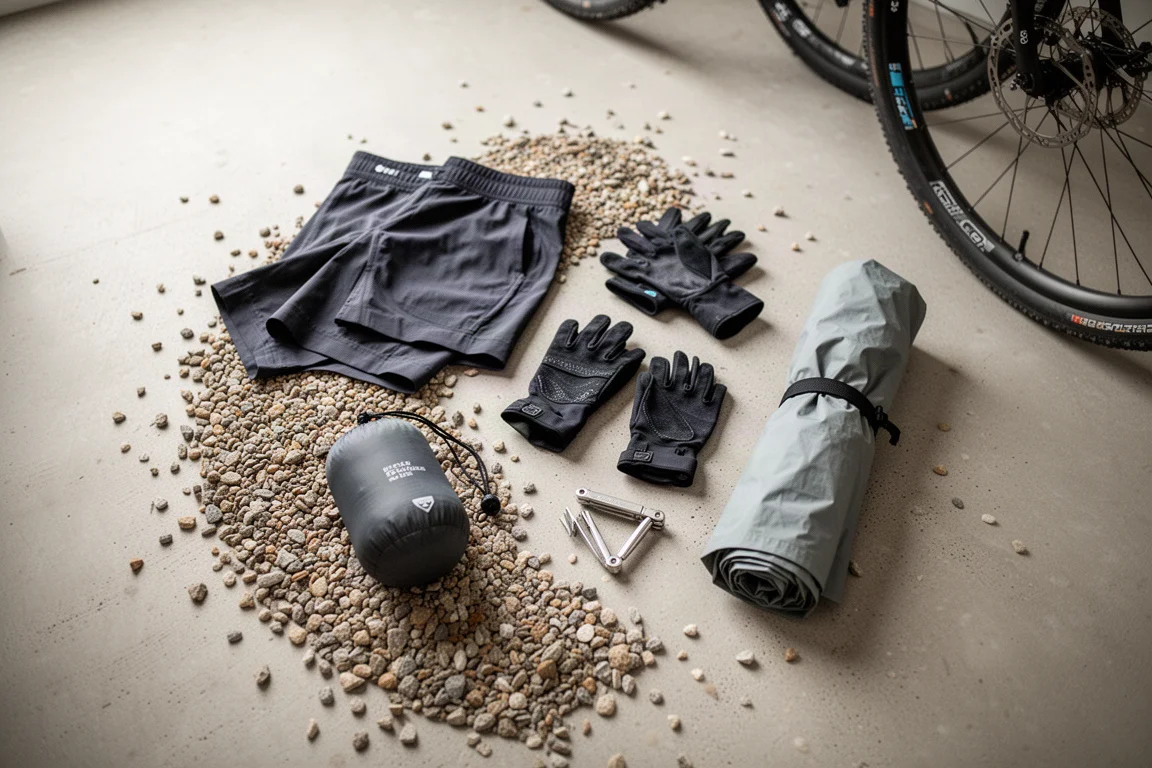
It was relied on for a 750 km bikepacking route where it rained every day, which is about as thorough a test as a waterproof jacket can face. On the final day it came loose from a seat pack on a fast descent and was caught in a disc brake rotor. The jacket went back for repair and returned with a neat reinforcement panel, which says a great deal about how the brand stands behind its clothing. It has proved useful off the bike as well, including in the damp cloud forests of Costa Rica.
Buying Advice: Matching Kit to the Riding You Actually Do
Start with the parts that touch you or the ground. Pedals, saddle and shorts decide whether a long day is enjoyable, and they are usually the cheapest things to change. A saddle that suits your position and pedals that clear mud reliably will do more for a ride than a lighter component ever will.
Then think about the conditions you actually ride in. If your riding involves multi-day trips and unreliable weather, waterproof luggage and a genuinely waterproof jacket earn their place quickly. If you mostly ride local loops, a bargain insulated jacket and a set of practical shorts will cover more of your year.
Finally, be honest about replacement costs on high-risk parts. A cheaper wireless groupset that shifts well and costs half as much to repair makes sense on a bike that gets ridden hard, and the savings can go towards the frame or wheels you will feel on every ride.
Conclusion
The thread running through all eight picks is that they were chosen for how they behave on real rides rather than how they look on a spec sheet. A value wireless groupset that shifts as well as the expensive tiers, a light carbon frameset carrying a build just over 9 kg, a cheap down jacket that packs into a tent corner, pedals that clear mud and hold a stable foot, a saddle that finally fits, shorts that work on and off the bike, luggage that keeps food within reach, and a waterproof jacket that survived a week of Scottish rain and came back repaired.
If you are building or upgrading a gravel bike, start with the frame and the parts you touch, then add luggage and layers as your riding demands them. That order gets you a bike you will genuinely ride, in conditions you will genuinely meet.
Further reading
Related Reviews
Gravel Cycling
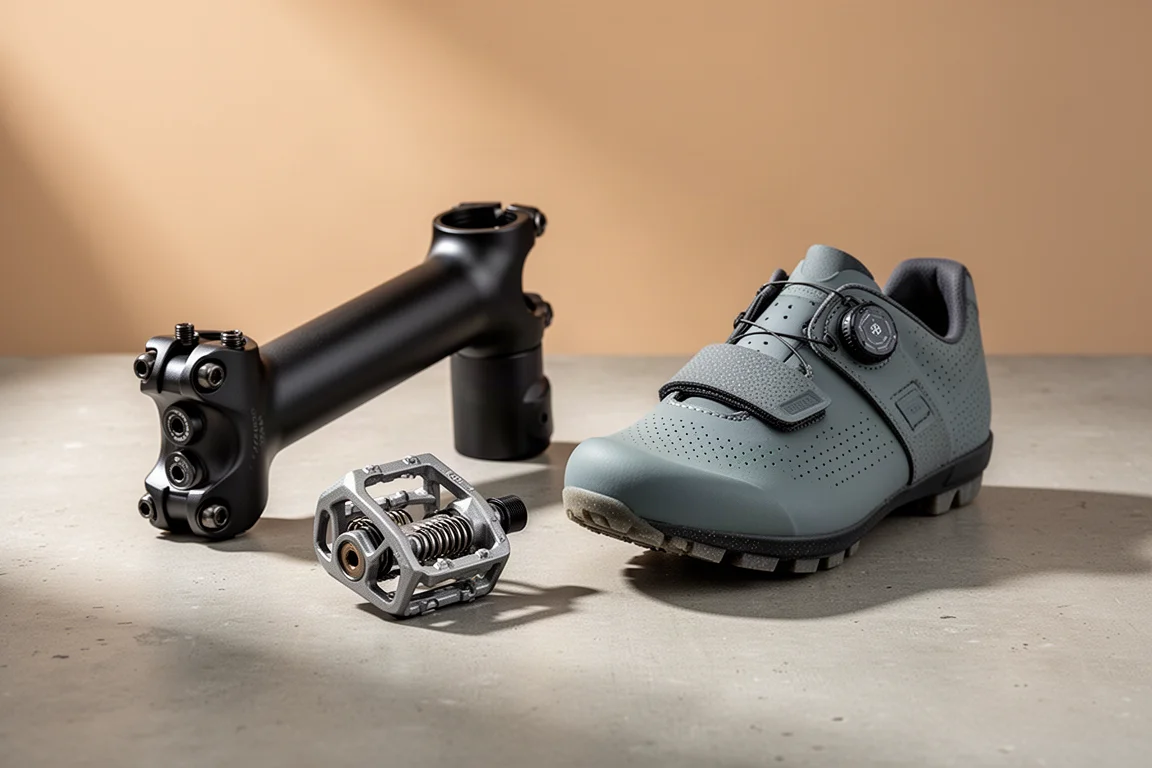
Best Gravel and Off-Road Upgrades: Power Meter Pedals, Suspension Stems and Race Shoes
Five gravel and off-road upgrades that have earned their place, from SPD power meter pedals you can swap between bikes to a suspension stem you can tune on the trail.
Gravel Cycling
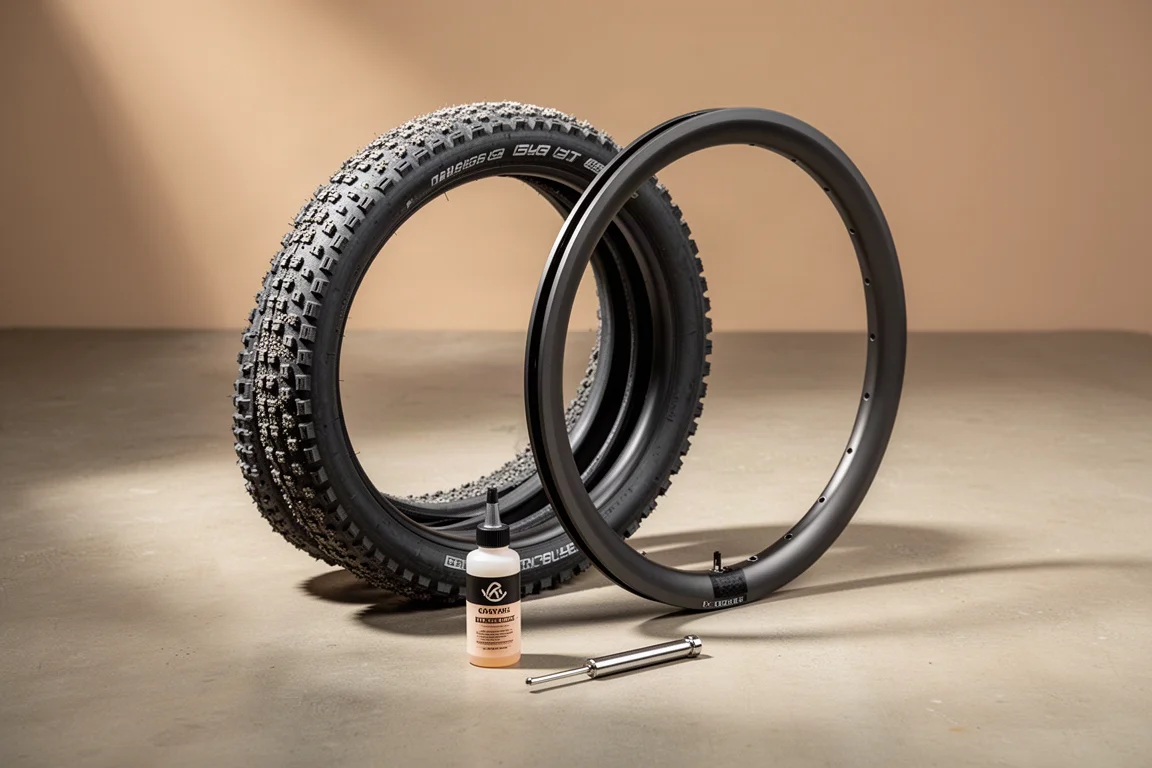
Best Gravel Race Tires, Wheels and Sealants: A Practical Setup Guide
A roundup of gravel tires, wheels and sealants, with measured widths, real race pressures and the puncture kit that holds a fast setup together.
Gravel Cycling
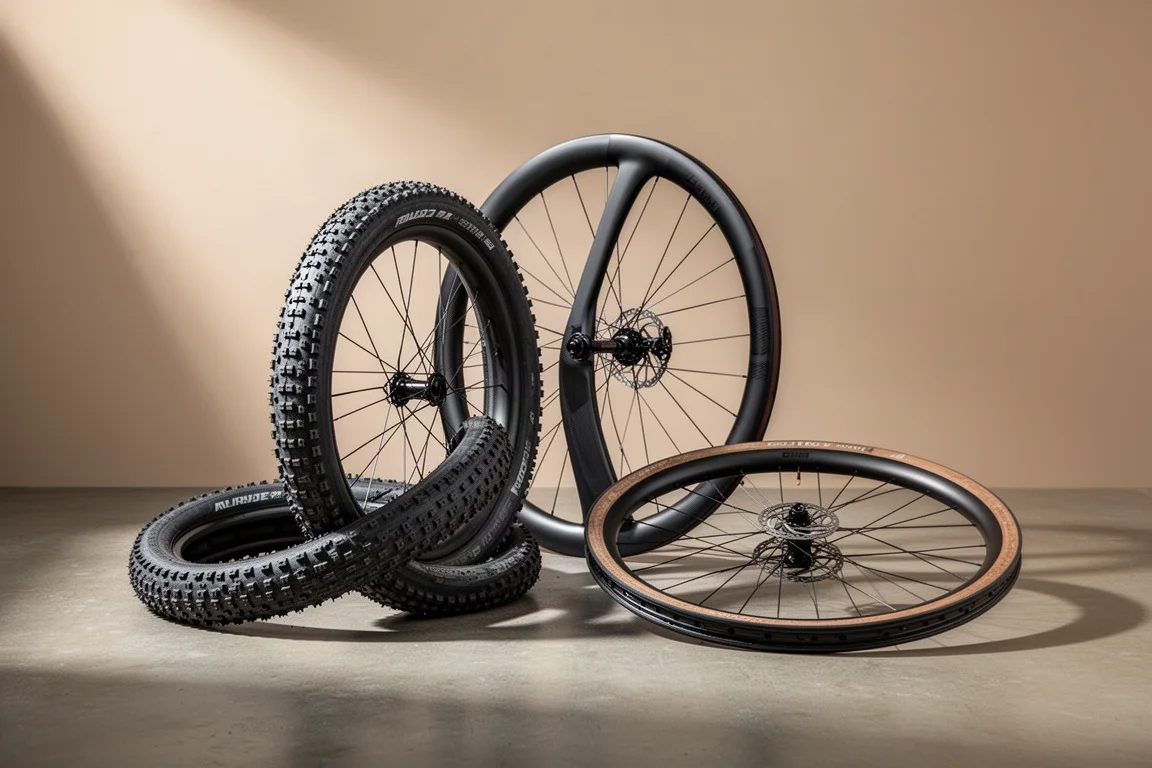
Best Wide Gravel Tires and Wheels: Picking the Right Width
A practical look at the widest gravel tires and aero gravel wheels shaping the market, and how to choose clearance that will not date your next bike.