Gravel Cycling
Zipp 101 Explore Wheels Review: Comfort-First Carbon for Rough Gravel
The Zipp 101 Explore trades aero speed for a single-wall carbon rim design that filters out trail vibration. We compare it against the Zipp 303 S on comfort, durability, and pace.
Introduction
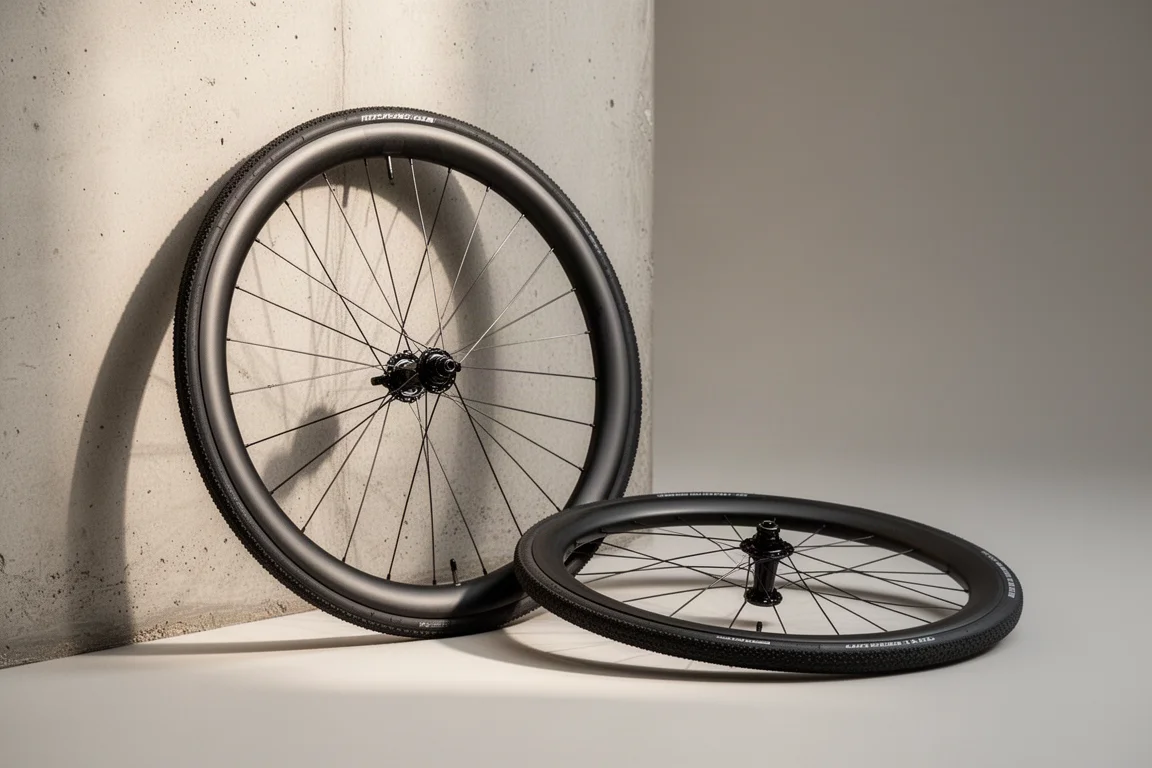
Gravel and adventure bikes are evolving quickly, with a steady stream of new components designed to make rough-surface riding faster, more capable, and more comfortable. The latest addition to that wave is the Zipp 101 Explore, the first gravel-specific wheelset from the American brand and a clear departure from the aero-optimized wheels Zipp is best known for. Instead of chasing low drag, it relies on a single-wall carbon rim design derived from motocross to deliver a calmer, smoother ride over rocks, roots, and washboard gravel.
To find out whether that approach works, the wheels were fitted to a gravel test bike equipped with a modern suspension fork, dropper post, and one-by drivetrain, with a Zipp 303 S wheelset standing by for direct comparison. Several weeks of local trail riding followed, plus a three-day bikepacking trip through some of the most extreme rocky terrain we could find in Scotland. Same 40mm tires, same pressures, same routes: enough time to understand what this unusual wheelset does well and where it gives ground.
What Makes the Zipp 101 Explore Different
The 101 Explore was inspired by the single-wall rim design found on motocross wheels, a concept Zipp first developed for a mountain bike wheelset called the 3Zero Moto. A conventional bike rim uses a box-section construction, but these rims use a single-wall carbon fiber structure. The claimed benefit is that the flat, wide carbon rim can pivot around the spokes, allowing it to filter out the worst of what a rough trail sends through the bike.
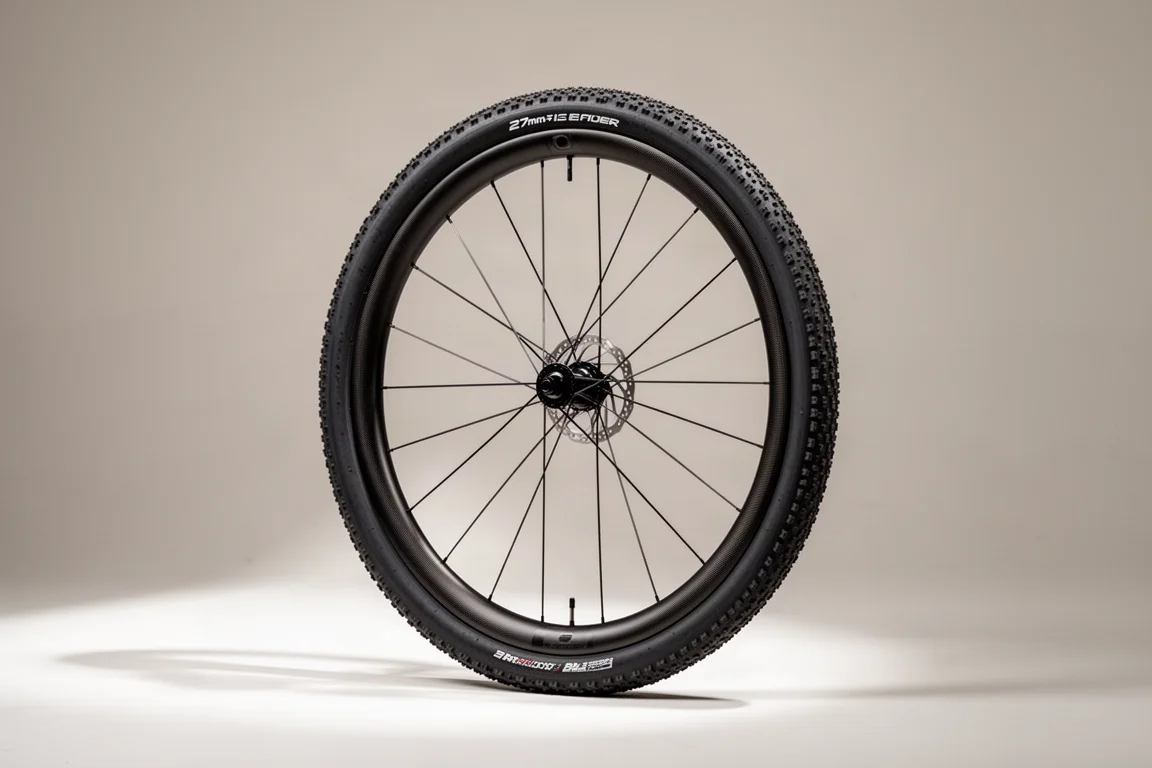
The spec sheet reflects that focus. The internal rim width measures a generous 27mm, the rims are hookless with J-bend spokes and external nipples, and the wheels are designed for wide tires only. They are available in both 700c and 650b sizes, and every pair is covered by a lifetime warranty.
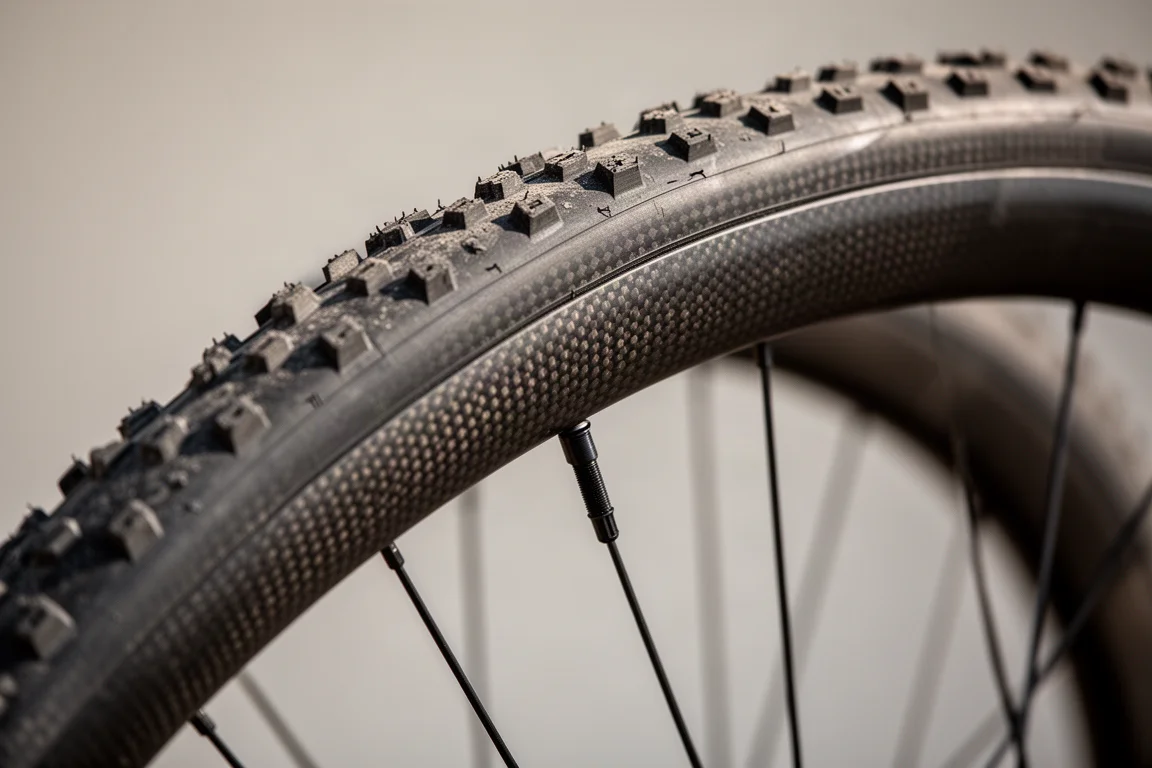
Despite the carbon fiber construction, the 101 Explore is not especially light. At around 1,650g, it is heavier than the 303 S wheels it replaced on this test bike. That is a deliberate trade-off. Carbon fiber has traditionally justified itself with aero advantages and big weight savings, but the case for this wheelset is different: aero is not the only promised land for carbon. Comfort can be improved too. On a long gravel ride, race, or bikepacking trip, fatigue is a real factor as the miles stack up, and reducing vibration is exactly why suspension developments and ever-wider tire clearances keep appearing on modern gravel bikes.
Zipp 101 Explore: Weight and Aero Trade-Offs
There is no way around it: the 101 Explore is not an aero wheelset, and it does not feel as fast as a deep-section wheelset when the pace picks up. On a fast gravel bike with quick-rolling tires, it is easy to sit at 30km/h or more on smooth roads or groomed gravel, especially in a group, and that is where the shallower rim gives up some speed. Professional gravel racing has reached remarkable average speeds over long distances, and aero is a real part of that equation.
The weight shows up in a different place. At lower speeds on tight, twisting trails, especially singletrack, the 101 Explore lacks the laser-sharp responsiveness of lighter wheels. Accelerating out of slow corners and switching lines takes more effort, and the wheelset feels less lively than lighter carbon options in that kind of riding.
That said, the trade-off is the whole point of the wheel. You are giving up some aero performance and low weight in exchange for a level of comfort that is hard to find elsewhere, and the right choice depends on which of those qualities matters most for the riding you actually do.
Zipp 101 Explore: Smoothing Out Rough Terrain
After several weeks of riding, the headline claim holds up. Compared with the Zipp 303 S wheels running the same tires at the same pressures, the 101 Explore feels buttery smooth on the roughest rocky, rooty trails. Even with big tires at low pressure and a suspension fork already doing its job, there is an extra layer of compliance that is genuinely noticeable. On high-speed washboard gravel, where jittery feedback normally works through the contact points, the wheels smooth things out and cut fatigue on longer rides.
The flex engineered into the rim also shows up in an unexpected place: puncture prevention. The wide rim gives the tire a broad, stable platform, so at low pressures the tire does not pinch against the rim edge the way it can on a narrower rim. Over several weeks of deliberate abuse on rocks and roots, including a loaded bikepacking setup on steep, bouldery trails, we did not get a single puncture.
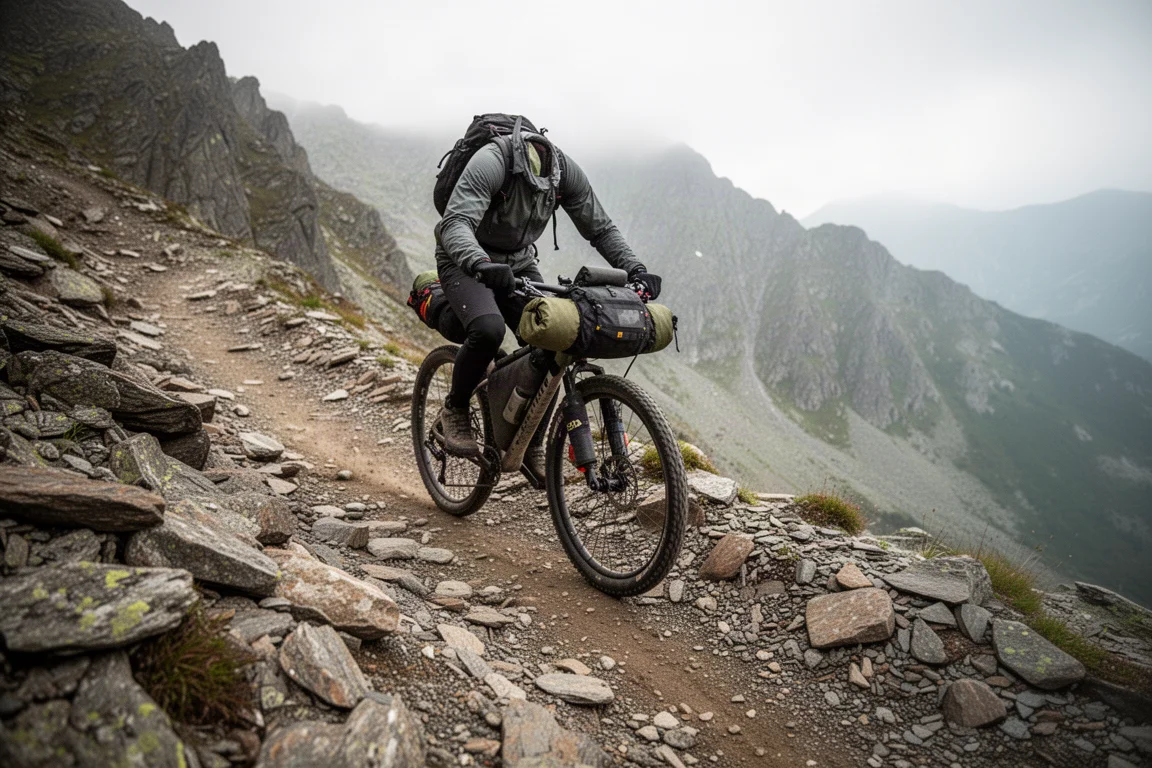
Control benefits as well. On fast descents over rough rock, the calmer ride meant the bike was not being bounced around as much, which made it noticeably easier to hold a line. Traction was the claim we found hardest to quantify: on slippery climbs, the 101 Explore did not feel dramatically more planted than the 303 S wheels, even if the design logic suggests it should help in some situations.
Zipp 101 Explore: Durability and Build Quality
Durability is where the 101 Explore makes a strong impression. The wheels were deliberately battered for several weeks: every root, rock, and obstacle we could find, plus the extra weight and stress of a fully loaded bikepacking setup. After all of it, the rims are still intact, with no scratches, dents, or dings. They are also remarkably quiet on rocky trails, with none of the audible clatter that normally comes from a rim striking rocks at low pressure. When impacts do happen, the wide platform and flexible rim construction seem to absorb them instead of turning them into a noisy, puncture-prone situation.
The rim width also plays a role in pinch-flat prevention. The tire sits on a broad platform rather than being squeezed against a narrow rim edge, helping to prevent pinch flats at low pressures and giving a wider, more stable stance through corners.
Zipp 101 Explore: Versatility and Fit Considerations
The 27mm internal width is bigger than anything we have used so far, and it is perfect for wide gravel tires, but it does limit flexibility. There is a minimum 35mm tire width, which means you cannot fit narrow road slicks on the same wheelset. If you want one set of wheels that can switch between road and gravel tires depending on the season, the 101 Explore is not really built for that. For most buyers that will be fine: these are gravel wheels after all. But you do lose some of the versatility a narrower rim offers.
There is also a practical limit to keep in mind. The wheels carry a lifetime warranty, but there is a combined rider and bike weight limit of 125kg, which is worth factoring in for heavier riders or fully loaded setups.
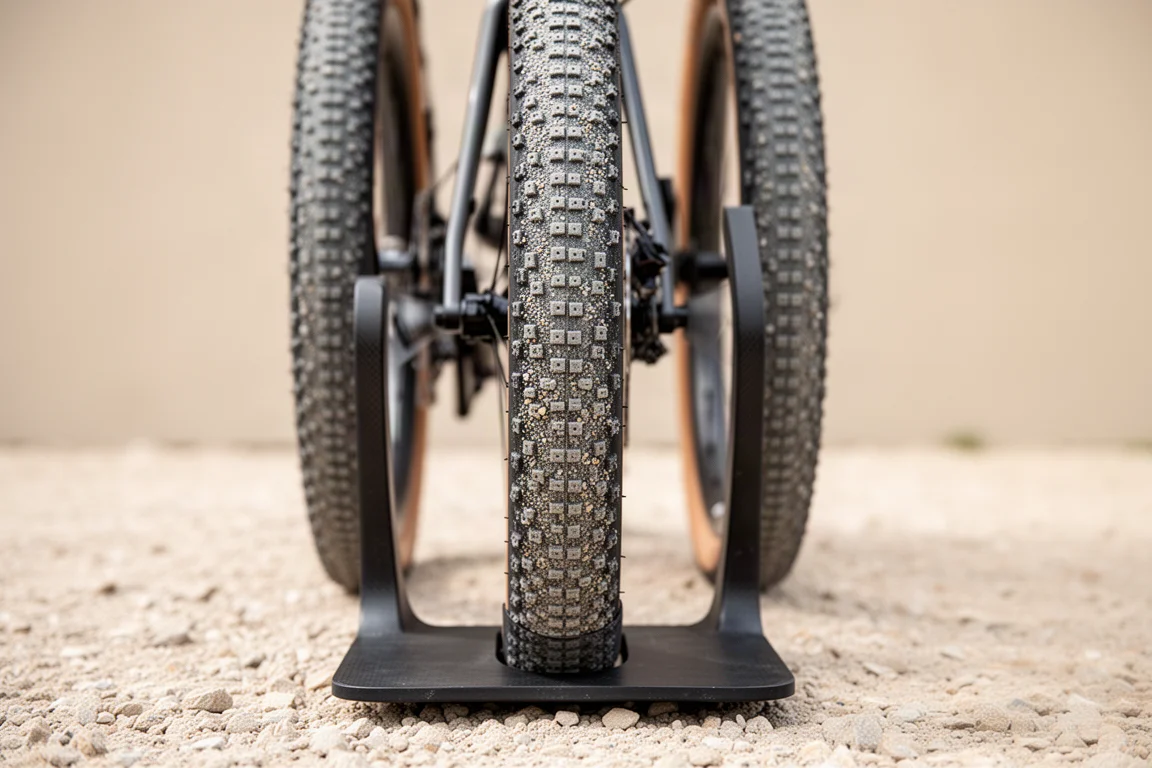
Everything else held up well across the test period. The bearings still run smoothly after jet washing and extended muddy riding, the freehub engages quickly, spoke tension remains good, and the wheels are still running straight. The J-bend spokes are easy to replace, and the external nipples make adjustments straightforward. After several weeks of hard use, they look as good as when they arrived.
Zipp 303 S: The Aero-Focused Alternative
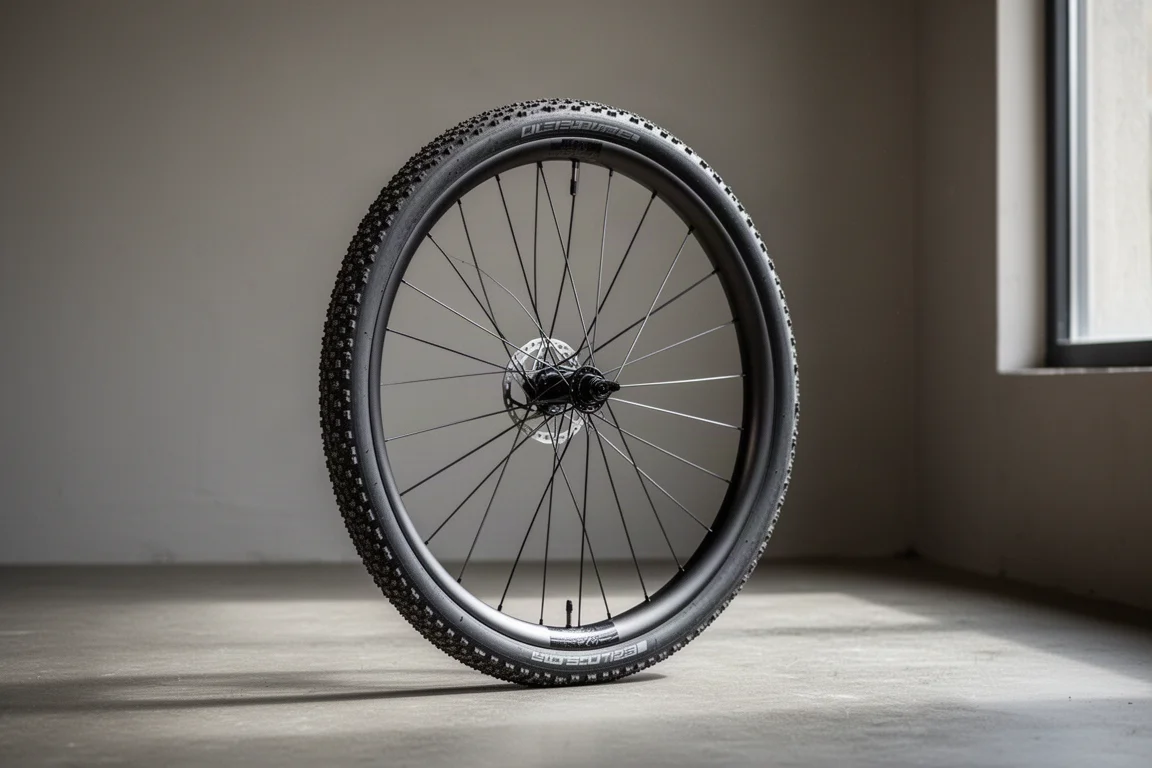
To understand what the 101 Explore gives up, it helps to know the wheels it was tested against. The Zipp 303 S is an aero wheelset that came as standard equipment on this gravel test bike. It is wide and tubeless only, which makes it well suited to wider tires, and its aero rim design feels genuinely fast when the pace picks up. It is also remarkably strong: in earlier use on this same bike, it shrugged off repeated rim impacts on rocks and roots without any issues.
The difference shows up on the comfort side. Riding the two wheelsets back to back with identical tires and pressures, the 303 S transmits more vibration and feedback from rough surfaces. It is the faster-feeling wheel on smooth gravel and tarmac, while the 101 Explore is clearly the more comfortable option when the surface turns rough.
Which Wheels Should You Choose?
The decision really comes down to what you value most on a gravel ride. If comfort comes first, the 101 Explore is a genuinely impressive wheelset. It delivers a smoother, quieter ride than the best aluminum wheels and most deep-section carbon rims we have tried, it is tough and durable, and it is backed by a lifetime warranty. It also happens to look good on a gravel bike.
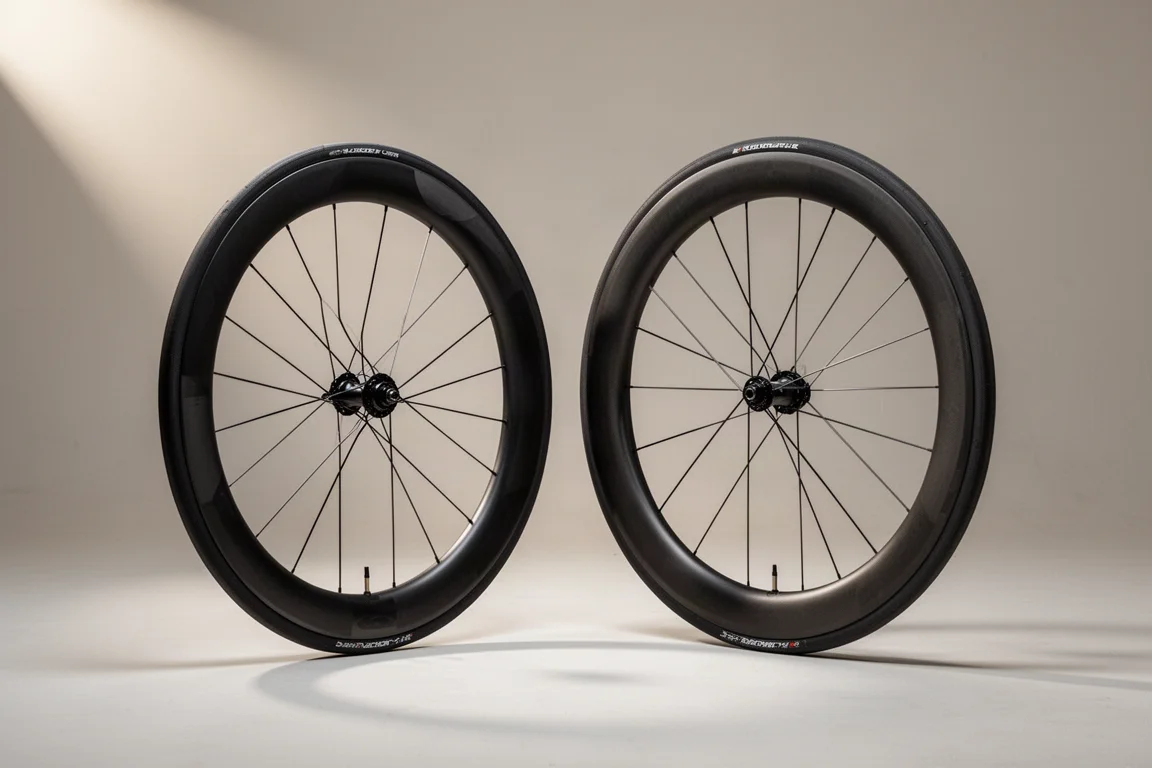
The downsides are equally clear. The price tag is substantial, the weight is not especially low, and the aero performance is not there compared with a deep-section wheel. If those three things matter more to you than comfort, a wheel like the 303 S remains the faster choice on smooth surfaces.
For riders who plan to spend long days on rough gravel, bikepacking routes, or adventure riding, that extra smoothness translates directly into less fatigue and a more enjoyable day out. It is a comfort-focused take on gravel wheels that borrows heavily from mountain biking, and it points to an interesting direction for gravel riding as a whole.
Conclusion
The Zipp 101 Explore is a great wheelset if comfort is your top priority. It smooths out rough trails in a way other carbon wheels do not, it is tough and reliable, and the lifetime warranty adds long-term confidence. The trade-offs are the price, the weight, and the lack of aero performance, along with the limited tire versatility that comes with such a wide rim.
If you can accept those compromises, you are getting a wheelset that does something genuinely different for gravel riding. It filters out the vibration that normally works against you on long, rough rides and leaves you less tired at the end of the day. For gravel riders, bikepackers, and adventure riders who value comfort and durability above outright speed, it is one of the most interesting wheelsets available right now.
Further reading
Related Reviews
Gravel Cycling
Best Gravel Kit and Components 2026: Eight Standout Picks
Eight gravel picks that earned their place over a year of long rides, from a value wireless groupset and a light carbon frameset to a waterproof jacket that survived a week of Scottish rain.
Gravel Cycling
Best Gravel and Off-Road Upgrades: Power Meter Pedals, Suspension Stems and Race Shoes
Five gravel and off-road upgrades that have earned their place, from SPD power meter pedals you can swap between bikes to a suspension stem you can tune on the trail.
Gravel Cycling
Best Gravel Race Tires, Wheels and Sealants: A Practical Setup Guide
A roundup of gravel tires, wheels and sealants, with measured widths, real race pressures and the puncture kit that holds a fast setup together.