Ski Boot Liners
ZipFit Gara LV Review: A Year of Hard Skiing on Cork-Fit Liners
After a full season of resort riding, touring, and bootpacking, here's an honest look at what the ZipFit Gara LV does well, and where it falls short.
Introduction
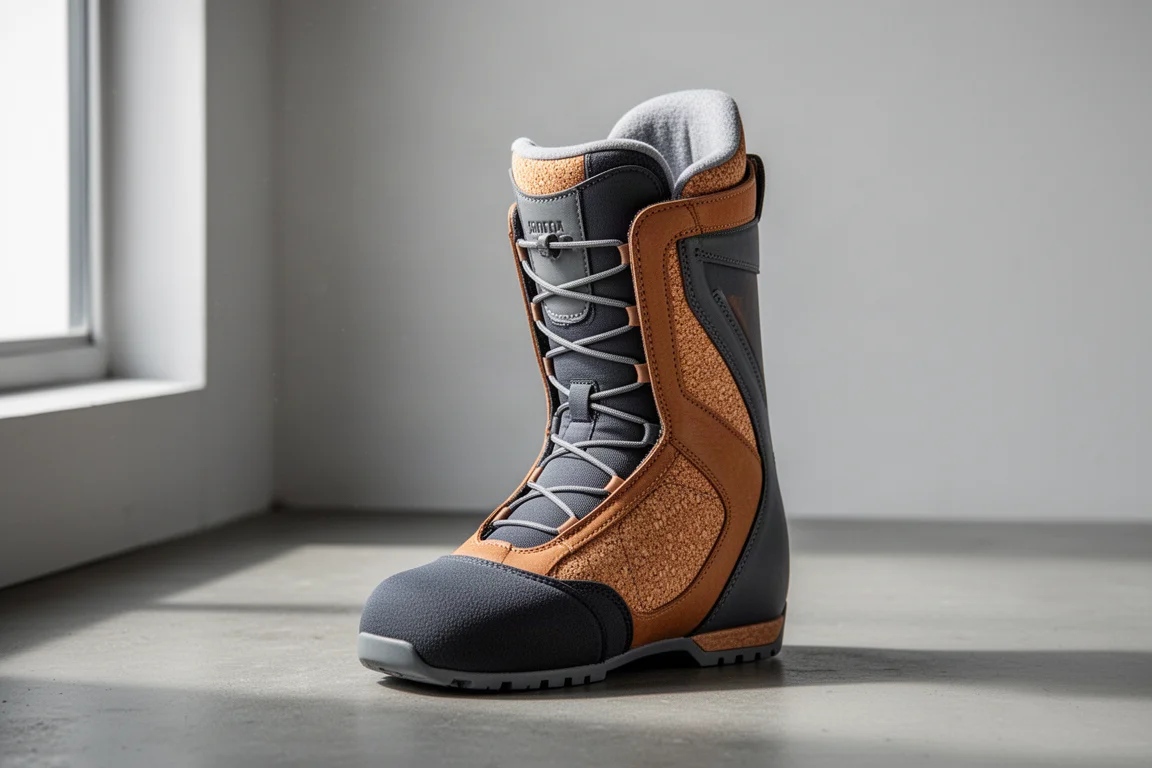
Few pieces of ski gear carry as much online hype as the ZipFit Gara LV. The idea is simple but clever: instead of foam that packs out, the liner uses malleable cork inside leather and neoprene panels that shifts and molds around your ankle, shin, and instep as you ski. You can add or move cork over time to keep the fit precise, which is something no stock foam liner can offer.
After a full season of hard use on these liners, bought with our own money, the picture is genuinely mixed. They solved real fit problems, but they also introduced new ones, and the price is hard to justify for most skiers. Here is a balanced look at what worked, what did not, and who should actually consider them.
Who This Liner Is For
The Gara LV is the low-volume version of ZipFit’s liner, intended for lower-volume feet or higher-volume boots. In practice, it is best suited to skiers who have tried stock liners and boot fitting and still cannot get comfortable, particularly those with problem areas like a sensitive instep or a wide forefoot.
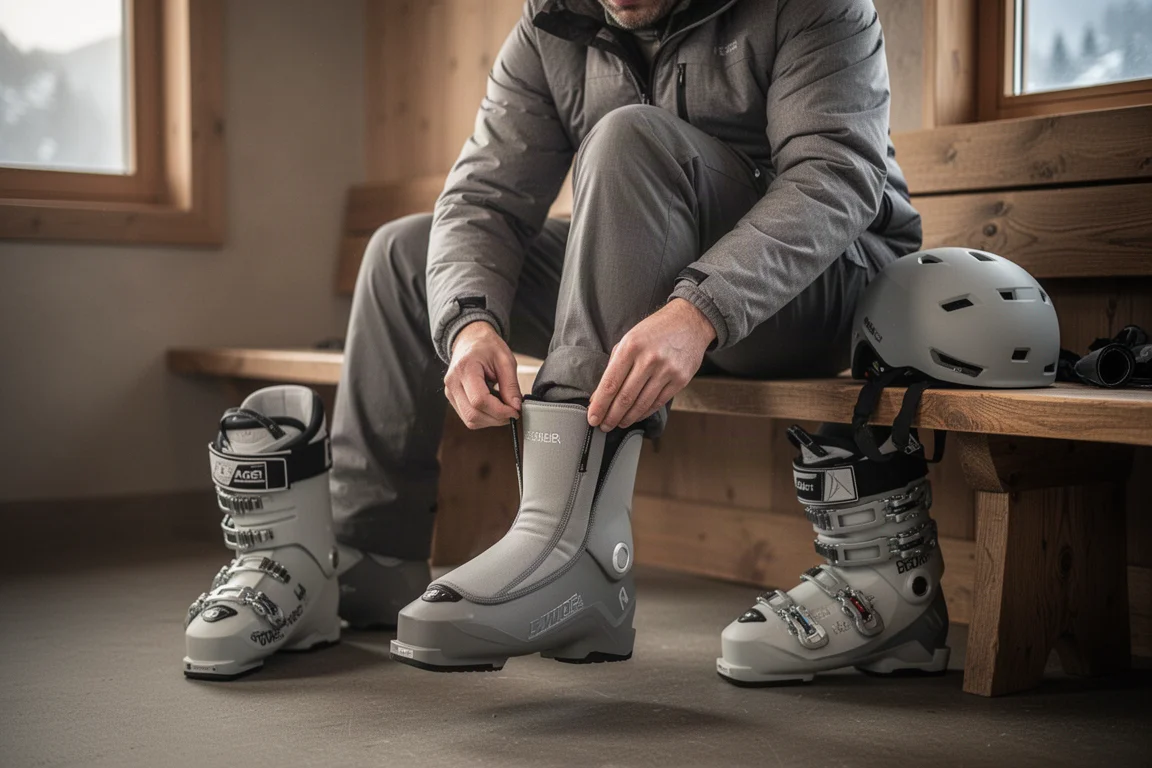
It is worth being honest about the starting point: this liner was purchased as a last-ditch effort after a new boot’s stock liner felt terrible, with heel lift and a toe box that felt like swimming. The Gara LV went in, was heated, and immediately felt snug and controllable. That instant improvement is real, but it partly reflects how bad the previous liner was. If your current boot and liner combo already fits well, there is little reason to change.
Main Strengths
The headline feature is the cork-based fit system. Cork granules sit inside bladders around the ankle and shin and redistribute as you ski, filling the space around your ankle bone for a genuine feeling of heel lockdown. Over time you can add more cork to any area, effectively resetting or refining the fit instead of waiting for foam to pack out and die.
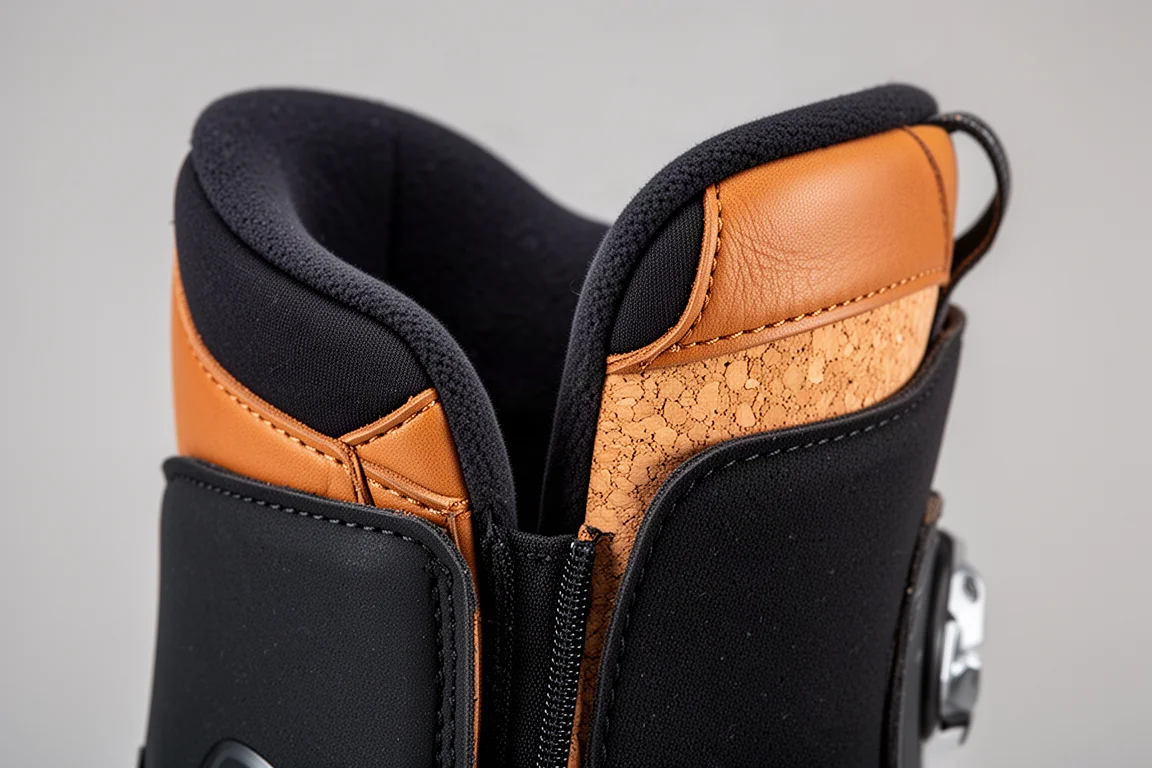
The other standout is the neoprene forefoot. With no rigid foam or hard plastic tongue over the toes and instep, the forefoot can splay naturally. For skiers who develop corns or pain on the pinky-toe side, or who normally have a bootfitter punch out the forefoot, this can be transformative. In this case, forefoot pain disappeared completely and foot fatigue over a full season was close to zero. That alone was worth the price of admission for one particular foot shape.
Break-in is also shorter than most liners. Heated and moulded in the shop, these were comfortable enough for a full day of ski touring the very next day, despite not being a touring-specific liner.
Things to Consider Before Buying
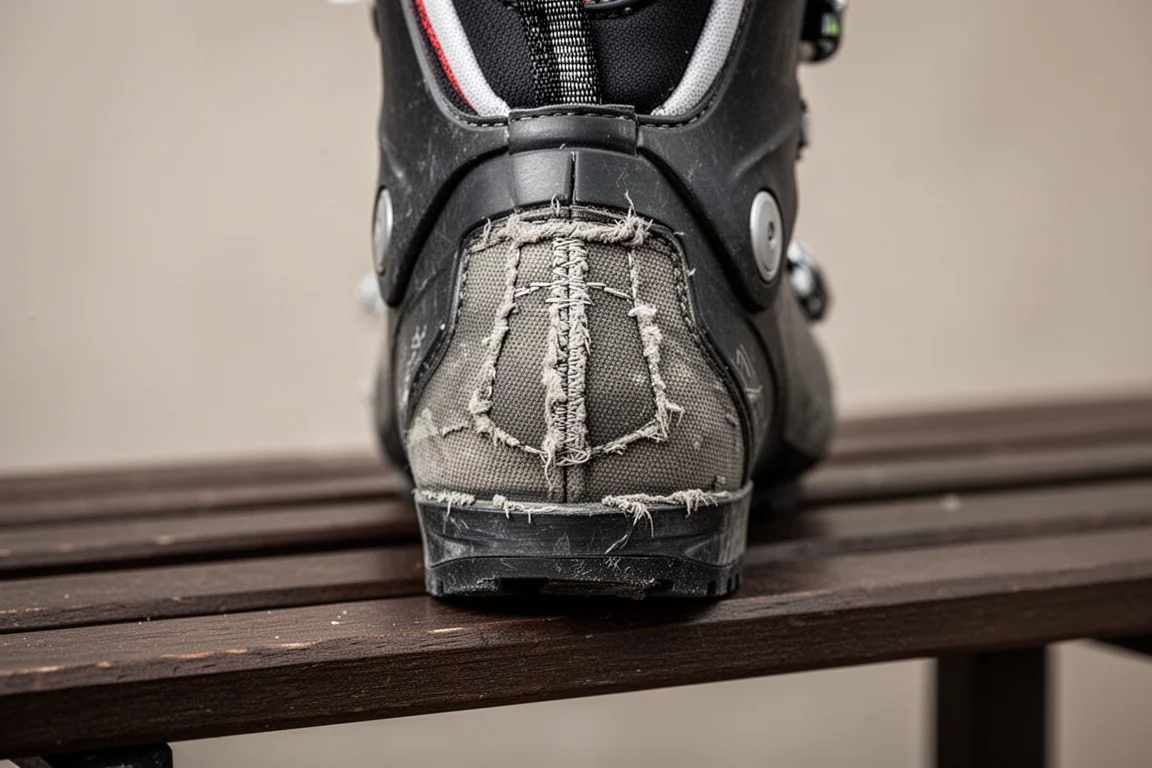
The negatives are just as important. First, the price: at roughly $600 to $700, this is one of the most expensive liners on the market, and the material quality does not obviously justify it. Durability is also questionable. After a single season, both heels are falling apart and the toe stitching is pulling, despite online claims of hundreds or even a thousand days of use. Nothing has fully broken yet, but the wear is disappointing at this price.
Cold feet are another real issue. Several skiers report the coldest toes they have ever had in these liners, possibly due to reduced circulation from the tight fit or snow sneaking into the shell. If cold feet are your main challenge, you will likely still need a boot heater, which complicates things since liners with heaters should not be pulled in and out frequently.
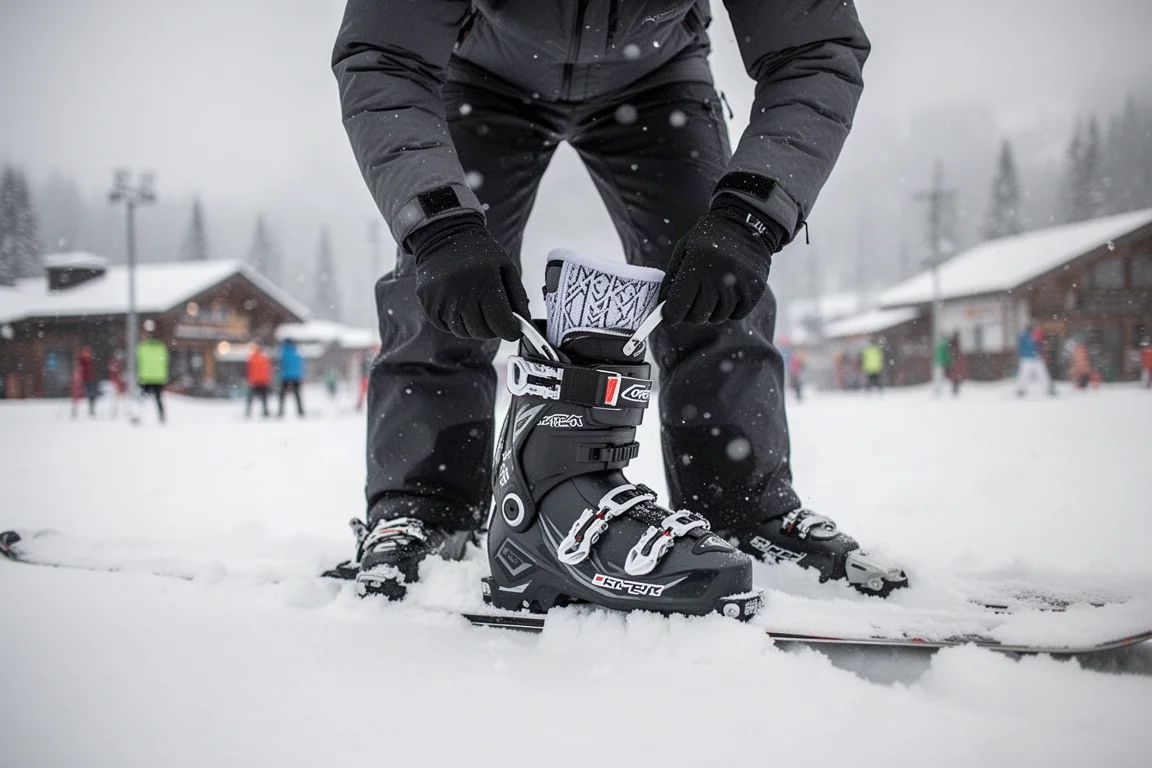
Then there is the fitting routine. Liner on foot first, then into the shell, a technique skiers call “world cupping.” With a stiff shell this is genuinely difficult, adds five to ten minutes on powder days, and would be frustrating for anyone with mobility or back issues. Finally, there is real financial risk: the liner might simply not work with your shell or your foot, and at this price that is an expensive experiment.
Buying Advice
For the average skier doing around 30 days a year, a properly bootfitted stock boot and liner combo remains the better value. A boot and liner fitted together will cost roughly the same as a ZipFit liner alone, often comes with a fit guarantee, and performs just as well when it fits right. If you already own a boot and liner combination that feels great, buy spares of that setup on sale rather than switching.
The Gara LV makes sense in a narrow case: skiers who cannot get comfortable in any stock liner, who have forefoot or instep pain that conventional fixes have not solved, and who ski enough days to justify the cost. In that situation, it worked. For everyone else, the money is better spent on a proper boot fitting, good insoles, or a better-matched boot shell. Shells also tend to wear out in one to two seasons for aggressive skiers, which undercuts the argument of carrying one liner across multiple boots.
Conclusion
The ZipFit Gara LV is not overrated so much as oversold for most skiers. It delivers on adjustable fit, heel hold, and, for certain foot shapes, dramatically better comfort. But the high price, questionable long-term durability, cold-fee tendencies, and awkward fitting routine are real trade-offs that rarely get mentioned. If your current setup works, stick with it. If nothing else has, this liner may finally be the answer, and that is exactly who it is for.
Product link
View more details for ZipFit Gara LV
This product is mentioned in the review. Check the specifications, options, and compatibility before buying.
View more details for ZipFit Gara LVFurther reading
Related Reviews
Ski Boot Liners
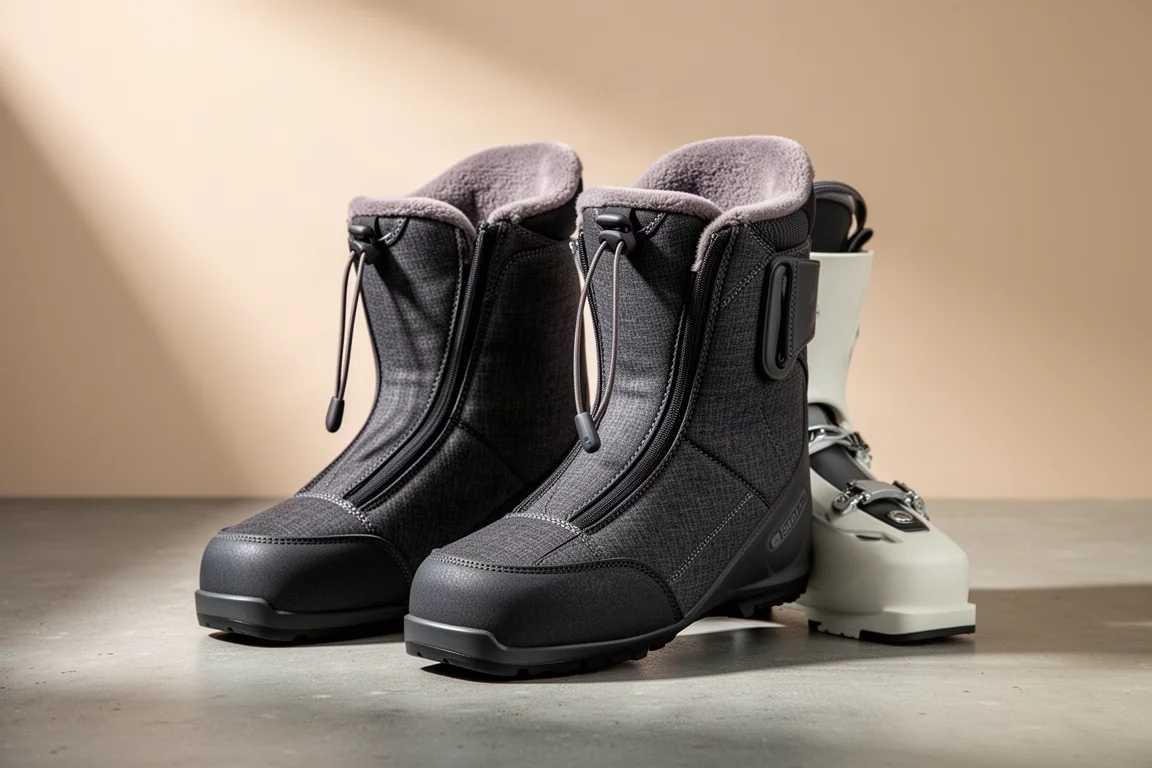
Intuition DHT Boot Liners Review: A Practical Ski Boot Upgrade
The Intuition DHT liner brings aftermarket boot fit and response down to a more approachable price, with easy handling and a few fit quirks worth knowing about.
Ski Boot Liners
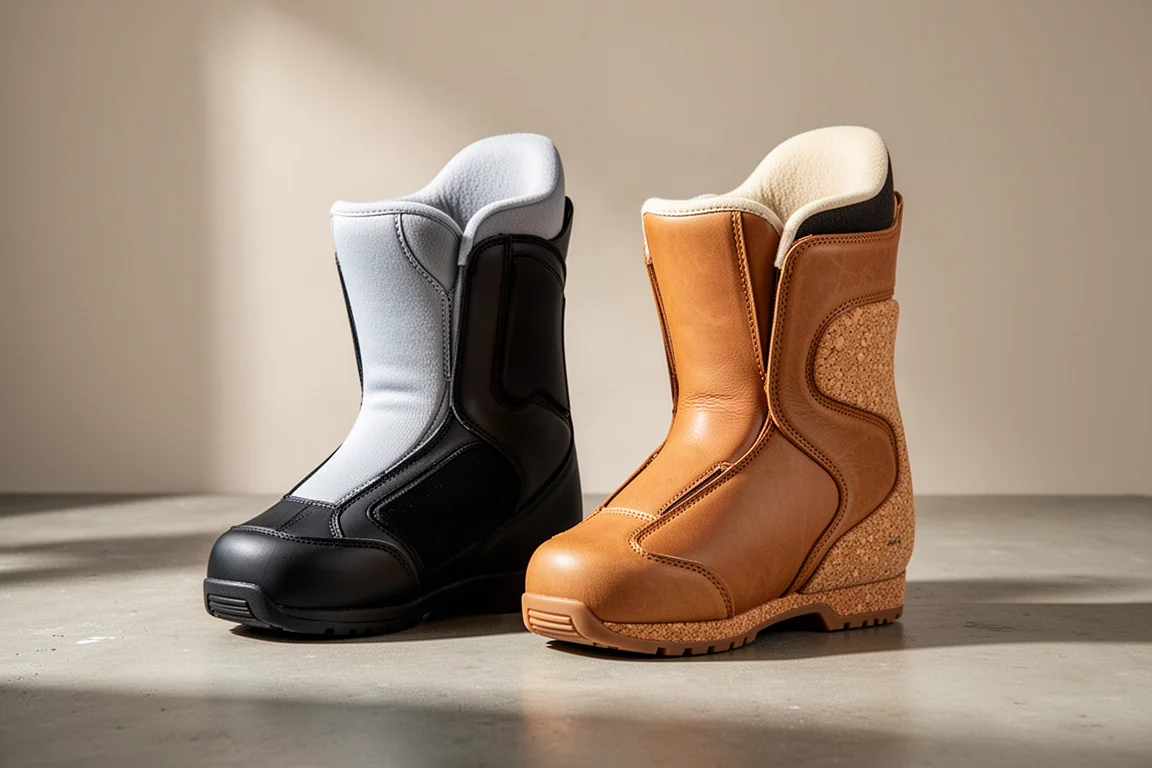
ZipFit Gara LV and Workhorse: Two Premium Ski Boot Liners Compared
A practical look at two ZipFit aftermarket ski boot liners, the neoprene-lined Gara LV and the leather-lined Workhorse, and the skiers each one suits.
All-Mountain Skis
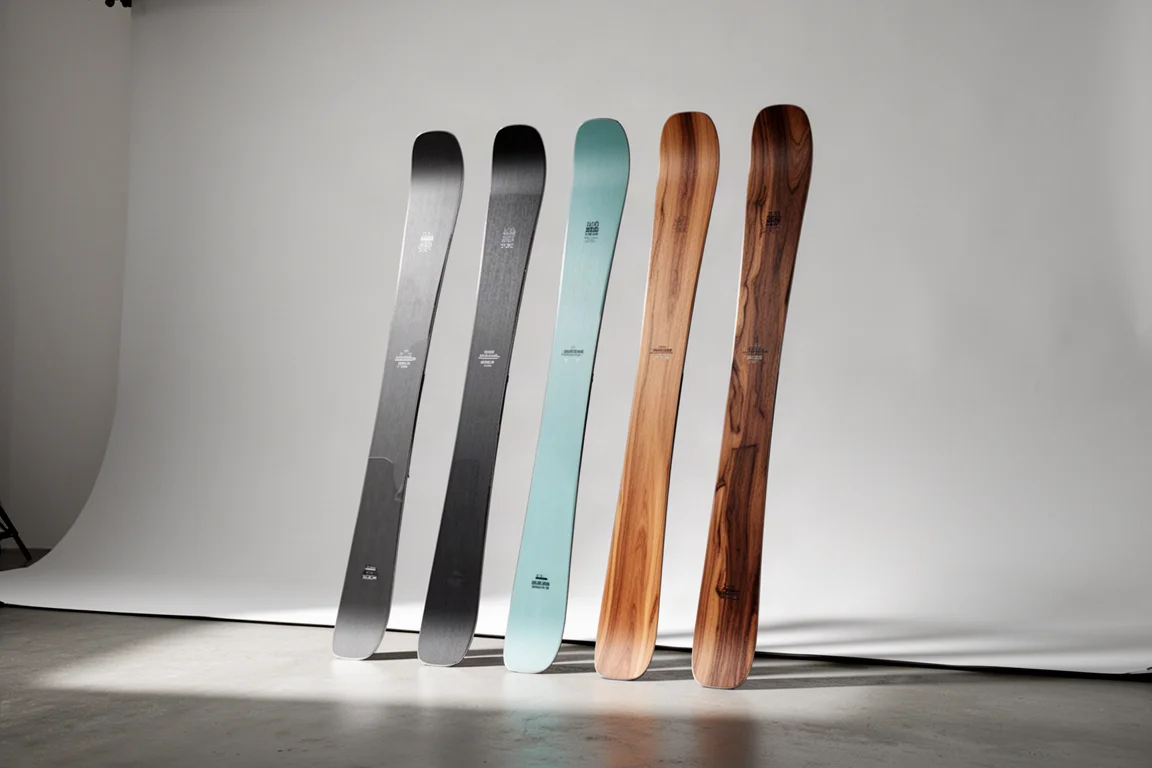
100mm All-Mountain Skis Compared: 23 Versatile Models Worth Knowing
A practical walkthrough of 23 all-mountain skis around 100mm underfoot, covering weight, rocker, metal construction, and the rider each model suits best.