Ski Boot Liners
ZipFit Gara LV and Workhorse: Two Premium Ski Boot Liners Compared
A practical look at two ZipFit aftermarket ski boot liners, the neoprene-lined Gara LV and the leather-lined Workhorse, and the skiers each one suits.
Introduction
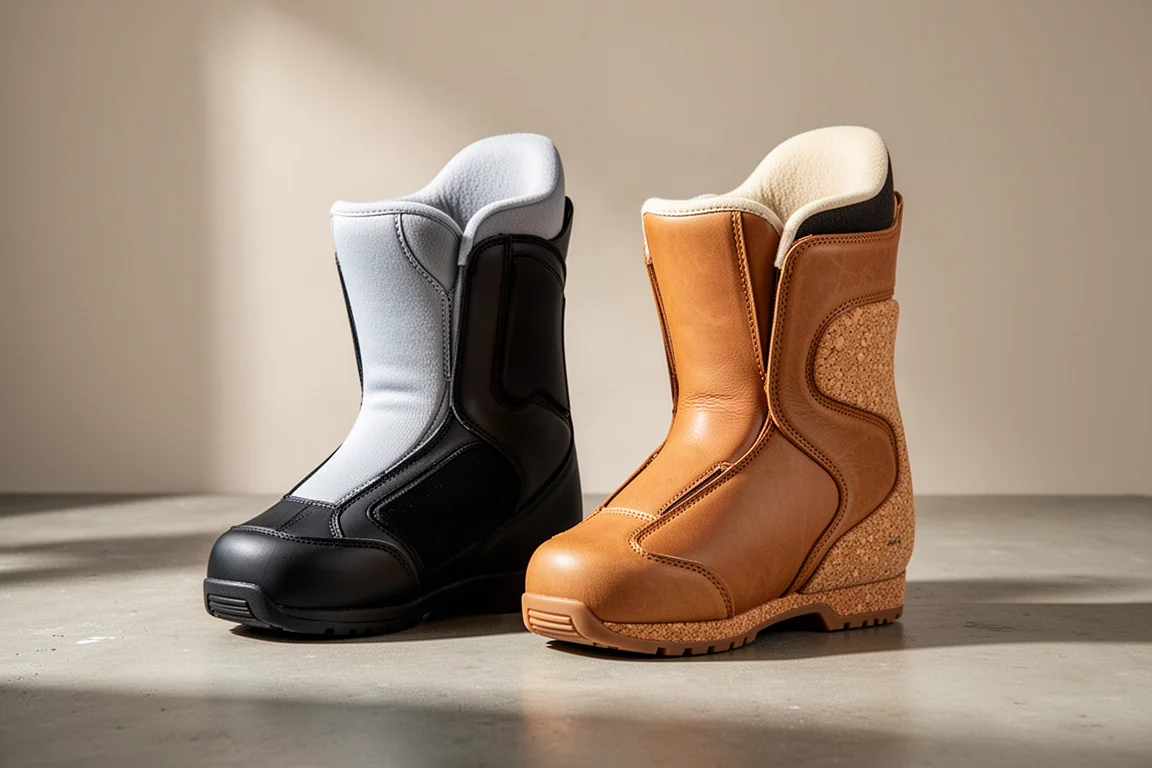
ZipFit makes aftermarket ski boot liners, and the company’s signature is cork packed into the heel and ankle area. That cork is what produces the hold these liners are known for: the foot stays put inside the shell, energy travels from the leg to the ski with less delay, and the forefoot can stay surprisingly roomy.
The Gara LV and the Workhorse are two different expressions of the same idea. The Gara LV is the more versatile, neoprene-lined option aimed at low and mid volume boots. The Workhorse is a higher volume, leather-lined liner built for people who spend long days working in their boots. Both sit in premium territory on price, both take some adaptation, and both can change how an existing boot feels.
Why Aftermarket Liners Exist
Stock liners are better than many skiers assume. A high-end boot such as the Tecnica Mach 1 130 LV ships with a genuinely well-made liner, and the liners found in boots like the K2 Cortex or the Atomic Mimic range are impressive in their own right. For the majority of skiers, those liners deliver everything they need.
ZipFit targets a narrower group: skiers who have already worked through the usual steps. The shell is the right size, the fit is performance-oriented, a custom footbed is in place, and there is still a feeling that something is missing. That is where an aftermarket liner starts to earn its place.
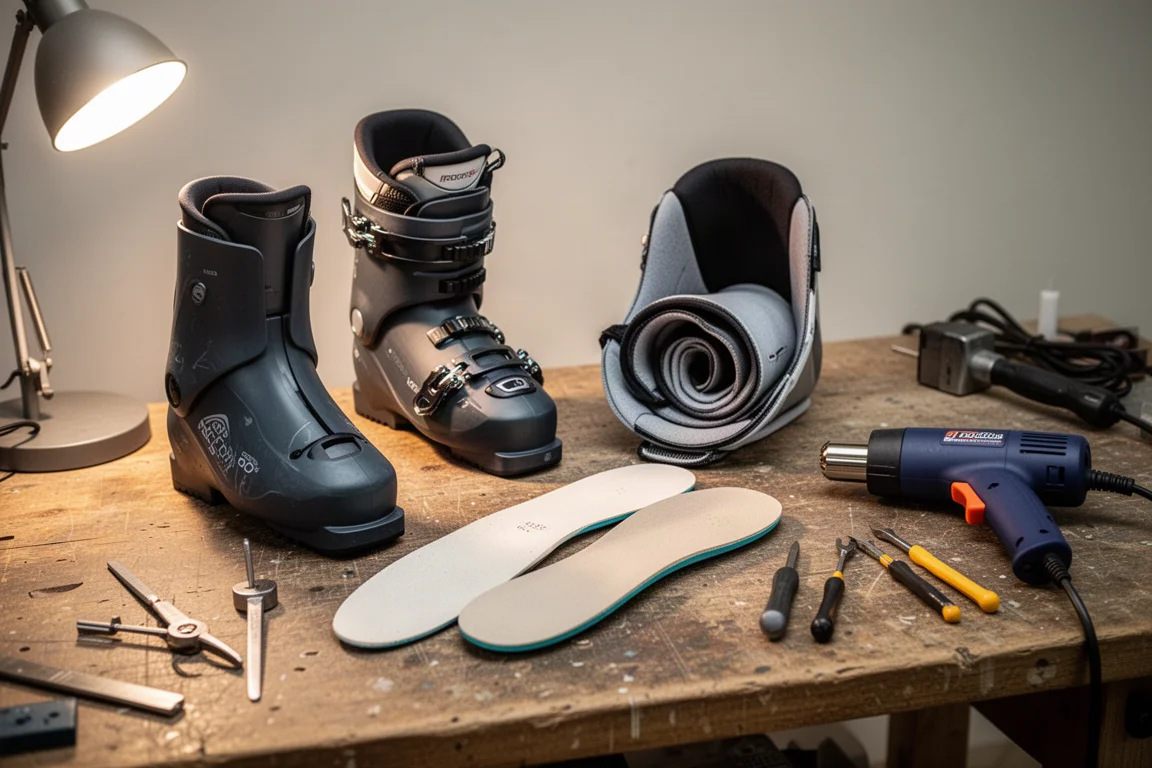
What makes these liners interesting is that they aim at two goals at once. They improve fit and they improve performance, and very few products in skiing do both.
ZipFit Gara LV
The Gara LV is built for low to mid volume boots, and ZipFit presents it as the most versatile liner in the range. The interior uses a roughly 3 mm neoprene layer rather than leather, with the same reinforced ankle structure found across the line.
That versatility holds up in practice. The Gara LV has been used in a range of shells, from a low volume boot to a mid volume model with a single Boa closure, and it performs well in most of them. It feels best in the shell it was first molded in, and results do vary from boot to boot.
Two details stand out. The first is the forefoot, which is deliberately loose. Because the heel and ankle are held so firmly, the front of the liner does not need to be tight, and that allows the foot to spread out naturally. The result is a boot that feels locked down at the ankle and open across the toes. The second is warmth. The Gara LV combines neoprene with Thinsulate and merino wool in the toe area, and cold feet take longer to set in.
ZipFit Workhorse
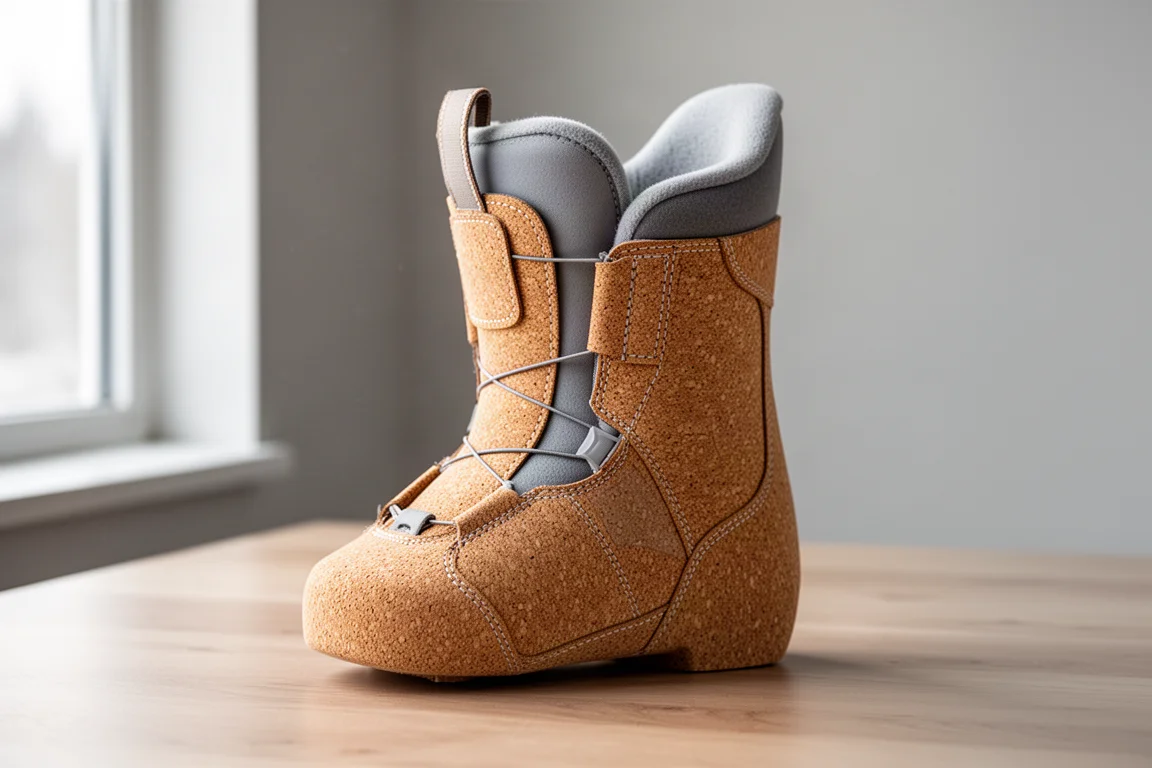
The Workhorse is the higher volume option, with more cork packed into the liner than the Gara LV. It uses leather on the outside and the inside, and ZipFit describes it as a liner for skiers who work in their boots, such as patrol. The leather is more than a material choice: it grips the inside of the shell and the sock at the same time, so the foot is held both by the cork and by friction against the leather surfaces.
The result is a boot that feels noticeably stiffer in flex. There is no movement at the heel or ankle, and the link between leg and ski is immediate.
Even a short skate toward the lift line makes the difference obvious. The cuff feels more connected, and energy that would normally be lost between the foot and the shell goes into the ski instead.
Key Differences Between the Two Liners
The clearest split is volume. The Gara LV is intended for low and mid volume boots, while the Workhorse carries more cork and suits higher volume shells. That difference shapes how each one fits before any molding takes place.
Material is the second split. The Gara LV uses a neoprene interior that feels warm and slightly softer against the foot. The Workhorse uses leather inside and out, which adds grip against both the shell and the sock.
The third split is adaptability. The Gara LV has been moved between several boots with good results, while the Workhorse is at its best in the shell it was fitted for. Skiers who want one liner to rotate through different boots will find the Gara LV the easier choice, while skiers who want maximum hold in a single boot will lean toward the Workhorse.
What Both Liners Share
Both liners rely on cork in the heel and ankle, and both are remoldable. Heating a liner for around 30 seconds loosens the material enough to reshape it, and shorter bursts of about 10 seconds work just as well. Both can be moved from one shell to another, and both include laces and an upper strap.
Both also share the same unusual forefoot philosophy. The fit is tight through the ankle and loose across the front of the foot, which reduces the crushing pressure many skiers feel over the top of the foot and lets the toes stay comfortable.
Neither liner is cheap, and both require a more deliberate routine than a stock liner. That routine is the price of the fit.
Things to Consider Before Buying
Getting into the boots takes practice. The liner works best when it goes on the foot first, with the laces tightened and the upper strap fitted, before the foot slides into the shell. Boa cables need to be extended fully, and it is easy to believe a cable is fully out when it is not. Cold plastic makes the whole process harder, so warming the shells on the way to the mountain helps.
Getting out of the boots is slower as well. It is manageable, but it adds time at the start and end of a ski day.
The upper strap on the Gara LV can create pressure in one spot on the shin, particularly where the strap overlaps and the lace keeper sits underneath it. Removing the strap while keeping the laces trades a little upper cuff precision for more forgiveness, which some skiers prefer.
Cork packs out over time, and more can be added to restore the fit. After around 40 days on snow, the fit had not changed noticeably, and the ability to remold the liner is reassuring.
Choosing the right model is the final hurdle. ZipFit offers several volumes plus a touring option, and matching a liner to a boot and a foot is not always obvious without guidance.
Buying Advice
The safest route is a bootfitter who stocks ZipFit liners and can match the volume to the shell. Buying online and molding at home works, but the same liner can feel excellent in one shell and mediocre in another, so shell compatibility matters as much as the liner itself.
It also helps to be honest about priorities. If the boots are comfortable, the fit is already good, and the budget is tight, a stock liner is fine. If the shell is right, the footbed is right, and the only remaining complaint is a vague sense of disconnection, a ZipFit liner is one of the few upgrades left to try.
Skiers who spend long days in their boots, or who work in them, will get the most out of the added hold and warmth. Everyone else should weigh the cost against how much time they actually spend on snow.
Conclusion
The Gara LV and the Workhorse are both premium liners with a clear purpose. The Gara LV suits skiers in low and mid volume boots who want one liner that can travel between shells, while the Workhorse suits skiers who want the firmest possible hold in a single boot and spend full days in it.
Both reward skiers whose boot fit is already close. If the boots do not fit, nothing else in the setup matters, and no liner will fix that. When everything else is dialed in, these are among the few products that genuinely change the way a boot performs.
Further reading
Related Reviews
Ski Boot Liners
Intuition DHT Boot Liners Review: A Practical Ski Boot Upgrade
The Intuition DHT liner brings aftermarket boot fit and response down to a more approachable price, with easy handling and a few fit quirks worth knowing about.
Ski Boot Liners
ZipFit Gara LV Review: A Year of Hard Skiing on Cork-Fit Liners
After a full season of resort riding, touring, and bootpacking, here's an honest look at what the ZipFit Gara LV does well, and where it falls short.
Backpacking Gear
Building a 10 lb Base Weight: An Ultralight Backpacking Gear List
A practical walkthrough of the ultralight pieces behind a 10 lb base weight, from a 765 g pack and a roomy one-person tent to a full camp chair and a dependable water filter.