Ski Boot Liners
Intuition DHT Boot Liners Review: A Practical Ski Boot Upgrade
The Intuition DHT liner brings aftermarket boot fit and response down to a more approachable price, with easy handling and a few fit quirks worth knowing about.
Introduction
Aftermarket boot liners are one of the few upgrades that change how a ski boot actually feels on snow, and they have traditionally been an expensive experiment. The Intuition DHT liner sits at the more approachable end of that category, retailing at $210, which is roughly 40 percent of what the most premium aftermarket liners tend to cost.
That price gap matters, because it changes the question from a serious commitment to a reasonable upgrade. This review covers what the DHT does well, where it asks for patience, and who should realistically consider it.
Who This Product Is For
Start with the most important point: a liner is a supplement, not a repair. If the shell is the wrong size, the wrong width, or the wrong flex for your foot and your skiing, no aftermarket liner will fix that. The DHT works best for skiers who already have a shell that fits properly and want a snugger hold, less movement inside the boot, and a slightly quicker response when they pressure the ski.
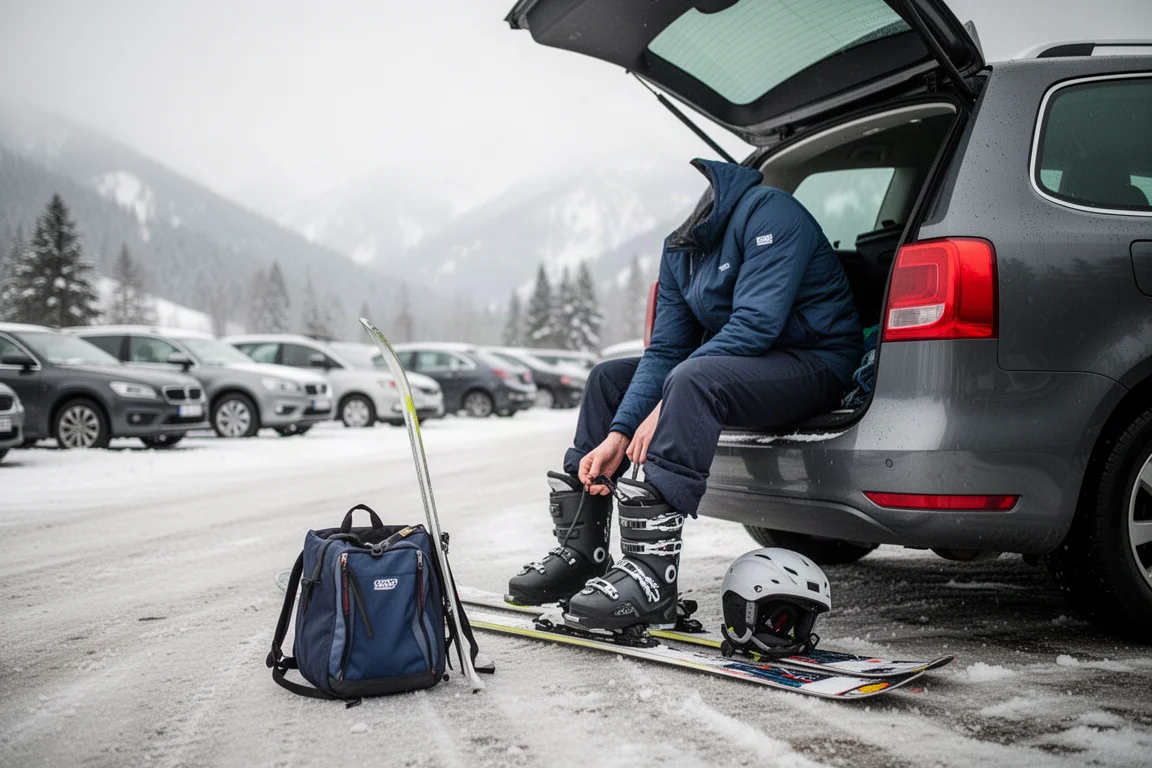
It also suits skiers who gear up in a parking lot rather than a warm lodge. The liner can stay inside the shell, so you can open the boot, tighten the liner, and get moving before the plastic stiffens in the cold. That practicality is a large part of the appeal here, and it is the reason this liner is easy to live with across a whole season rather than just on the first run.
If your boot already fits well and you are chasing marginal gains in comfort and response, the DHT makes sense. If you are trying to rescue a boot that hurts, the money is better spent on getting the shell itself sorted out first.
Main Strengths
The DHT is the most practical aftermarket liner to handle day to day, and that shows up in a lot of small details.
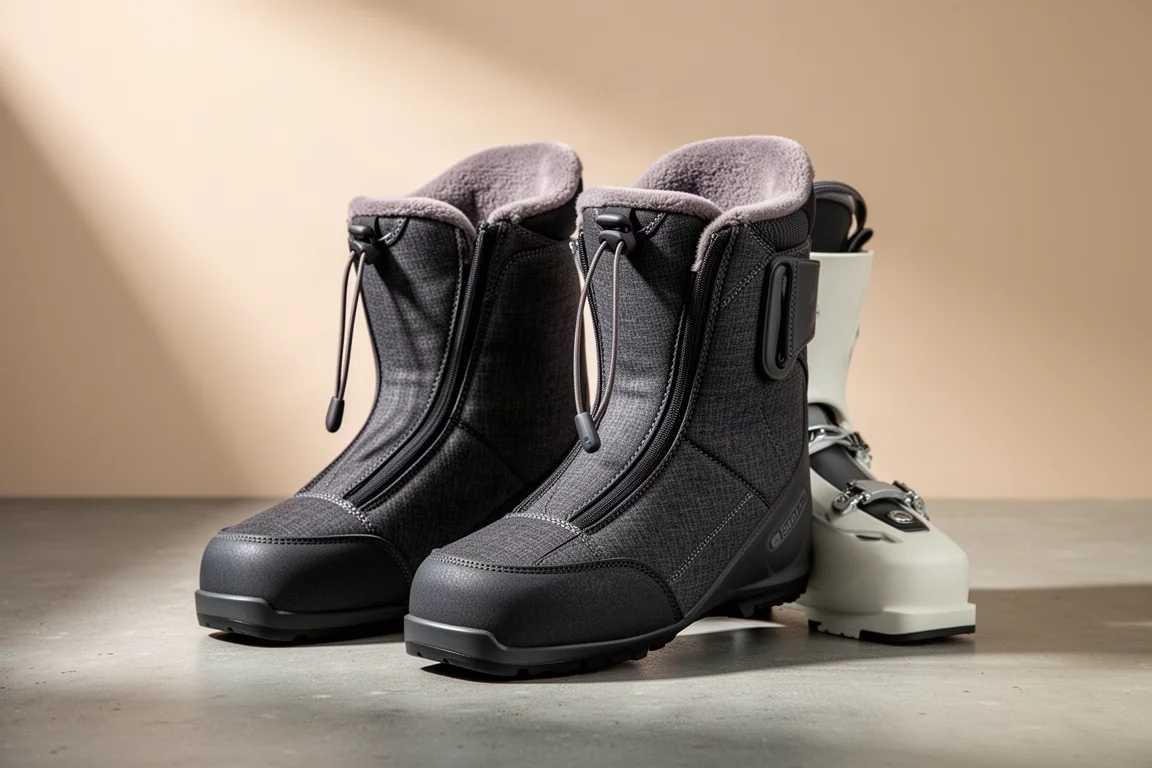
- Getting the liner in and out of the shell is genuinely easy, and it stays put once it is seated.
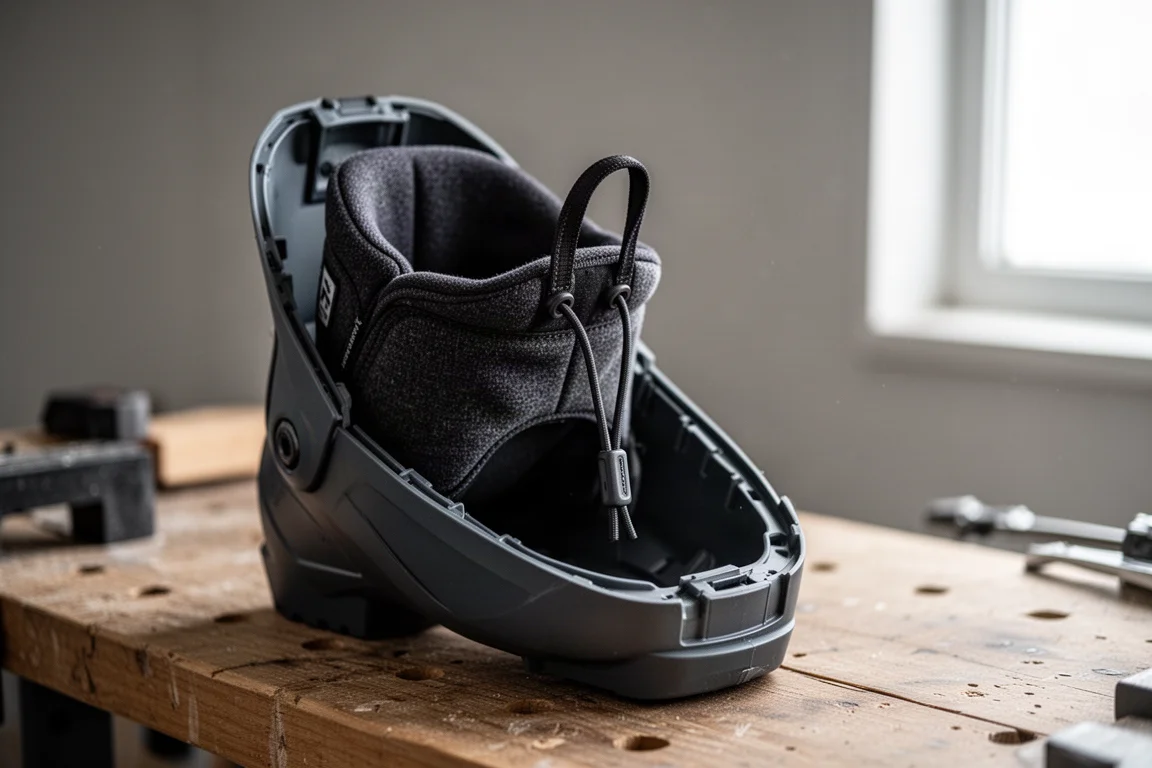
- The drawstring is simple to pull tight and holds a snug fit without constant fiddling. It is far easier to work with than the string-and-knot setups found on older race liners.
- Handles on the tongue let you pull the liner up for a snug fit and help when sliding it in or out of the shell.
- Grip patches under the sole keep the foot seated inside the shell, and the liner does not catch on the way in.
- The liner carries an antimicrobial lining treatment and an abrasion resistant textile construction, which should help with long-term durability and odor.
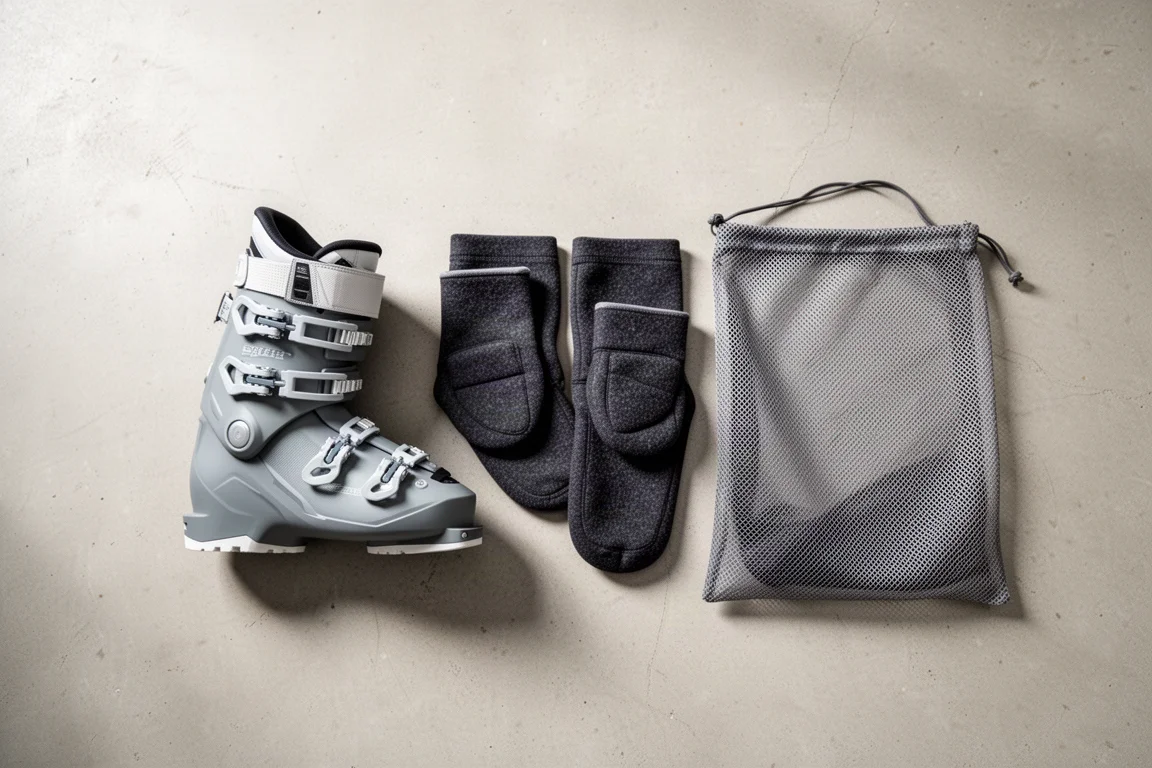
- Packaging is thoughtful, with a mesh bag included, and a heating kit can be ordered for heat molding.
Comfort arrives quickly. After heat molding, the liner settled into the shell within roughly an hour or two of skiing, and the break-in period was short compared with the effort some liners demand.
Fit, Setup, and Heat Molding
The DHT liners were used in a pair of Atomic Hawx Prime 12 boots. They can be worn two ways: leave the liner in the shell and step in, or tighten the liner to your foot first and then slide the whole assembly into the shell. Keeping the liner in the shell proved to be the simpler routine, and it is the approach that makes the most sense in a cold parking lot.
Heat molding is optional but worthwhile. It mainly expedites the forming process rather than transforming the fit, and it shortened the time needed before the liner felt dialed in. In the first hour there is a settling phase where the liner shifts slightly inside the shell, which can feel like the liner is slipping and is genuinely unsettling the first time it happens. That movement disappeared within a few hours of skiing, and it was never a safety concern, just a temporary quirk of the break-in.
There is a soft velcro patch on the liner for spoilers. In practice the liner volume did not line up well with a spoiler in this shell, so spoiler users should treat that as a fit variable to test rather than a guaranteed feature. Buckle positions also changed. The DHT carries more volume than a stock liner, so the usual buckle settings will likely need to be readjusted before the fit feels right.
Things to Consider Before Buying
None of these are deal breakers, but they are worth knowing before you commit.
- The drawstring leaves a long tail of excess cord. It can be wrapped around the shin loop, but if you are not paying attention it can get caught in the shell below, and you may have to pull the foot back out and start over.
- Spoiler compatibility is uncertain. The velcro patch is there, but the liner volume may not align with your spoiler setup.
- Buckle adjustments are likely. Expect to spend a little time dialing the closures in rather than going straight to your usual setting.
- There is a settling sensation during the first hours of use. It fades, but it is noticeable at the start.
- The price, while lower than premium alternatives, is still meaningful. At $210 the liner adds real cost to a boot purchase, particularly if you are buying boots at peak season prices.
Practical Performance on Snow
The performance gain is real but measured. The liner produces a snugger, tighter hold on the foot, and with less play in the boot the shin sits closer to the tongue. That means less travel before the boot starts driving the ski, so turns initiate a little faster.
The honest estimate is a 10 to 20 percent improvement in responsiveness over a stock liner. It is not a transformation, and it will not change your skiing on its own, but it is a genuine gain in how directly the boot transfers input. Comfort holds up across a full day as well. After the initial settling period the liner becomes easy to forget about, which is exactly what you want from a piece of equipment you wear for hours at a time.

The strongest argument for the DHT is how it combines that modest performance gain with everyday usability. A liner that adds response but is a hassle to put on tends to get left at home. This one gets used, which is what makes the improvement count over a season.
Cost and Long-Term Value
At $210, the DHT sits at roughly 40 percent of the cost of the most premium aftermarket liners, which tend to run around $500. That makes it a much smaller commitment for a similar style of benefit, even if the materials are not identical.
Ski boots themselves are not cheap, and total spend varies widely. Some skiers pay $350 for boots bought in the off season, while peak season purchases can climb considerably higher. Adding a liner on top of that is a real cost, but the value case holds up because the liner works out of the box, improves the feel of a shell you already own, and does not demand a complicated setup routine. For riders who want more performance from their existing boot without rebuilding their whole setup, that math is favorable.
Buying Advice
The right question is why you are shopping for a liner in the first place. If your boot does not fit properly, a liner is a band-aid on a bigger problem, and the money belongs in proper boot fitting instead. If your shell already fits well and you want a little more response, a snugger hold, and better comfort, this is a strong and often overlooked option.
Practicality is the deciding factor for many skiers. A complicated liner that takes ten minutes to put on in a cold parking lot is a liner that stays in the bag. The DHT is streamlined enough that it simply becomes part of the routine, and the ease of tightening the drawstring, pulling the tongue up, and stepping in makes it the most livable aftermarket liner of its type. On balance it earns a solid 8 out of 10, with the main reservation being price rather than performance.
If you are weighing this against a more expensive liner, be honest about your priorities. Premium liners use more specialized materials and offer a different feel, but for most skiers looking to improve fit and gain a bit of performance from a boot they already like, this liner delivers most of the benefit at a fraction of the cost.
Conclusion
The Intuition DHT liner is an easy product to recommend to the right skier. It is simple to use, comfortable once settled, and it produces a noticeably snugger, more responsive boot without demanding much in return. The drawstring excess, the spoiler fit question, and the buckle readjustment are minor annoyances rather than flaws, and the settling period passes quickly.
Buy it as an upgrade to a boot that already fits. Skip it if the shell itself is the problem. Handled that way, this is one of the more sensible pieces of ski gear money you can spend.
Product link
View more details for Intuition DHT Boot Liners
This product is mentioned in the review. Check the specifications, options, and compatibility before buying.
View more details for Intuition DHT Boot LinersFurther reading
Related Reviews
Ski Boot Liners
ZipFit Gara LV and Workhorse: Two Premium Ski Boot Liners Compared
A practical look at two ZipFit aftermarket ski boot liners, the neoprene-lined Gara LV and the leather-lined Workhorse, and the skiers each one suits.
Ski Boot Liners
ZipFit Gara LV Review: A Year of Hard Skiing on Cork-Fit Liners
After a full season of resort riding, touring, and bootpacking, here's an honest look at what the ZipFit Gara LV does well, and where it falls short.
Action Cameras
Best Action Cameras for Skiing and Snowboarding: Five Tested Options
Five action cameras tested on the slopes: DJI Action 5 Pro, Insta360 GO 3S, Insta360 Ace Pro 2, Insta360 X4, and GoPro Hero 13. Each excels in different ways.