Sleeping Pads
Zenbivy Ultralight vs Flex Air vs Nemo Tensor All Season: Three Sleeping Pads Compared
Three 2024 ultralight sleeping pads compared on warmth, baffle support, valve usability, fabric durability, and price.
Introduction
Sleep quality shapes a backpacking trip as much as mileage does. A pad that keeps hips, shoulders, and sides off cold ground makes the next morning feel completely different, and it is one of the few pieces of gear where spending more genuinely changes the experience. Three pads are worth a close look right now: the Zenbivy Ultralight, the Zenbivy Flex Air, and the Nemo Tensor All Season.
All three are new for 2024, and all three have been used over multiple nights in cold conditions, including temperatures in the low twenties Fahrenheit. Each takes a different approach to the same problem: how to combine warmth, support, low weight, and packability without asking the sleeper to compromise on the thing that matters most, which is a full night of uninterrupted rest.
What Matters Most in an Ultralight Sleeping Pad
Insulation value, thickness, weight, and baffle geometry all pull against each other. A higher R-value usually means more insulation material, which usually means more weight and bulk. Three inches of thickness sounds generous on paper, but the way that thickness is structured determines whether you actually sleep on top of the pad or sink through it.
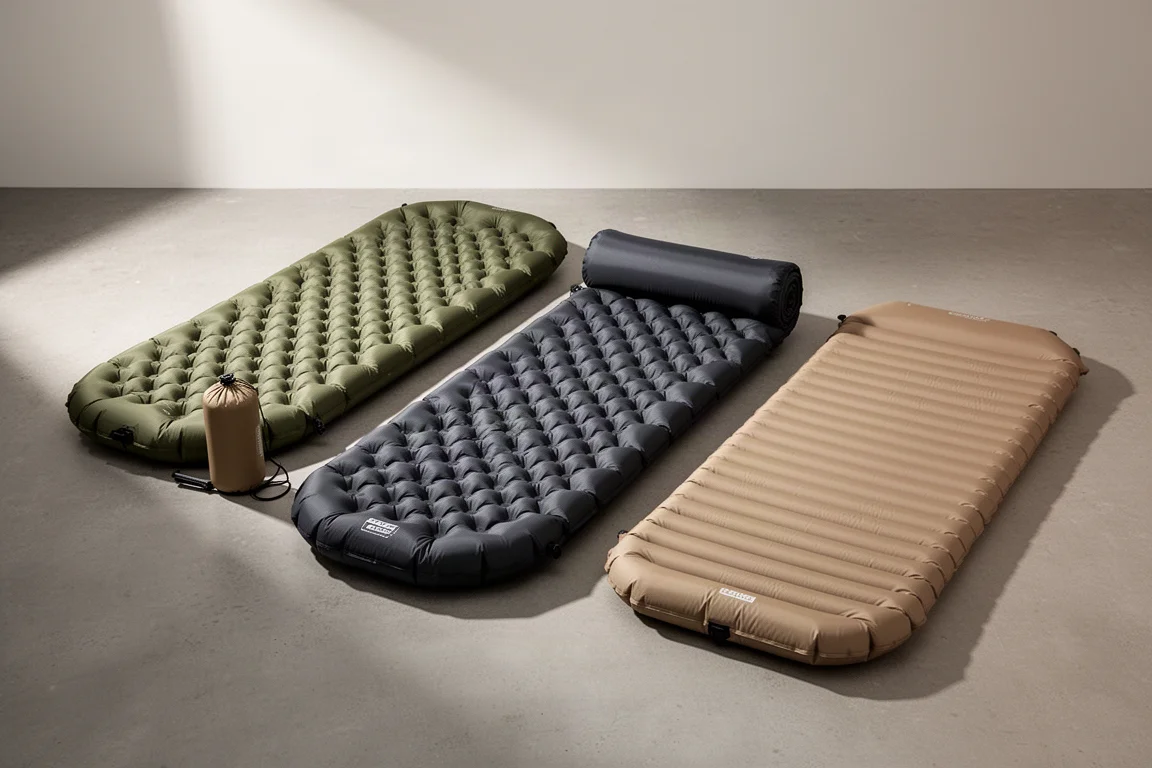
Baffle design is where the three pads diverge most. Horizontal baffles are the long-standing standard and are easy to manufacture, but they tend to create a surface that resists your body rather than conforming to it. Dimpled or diamond-pattern baffles change the way pressure spreads, and on a firm inflation they can feel considerably more supportive under a hip or a shoulder.
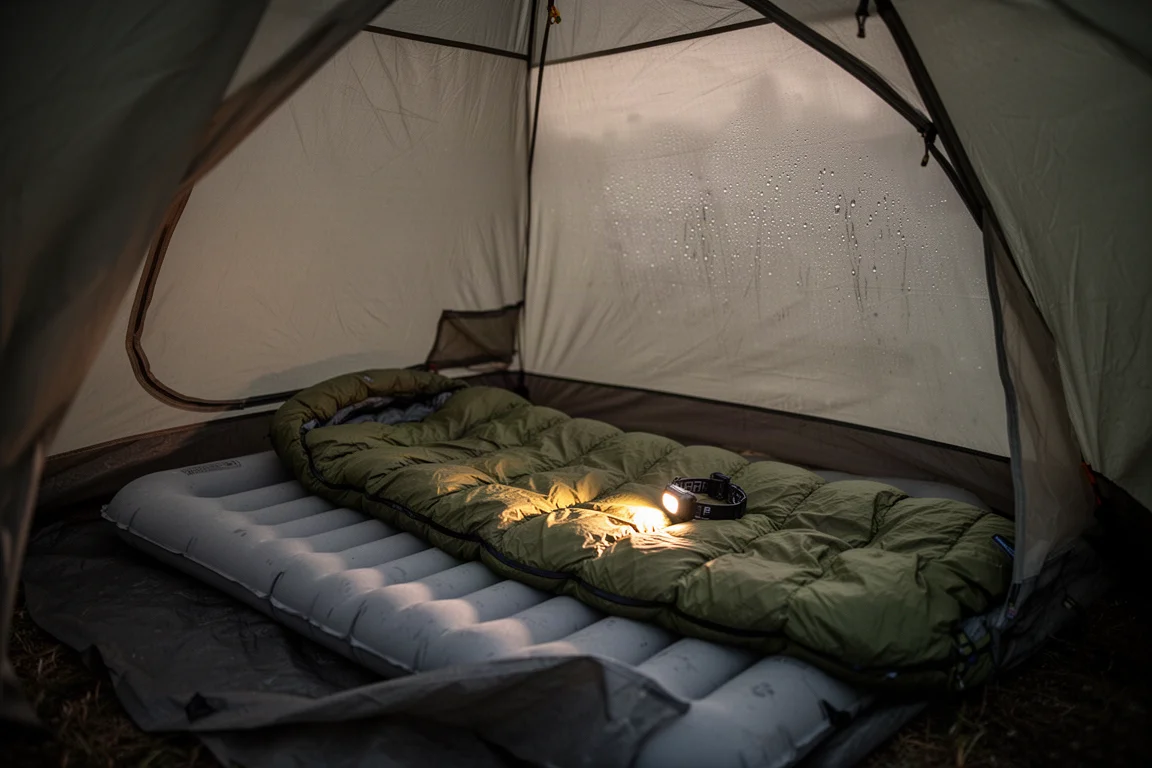
Valve design rarely gets attention until it fails you. A valve that inflates quickly but refuses to dump air cleanly on a cold morning is a daily annoyance, and it is the kind of detail that only shows up after several nights of real use. Fabric choice matters just as much over the long term, since the denier of the face and base fabrics determines how well a pad survives abrasive ground.
Zenbivy Ultralight Sleeping Pad: The Comfort Benchmark
The Zenbivy Ultralight is the brand’s first sleeping pad to use Mylar film insulation, and it uses two separate layers of it. The ASTM-rated R-value is 4.8, a figure slightly below the R5 value that appears in the brand’s own product materials. In practice the pad held warmth comfortably across ten nights of use in temperatures of 19°F, 21°F, 28°F, and 30°F, including nights on fairly cold ground.
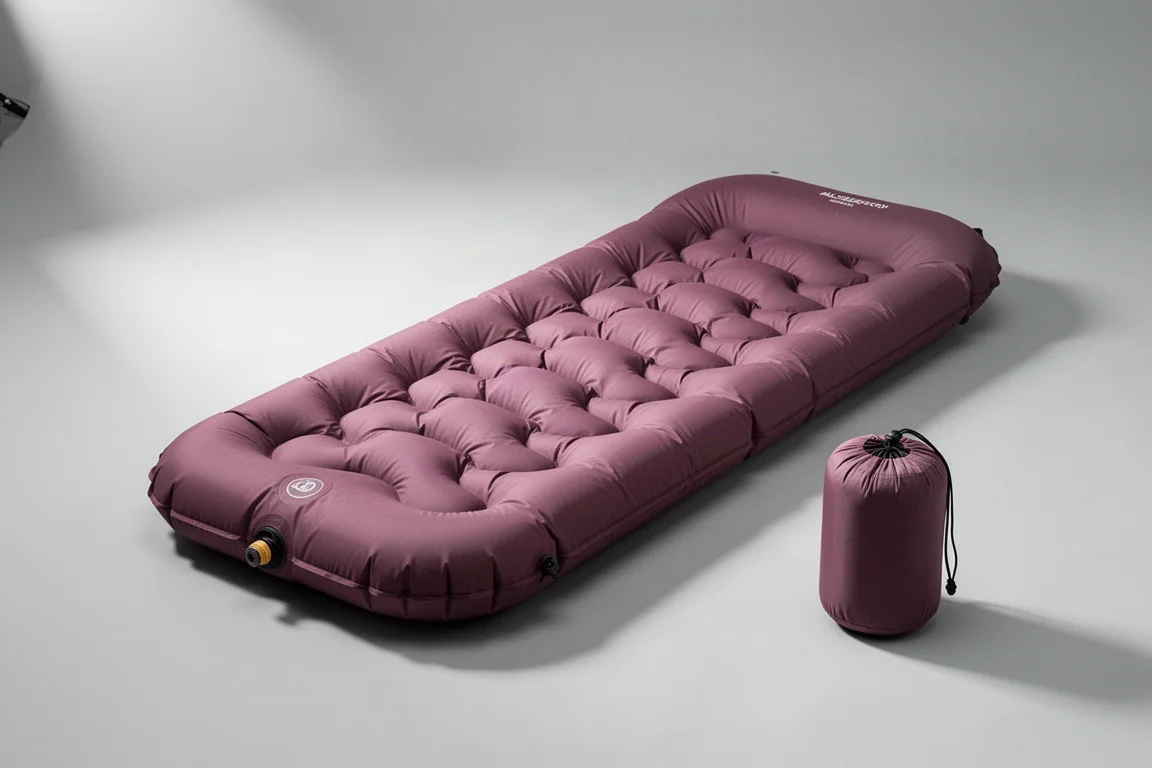
The 25 x 72 size weighs 21 oz and measures 3 inches thick, with a tapered shape that trims weight and packed volume. Three sizes are available. The standout feature is the baffle layout: a dimpled diamond pattern running diagonally rather than in strict vertical and horizontal lines, which lets the surface move with the body while still laying flat.
The two insulation layers are offset between the top and bottom of the pad, so the dimple points that look like potential cold spots on the upper surface line up with welded sections and insulation underneath. That design produces more consistent warmth than a single-layer construction with open cutouts at each dimple. The trade-off is a pad that needs to be inflated fairly firm to keep hips, seat, and shoulders from pressing into the ground, which suits anyone who prefers a taut sleeping surface.
The valve is the clear weak point. Inflation is quick and the seal is solid, and the pump bag doubles as the storage sack, moving a useful amount of air with each stroke despite its small size. Deflation is a different story: the dump valve is unnecessarily stiff, and pulling the second plug free on a cold morning takes real effort, to the point of worrying about stressing the glued valve base. The face and base fabrics are both 20 denier recycled polyester taffeta, which feels soft rather than plasticky, though long-term abrasion and puncture resistance on rough desert ground remains an open question. The Ultralight is priced at $199 in the 25 x 72 and 25 x 77 sizes.
Zenbivy Flex Air Sleeping Pad: A Softer Four-Way Stretch Top
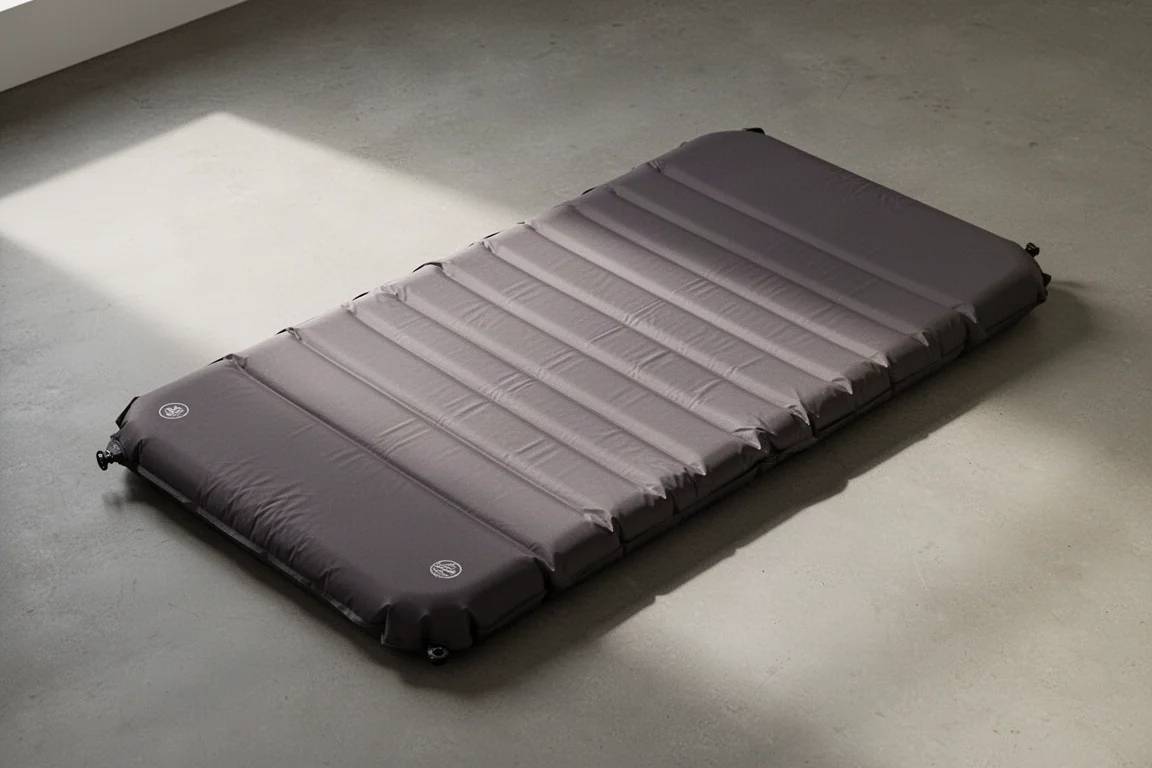
The Flex Air shares its construction, baffle pattern, insulation rating, and valve with the Ultralight. The single meaningful difference is the top fabric, which switches from 20 denier recycled polyester taffeta to a 20 denier polyester knit with four-way stretch. That knit is noticeably softer against the skin and gives the surface a little more movement under the body.
The weight penalty is modest. The 25 x 77 Flex Air comes in at 25 oz, roughly 4 oz more than the 25 x 72 Ultralight. The same three sizes are offered, and the R-value rating is unchanged, so the decision comes down to surface feel rather than warmth or packability.
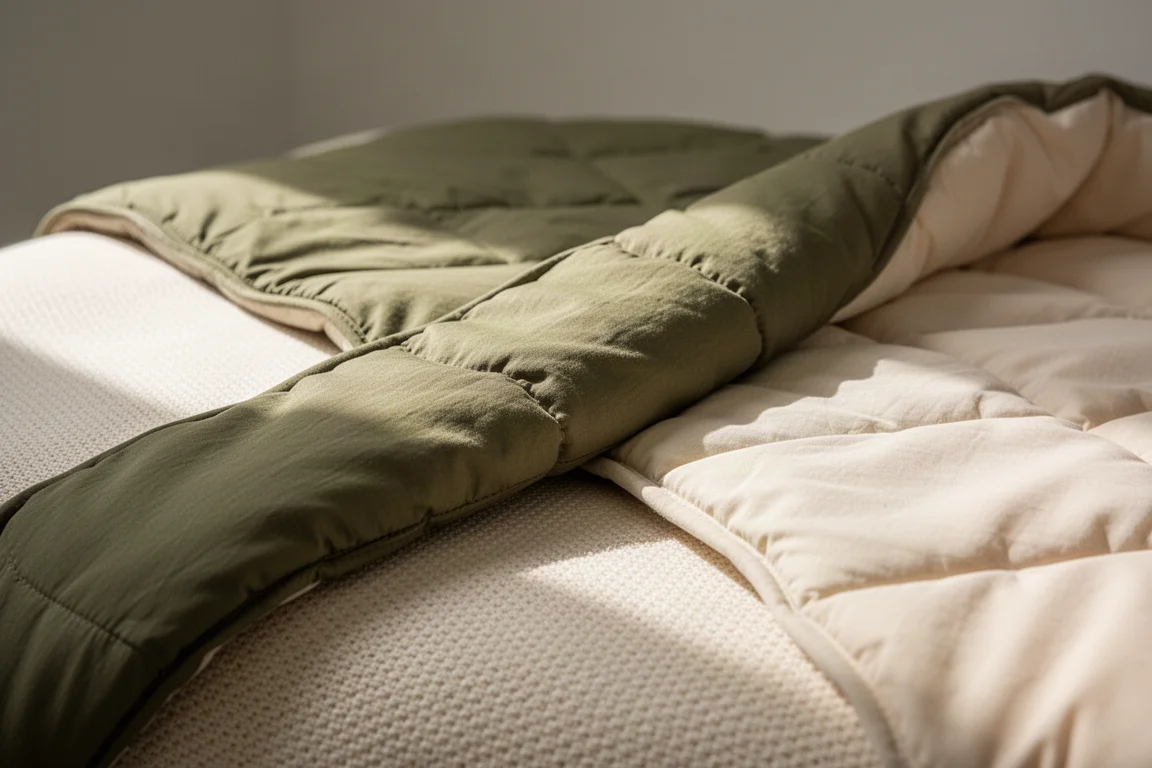
Lying on the two pads side by side, the Flex Air has more give and a slightly different support character. The difference is subtle rather than dramatic, and it will not matter to every sleeper, but it is perceptible. In warmer months, when less clothing and a lighter quilt are in play, the knit surface also reduces the sticky feeling that a taffeta top can produce against bare skin.
The Flex Air is priced at $219 in the 25 x 72 and 25 x 77 sizes, which puts it above the Ultralight for what amounts to a comfort refinement. That is a reasonable trade for anyone who values surface softness and is not counting ounces closely, and a harder one to justify for weight-focused backpackers.
Nemo Tensor All Season Sleeping Pad: Warm, Light, and Reliable
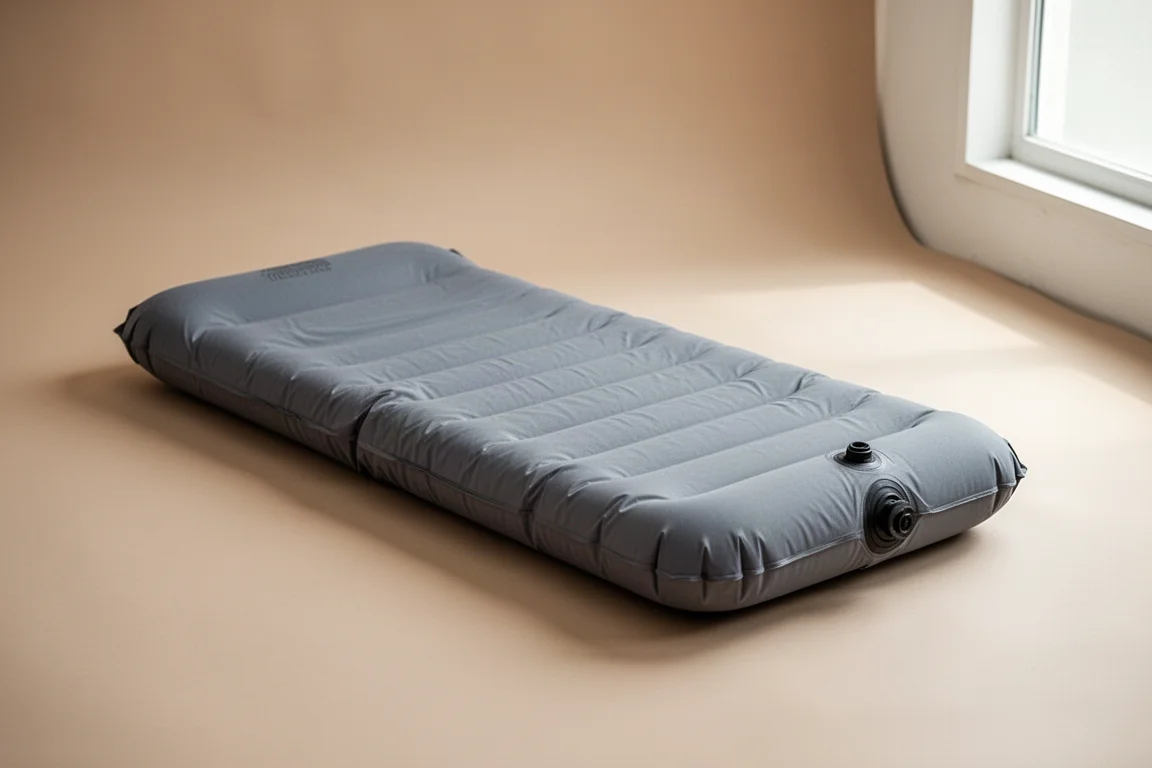
The Nemo Tensor All Season is also new for 2024 and has seen more than twenty nights of use. Its headline figure is an R-value of 5.4, the highest of the three pads here, and it does keep cold ground and cold air from reaching the sleeper. It uses a 20 denier fabric on top and a 40 denier fabric on the bottom, along with Space Frame baffles that include small ridges and bumps intended to spread support across the surface.
The Tensor’s strengths are its low weight, its wide range of size options, and its overall reliability. It is a well-rounded pad that is easy to recommend on paper. The compromise is comfort: the baffle layout is still fundamentally horizontal, similar in character to other horizontal-baffle pads on the market, and it does not feel as supportive under a hip or shoulder as the dimpled Zenbivy design. Sleepers who prioritize a warm, light, dependable pad over maximum surface comfort will find plenty to like here.
Warmth Ratings and Real-World Cold Weather Performance
On paper, the two Zenbivy pads share an ASTM-rated R-value of 4.8 and the Nemo Tensor All Season sits higher at 5.4. That gap is real, and it makes the Tensor the more conservative choice for genuinely cold trips where insulation value is the top priority.
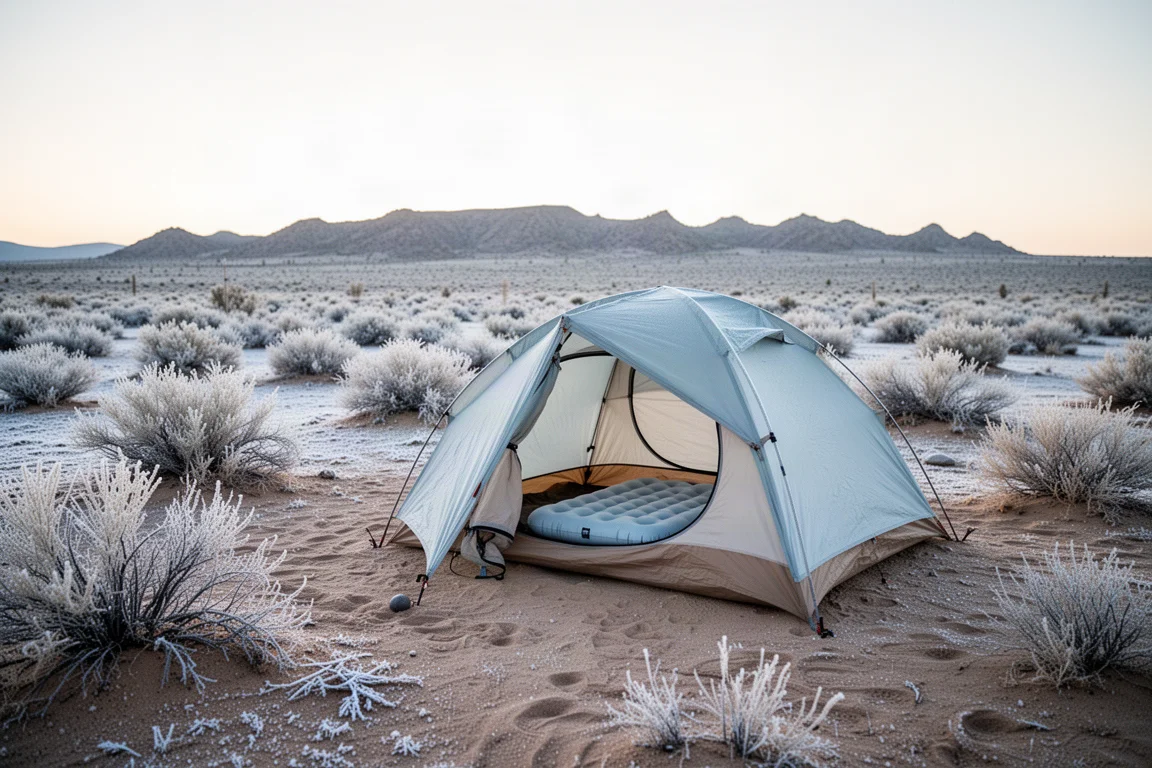
Real-world use tells a more nuanced story. The Zenbivy Ultralight and Flex Air were both taken down to 19°F, 21°F, 28°F, and 30°F on cold ground and stayed warm through the night. Across ten nights on those two pads, including a six-night stretch of consecutive backcountry nights in cold conditions, sleep was uninterrupted. That is the practical measure that matters, and it is why the offset two-layer insulation design is worth understanding rather than dismissing as a spec sheet detail.
The offset layering is the key difference in how the Zenbivy pads manage warmth. Because the top and bottom Mylar layers do not align at the dimple points, there is no direct path for cold air to travel through an uncovered cutout. Single-layer pads with visible openings at each dimple cannot make the same claim. If you sleep cold and want consistent warmth rather than localized cold spots, that construction detail is worth weighing alongside the raw R-value numbers.
Durability and Long-Term Value
Both Zenbivy pads use 20 denier fabric on the top and the bottom. That keeps weight down and gives the surface a soft hand feel, but it also raises a fair question about how the material will hold up against abrasive ground, sharp vegetation, and repeated packing. So far, after nights spent on desert terrain with plenty of abrasive and pointed ground cover, neither pad has shown damage. Long-term abrasion and puncture resistance is still unproven, and that uncertainty is worth factoring into a purchase at this price.
The Nemo Tensor All Season takes a different approach by pairing a 20 denier top with a 40 denier bottom, which suggests a more resilient base fabric for ground contact. The Zenbivy valve design is the other long-term consideration, since the stiff deflation plug requires enough force that the glued valve base feels like it is under strain every time the pad is packed away.
Value here is less about the sticker price and more about how many nights the pad improves. A sleeping pad that delivers consistent, supportive sleep on consecutive backcountry nights earns its cost faster than one that merely looks good in a specification table.
Buying Advice: Matching a Sleeping Pad to Your Trips
Start with the nights you actually sleep outdoors. If comfort and support are the priority and a 21 oz pad is acceptable, the Zenbivy Ultralight is the strongest choice of the three, with a dimpled baffle layout that supports the body without pressure points and a warmth rating that has held up on genuinely cold ground. It is priced at $199.
If surface feel matters most, the Zenbivy Flex Air adds a four-way stretch knit top for a modest 4 oz penalty in the 25 x 77 size, at $219. The comfort difference is subtle but noticeable, and it is most relevant for warm-weather trips with lighter bedding.
If insulation value and low weight drive the decision, the Nemo Tensor All Season is the pick, with a 5.4 R-value, a broad range of sizes, and a 40 denier base fabric. Accept that the horizontal baffle layout is less supportive than the Zenbivy design and you have a dependable, warm, light pad.
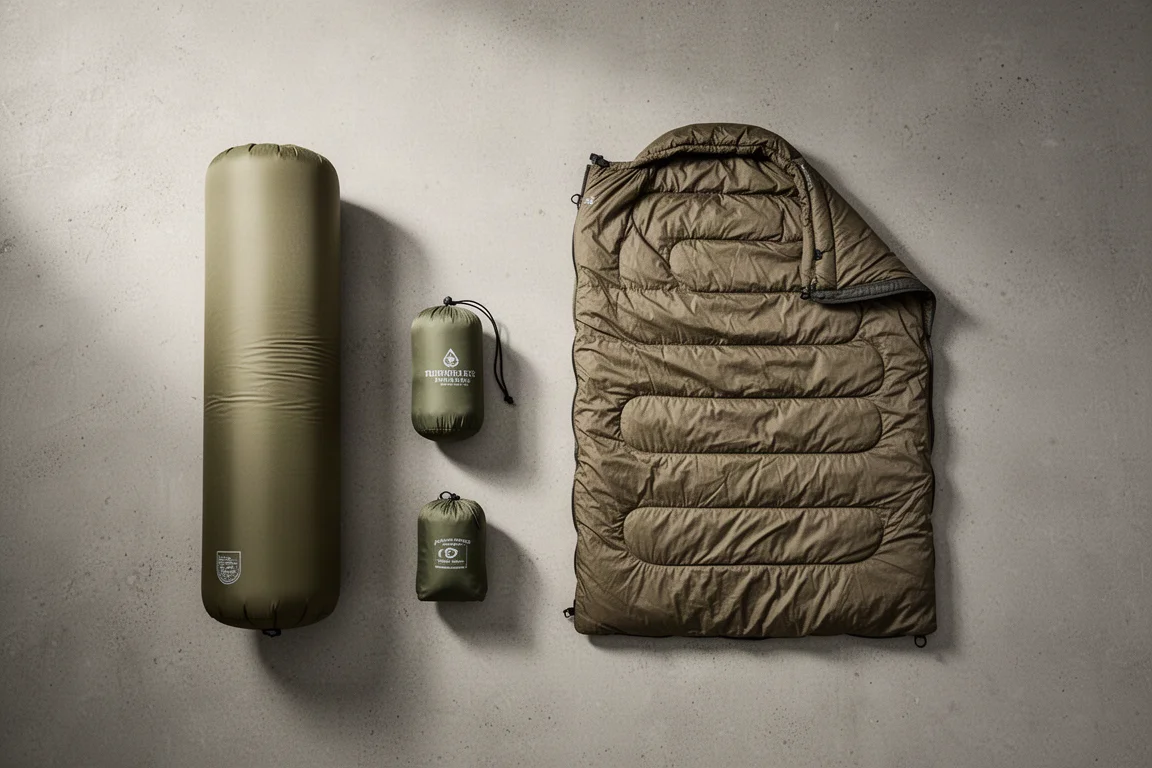
It is worth being honest about the price level of all three. Two hundred dollars and up is a significant amount to spend on a sleeping pad, and there are many capable options on the market that deliver a comfortable night for less. What justifies the spend on these pads is not a single feature but the combination of support, warmth, and repeatable sleep quality over many consecutive nights, which is exactly what a long trip demands.
Conclusion
The Zenbivy Ultralight is the most comfortable of the three in use, and its offset two-layer insulation and diagonal dimpled baffles are the reasons why. The Zenbivy Flex Air keeps that same design and swaps in a softer four-way stretch knit top for a small weight and price increase. The Nemo Tensor All Season answers a different question, offering the highest R-value of the group, a low weight, and a wide size range, with a more conventional baffle layout as the trade-off.
Choose based on the trip you take most often: maximum support for the Ultralight, maximum surface softness for the Flex Air, and maximum warmth-to-weight for the Tensor All Season. Any of the three will outperform a basic pad on a cold night, and the differences between them come down to which comfort you value most.
Further reading
Related Reviews
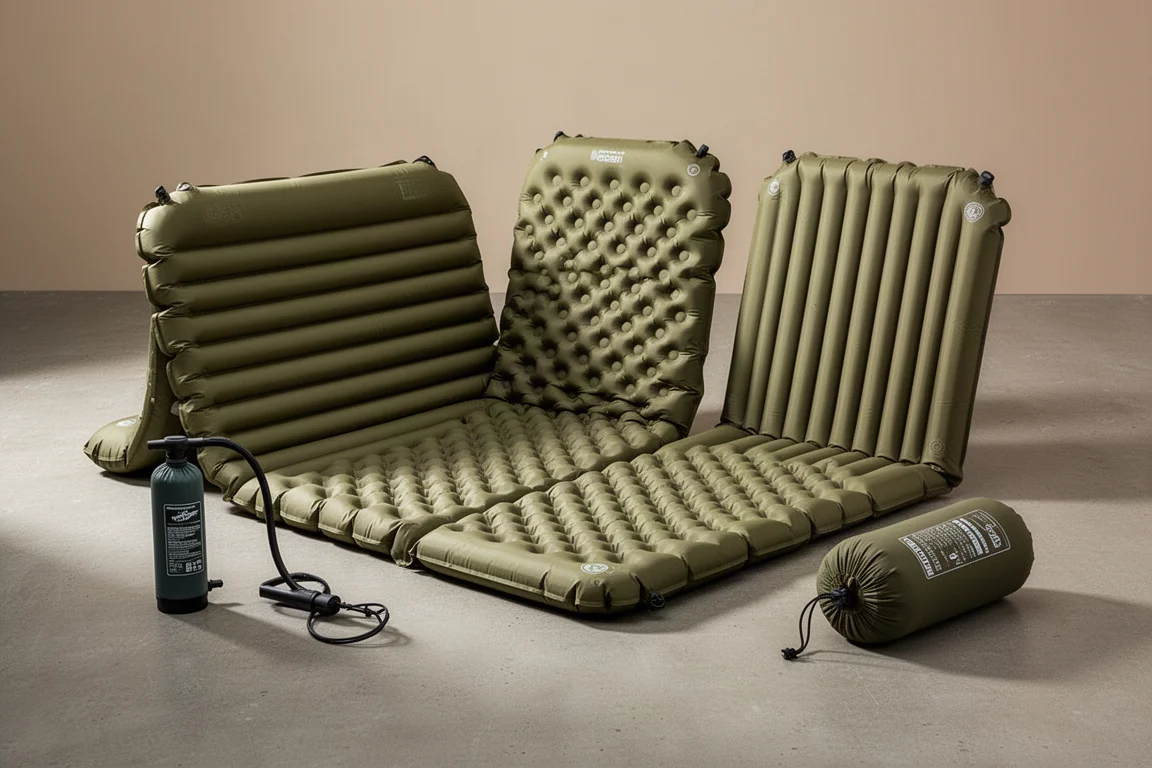
Sleeping Pads
Best Backpacking Sleeping Pads 2026: Nine Pads Rated on Price, Comfort, Warmth, and Weight
Nine backpacking sleeping pads compared on price, comfort, warmth, and weight, from a $65 summer pad to a year-round option rated at R-7.3.
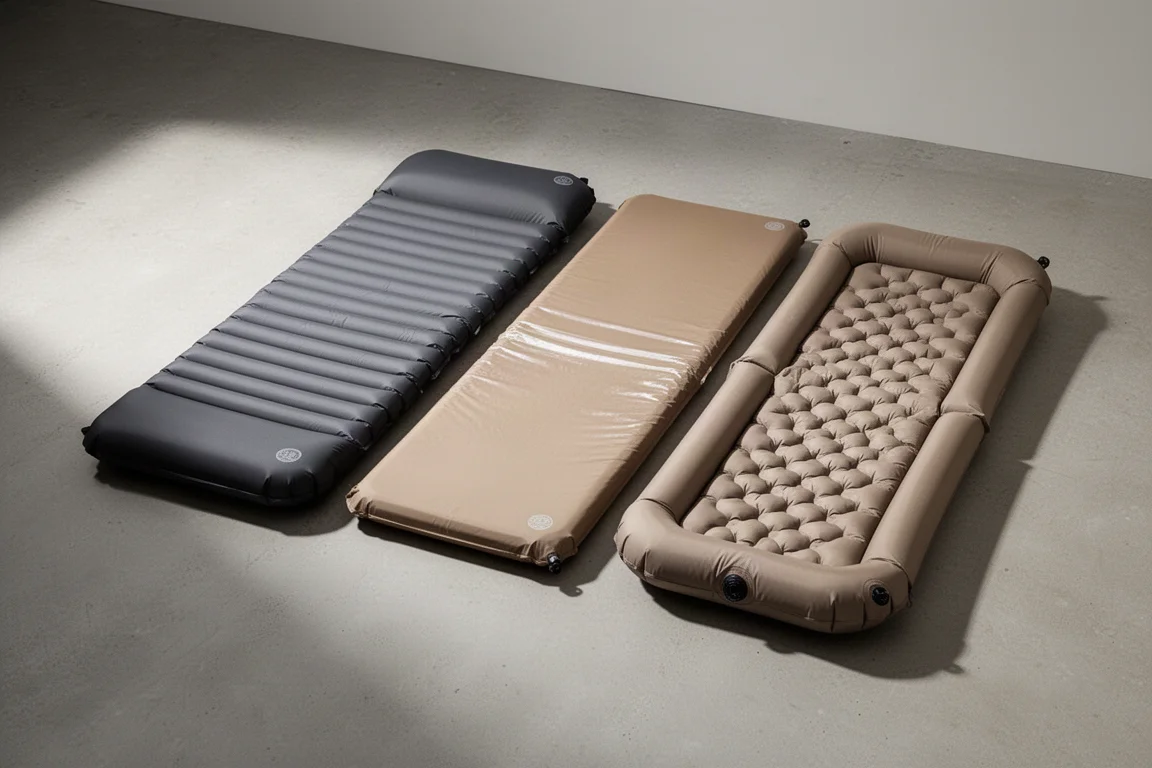
Sleeping Pads
Best Backpacking Sleeping Pads: Comfort, Warmth, and Weight Compared
A practical comparison of the Nemo Quasar 3D, Therm-a-Rest NeoAir XTherm Max, and Big Agnes Rapide SL for backpackers choosing between comfort, warmth, and packed weight.
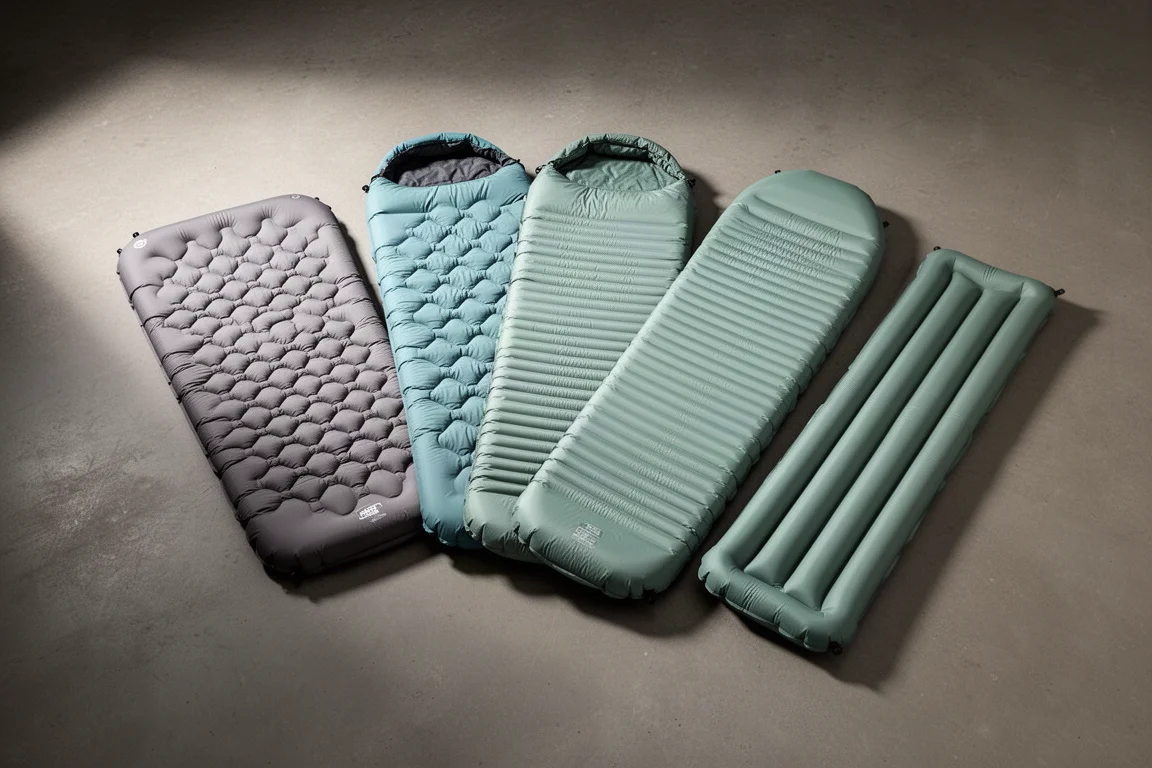
Sleeping Pads
Best Backpacking Sleeping Pads: Ultralight, Winter, Comfort and Budget Picks
A practical roundup of the sleeping pads that stand out for ultralight weight, winter warmth, pressure relief and value, plus three popular pads that fell short.