Sleeping Pads
Best Backpacking Sleeping Pads: Comfort, Warmth, and Weight Compared
A practical comparison of the Nemo Quasar 3D, Therm-a-Rest NeoAir XTherm Max, and Big Agnes Rapide SL for backpackers choosing between comfort, warmth, and packed weight.
Introduction
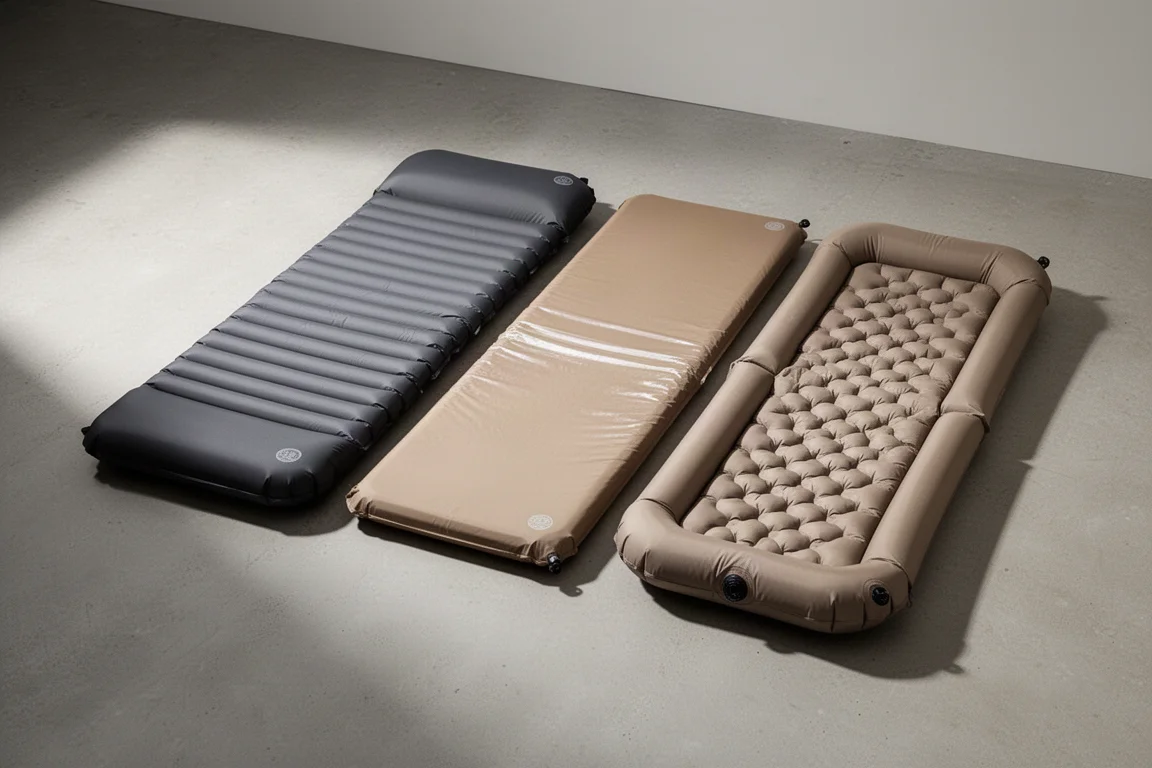
Choosing a backpacking sleeping pad usually comes down to a trade between three things: how comfortable it feels after a long day, how much warmth it delivers for its weight, and how much bulk it adds to your pack. The three pads compared here each lean toward a different answer. All three are regular wide, which means 25 inches of width and 72 inches of length, so the comparison stays fair on usable sleeping area.
The Nemo Quasar 3D is the comfort pick. The Therm-a-Rest NeoAir XTherm Max is the warmth to weight pick. The Big Agnes Rapide SL sits in the middle and works as a single do-everything option.
Each section below covers thickness, R value, packed weight, shell fabric and valve design, plus the kind of trips each pad actually suits. The aim is simple: help you match a pad to the trips you take most often, rather than chase a single best number.
What Matters Most: Comfort, Warmth, and Weight
Thickness matters most for side sleepers. A pad under three inches tends to let a hip or shoulder press toward the ground, while a thicker pad keeps the body supported and level through the night. Baffle layout matters just as much as raw height: horizontal baffles can feel supportive or lumpy depending on how the pad is shaped, and a quilted pattern distributes support differently again.
R value is the warmth number. A lower value suits mild three-season conditions, while a higher value is what you want for shoulder season and winter trips where staying warm overnight is the main priority. Packed weight and pack size are the final filter, since a warm pad that swallows half your pack changes how you travel.
Nemo Quasar 3D: Comfort That Justifies the Weight
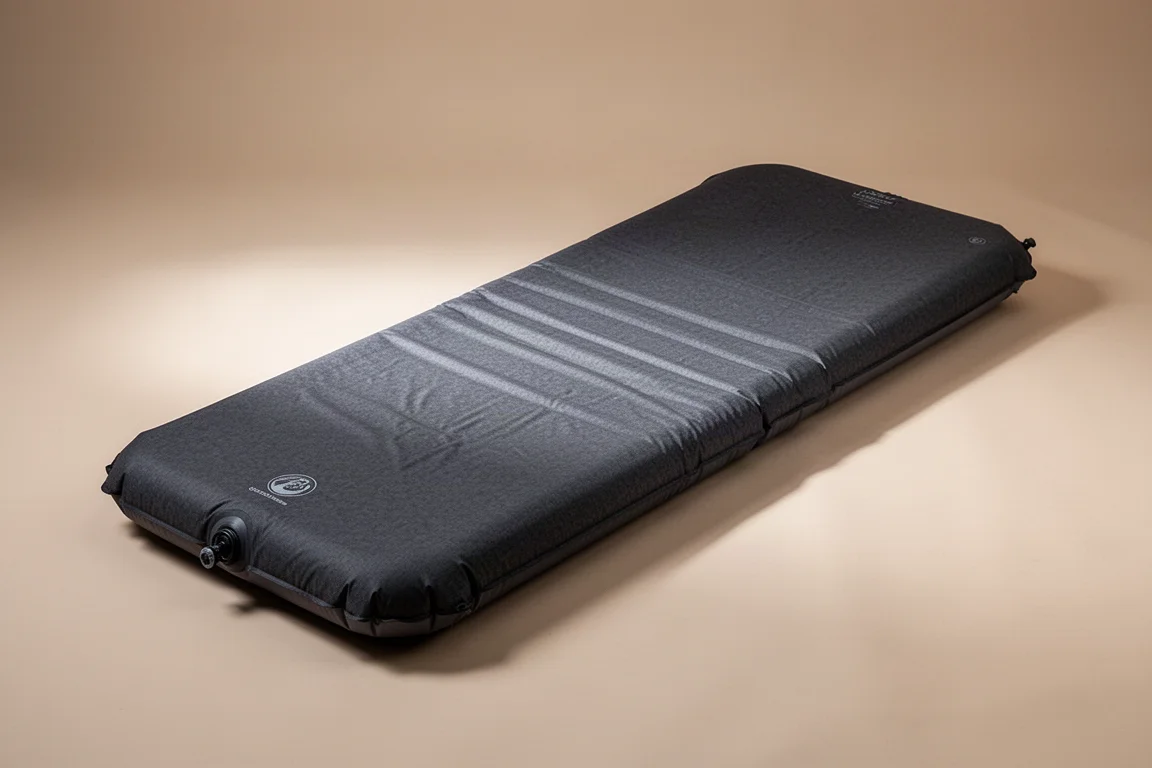
This is the heaviest pad of the three. In the regular wide size, with the stuff sack, velcro strap and vortex pump sack included, it comes in at 2 pounds 1 ounce. That is heavy by sleeping pad standards, and it is the one criticism worth acknowledging up front. What you get for that weight is the most comfortable sleep of the group.
The R value of 3.3 makes it a genuine three-season pad that will keep you warm down to freezing temperatures. At 3.5 inches thick it lifts you well clear of the ground, which is exactly what side sleepers need: hips, elbows and shoulders stay supported instead of pressing down into the floor. The 25 inch width adds enough stability that you are not sliding off the edge.
The shell is a 30 denier polyester fabric certified to the Bluesign standard for recycled content. Polyester adds a little weight compared with nylon, but it is burly, and it has held up with no holes or leaks. The body mapped 3D horizontal baffles are scooped rather than flat, so they cradle the body instead of feeling rigid, and the head end is slightly taller, which naturally elevates your head and helps keep a pillow in place.
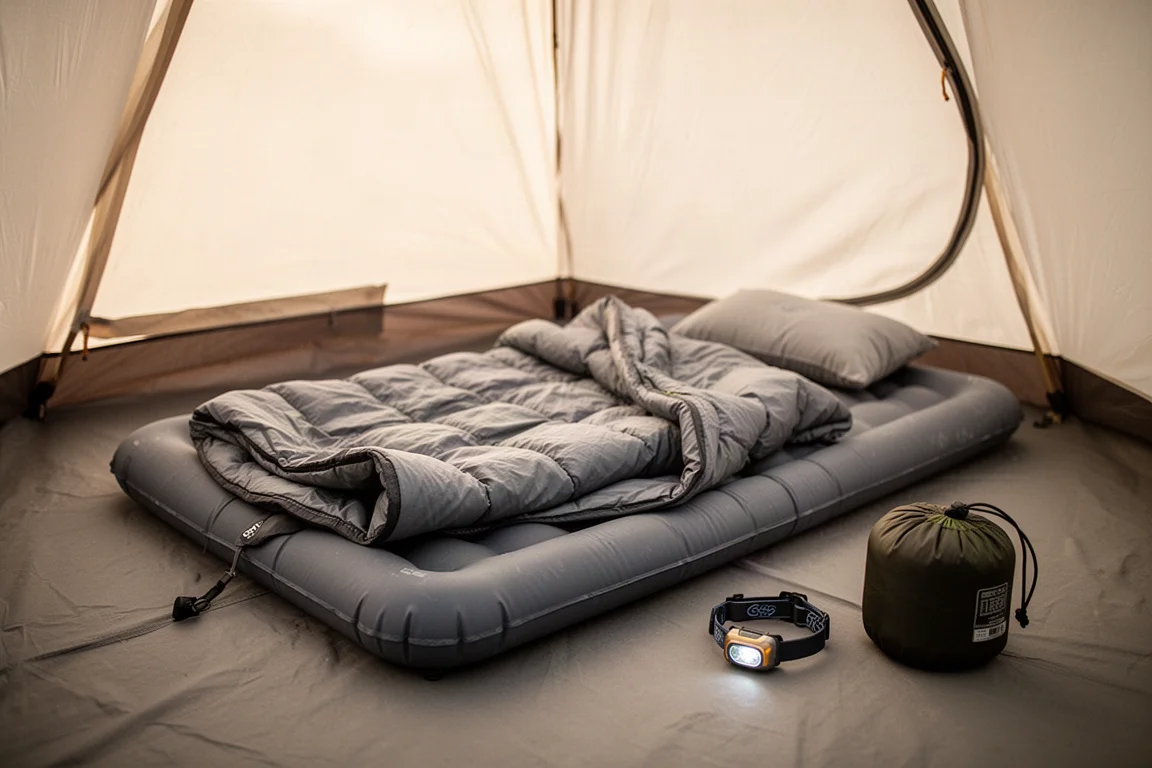
The valve system is the best of the three here. It does reward a gentle hand, since pulling it hard can drag the deflate section open, but in normal use it is quick and predictable. At $180 this is one of the strongest value picks in a sleeping pad.
Therm-a-Rest NeoAir XTherm Max: Warmth to Weight Leader
This is the least comfortable of the three to sleep on, and it is also the pad with the clearest reason to exist. The Max version uses a full rectangular shape rather than the tapered shape of the standard XTherm, which adds a little weight but means your whole body stays on the pad. In the regular wide size it weighs 1 pound 7 ounces, significantly less than the Quasar.
The headline number is an R value of 6.9. Nothing else in this group comes close, and that is what makes it the pad for shoulder season and winter trips where warmth overnight is the top priority. The trade is thickness: at 2.5 inches it is the thinnest pad here. The baffle design still provides decent support when the pad is fully inflated, but for side sleeping it is not the most comfortable option.
Two practical notes. The pad is audible when you move, with a crisp crinkling sound, though it settles once you stop shifting around. The wing valve is a clear improvement over the original Therm-a-Rest valve and works well in practice. Build quality is high, and it costs over $200, so it is best treated as a specialist purchase for cold weather trips rather than a general purpose pad.
Big Agnes Rapide SL: The Best All-Around Option
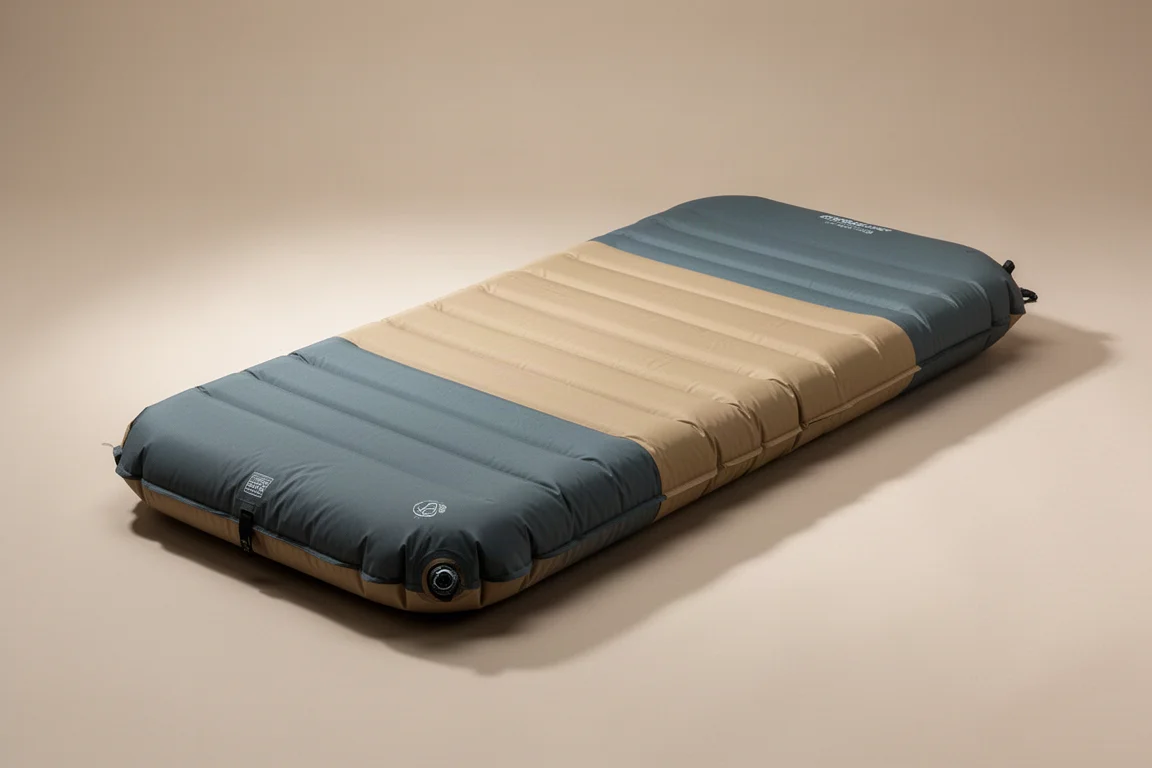
At $200 for the regular wide, the Rapide SL is the pad to buy if you only want one. It weighs 24 ounces, which is meaningfully lighter than the Quasar without giving up much comfort, and its R value of 4.2 pushes it beyond a strict three-season pad.
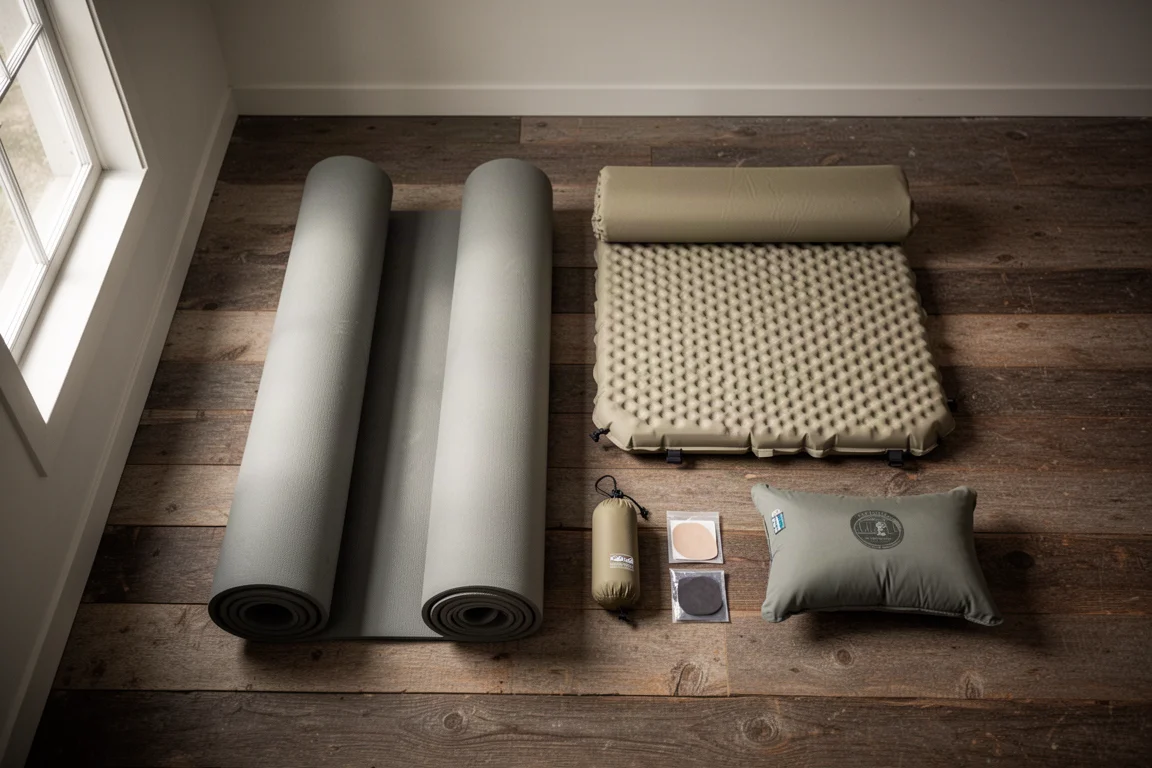
The thickness profile is unusual: 3.5 inches in the centre and 4.25 inches on the outer baffles. Combined with a quilted baffle pattern, that shape cradles your body toward the middle of the pad and keeps everything supported, whether you sleep on your back or your side. The full 25 inch width means elbows are not hanging off the edge. With a closed cell foam pad layered underneath, it can be pushed into four-season use and will keep you comfortable into the high 20s and even the teens.
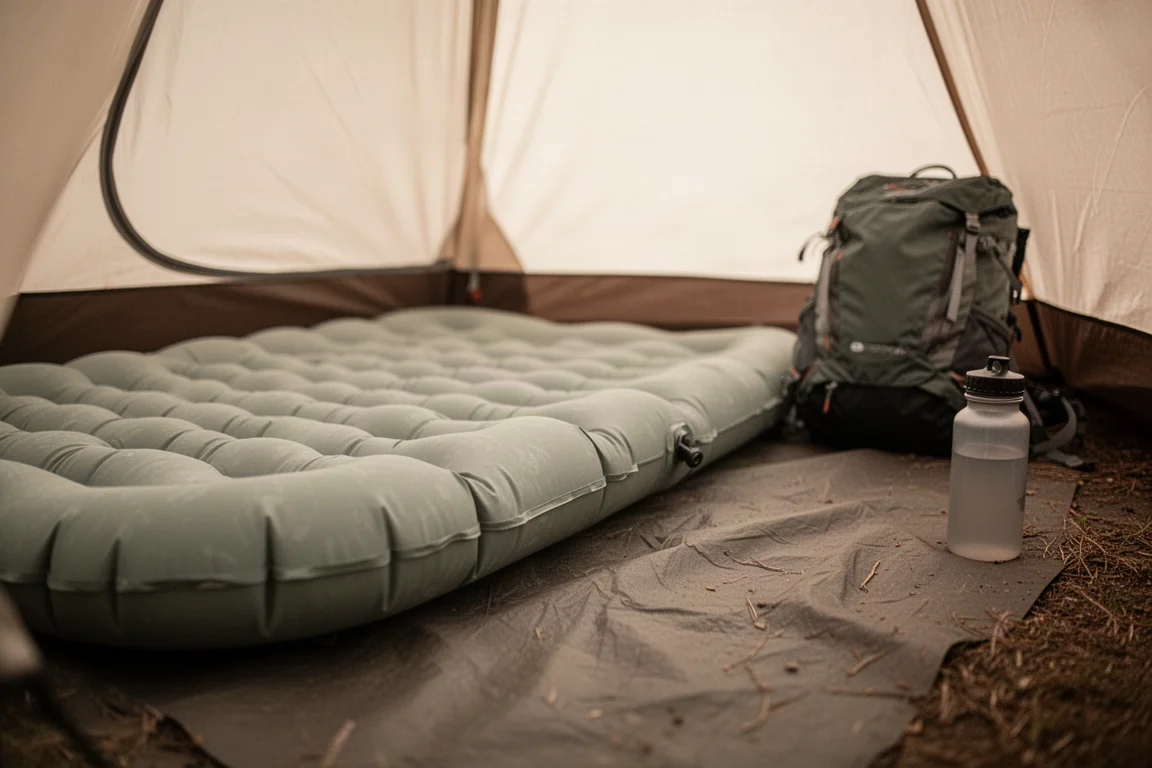
The valve system is the weak point. It is not enjoyable to use, though it works and you get used to it on the trail. Comfort is very good but not quite at the level of the Quasar. What makes the Rapide SL compelling is the balance: a mid-weight pad with better warmth than a three-season model, a reasonable price and enough flexibility to cover most trips.
How the Three Pads Compare
| Pad | R value | Weight (regular wide) | Thickness | Price |
|---|---|---|---|---|
| Nemo Quasar 3D | 3.3 | 2 lb 1 oz | 3.5 in | $180 |
| Therm-a-Rest NeoAir XTherm Max | 6.9 | 1 lb 7 oz | 2.5 in | Over $200 |
| Big Agnes Rapide SL | 4.2 | 24 oz | 3.5 in centre, 4.25 in outer baffles | $200 |
Read the table as a set of priorities rather than a ranking. The heaviest pad is the most comfortable. The lightest pad is the warmest. The pad in the middle is the most flexible of the three, which is exactly why it works as a single-pad solution.
Buying Advice: Matching the Pad to the Trip
If comfort is what keeps you backpacking, the Quasar 3D is the pick. The weight penalty is real, but the sleep quality is the best of the three and the $180 price is the lowest here.
If you camp in shoulder season and winter conditions, the XTherm Max earns its price. An R value of 6.9 at 1 pound 7 ounces is a combination that is hard to match, and the thinner profile is a fair trade when warmth is the priority.
If you want one pad for everything, the Rapide SL is the safest single purchase. It is light enough to carry without thinking about it, warm enough for three seasons and beyond with a foam layer underneath, and priced below the XTherm Max.
Conclusion
Three pads, three different jobs. The Nemo Quasar 3D delivers the best sleep and the most comfort for three-season backpacking. The Therm-a-Rest NeoAir XTherm Max is the warmest and the lightest, built for cold weather trips. The Big Agnes Rapide SL is the best all-rounder and the easiest choice if you are only buying one pad. Match the pad to the trips you actually take and any of the three will serve you well.
Further reading
Related Reviews
Sleeping Pads
Best Backpacking Sleeping Pads 2026: Nine Pads Rated on Price, Comfort, Warmth, and Weight
Nine backpacking sleeping pads compared on price, comfort, warmth, and weight, from a $65 summer pad to a year-round option rated at R-7.3.
Sleeping Pads
Best Backpacking Sleeping Pads: Ultralight, Winter, Comfort and Budget Picks
A practical roundup of the sleeping pads that stand out for ultralight weight, winter warmth, pressure relief and value, plus three popular pads that fell short.
Sleeping Pads
Best Budget Sleeping Pads: Five Affordable Options Tested Near Freezing
Five affordable sleeping pads from $60 to $140 tested in the desert near freezing, with honest notes on warmth, comfort, weight, and where each one compromises.