Sleeping Pads
Best Backpacking Sleeping Pads: Ultralight, Winter, Comfort and Budget Picks
A practical roundup of the sleeping pads that stand out for ultralight weight, winter warmth, pressure relief and value, plus three popular pads that fell short.
Introduction
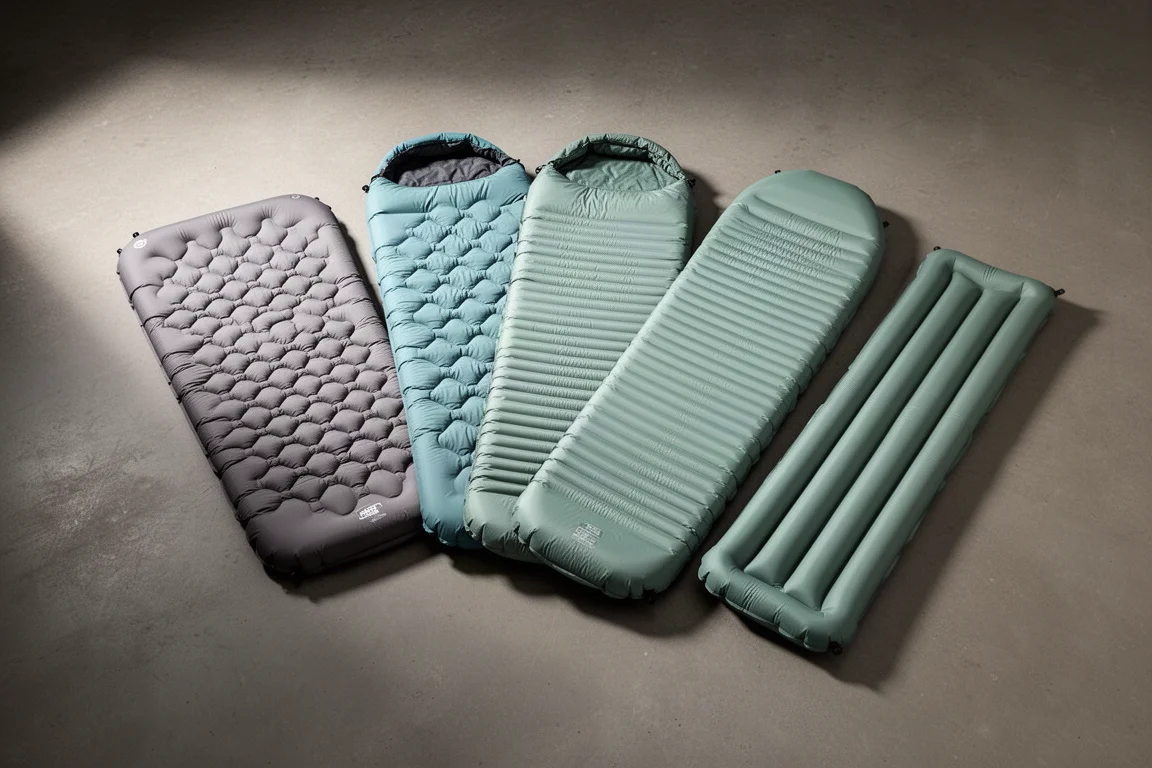
Sleeping pads have moved quickly over the past couple of seasons, and the best options now separate themselves on four things: weight, warmth, comfort and price. A pad can be excellent in one of those areas and disappointing in another, which is why a single best-pad answer rarely fits everyone.
This roundup covers the pads that stand out in each category. There is an ultralight option under 450 g, a winter pad that stays warm and dependable well below freezing, a budget pad that handles almost every trip, and the most comfortable pad in the group. One brand that went unrecognised in earlier roundups ended up taking two of the top categories.
Three popular pads came close but did not make the cut, and the reasons are worth knowing before you spend.
Unless noted otherwise, weights and sizes below refer to regular wide versions, or long wide where no regular wide exists.
What Matters Most in a Sleeping Pad
Weight is the obvious starting point for backpacking, but it is rarely the deciding factor on its own. Saving a hundred grams matters little if the trade-off is a night spent tossing and turning. The ultralight pads that work best are the ones that stay comfortable after the weight is stripped out.
Warmth is usually expressed as an R-value, and that number is a good place to start rather than the final answer. Two pads with similar ratings can sleep very differently once they are on cold ground. Some sleep warmer than their rating suggests, and others sleep noticeably colder. For most people, three-season pads start to struggle as temperatures approach 20°F, which is where a dedicated winter pad takes over.
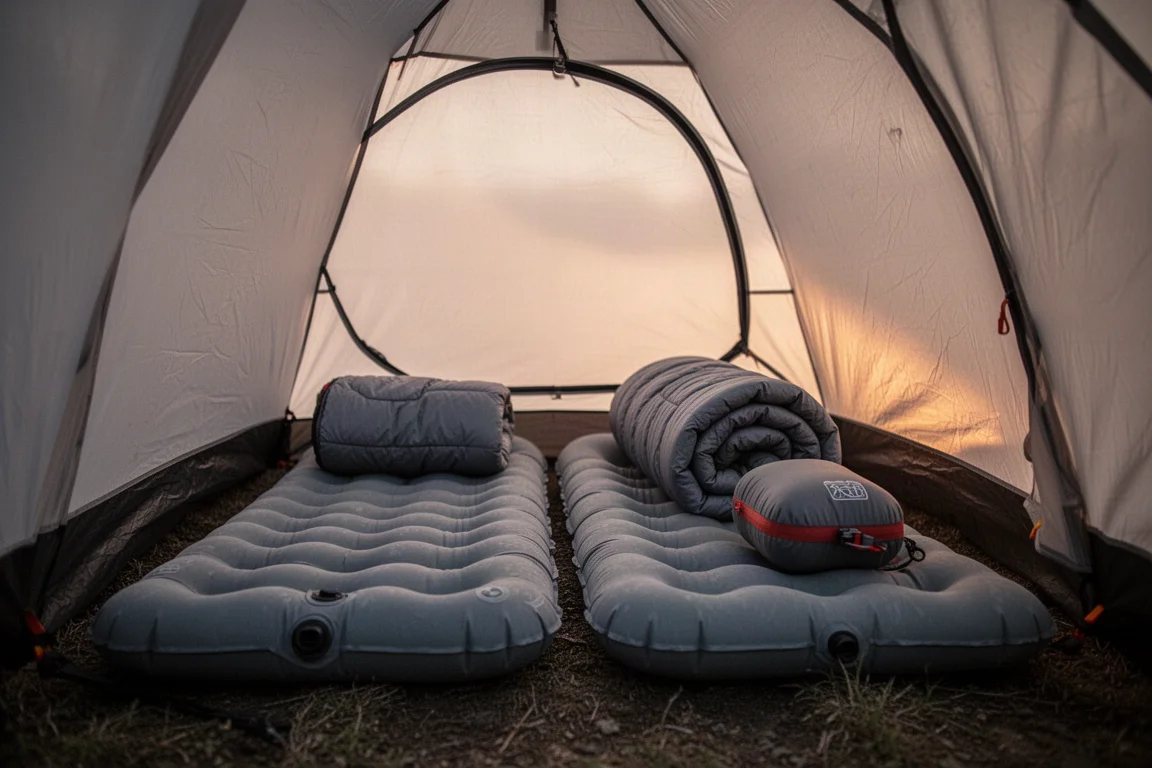
Comfort comes down to pressure relief. If you sleep on your side, a pad that lets pressure build at the shoulder or hip will wake you up again and again. Raised and lowered baffle patterns, vertical baffles and stretchy top fabrics all aim at the same goal: letting the pad give slightly under your body so that no single point carries the full load.
Price and reliability round out the list. A pad that costs less but still gets the job done on most trips is a sensible place to begin, and a pad that behaves the same way night after night is worth more than one with a better number on the label.
Best Ultralight Pick: Exped Ultra 3R
The Exped Ultra 3R weighs 439 g in the regular wide size, which makes it lighter than the Therm-a-Rest XLite in its comparable regular wide mummy version. That low weight comes with a lower R-value of 2.9, so you do give up some warmth, but in practice it sleeps a little warmer than the rating suggests and has proven plenty warm for most three-season conditions.
Comfort is what sets the Ultra series apart. Vertical baffles feel noticeably better than the horizontal baffles used on many ultralight pads, and the soft, slightly stretchy upper fabric adds cushioning. The side baffles are raised a little to help keep you centred on the pad instead of rolling toward the edge.
A Warmer Ultralight Alternative: Therm-a-Rest XLite
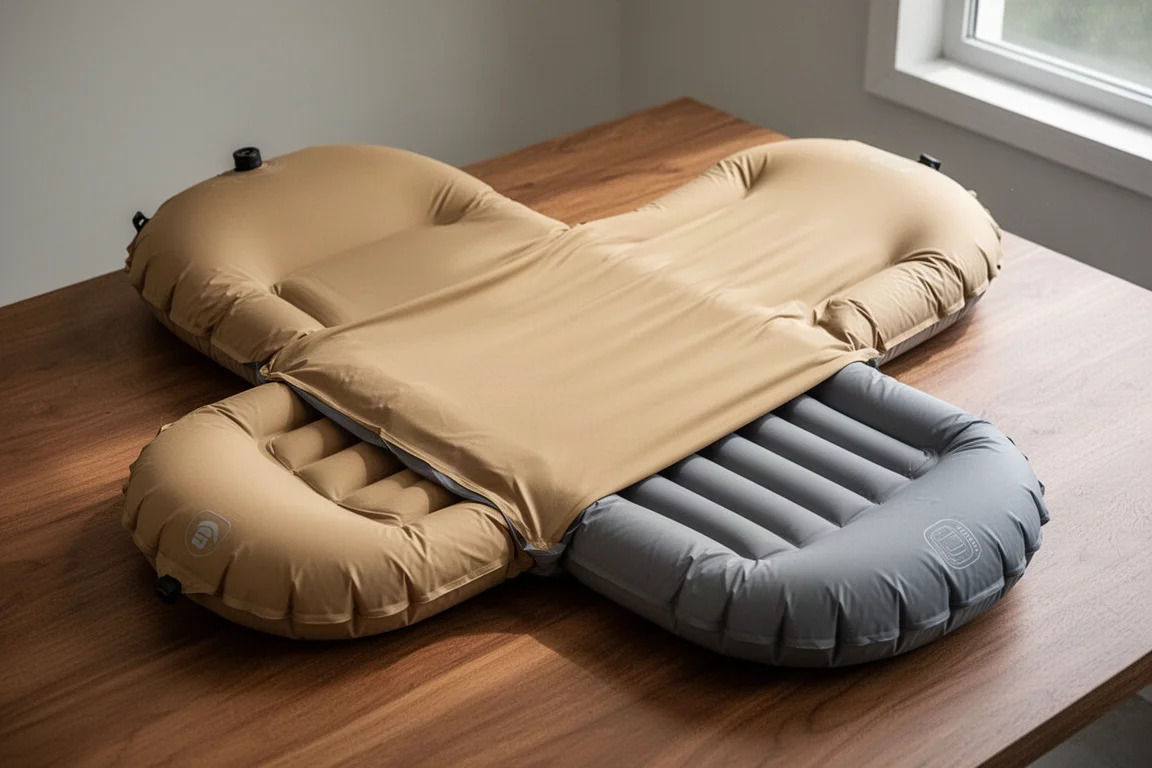
The Therm-a-Rest XLite has been the reference point for ultralight sleeping pads for a long time, and warmth is where it separates itself from the Exped Ultra 3R. Its R-value is higher and it sleeps meaningfully warmer as a result.
The trade-off is comfort. The horizontal baffle layout is less forgiving than the vertical baffles and stretchy top on the Exped, and the XLite is slightly heavier in the equivalent size. If warmth on cold three-season nights matters more to you than cushioning, it remains a strong option.
Warmest Pick for Winter: Therm-a-Rest XTherm
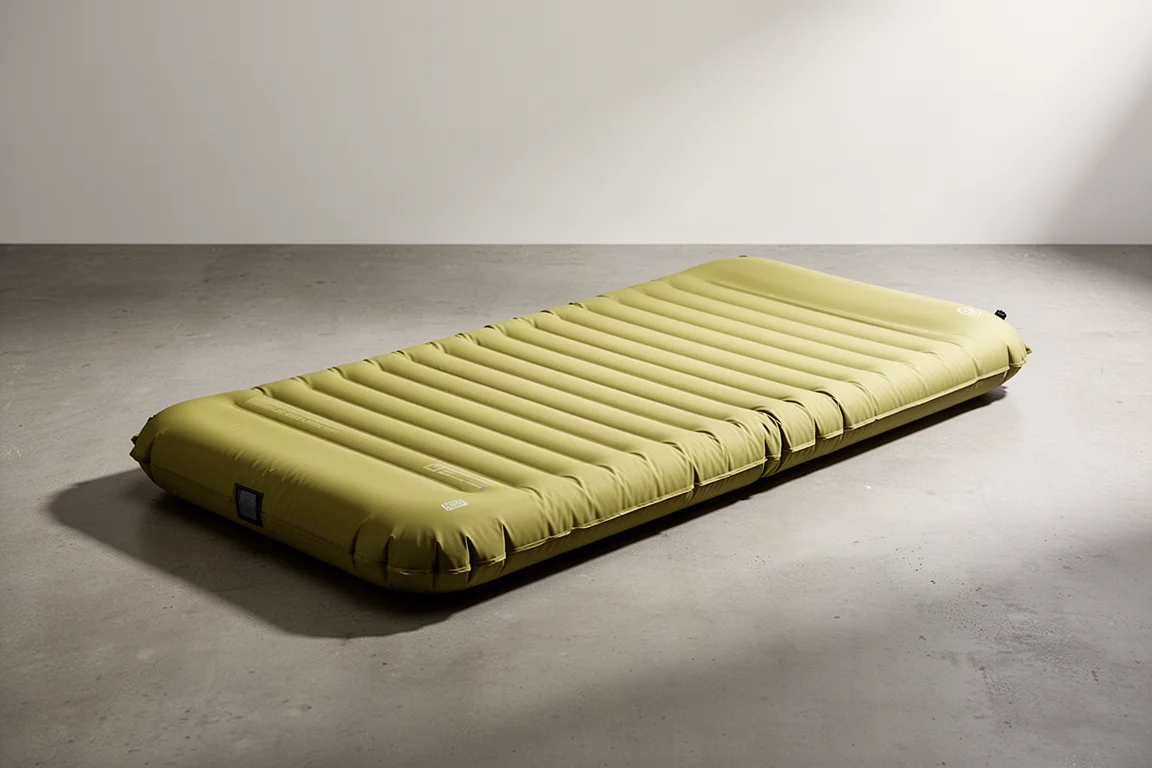
Winter trips are where warmth and reliability matter more than anything else. In conditions that drop far below freezing, the Therm-a-Rest XTherm has stayed the dependable choice because it sleeps warm when it counts and holds up trip after trip.
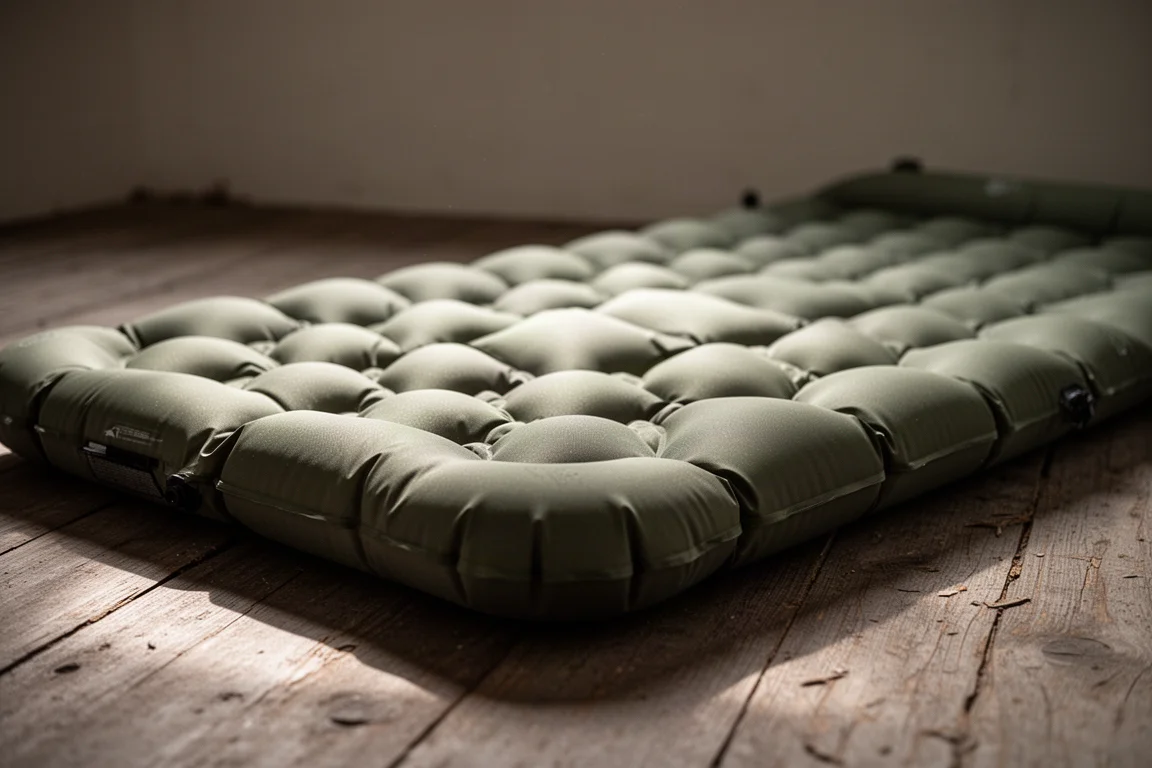
It is worth noting that the XTherm does not carry the highest R-value rating on the market, which is a useful reminder that the number on the label does not always predict real-world warmth. Comfort is the clear weakness here: the horizontal baffles make it a less comfortable pad to lie on. In winter that matters less, because a bulky sleeping bag adds cushioning on top of the pad.
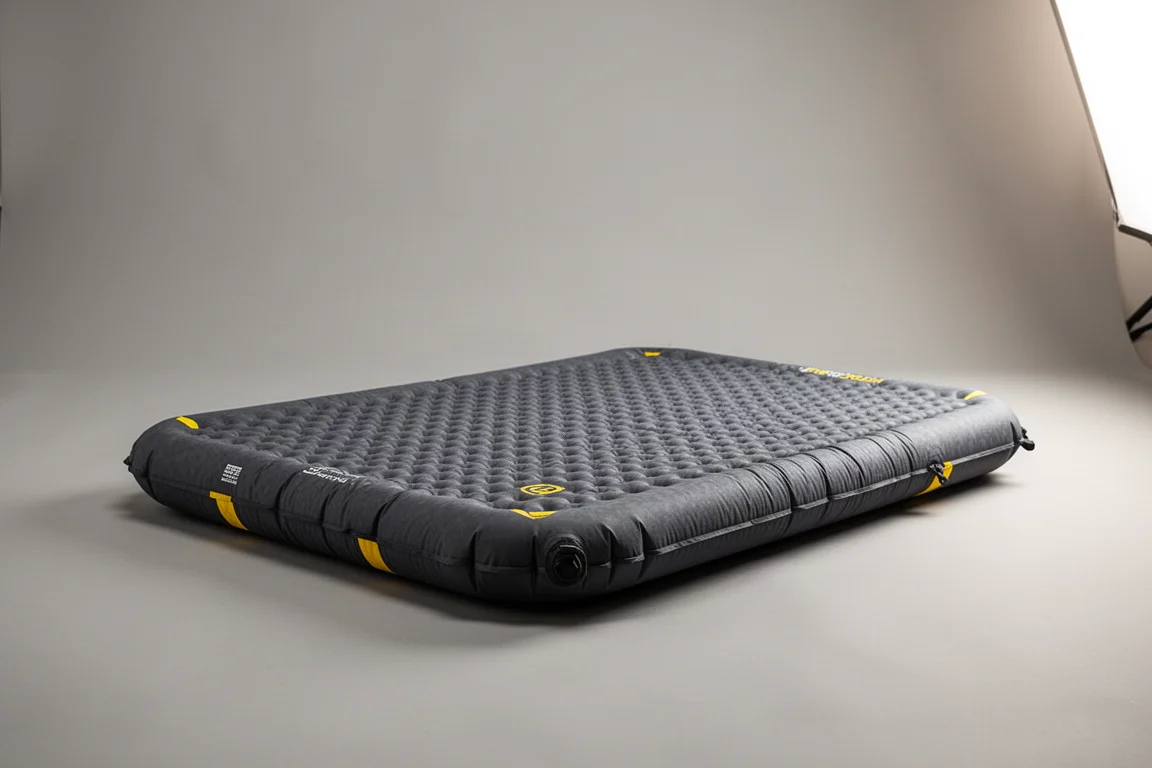
Another Winter Option: Exped Ultra 7R
The Exped Ultra 7R is a very warm pad and a comfortable one, using the same Ultra-series construction that makes the lighter Exped models pleasant to sleep on. Compared with the leading winter pads it does not sleep quite as warm, and it is noticeably heavier and bulkier to carry.
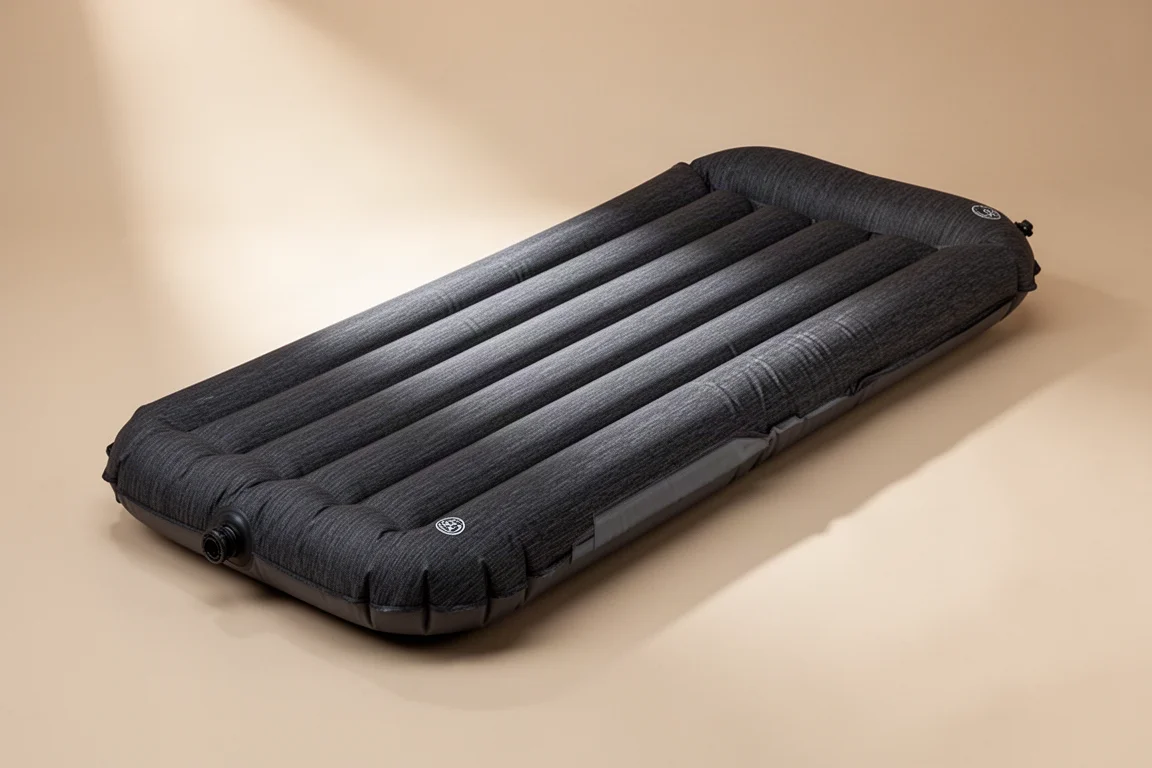
Highest R-Value Winter Option: Nemo Tensor Extreme Conditions
The Nemo Tensor Extreme Conditions carries the highest R-value of any backpacking sleeping pad at 8.5, and its baffling system makes it more comfortable than the Therm-a-Rest XTherm. Two caveats are worth knowing before you buy.
First, it does not quite live up to that 8.5 rating in the field. In direct comparisons against the XTherm, the XTherm sleeps slightly warmer. Second, reliability has been inconsistent. The pad uses reflective insulation inside, and that film can stick together, which appears to reduce warmth until the pad is shaken to loosen it. On sub-zero nights this showed up as wide swings between toasty and cold from one night to the next.
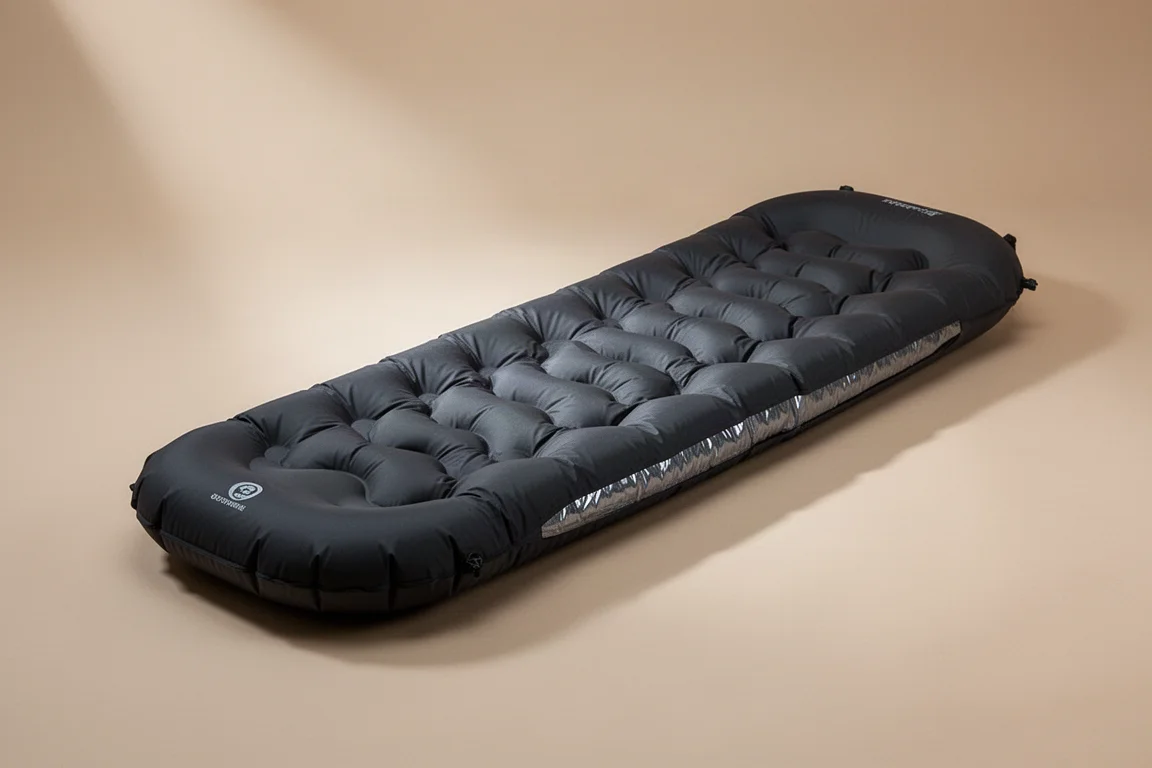
Best Affordable Pick: Outdoor Vitals Oblivion
The Outdoor Vitals Oblivion is the pad to look at if you want a good all-rounder without spending much. It is heavy at 830 g in the large size and will not beat the specialist pads here on weight, warmth or comfort, but it gets the job done on the vast majority of trips.
Its 3.5 R-value is backed by a reflective top that adds meaningful warmth when the pad is used with a quilt. The baffling uses horizontal channels with light dimpling, and the top fabric is a little stretchier than the Nemo Tensor line, which makes it more comfortable than its price suggests.
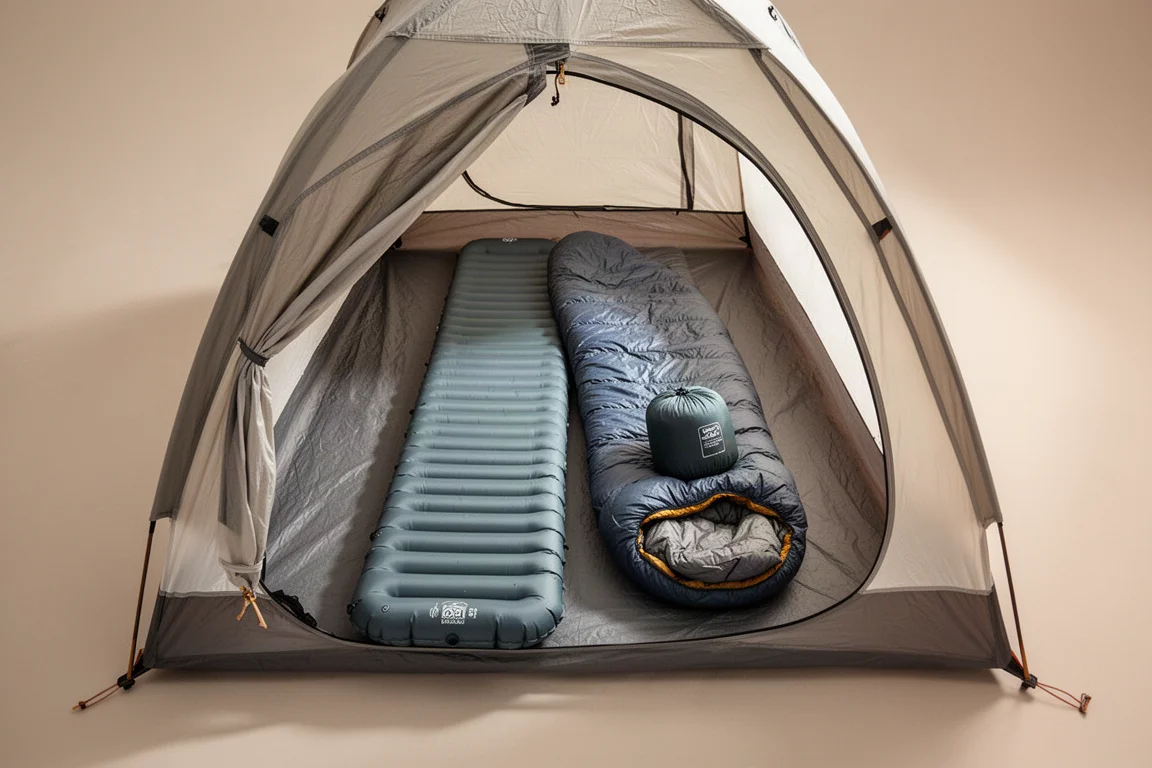
For anyone backpacking once or twice a year, or just getting started, the Oblivion is a sensible first pad. If you later decide you want something lighter, warmer or more comfortable, the other pads in this guide are the natural next step.
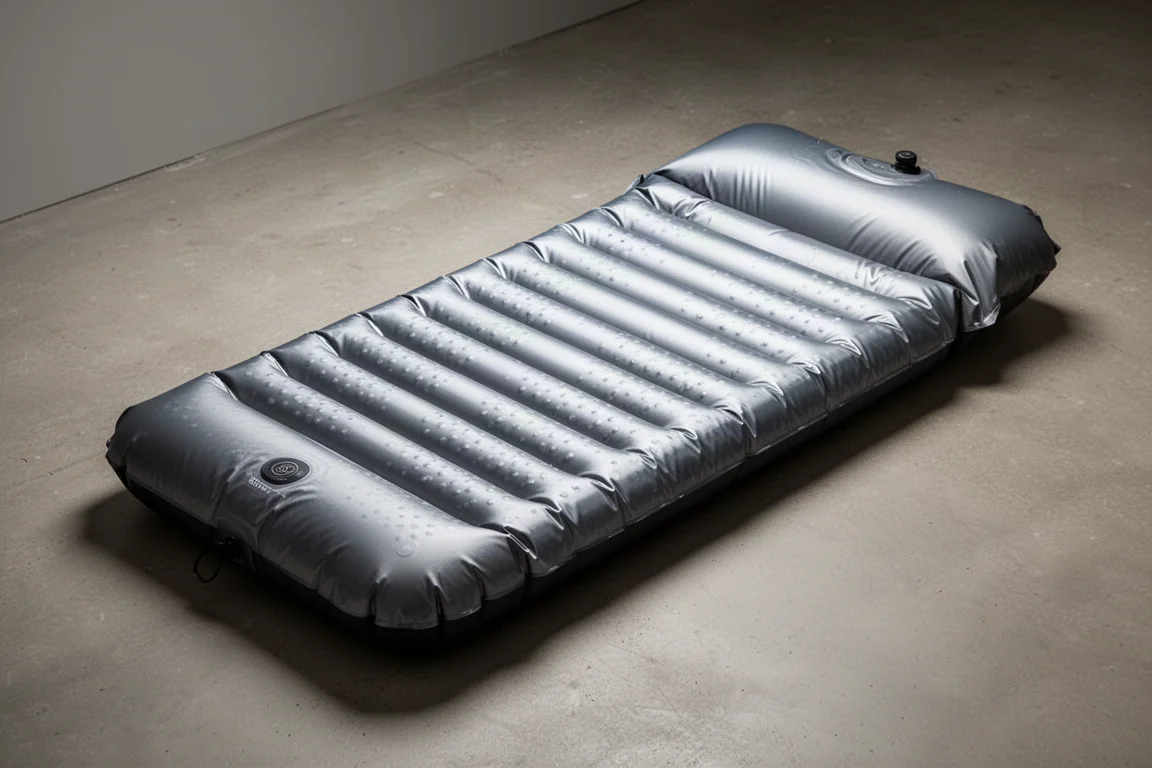
A Lower-Cost Alternative: Klymit Recharge
The Klymit Recharge is a straightforward budget option. It is not as comfortable and not as warm as the Outdoor Vitals Oblivion, but it costs a little less, which makes it worth a look if the lowest possible outlay is the priority.
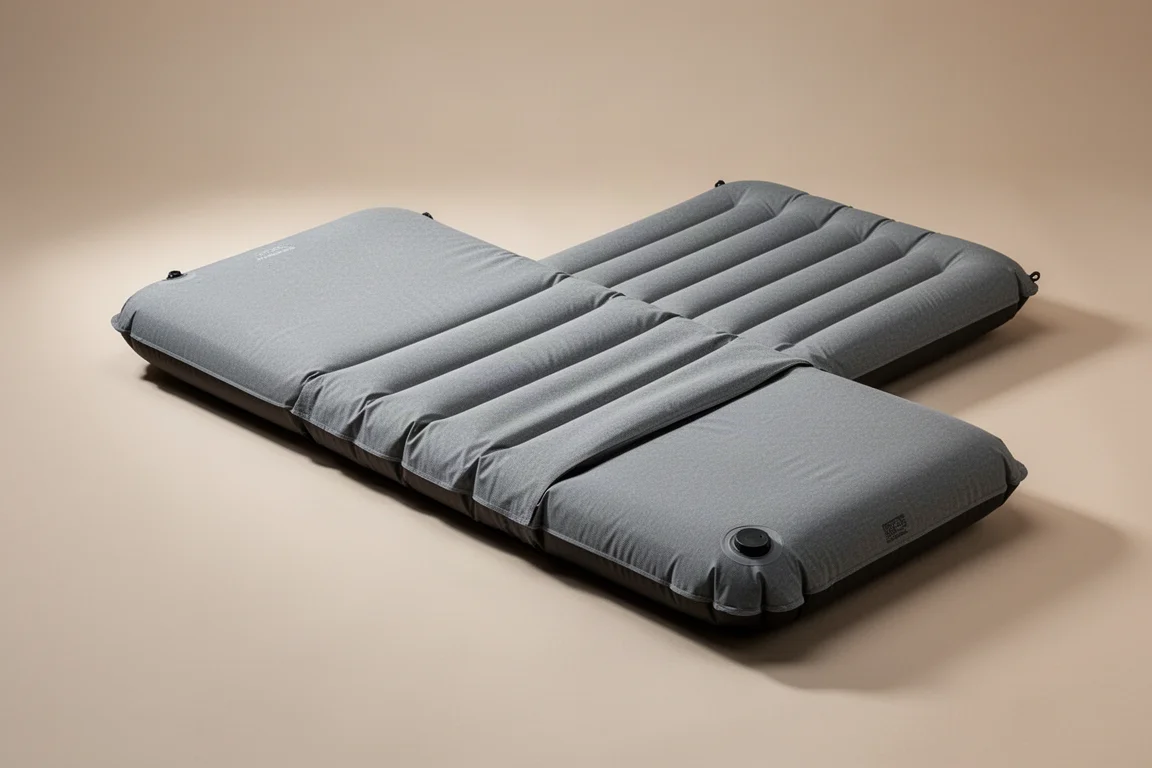
Most Comfortable Pick: REI Helix
Comfort depends on two things: staying warm and avoiding pressure points. The REI Helix does both well. Its 4.9 R-value keeps it warm across a wide range of conditions, and its baffle pattern uses raised and lowered areas that give under your body and relieve pressure at the shoulder and hip.
What separates the Helix from other pads using a similar pattern is how pronounced the height difference is between the raised and lowered sections, which provides more pressure relief than shallower versions of the same idea. The result is a pad that supports sleeping through the night without constant repositioning.
The compromises are weight and thickness. It is quite heavy at 700 g in the regular wide size, and at only 3 in thick it may not suit heavier sleepers, roughly above 200 to 220 lb, who could sink through and feel the ground at the shoulder or hip.
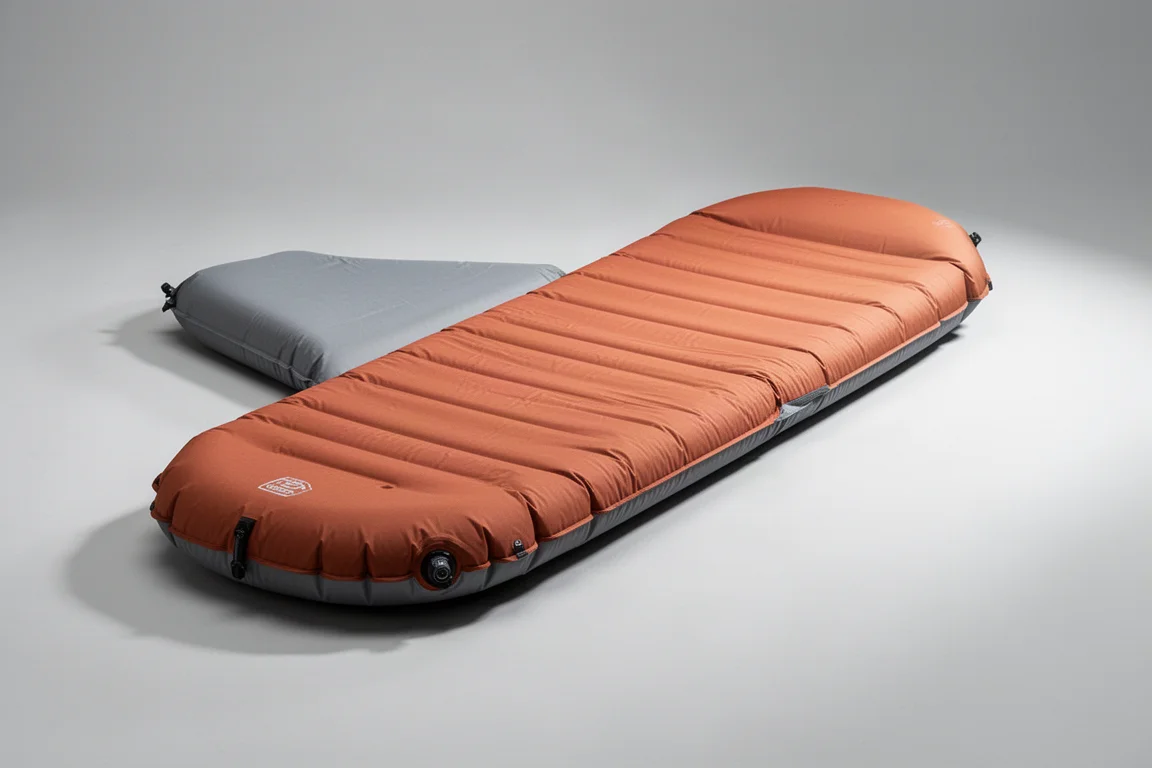
A Comfort Alternative: Zen Bivy Flex
The Zen Bivy Flex is close to the REI Helix on comfort. It uses a very similar raised-and-lowered baffle pattern, although the height difference between the two levels is smaller, and its stretchy polyester top adds pressure relief in its own right. It is just as warm at a 4.8 R-value and slightly lighter at 685 g.
The reason the Helix takes the comfort pick comes down to price. The Helix sells for around $160 and is often discounted to roughly $120, while the Zen Bivy Flex sits at $220.
Best All-Arounder: Exped Ultra 5R
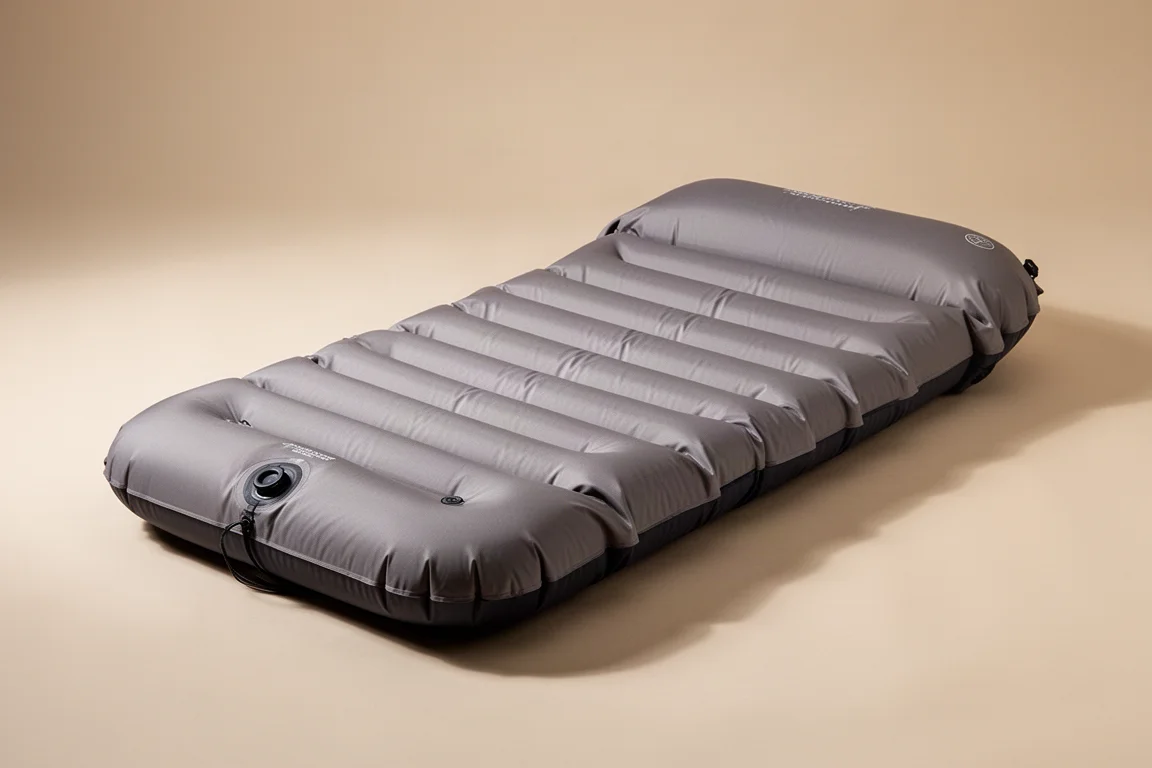
The best all-arounder has to do everything well without giving up much. The Exped Ultra 5R is essentially the Ultra 3R with more insulation: an R-value of 4.8 at 535 g, so you gain a lot of warmth without sacrificing much weight, and you keep the comfortable vertical baffles and stretchy top of the Ultra series.
For most people shopping for a single pad, this is the one to look at first. It has taken over as the most-used pad on more and more trips, and it is the model that suits the widest range of backpackers.
An All-Season Alternative: Nemo Tensor All Season
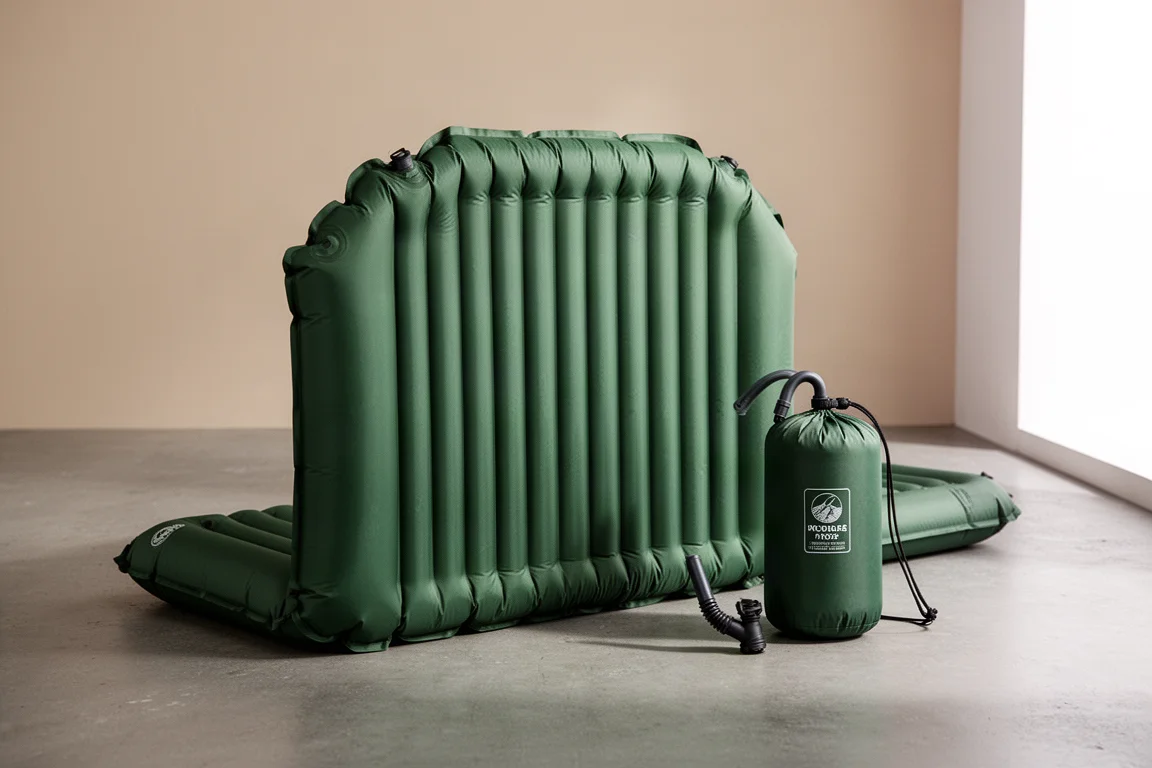
The Nemo Tensor All Season is an alternative all-rounder that is noticeably warmer than the Exped Ultra 5R while weighing about the same. Comfort is the trade-off: it is not nearly as comfortable as the Exped, and it costs more.
Notable Pads That Did Not Make the Cut
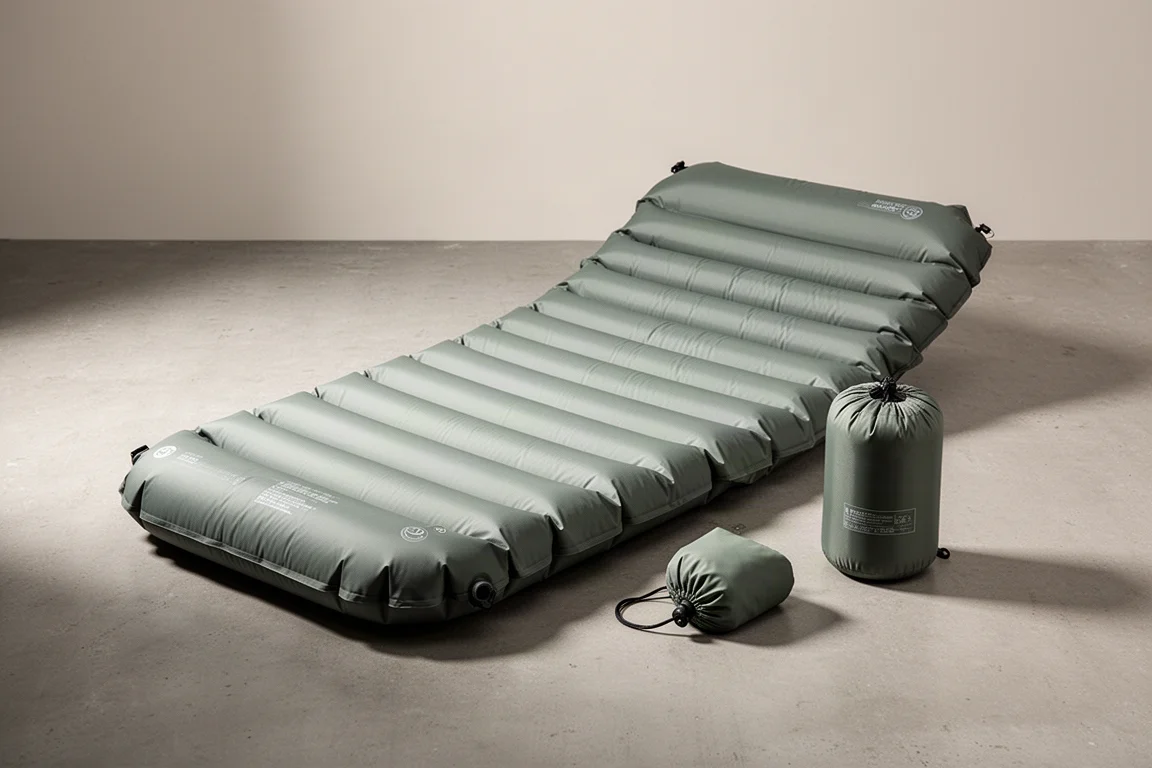
Three well-known pads came close but missed out. Each one has a genuine strength, and each one has a specific problem that kept it out of the top spots.
Big Agnes Rapide SL
The latest version of the Big Agnes Rapide SL uses reflective insulation inside the pad to lift the R-value into the high fours and reduce weight. The baffling system is unchanged from the previous version, so it remains a very comfortable pad to lie on.
The problem is real-world warmth. It sleeps cold despite its rating, including on warm ground with temperatures above freezing, and direct comparisons against other pads with similar ratings did not show the same issue. The likely cause is that the reflective insulation settles toward the bottom of the pad once it is inflated instead of staying suspended, which reduces its ability to insulate you from the ground.
Big Agnes Zoom UL
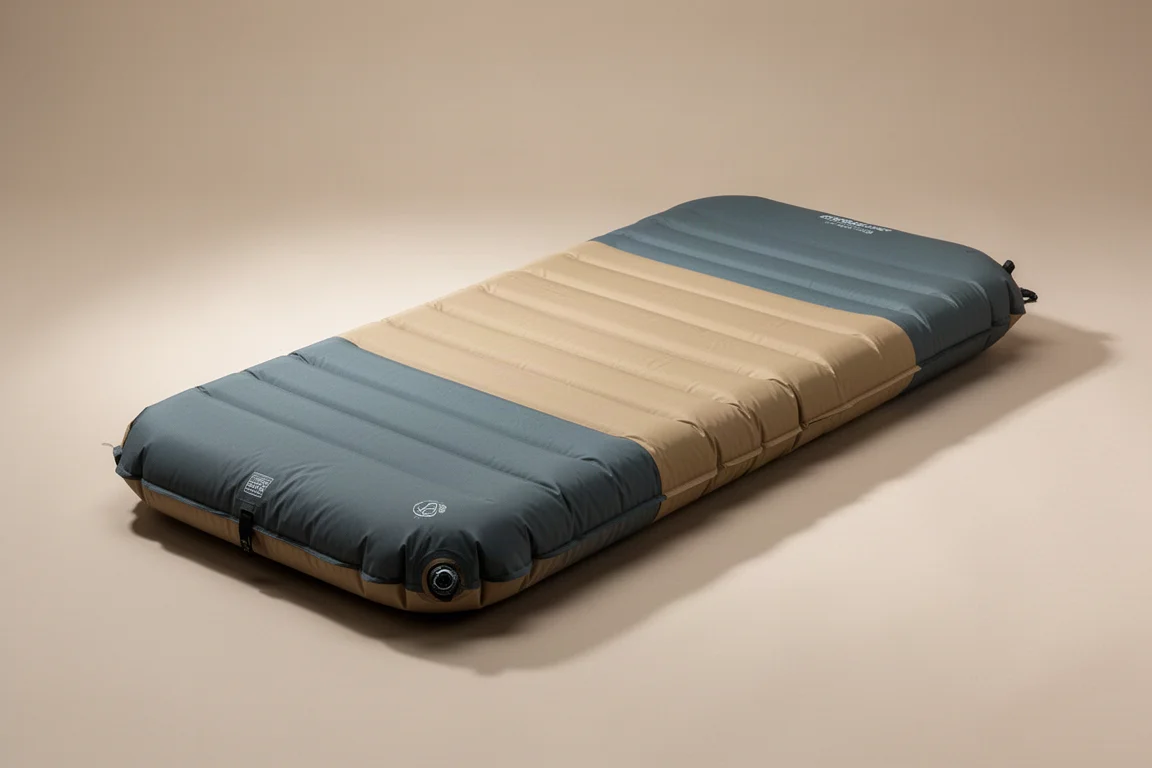
The Big Agnes Zoom UL uses the same insulation technology and shares the same weakness. It is a genuinely comfortable sleeping pad and would have been a serious contender for the ultralight pick if it delivered the warmth its rating promises, but it does not.
Sea to Summit Ether Light XT
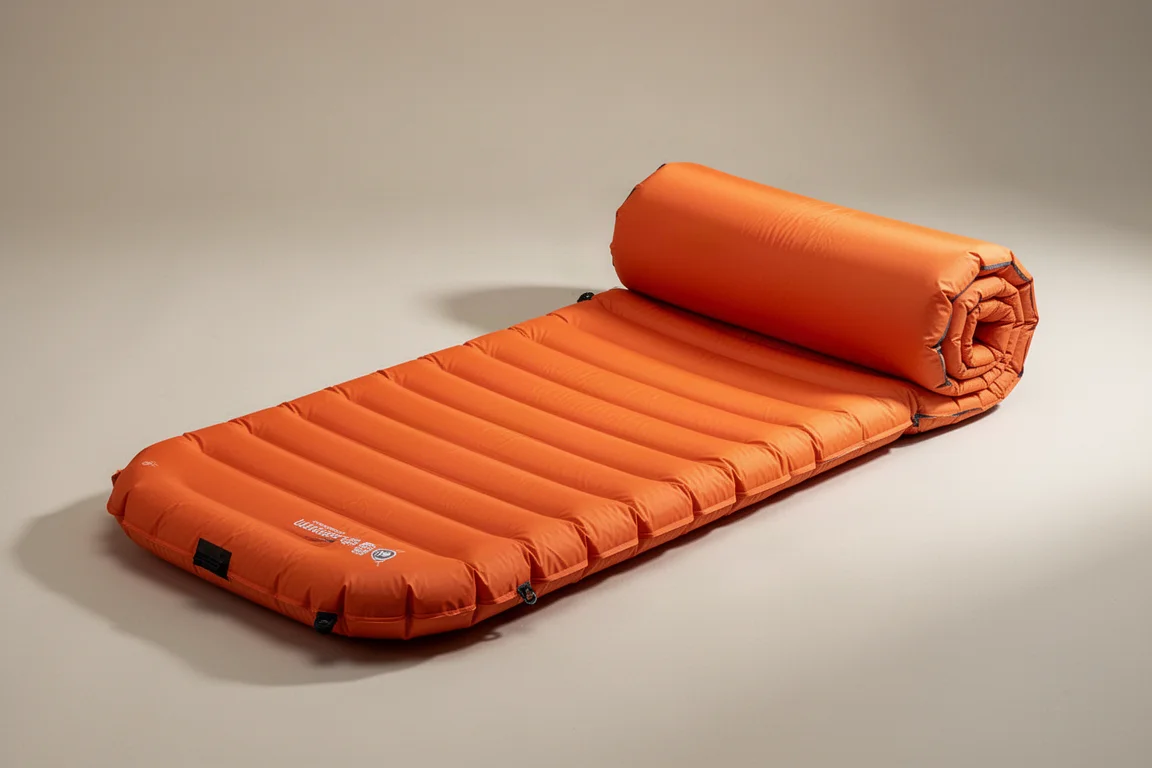
For a long time the Sea to Summit Ether Light XT was the most comfortable pad available, and it was the first to use the dimpled baffle system that many pads now imitate. Other designs have since taken what it does well and improved on it, adding more warmth and stretchier top fabrics.
Buying Advice
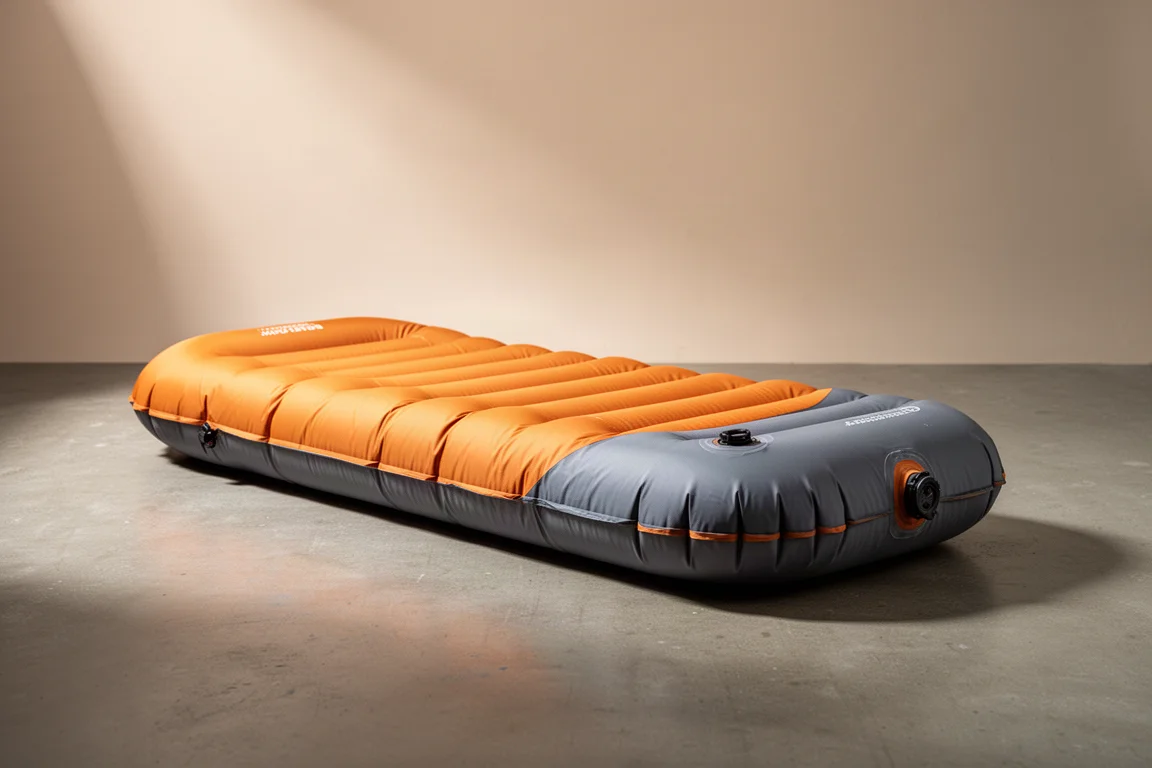
Match the pad to the trips you actually take. If your backpacking is mostly three-season and weight matters, the Exped Ultra 3R is the lightest sensible choice, with the Therm-a-Rest XLite as the warmer alternative. If you want one pad that covers the widest range of conditions, the Exped Ultra 5R is the safest single purchase in this group.
For winter trips below roughly 20°F, plan around a dedicated winter pad. The Therm-a-Rest XTherm is the reliable pick, with the Exped Ultra 7R and the Nemo Tensor Extreme Conditions as the main alternatives. If comfort is your priority and you are under roughly 200 lb, the REI Helix is the strongest value, with the Zen Bivy Flex close behind at a higher price. If budget decides the purchase, the Outdoor Vitals Oblivion covers most trips well, with the Klymit Recharge as the cheaper and more basic option.
Whichever pad you choose, it is only part of a good night’s sleep. A pillow that matches your sleeping position makes more difference than most people expect, and it is worth pairing with whatever pad you buy.
Conclusion
There is no single pad that wins everywhere, but the categories make the decision straightforward. Choose the Exped Ultra 3R when weight leads, the Therm-a-Rest XTherm when winter conditions lead, the REI Helix when comfort leads, the Exped Ultra 5R when you want one pad for everything, and the Outdoor Vitals Oblivion when value leads.
Read the warmth and comfort notes carefully before you commit. A rating on a label is a starting point, and the pads that perform best over many nights are the ones whose real-world behaviour matches what they promise.
Further reading
Related Reviews
Sleeping Pads
Best Backpacking Sleeping Pads 2026: Nine Pads Rated on Price, Comfort, Warmth, and Weight
Nine backpacking sleeping pads compared on price, comfort, warmth, and weight, from a $65 summer pad to a year-round option rated at R-7.3.
Sleeping Pads
Best Backpacking Sleeping Pads: Comfort, Warmth, and Weight Compared
A practical comparison of the Nemo Quasar 3D, Therm-a-Rest NeoAir XTherm Max, and Big Agnes Rapide SL for backpackers choosing between comfort, warmth, and packed weight.
Sleeping Pads
Best Budget Sleeping Pads: Five Affordable Options Tested Near Freezing
Five affordable sleeping pads from $60 to $140 tested in the desert near freezing, with honest notes on warmth, comfort, weight, and where each one compromises.