Sleeping Pads
Best Backpacking Sleeping Pads 2026: Nine Pads Rated on Price, Comfort, Warmth, and Weight
Nine backpacking sleeping pads compared on price, comfort, warmth, and weight, from a $65 summer pad to a year-round option rated at R-7.3.
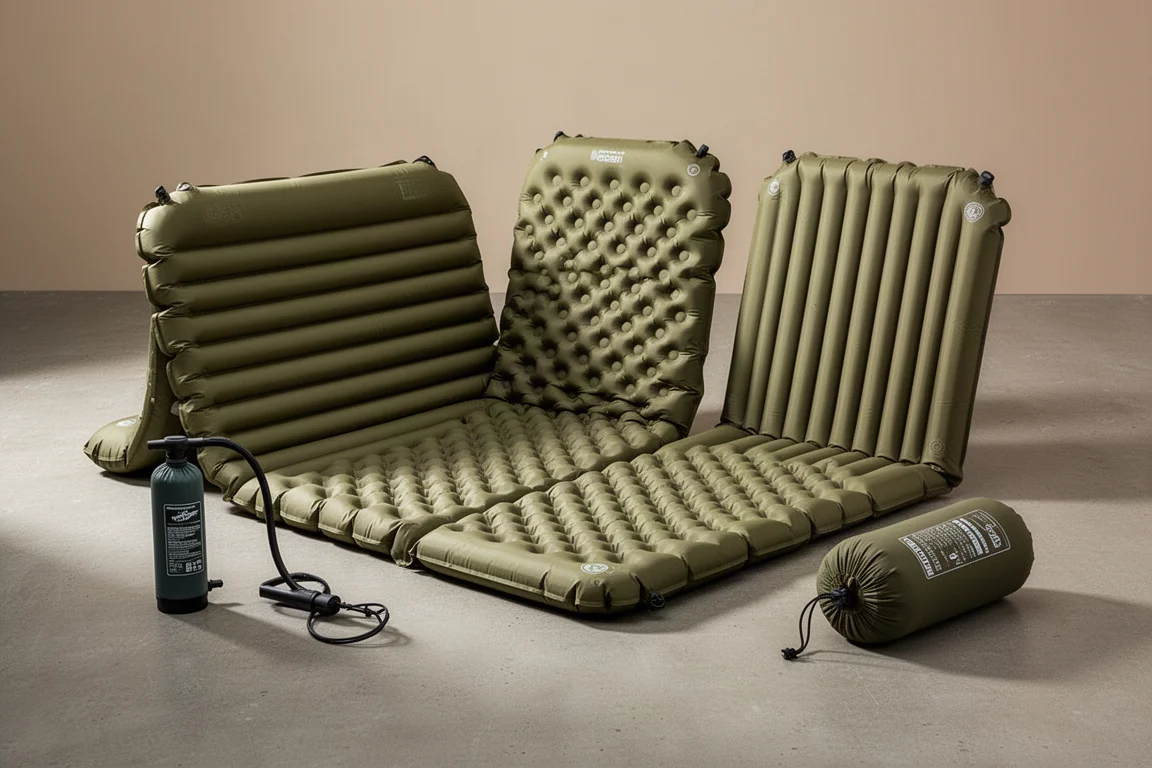
Introduction
A sleeping pad does two jobs on every trip. It decides how well you sleep out there, and it keeps the cold ground from pulling heat out of you. In some conditions that second job is the difference between a rough night and a genuinely dangerous one. Given that a pad is one of the most important pieces of backpacking gear you will buy, it is worth choosing carefully.
This guide covers nine sleeping pads compared over several months and rated on a five-point scale across four criteria: price, comfort, warmth, and weight.
The working assumption here is a three-season camper who occasionally heads out into colder spring and fall temperatures. If you only camp in summer at moderate elevation, warmth becomes far less of a deciding factor and almost any pad in this group will serve you.

R-value is the number to watch for warmth. Pads carrying an ASTM-certified rating can be compared directly against each other, and the spread across this group is wide, from a summer-only 1.9 up to 7.3 for a genuine year-round pad.
What to Look For in a Backpacking Sleeping Pad
Four criteria drive everything here: price, comfort, warmth, and weight. They pull against one another. A pad that is very warm and very light tends to cost more and offer less cushioning, and a pad that is very comfortable tends to be heavier or bulkier when rolled.
Surface design is worth understanding before you buy. Quilted tops relieve pressure points and tend to be the most comfortable option, but the dimples in that quilting can also let cold through in spots. Flatter horizontal baffles give less cushioning, yet that same construction can be remarkably efficient at trapping warmth for very little weight.
Packed size matters too. Some pads roll up noticeably bulkier than others, which is a real consideration if your pack is already tight.
Klymit Insulated Static V: The Cheapest Way In
Klymit makes some of the most affordable pads available, and this insulated model comes in at around $100. It has decent thickness and a patented V-shaped baffle design with deep valleys that help relieve pressure points. It is not the most comfortable pad in this group, but it is far from bad.
Warmth is where it struggles. Insulation runs through the baffles, yet one section of the pad has no insulation at all, which lets cold from the ground seep through. It carries an ASTM-certified R-value of 1.9, so it is really a summer pad. It is also the second heaviest pad here at 1 lb 8 oz, which makes all that insulation weight hard to justify.
Sea to Summit Ether Light Extreme: Warm but Heavy
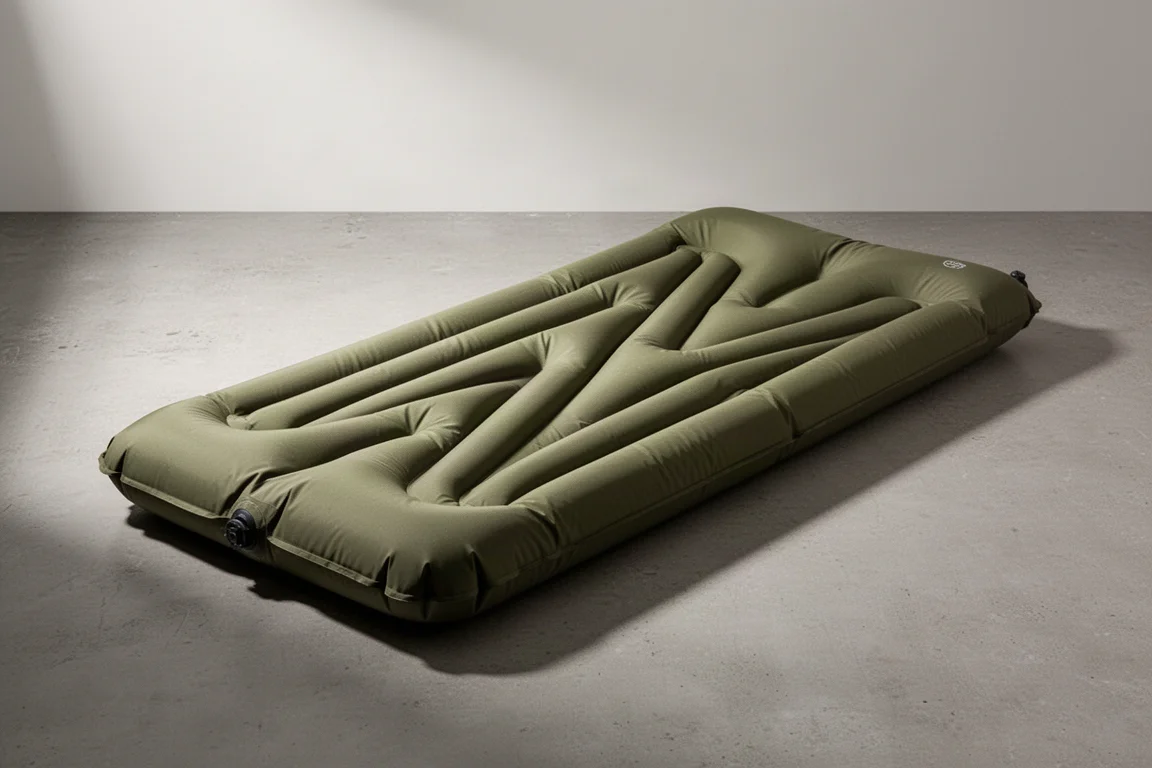
The first thing you notice about this pad is how bulky it is when rolled up. It is also expensive at $230, the second highest price in this comparison, and the heaviest at 2 lb 1.6 oz, close to double most of the other pads here.
Where it earns its place is warmth and comfort. An R-value of 6.2 makes it the second warmest pad in the group, and the quilted pattern on the top surface does a good job of relieving pressure points.
Sea to Summit Ether Light: A Lighter Trade-Off
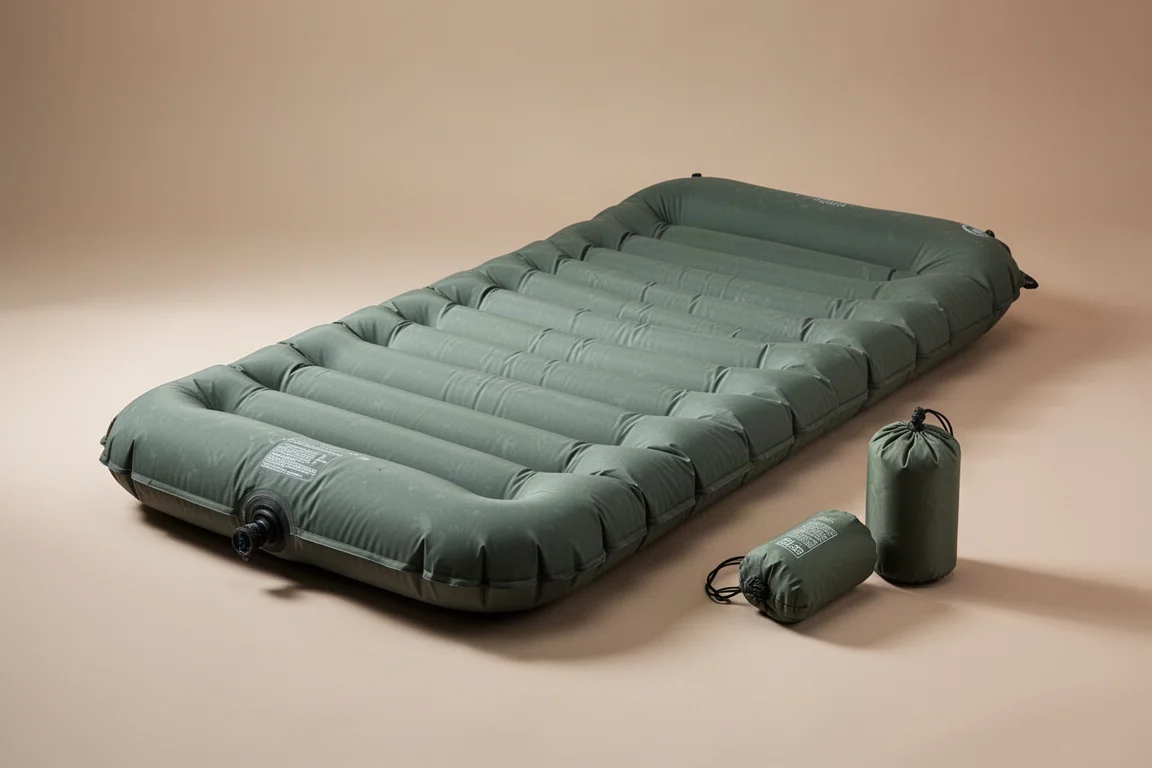
The standard Ether Light shares the same design and the same level of comfort as the Extreme version, but it is only half as warm. You would hope that meant paying half as much, and it does not: the saving works out to roughly $20.
What you do get is a weight saving. This pad comes in at 1 lb 6.2 oz, which is not quite a pound lighter than the Extreme. That combination of half the warmth for a small discount is what places it lower in this ranking.
Therm-a-Rest XTherm NXT: The Warmest Pad on Test
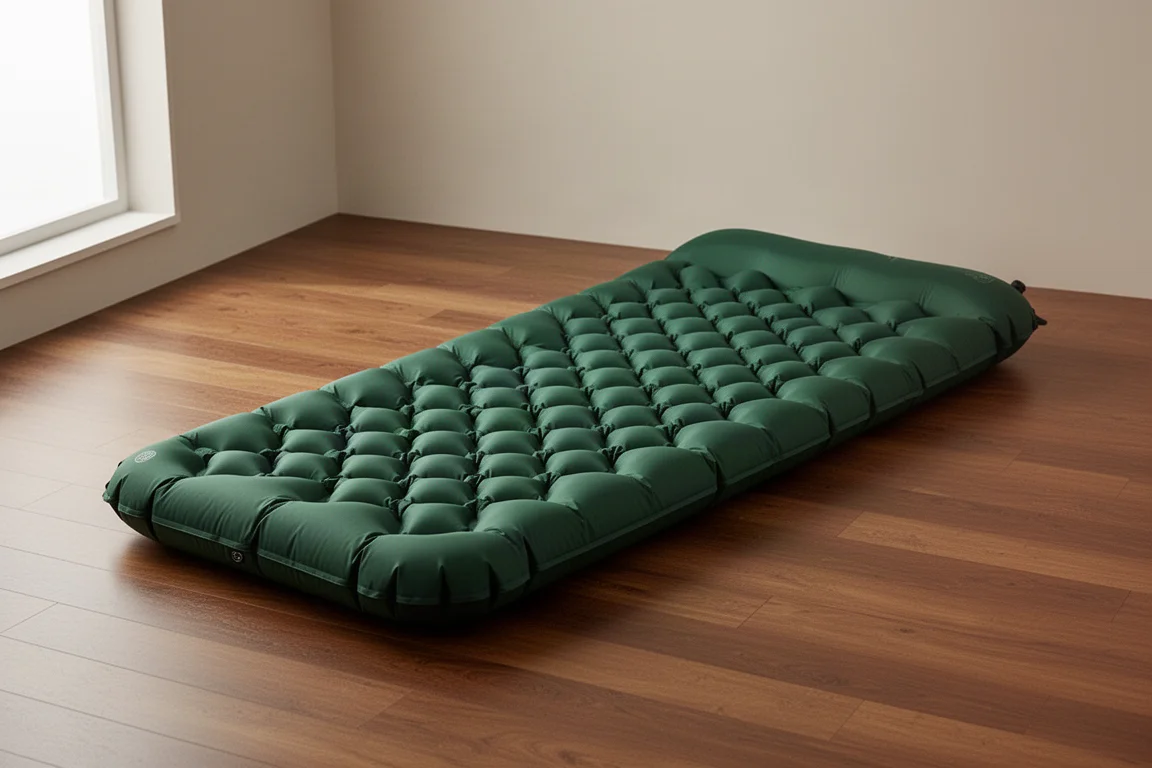
The XTherm NXT has the best warmth-to-weight ratio in this group. It delivers an R-value of 7.3 for just 1 lb 4 oz, enough to handle the coldest conditions you would reasonably plan for, and enough to make it a true year-round pad.
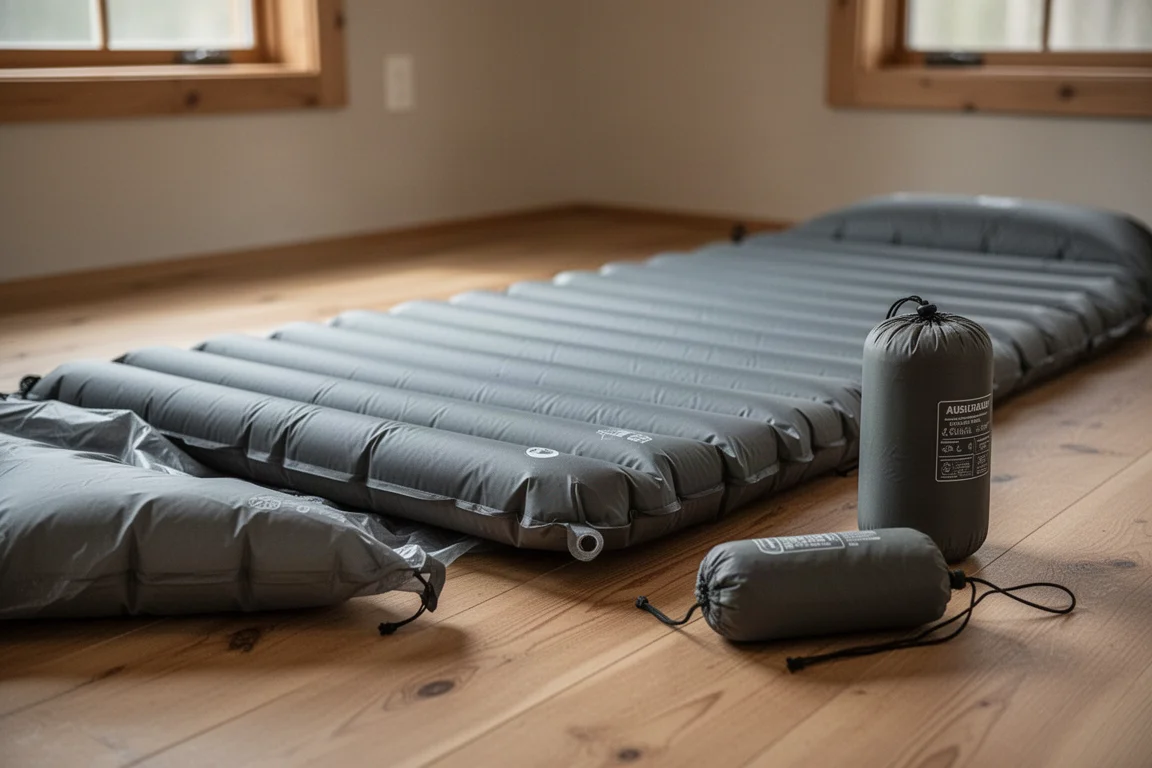
Two things hold it back. It is the most expensive pad here at $260, $30 above the next most expensive option. And it is not the most comfortable: the small, shallow horizontal baffles offer very little give, so it feels closer to a stiff board than a cushioned mattress. That same baffle design is part of what makes the warmth-for-weight figure possible, so it is a genuine trade-off rather than a flaw.
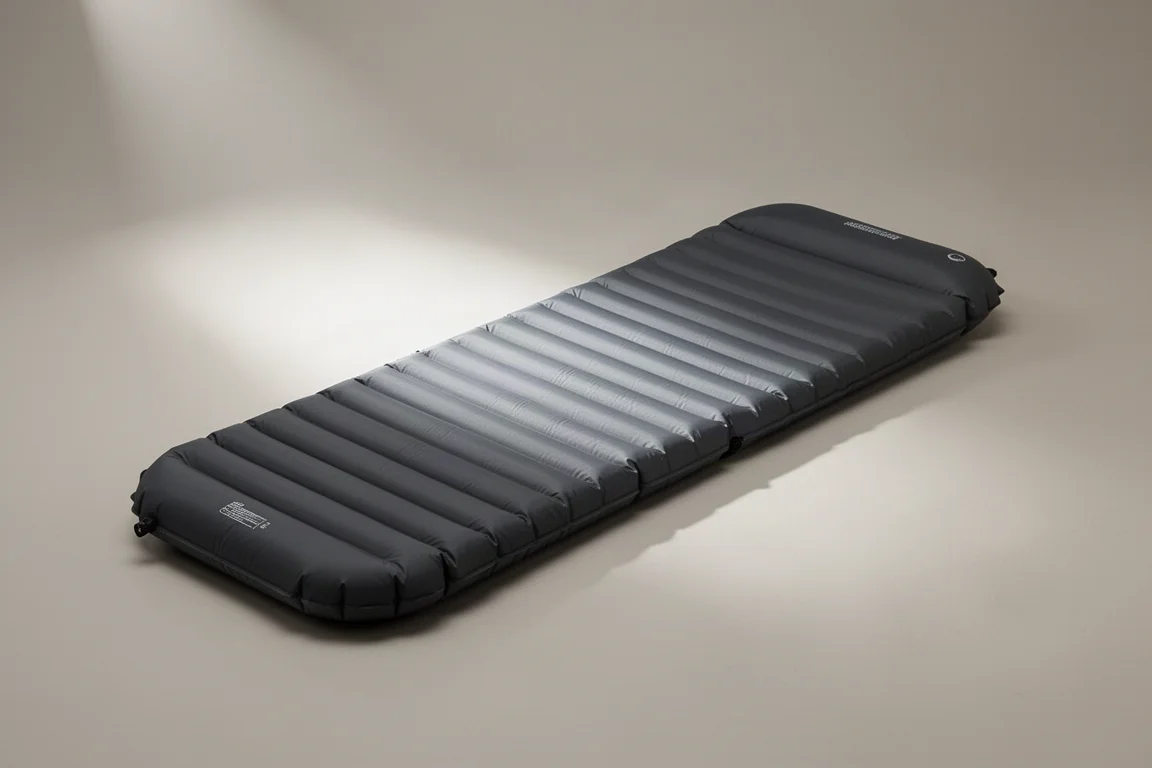
Klymit Static V: A Summer-Only Bargain
The uninsulated Static V shares the same cold-spot problem as the insulated version, and it is strictly a summer pad. At around $65 it is the cheapest way onto this list, and it is relatively comfortable for the money while weighing very little at 1 lb 2 oz.
If you only hike in summer and you are working to a budget, this is a genuinely decent pad.
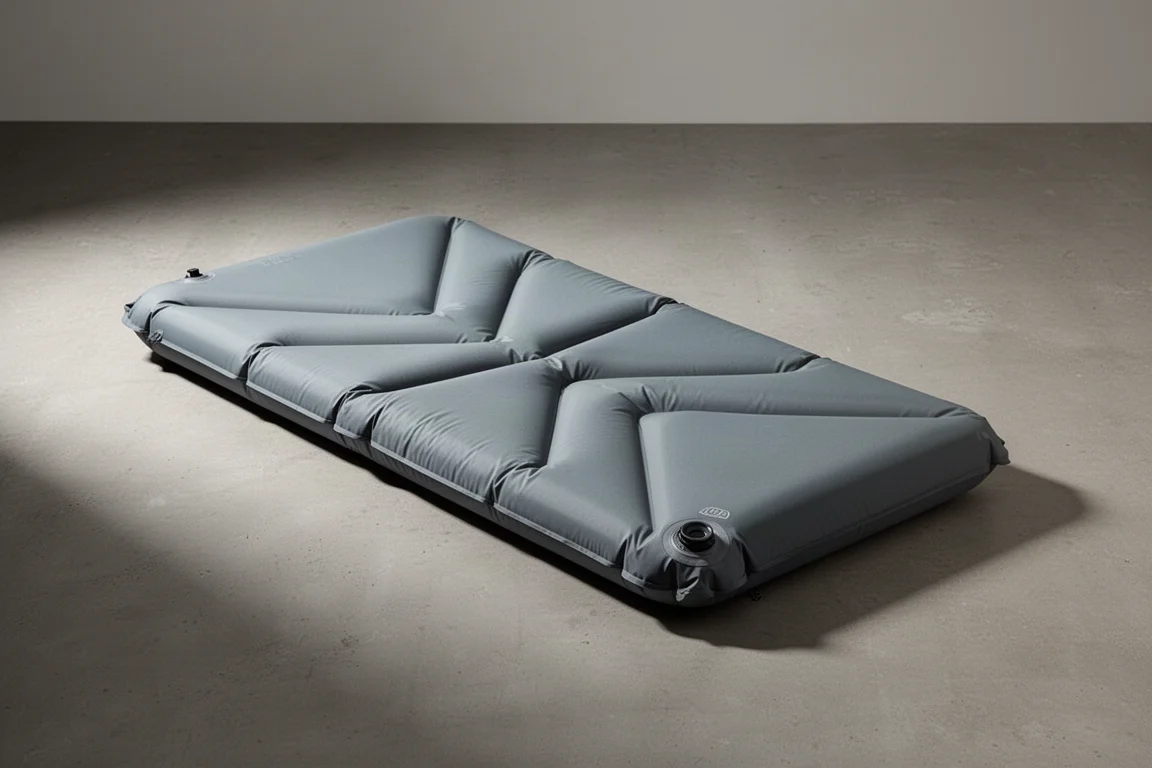
Nemo Insulated Tensor: The Balanced All-Rounder
At 1 lb 3 oz this pad is relatively light, and its moderately quilted baffle construction proved adequately comfortable in use. At $220 it is neither the cheapest nor the most expensive option in this group.
Warmth is strong, with an ASTM R-value of 4.2 that covers all but the coldest temperatures. Testing did reveal some weak spots in the insulation, which costs it half a point, but in practice it has been adequately warm for most trips.
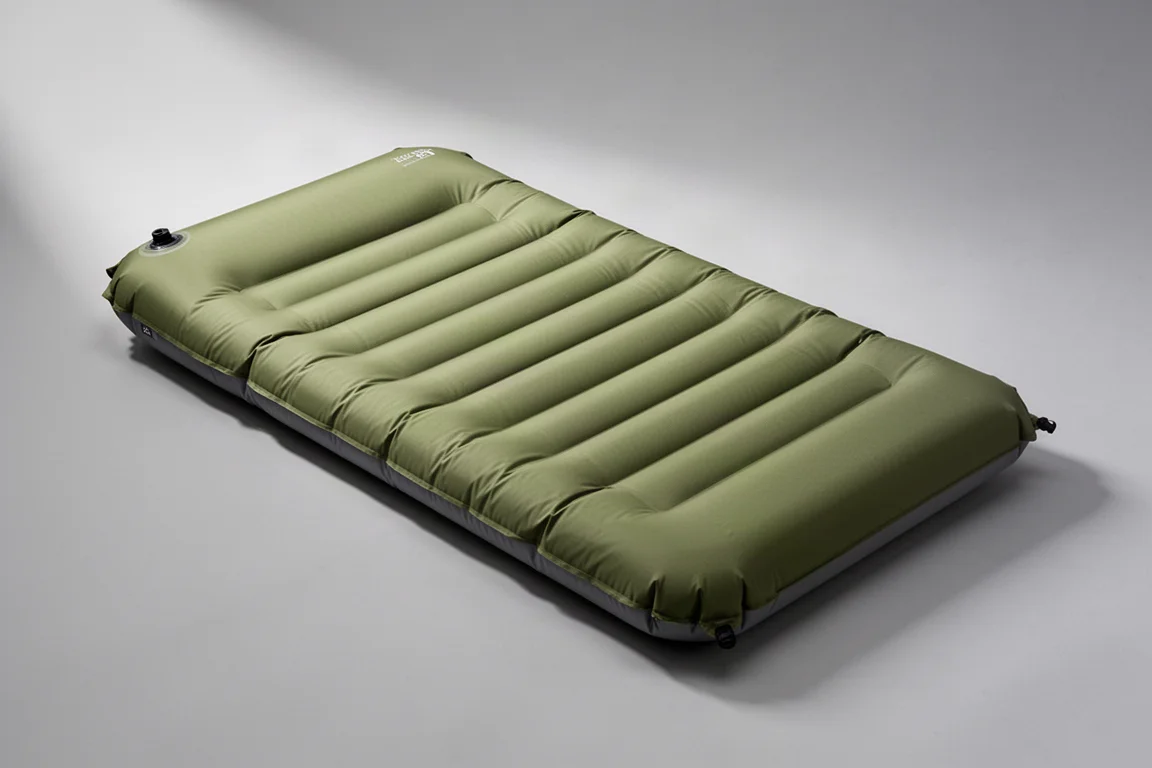
Therm-a-Rest XLite NXT: The Lightest Pad Here
At just 16 oz this is the lightest pad in the group, and it pairs that with an ASTM-certified R-value of 4.5. It has been the best-selling pad on the market for years, and this testing suggests why.
Just as telling: almost every other pad here showed some sort of cold spot where ground temperature seeped through more than elsewhere, while the Therm-a-Rest pads did not. They proved the most efficient at insulating against the cold.
Price is not the highlight, but it is on par with the other major pads here. The real downside is comfort, since these pads are not as comfortable as the quilted-style options. That trade-off runs both ways, because it is partly the quilting dimples that seem to let cold through. You are choosing between a slightly more comfortable pad and a slightly warmer one.
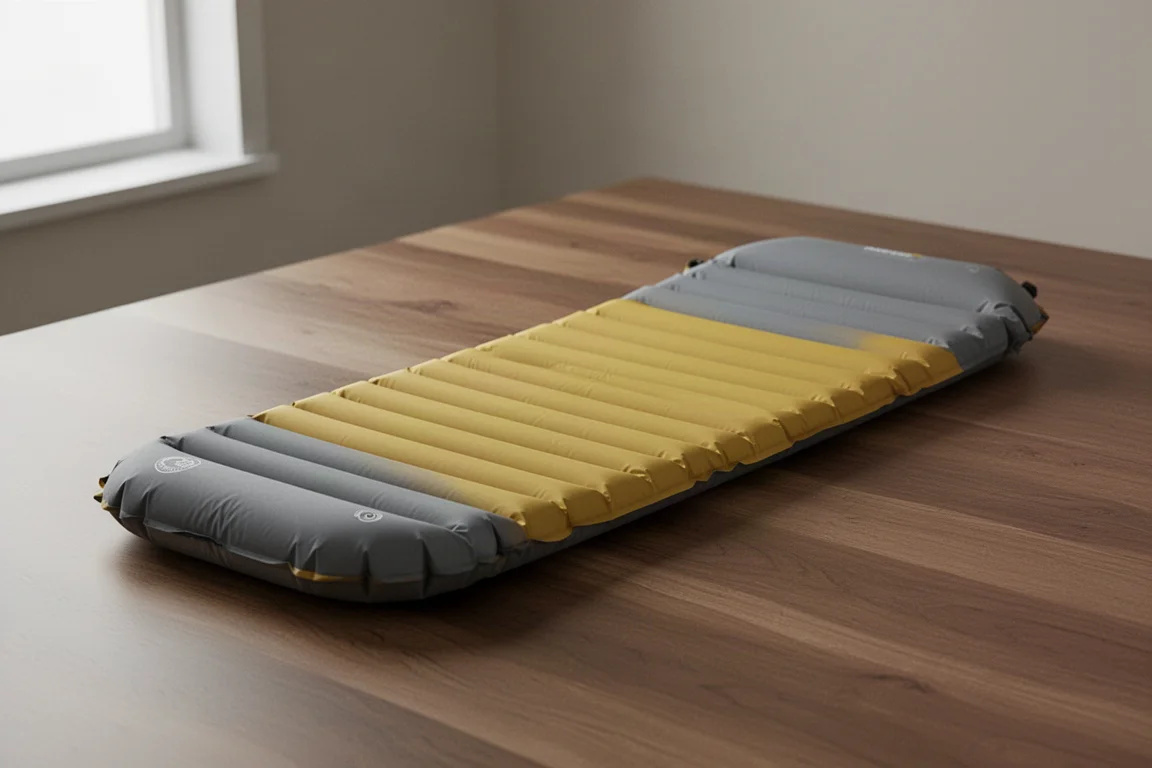
Big Agnes Rapid: Comfort Over Weight
The Rapid tied the XLite NXT on total points, but it got there differently: a little cheaper, just as warm, and a whole lot more comfortable.
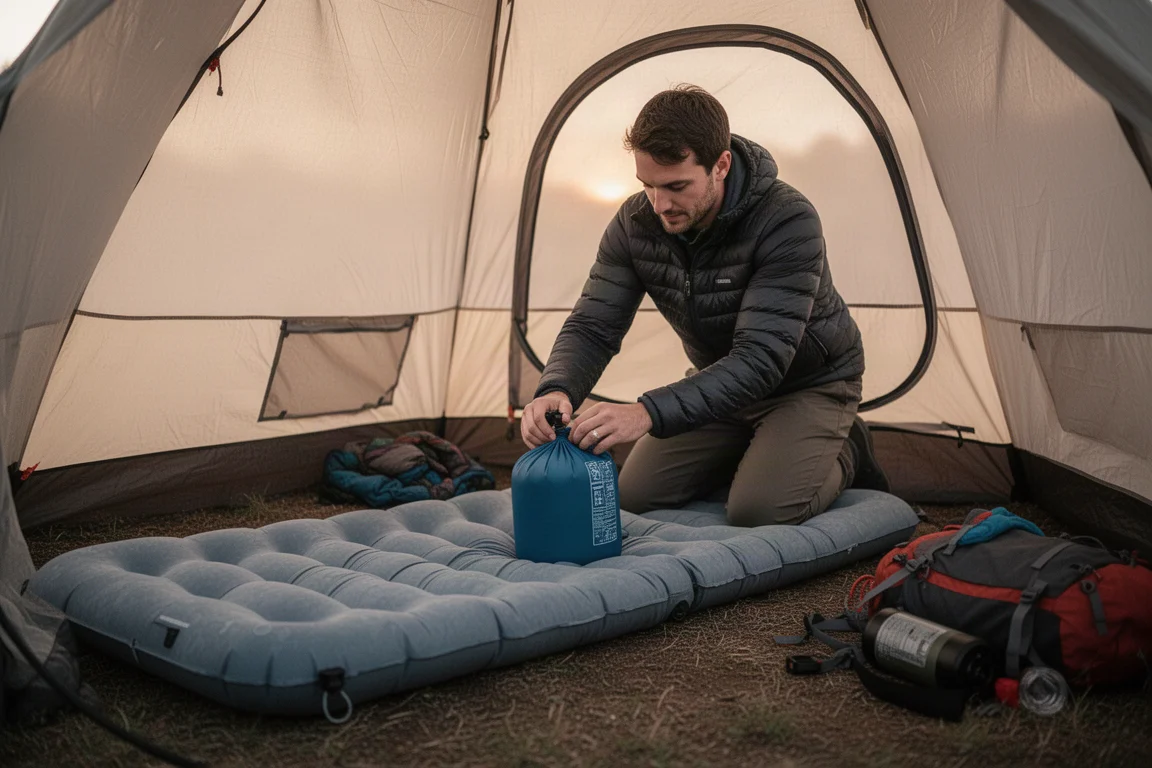
The cost is weight, at 1 lb 8 oz against roughly 1 lb for the XLite NXT. Even so, the rest of the package was enough to lift it to the next-best spot in this ranking, which was a genuinely surprising result.
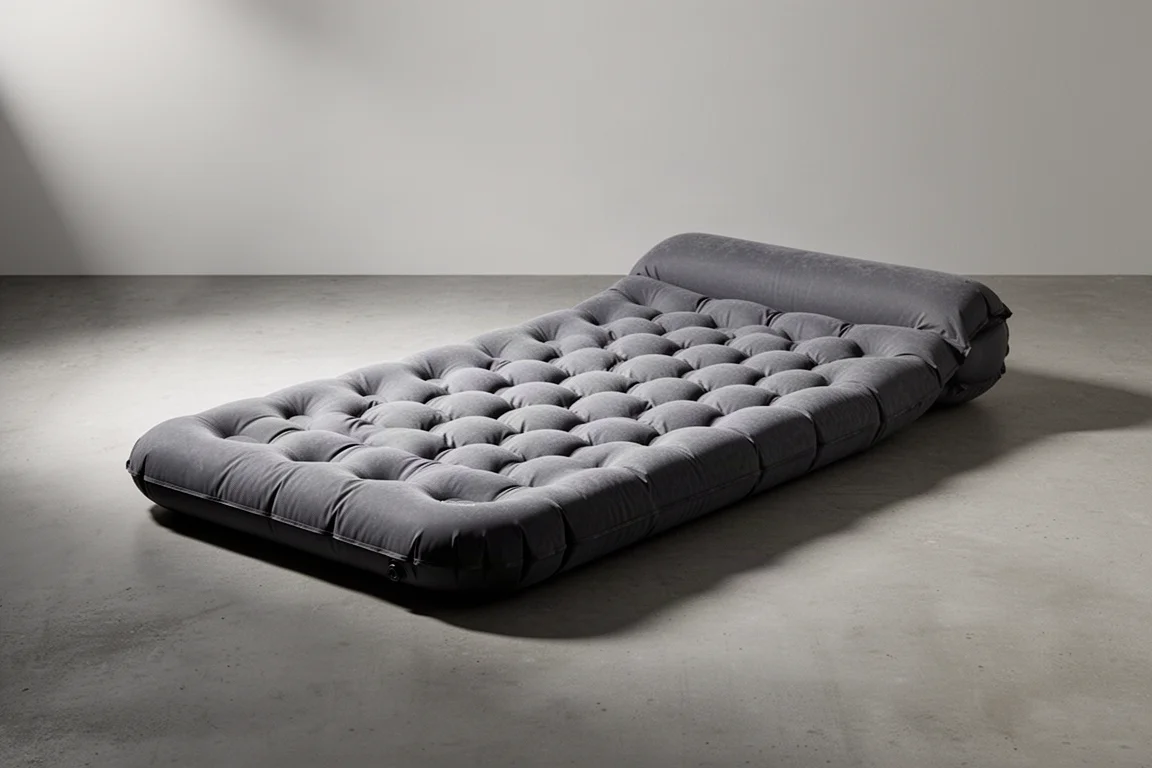
Big Agnes Zoom Ultralight Pad: The Best Overall
The Zoom Ultralight is the newest pad in this test and it finished at the top. At 17 oz it is the second lightest here, and alongside the Rapid it is the most comfortable pad tested. The quilted top runs 3 inches thick across the pad, rising to 3.5 inches at the outer edges to cradle you toward the middle.
Two areas held it back. Price is $230, right at the top of what you will pay for a good sleeping pad. And it does not seem to sleep as warm as its ASTM R-value of 4.3 suggests: it felt colder in the field and revealed cold spots in at-home testing, even though it passed the same standardized certification as the Therm-a-Rest pads.
Even with those deductions it edged out every other pad at 15.5 total points across the four criteria, which is why it takes the top spot.
Overall Buying Advice
Match the pad to the conditions you actually camp in. For summer-only trips on a budget, the Klymit Static V at around $65 covers the basics, and the insulated Static V is the more comfortable pick if you want extra cushioning for around $100.
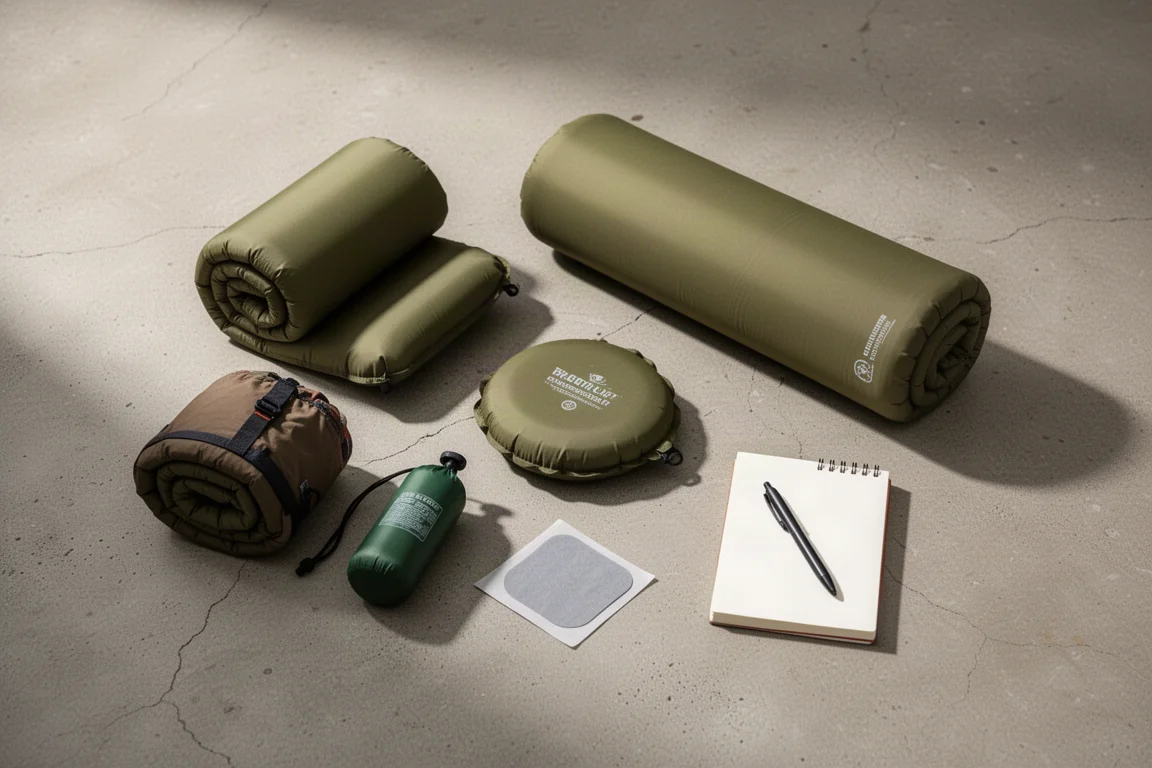
If warmth is the priority, the XTherm NXT is the clear answer at an R-value of 7.3, with the Ether Light Extreme at 6.2 as the next step down. If you want the best balance of low weight and real warmth, the XLite NXT at 16 oz and an R-value of 4.5 is hard to argue with, and the Nemo Insulated Tensor at 4.2 is a solid alternative.
If comfort matters most, the Big Agnes pads are the ones to look at. The Zoom Ultralight is the best all-round performer here despite sleeping a little cooler than its rating suggests, and the Rapid gives up some weight savings in exchange for a lower price and the same level of comfort.
Conclusion
Sleeping pads are one of those purchases where the right answer depends entirely on where and when you sleep. A summer weekend hiker and a shoulder-season backpacker will be happy with very different pads, and the R-value is the quickest way to tell which side of that line a pad falls on. Start with your coldest realistic conditions, then weigh price, comfort, and packed weight against one another from there.
Further reading
Related Reviews
Sleeping Pads
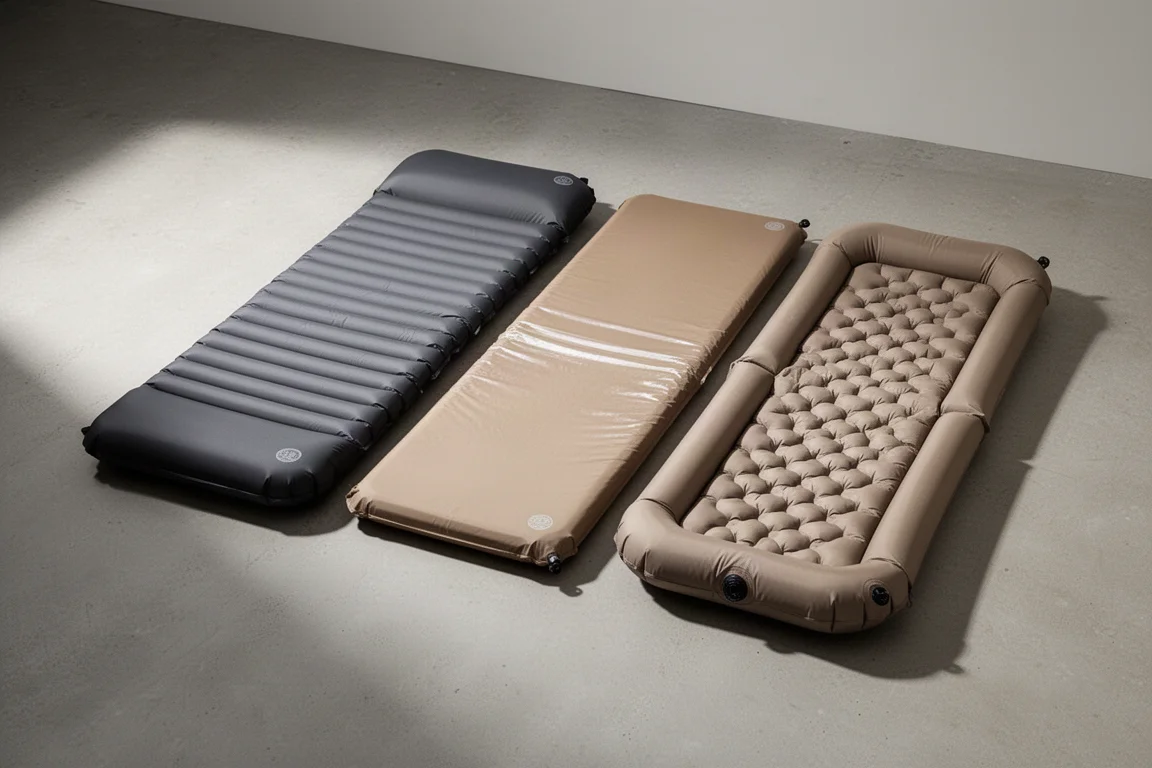
Best Backpacking Sleeping Pads: Comfort, Warmth, and Weight Compared
A practical comparison of the Nemo Quasar 3D, Therm-a-Rest NeoAir XTherm Max, and Big Agnes Rapide SL for backpackers choosing between comfort, warmth, and packed weight.
Sleeping Pads
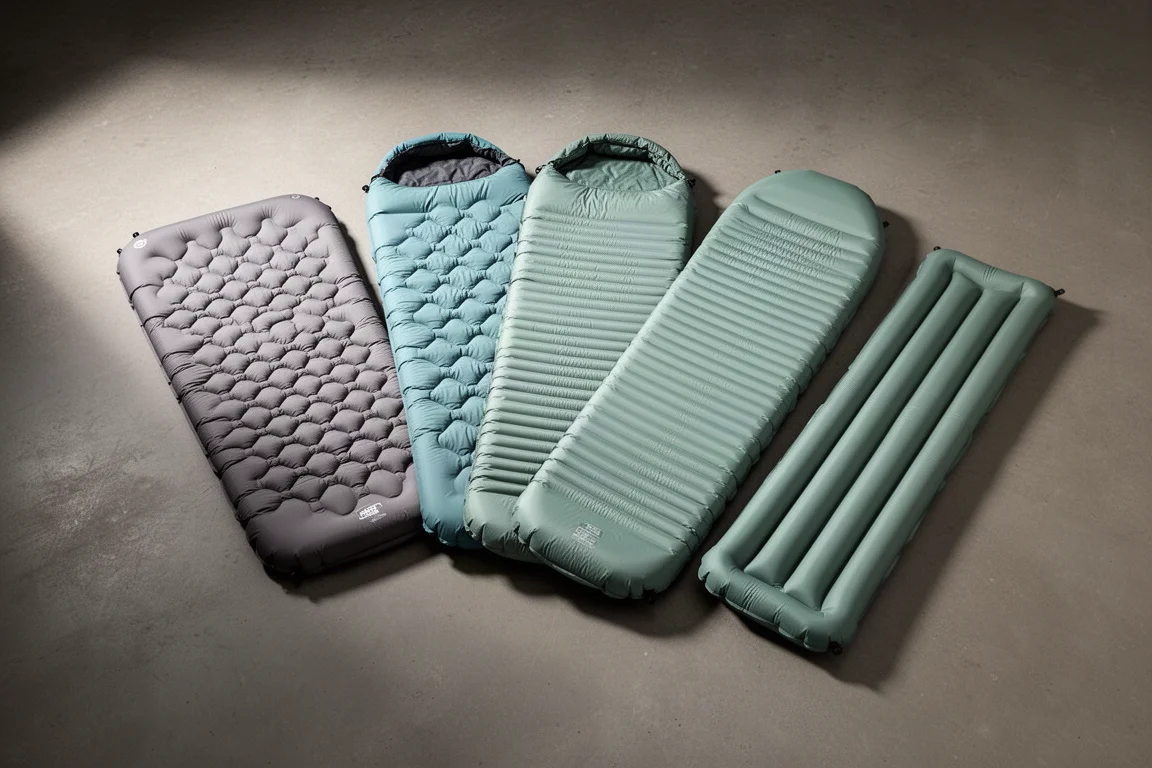
Best Backpacking Sleeping Pads: Ultralight, Winter, Comfort and Budget Picks
A practical roundup of the sleeping pads that stand out for ultralight weight, winter warmth, pressure relief and value, plus three popular pads that fell short.
Sleeping Pads
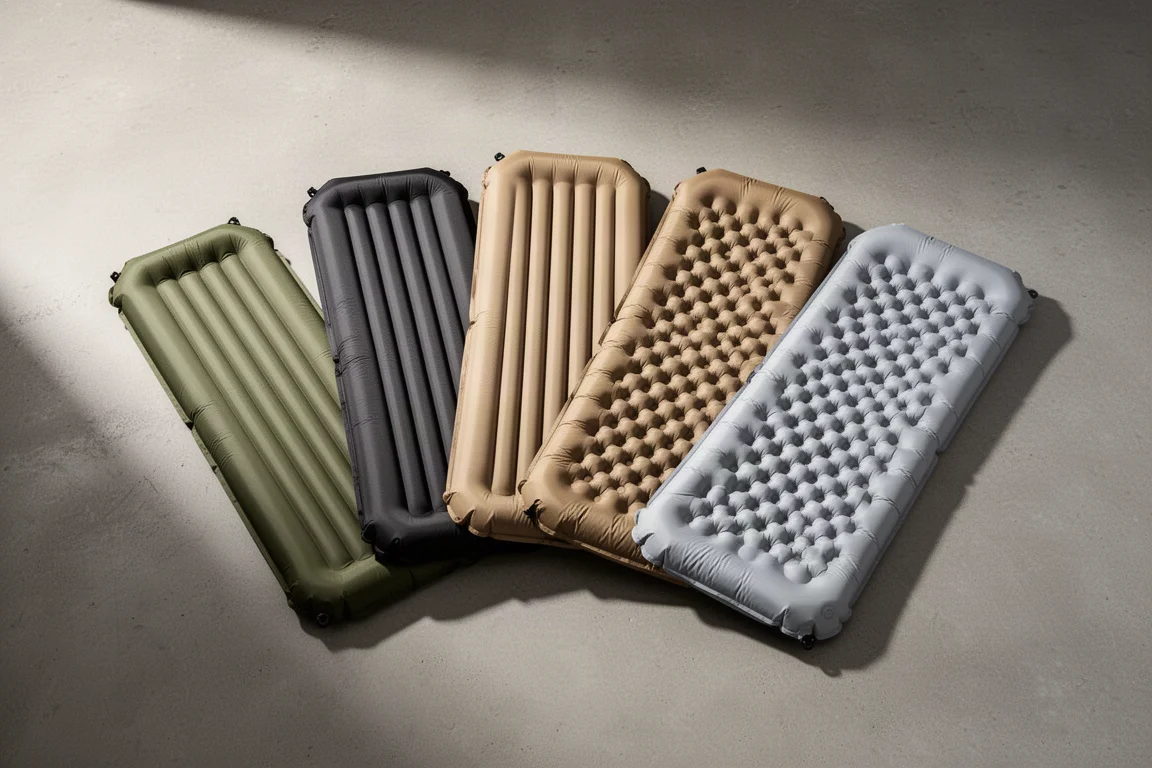
Best Budget Sleeping Pads: Five Affordable Options Tested Near Freezing
Five affordable sleeping pads from $60 to $140 tested in the desert near freezing, with honest notes on warmth, comfort, weight, and where each one compromises.