Sleeping Pads
Zenbivy Ultralight and Flex Air vs Nemo Tensor All Season: Three Backpacking Sleeping Pads Compared
Two new Zenbivy backpacking pads with offset mylar insulation go up against the Nemo Tensor All Season, with warmth ratings, weights, valve notes, and pricing to weigh before you buy.
Introduction
Sleep is the part of a backpacking kit that quietly decides how the rest of the trip feels. A pad that keeps you warm and supported through a cold night does more for morale than almost any other piece of gear, and that is why the current crop of inflatable pads is worth studying closely rather than picking by price alone.
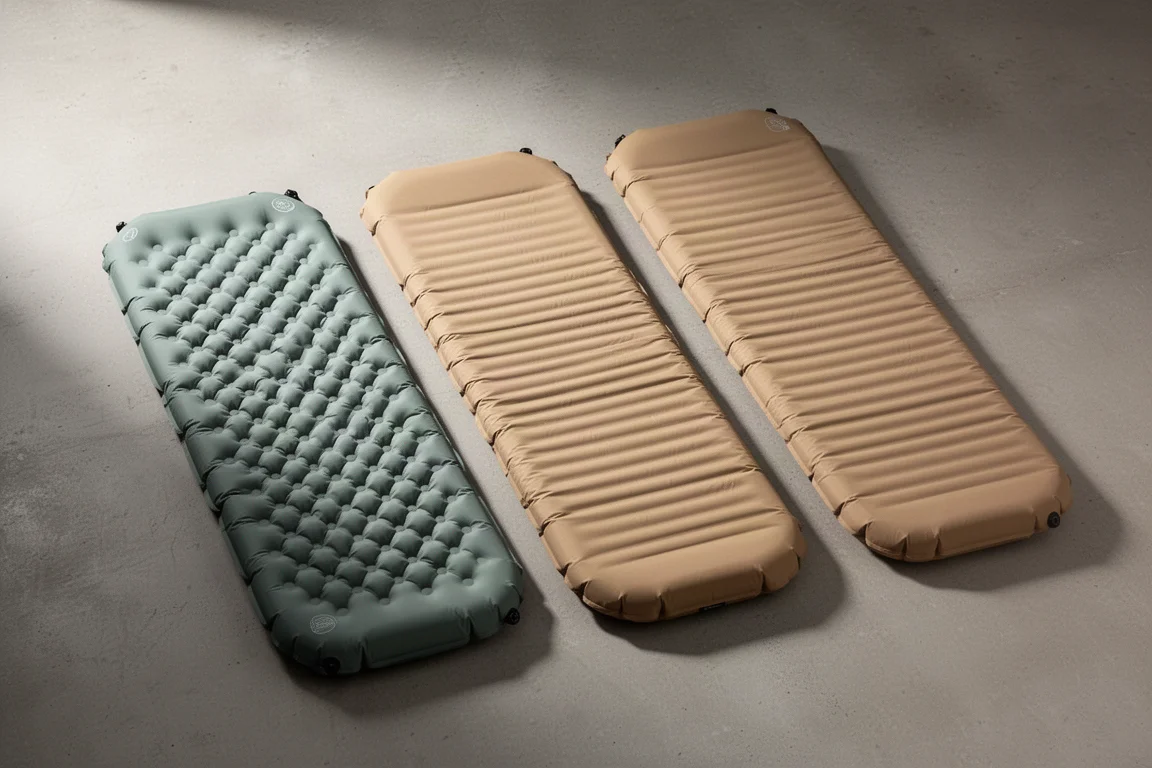
Three pads are especially relevant right now. The Zenbivy Ultralight Sleeping Pad and the Zenbivy Flex Air Sleeping Pad share the same insulated core and baffle layout but differ in their top fabric, while the Nemo Tensor All Season takes a different approach with a higher warmth rating and a broader size range. Each one solves the same problem in a slightly different way.
What Matters in an Ultralight Sleeping Pad
The first number most shoppers look at is the R-value, which describes how well a pad resists heat loss to the ground. A higher figure generally means a pad stays comfortable in colder conditions, but the rating only tells part of the story. Thickness, baffle geometry, and the way insulation is distributed inside the pad determine whether you actually feel supported or whether your hips and shoulders sink toward the ground.
Weight and packed bulk matter just as much on longer trips, and so does the fabric. A lighter denier fabric trims grams but raises fair questions about abrasion and puncture resistance over seasons of use. The valve deserves attention too, since a stiff or awkward valve is the kind of small annoyance that shows up every single morning.
Price sits at the centre of all of these trade-offs. Spending more only makes sense when the extra money buys measurable comfort, warmth, or durability rather than a brand name. It also helps to look at sizing honestly: a narrow pad can be a false economy for most adults, and the wider options in a range are usually the ones worth comparing directly.
Zenbivy Ultralight Sleeping Pad: Baffles, Insulation, and Warmth
The Zenbivy Ultralight Sleeping Pad is the brand’s first pad to use mylar film insulation, and it uses two separate layers of it rather than one. The pad carries a rated R-value of 4.8, and it delivers the insulation you want between your body and cold ground, cold air, and freezing overnight temperatures.
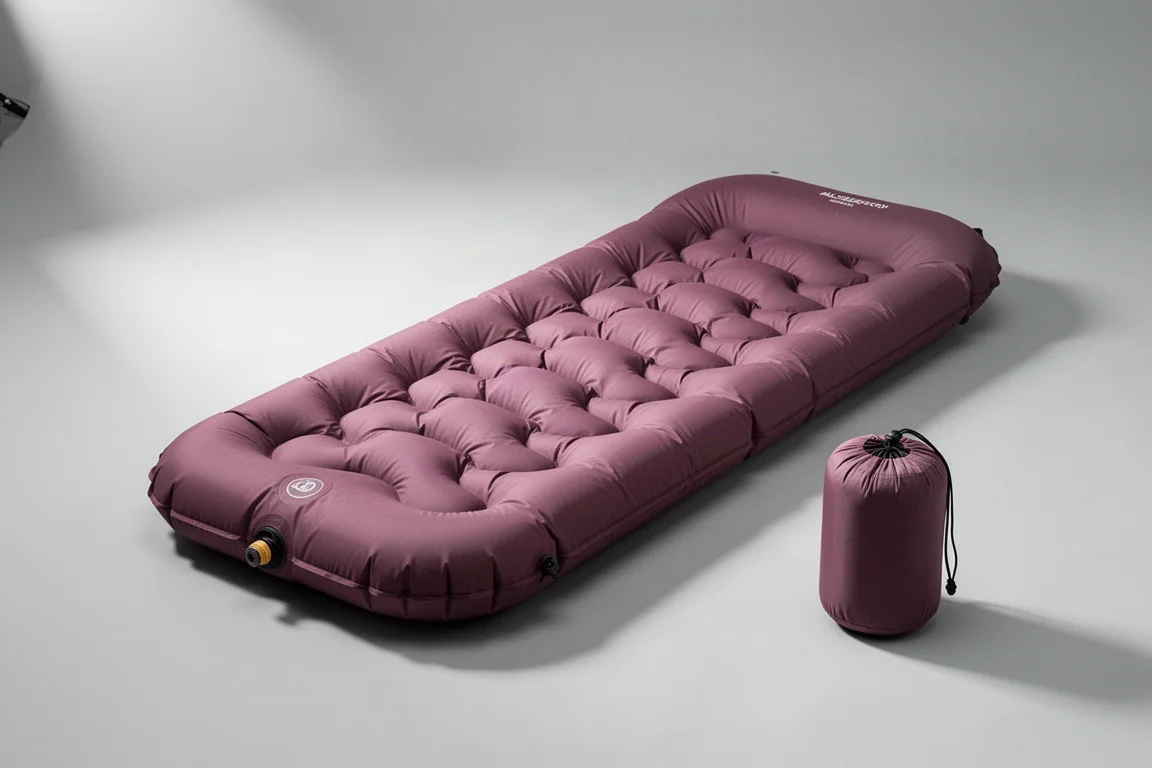
It is available in three sizes. The 25 x 72 version weighs 21 oz, which is a respectable figure for a pad that is 3 inches thick, and the tapered outline saves weight and bulk when the pad is rolled up for a pack. The baffle design is the standout feature. The surface is dimpled, with a diagonal baffle pattern instead of fully vertical or horizontal channels, which lets the pad move with the body and lie flatter on uneven ground.
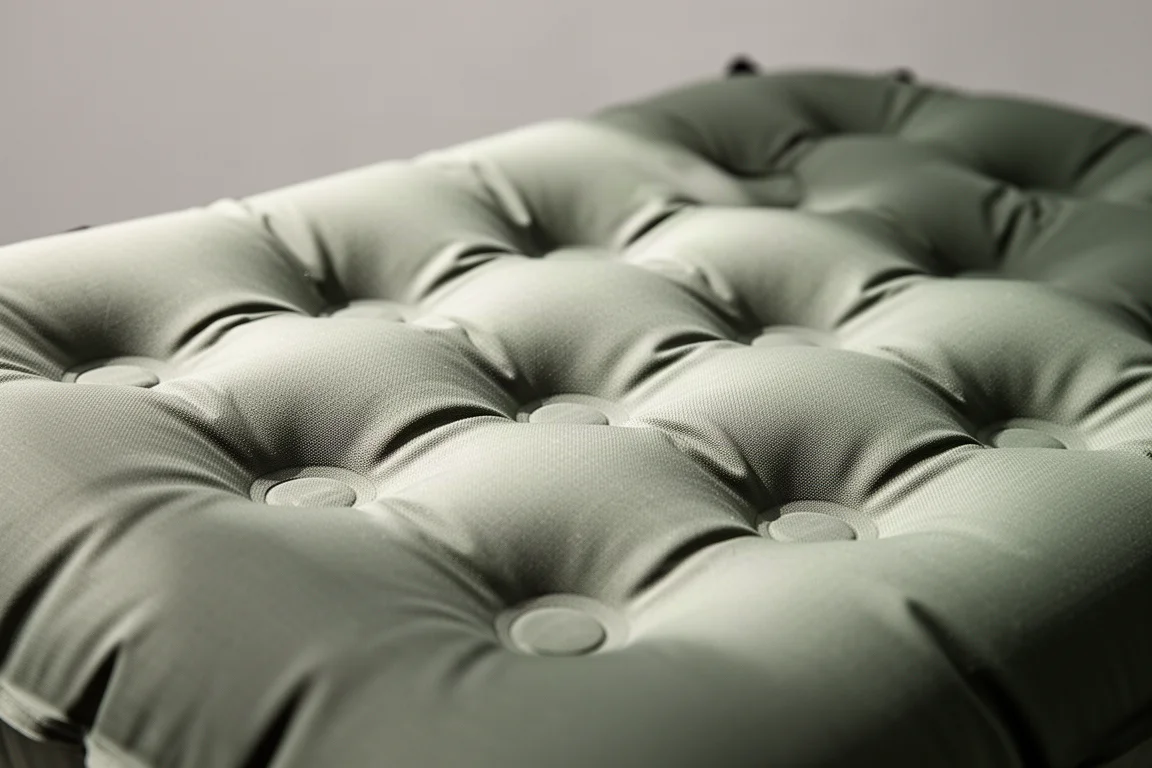
The two insulation layers are offset between the top and bottom of the pad. Where a dimple creates a gap in the upper layer, the lower layer covers that point, so the cutouts do not line up to create cold spots. That offset arrangement is what produces a more consistent warmth across the whole surface.
The fabric is a 20 denier recycled polyester taffeta on both the top and the bottom, and it has a soft feel rather than the plasticky surface found on some pads. Durability is the open question with a 20 denier face fabric, and it is worth monitoring over time if you camp on abrasive ground.
The main weak point is the valve. It is unnecessarily stiff, and pulling out the second section to deflate takes real effort on a cold morning. Inflation is a different story: the storage bag doubles as an inflation bag, and although it looks small, it fills the pad quickly and the valve snaps in with a good seal. A standard one-way valve lets you fine-tune firmness. The pad does need to be inflated fairly firm to keep hips, seat, and shoulders off the ground, which suits anyone who prefers a supportive, firm sleep surface.
Zenbivy Flex Air Sleeping Pad: A Softer Top Layer
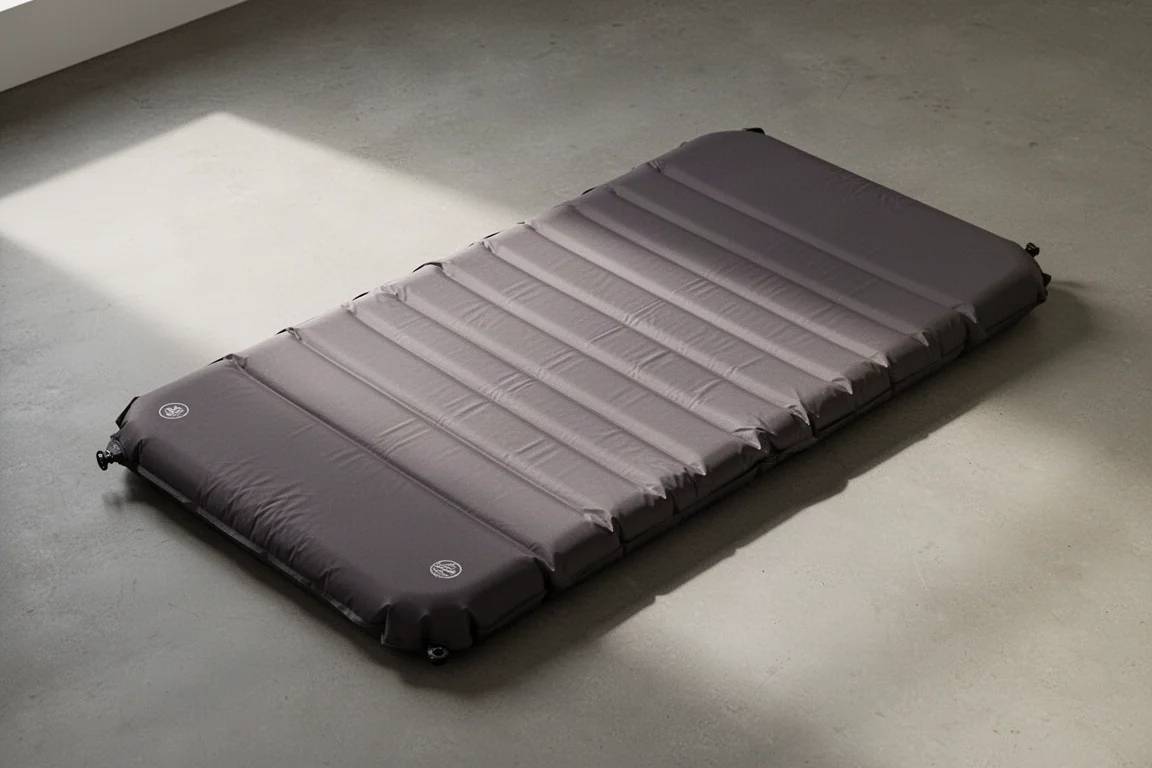
The Zenbivy Flex Air Sleeping Pad follows the same design as the Ultralight, with the same insulated core, the same baffle layout, and the same R-value. What changes is the top fabric, which is a 20 denier polyester knit with four-way stretch instead of taffeta.
That stretchy knit is noticeably softer, and it gives the surface more give under the body. The difference in support is subtle rather than dramatic, but it is perceptible when the two pads are compared back to back. In warmer months, a stretchy top paired with a quilt also means less of the sticky feeling you can get from a slicker fabric against skin or thin clothing.
The trade-off is weight and price. The Flex Air comes in at 25 oz in the 25 x 77 size, roughly 4 oz more than the 25 x 72 Ultralight. It is available in the same three sizes, uses the same valve, and lands at $219 for the 25 x 72 and 25 x 77 versions. Whether that premium is worth it comes down to how much you value the softer surface, since the warmth and support characteristics are otherwise unchanged.
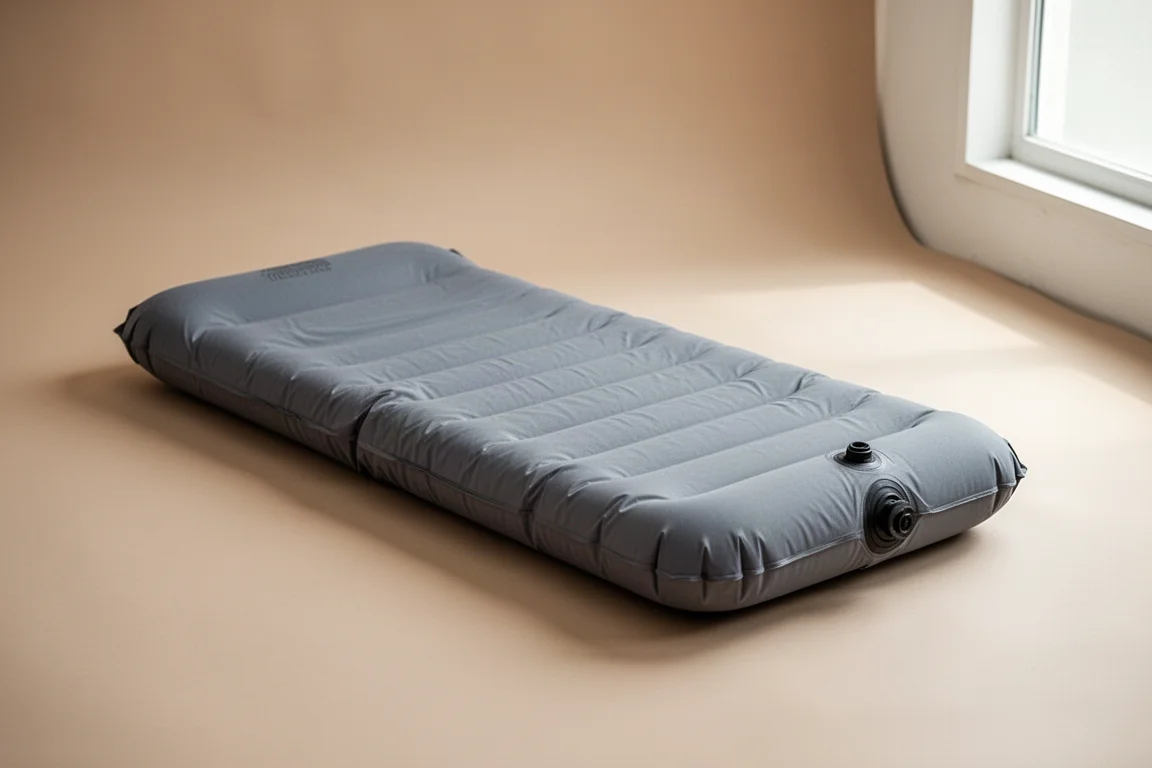
Nemo Tensor All Season: Warmth and Size Options
The Nemo Tensor All Season is another new addition to the category and takes a different route. Its headline figure is a 5.4 R-value, which comfortably handles cold ground and cold overnight temperatures, and it pairs a 20 denier top fabric with a tougher 40 denier fabric on the bottom. It also comes in a wide range of sizes and keeps weight competitive for what it offers.
Comfort is where it gives ground. The pad uses space frame baffles with small ridges and bumps that help support the body, but the overall layout is still a horizontal baffle design. The result is a pad that is warm and reliable rather than one that conforms closely to the shape of a sleeper.
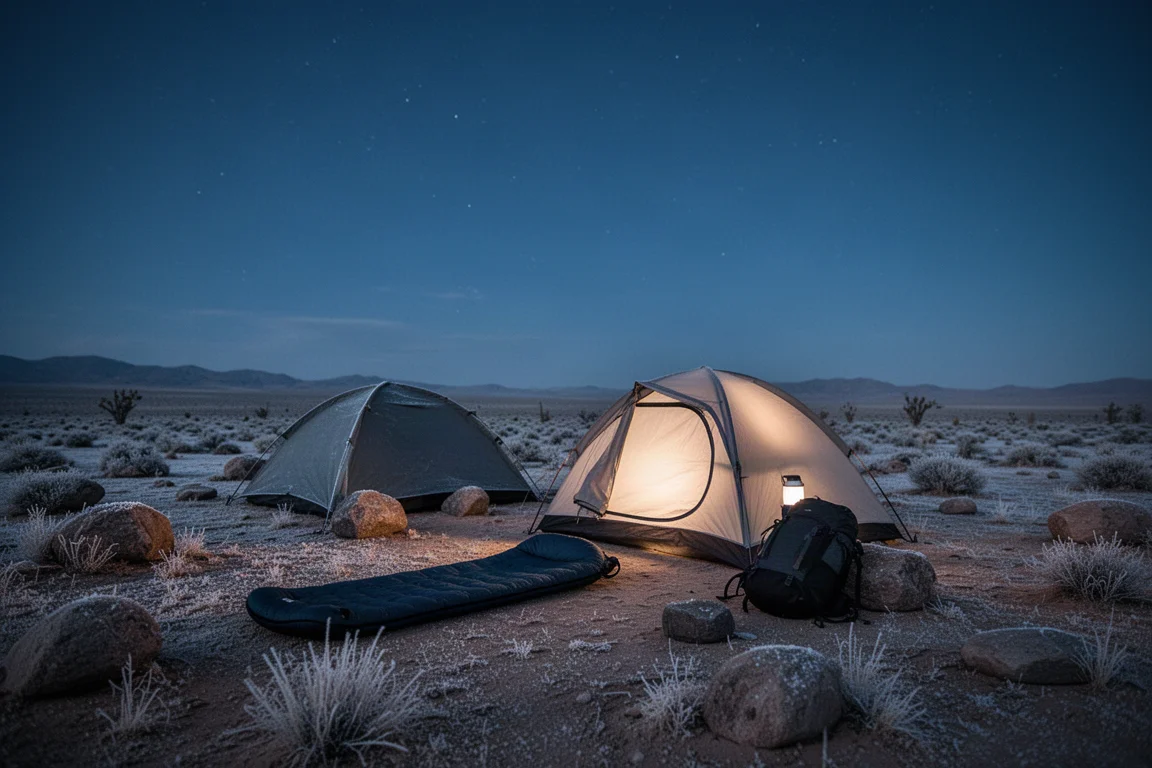
For backpackers who prioritise a proven warmth rating, a broad choice of sizes, and a durable bottom fabric, that trade-off is reasonable. For anyone who wants the pad to feel like it is holding the body in place, the Zenbivy baffle layout is the more convincing design. Both approaches are legitimate, and the right answer depends on which characteristic you would rather optimise.
Buying Advice
Start with the temperature range you actually camp in. If most of your nights sit above freezing, a mid-level R-value is plenty, and you can put the saved money toward a lighter or more comfortable pad. If you regularly wake up to frost, the higher rating of the Nemo Tensor All Season is the safer starting point.
Then decide how much comfort you are willing to pay for. The Zenbivy Ultralight Sleeping Pad is the lightest of the three at 21 oz in the 25 x 72 size and sits at $199 in the 25 x 72 and 25 x 77 sizes, which makes it the value pick if the firm, supportive feel suits you. The Zenbivy Flex Air adds a four-way stretch knit top and 4 oz for $219, which is a fair ask for anyone who notices fabric feel through a quilt.
Sizing deserves a moment of honesty. A 20 inch wide pad is best left to very small sleepers, and most adults will be happier comparing the 25 inch options directly. It is also worth remembering that 20 denier face fabrics on the top and bottom of the Zenbivy pads are a long-term durability question rather than a known flaw, so treat abrasion resistance as something to watch rather than something to fear. All three pads reward a firm inflation, so plan on spending an extra minute with the pump sack before you settle in for the night.
Conclusion
These are three genuinely capable backpacking pads with clear personalities. The Zenbivy Ultralight Sleeping Pad brings an offset two-layer insulation build, a supportive diagonal baffle layout, and the lowest weight of the group at $199. The Zenbivy Flex Air Sleeping Pad keeps that same warm core and swaps in a softer four-way stretch top for $219. The Nemo Tensor All Season answers with a 5.4 R-value, a reinforced bottom fabric, and the widest size selection of the three. Match the pad to your coldest typical night and to how much surface feel matters to you, and any of them should serve you well.
Further reading
Related Reviews
Sleeping Pads
Best Backpacking Sleeping Pads 2026: Nine Pads Rated on Price, Comfort, Warmth, and Weight
Nine backpacking sleeping pads compared on price, comfort, warmth, and weight, from a $65 summer pad to a year-round option rated at R-7.3.
Sleeping Pads
Best Backpacking Sleeping Pads: Comfort, Warmth, and Weight Compared
A practical comparison of the Nemo Quasar 3D, Therm-a-Rest NeoAir XTherm Max, and Big Agnes Rapide SL for backpackers choosing between comfort, warmth, and packed weight.
Sleeping Pads
Best Backpacking Sleeping Pads: Ultralight, Winter, Comfort and Budget Picks
A practical roundup of the sleeping pads that stand out for ultralight weight, winter warmth, pressure relief and value, plus three popular pads that fell short.