Backpacking Sleep Systems
Zenbivy Ultralight Bed Review: Is the $813 Sleep System Worth It?
A modular backpacking sleep system that clips a down quilt to a fitted sheet. Here is what works, what does not, and who should pay for it.
Introduction
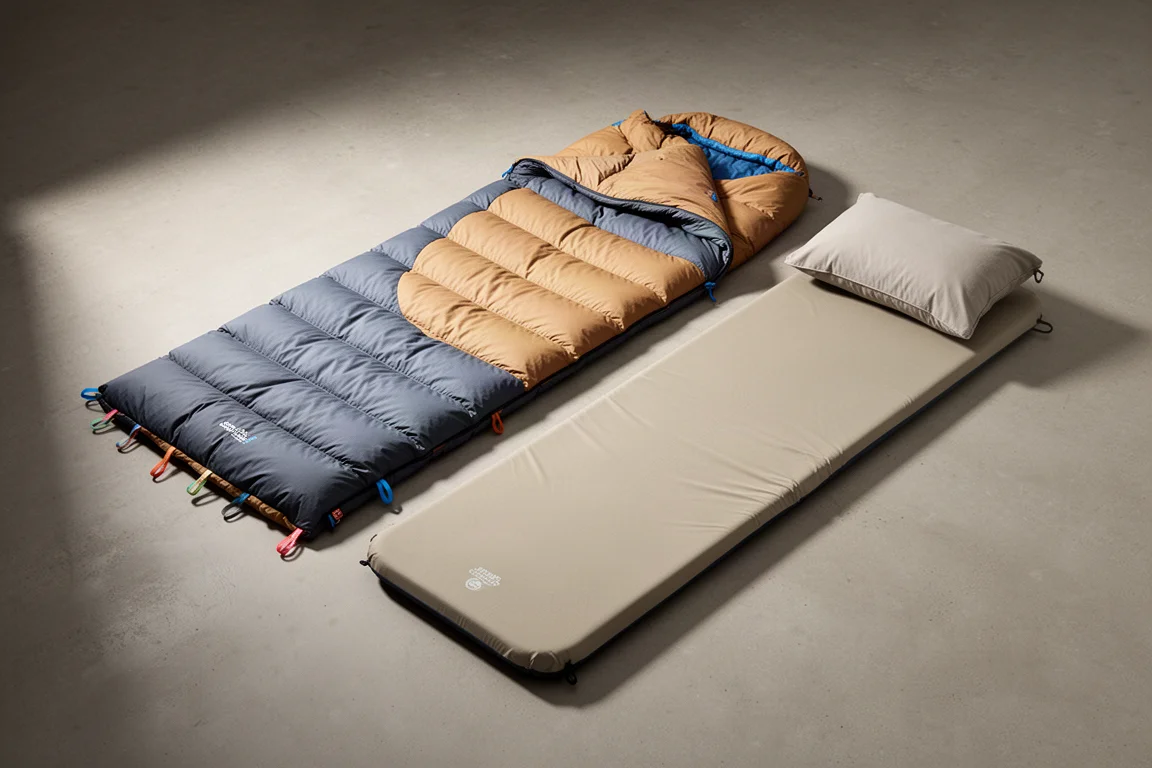
The Zenbivy Ultralight Bed is an all-in-one backpacking sleep system built around a familiar promise: make a night in the backcountry feel closer to a night in your own bed. Instead of buying a quilt, a sleeping pad, and a pillow separately, you get a modular kit in which the quilt clips to a fitted sheet, the sheet wraps around the pad, and the pillow hooks into the hood.
The configuration tested here, a large quilt, the Ultralight pad, the uninsulated hood, and the full pillow system, weighs 3 lb 4 oz and costs $813. That is real money and real pack weight in a category where plenty of experienced hikers already own a setup they trust. So the useful question is not whether the system is well made, because it is. The useful question is whether the comfort and the clip-in design justify the price and the grams.
The notes below come from a three-day, two-night through-hike on the Timberline Trail in Oregon, and from a direct comparison against a long-standing setup built around a 20° quilt, an inflatable pad, and a small pillow.
How the Zenbivy Ultralight Bed Is Built
The system is modular by design. The Ultralight quilt carries color-coded attachment loops along its edges, and those loops mate with matching hooks on the Ultralight sheet. The sheet wraps around the sleeping pad and adds two fabric side walls, each with color-coded hooks that connect to the top of the quilt. Together they create a barrier along both sides of the sleeper, which is how the design blocks drafts without becoming a closed sleeping bag.
The quilt and the sheet share the same shell fabric, a 10D Pertex Quantum with a DWR coating. The sheet is offered with either an uninsulated hood or an insulated hood that adds down for colder nights, and the hood is also what holds the pillow in place.
The pad is a separate component with a 20D recycled polyester taffeta shell and two layers of mylar foil insulation, which together produce an R-value of 4.8 at a thickness of 3 inches. The pillow completes the set as a three-piece modular design: a pillowcase with hooks that attach to the hood, an inflatable air bladder, and a 650 fill power down topper.
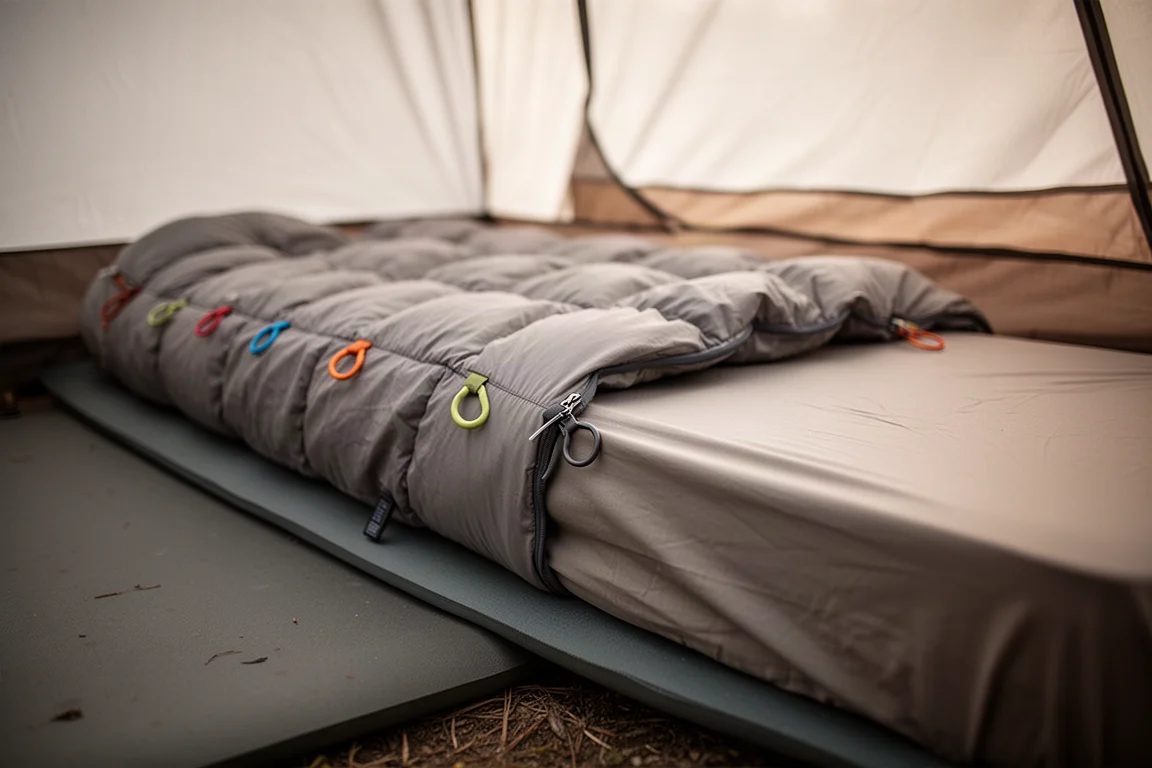
Because the system is modular, the numbers move with the configuration. The version assessed here used the 20°F quilt in a large size, with a 10°F option also offered, and both the quilt and the sheet are available in a range of sizes and colourways.
Who This Sleep System Is For
The Zenbivy Ultralight Bed makes the most sense for backpackers who move around in their sleep and dislike the feeling of being sealed inside a mummy bag. The clip system keeps the quilt where you put it, so turning over does not open a cold gap along your side.
It also suits campers who feel the chill at the edges of a quilt. The side walls and the hood are aimed squarely at that problem, and the insulated hood option adds warmth around the head for shoulder-season trips.
It is a weaker fit for anyone who counts every gram, who already sleeps warm, or who has a quilt and pad combination that has worked reliably for years. Those hikers would be paying for a feature set they may never need.
What Works Well: The Quilt and the Sheet System
The quilt is the strongest single component. It uses an excellent shell fabric, it kept the sleeper warm and cozy through the night, and it feels like a serious piece of gear rather than a compromise.
The sheet, which looked like the most questionable part of the design at first, turned out to be the most convincing. With the quilt attached, the system wraps around the sleeper in a way that feels closer to a cocoon than a sleeping bag, without the restriction of a closed bag. For anyone who rolls around at night, that combination keeps everything tucked and produces a noticeably more settled night’s sleep.
The hook system and the side walls deserve credit as well. Because the quilt stays anchored along both sides, there is no repeating cycle of cold air creeping in and pulling the quilt back up in the middle of the night. It is a small design decision with a large effect on comfort.
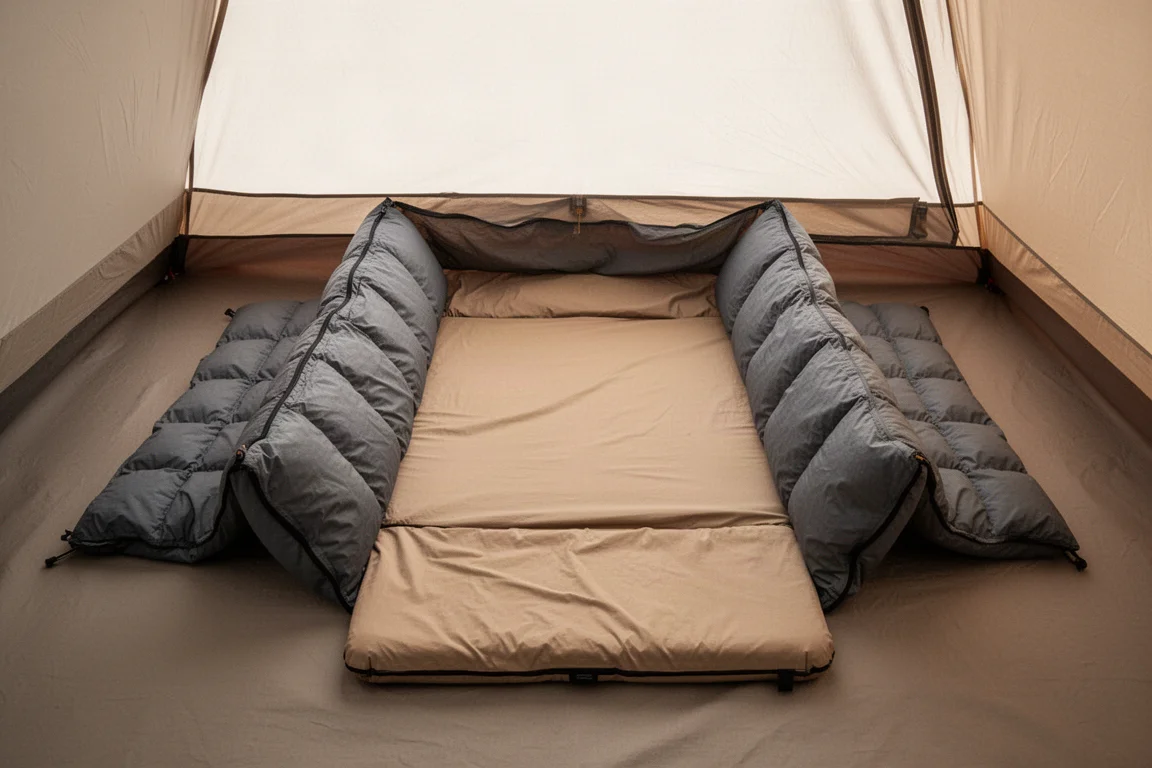
Assembly is simple once the layout clicks, and the color-coded loops and hooks take most of the guesswork out of it. The modular approach also means the system can be tuned rather than replaced: the sheet can be paired with an insulated hood, the quilt comes in different temperature ratings and sizes, and components can be bought on their own instead of as a complete kit.
What Works Well: Warmth and Draft Protection
Warmth is where the design logic pays off. The quilt itself is a comfortable down quilt with a 10D Pertex Quantum shell and a DWR finish, and the insulated hood option adds down around the head for colder trips.
More importantly, the system closes off the two places where heat usually escapes overnight: the open sides of a quilt and a pillow that slides away from the body. The side walls connect the quilt to the sheet along both edges, and the hood holds the pillow exactly where it was placed. The result is a sleep setup that stays arranged the way you left it, which matters more on a long day’s hike than any single specification.
The pad’s R-value of 4.8 is respectable on paper, although the nights on the test trip were not cold enough to put that number under real pressure.
Where the System Falls Short: The Sleeping Pad
The pad is the weakest part of the kit, and for some sleepers it will be a deal breaker. It uses a baffled, waffle-quilted construction that feels similar to budget inflatable pads. It is 3 inches thick and rated at an R-value of 4.8, which is a meaningful step above the cheapest pads, but thickness and R-value do not tell the whole story.
For side sleepers with bony hips and shoulders, the baffles compress quickly. Lying flat on the back is comfortable. Shift slightly, bend the knees, or roll onto a hip, and the sleeper reaches the ground almost immediately. Sitting on the pad produces the same result. A back sleeper who stays still will likely be happy with it. A restless side sleeper probably will not.
The large pad is priced at $199 and is manufactured overseas in Vietnam. The Therm-a-Rest NeoAir XLite in a wide and long size is lighter, slightly longer, made in the US, and costs roughly $40 more, which makes the Zenbivy pad a hard recommendation on its own.
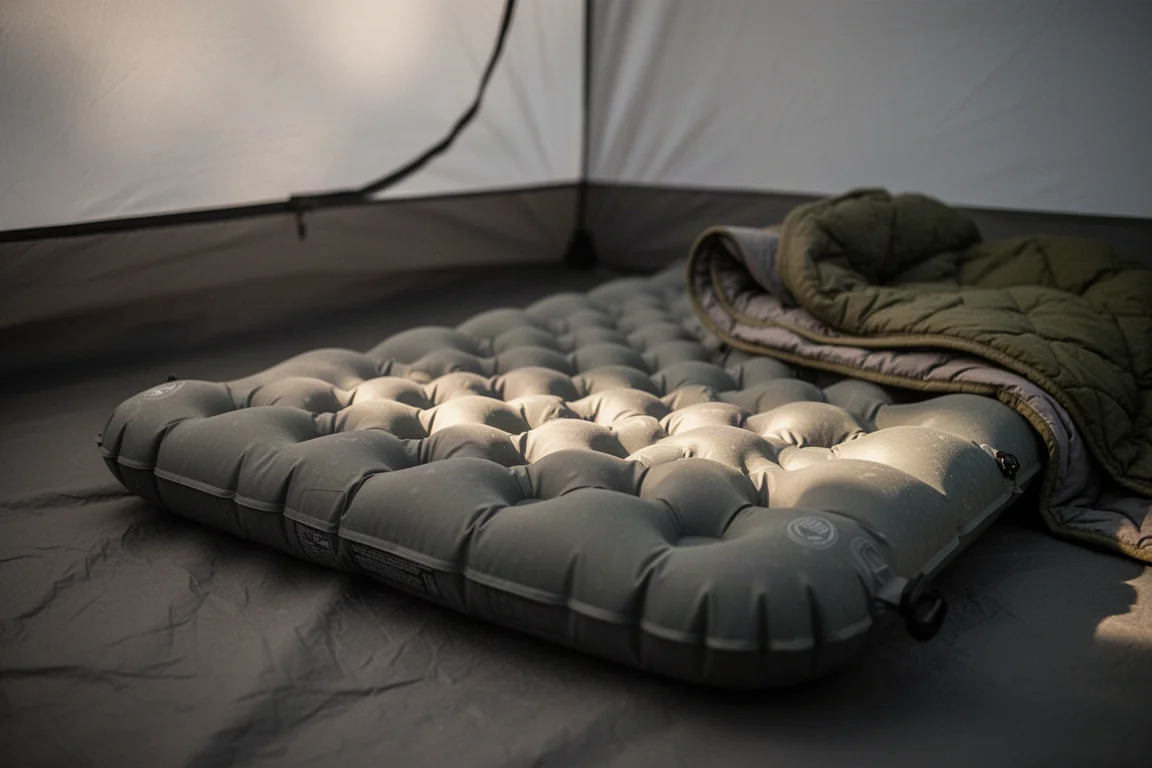
That comparison is worth weighing carefully, because the pad is the component most likely to determine whether a night out is comfortable. If the pad does not suit your sleeping position, the strongest parts of the system cannot fully make up for it.
Where the System Falls Short: The Pillow
The pillow is the other weak point, and it is the piece that feels most like overkill. It is a three-piece modular design: an inflatable air bladder, a 650 fill power down topper, and a pillowcase with hooks that clip into the hood. Inflating the bladder and then fitting it inside the case takes more fiddling than a simple inflatable pillow.
The down topper is the most questionable element. Down needs loft to insulate, and a head pressing down on it removes most of that loft, so the topper adds bulk and weight without contributing much warmth. The full kit weighs 8 oz and packs down far larger than a compact inflatable pillow such as the Sea to Summit Aeros Ultralight, which weighs 2 oz and compresses smaller than a fist.
Buyers can skip the full kit and order only the pillowcase and the air bladder, which is the more sensible configuration for most backpackers.
Price and Weight Compared With a Traditional Setup
The numbers are the clearest way to judge the value. The complete system tested here, a large 20°F quilt, the full pillow, the uninsulated hood, and the large Ultralight pad, comes to 3 lb 4 oz and $813.
The comparison setup, an Enlightened Equipment Enigma 20° quilt, a Therm-a-Rest NeoAir XLite, and a Sea to Summit Aeros Ultralight pillow, comes to 1 lb 12 oz and $744. It is lighter and cheaper.
Component by component, the picture is similar. The Zenbivy quilt alone is $449 in a large size in the silver-gray option. A custom Enlightened Equipment Enigma quilt with 950 fill power, a 20° rating, a long and wide cut, and a choice of colours and fabrics comes to about $460. A custom UGQ Bandit with 950 fill power in a 20° wide and long configuration comes to about $455. Both of those quilts are made in the US, both can be customized, and both sit within about $11 of the Zenbivy quilt, which is manufactured overseas in Vietnam.
The pad comparison is less favourable still. The large Zenbivy pad is $199, while the NeoAir XLite in a wide and long size is lighter and only about $40 more.
The sheet is the one feature the alternatives do not have. Even so, pad straps supplied with quilts like the Enigma or the Bandit have long been enough to keep a quilt tucked and drafts out, which is the job the sheet performs.
Buying Advice: Who Should Spend the Money
The Zenbivy Ultralight Bed is not hype. It is a genuinely well-made, comfortable system, and the sheet is a clever piece of design that changes how a quilt behaves overnight.
The decision comes down to the user. If you want a hood, you want the option of an insulated hood, you are worried about drafts along the sides of a quilt, and the idea of a sleep setup that clips together and stays put appeals to you, the system is likely worth the money. The comfort it delivers is real and repeatable.
If you already own a quilt, pad, and pillow that work for you, the Zenbivy system adds weight and cost without solving a problem you have. A quilt with pad straps and a light inflatable pillow will keep you tucked and warm for less money and noticeably less weight.
A practical middle path also exists. The quilt and the sheet can be bought without the pad or the pillow, which removes the two components that drew the most criticism while keeping the feature that makes the system distinctive.
Conclusion
The Zenbivy Ultralight Bed earns its reputation as a comfortable, thoughtfully modular sleep system, and the quilt-to-sheet connection is the reason to consider it. The pad and the pillow are where the value weakens, and the full kit’s 3 lb 4 oz and $813 are difficult to justify against lighter, cheaper alternatives that already work well for most backpackers. Buy it for the sheet, the hood, and the draft-free cocoon feel. Skip the full kit if weight and cost matter more than a bed-like setup on the trail.
Product link
View more details for Zenbivy Ultralight Bed
This product is mentioned in the review. Check the specifications, options, and compatibility before buying.
View more details for Zenbivy Ultralight BedFurther reading
Related Reviews
Backpacking Sleep Systems
Extreme Cold Sleep System: Six Backpacking Layers for Deep Winter Warmth
A bottom-up look at a six-piece winter sleep system, from a foam ground mat to a floorless shelter, and the reason each layer earns its place.
Backpacking Sleep Systems
Luxury Backpacking Sleep System: Four Pieces That Feel Like a Bed at Home
A wide, thick sleeping pad, a draft-free quilt, a generously cushioned pillow, and a few small habits that bring backcountry sleep much closer to home.
Backpacking Sleep Systems
Quilts vs Sleeping Bags for Backpacking: Five Sleep Systems Compared
A practical look at five backpacking sleep systems, from wide quilts to adjustable sleeping bags and a ground-focused quilt bed, and how to choose between them.