Backpacking Sleep Systems
Quilts vs Sleeping Bags for Backpacking: Five Sleep Systems Compared
A practical look at five backpacking sleep systems, from wide quilts to adjustable sleeping bags and a ground-focused quilt bed, and how to choose between them.
Introduction
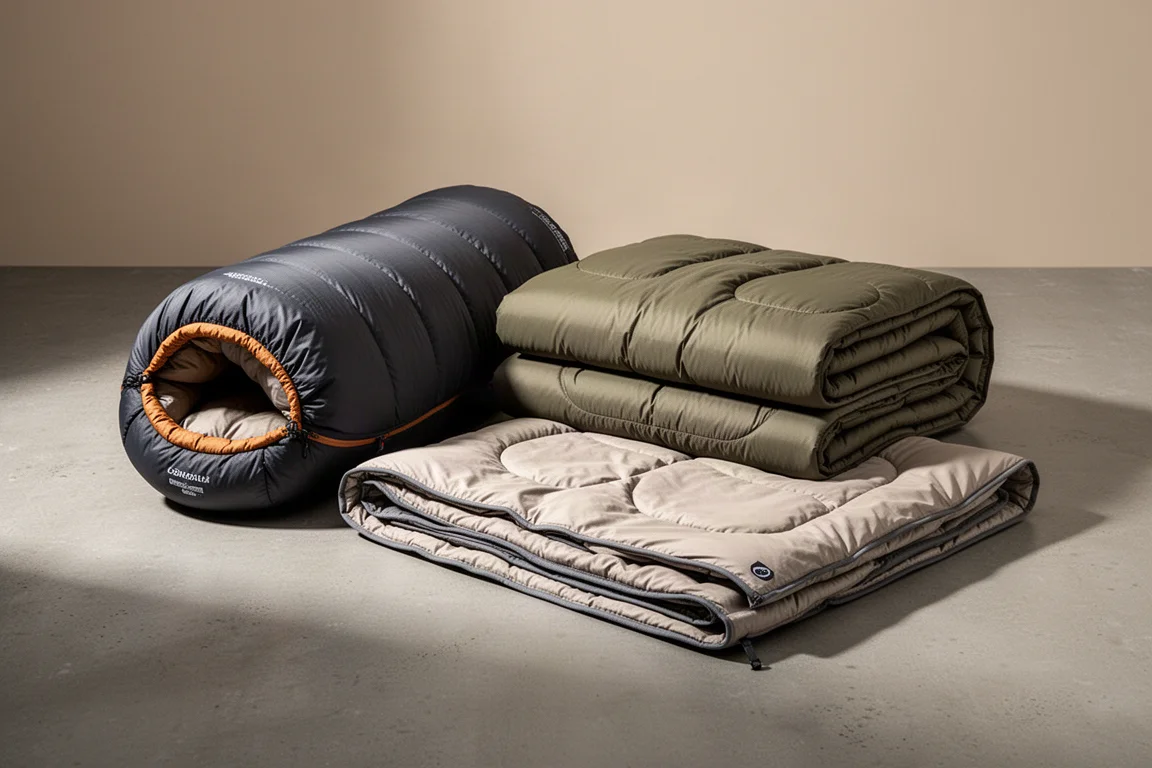
Weight has a way of dominating gear decisions, and for a while it dominated this one. Moving to a quilt was meant to trim grams from the pack, and on paper it did exactly that. What the numbers did not capture was how much sleep quality matters on a long trip, especially when the goal is to wake up rested and ready for another day on trail.
After a season spent sleeping in bags again, the conclusion was fairly straightforward: quilts still have a clear place, but that place is narrower than expected. For hammock camping they remain the obvious choice. For ground sleeping, the trade-offs around width, drafts and pad straps become harder to ignore. The five systems below show where each approach makes sense.
How These Five Sleep Systems Compare
Two questions separate these options. The first is coverage: a quilt leaves the back open and relies on the pad for insulation underneath, while a bag wraps the sleeper completely. The second is how the system attaches and adjusts, which is what determines whether a night is spent sleeping or fidgeting.
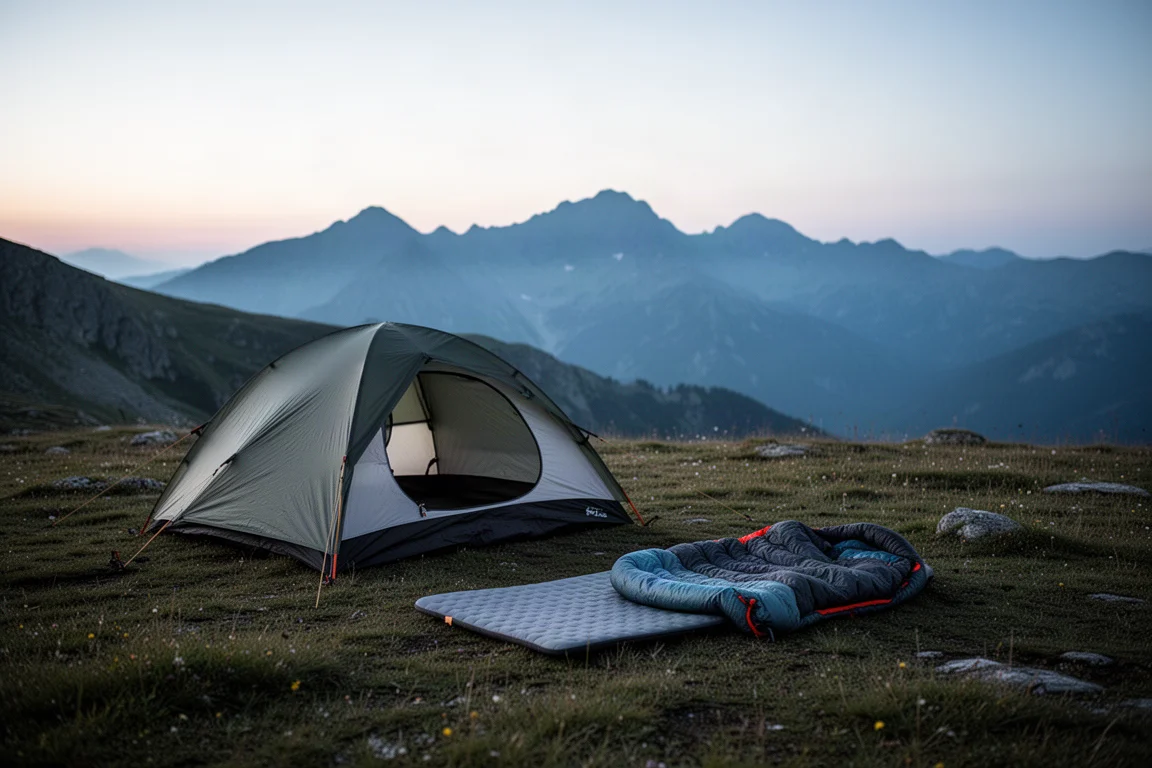
That second point matters more than it sounds. Sleeping bag makers deliberately reduce the fill on the back panel because body weight compresses insulation anyway, with roughly 70 percent of the fill placed on top and 30 percent on the back in one common approach. Quilts avoid that dead weight entirely, but they shift the burden onto the pad and onto the straps holding everything in place. Bags with expandable panels, and quilt systems with dedicated attachment sheets, are both attempts to get the best of each design.
Sea to Summit Spark: The Bag That Won Most of the Season
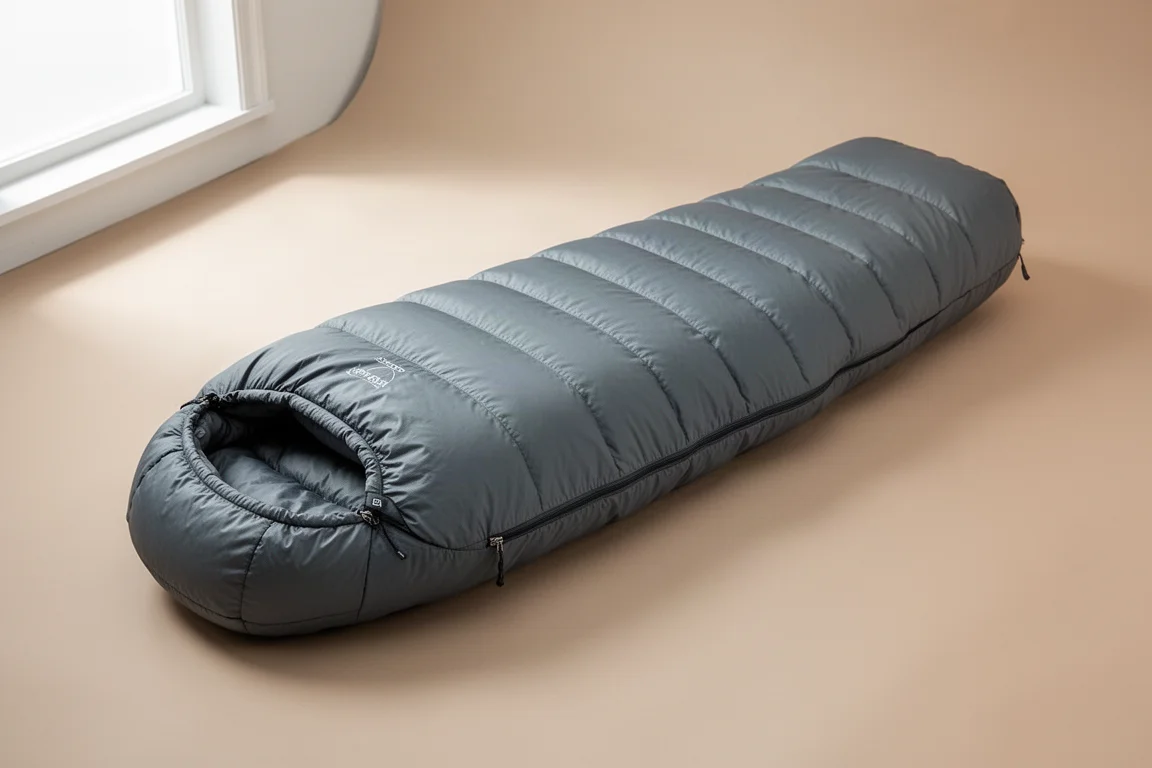
The Sea to Summit Spark became the default choice for the majority of trips across a full season, and the reason was simple: it covers the sleeper completely. That full coverage, paired with a hood, removes the small uncertainties that come with a quilt edge, and it translated into consistently better sleep on the ground.
The trade-off is familiar. A full bag carries insulation on the back that partly compresses under body weight, which is weight a quilt does not ask you to carry. For anyone who values an enclosed, cocooned feel over the lightest possible setup, that is a reasonable exchange rather than a flaw.
UGQ Bandit: A Wide Quilt That Still Needs Management
The UGQ Bandit is a genuinely strong product, and the complaint here is not about quality. It is a top quilt that measures 55 inches wide, and even at that width it struggled with the way a side sleeper rolls from one side to the other. Pad straps need regular attention, and draft points appear along the edges during the night.
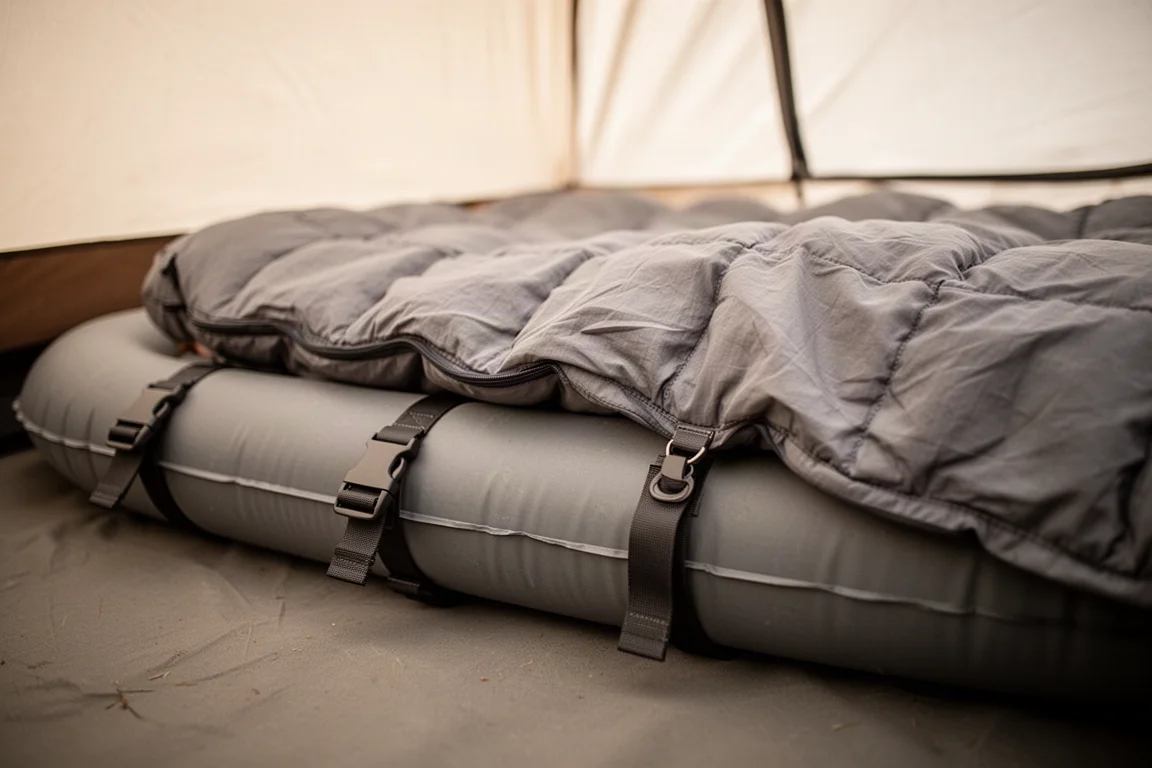
The theoretical fix is simply to go wider. In practice, a quilt wide enough to eliminate those drafts starts to behave like a different category of product altogether, which is exactly what the systems further down this list are designed to address. For hammock use the calculus changes completely, and a top quilt paired with an under quilt remains a sensible setup.
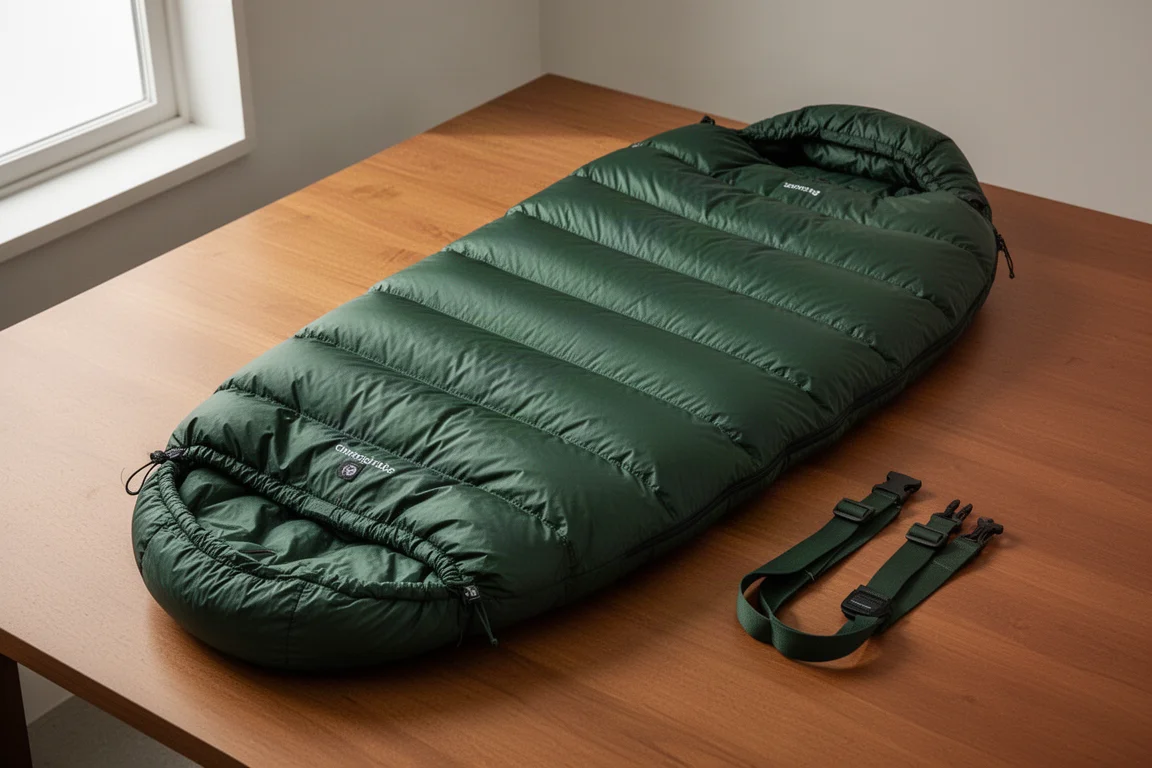
Hammock Gear Econ: Lessons From a First Quilt
The Hammock Gear Econ was the first quilt purchased, and it arrived with a set of avoidable mistakes. It was too short, too narrow, and it was not chosen specifically for ground sleeping. Those three issues combined to make quilt nights frustrating rather than restful, and they are worth understanding before buying any quilt.
Sizing is the real lesson. Length and width need to match the way you actually sleep rather than the numbers that look best on a spreadsheet. Hammock Gear quilts remain the go-to option for hammock camping, where a top quilt and under quilt combination makes the most sense, but a quilt intended for ground sleeping needs a different set of measurements entirely.
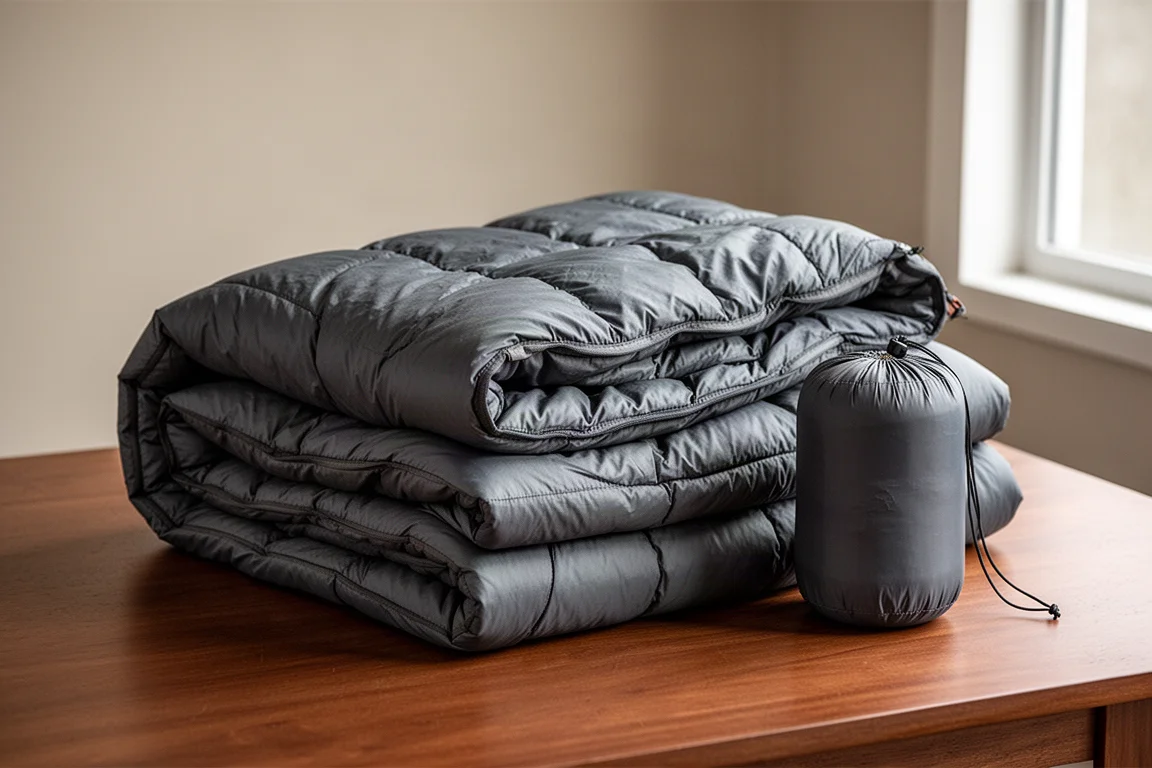
Big Agnes Torchlight UL: Adjustable Space Without the Cocoon Feel
Feeling closed in is one of the most common reasons people leave sleeping bags behind, and it is a fair concern. The Big Agnes Torchlight UL addresses it directly with zipper panels along the side that can be tightened down or opened up to create more interior space depending on the night.
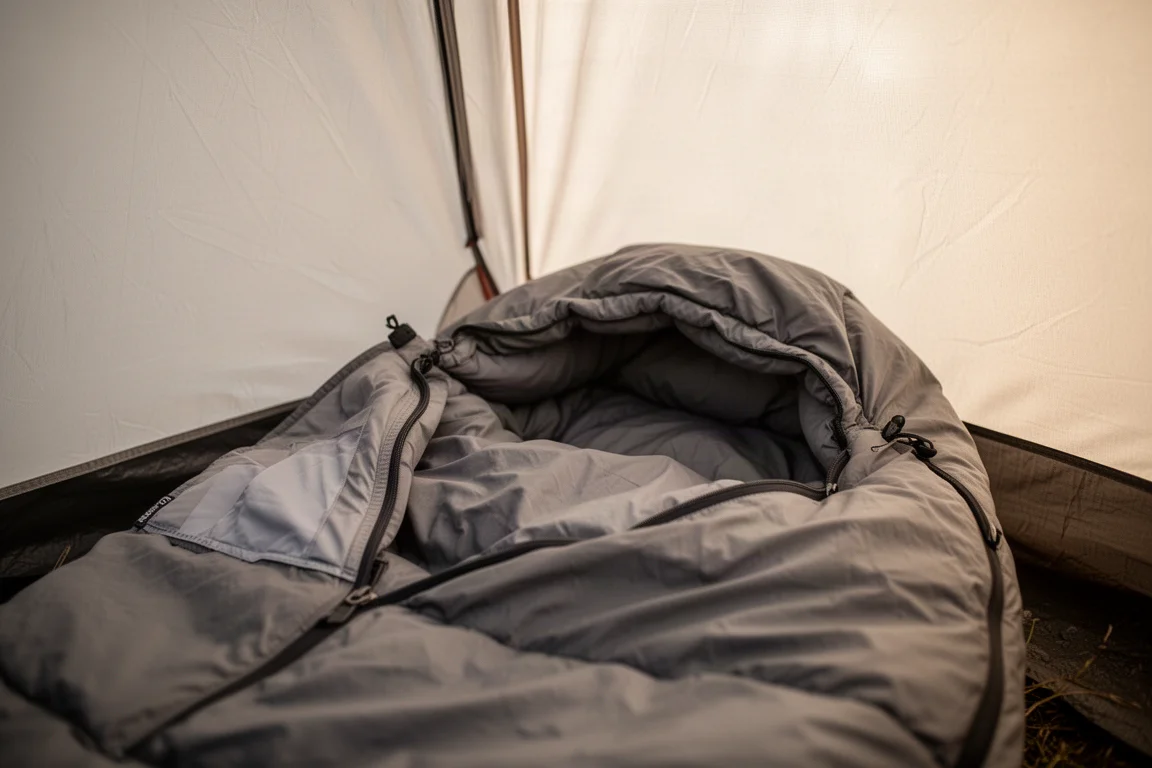
It keeps a traditional hood, one of the features that makes a bag feel secure in cold conditions, and the adjustable panels let the bag shift between a snug, efficient shape and a roomier one. For anyone who has avoided bags because they feel restrictive, this is the most direct answer in the group.
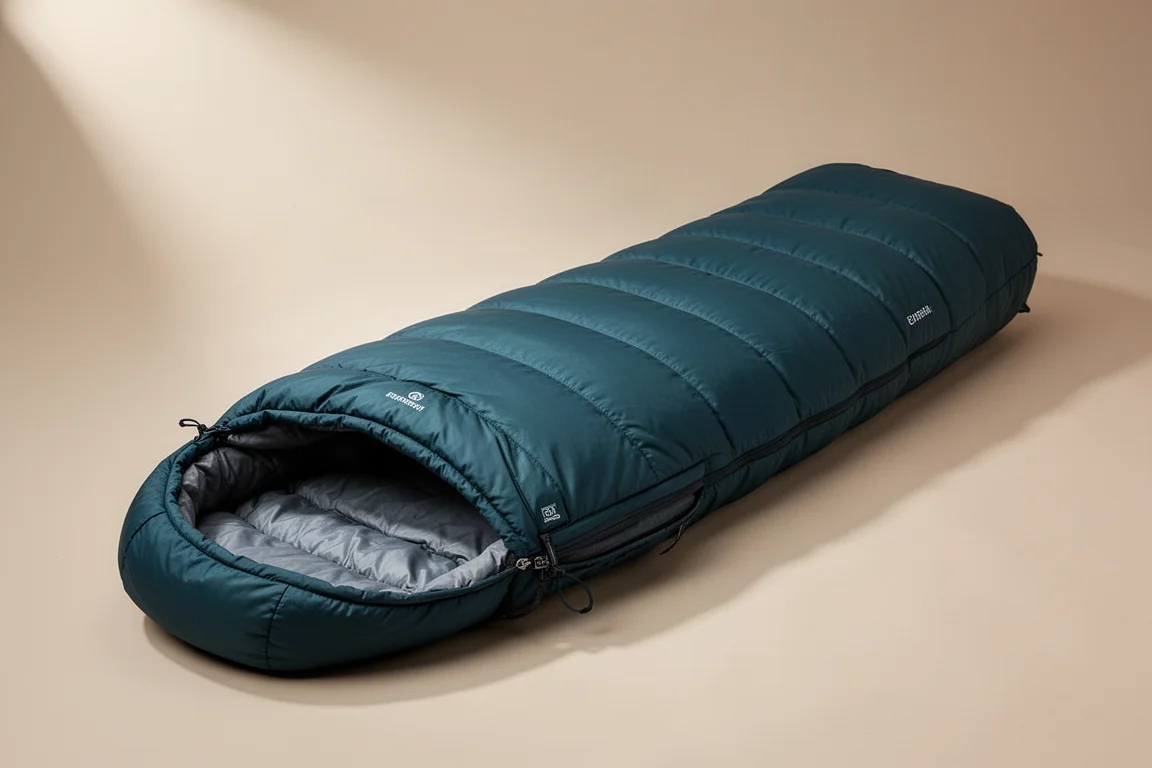
Zen Bivy Light Bed: A Quilt System Built for Ground Sleeping
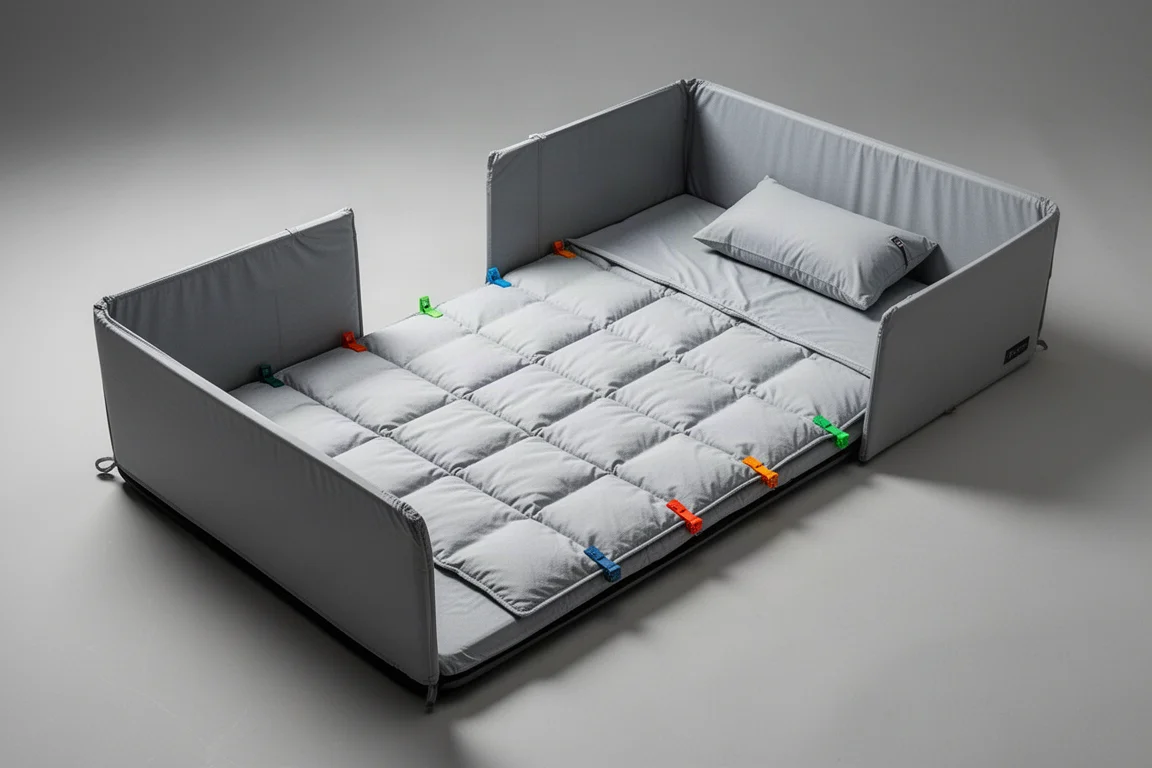
The Zen Bivy Light Bed was written off for a long time as a bulky, complicated system. That impression did not survive closer inspection. It is a quilt system designed specifically for ground sleeping, and the attachment points connect to a fitted sheet that wraps the sleeping pad, which removes the draft points that plague ordinary quilts.
The quilt itself is very wide through the body and all the way through the foot box, so there is plenty of room to move around. It also includes a hood, a feature that is easy to miss once it is gone. Because it is still a quilt system, an insulated pad underneath remains essential for the best possible sleep, but the overall result sits much closer to a bed than a quilt.
Buying Advice: Matching the System to How You Sleep
Start with how you sleep rather than how much you want to save. Side sleepers who roll during the night are the most likely to run into draft problems with a standard quilt, and they are the group that benefits most from either a wider quilt system with a proper attachment sheet or a bag with expandable panels.
If hammock camping is the main use case, a quilt remains the right answer, ideally as a top quilt and under quilt pairing. For ground sleeping, weigh coverage, width, length and hood against the weight savings. A few extra grams are a poor trade for a night spent adjusting straps, and how you feel the next morning is usually worth more than the number on the scale.
Conclusion
None of this makes quilts obsolete. It makes the choice more specific. Quilts stay excellent for hammocks and for warm-weather trips where coverage matters less. For three-season ground sleeping, a full-coverage bag or a quilt system engineered around the pad tends to deliver better rest, and better rest is the real measure of whether a sleep system is doing its job.
Further reading
Related Reviews
Backpacking Sleep Systems
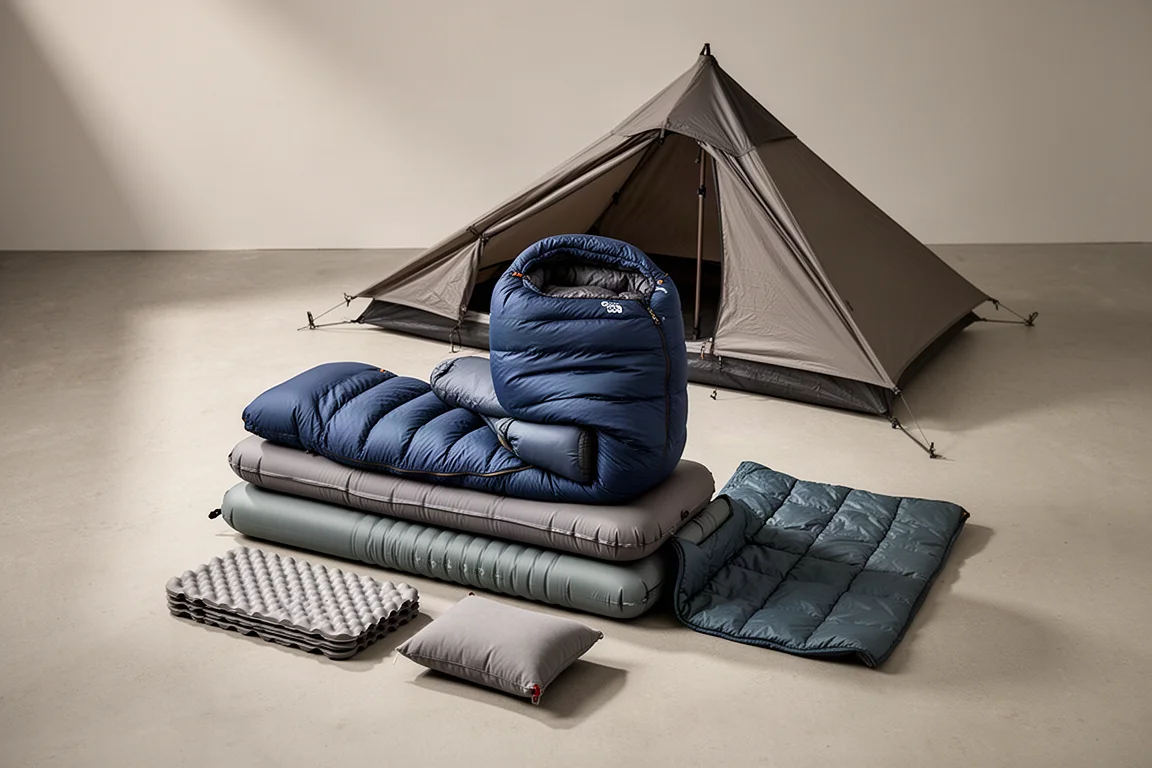
Extreme Cold Sleep System: Six Backpacking Layers for Deep Winter Warmth
A bottom-up look at a six-piece winter sleep system, from a foam ground mat to a floorless shelter, and the reason each layer earns its place.
Backpacking Sleep Systems
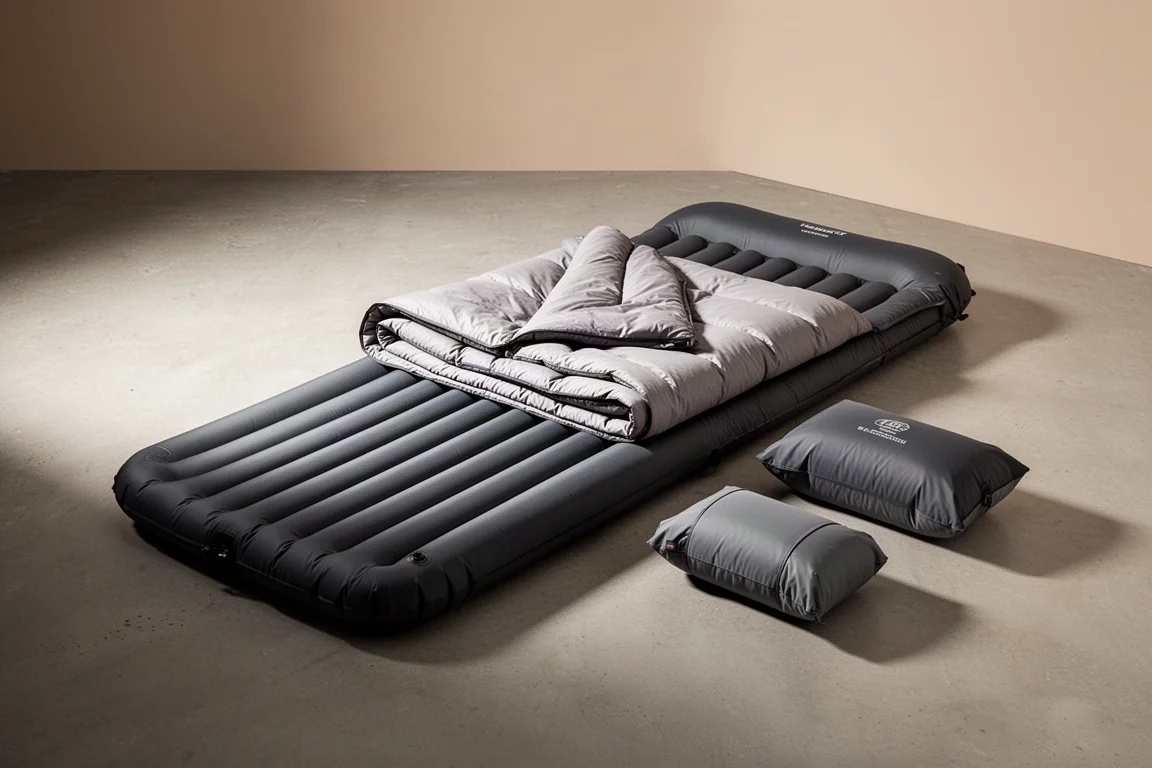
Luxury Backpacking Sleep System: Four Pieces That Feel Like a Bed at Home
A wide, thick sleeping pad, a draft-free quilt, a generously cushioned pillow, and a few small habits that bring backcountry sleep much closer to home.
Backpacking Sleep Systems
Two Bed-Like Backcountry Sleep Systems: Zen Bivvy Light Bed and Sea to Summit Ascent
A quilt-and-sheet system and a traditional down bag, compared on interior space, venting, and draft control for backpackers who want a better night outside.