Backpacking Sleep Systems
Luxury Backpacking Sleep System: Four Pieces That Feel Like a Bed at Home
A wide, thick sleeping pad, a draft-free quilt, a generously cushioned pillow, and a few small habits that bring backcountry sleep much closer to home.
Introduction
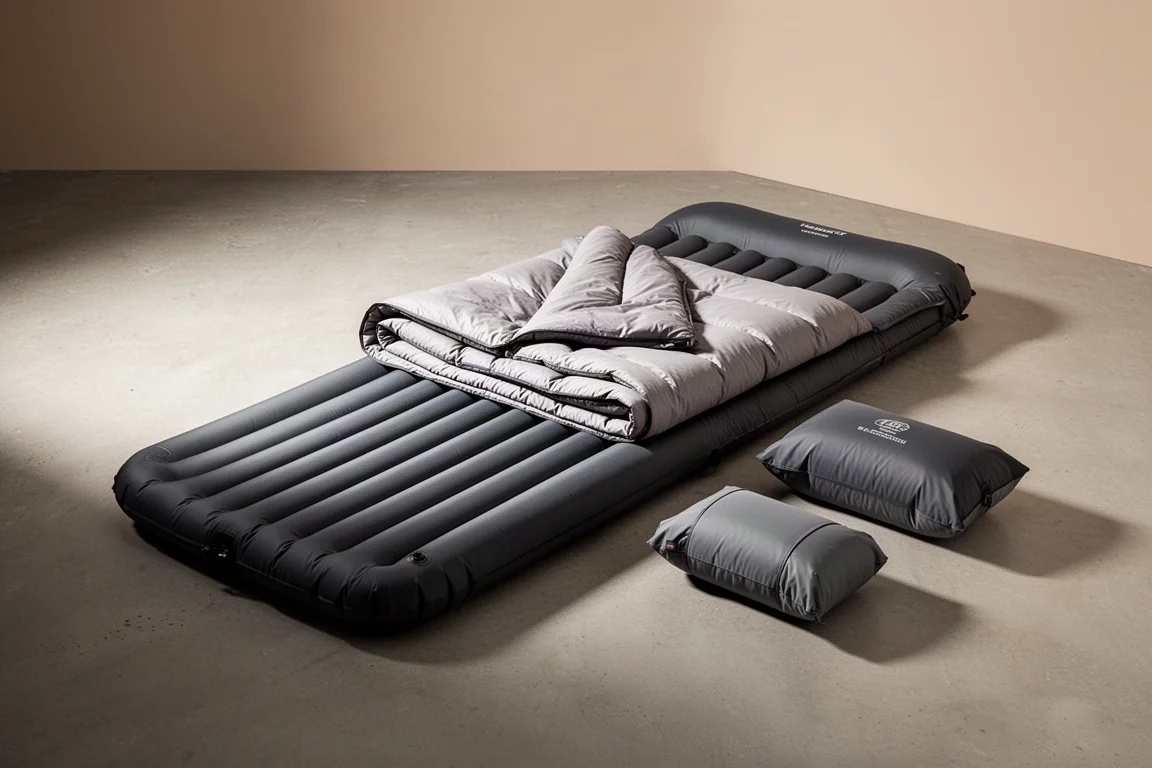
Sleeping well in the backcountry is not really about one magic item. It is about a small set of choices that work together: a pad wide enough that you stop rolling off it, insulation that stays sealed around you as you move, and a pillow that keeps your neck and shoulders in a neutral position. Get those three right and the rest of the night tends to take care of itself.
The four pieces below form a deliberately luxurious backpacking sleep system, one built around the goal of feeling as close to a bed at home as you can reasonably carry. A short set of camp habits, covered further down, adds the final polish.
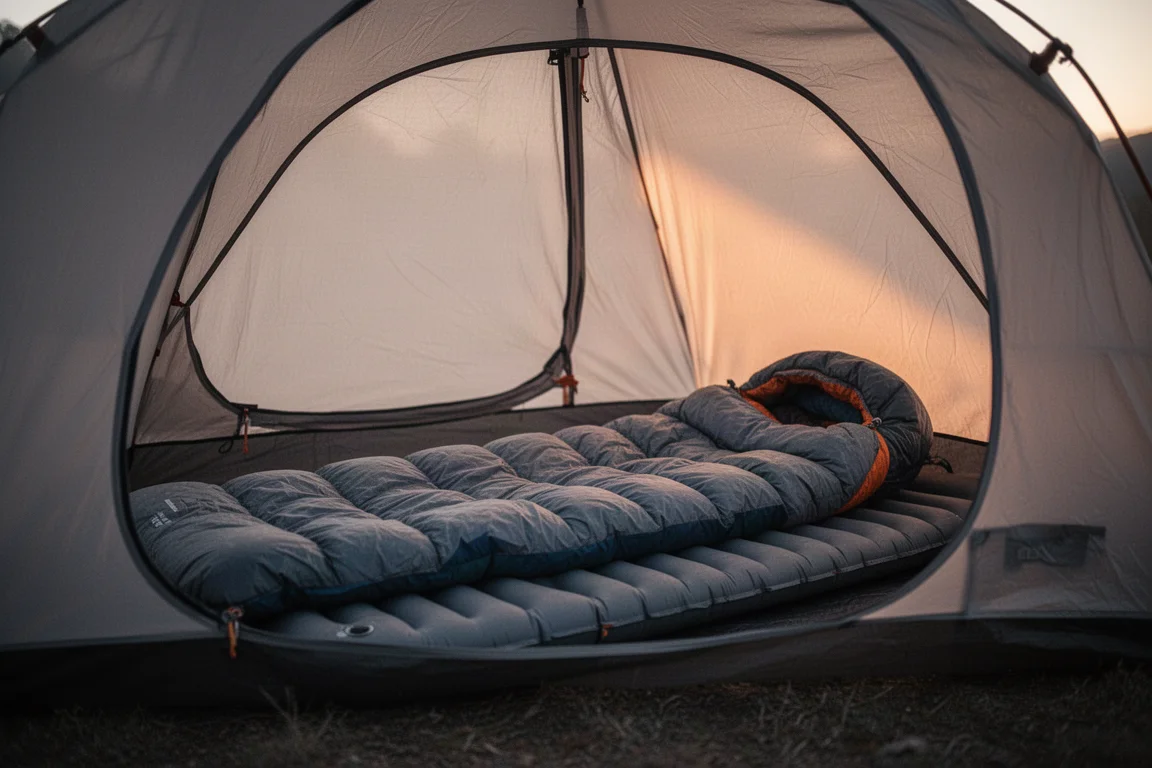
None of this is the lightest possible option, and that trade-off is worth understanding before you buy. What follows is what each piece does well, where it gives something up, and who it suits best.
What Makes a Luxury Backpacking Sleep System
Comfort on a sleeping pad comes down to three things: width, thickness, and how the surface behaves under pressure. A pad that is wide enough removes the constant micro-adjustment of staying on top of it. Thickness keeps your hips and shoulders away from the ground. A stretchy top surface lets those pressure points sink in rather than push back.
Insulation matters just as much, but the shape of it matters more than most people expect. A quilt that stays sealed at the edges while you change position avoids the cold spots that appear when you roll onto compressed insulation.
The pad in this setup is the heaviest single piece, so if pack weight is your first priority rather than maximum comfort, a lighter pad may serve you better. Everything else here is compact enough that the comfort gain costs relatively little in pack space.
The Sleeping Pad: Exped Mega Mat Ultra
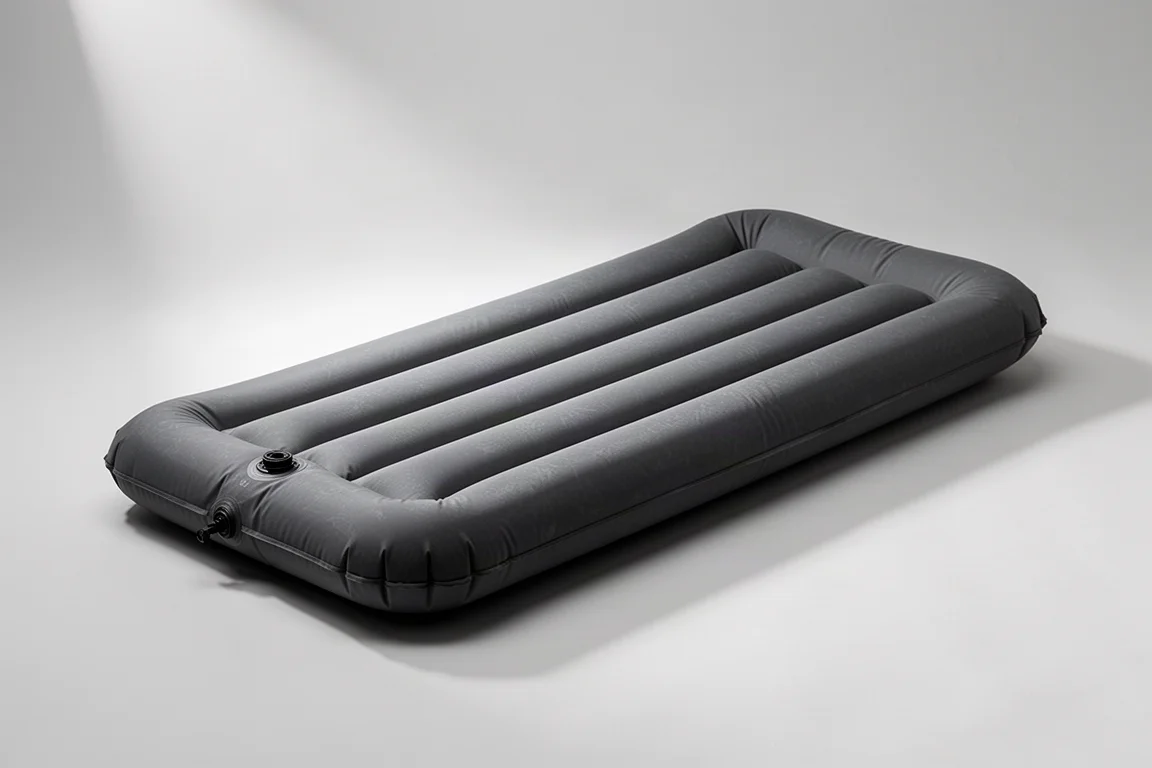
The Exped Mega Mat Ultra anchors this system, and the 30-inch wide version is the reason. It is one of the widest backpacking sleeping pads you can buy, and the extra width changes how a night feels more than any single specification on a chart.
It is advertised as 4 inches thick, and because of the sidewalls it reads as thicker still. You will not bottom it out, even sitting up on it or sleeping directly on your side. The stretchy top material lets you sink in and takes pressure off the shoulder and hip, which is exactly where side sleepers usually feel a pad fighting back. Vertical baffles add both pressure relief and stability, so the pad feels steady whether you are in the middle or right on the edge.
The reason to choose it over other ultra-comfortable pads is that nothing else combines this thickness, a stretchy top surface, and a 30-inch width. The closest alternative has a similar stretchy top and comparable thickness, but it is not offered in a 30-inch wide version.
The Top Insulation: Zen Bivy Core Zip Bed
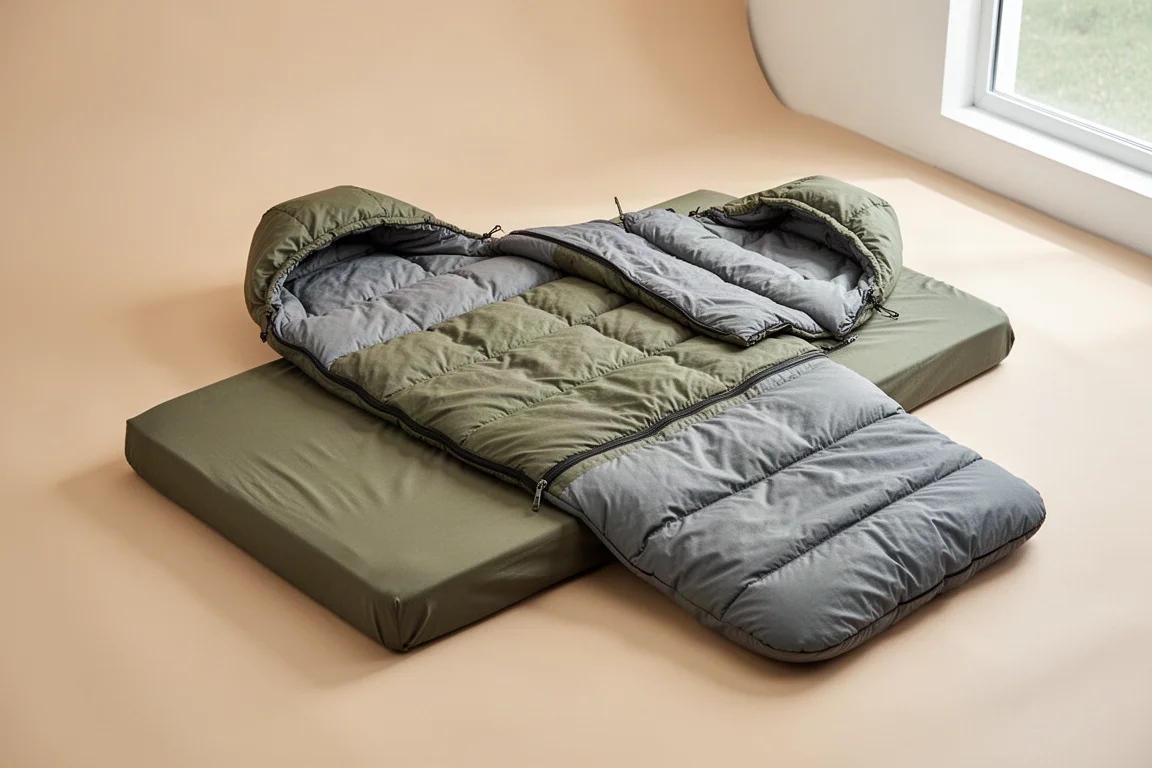
The Zen Bivy Core Zip Bed in its extra large size is cut to fit a 30-inch wide mattress, so the quilt and sheet stay where they should instead of sliding off the edge. What separates the Core Zip Bed from other Zen Bivy models is the attachment: a zipper runs along the side instead of clips, which makes getting in and out in the middle of the night noticeably easier and does a good job of sealing out drafts.
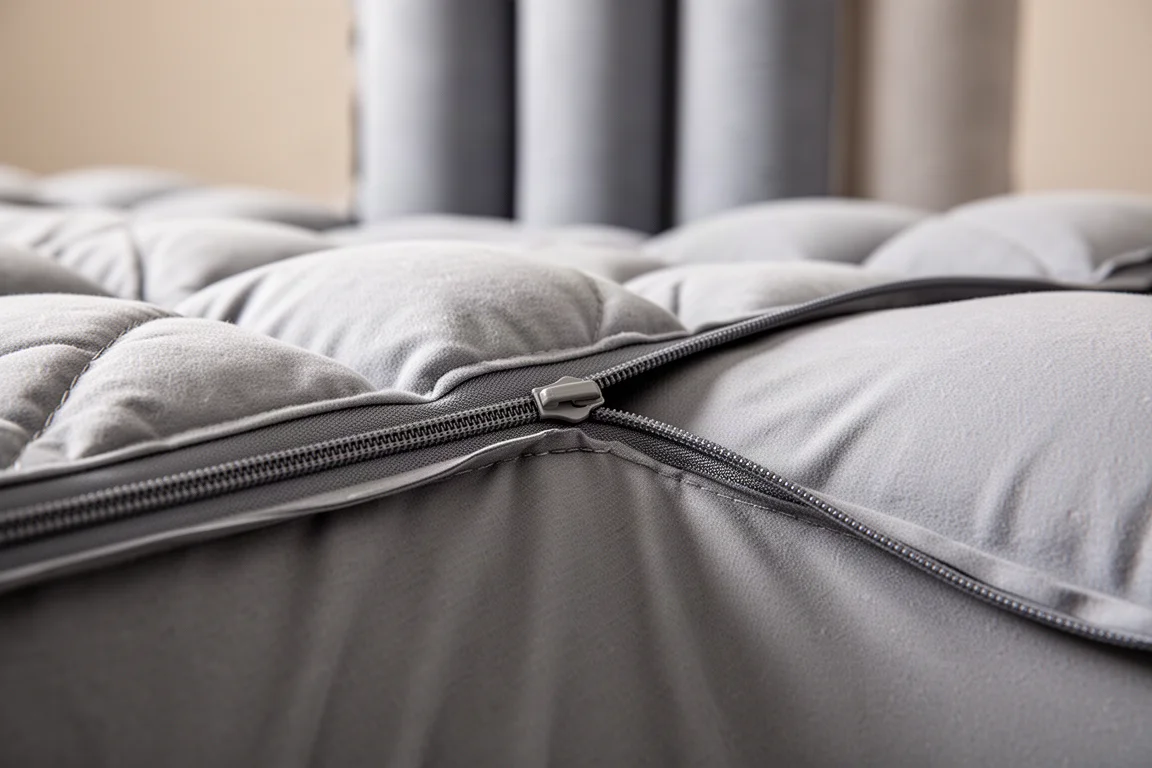
Two other details stand out. The sheet runs the full length of the pad rather than covering only half of it, and every surface you are likely to touch with bare skin uses an extra soft pongee fabric, on both the sheet and the inside of the quilt. That matters on warm nights when you are a little clammy, because you do not stick to it the way you do to a slicker shell.
The bigger idea is the blanket style quilt system. You can shift positions and toss and turn underneath it without getting tangled, which is the part that feels most like lying under a blanket at home. An insulated hood at the head end adds warmth and blocks early light. Compared with a sleeping bag, this design avoids two familiar problems: the claustrophobic, tangled feeling of a bag, and the cold spot that appears when you roll onto insulation you have just compressed.
A lighter alternative worth knowing about is a quilt that uses pad straps rather than a sheet and attached blanket. It offers strong draft protection and the same freedom to toss and turn, at a much lower weight, though it is not quite as cozy.
The Pillow: Sea to Summit Aeros Luxury Deluxe Pillow
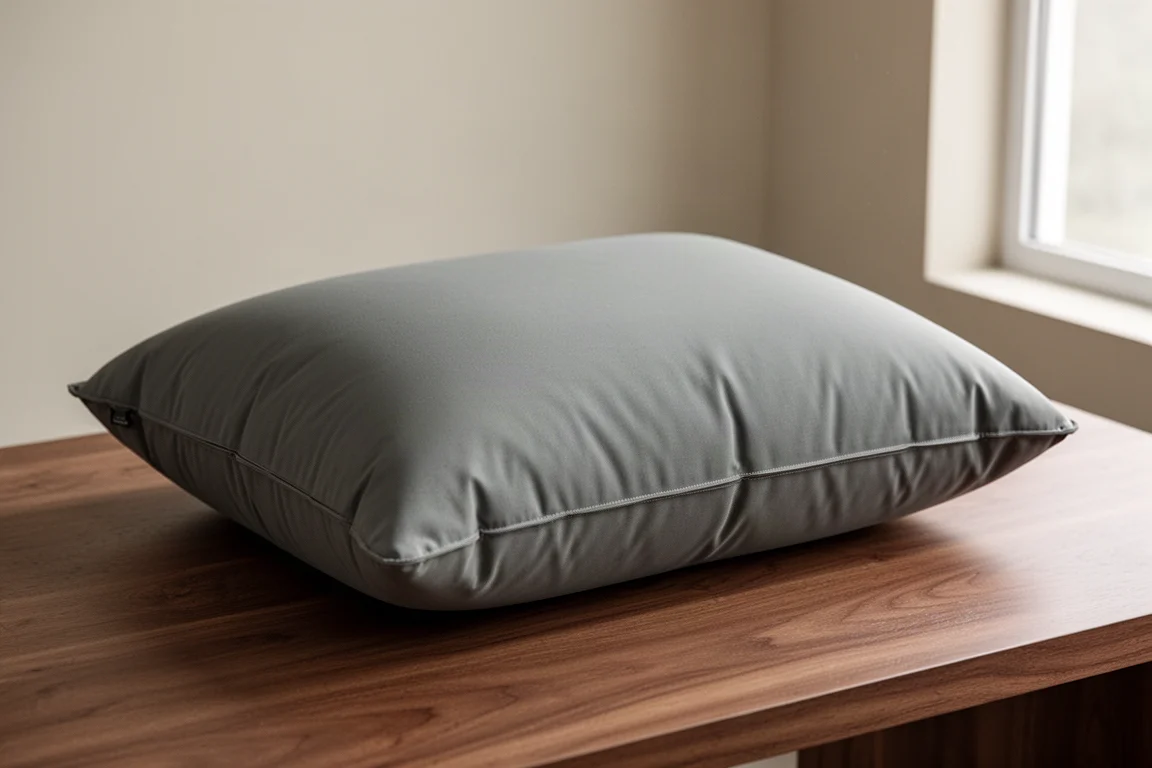
The Sea to Summit Aeros Luxury Deluxe Pillow is oversized, in the same generous category as the Exped Mega Pillow, and it has a soft cushioned top with a substantial amount of padding under it. Lying on it genuinely feels like a pillow from home rather than a balloon with a cover.
Its size does useful work in this system. Because it is large, it fills the Zen Bivy hood and stays put through the night instead of sliding away every time you turn over. The thickness also helps side sleepers with broader shoulders, keeping the neck from cranking and the shoulder from taking pressure.
The fabric is soft, and there is a bonus for anyone using it with a different pad: the pillow lock system uses hook-and-loop strips applied to the sleeping pad so the pillow anchors in place. If you want an alternative, the Zenbivy Soft Dot Pillow combines an inflatable air bladder, a down topper and a pillowcase, and it clips into the hood so it stays put nicely. It is an excellent pillow, just not quite as plush.
Extra Support: Big Sky Ultralight Pillows
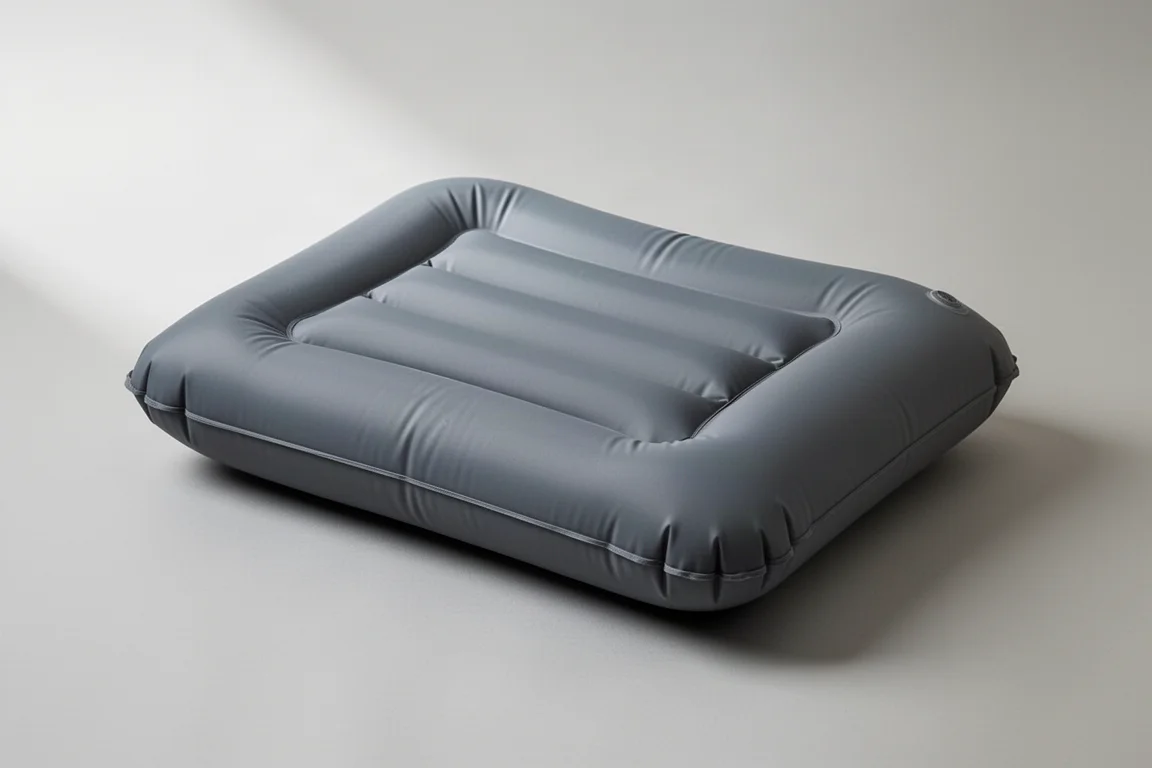
One pillow is enough to sleep on, but a second or third changes the quality of the night. The Big Sky Ultralight pillows weigh only about 50 g each, so carrying one or two costs very little.
Their best uses are as a cuddle or support pillow for side sleeping, and between the knees to take pressure off the back and knees. If you want a softer surface against your skin, a buff pulled over the top softens it further. It is a small addition that noticeably improves comfort in the backcountry.
Small Comfort Items That Make Camp Feel Better
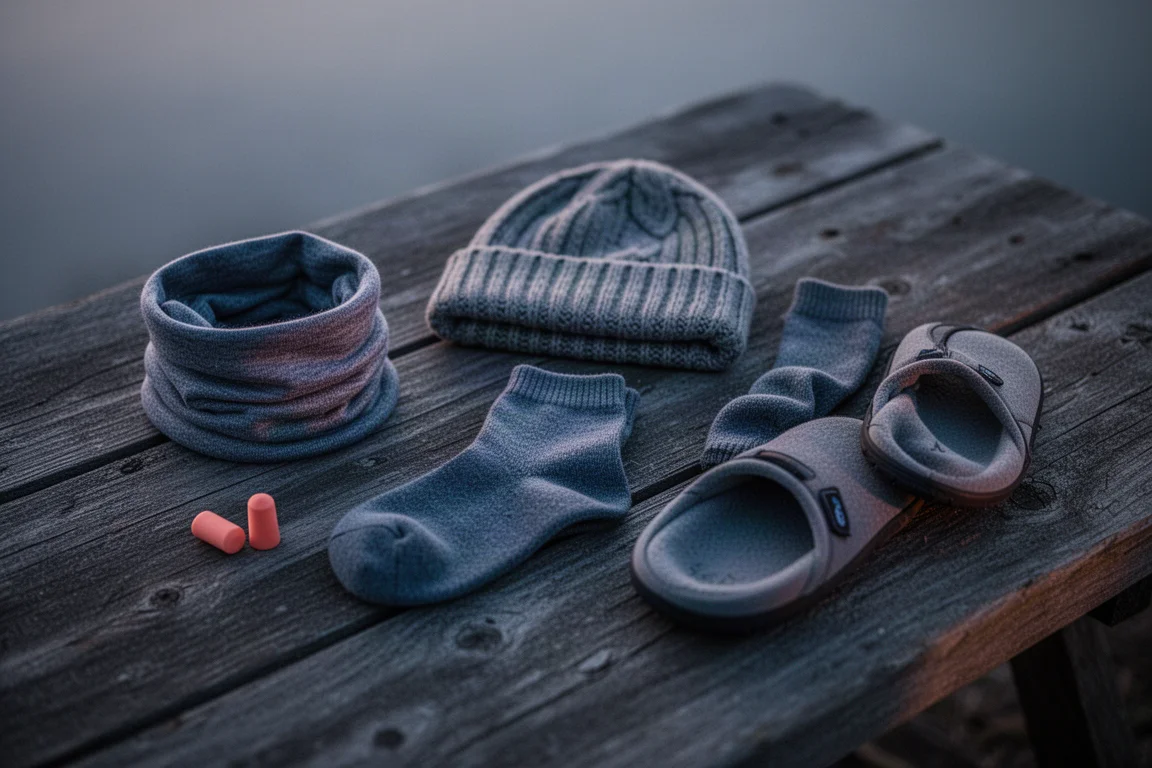
A few lightweight extras round out the system. Earplugs are worth packing even if you are skeptical: most night-time rustling around camp turns out to be something small, and earplugs also help when a camp is busy, when someone is snoring, or when wind keeps the tent fabric flapping. Anything that genuinely needs your attention will still wake you.
A toque or beanie earns its place year round. It keeps your head warm when it is cold, and you can pull it down over your eyes to block light when summer evenings run late and the sun comes back early.
A buff is another near-permanent item, though not for the usual reason. In dry desert air, a merino wool buff captures moisture from your breath and lets you breathe it back in, which keeps your throat from drying out and getting irritated. In humid conditions a synthetic buff is the better choice, since it does not hold onto moisture the same way. Buff makes light merino versions that are not overly warm.
Cold feet ruin a night faster than almost anything. Fleece socks plus synthetic booties worn over them handle it well, and synthetic material copes better with feet that sweat even when they are cold. Both pack down small and weigh very little.
For base layers, an alpaca wool t-shirt is soft and holds less moisture than alternatives. For warmth, Alpha Direct fleece delivers a lot of insulation for its weight and stays comfortable against the skin.
Finally, camp slippers. They let your feet air out so you are not going to bed damp and uncomfortable, and if you need to get up in the middle of the night you can slip them on instead of wet shoes. It is a small luxury that is easy to leave behind and easy to miss.
Five Tips for Better Sleep in the Backcountry
The gear does most of the work, but these habits decide how well it performs.
Drink Early, Not Late
As soon as you reach camp after hiking, drink a lot of water. You do not want to arrive at bedtime dehydrated, but you also do not want to be drinking heavily right before sleep, because that leads to waking up repeatedly through the night.
Rinse Off Before Bed
Take a mouthful of water, dribble it into your hands, and wash your hands. Repeat, then wash your face and head. After a hot, sweaty day, wiping away salt and sunscreen makes getting into bed feel considerably better.
Track the Overnight Temperature
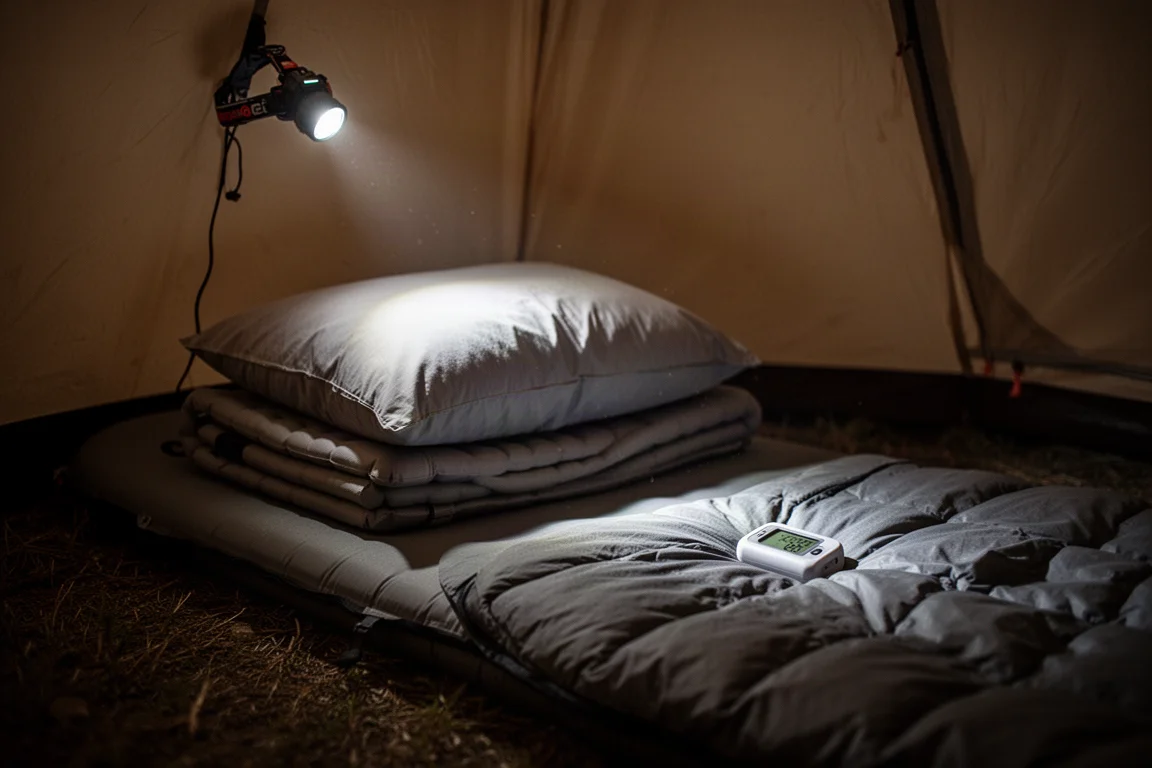
A thermometer, ideally a Bluetooth one that logs temperature through the night, tells you what the actual low was. Some sleeping bags report a minimum temperature as well. Knowing the number lets you dial in your sleep system: if you were cold on a trip with a similar forecast, you can adjust before the next one. Without that data, you are guessing.
Raise Your Pillow
A sit pad or a bundle of spare clothing under your pillow goes a long way. Raising the pillow takes pressure off the shoulder, reduces the chance your arm goes numb, and makes side sleeping far more comfortable. It is the fix to reach for if your pillow is too thin, if you have broad shoulders, or if you simply bought a pillow that is not thick enough.
Use a Sleep Aid When You Need One
If you consistently struggle to sleep in the backcountry, a sleep aid such as melatonin can help you get started, and better sleep on early trips can make it easier to sleep outdoors later. This is a tool to use occasionally rather than a nightly habit.
Buying Advice
Build the system in order of impact. The pad comes first, because width and thickness determine whether you are comfortable at all, and the 30-inch wide Mega Mat Ultra is the widest and thickest option covered here. If pack weight outranks comfort for you, that is the piece to reconsider first.
Next, match your insulation to the pad. A quilt sized for a 30-inch mattress will stay sealed at the edges, and the zip attachment is worth prioritizing if you tend to get up during the night. Then choose a pillow on two criteria: thickness, so your neck stays neutral, and stability, so it stays where you put it.
Finally, spend a little on the small things. Earplugs, a beanie, a buff, warm socks, camp slippers and a second ultralight pillow add up to very little weight and a disproportionate improvement in how a night feels. Pair them with the five habits above and the gap between your tent and your bed at home gets noticeably smaller.
If you are comparing pads, think about which single quality you would give up first: width, thickness, or weight. Answering that honestly makes the rest of the decision straightforward.
Conclusion
This sleep system is built around a simple goal: make the backcountry feel as close to home as reasonably possible without carrying car camping gear. The Exped Mega Mat Ultra supplies the width, thickness and pressure relief that make the biggest difference. The Zen Bivy Core Zip Bed keeps the insulation sealed and lets you move like you are under a blanket. The Sea to Summit Aeros Luxury Deluxe Pillow brings real cushioning and stays in place. And the Big Sky Ultralight pillows add targeted support for very little weight.
Add the small camp comforts and the five habits above, and you have a setup that is genuinely luxurious by backpacking standards. Start with the pad, build outward, and adjust based on the temperatures you actually record on your trips.
Further reading
Related Reviews
Backpacking Sleep Systems
Extreme Cold Sleep System: Six Backpacking Layers for Deep Winter Warmth
A bottom-up look at a six-piece winter sleep system, from a foam ground mat to a floorless shelter, and the reason each layer earns its place.
Backpacking Sleep Systems
Quilts vs Sleeping Bags for Backpacking: Five Sleep Systems Compared
A practical look at five backpacking sleep systems, from wide quilts to adjustable sleeping bags and a ground-focused quilt bed, and how to choose between them.
Backpacking Sleep Systems
Two Bed-Like Backcountry Sleep Systems: Zen Bivvy Light Bed and Sea to Summit Ascent
A quilt-and-sheet system and a traditional down bag, compared on interior space, venting, and draft control for backpackers who want a better night outside.