Backpacking Sleep Systems
Zenbivy Sleep System Review: A Four-Piece Backpacking Bed That Stays Put
A closer look at the Zenbivy Sleep System, a four-piece backpacking setup built around a warm pad, a color-coded sheet, a 900 fill power quilt, and a pillow that clips in place.
Introduction
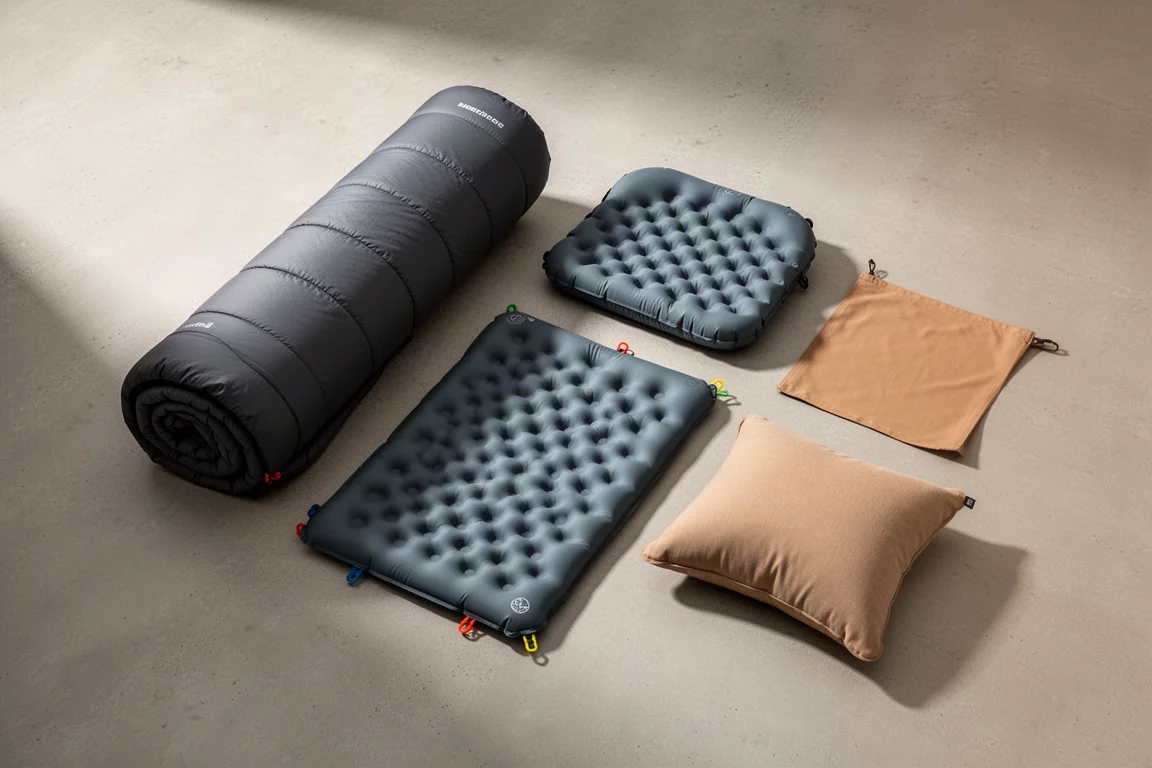
A good night’s sleep in the backcountry is one of the hardest parts of backpacking to get right. Pads that feel fine in a shop can turn into pressure points by two in the morning, quilts shift and let cold air creep in, and pillows slide off the mat into the dirt. The Zenbivy Sleep System takes a different approach. Rather than assembling a pad from one brand, a quilt from another, and a pillow from a third, it treats the whole sleep setup as a single design.
The system has four parts: a sleeping pad, a half-length sheet, a quilt, and a pillow. Each piece is built to connect to the others, and the hardware that joins them is the reason the concept works. Zenbivy has been making sleep systems in this style for years, and earlier versions were heavier and more involved to set up. This ultralight version trims weight and simplifies the connection points while keeping the draft control intact.
Who This Sleep System Is For
This setup suits backpackers who put sleep quality ahead of the lowest possible pack weight. The four components work as a unit, and the pay-off is a bed that feels closer to a mattress at home than to a thin mat on cold ground.
It is also a strong option for side sleepers, who are usually the first to feel the limits of a minimal pad. The dimpled surface on the pad is designed to relieve pressure at the shoulder and hip, and the pillow assembly has enough height to keep the head and neck in line through the night.
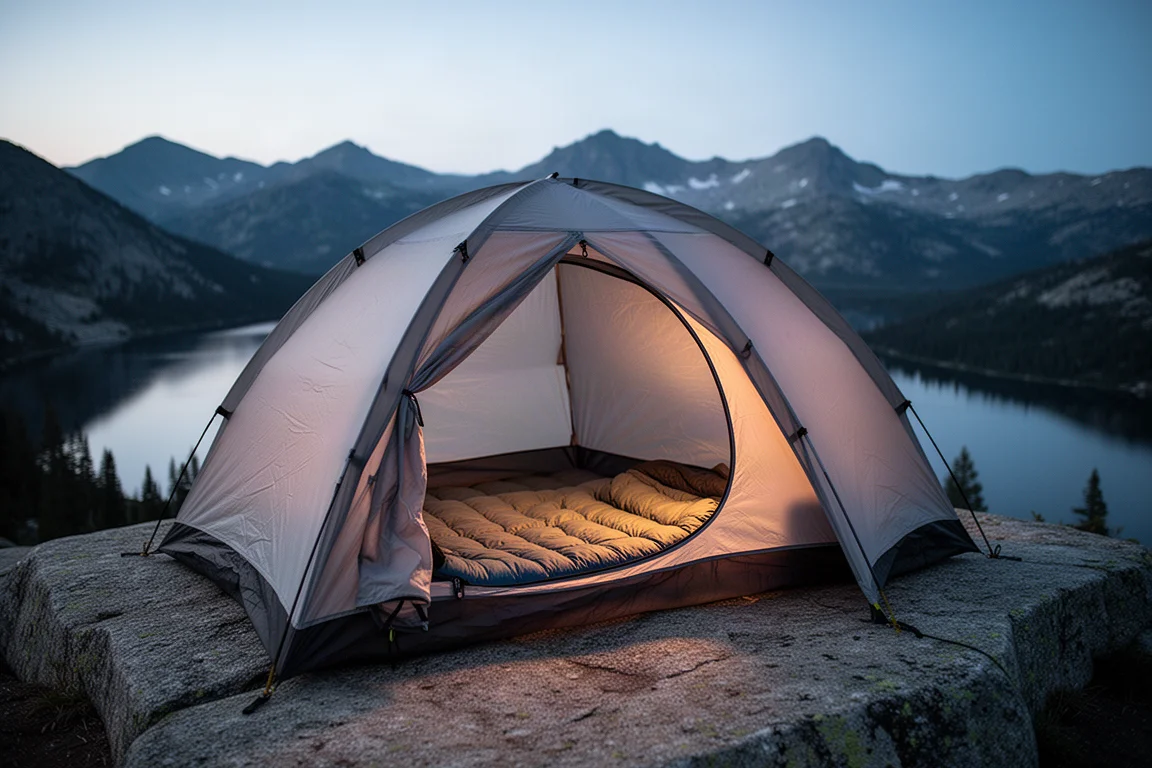
Backpackers who already own a pad they trust can still use most of the system, because the sheet, quilt, and pillow are designed to sit over a wide range of sleeping pads rather than only the one supplied here. That flexibility makes this an easy recommendation for anyone who wants to upgrade sleep quality without replacing everything at once.
Main Strengths
The appeal of this system is not any single component. It is the way the parts hold each other in place, which is what separates a good night from a restless one.
The Sleeping Pad Sets the Foundation
The pad uses a dimpled baffle pattern that runs across the whole surface. That layout spreads pressure instead of concentrating it, which matters most for side sleepers who would otherwise wake up with a numb arm. The pad is reasonably thick at roughly three to three and a half inches, and it comes in several sizes, including a regular wide at 25 inches by 72 inches, narrower 20 inch versions, and longer options for taller sleepers.
A two-way valve sits on top of the pad. One flap inflates and the second dumps air, and having the valve on the upper surface makes it easy to fine-tune firmness by pressing on it, or to top the pad up if the air inside contracts as temperatures drop overnight.
Warmth comes from an advertised R-value of 5, achieved with a reflective film suspended inside the pad that bounces heat back toward the sleeper instead of letting it drain into the ground. That construction detail matters, because reflective liners can settle at the bottom of a pad and stop working. Held up to the light, the film here stays distributed through the pad rather than pooling in one spot.
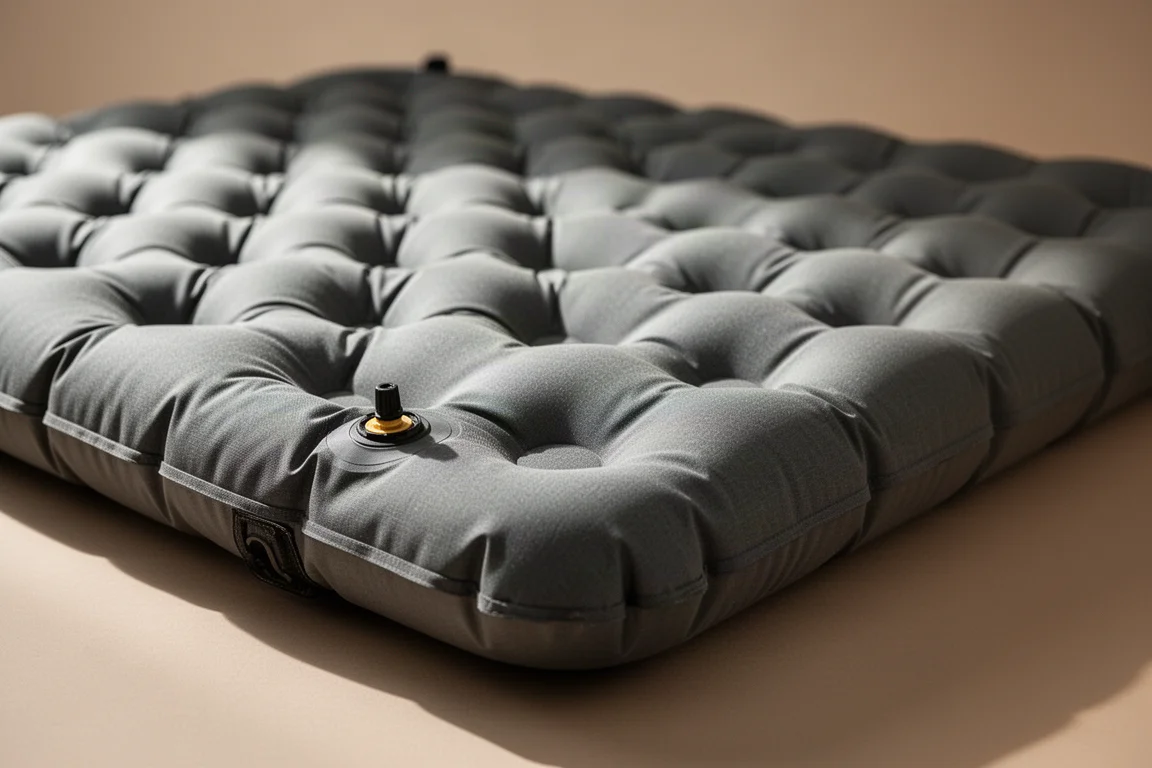
The trade-off is weight. This is not one of the lightest pads on the market, and it uses a 20 denier polyester shell. Similar lightweight pads with dimpled weld points have developed leaks around those seams after a few years of regular use, so long-term durability is the open question with this pad.
The Half Sheet That Locks Everything Together
The sheet is the part that makes the system a system. It covers only the top half of the pad, which keeps its weight down to 81 grams, and it carries the attachment points for the quilt.
Four hooks on the sheet’s flaps connect to matching points on the quilt. On earlier versions every hook looked the same, which made setup slow. Here each hook is color coded to its matching point, so the quilt goes on quickly and comes off just as easily. The hooks themselves have been redesigned and are simpler to open and close, which helps in cold weather when hands are stiff.
At the head end there is a hood that holds a pillow and can be pulled up over the head. It comes in insulated and uninsulated versions. The uninsulated hood adds limited value, since the pillow is held in place by its own hooks, and it can simply be left at home.
A Lightweight Quilt With 900 Fill Down
The quilt is where most of the weight savings show up. The shell is 10 denier Pertex nylon and the insulation is 900 fill power down, which is about as light as quilt materials get. The 25 degree version in regular wide weighs 539 grams, in line with other quilts of the same temperature rating.
Sizes include regular, regular wide, and large. The regular wide pairs naturally with the 25 inch pad, and the extra width under the quilt is what makes the system feel roomy.
The quilt clips to the sheet’s color coded loops and wraps slightly around the sleeper, which is why drafts are hard to find. A draft tube runs along the head end and a neck cinch pulls the opening down. There is no snap joining the two sides of the neck opening, so sealing that area relies on tucking the corners into the hood and cinching. That has been warm enough at freezing, but below roughly 20 degrees Fahrenheit (minus 6 Celsius) a full neck closure would be preferable.
At the foot end, an overlapping closure traps heat, and a hook-and-loop tab partway up the quilt can be opened to vent the foot box for sleepers whose feet run warm.
The Pillow Works Like Its Own Mini System
The pillow is the most surprising part of the package. It is built from three layers: a TPU air bladder at the bottom, a down topper above it, and a fabric cover over both. Used on its own, the bladder is light and simple, though thin enough that side sleepers would want more height. Stacked with the down topper, it has the height and cushioning that side sleepers need.
Weights are modest: 57 grams for the bladder, 37 grams for the cover, and 174 grams for the down topper. The topper is the heaviest single piece in the pillow assembly, and it can also run warm for sleepers who heat up around the head.
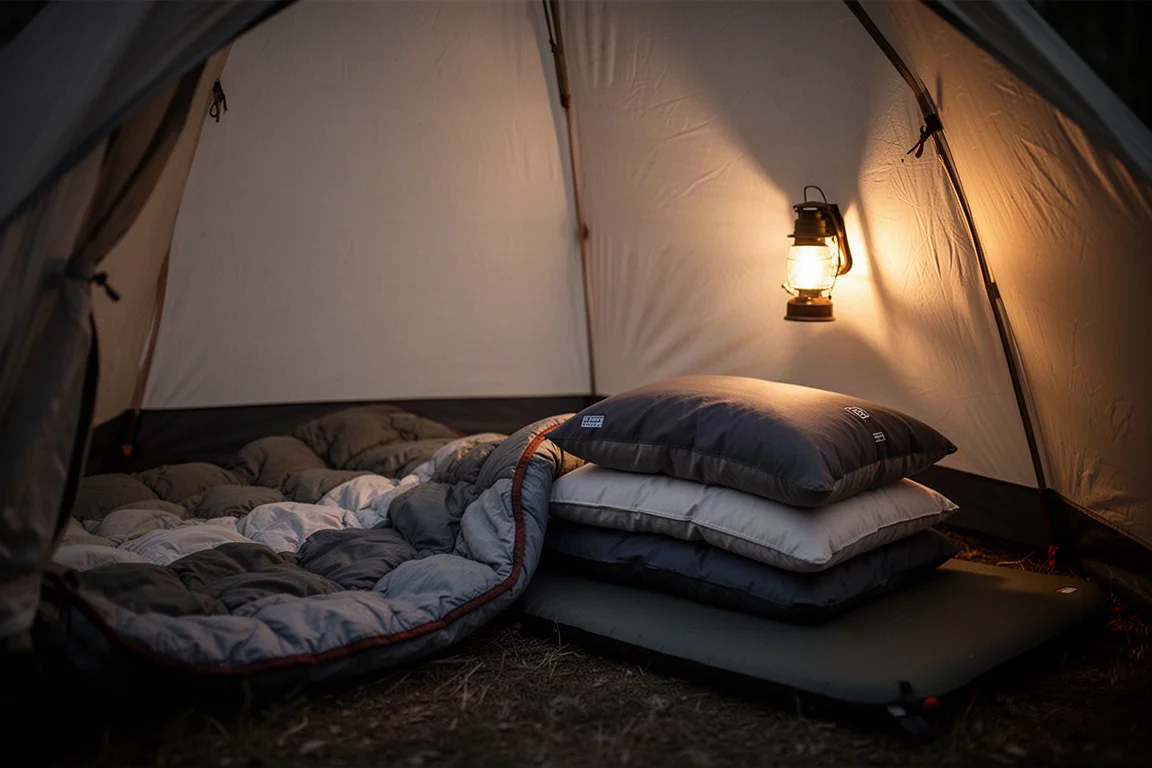
Two hooks on the pillow cover clip into points on the sheet, which locks the pillow in place. It barely moves side to side or front to back, and the effect is similar to a pillow strap without the extra bulk.
Things to Consider Before Buying
Weight is the first consideration. Every component here is designed for comfort rather than minimum pack weight, and the pad in particular is not a class leader on the scale. Backpackers who count grams closely may prefer a lighter pad and a pared-back quilt.
Durability is the second. The pad’s 20 denier shell and dimpled weld points are the same combination that has shown seam leaks on comparable lightweight pads after a few seasons, so this is a system to treat with reasonable care.
Temperature range is the third. The quilt is rated to 25 degrees Fahrenheit and the pad carries an advertised R-value of 5. Together they cover three season trips for most sleepers. Anyone who runs cold, or who heads out well below freezing, may want the insulated hood and a more complete neck closure than the system provides.
Finally, the pad is not compulsory. The sheet, quilt, and pillow are designed to work over most sleeping pads, so anyone who already owns a pad they trust can build the rest of the system around it.
Buying Advice
The strongest case for this system is comfort and consistency. Nothing here is fiddly once it is set up, the color coded hooks remove the guesswork, and the quilt stays where it is put. For backpackers who have spent years patching together mismatched gear and still waking up cold, that reliability is worth the weight.

Buyers who prioritize low pack weight above all else should look elsewhere, and anyone planning regular trips well below freezing should plan on the insulated hood and extra attention to the neck area. For three season backpacking with a focus on sleep, the combination of a warm pad, a 900 fill power quilt, and a pillow that stays put is a coherent package rather than a collection of parts.
Conclusion
Sleep is the part of a backpacking kit that people notice most and replace least. This system is built around the idea that the pad, quilt, sheet, and pillow should hold each other in place, and the details that make that happen are the same details that make it comfortable: color coded hooks, a quilt that wraps rather than drapes, and a pillow that clips down instead of sliding away. It is not the lightest option available, and the pad’s long-term durability is still an open question, but for backpackers who want to sleep well rather than merely sleep, the design makes a convincing case.
Product link
View more details for Zenbivy Sleep System
This product is mentioned in the review. Check the specifications, options, and compatibility before buying.
View more details for Zenbivy Sleep SystemFurther reading
Related Reviews
Backpacking Sleep Systems
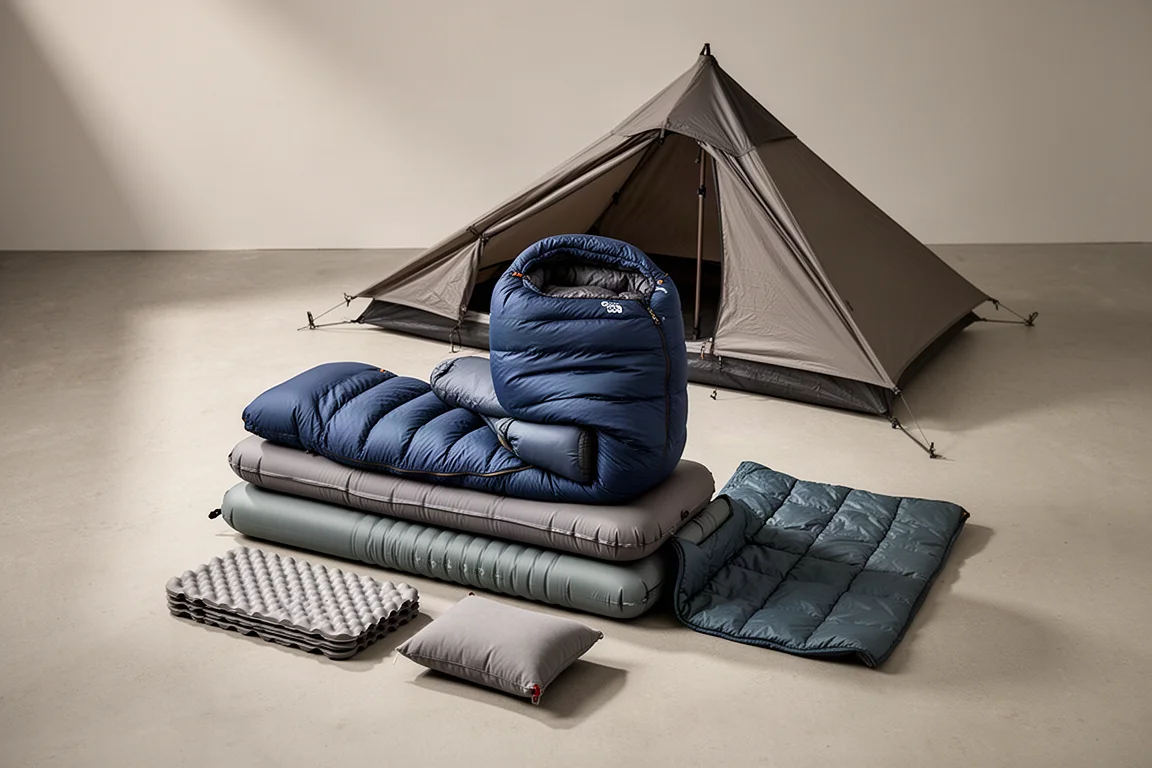
Extreme Cold Sleep System: Six Backpacking Layers for Deep Winter Warmth
A bottom-up look at a six-piece winter sleep system, from a foam ground mat to a floorless shelter, and the reason each layer earns its place.
Backpacking Sleep Systems
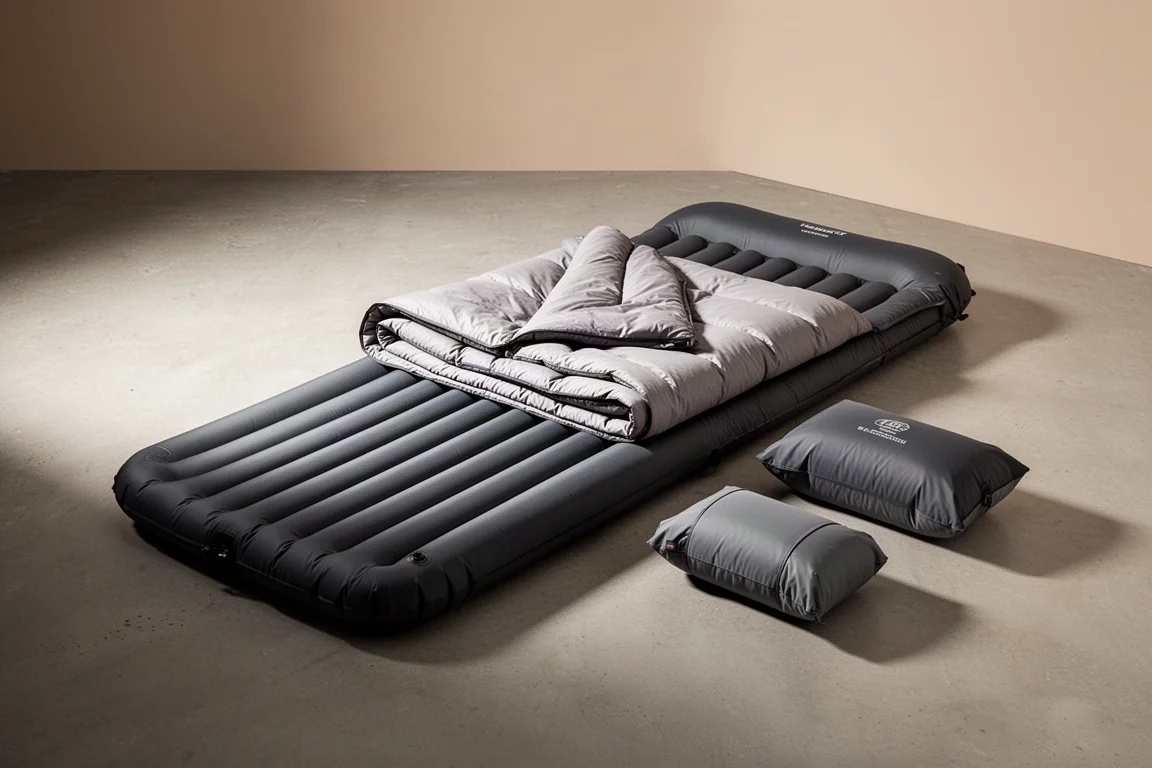
Luxury Backpacking Sleep System: Four Pieces That Feel Like a Bed at Home
A wide, thick sleeping pad, a draft-free quilt, a generously cushioned pillow, and a few small habits that bring backcountry sleep much closer to home.
Backpacking Sleep Systems
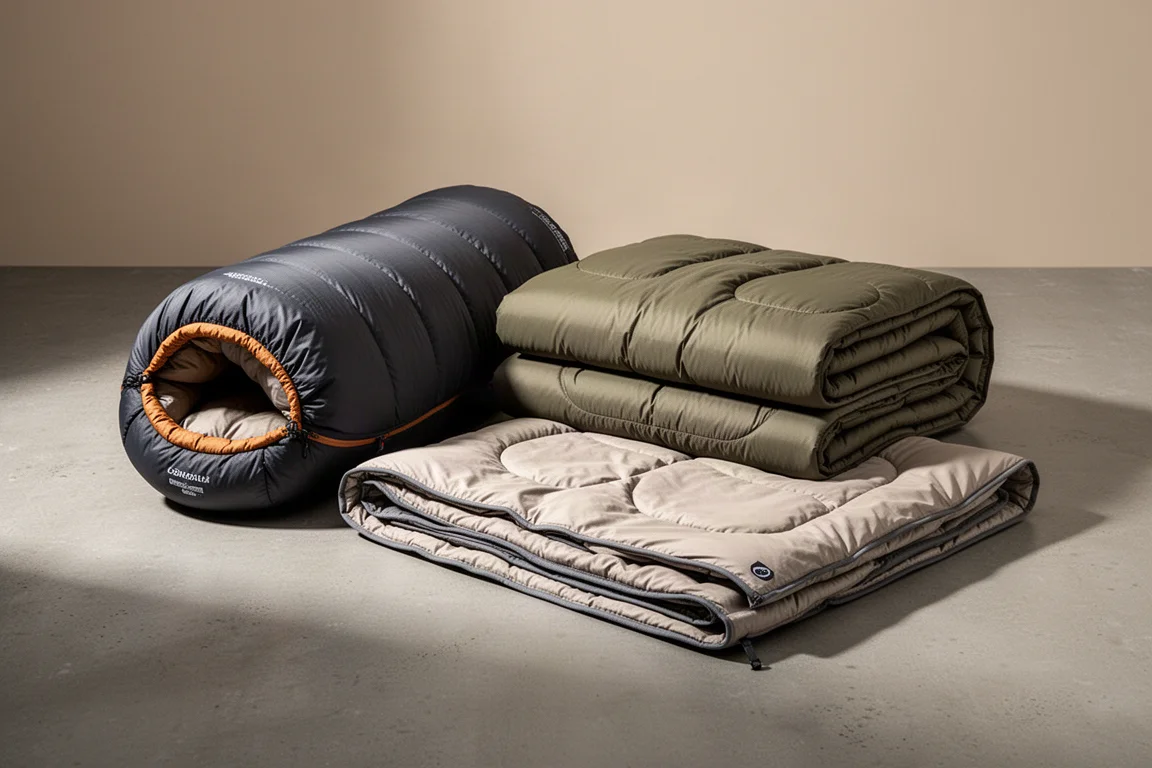
Quilts vs Sleeping Bags for Backpacking: Five Sleep Systems Compared
A practical look at five backpacking sleep systems, from wide quilts to adjustable sleeping bags and a ground-focused quilt bed, and how to choose between them.