Camping Sleep Systems
Zenbivy Core Bed Review: A Budget Route Into a Bed-Style Sleep System
The Zenbivy Core Bed brings quilt-and-sheet comfort to a lower price point. Here is what the 25°F version does well and what to weigh before buying.
Introduction
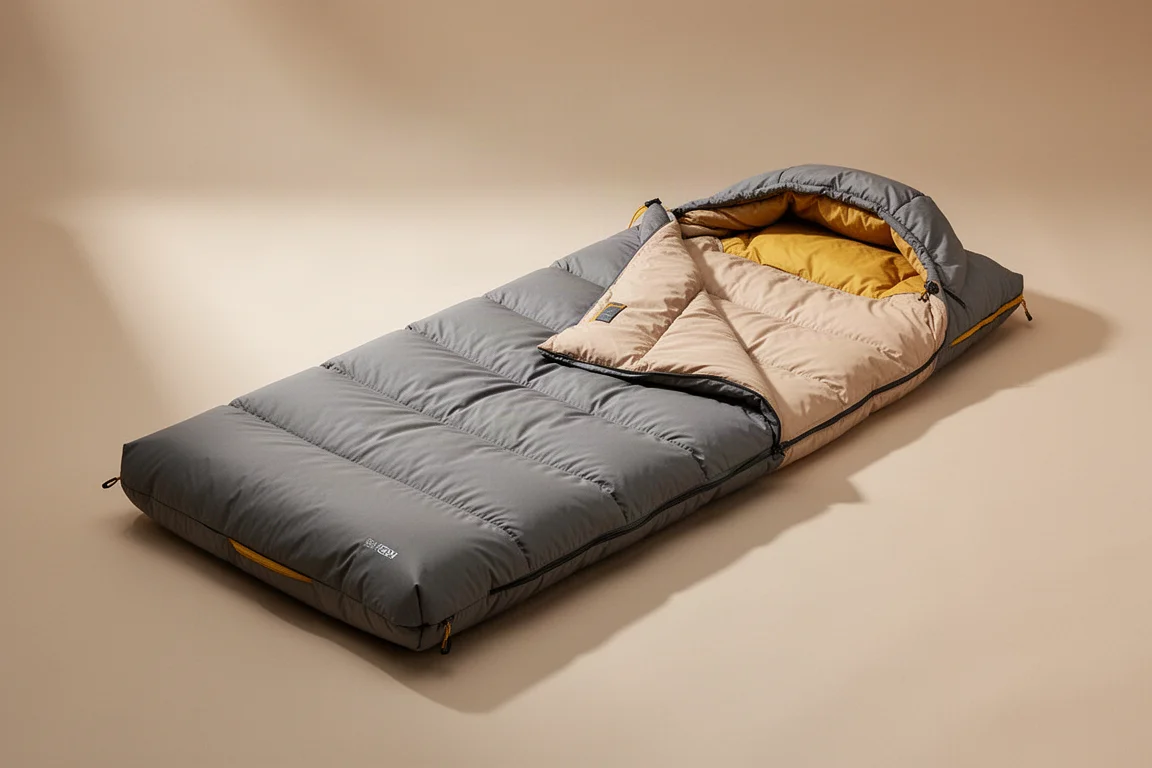
The Zenbivy Core Bed is a deliberate move downmarket. It takes the bed-like sleeping experience Zenbivy is known for and rebuilds it around a lower price, using a 650 fill down quilt and a synthetic-filled insulated sheet instead of the more expensive materials found higher in the range.
The version covered here is the 25°F rated quilt, paired with the insulated sheet that carries the hood. Other temperature ratings are available if the 25°F figure does not match the conditions you camp in. Together the quilt and sheet form a complete bed system that runs roughly $300, with the quilt at about $200 and the insulated sheet at about $90.
This is an early look based on initial nights in the system rather than a long-term verdict. Even so, the design decisions are clear enough to explain who the Core Bed suits and what it asks of you in return for the lower price.
Who the Zenbivy Core Bed Is For
The Core Bed is aimed at campers and backpackers who want quilt-and-sheet comfort without paying premium prices for it. The quilt and sheet together weigh 28 ounces and 16 ounces respectively, so the system stays reasonably light for a 650 fill setup. That matters, because a conventional 650 fill sleeping bag in the same budget bracket tends to be noticeably heavier and bulkier in the pack.
It also suits side sleepers and stomach sleepers who never quite settle inside a traditional mummy bag. The insulated sheet has a generous hood that lets you tuck an arm up around your pillow, or wrap both arms around it if you sleep on your front. That freedom is one of the quieter advantages of this format.
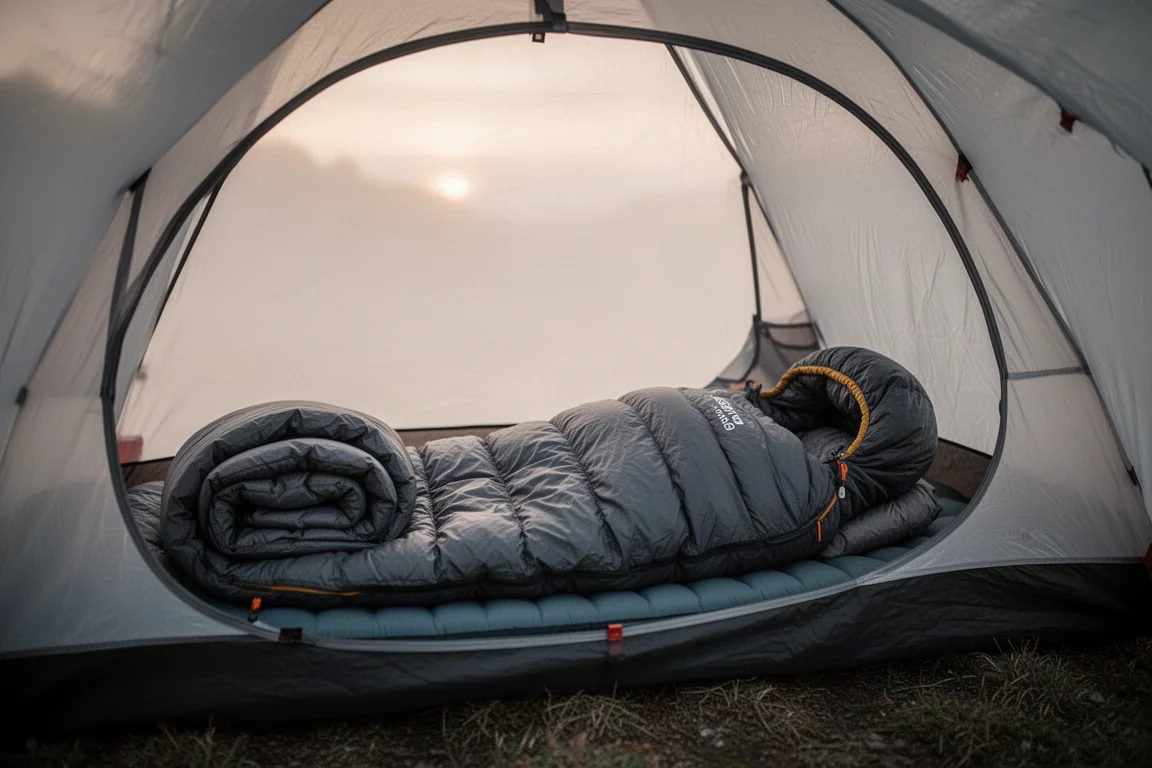
The system works best for three-season use where overnight temperatures stay above freezing. It is a practical choice for anyone who wants a bed-like setup on a pad, values the ability to move around without dragging the quilt with them, and is willing to treat the down with a little more care than a hydrophobic fill would demand.
Main Strengths of the Core Bed
The strongest argument for the Core Bed is the sleep quality it delivers relative to the price. The quilt attaches to the sheet with a hook-and-loop system that closes off the gaps where cold air normally sneaks in, and the color-coded tabs make the connections obvious: yellow lines up with yellow, blue with blue, green with green. Clipping in and out inside the system is quick and straightforward.
Because the sheet stays put on the pad, the quilt does not roll with you when you turn over during the night. That means less heat escaping each time you change position, which is exactly the problem a loose quilt creates.
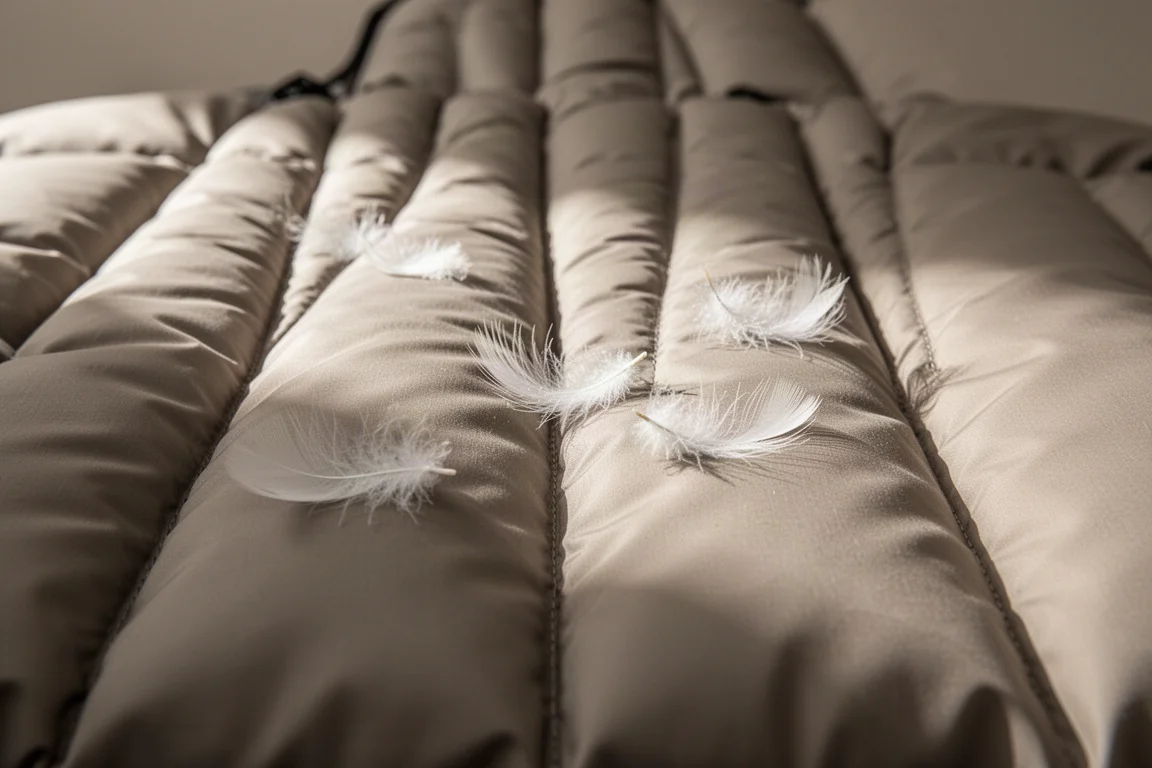
The quilt is built around 650 fill down, which is not hydrophobic, so it lacks the water resistance of treated down. The outer shell is 30 denier nylon taffeta, while the inside uses a 50 denier pongee lining that feels unusually soft against skin and much closer to bedding at home than to a typical sleeping bag interior.
Quilt Construction and Baffling
Baffling is handled differently across the quilt. Vertical baffles run through the torso, while horizontal baffles run through the foot box. Splitting the two directions keeps the down from migrating as much, and the vertical torso baffles in particular stop fill from slumping toward the sides and leaving cold spots across the shoulders.
At the neckline, the Kylie curve leaves the collar and shoulder sections uncompressed. Those ends tuck under the hood to seal off drafts around the neck, and the hood itself is easy to pull over your head without feeling constricted.
The Sheet, Hood, and Fast Foot Box
The insulated sheet is where the Core Bed saves money without obvious penalties. Its hood is synthetic filled rather than down filled, which lowers the cost, and the amount of insulation involved is small enough that it adds minimal bulk and minimal weight.
The foot box is new to the range. The fabric overlaps at the bottom and closes with a single clip at the upper end, so you can seal it tight for cold nights or open it up and use the quilt more like a blanket when the weather is mild.
Things to Consider Before Buying
The 650 fill down is not hydrophobic, and that shaped the experience in testing. On a night that dropped well below the quilt’s 25°F rating, tucking in tight and breathing into the bag pushed warm, damp air into the down, and the fill clumped slightly. Treating the shell with care and keeping moisture out of the quilt is worth building into your routine.
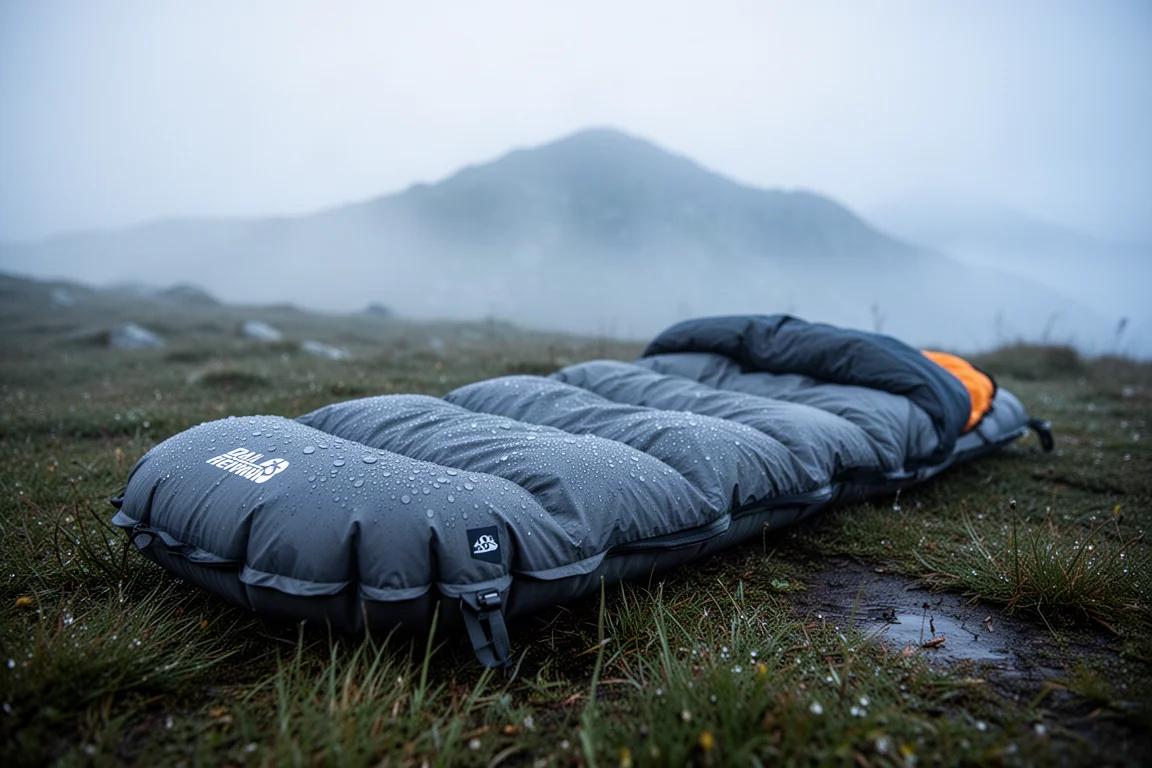
Warmth expectations deserve a realistic read too. Wearing a 40 degree rated sleeping bag liner inside the system on a 17°F night left the tester just a touch cold. For three-season backpacking and camping where temperatures stay above freezing, the 25°F quilt is a solid option; below that, plan on extra layers or a warmer rating.
Sizing is flexible in practice. The size large sheet measures 25 by 77 inches and includes a keeper strap that holds everything tight and centered on the pad. It pairs without trouble with a standard regular wide pad at 25 by 72 inches, even though the quilt is longer than the pad, and it worked well for someone under six feet tall.
Buying Advice
At roughly $300 for the quilt and insulated sheet together, the Core Bed is the most accessible way into a Zenbivy bed system, and it is the version to consider if budget is the deciding factor. If you already sleep warm, camp mostly in summer and shoulder seasons, and want the pad-and-quilt layout rather than a mummy bag, the value here is hard to argue with.
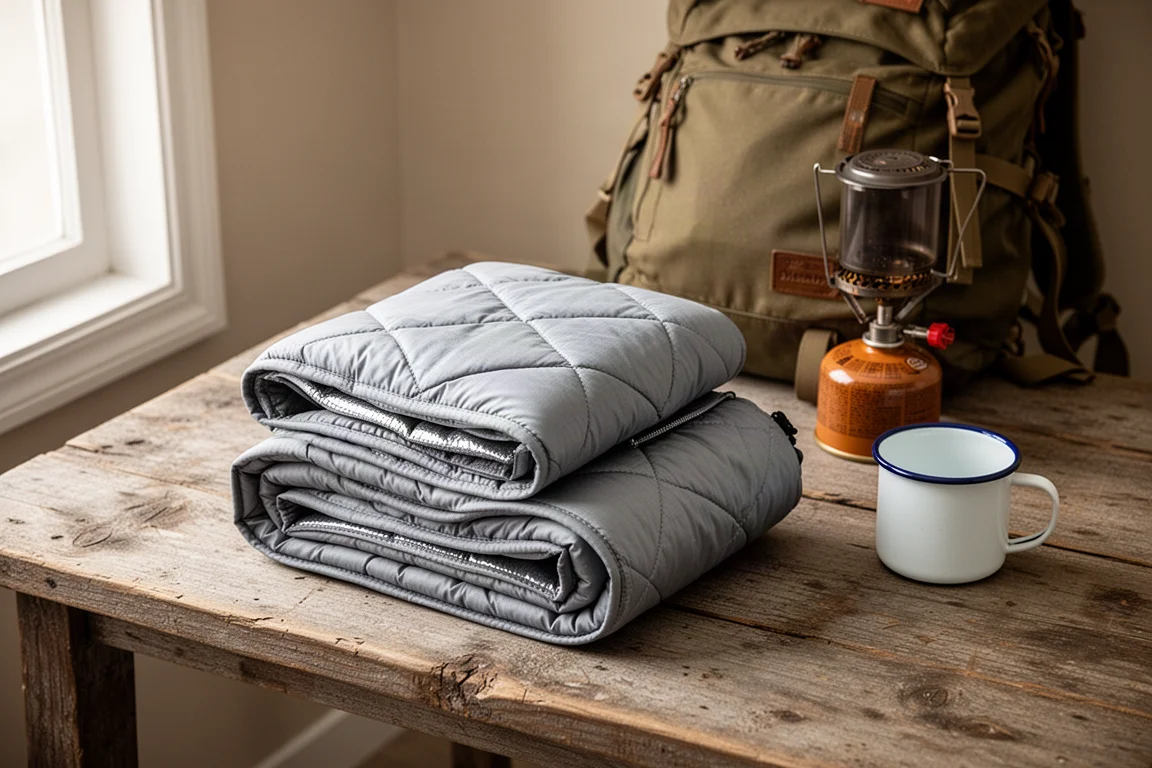
Buyers who regularly camp in wet, humid conditions or push into sub-freezing nights may prefer to look at the higher tiers in the range, where treated down and different temperature ratings come into play. For everyone else, matching the 25°F quilt to three-season conditions and adding a liner for the coldest nights gets you most of the way there for a fraction of a premium setup.
Conclusion
The Zenbivy Core Bed is a well-judged budget entry. The quilt-and-sheet connection, the uncompressed neckline, the vertical torso baffling and the new single-clip foot box all carry over design thinking from the more expensive beds, while the synthetic hood and 650 fill down keep the price within reach.
Go in knowing that the down needs to stay dry and that the 25°F rating is best treated as a three-season figure, and this is one of the most comfortable ways to sleep under $300.
Product link
View more details for Zenbivy Core Bed
This product is mentioned in the review. Check the specifications, options, and compatibility before buying.
View more details for Zenbivy Core BedFurther reading
Related Reviews
Camping Sleep Systems
Backcountry Sleep System Guide: Two Pads and Two Pillows for Colder Nights
Two sleeping pads and two camp pillows that cut pressure points and tossing, plus the quilt setup habits that keep cold air out of your sleep system.
Camping Sleep Systems
Extreme Cold Sleep System: Three Pieces That Make Winter Camping Work
A practical look at the three core pieces of an extreme cold sleep system that together handle wind, cold ground, and moisture on sub-zero nights.
Camping Sleep Systems
NatureHike Ultralight Down Quilt Review: A Versatile Warm-Weather Sleep System
A close look at the NatureHike Ultralight Down Quilt, covering real-world warmth, build quality, weight, sizing, and the one trade-off to expect from any down-filled product.