Camping Sleep Systems
Backcountry Sleep System Guide: Two Pads and Two Pillows for Colder Nights
Two sleeping pads and two camp pillows that cut pressure points and tossing, plus the quilt setup habits that keep cold air out of your sleep system.
Introduction
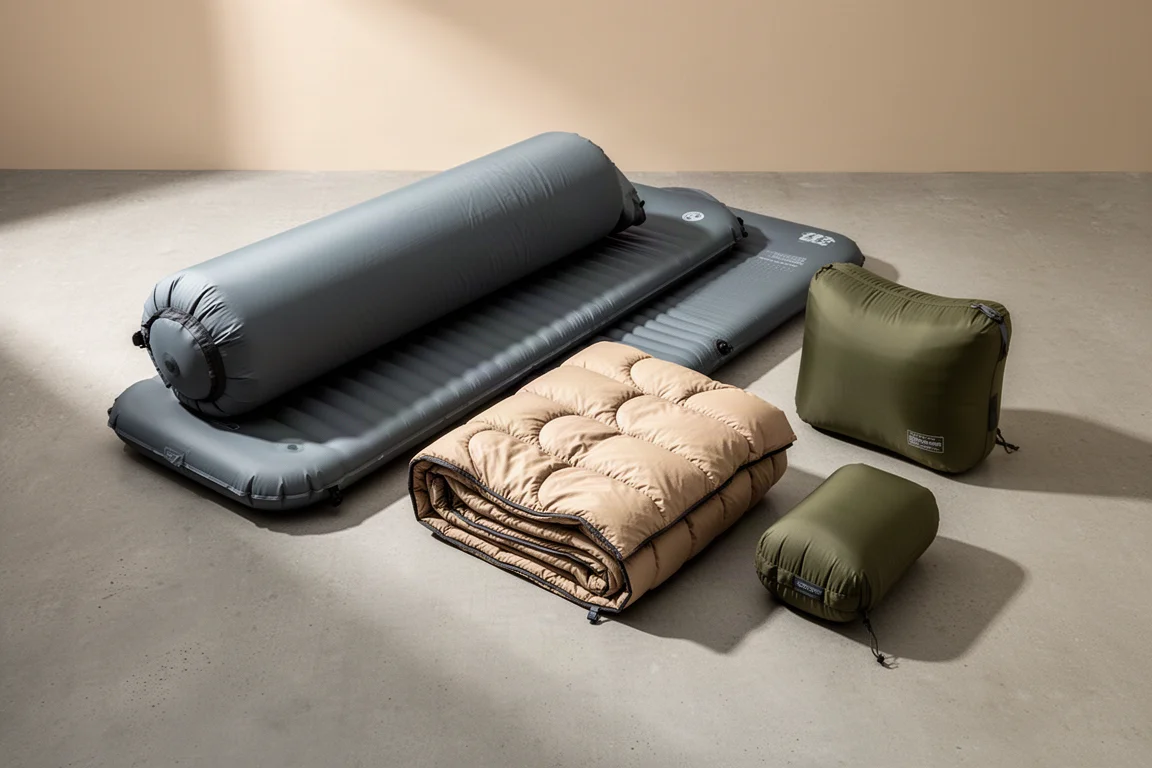
Quilts have a loyal following among backpackers, and the appeal is easy to understand. A quilt with the same temperature rating as a sleeping bag is usually lighter, because it uses less material and skips both the zipper and the hood. It also behaves more like the blanket you sleep under at home: it stays locked to the sleeping pad with straps, so you can shift positions without dragging an entire bag with you.
The catch is that quilts can sleep cold, and most of that reputation comes down to a handful of setup issues rather than the quilt itself. The other half of the equation is what you sleep on. A pad that relieves pressure and a pillow at the right height reduce the tossing and turning that lets cold air slip in overnight.
This guide covers two sleeping pads and two camp pillows that tackle those problems in different ways, plus the quilt habits that make the biggest difference when temperatures drop.
How to Choose a Sleep System for Cold Nights
Two qualities matter most in a sleeping pad: warmth and pressure relief.
Warmth is usually expressed as an R value. For most three-season conditions, an R value in the four range is a sensible target. In very hot summer conditions you can go lower, and for winter backpacking look for at least seven. Treat the number as a starting point rather than a promise, because pads with similar ratings can feel noticeably different once you are actually lying on them in cold air.
Pressure relief becomes more important the more you sleep on your side. Back sleepers can generally get away with almost any pad, while side sleepers want a surface that spreads load away from the shoulder and hip instead of concentrating it.
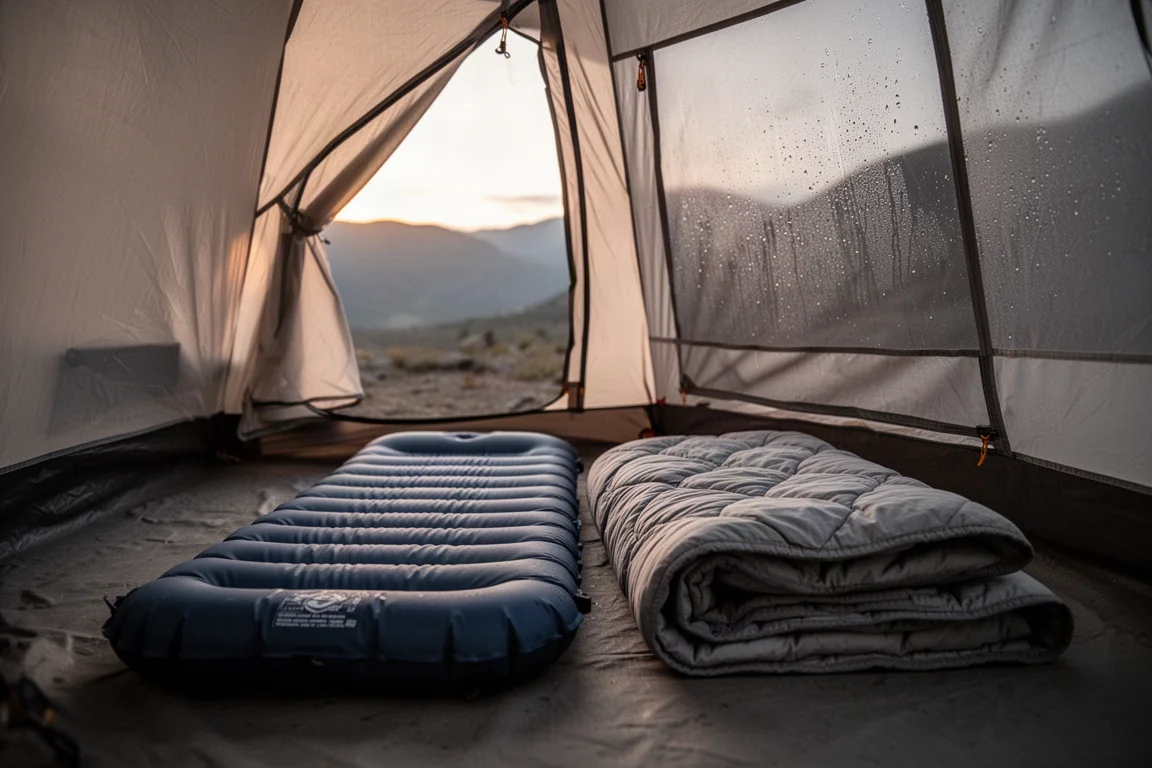
Pillows deserve the same scrutiny. Three details separate a pillow you keep carrying from one you leave at home: a way to attach it to the pad, a baffle design that feels supportive rather than balloon-like, and a height that matches how you sleep. Side sleepers with broader shoulders generally want a taller pillow, since it keeps the head elevated and takes pressure off the shoulder.
Best for Side Sleepers: REI Helix
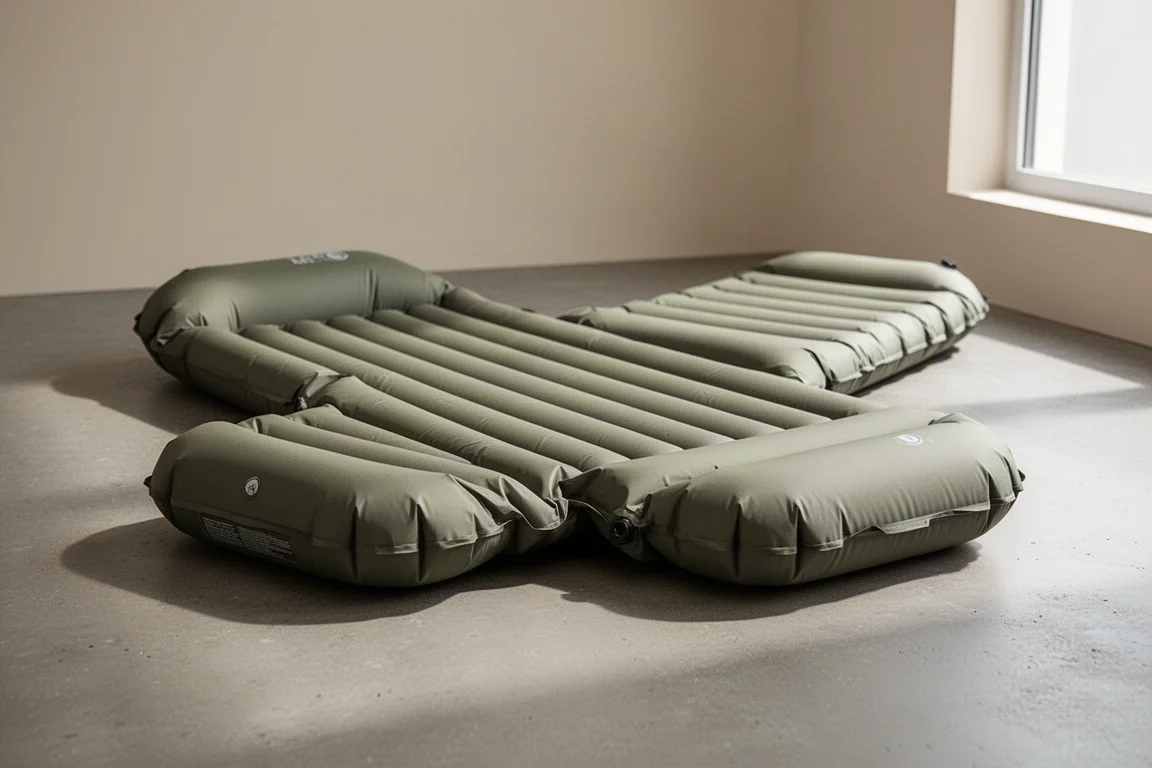
The REI Helix is the pad to look at first if pressure points are what wake you up. Its baffling system alternates raised and lowered sections, and each raised section works like an air spring, flexing under load instead of pushing back as one flat surface. In practice that translates into real relief along the shoulder and hip, which is exactly where side sleepers feel a pad the most.
It also works well as a reference point. Other pads use comparable baffled layouts, and the differences between them come down to how closely the pattern matches your body and how warm the pad sleeps.
Ultralight Pad Alternative: Sea to Summit Ether XT
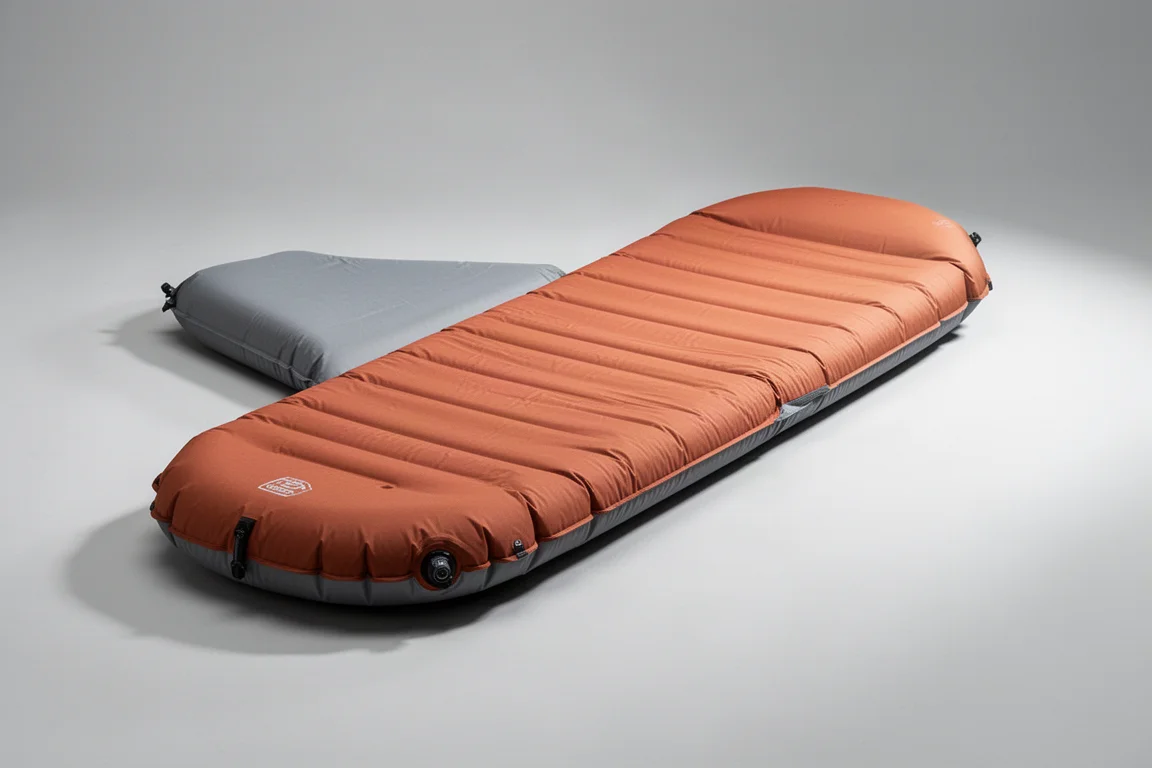
The Sea to Summit Ether XT takes a similar approach to pressure relief, using a baffle layout designed to soften contact points rather than present a single firm platform. It is comfortable to lie on, and it earns its place here for anyone who prioritizes low weight and a small packed size.
The trade-off is warmth. This pad is comfortable but not warm enough for most three-season conditions, which makes it a better match for warm-weather trips or for pairing with extra insulation. If you plan to sleep in shoulder-season or winter temperatures, you will want to source your warmth elsewhere.
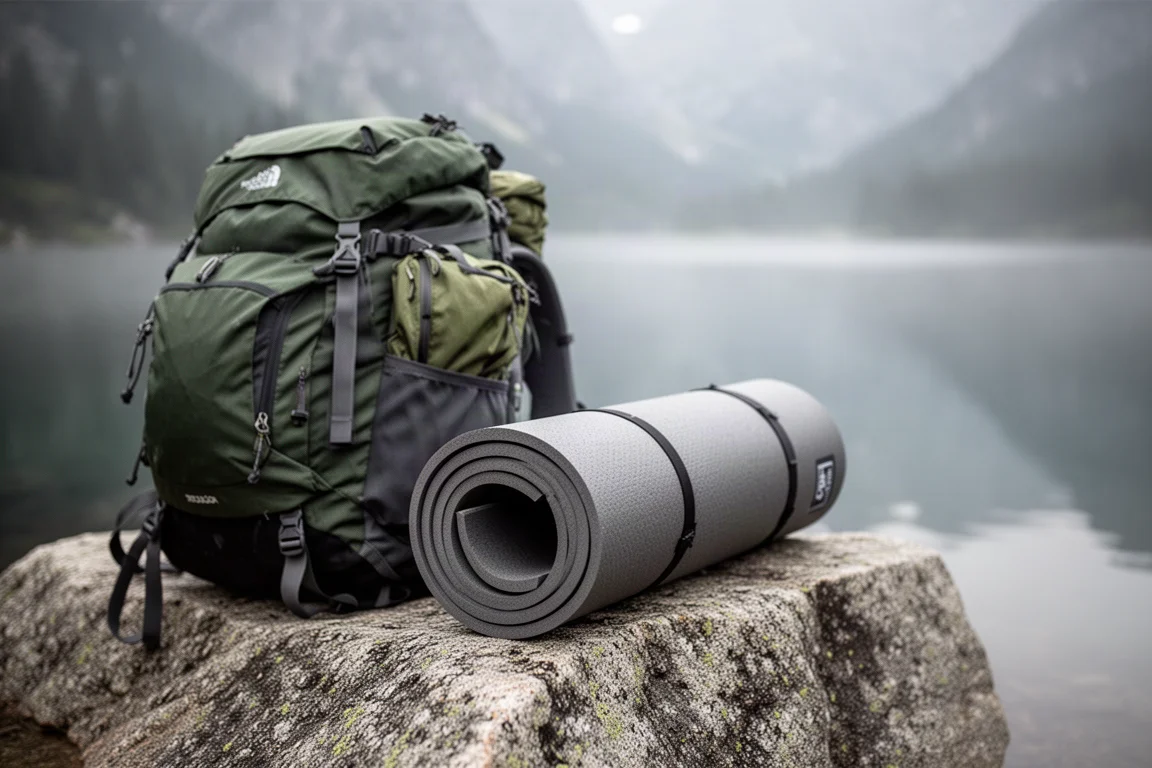
Weight and warmth are the two variables you are trading against each other, so it helps to be honest about the conditions you actually camp in before committing.
Best Pillow for Broad Shoulders: Exped Mega Pillow
Height is the most underrated pillow specification, and the Exped Mega Pillow is the clearest illustration of why. It stands over four inches tall, which is enough to keep the head properly elevated for sleepers with broader shoulders and to take meaningful pressure off the shoulder joint.
Its baffling is supportive rather than balloon-like, so it holds its shape through the night instead of gradually squashing flat. The Mega Pillow is the strongest recommendation here if you are willing to carry a little extra weight in exchange for a better night’s sleep.
Lightest Pillow Option: Big Sky Dream Sleeper
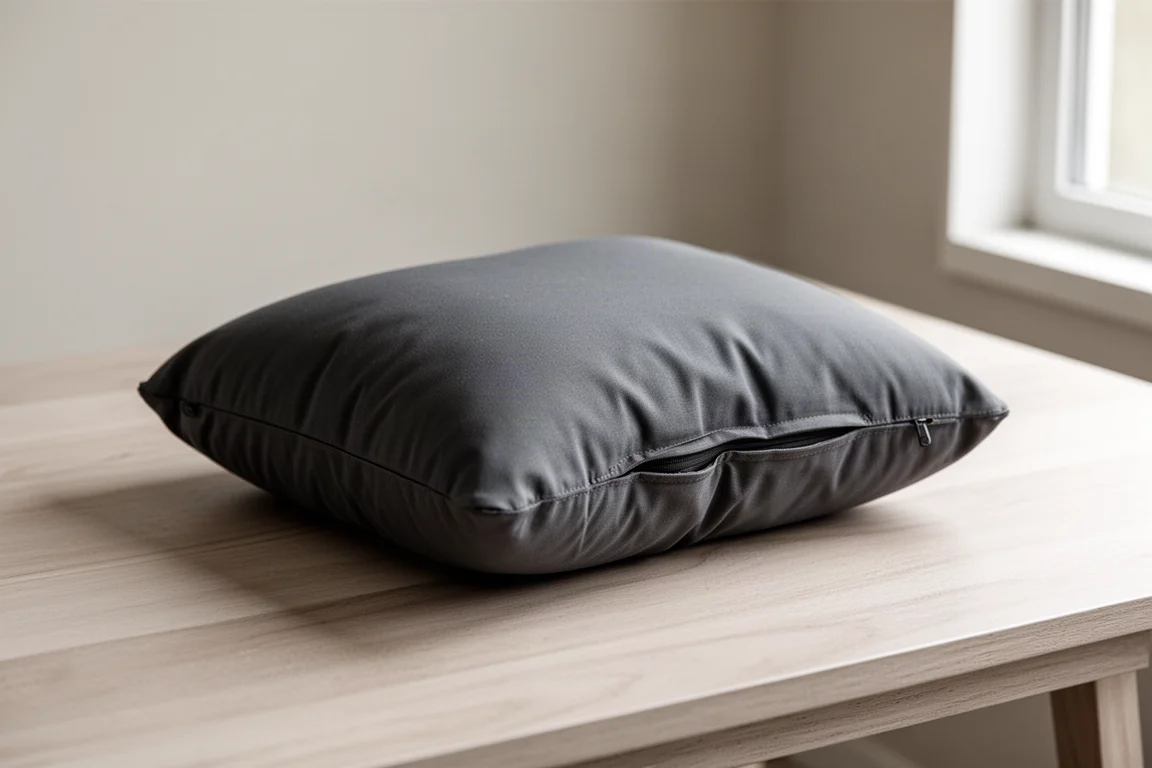
At 52 grams, the Big Sky Dream Sleeper is the weight-conscious choice, and it is still genuinely comfortable to lie on thanks to a baffle design that provides real support. Paired with a pad attachment system, it stays where you put it rather than migrating around the tent overnight.
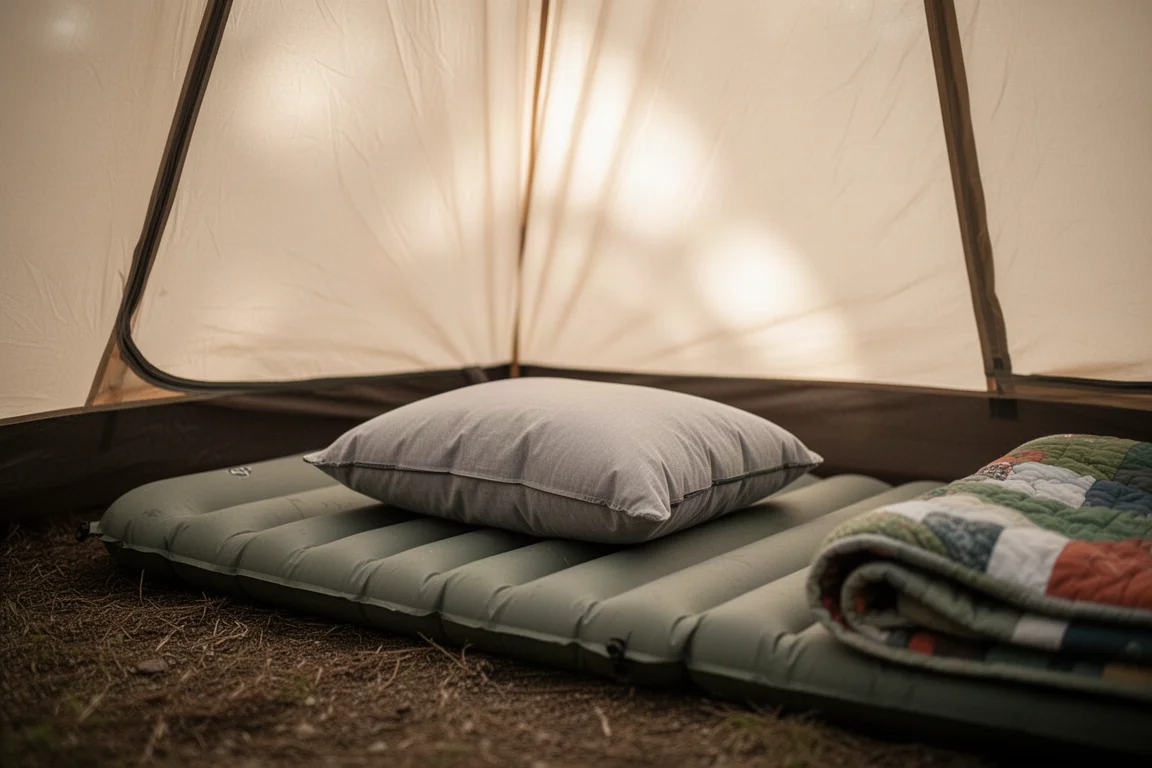
If you are counting grams, this is the pillow that lets you keep a proper pillow in your pack without a meaningful weight penalty. It suits narrower shoulders and sleepers who do not need a tall pillow to stay comfortable.
Quilt Setup Tips That Reduce Drafts
Most quilt complaints come down to drafts, and there are two places they happen: around the neck and shoulders, and along the sides where the quilt meets the pad.
At the head end, use the snap to hold the quilt closed around your neck, then cinch the cord as tight as you comfortably can, right around the neck rather than leaving the opening wide. If you will be sleeping below freezing, a draft tube, an extra ring of insulation around the opening, is worth adding.
Along the sides, the pad straps do the work, and how you set them up matters. Spread the straps as far apart as possible so the quilt edge stays taut, and move the clips so they sit almost underneath the pad, roughly where the pad meets the ground. That lets the quilt wrap slightly around the pad and gives you leeway to move without opening a gap.
Pad warmth matters here too. Because a quilt is open at the bottom and you sleep directly on the pad, a cold pad is felt immediately, so choose an R value that matches your conditions and take claimed ratings with a grain of salt.
Buying Advice
Match the purchase to the problem you actually have. If you sleep on your side and wake up with a sore shoulder, start with a pressure-relieving pad like the REI Helix and pair it with a taller pillow such as the Exped Mega Pillow. If pack weight is the priority and your trips are mostly warm, the Sea to Summit Ether XT with the Big Sky Dream Sleeper covers both bases at a lower weight.
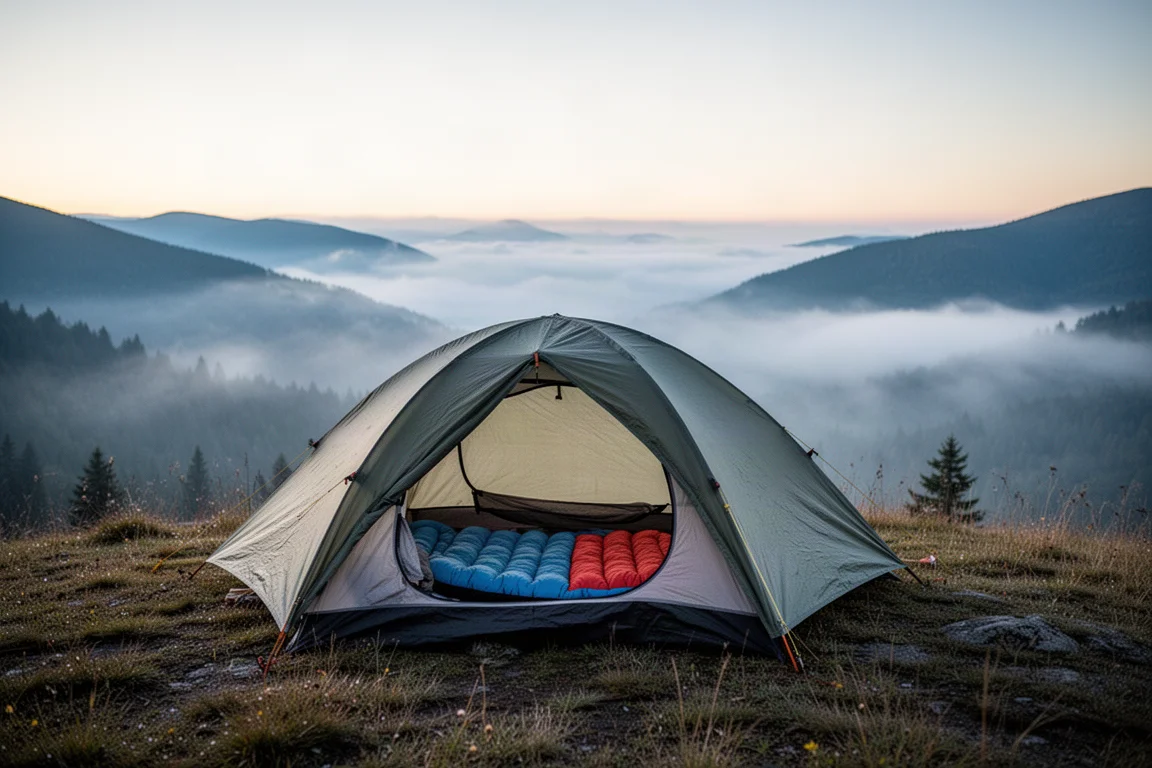
Whatever you choose, the goal is the same: fewer pressure points, less shifting during the night, and therefore fewer chances for cold air to find its way under your quilt. Get the pad warmth right for your conditions, dial in the pillow height, and the quilt setup becomes far more forgiving.
Conclusion
Quilts are not for everyone, and sleepers who prefer the enclosed feel of a sleeping bag are not wrong to stick with one. But for anyone willing to learn the setup, a quilt paired with the right pad and pillow can save weight and add comfort. The pad handles warmth and pressure relief, the pillow keeps your head where it needs to be, and a tight head end plus well-placed pad straps take care of the rest.
Further reading
Related Reviews
Camping Sleep Systems
Extreme Cold Sleep System: Three Pieces That Make Winter Camping Work
A practical look at the three core pieces of an extreme cold sleep system that together handle wind, cold ground, and moisture on sub-zero nights.
Camping Sleep Systems
NatureHike Ultralight Down Quilt Review: A Versatile Warm-Weather Sleep System
A close look at the NatureHike Ultralight Down Quilt, covering real-world warmth, build quality, weight, sizing, and the one trade-off to expect from any down-filled product.
Camping Sleep Systems
OneWind Top Quilt Review: One Piece of Gear, Four Ways to Sleep
A practical look at the updated OneWind Top Quilt, covering its quilt, sleeping bag, blanket, and poncho modes, the new sleeping pad panel, sizing, weight, and what to check before ordering.