Camping Sleep Systems
ZenBivy Conversion Patches Review: Adapt an Existing Quilt to a ZenBivy Bed
A low-cost, reversible patch kit that lets an existing quilt clip into the ZenBivy sheet system, plus what it does and does not deliver in the field.
Introduction
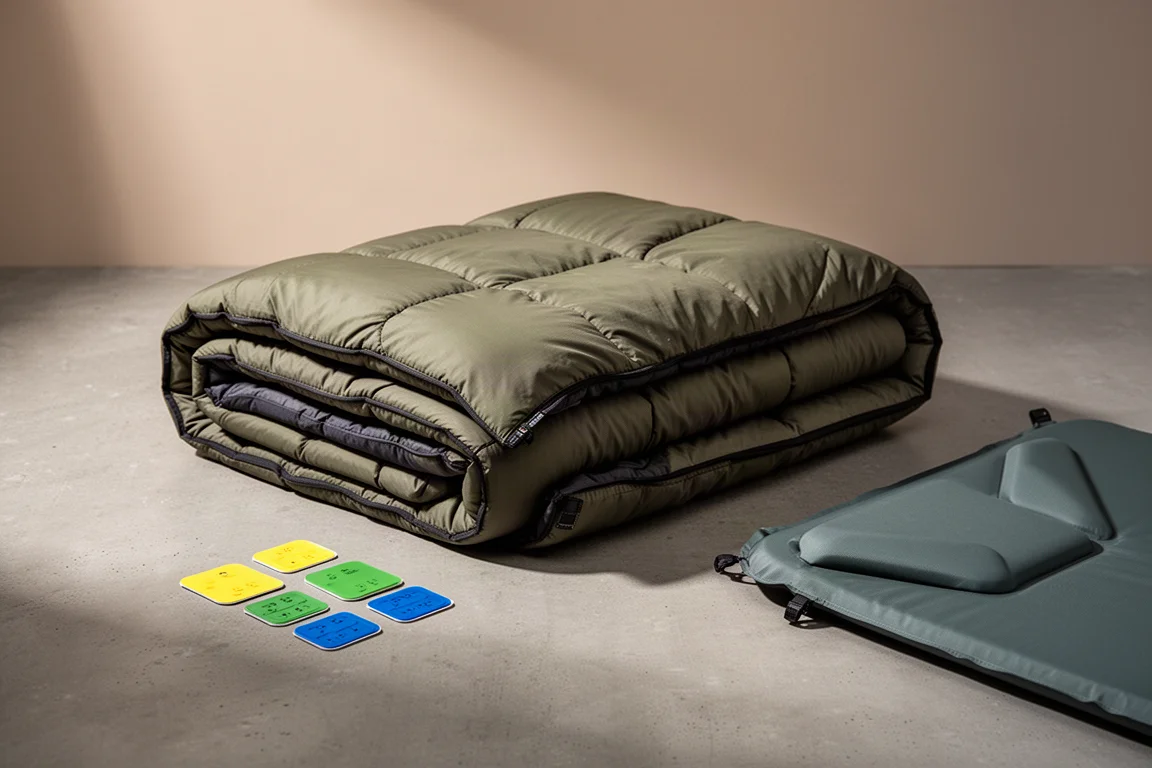
ZenBivy has built a following around a simple idea: instead of strapping a quilt down to a sleeping pad, attach it to a fabric sheet that stays put, so the quilt seals off drafts without being cinched tight around you. That system has always depended on using a ZenBivy quilt with a ZenBivy sheet. New for 2026, the ZenBivy Conversion Patches change the equation. They are small, color-coded adhesive patches that you apply to almost any existing quilt so its edge can clip to the wings on a ZenBivy sheet.
At around $24 for the patch kit, plus a sheet, the appeal is easy to see for anyone who already owns a quilt they like but wants a more bed-like night’s sleep. The trade-off is that you are adapting a product to a system it was never designed for. Here is how that plays out in practice.
Who This Product Is For
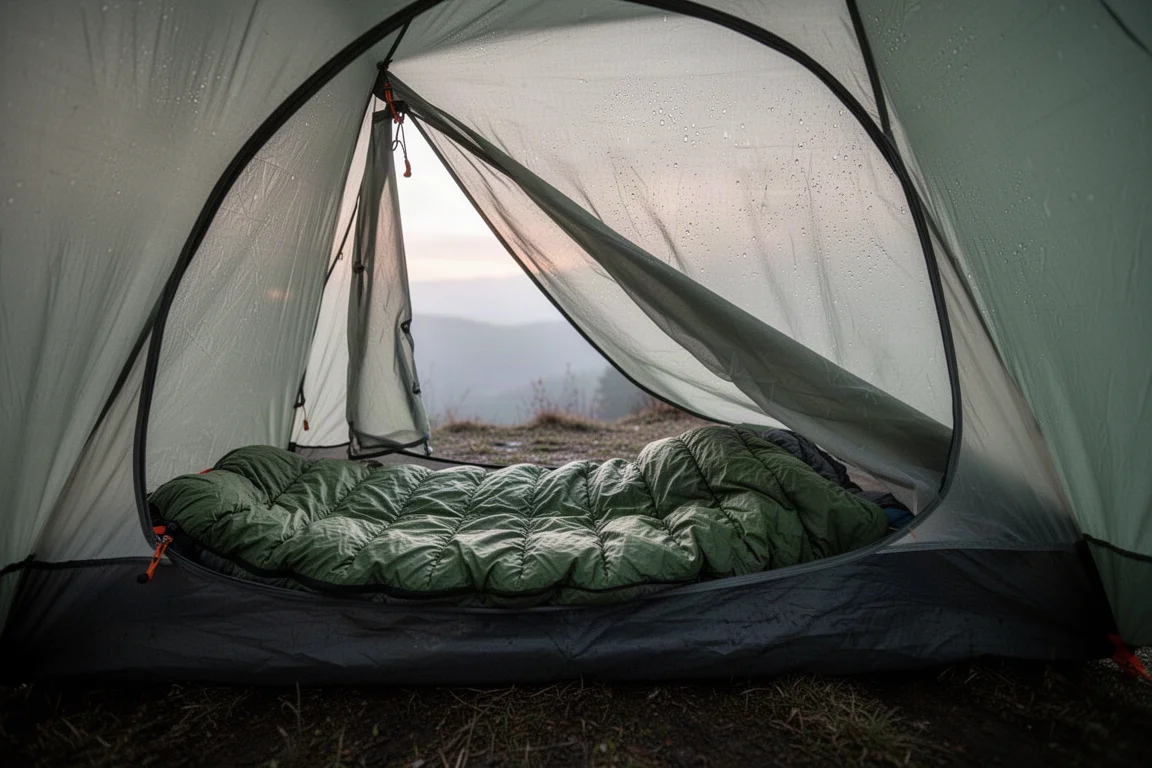
The patches make the most sense for a specific kind of camper: someone who has already spent real money on a quilt, is happy with its warmth and pack size, and is not looking to replace it. If the pad straps on that quilt slide, shift, or leave cold spots around the shoulders, the ZenBivy sheet design addresses exactly that problem.
They also suit campers whose quilt sits between the temperature ratings ZenBivy offers on its own quilts. If your quilt is comfort rated around 15 degrees and the ZenBivy beds come in roughly 25 or 10 degree versions, the conversion route lets you keep the quilt you already trust. Cost is part of the calculation too. The patches are inexpensive and the sheet is the larger purchase, so the total stays well below buying a complete new bed and quilt.
Main Strengths
The patches do one job, and they do it without altering the quilt in any meaningful way.
A Draft Barrier That Sits Above the Quilt Edge
The key detail is where the patches go. They are not placed right at the edge of the quilt. They sit a little higher, which leaves one or two baffles of insulation between the attachment point and the quilt’s edge. On a ZenBivy sheet, the clips sit on a raised wing, so that insulation presses against the wing and closes off the gap where cold air normally creeps in.
That is what separates this from a pad strap. Straps pull the quilt down toward the pad. Here, the quilt attaches above the pad edge, so you are not fighting the quilt all night or wrapping it tightly around yourself. You can sleep on your back, side, or stomach, and the hood on the sheet gives your pillow a place to sit so it cannot slide off the end of the pad.

Simple, Non-Invasive Installation
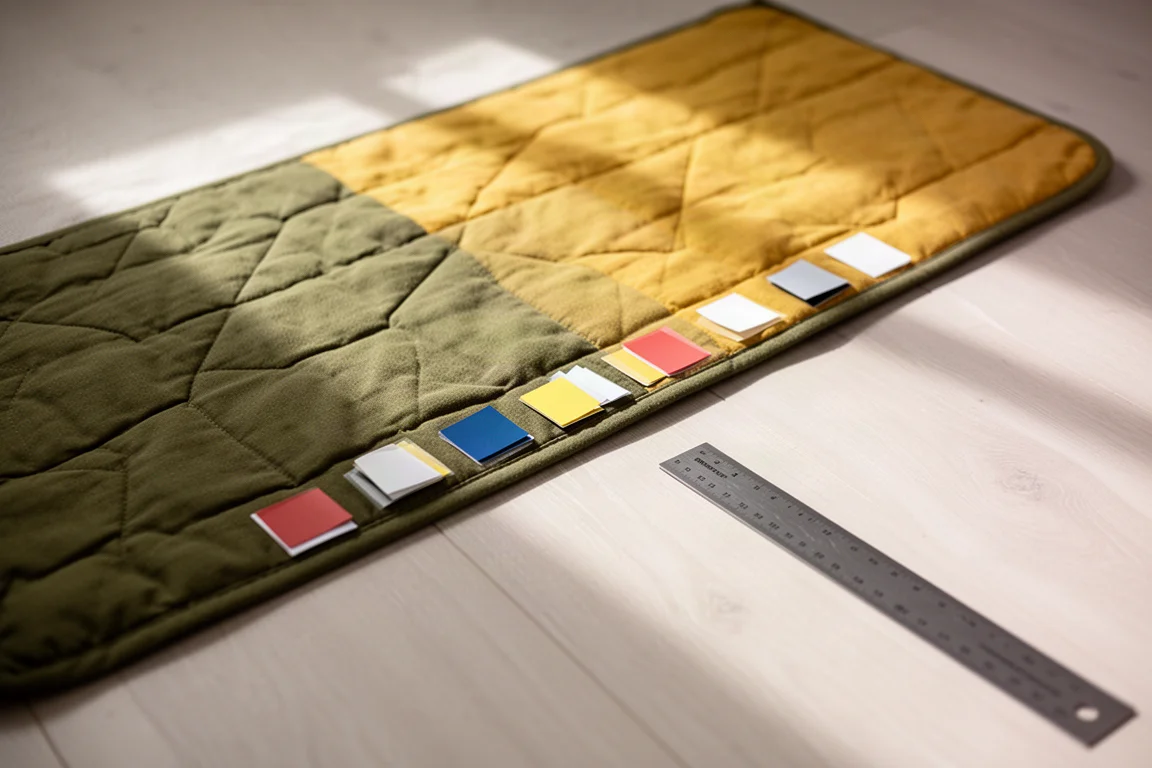
Fitting the patches is a straightforward job. The instructions are clear and easy to follow, and all you really need is a flat, open space and a good ruler to keep the placement consistent. The patches are sticky, color-coded, and matched to the clips on the sheet, so lining them up is intuitive.
Just as importantly, the modification is reversible and light. The patches add very little weight, they do not change how the quilt packs, and they can be removed without damaging the quilt. That means you can still use the quilt on its own with pad straps whenever you want.
It Keeps Your Existing Quilt Flexible
Once the patches are on, the quilt works with several sheet options. ZenBivy offers sheets in uninsulated, down-insulated, and synthetic-insulated versions, in half-length and full-length designs. An uninsulated sheet keeps the setup light and inexpensive while still giving you the attachment system. A warmer sheet adds insulation underneath you.
Things to Consider Before Buying
This is an adaptation rather than a purpose-built system, and the difference shows up in the details.
Your Quilt’s Own Design Still Shapes the Result
Every quilt has its own geometry, and that geometry decides how well the conversion works. Width and length matter, because a narrower quilt may not have enough material to seal off drafts around the shoulders the way a ZenBivy quilt does. The collar area matters too. ZenBivy quilts use a cord that stays loose at the edges and tensions mainly around the face, so the quilt edge can tuck under the hood of the sheet. A quilt with a more conventional draw cord tends to pull around your shoulders instead, which is harder to tuck in and slightly less thermally efficient.
Quilts that use an edge tension system designed to work with pad straps can also work against the setup. Pull that cord tight and it draws the quilt edge away from the wings, undoing the draft barrier the patches are there to create. You end up adjusting each feature individually to find a workable balance.
Expect Roughly 80 Percent of the Purpose-Built Experience
The honest way to frame this is that you get most of the benefit, not all of it. A quilt and sheet designed as one system still performs better, because the shape, the attachment points, and the collar all match. The conversion route delivers a large share of that comfort for a fraction of the cost, but the last portion of performance depends on your quilt cooperating.
Buying Advice
Think about the total cost rather than the patches alone. The kit is around $24, and the sheet is the bigger line item, generally somewhere in the $50 to $120 range depending on which version you choose. A light, uninsulated half sheet is the cheapest and lightest way into the system, while an insulated full-length sheet costs more and adds warmth underneath.
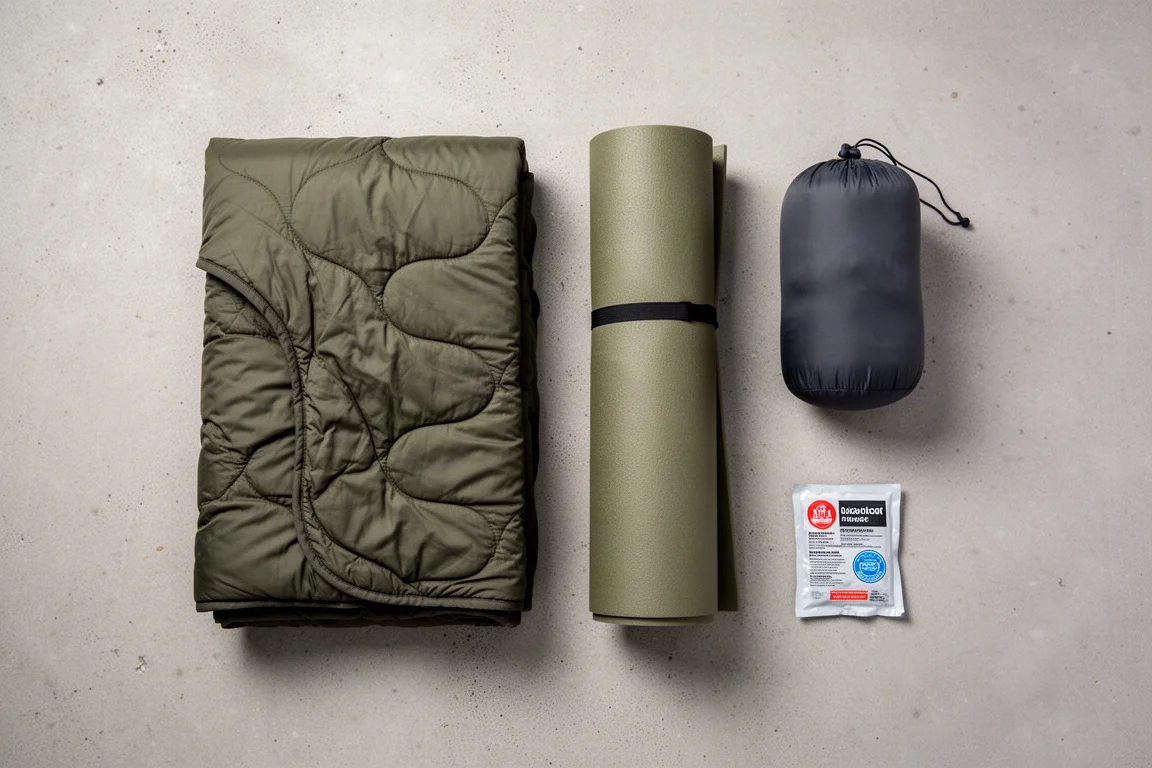
Then think about the quilt on your shelf. If it is a comfortable width, if its collar is not built around a tight pad-strap draw cord, and if you have been unhappy with how it behaves on the pad, the conversion is a low-risk experiment. The patches are removable, so the downside is limited to the cost of the sheet if the pairing does not suit you.
If your priority is the best possible night’s sleep and you are willing to buy a complete setup, a matched quilt and sheet remains the cleaner answer. For everyone in between, this is a sensible middle path.
Conclusion
The ZenBivy Conversion Patches are a small, inexpensive accessory with a clear purpose: let an existing quilt take advantage of the ZenBivy sheet system. Installation is simple and reversible, the patches are light, and the draft barrier they create follows the same principle the purpose-built quilts rely on. The catch is that your quilt was not designed for this, so results vary with its width, collar, and tension system. If you want most of the benefit without replacing your quilt, it is a reasonable buy. If you want the system at its best, buy the quilt and sheet together.
Product link
View more details for ZenBivy Conversion Patches
This product is mentioned in the review. Check the specifications, options, and compatibility before buying.
View more details for ZenBivy Conversion PatchesFurther reading
Related Reviews
Camping Sleep Systems
Backcountry Sleep System Guide: Two Pads and Two Pillows for Colder Nights
Two sleeping pads and two camp pillows that cut pressure points and tossing, plus the quilt setup habits that keep cold air out of your sleep system.
Camping Sleep Systems
Extreme Cold Sleep System: Three Pieces That Make Winter Camping Work
A practical look at the three core pieces of an extreme cold sleep system that together handle wind, cold ground, and moisture on sub-zero nights.
Camping Sleep Systems
NatureHike Ultralight Down Quilt Review: A Versatile Warm-Weather Sleep System
A close look at the NatureHike Ultralight Down Quilt, covering real-world warmth, build quality, weight, sizing, and the one trade-off to expect from any down-filled product.