Sleep Systems
Zenbivy Bed Review: A Sleep System Built to Stop Quilt Drafts
A practical look at the Zenbivy Bed sleep system, covering how the quilt attaches to the sheet, R5 mattress insulation, temperature ratings, fabric choices, and what a complete setup weighs and costs.
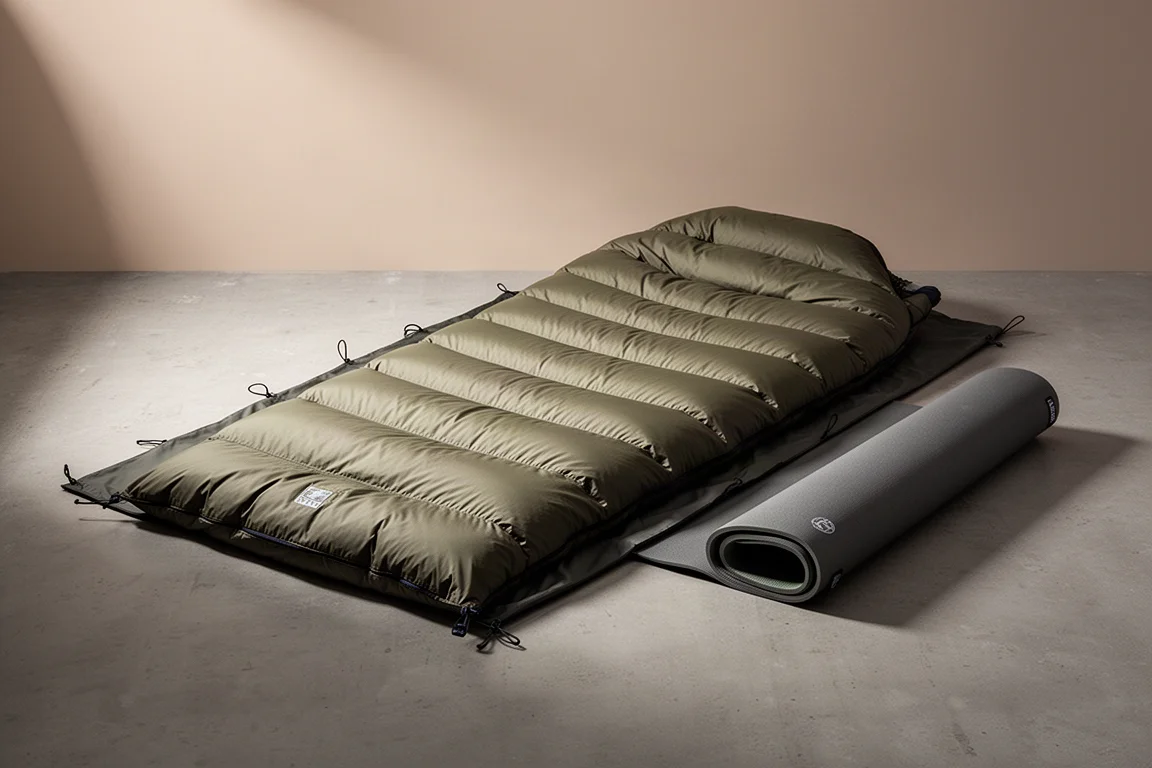
Introduction
Backpacking quilts have earned a loyal following for good reason. They are lighter than a comparable mummy bag, and they let you sleep in the position you actually sleep in at home. They also have a well-known weakness. When the temperature drops, a quilt can slide off the mattress, open up around the shoulders, and let cold air move around your head.
The Zenbivy Bed is built around closing that gap. Rather than a single bag, it is a sleep system: a backpacking quilt, a fitted sheet that anchors the quilt to the mattress, and an insulated mattress designed to match the way sleeping bags are actually rated.
Who the Zenbivy Bed Is For
Zenbivy’s own answer to that question is refreshingly specific. The person who benefits most is the camper who cannot get comfortable in any other setup, someone whose natural sleep position is not accommodated by a mummy bag or a loose quilt. That group is larger than it sounds. People who sleep badly in the backcountry tend to camp less often, and eventually they stop going.
It helps that the quilt works on its own. It is sold separately and behaves like any other backpacking quilt, and the small cord loops on its edges make no difference when the sheet is not in use. Existing quilt users can treat the sheet and mattress as optional additions rather than a forced bundle.
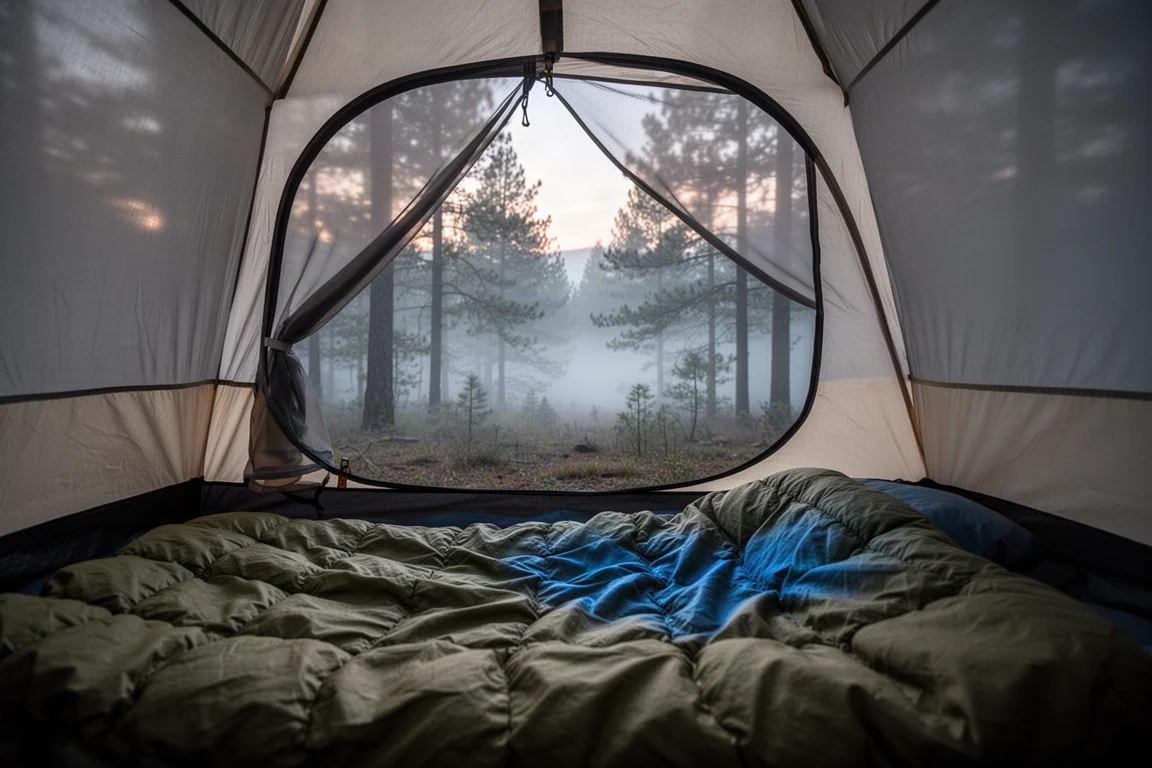
The other side of that audience is anyone who sleeps cold. The quilt and sheet come in a range of configurations, and the system is designed so that a warmer quilt or an insulated hood can be added where it matters most.
Main Strengths: Quilt, Sheet, and Mattress
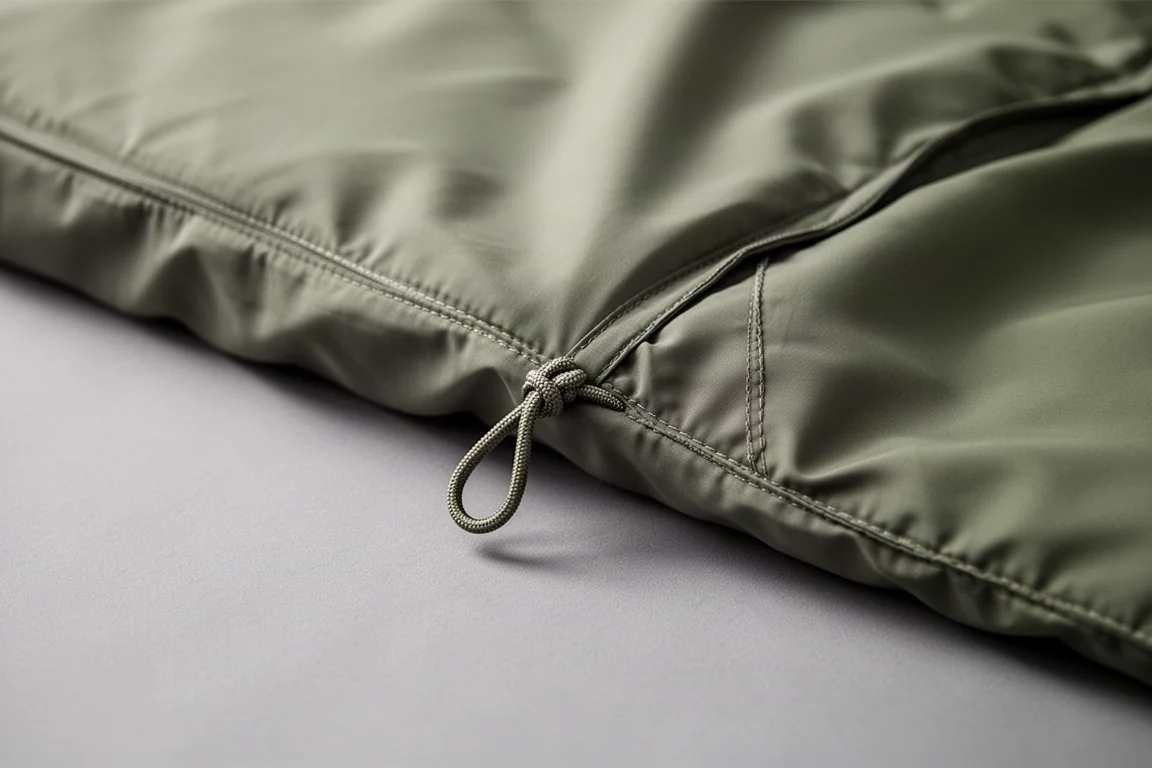
Zenbivy describes three patented differences in the quilt, and the most important ones concern how the quilt meets the mattress. Instead of relying on straps alone, the quilt clips to the sheet with small cord loops, which keeps it in place through the night and holds the edges closed.
The shape is the second difference. The quilt is semi-rectangular rather than hourglass, and that geometry is doing real work. When the quilt folds, the natural folding of the fabric creates a baffle that closes the gap at the bottom that a convertible quilt usually leaves open.
Attachment is handled with discrete fasteners rather than zippers. The trade-off is honest: clips are not as quick to use as a zipper. In practice, though, many users never fully unclip them. You can attach the loops on one side, leave the other side free, and slide in and out from there. The full set of clips is there for genuinely cold nights.
The newest version adds a closed foot box, while earlier quilts were convertible and could be opened completely flat. Both approaches remain available, and the convertible version is still the most popular.
Temperature Ratings and Fill Options
Zenbivy builds its beds around two ratings, 25 and 10, and both are limit ratings rather than comfort ratings. As a rule of thumb, comfort sits roughly ten degrees above the number on the label.
That makes the 25 degree bed the practical choice for most people. It is designed to take a typical sleeper down to freezing, particularly when a down jacket is worn inside the system. The 10 degree bed is aimed at extended three-season use, colder conditions, and sleepers who know from experience that they run cold.
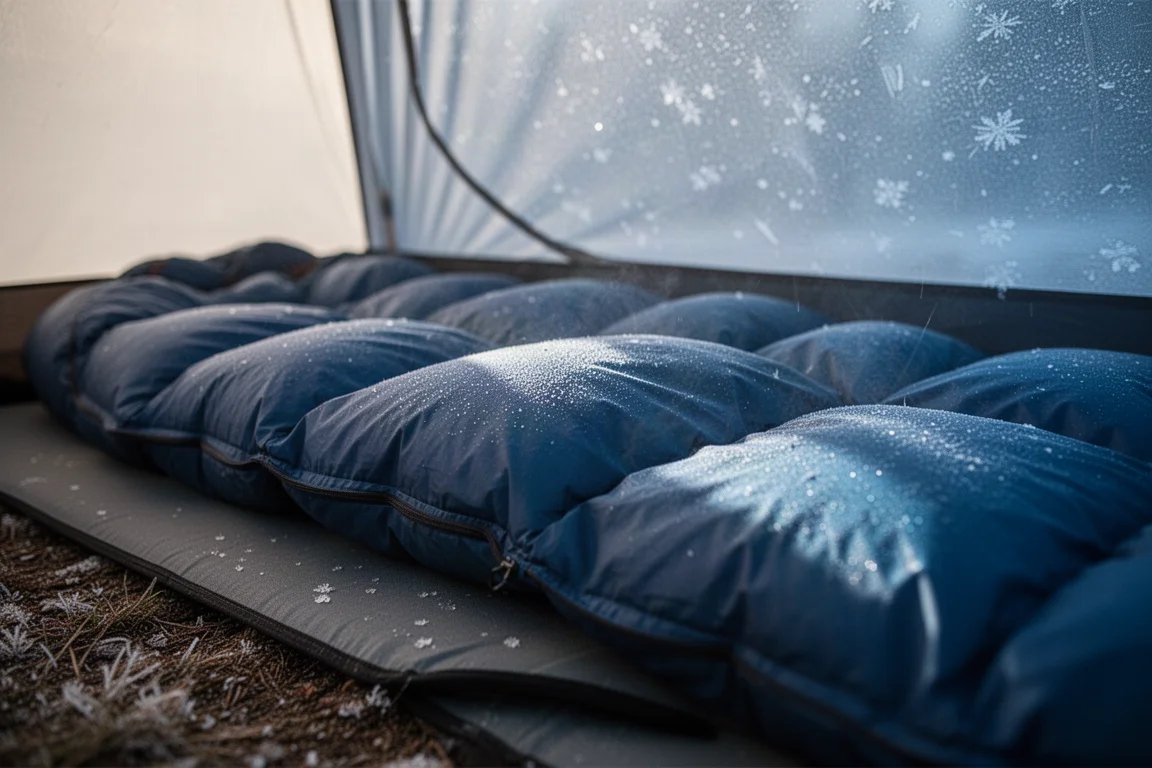
The most popular bed pairs 800 fill power down with a 20D fabric. Zenbivy also offers a Core quilt built around 650 fill power down, with a softer liner and a slightly heavier shell. The Core version costs around a hundred dollars less and adds roughly three or four ounces, which is a reasonable trade for anyone who values the softer feel.
Things to Consider Before Buying
The most obvious compromise is the fastening system. Clips are not as convenient as zippers, especially in the dark when you need to get up. Zenbivy’s earlier M50 bed used two long side zippers plus a foot box zipper, and the company moved away from them because the hardware added meaningful weight and made the quilt less elegant when used on its own.
That does not mean you are stuck fiddling with clips every night. Attaching the loops on one side only, and simply sliding in from the other side, is a common way to run the system. The full attachment is worth using when the forecast is genuinely cold, which is exactly when the extra security is welcome.
A second point to weigh is how the ratings are presented. Zenbivy bases its temperature claims on standard testing protocols but does not pay for formal certification, so the numbers should be read as limit ratings, in line with how the company describes them.
Fabric and Construction Choices
The shell is a taffeta nylon rather than a ripstop. That is deliberate. Ripstop weaves run heavier yarns through the fabric to arrest tears, and those yarns change how the material feels. For a sleeping system that is unpacked inside a tent and packed away again, durability is less of a concern than the softness of the hand.
The most popular bed uses a 20D fabric. The Core version steps up to a 30D shell and a 50D liner on the inside of the sheet, which is why it feels noticeably softer against the skin and comfortable enough to sleep in without socks.
There is no ultra-light version of the bed yet. Zenbivy’s position is that the very lightest fabrics it has tested do not feel good enough for the product, and that pushing weight down further would raise the price considerably for a small saving.
What the Complete System Weighs and Costs
Weighed as a full kit in a 25 by 77 inch size, the system comes to exactly four pounds, and that figure includes the mattress, quilt, sheet, and dry sacks. For a setup rated to freezing, that is competitive with a conventional bag and pad.
The lightweight mattress on its own is 25 ounces in the same size. Mattresses are offered in 20, 25, and 30 inch widths, with a 30 inch option that is unusual in this category, and in thicknesses around three to three and a half inches. The inflation system uses a plug with the valve built into it, which makes deflating straightforward and allows the valve itself to be replaced.
On price, a complete system in the 25 by 77 size was quoted at $664. Bought separately, the quilt runs roughly $280 to $300 and the sheet around $100, so the components can be assembled over time.
Buying Advice: Choosing a Configuration
For most buyers, the 25 degree bed is the right starting point. It covers three-season trips down to freezing for the large majority of sleepers, and it leaves room to add insulation rather than paying for warmth that rarely gets used.
The most cost-effective build pairs the quilt with an uninsulated hood sheet and relies on a down jacket for head and shoulder insulation. Since a puffy jacket is already in the pack on cold trips, using it inside the bed is a genuine weight and money saving. The insulated hood remains available for anyone who would rather not depend on clothing.
If value matters more than the last few ounces, the Core quilt is the sensible pick. The softer liner is a comfort upgrade, and the weight penalty is modest.
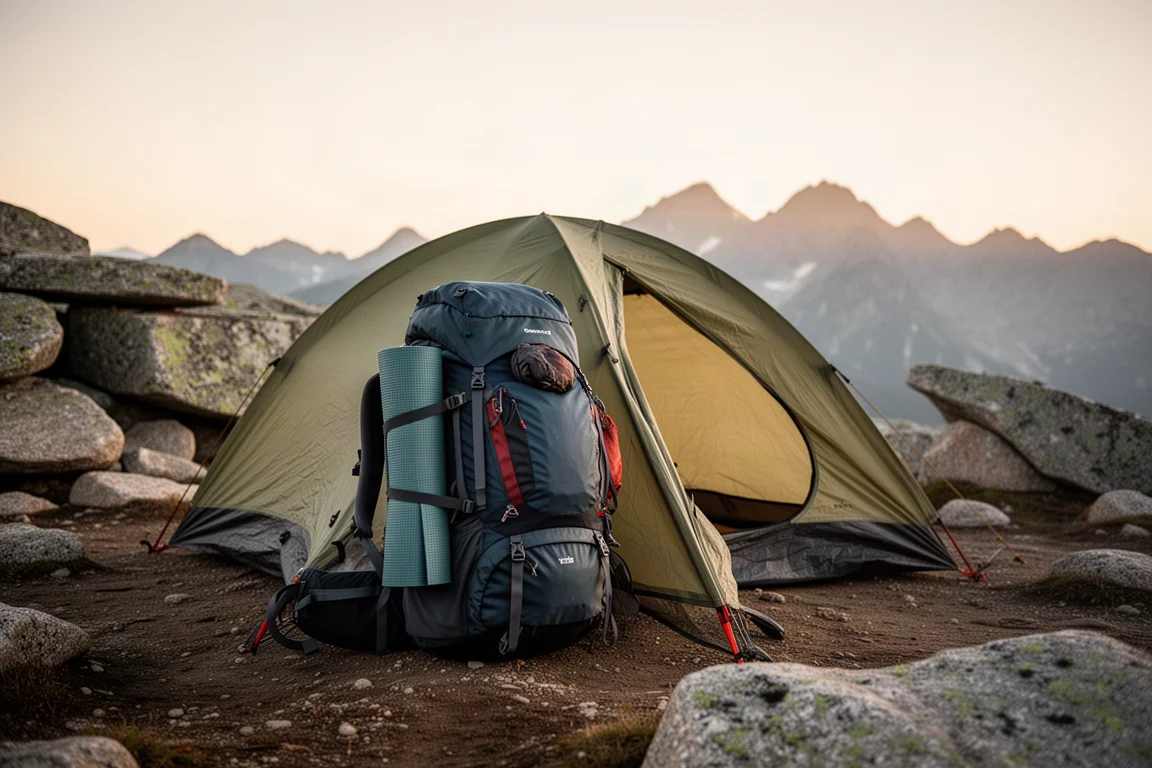
One final note on the mattress. Sleeping bags are rated with a pad of around R5 underneath them, yet many three-season pads sit at R3 or R4. Zenbivy builds its mattresses to R5, with some models exceeding that and others rounded up to around R6, so the rating on the quilt reflects what you actually experience in the tent. That is the part of the system most often overlooked when people end up cold at night.
Conclusion
The Zenbivy Bed is a considered answer to a familiar problem. It keeps the comfort and light weight of a quilt, then removes the drafts that make quilts frustrating on cold nights, and it pairs the quilt with a mattress insulated to the same standard the quilt is rated against. The fastening system asks for a small adjustment in habit, and a complete setup is a real investment, but for anyone who has struggled to sleep in the backcountry, this system addresses the cause rather than the symptom.
Product link
View more details for Zenbivy Bed
This product is mentioned in the review. Check the specifications, options, and compatibility before buying.
View more details for Zenbivy BedFurther reading
Related Reviews
Sleep Systems
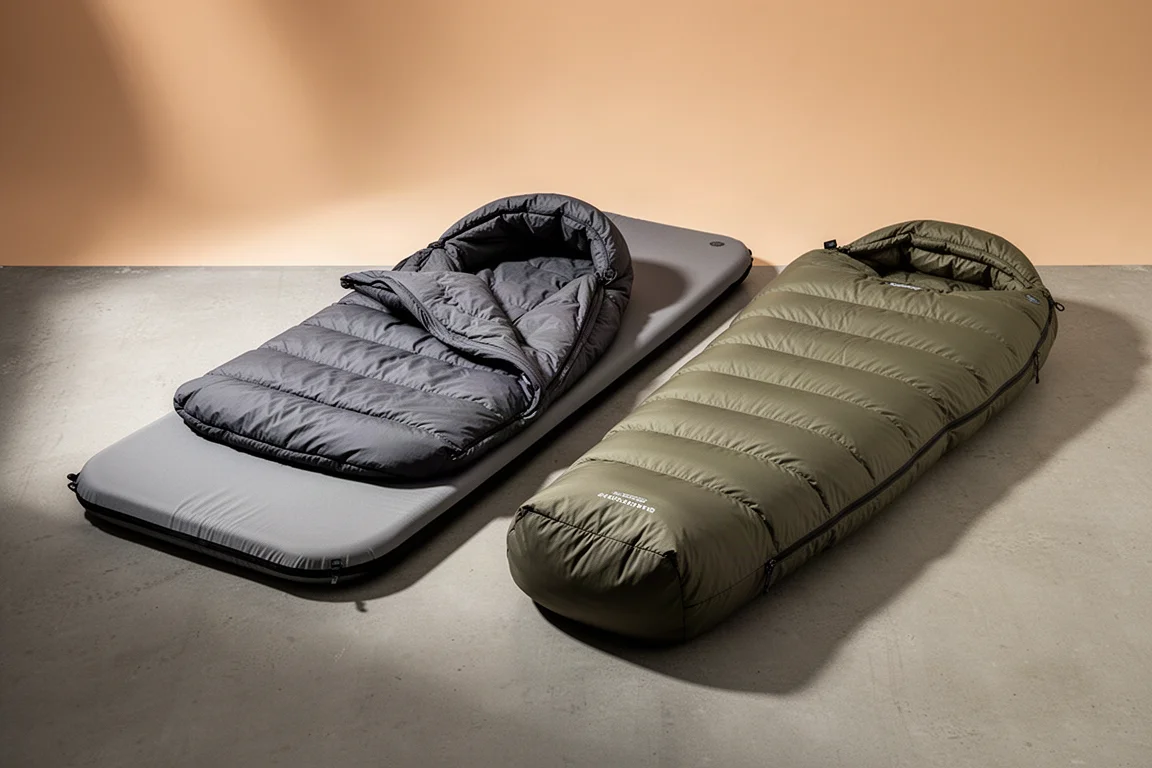
Two Bed-Like Sleep Systems for Backpacking: Zen Bivvy Light Bed and Sea to Summit Ascent
A practical look at two backcountry sleep systems built around comfort and versatility: the Zen Bivvy Light Bed and the Sea to Summit Ascent Down Sleeping Bag.
Sleep Systems
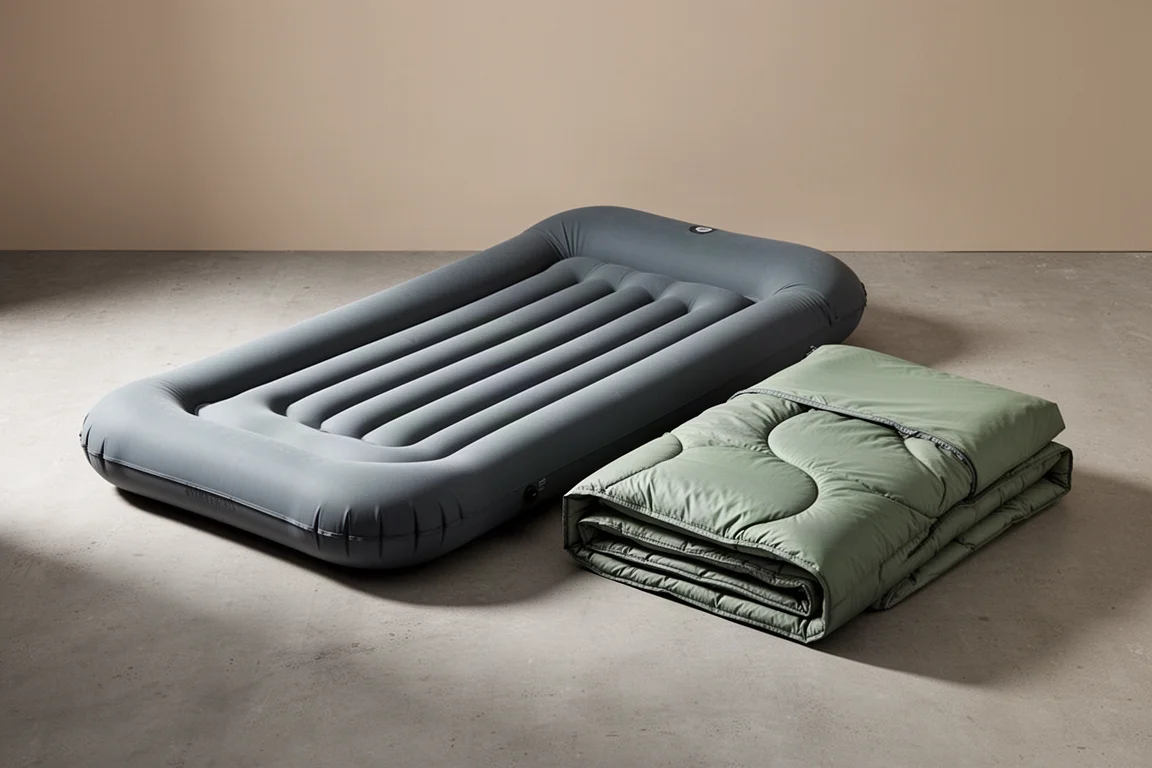
Nemo Quasar 3D and Zen Bivvy Light Bed: A Comfort-First Backcountry Sleep System
A practical look at pairing the Nemo Quasar 3D sleeping pad with the Zen Bivvy Light Bed, and what that combination means for comfort in the backcountry.
Sleep Systems
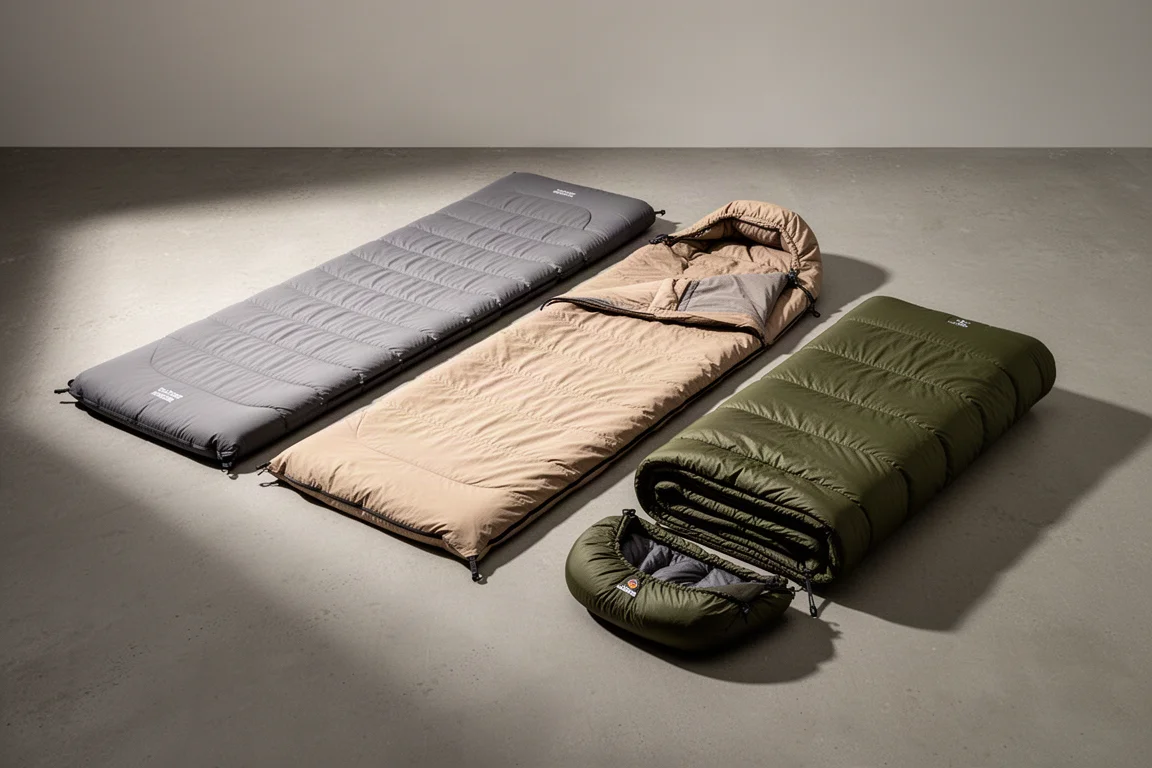
Zen Bivy Ultralight Sleep System Review: A Bed-Like Setup for Backpackers
A modular ultralight sleep system with an angled quilted pad, a half sheet, a snapping foot box quilt, and an adjustable pillow, plus the trade-offs to know before buying.