Sleep Systems
Nemo Quasar 3D and Zen Bivvy Light Bed: A Comfort-First Backcountry Sleep System
A practical look at pairing the Nemo Quasar 3D sleeping pad with the Zen Bivvy Light Bed, and what that combination means for comfort in the backcountry.
Introduction
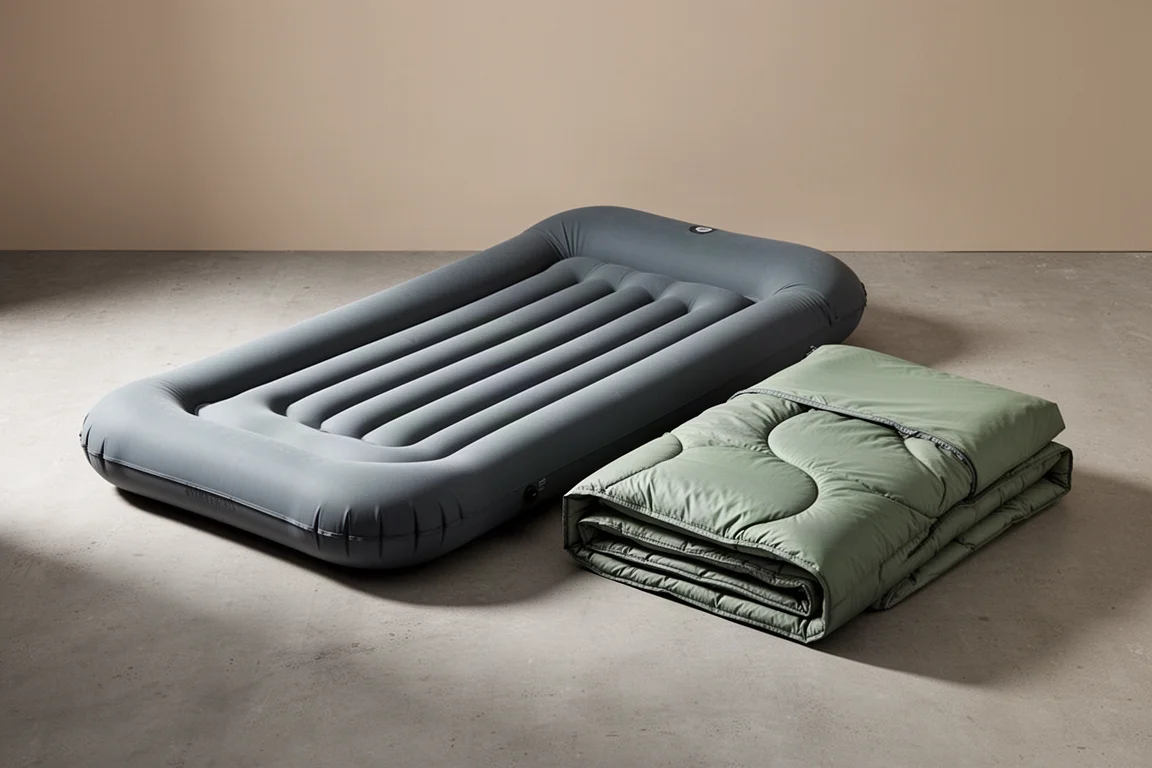
Pairing a sleeping pad with a quilt system is one of the simplest ways to change how a night in the backcountry feels. The Nemo Quasar 3D sleeping pad and the Zen Bivvy Light Bed were designed separately, yet they work together as a single sleep system, and this early look covers how they perform as a pair.
Comfort is personal, and no setup suits every sleeper. What follows is a practical breakdown of the design choices behind each piece, where they stand out, and what to weigh before buying.
What Sets a Comfortable Sleep System Apart
Three things decide whether a night outdoors feels restorative: how the pad supports the body, how the insulation stays in place as you move, and how well the whole system seals out drafts. A pad with the wrong profile leaves pressure points, and a quilt that shifts or lifts off the shoulders lets warm air escape every time you turn over.
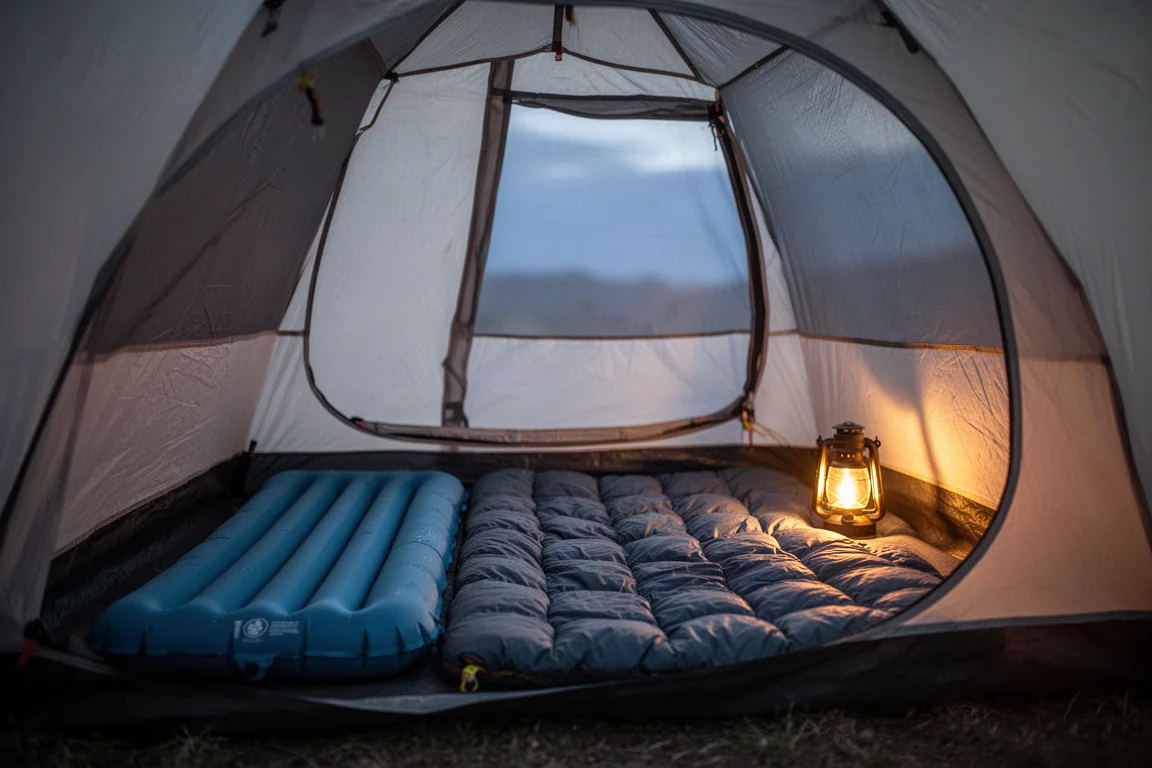
Drafts are the quiet enemy of a good night. Any gap between insulation and body becomes a cold channel, and those gaps usually appear at the shoulders, the hips, and around the edges of a pad. Attachment points and side walls address that problem directly by keeping the layers connected to one another.
Weight matters too, but it is a trade rather than a rule. A heavier pad or a larger quilt can buy real comfort, and the right balance depends on how far you carry the system and how much you value sleep quality.
Nemo Quasar 3D Sleeping Pad
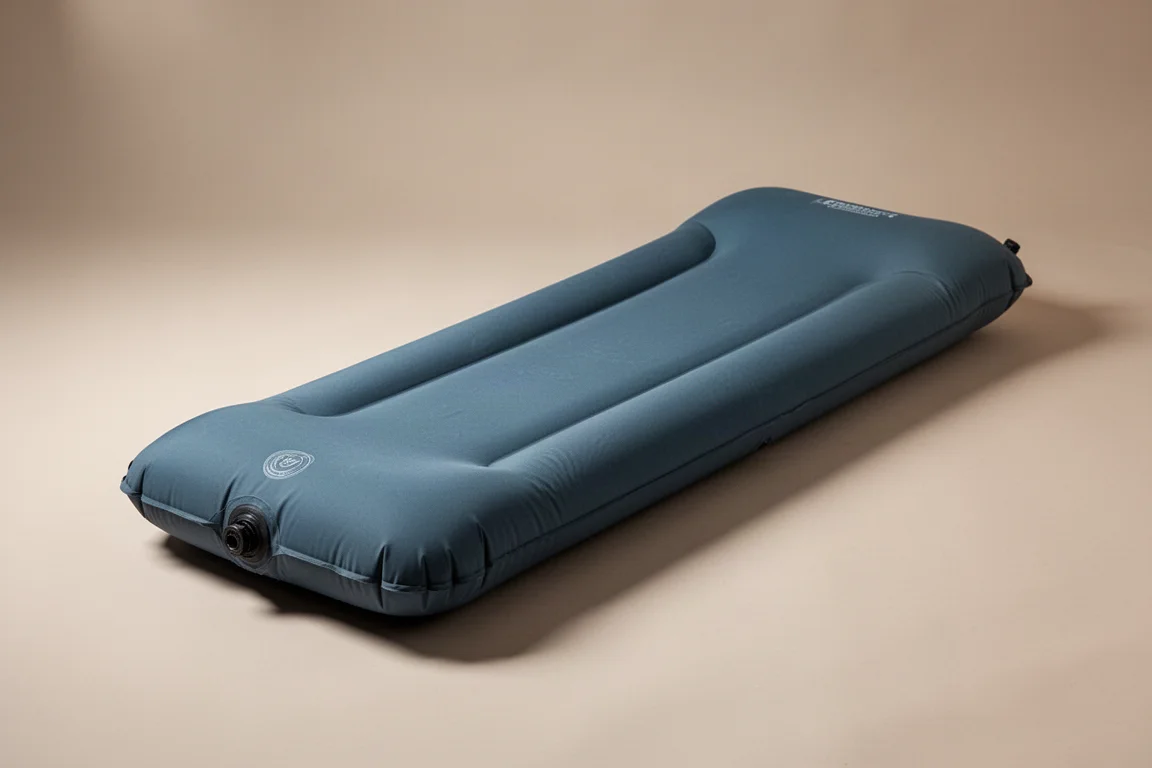
The Quasar 3D takes a different approach to baffles than most pads. The channels run horizontally, but they curve slightly rather than running straight across, and the pad itself is scooped into a three-dimensional shape with side walls that sit higher than the centre. That profile cradles the body instead of letting it roll toward the edges.
On the regular wide version, the width is 25 inches, which leaves noticeably more room to move. The pad also changes height from head to foot: the top baffle at the head end is taller than the baffles at the foot end, so the foot of the pad sits lower and narrower. The regular wide weighs 2 pounds 1 ounce, which is heavier than some alternatives, and it is the first pad from Nemo to carry Blue Sign certification.
The payoff is a pad that feels settled from the first minute. There is no adjustment period spent deciding whether it is too firm or too soft, which is often where a night outdoors starts to go wrong.
Zen Bivvy Light Bed: A Quilt That Stays Attached
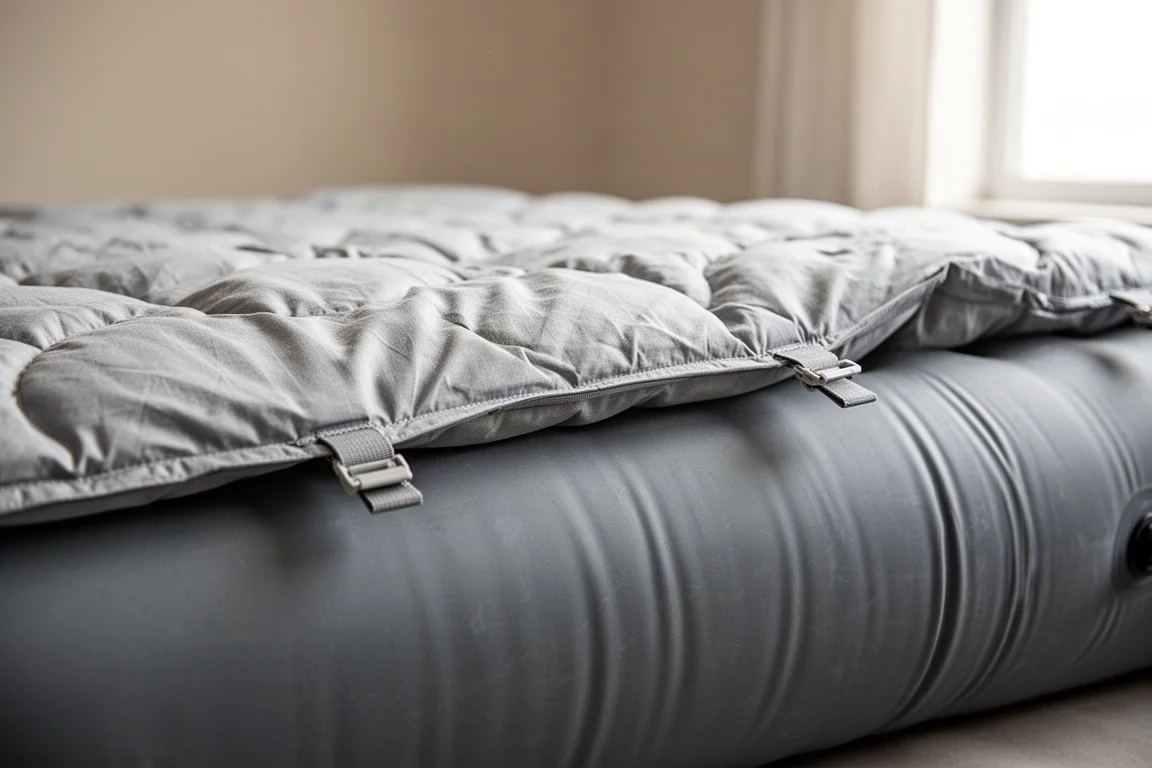
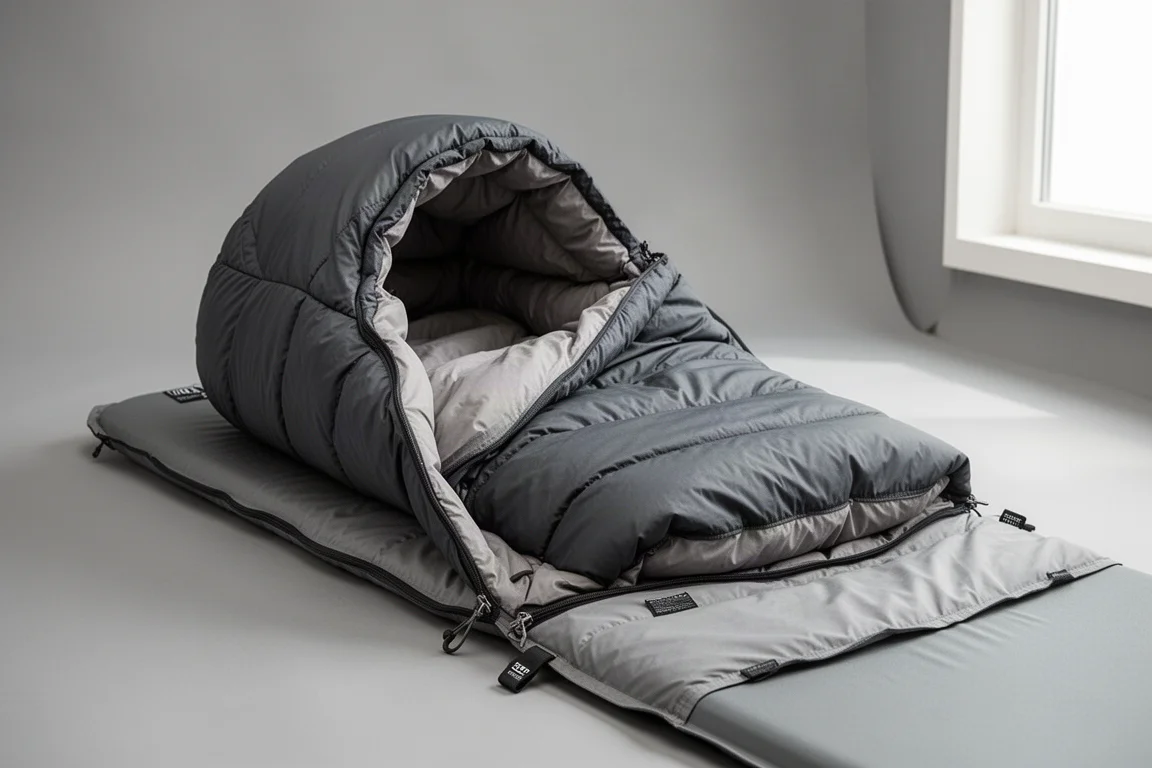
The Zen Bivvy Light Bed is a quilt system rather than a traditional bag, and the difference is in how it connects. A fitted sheet wraps around the sleeping pad, and the quilt clips to that sheet at a series of attachment points. Once everything is hooked up, the quilt stays aligned with the pad instead of sliding off or flipping over during the night.
Those connections also close off the usual draft points. Side walls on the fitted sheet keep the edges sealed, and the attachment points can be released so you can get in and out without wrestling with the quilt. A large hood at the top holds a pillow in place, whether that is a full-size pillow brought from home or a smaller backpacking pillow.
The insulation is 800 fill down, held in position by vertical baffles that keep the fill from slumping off the shoulders. The quilt is oversized, with a roomy foot box that leaves plenty of space to move, and the shell is a soft 20 denier nylon.
There is also some design heritage worth knowing about. The person behind the Zen Bivvy Light Bed is the same designer who created the Sierra Designs Backcountry Bed, a product built around the idea of bringing a bed-like experience to a tent.
How the Two Systems Work Together
The reason these two pieces pair so well is that the fitted sheet of the Light Bed wraps directly around the sleeping pad. That turns two separate items into one enclosed system: the pad provides the shape and support, and the quilt locks onto it rather than floating above it.
In below-freezing conditions, the combination did not take much work to warm up, and it held that warmth. Because the quilt cannot shift away from the pad, the usual cycle of readjusting insulation in the middle of the night largely disappears.
Warmth, Weight, and Packability
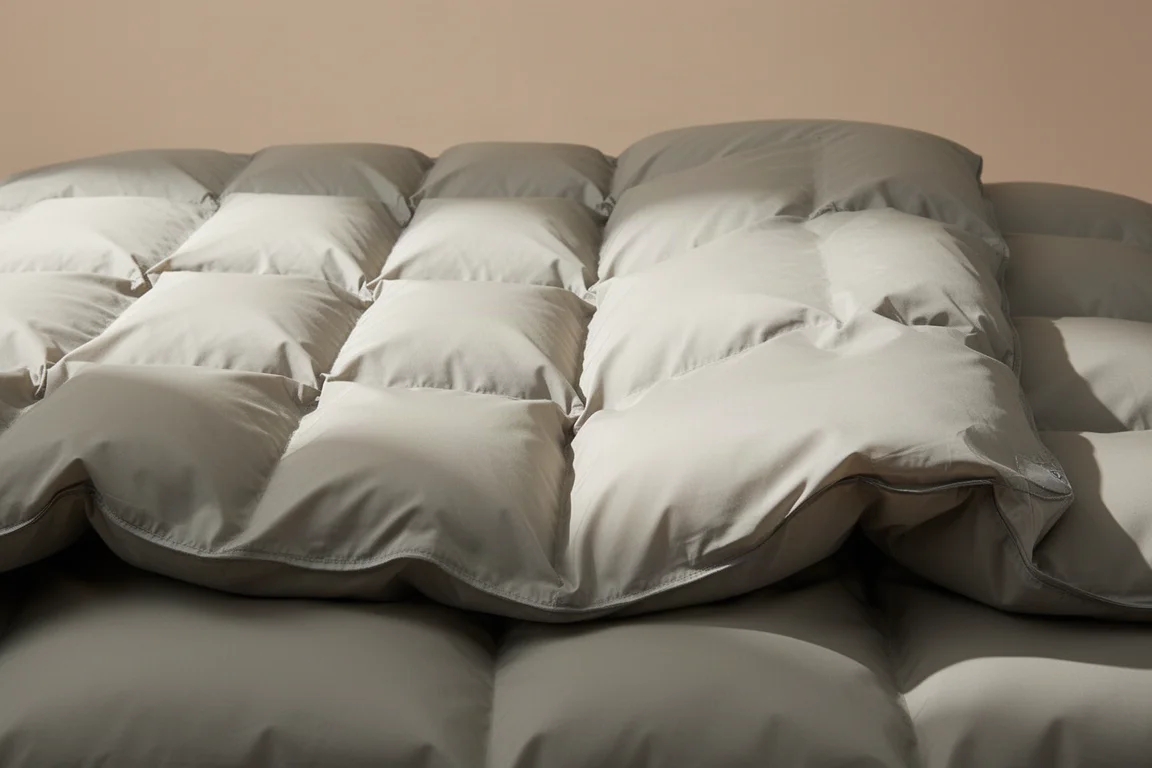
Warmth comes from the 800 fill down in the quilt, which lofts quickly and holds its position in the vertical baffles. The 20 denier nylon shell keeps the overall package reasonably light for the amount of coverage it provides, and the oversized cut means less compression against the body through the night.
The pad is the heavier half of the pairing. At 2 pounds 1 ounce for the regular wide, it is not the lightest option on the shelf, and anyone counting grams will feel that. The trade is straightforward: more surface area, a deeper cradle, and a shape that stays comfortable from the first minute to the last.
Who This Setup Suits
This pairing makes the most sense for backpackers who treat sleep quality as a priority rather than an afterthought. The extra width and the sculpted profile of the pad suit side sleepers and anyone who moves around during the night, while the attached quilt removes the draft management that loose quilts demand.
It also works well for car camping and shorter trips where a heavier pad is not a concern. The system is equally at home in a campground as it is on a backcountry route, and the ability to use a full-size pillow in the hood is a genuine benefit when you are not counting ounces.
Backpackers who put low pack weight above all else may prefer a lighter pad and a simpler quilt, and that is a reasonable choice. The point is to match the system to the trip you actually take.
Buying Advice
Start with the pad. Width and profile shape how the entire system feels, so choose a size that gives you room to move, and pay attention to baffle direction and side wall height. The scooped shape of the Quasar 3D is the feature that defines how it sleeps, so it is worth deciding whether that cradling feel matches your preference.
Then decide how much you care about drafts. If you have used quilts and found yourself fighting them overnight, an attached system like the Light Bed solves that problem in a way a standalone quilt cannot. If you already sleep warm and prefer a simple setup, a standard quilt remains a valid option.
Finally, be honest about weight. A heavier pad and a full quilt system add up on long carries, and the comfort they provide is worth it only if you notice the difference. For shorter trips and camp-based outings, that calculation usually favours comfort.
Conclusion
The Nemo Quasar 3D and the Zen Bivvy Light Bed work as a system because each one addresses a different part of the same problem. The pad shapes itself around the sleeper, and the quilt stays exactly where it was placed. For anyone who has spent a cold night chasing insulation back onto their shoulders, that combination is the real appeal.
Further reading
Related Reviews
Sleep Systems
Two Bed-Like Sleep Systems for Backpacking: Zen Bivvy Light Bed and Sea to Summit Ascent
A practical look at two backcountry sleep systems built around comfort and versatility: the Zen Bivvy Light Bed and the Sea to Summit Ascent Down Sleeping Bag.
Sleep Systems
Zen Bivy Ultralight Sleep System Review: A Bed-Like Setup for Backpackers
A modular ultralight sleep system with an angled quilted pad, a half sheet, a snapping foot box quilt, and an adjustable pillow, plus the trade-offs to know before buying.
Sleep Systems
Zenbivy Bed Review: A Sleep System Built to Stop Quilt Drafts
A practical look at the Zenbivy Bed sleep system, covering how the quilt attaches to the sheet, R5 mattress insulation, temperature ratings, fabric choices, and what a complete setup weighs and costs.