Sleep Systems
Zen Bivy Ultralight Sleep System Review: A Bed-Like Setup for Backpackers
A modular ultralight sleep system with an angled quilted pad, a half sheet, a snapping foot box quilt, and an adjustable pillow, plus the trade-offs to know before buying.
Introduction
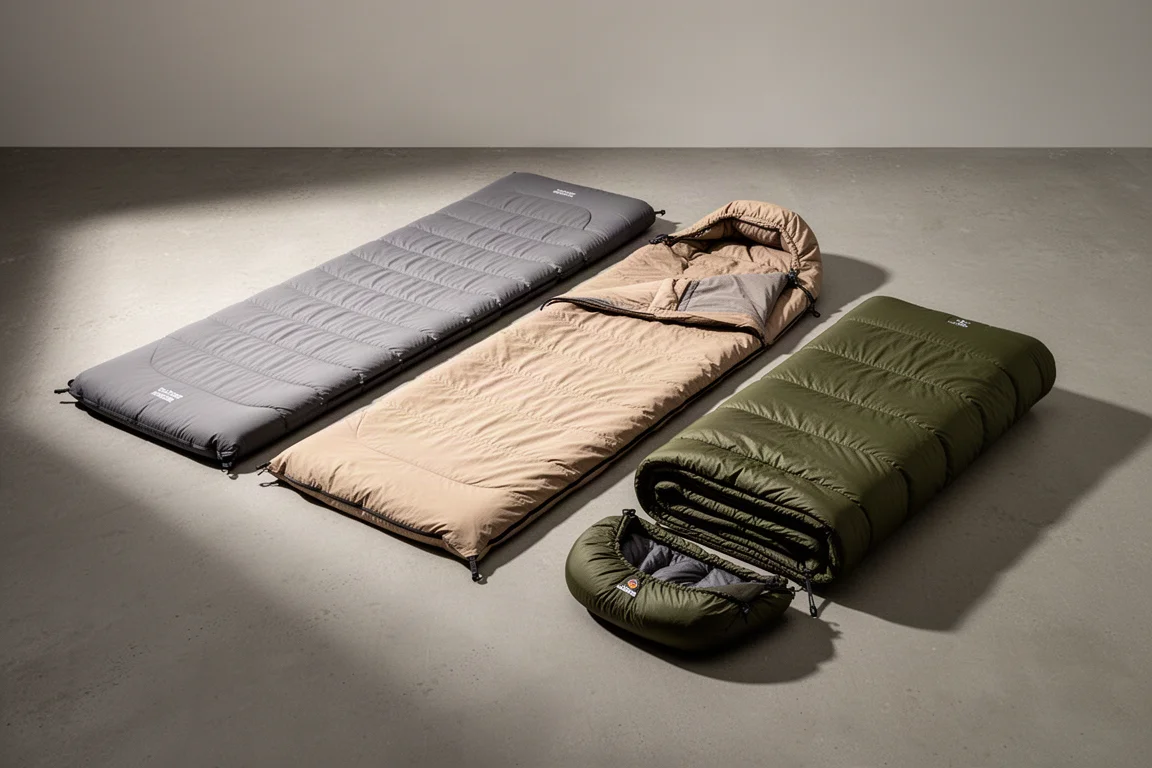
Zen Bivy has built a following among backpackers who want the freedom of a quilt without giving up the structure of a bed. The new Ultralight sleep system takes that idea and trims weight from every component while keeping the modular hood, sheet, quilt, and pillow layout intact.
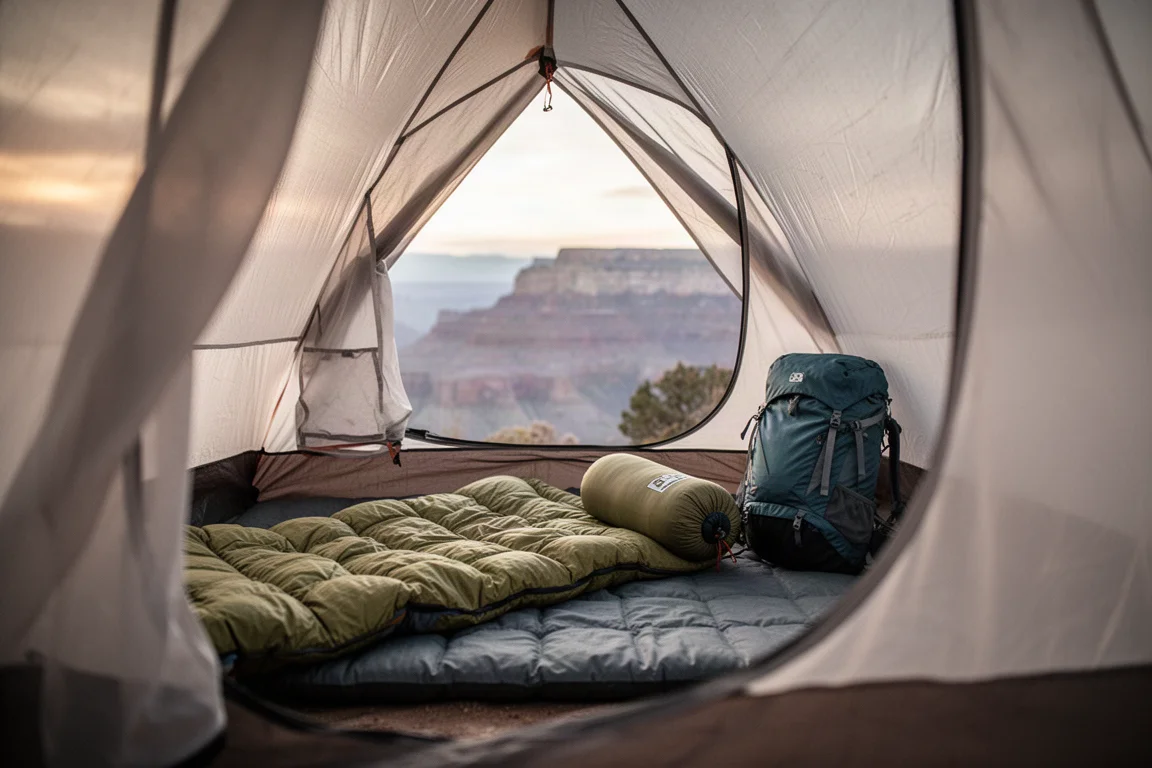
On a recent multi-night trip through the Grand Canyon, the complete Ultralight setup was carried in and slept on. The takeaway was less about any single component and more about how the parts combine into something that feels closer to a home bed than a conventional bag and pad pairing.
Who This Product Is For
This system is aimed at backpackers who treat sleep as a priority rather than an afterthought. If you already accept the weight and cost of premium ultralight gear, the appeal here is comfort per ounce rather than the lowest possible number on a scale.
It also suits sleepers who dislike the cocooned feeling of a mummy bag. The quilt attaches to the sheet and pad without being strapped around the underside, so it drapes over you more like a comforter than a shell.
Hikers on shorter trips or tighter budgets may find the Light version easier to justify, since the weight difference is modest and the savings are substantial.
Main Strengths
Sleeping Pad Comfort and Support
The Ultralight pad arrives with a quilted surface that looks similar to budget inflatable pads, but it behaves differently under load. The quilting runs at a 45 degree angle rather than straight across, and the pad resists the bowing at the head and foot that cheaper pads are known for when you sit on them.
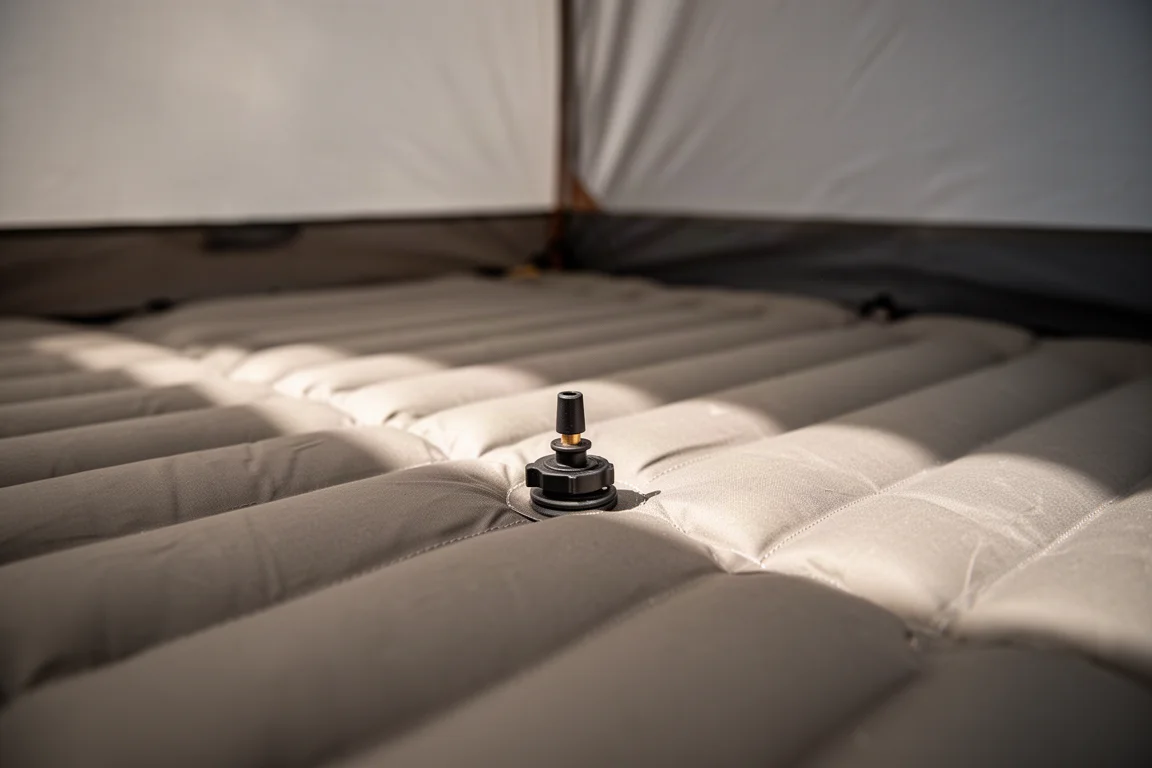
The stuff sack doubles as a pump sack, attaching to the valve so you can fill the pad without breathing directly into it. The valve works like most modern pads: a sensitive release for fine adjustments and a larger opening for fast deflation.
This particular pad measures 25 by 72 inches, which is a generous width for a backpacking pad, though taller sleepers will notice their feet extending past the end. Zen Bivy lists the pad at R5, with the measured figure at R4.8.
The Sheet and Hood System
The Ultralight sheet is a half sheet, running from the head down to roughly the middle of the pad, and it attaches with two straps in the same way many quilts do. Those straps need to be tightened properly. Left loose, the sheet slips off the top of the pad overnight; tightened down, it stays put.
The hood is the part that makes the setup feel like a bed. It comes in insulated versions rated for 10 and 25 degrees, with an uninsulated option as well. It covers the head and can be pulled up over the forehead, and there is enough room to tuck an arm inside it on colder nights.
The Quilt Design
The quilt is offered in a 10 degree option and uses the same ultralight construction found in other premium quilts. In practice, comfort lands closer to 20 or 25 degrees, while the survival rating sits nearer the stated 10 degrees.
The foot box is the standout detail. Instead of a zipper, the fabric folds over and snaps shut, so your feet are fully enclosed when you want them to be and free when you do not. There is no zipping or unzipping in the middle of the night.
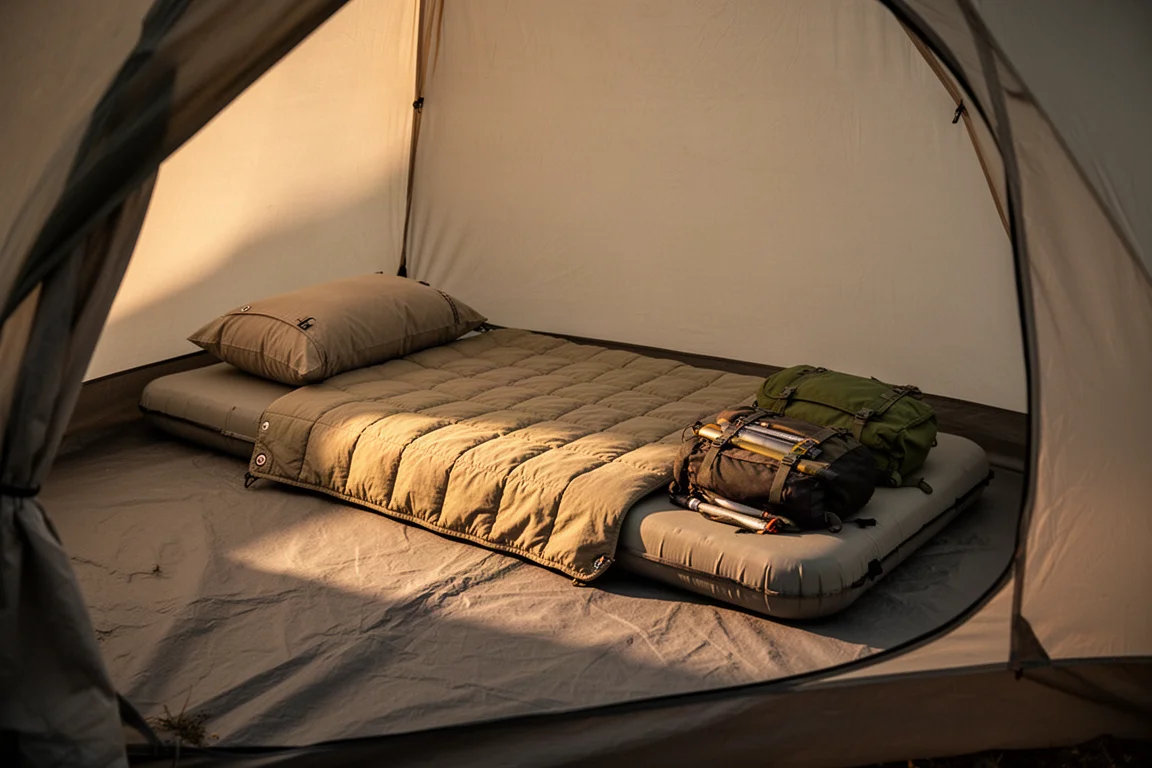
Attachment is straightforward: color coded clips on the quilt match the tabs on the sheet, which turns the pad, sheet, and quilt into a single flat sleeping surface. Because the quilt is not wrapped underneath the pad, it stays unrestricted and drapes rather than hugs.
Draft shields along the sides block most air movement, and a center cinch cord gathers the quilt only in the middle. That keeps the sides flat against the pad, acts like a draft collar, and keeps the cord away from your face.
The Pillow Setup
The pillow in the Ultralight line weighs roughly 10 to 11 ounces in the large size. It combines an inflatable bladder, a fabric case, and a down topper that can also be used on its own.
Inflation is adjustable, so the pillow can be as firm or as soft as you like, and small tabs on either end clip it to the top of the sheet to stop it sliding up off the pad overnight.
Things to Consider Before Buying
Firmness and Hip Support
The pad is comfortable, but it may need more air than expected. On the first night of a trip, a side sleeping position can put a hip close to the ground, which means waking up to add air. Inflating the pad closer to its firm limit solved the problem, and the result was still comfortable.
Sleepers with less natural padding should plan on a firmer setup from the start rather than adjusting in the middle of the night.
Warm-Weather Hood Handling
The hood is a genuine comfort feature in cold conditions, but it is always present. On warm nights it can be awkward to sleep on top of, and it does not fold neatly out of the way. The side panel that acts as a draft shield for the quilt could also extend higher to give the hood more range when it is clipped down.
A workaround exists, but it involves tucking the hood underneath and fishing it back out if the temperature drops overnight.
Pillow Fabric Feel
The pillow is well made and easy to adjust, and the fabric throughout the system feels closer to cotton than most outdoor gear. The pillow cover itself is still nylon, though, and in warm, humid conditions that can feel sticky against the face, similar to sleeping against a tent wall.
Price and Weight Trade-offs
This is a premium setup. The 10 degree quilt in a large size runs over $650 on its own, the Ultralight sheet is $179, and the mattress is listed as coming soon at close to $200. Buying the Light version instead of the Ultralight version saves roughly $400 for about 10 to 11 ounces of extra weight in comparable configurations.
Buying Advice
If sleep quality is the reason you go backpacking, the cost is easier to justify than it looks on paper. The modular design means you can buy in stages: start with the quilt and sheet, then add the pad and pillow later.
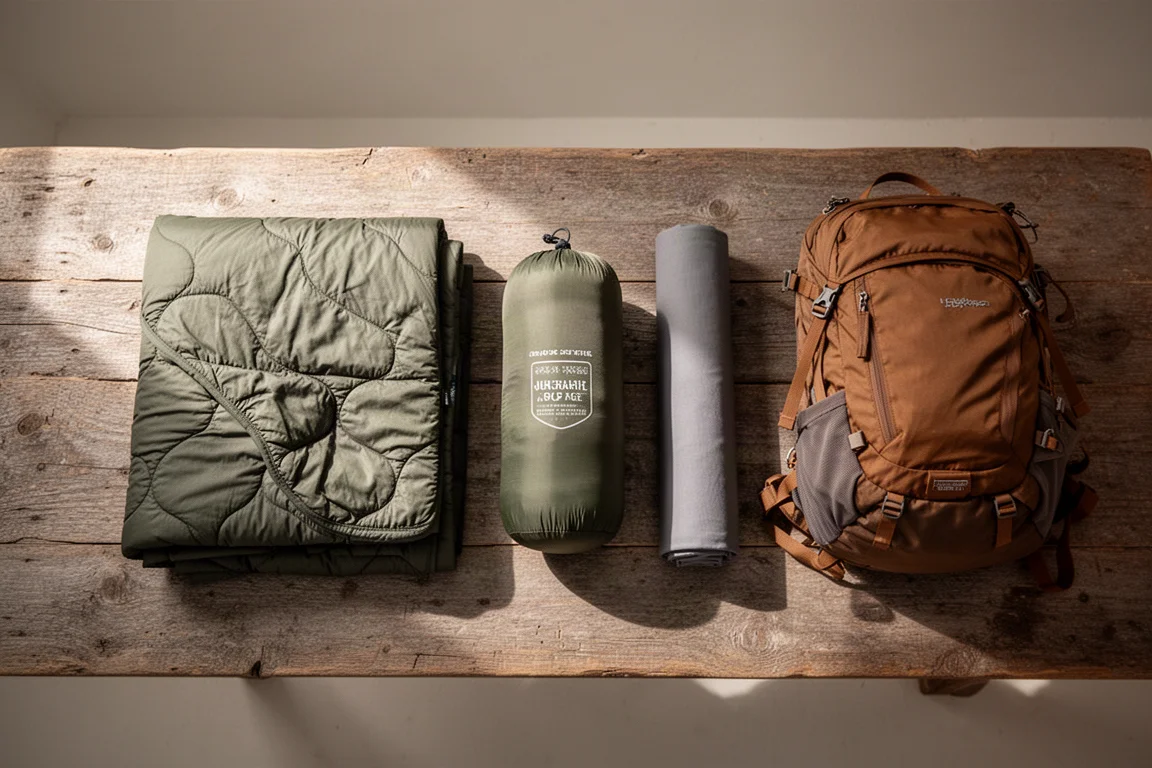
For colder trips, the 10 degree quilt paired with the insulated hood covers the widest range of conditions. If most of your nights are mild, the uninsulated hood and a lighter quilt configuration will save weight and money without giving up the bed-like feel.
Side sleepers should plan on a firmer pad and consider a wider size if foot clearance matters. Anyone sensitive to nylon against the face may want to pair the system with a cotton covered pillow.
Conclusion
The Zen Bivy Ultralight sleep system is the most comfortable backcountry sleep setup we have used, and it earns that standing through design details rather than marketing: the angled quilting, the snapping foot box, the color coded attachment, and the center-only cinch cord. It is expensive, and a few quirks around hood handling, pillow fabric, and pad firmness are worth knowing before you buy. For backpackers who measure a trip by how well they slept, it is a system worth considering.
Product link
View more details for Zen Bivy Ultralight Sleep System
This product is mentioned in the review. Check the specifications, options, and compatibility before buying.
View more details for Zen Bivy Ultralight Sleep SystemFurther reading
Related Reviews
Sleep Systems
Two Bed-Like Sleep Systems for Backpacking: Zen Bivvy Light Bed and Sea to Summit Ascent
A practical look at two backcountry sleep systems built around comfort and versatility: the Zen Bivvy Light Bed and the Sea to Summit Ascent Down Sleeping Bag.
Sleep Systems
Nemo Quasar 3D and Zen Bivvy Light Bed: A Comfort-First Backcountry Sleep System
A practical look at pairing the Nemo Quasar 3D sleeping pad with the Zen Bivvy Light Bed, and what that combination means for comfort in the backcountry.
Sleep Systems
Zenbivy Bed Review: A Sleep System Built to Stop Quilt Drafts
A practical look at the Zenbivy Bed sleep system, covering how the quilt attaches to the sheet, R5 mattress insulation, temperature ratings, fabric choices, and what a complete setup weighs and costs.