Sleep Systems
Two Bed-Like Sleep Systems for Backpacking: Zen Bivvy Light Bed and Sea to Summit Ascent
A practical look at two backcountry sleep systems built around comfort and versatility: the Zen Bivvy Light Bed and the Sea to Summit Ascent Down Sleeping Bag.
Introduction
Sleep is one of the few parts of a backpacking trip that gear can genuinely improve, and a restless night in the backcountry tends to follow you into the next day. The two systems covered here take different routes to the same goal: a sleeping setup that feels closer to a bed than to a cocoon.
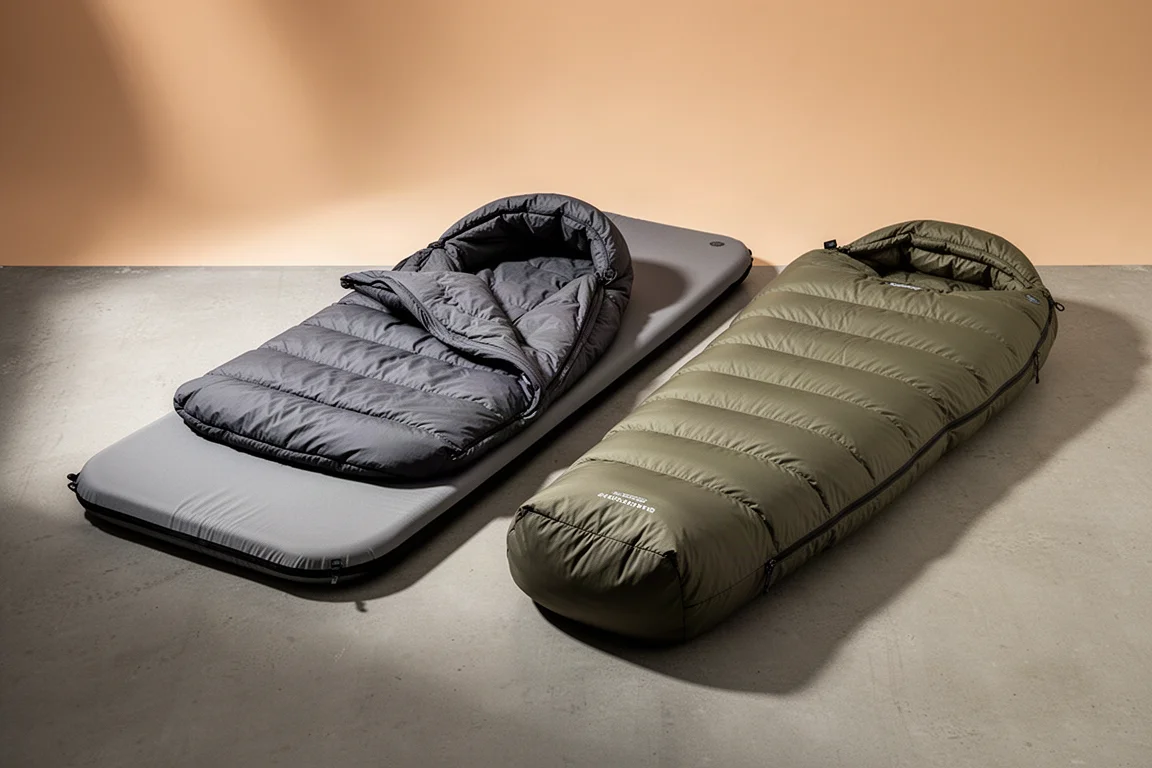
The Zen Bivvy Light Bed is a quilt and fitted sheet system built around a sleeping pad. The Sea to Summit Ascent Down Sleeping Bag keeps the familiar mummy shape and adds features that let it open up and vent. Neither is a budget pick, and each suits a slightly different kind of sleeper.
What Makes a Bed-Like Sleep System Different
A traditional mummy bag wraps tightly around the body, which is efficient for warmth but restrictive once you want to shift position or free an arm. Bed-like systems keep more usable space inside, and they generally give you a way to open the top without losing warmth around the shoulders and feet.
That difference matters most on trips where temperatures swing, because you can adjust airflow through the night instead of choosing between fully zipped and fully open.
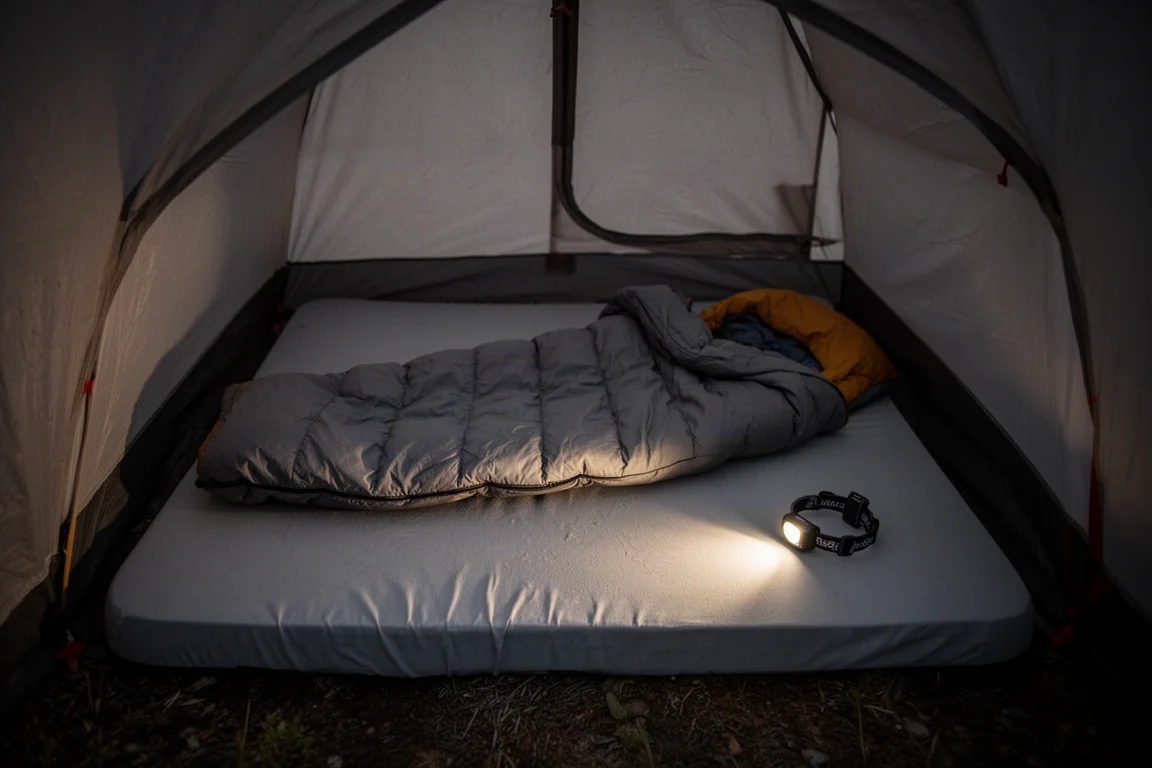
The practical payoff is fewer cold spots at the edges, where a quilt can lift away from the body and let warmth escape. Both systems here address that problem in their own way: one with a fitted sheet and attachment hooks, the other with draft collars and a shaped hood.
Zen Bivvy Light Bed: A Quilt and Fitted Sheet System
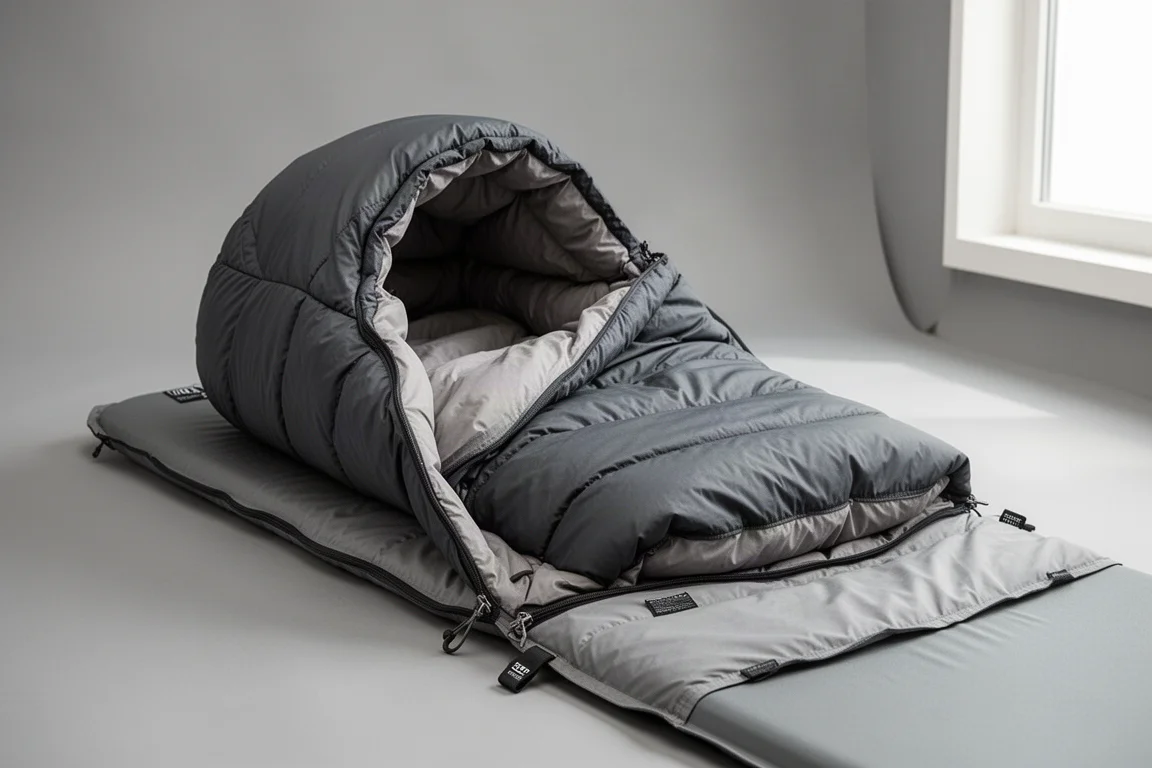
The Zen Bivvy Light Bed pairs a top quilt with a fitted sheet that wraps the sleeping pad. The quilt attaches to the sheet with small hooks, which closes off the gaps that normally appear along the sides of a quilt and gives the setup a full hood.
The fitted sheet is the part that changes the feel most. Because the quilt is anchored rather than tucked, you can roll and reposition inside the system without opening a draft point. A side panel with hooks keeps the quilt wide across the body, so there is no need to tuck fabric underneath yourself.
The version described here is a 10 degree large quilt, wide in cut and long enough for someone under six feet tall.
Zen Bivvy Light Bed: Warmth, Sizing, and Down Treatment
The foot box can be configured in several ways. Closing it fully creates the warmest setup, a more rectangular arrangement gives the feet extra room, and opening it completely turns the quilt into something closer to a duvet at home for mild nights.
The hood is a standout part of the design. A shaped cut lets the quilt sit under the chin without riding high, then rise over the shoulders to seal off the neck area.
Sizing covers a 20 by 72 option along with wider and longer versions, so the system can be matched to body size and pad dimensions. The fill is 800 fill power down with a treatment that helps it resist moisture and keep lofting in damp conditions, and the down is certified as responsibly sourced.
For anyone who has struggled with a quilt shifting off their shoulders overnight, the combination of the fitted sheet, the hood, and the attachment hooks is the core of the appeal here.
Sea to Summit Ascent Down Sleeping Bag: A More Traditional Shape
The Sea to Summit Ascent Down Sleeping Bag is a 15 degree bag with 750 plus fill power down that is also responsibly sourced. Its overall width is narrower than the quilt system above, but the design compensates with several zipper options that make it far more adaptable than the shape alone suggests.
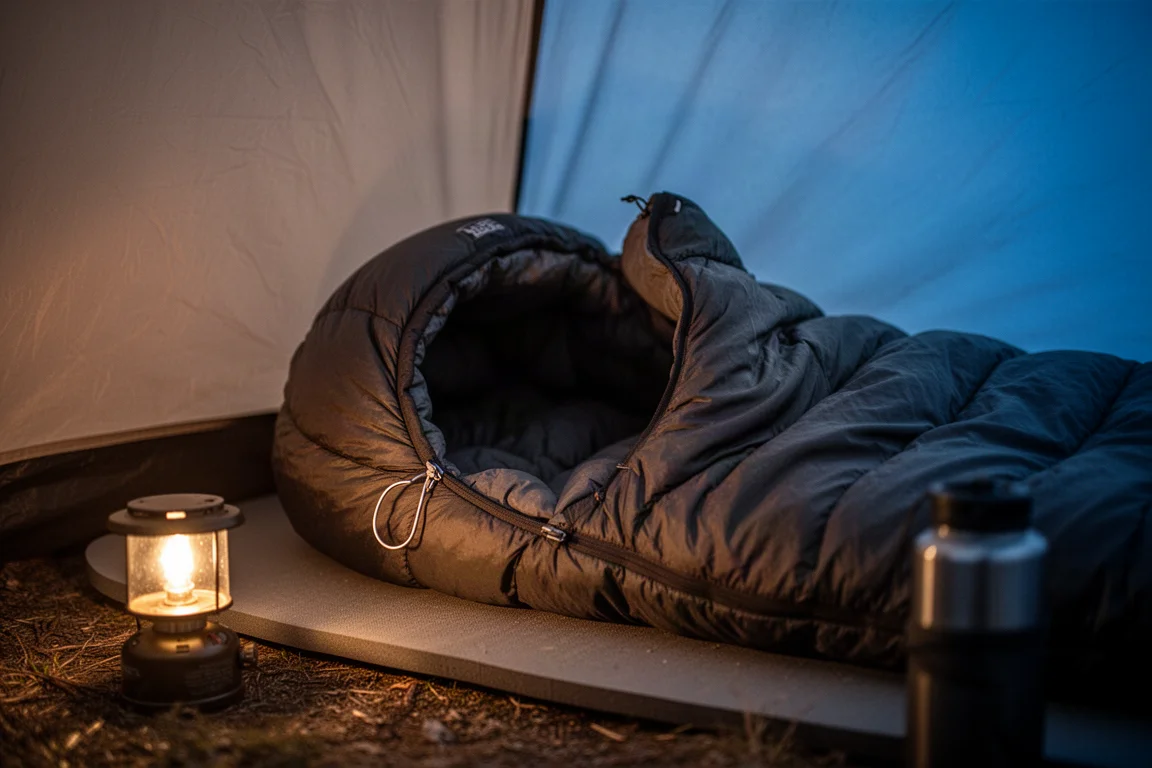
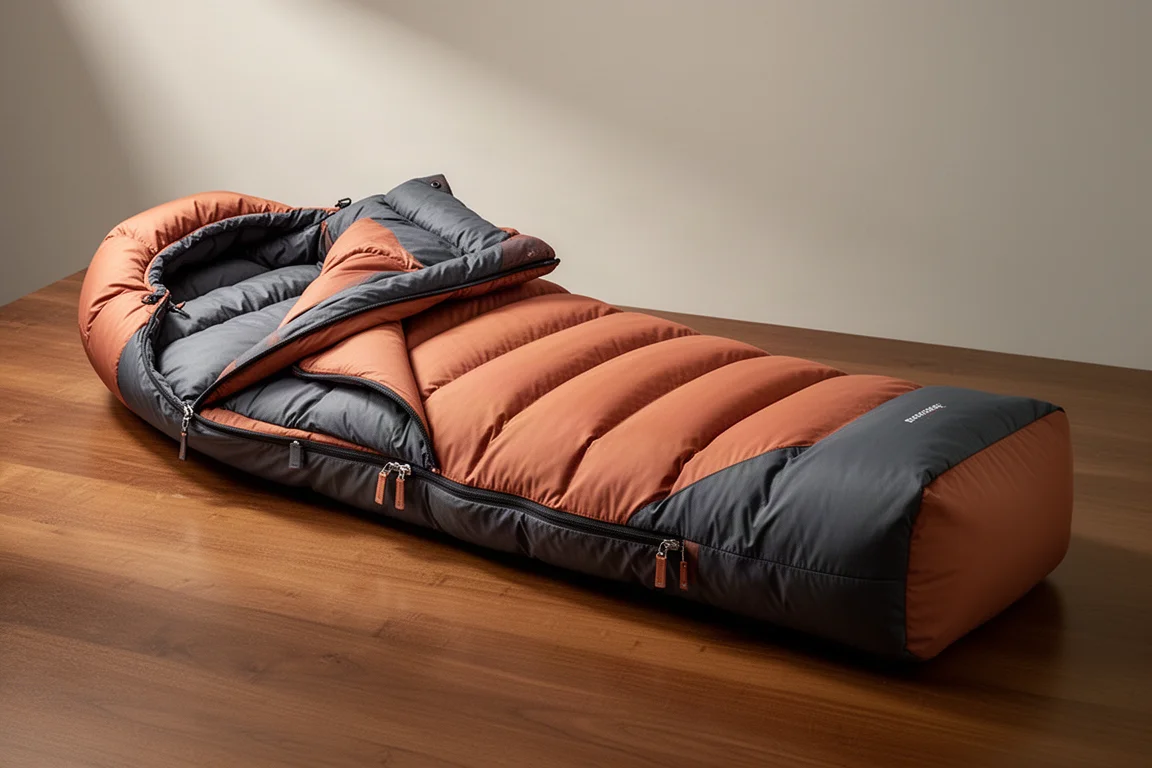
A three-quarter length zipper runs down the side, so getting in and out is easy and the bag opens wide. Draft collars sit at the top and around the back of the neck, and there is a fitted hood at the opening.
Sea to Summit Ascent Down Sleeping Bag: Venting, Zippers, and Interior Space
A second half-length zipper on the opposite side is the feature that sets this bag apart. Unzipping it a little lets the top layer drop away for ventilation and lets you rest with your arms outside the bag, more like a duvet at home than a sealed mummy. Two zipper pulls make that adjustment quick, and the top can vent off to the side.
The foot box has its own zipper, so you can open it up and let your feet out when a 15 degree rating is more warmth than the night calls for, or simply crack it open for airflow.
Inside, the bag is roomier than the mummy shape implies. The foot box is wider and more rectangular, which gives feet room to move, and there is a small accessory pocket for items such as a headlamp or a water filter.
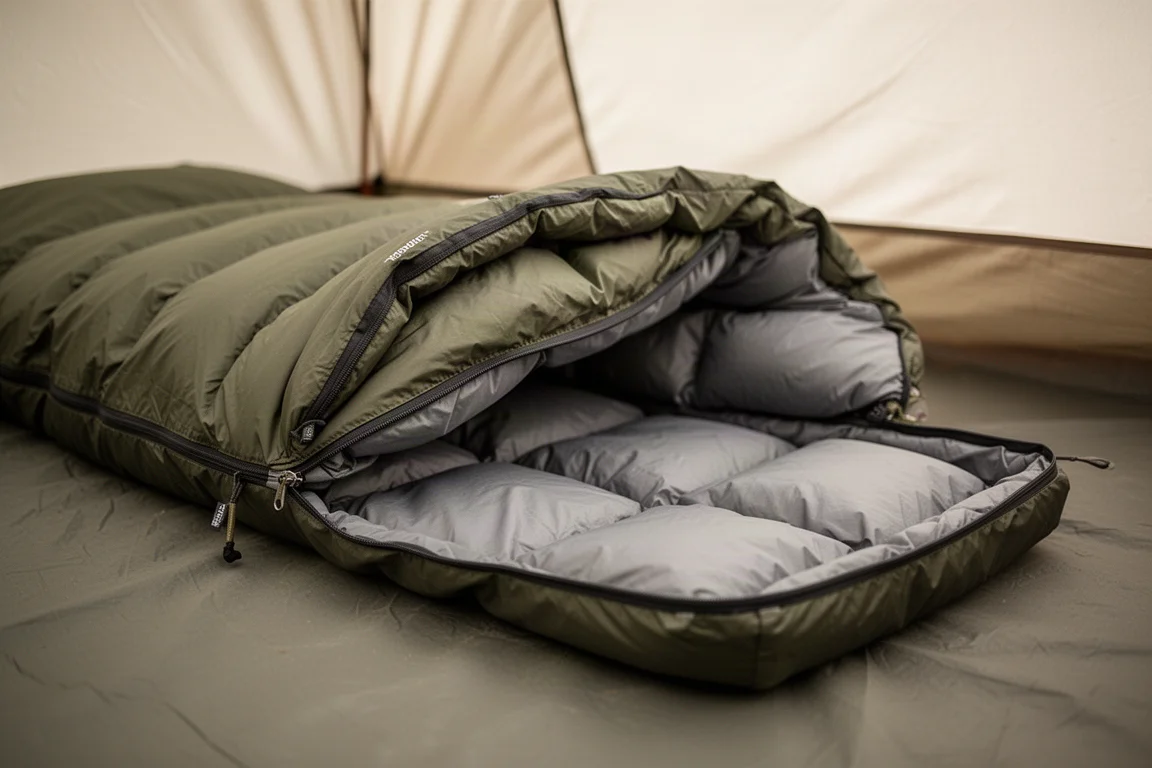
Taken together, the zipper layout means the same bag can be closed down for cold camps and opened up for mild ones without changing anything else in your kit.
Buying Advice: Which Sleep System Suits Your Trips
Choose the Zen Bivvy Light Bed if you want the closest thing to a bed in a tent. The fitted sheet, the attachment hooks, and the large hood are aimed squarely at sleepers who move around at night and want to avoid draft points. It rewards a little setup time and pairs naturally with a sleeping pad.
Choose the Sea to Summit Ascent Down Sleeping Bag if you prefer a familiar bag that still opens up. The three-quarter side zipper, the half zip on the opposite side, and the foot box zipper give you a wide range of adjustment across different temperatures, and the roomier foot box and accessory pocket add everyday comfort.
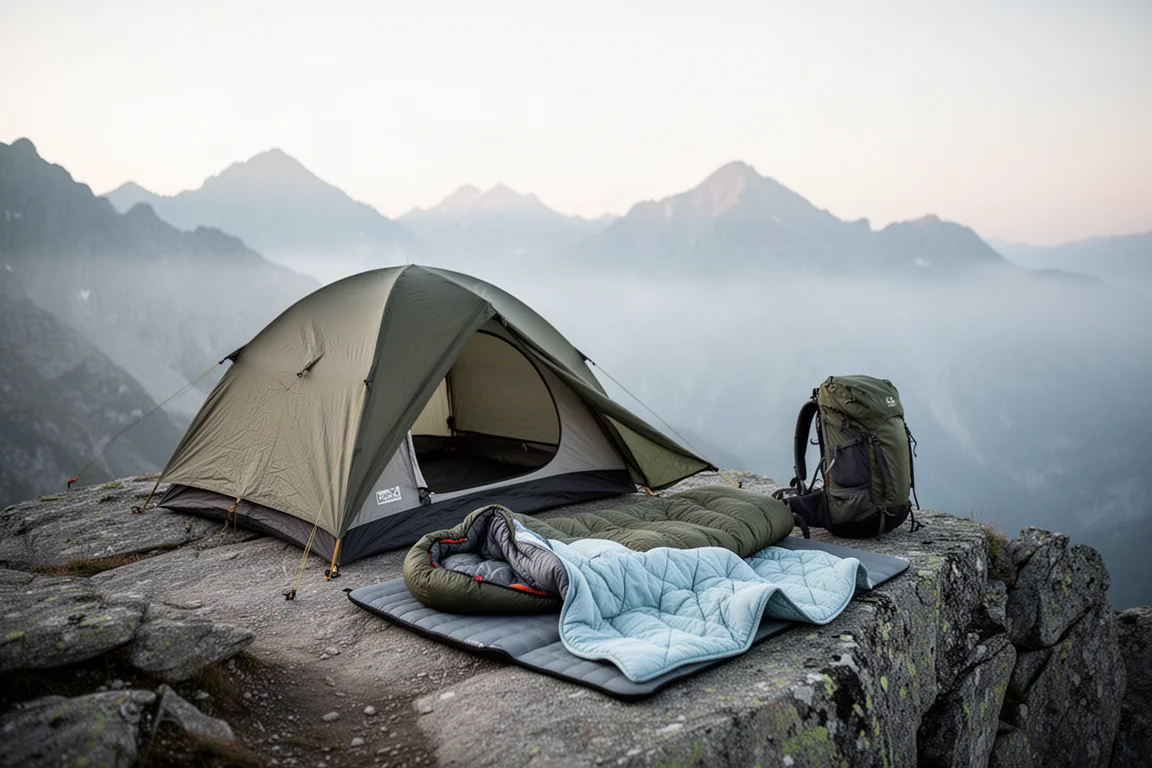
Either way, the deciding factor is how you sleep. If you tend to sprawl and change position, the quilt and sheet approach keeps coverage in place. If you sleep warm or camp across a wide range of conditions, the venting options in the Ascent will earn their keep.
Conclusion
Both systems are built around the idea that backcountry sleep should not feel like a compromise. The Zen Bivvy Light Bed delivers a bed-like feel through a fitted sheet, an anchored quilt, and a generous hood. The Sea to Summit Ascent Down Sleeping Bag keeps the traditional shape but adds the zippers and interior space that make a bag comfortable to live in. Match the choice to your sleeping style and the temperatures you actually camp in, and either one is a solid foundation for a better night out.
Further reading
Related Reviews
Sleep Systems
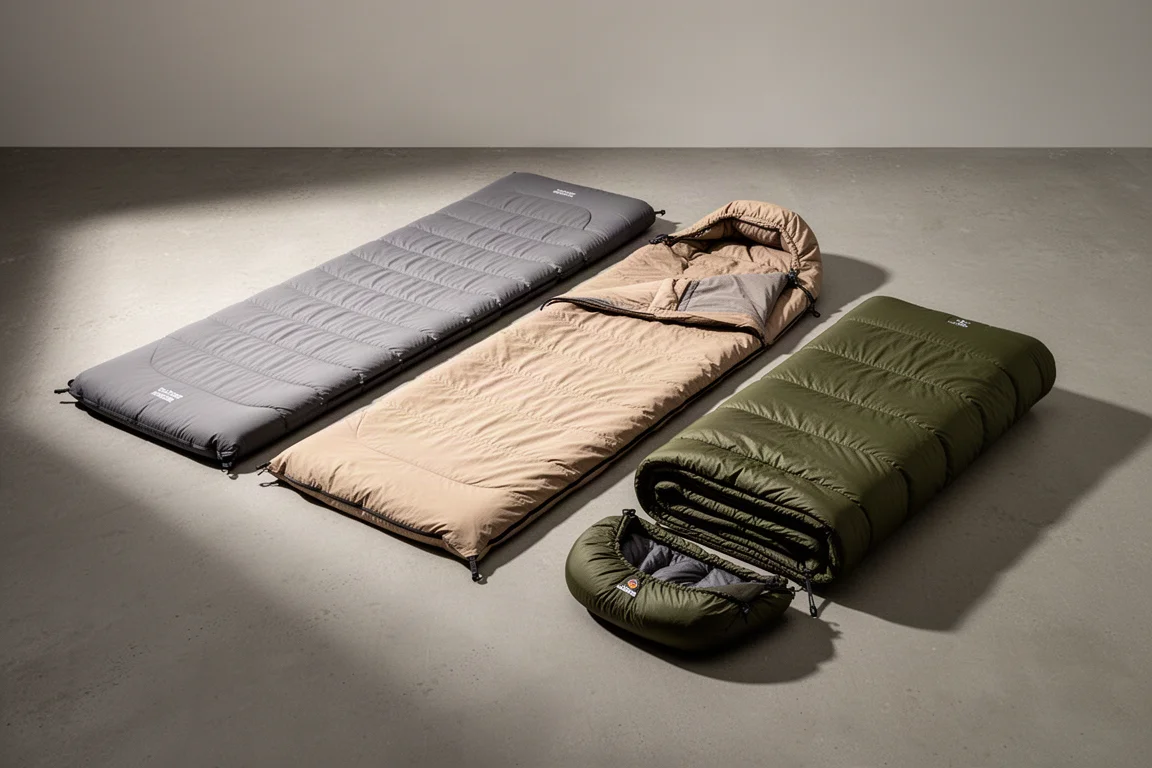
Nemo Quasar 3D and Zen Bivvy Light Bed: A Comfort-First Backcountry Sleep System
A practical look at pairing the Nemo Quasar 3D sleeping pad with the Zen Bivvy Light Bed, and what that combination means for comfort in the backcountry.
Sleep Systems
Zen Bivy Ultralight Sleep System Review: A Bed-Like Setup for Backpackers
A modular ultralight sleep system with an angled quilted pad, a half sheet, a snapping foot box quilt, and an adjustable pillow, plus the trade-offs to know before buying.
Sleep Systems
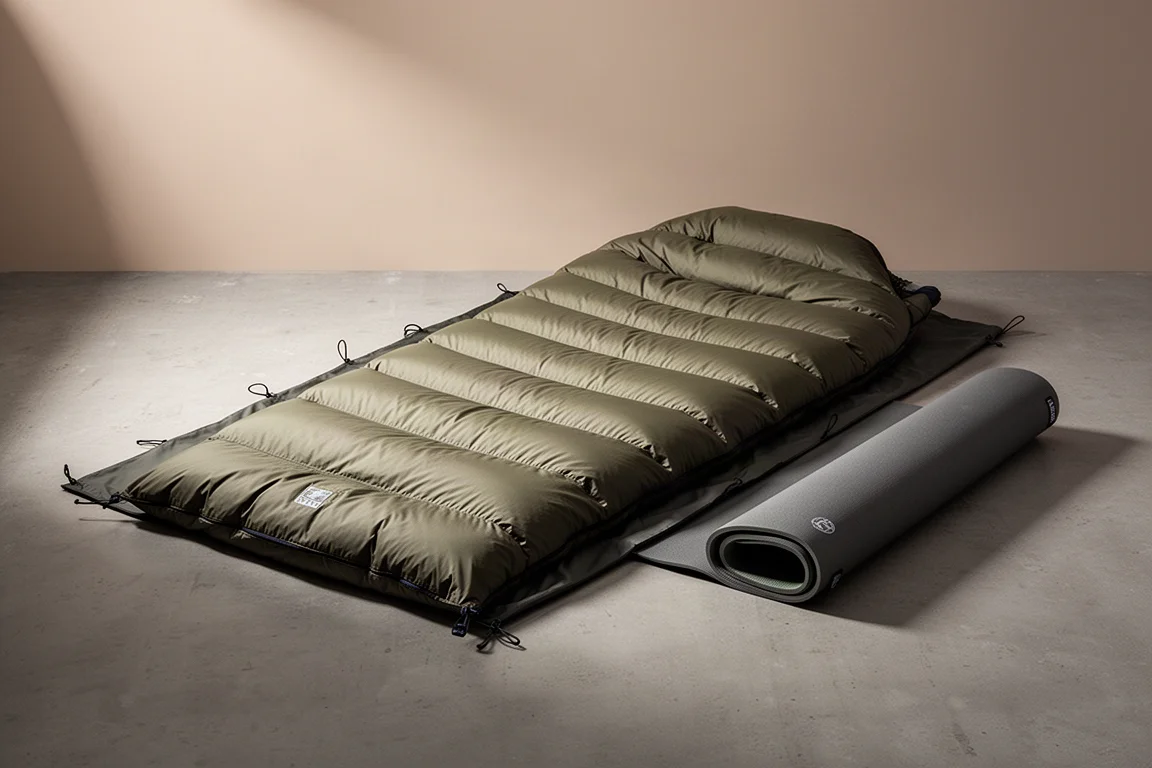
Zenbivy Bed Review: A Sleep System Built to Stop Quilt Drafts
A practical look at the Zenbivy Bed sleep system, covering how the quilt attaches to the sheet, R5 mattress insulation, temperature ratings, fabric choices, and what a complete setup weighs and costs.