Camping Sleep Systems
Zenbivy Bed Models Compared: Core, Original, Light, and Ultralight
A detailed comparison of the four Zenbivy bed models, covering insulation, fabrics, closure hardware, sheet length, weight, and who each one suits.
Introduction
Zenbivy builds sleeping systems that combine an oversized quilt with a fitted sheet that clips onto a sleeping pad. The result sits closer to a bed at home than a traditional sleeping bag, and the lineup now spans four distinct models: the Core Bed, the original Zenbivy Bed, the Light Bed, and the Ultralight Bed.
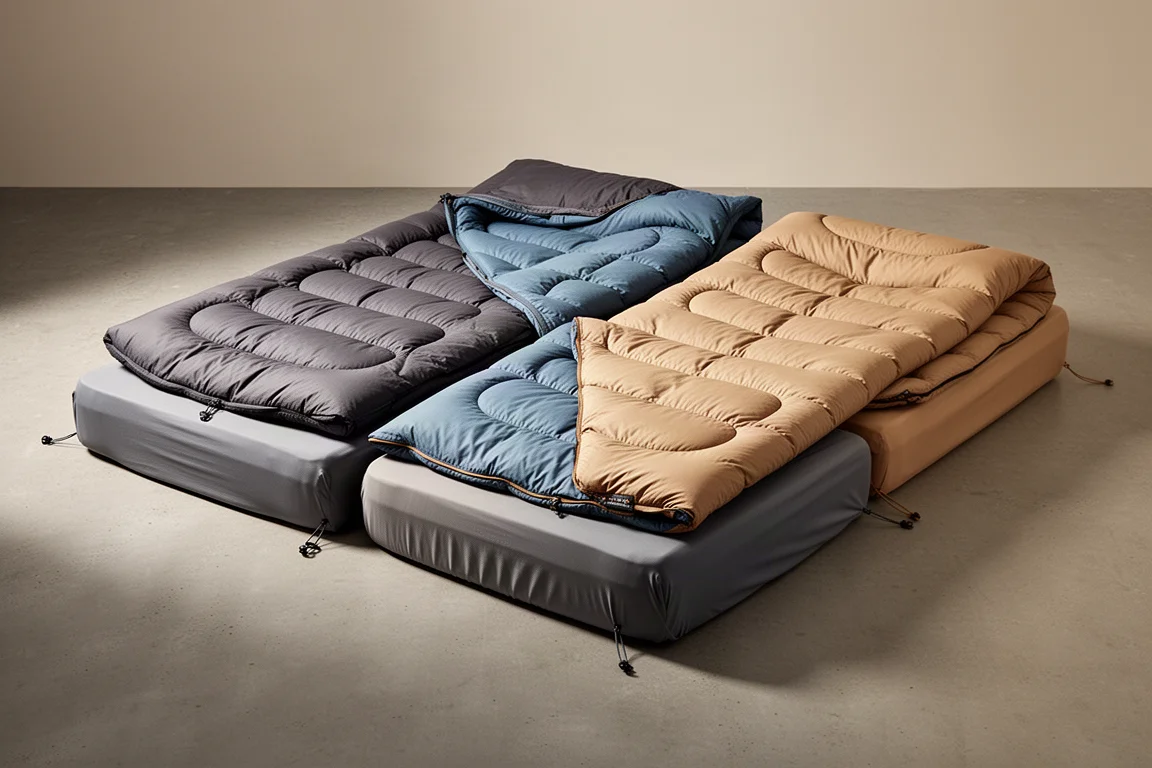
This comparison covers what actually changes between them, including insulation, fabrics, closure hardware, sheet length, weight, and price band. All four are shown here as a large quilt paired with a 25-inch sheet, which makes each one a full bed system. Weights and prices shift with the quilt size, sheet size, and temperature rating you choose.
How These Four Zenbivy Beds Compare
The four models share a common architecture, so the differences come down to a handful of decisions.
Insulation is the first. The Core Bed uses 650 fill power untreated down, the original Zenbivy Bed steps up to 700 fill power HyperDRY down, the Light Bed uses 800 fill power HyperDRY down, and the Ultralight Bed uses 900 fill power ExpeDRY down.
Fabrics follow a similar progression. The Core Bed pairs a 30-denier taffeta outer with a 50-denier pongee lining. The Zenbivy Bed and the Light Bed move to 20-denier taffeta. The Ultralight Bed uses a 10-denier Pertex Quantum shell and lining, calendered on one side.
Closure hardware is the other dividing line. The Core Bed, Light Bed, and Ultralight Bed use a hook-and-loop clip system to join quilt and sheet. The original Zenbivy Bed uses zippers on the draft wings instead.
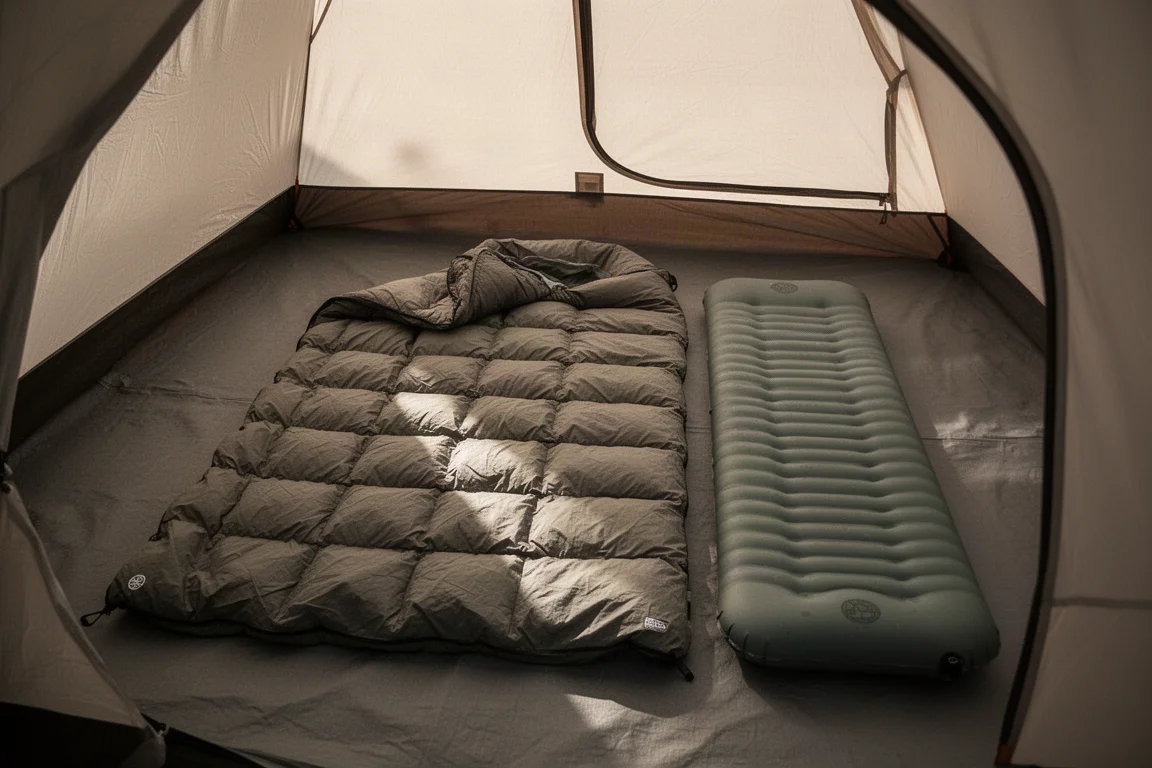
Weight tracks the materials closely. In a large quilt with a 25-inch sheet, the Core Bed comes in at 39 ounces, the Zenbivy Bed at 46 ounces, the Light Bed at 30 ounces, and the Ultralight Bed at 24.7 ounces. Each model also keeps a large insulated hood and, on the clip-based beds, headboard clips for holding a soft top pillow in place.
Zenbivy Core Bed: The Lowest-Cost Option
The Core Bed is the most affordable way into the system, ranging from $188 to $418 depending on the insulation, quilt size, and sheet size you select. The design deliberately reduces material and fill costs without abandoning the bed-like feel.
The 50-denier pongee lining is the standout detail. It runs the full length of the sheet, so feet and legs rest on soft fabric rather than the bare surface of a sleeping pad on warm nights. The untreated 650 fill power down keeps the price down, though it adds a little weight and packed size compared with treated fills.
The foot box uses a single clip and no zippers, so it closes quickly but does not open into a fully flat quilt. A large insulated hood covers the head, and 2024 models add headboard clips that hold a soft top pillow in place so it cannot slide off the back of the pad.
Zenbivy Bed: The Original Zipper Closure Model
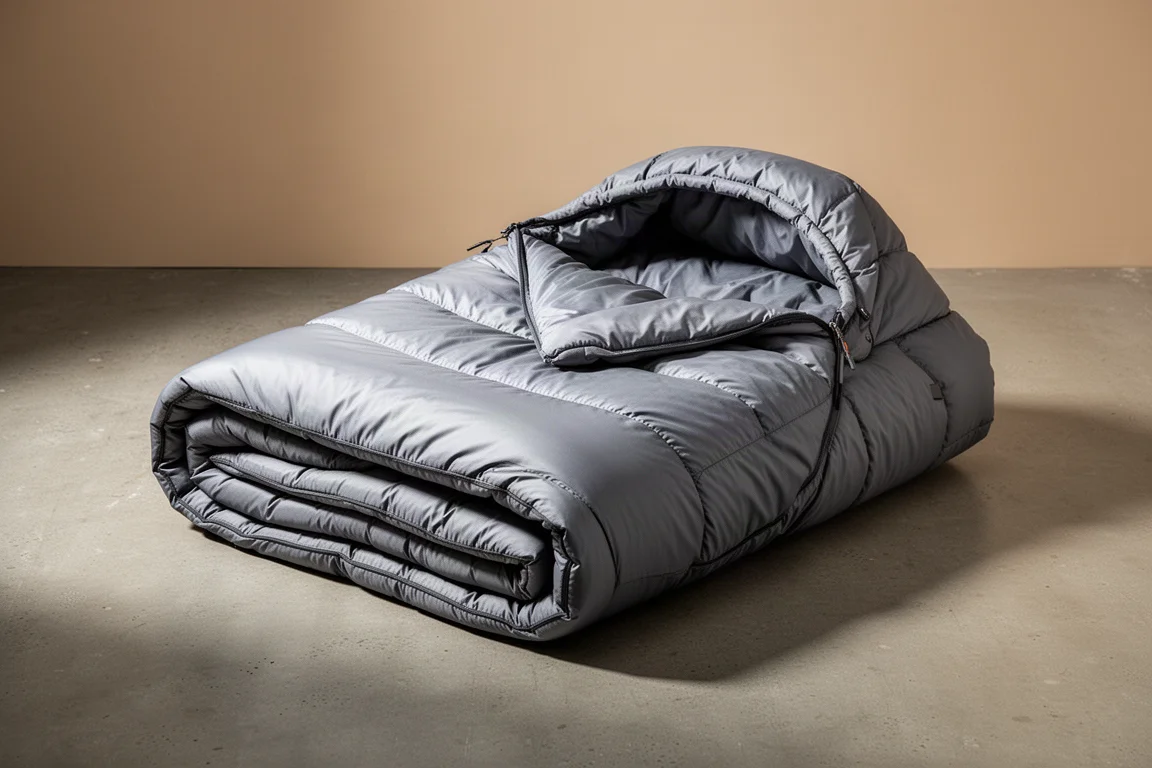
The original Zenbivy Bed was the first model released and remains the most different of the four in how it closes. Instead of clips, the draft wings zip shut, which lets you vent the sides slightly or seal them completely.
It uses 700 fill power HyperDRY down, a treated fill that saves some weight and pack size compared with the 650 fill in the Core Bed and adds peace of mind in condensation-prone tents. The outer is 20-denier taffeta, and the inner lining and full-length sheet use the same soft 50-denier pongee found on the Core Bed.
The convertible foot box can be zipped closed or opened completely, giving the option to sleep under a wide open quilt in warm conditions. In a 25-degree large, the system weighs 46 ounces, heavier than the Core Bed, though the extra hardware buys more versatility.
Shared Design Features Across the Zenbivy System
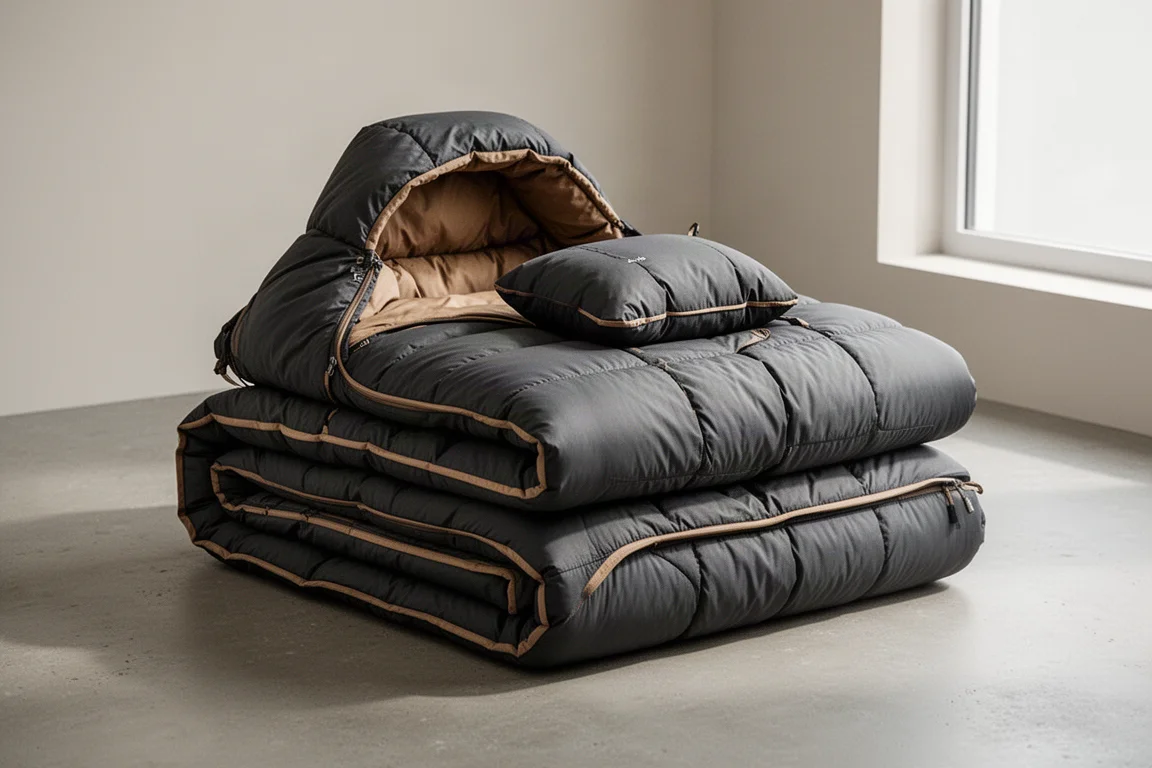
Every model in the lineup is built around the same idea: an oversized quilt that wraps around the body and attaches to a sheet clipped onto the sleeping pad. That connection is what keeps drafts out when you roll from your back to your side or stomach during the night.
On the Core Bed, Light Bed, and Ultralight Bed, the clips sit above a panel of baffled insulation rather than at the bottom edge of the quilt, so insulation wraps around the point where quilt and sheet meet.
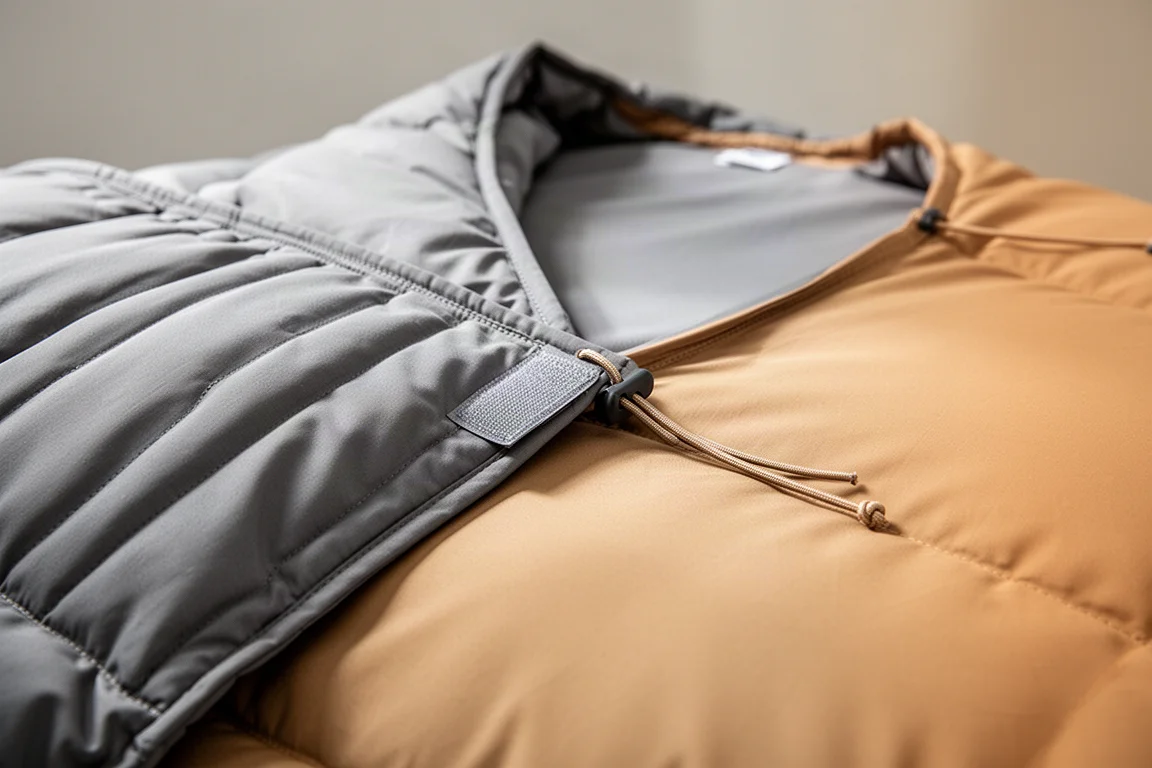
The hood is intentionally oversized and non-constrictive, and the pillow sits inside it rather than on top of the bag, so side sleepers can bring an arm up under the pillow without leaving the bed. Baffling is zoned as well: vertical baffles across the torso keep insulation from sliding to the sides and creating cold spots, while horizontal baffles support the foot box.
A drawcord closure at the neck covers only the inner two-thirds of the quilt width, which leaves an outer wing free to tuck into the hood. A full draft collar runs across the top of every quilt.
Zenbivy Light Bed: The Best Value in the Lineup
The Light Bed sits in the middle of the range at $318 to $468 depending on quilt size, sheet size, and insulation, with a 40-degree synthetic version available at around $198.
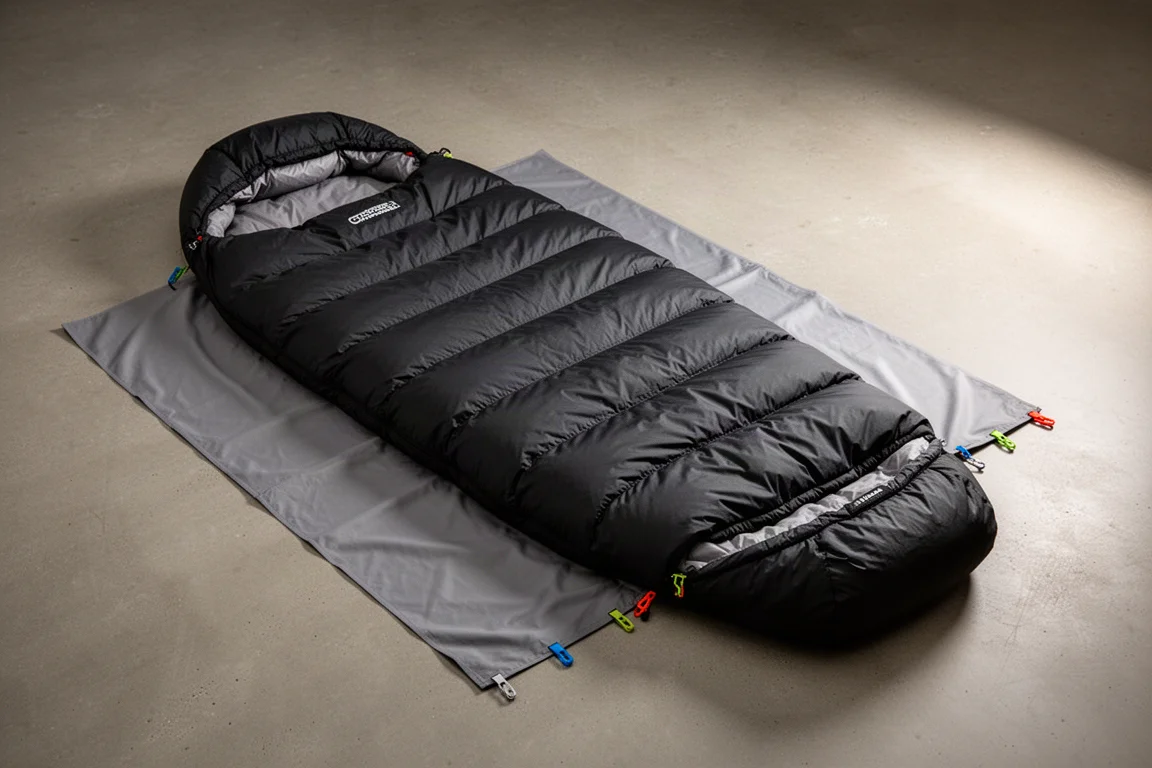
It uses 800 fill power HyperDRY down, which cuts both weight and pack size. The sheet is a half sheet, so it stops short of the end of the sleeping pad, and both the outer and inner fabrics are 20-denier taffeta. The lining is not as soft as the pongee used on the Core Bed and the original Zenbivy Bed, but it remains comfortable against the skin.
The foot box pairs the single-clip fast design with the option of a convertible version. In a 25-degree large with the sheet, the system weighs 30 ounces, roughly 6 ounces less than the Core Bed for a moderate step up in cost.
Zenbivy Ultralight Bed: Built for Maximum Weight Savings
The Ultralight Bed is the newest model and the one built purely around weight savings, priced from $498 to $928 depending on size and specification.
The materials are the most premium in the range: a 10-denier Pertex Quantum shell and lining, calendered on one side, and 900 fill power ExpeDRY down. ExpeDRY relies on gold particles rather than a chemical treatment to stop the down from absorbing water and clumping together.
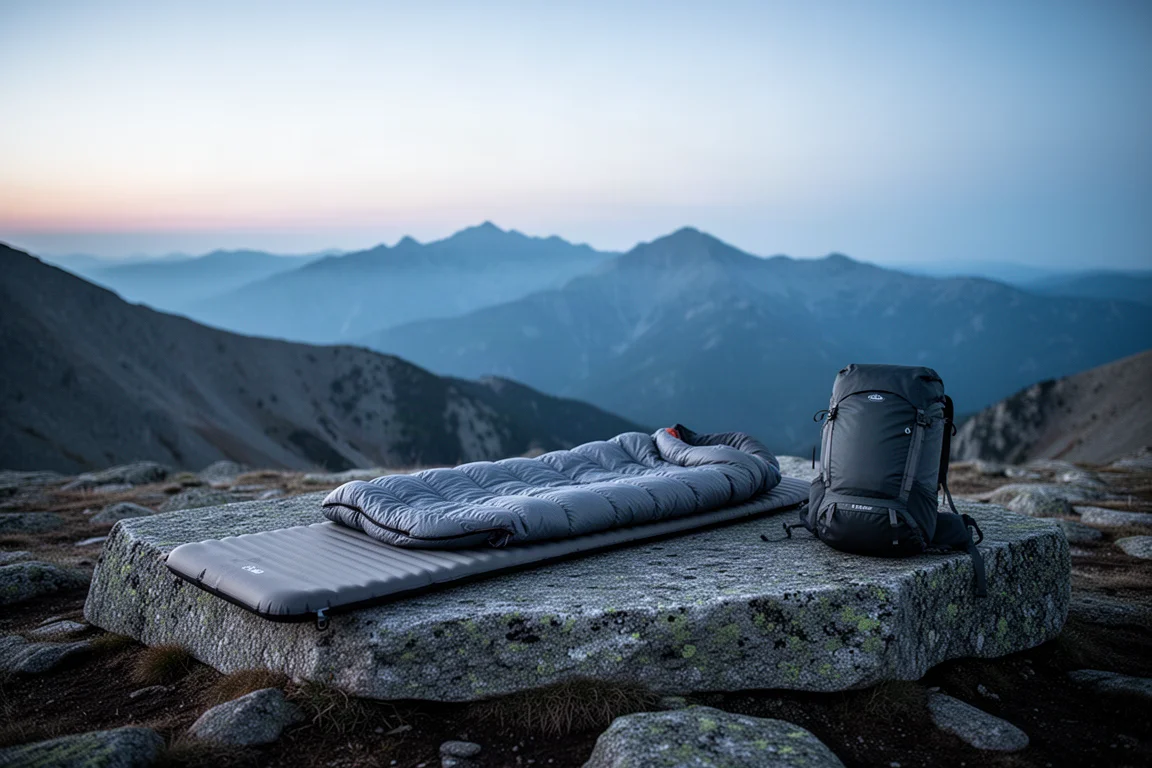
It keeps the fast foot box with a single clip, the half sheet, the hook-and-loop clip system, and the same large hood with headboard clips found on the other models. In a 25-degree large with a 25-inch sheet, the complete system weighs 24.7 ounces, about 5 ounces lighter than a similarly specified Light Bed. That saving comes with a significant price increase, so whether it is worth it depends on how much you value pack weight.
Mixing and Matching Quilts and Sheets
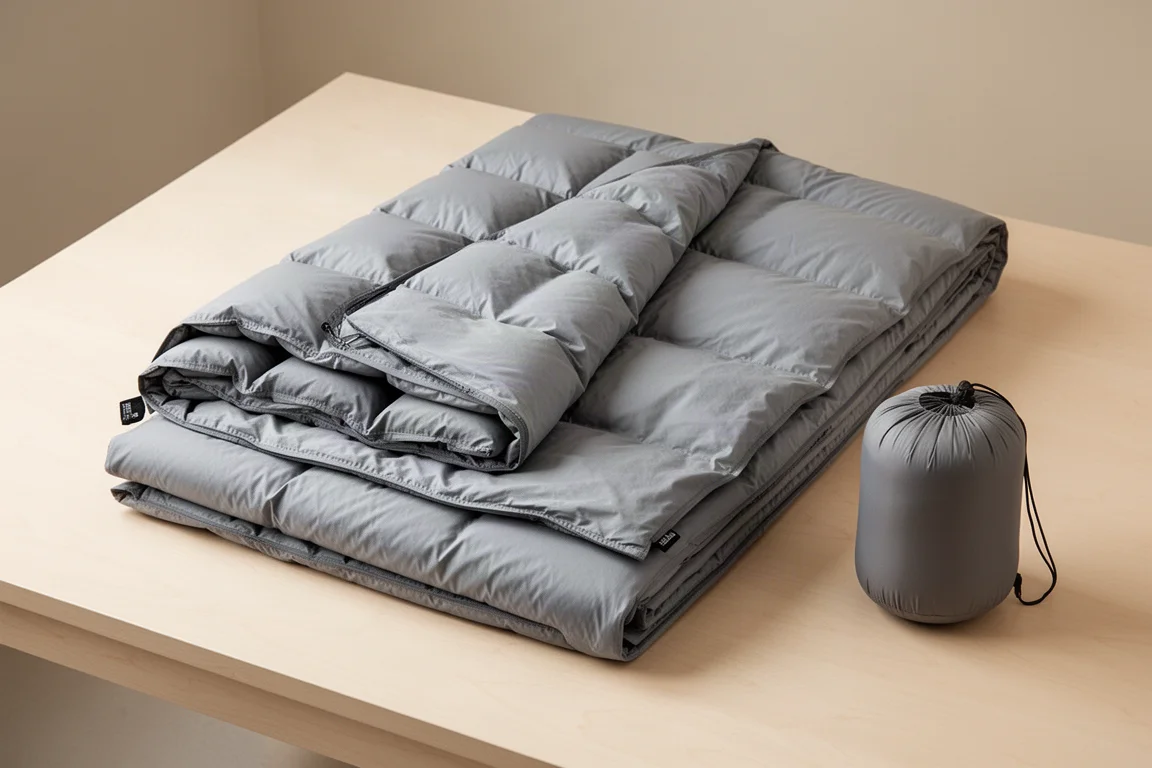
Because the clip systems are interchangeable across the range, you are not locked into the sheet that comes with a given quilt. A Light Bed quilt can be paired with a full-length sheet if you want the softer fabric all the way to your feet, or a Core Bed quilt can be combined with a lighter sheet to trim weight at a modest extra cost.
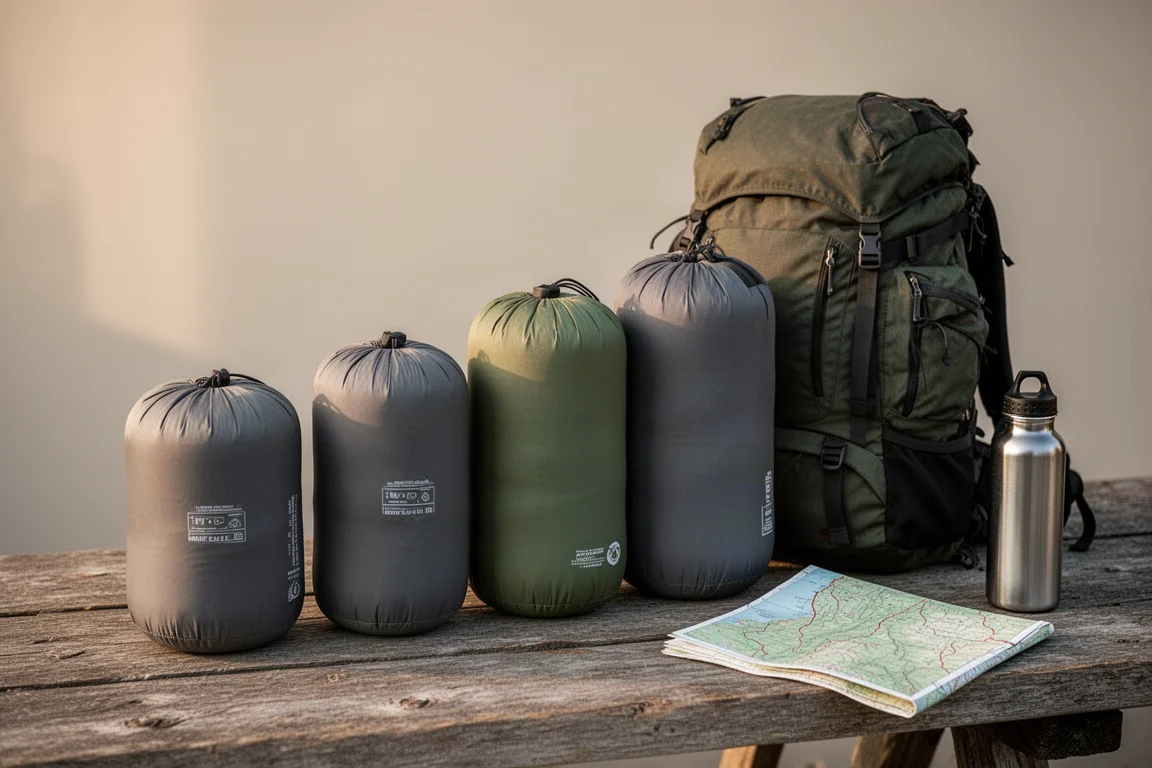
You can also skip the sheet entirely and use the quilt on its own, which reduces cost, weight, and pack volume at the expense of the draft-free full bed setup. The one constant is the sleeping pad. Since the quilt and sheet provide no insulation underneath you, pairing the system with a properly insulated pad is what keeps the cold ground from reaching your back.
Buying Advice: Which Zenbivy Bed Is Right for You?
Choose the Core Bed if budget is the priority and you value the soft full-length pongee sheet. Choose the original Zenbivy Bed if you prefer zipper closures and a convertible foot box that opens fully. Choose the Light Bed if you want the best balance of weight, cost, and comfort, which makes it the sweet spot for most three-season campers. Choose the Ultralight Bed if saving every possible ounce matters more than price.
One honest caveat applies across the range: anyone chasing the absolute lowest possible pack weight is unlikely to rank a Zenbivy system first. The trade-off is deliberate, since the design is aimed at people who would rather invest in sleep quality close to what they get at home.
Conclusion
All four Zenbivy beds share the same draft-resistant quilt-and-sheet architecture, and the differences come down to insulation, fabrics, closure hardware, sheet length, weight, and price. Match the model to how you sleep and how much you are willing to spend, and the system will do the rest.
Further reading
Related Reviews
Camping Sleep Systems
Backcountry Sleep System Guide: Two Pads and Two Pillows for Colder Nights
Two sleeping pads and two camp pillows that cut pressure points and tossing, plus the quilt setup habits that keep cold air out of your sleep system.
Camping Sleep Systems
Extreme Cold Sleep System: Three Pieces That Make Winter Camping Work
A practical look at the three core pieces of an extreme cold sleep system that together handle wind, cold ground, and moisture on sub-zero nights.
Camping Sleep Systems
NatureHike Ultralight Down Quilt Review: A Versatile Warm-Weather Sleep System
A close look at the NatureHike Ultralight Down Quilt, covering real-world warmth, build quality, weight, sizing, and the one trade-off to expect from any down-filled product.