Backpacking Sleep Systems
Zen Bivy Ultralight Down Sleep System Review: Bed-Like Comfort in the Backcountry
A practical look at the Zen Bivy Ultralight Down Sleep System, covering quilt and sheet integration, setup steps, real-world cost, and who it genuinely suits.
Introduction
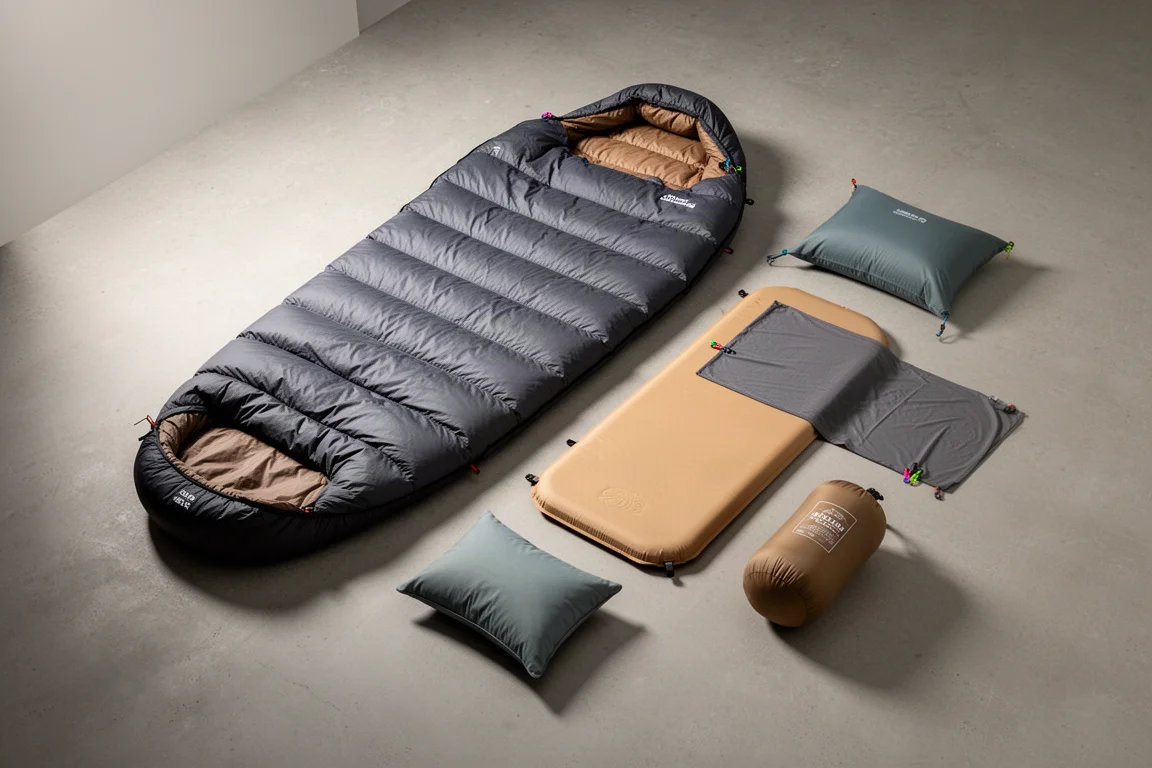
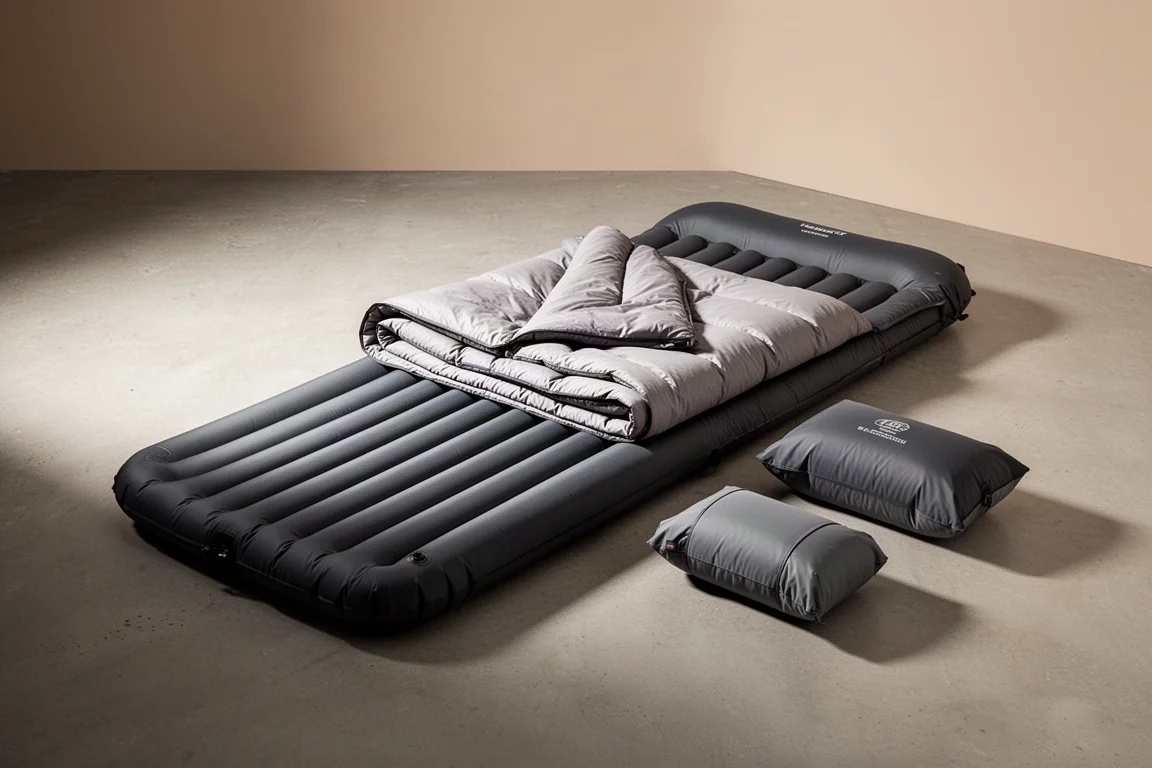
The Zen Bivy Ultralight Down Sleep System is not a single sleeping bag. It is a modular setup built around a down quilt, a fitted ultralight sheet with an integrated hood, and a mummy-shaped sleeping pad, with a multi-part pillow that clips into the hood. The design goal is easy to state: make a night in the backcountry feel closer to a night in a bed at home.
Used on a night that dropped below freezing in a remote canyon, the system delivered an unusually comfortable night’s sleep. The reason is not any single component. It comes down to how the pieces lock together and how little room they leave for cold air to move around.
That modular approach is also the main thing to understand before buying. This is a system, not an accessory, and the pieces are designed to work as a set rather than as independent items.
Who This Product Is For
The system makes the most sense for backpackers who consistently sleep poorly at camp. Anyone who wakes up sore, deals with back discomfort, or simply never feels settled in a traditional bag and pad setup is the core audience here. It also appeals to people who spend a large number of nights on trail, where a comfort improvement compounds over a long season.
Anyone who already sleeps well and is happy with an existing sleep system has little reason to invest. The system costs more than a conventional setup, takes a few extra steps to assemble, and its advantage is comfort rather than weight savings or packed size.
The most useful way to think about it is as a solution to a specific problem. If camp sleep is already good, there is no problem to solve. If camp sleep has been a persistent frustration, the trade-offs start to look very different.

For backpackers in that second group, the appeal is not luxury for its own sake. It is the prospect of waking up without the stiffness that tends to follow a night on a thin pad with a quilt that shifts around.
Main Strengths
The strengths of this system cluster in three areas: the way the quilt attaches to the sheet, the tunable foot box, and the way the pillow and pad are integrated into the same structure.
Quilt And Sheet Integration
The ultralight sheet is the anchor of the whole design. It attaches to a 25-inch wide mummy-shaped sleeping pad and includes a large integrated hood that wraps around the head area. Rather than clipping to the outer edge of the quilt, the sheet’s color-coded clips attach toward the center of the quilt, which draws a large baffle of down to the inside of the sheet. There are four clips on each side, coded yellow, green, blue, and yellow.
That center attachment is the detail that separates this from a standard quilt and strap arrangement. Because the down is pulled inward rather than pinned only at the edges, there is much less opportunity for drafts to find their way in along the sides. The result behaves less like a quilt resting on top of you and more like a cover that is anchored around you.
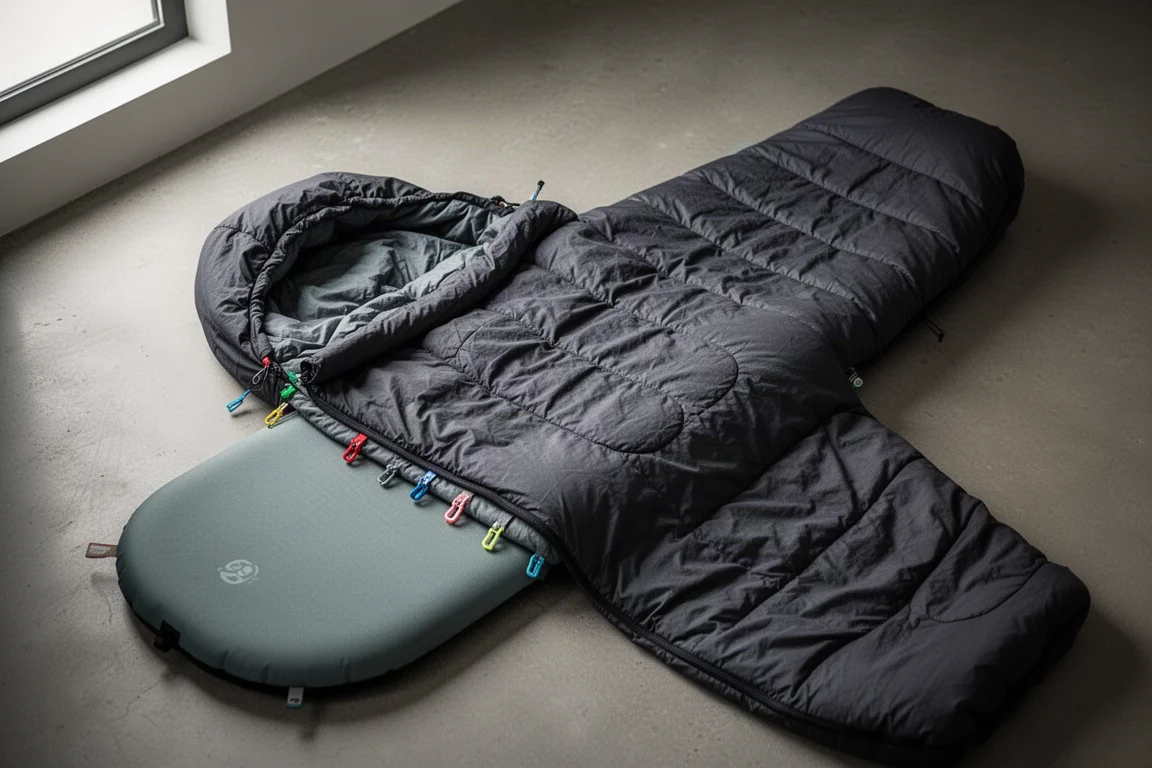
The hood also holds the pillow in place. The pillow connects to the inside of the hood and can be detached when needed. It is built from three separate parts: a pillow case, an air pillow, and a down pillow topper. An insulated jacket can stand in for the topper if you would rather carry fewer pieces.
Foot Box And Warmth Control
The foot box is wide and spacious by default, which is a real benefit for anyone who dislikes a cramped bag. A color-coded hook-and-loop closure lets you change that shape: unhook it and the foot box opens up for more room, or keep it hooked for a narrower profile that traps warmth around the feet. It is a small piece of adjustability that gives the same quilt two distinct personalities depending on how cold the night is going to be.
Sleeping Pad And Packing
The matching ultralight sleeping pad inflates with a stuff sack pump sack that doubles as the pad’s storage bag, which removes the need to carry a separate electric inflator. The system also includes a dry bag with an air release valve, so the whole sleep setup can be compressed down and pushed into the bottom of a pack.
Things To Consider Before Buying
Setup takes more steps than throwing down a pad and dropping a sleeping bag on top of it. The sheet has to be attached to the pad, the pillow clipped into the hood, and the quilt connected to the sheet. None of it is complicated, and it likely becomes second nature with repetition, but it is worth thinking honestly about the nights when you arrive at camp late and want to collapse immediately.
The second consideration is value. If you already feel like you are sleeping well at camp, this system is solving a problem you do not have, and the extra cost and extra steps are simply overhead.
For anyone who has been fighting poor sleep on trail for years, though, the calculation changes. Comfort that carries into the next day’s miles is not a small thing, and it is the kind of benefit that is hard to price in advance.
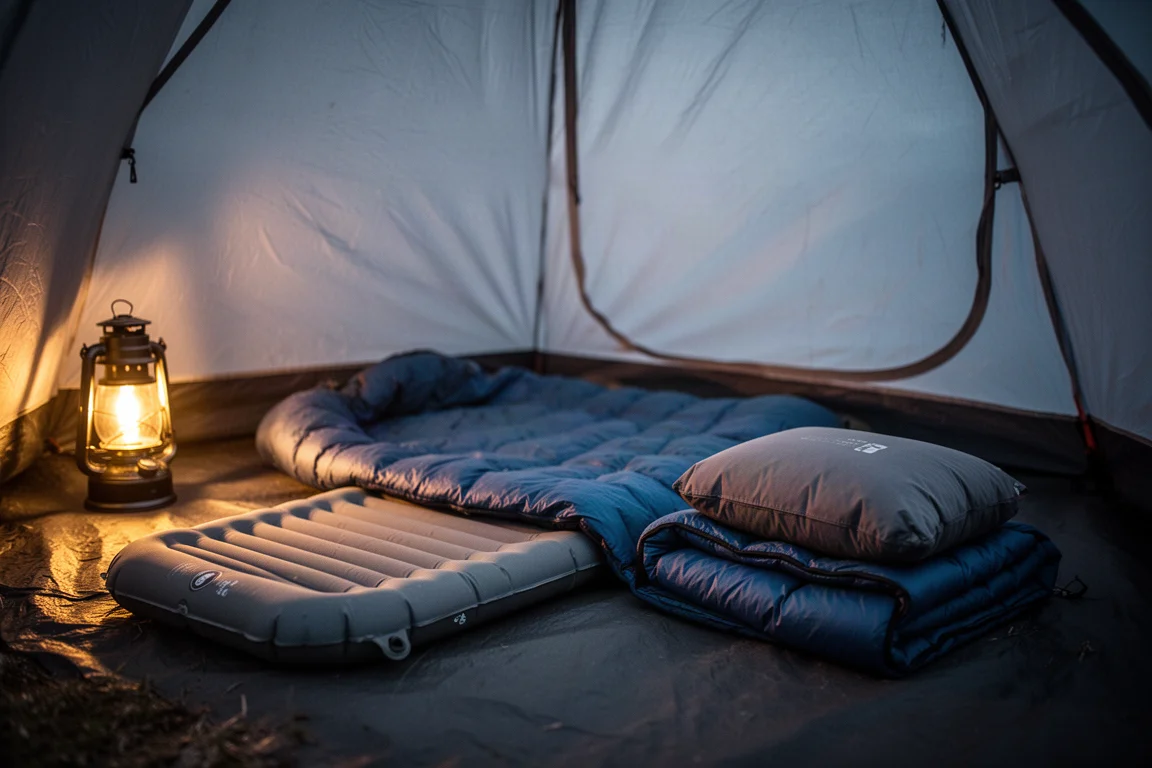
It is also worth noting how the system performed in genuinely cold conditions. On a night that dropped below freezing, the quilt, sheet, and pad combination kept the cold out entirely, and the overall experience was described as the coziest night at camp yet, with a feel much closer to a home bed than to a typical bag and pad.
What The Setup Costs
Costed out in full, the pieces used together are the sleeping pad, the pillow, the pillowcase, the pillow topper, the half sheet, the quilt, and the compression bag. Together they come to $1,000.
A conventional backpacking sleep system built around a 10-degree lower limit runs closer to $850. That puts the difference at roughly $150.
That gap is the crux of the decision. For about $150 more than a comparable conventional setup, the system offers a meaningfully more comfortable night, which is a striking ratio if comfort is the thing you have been missing.
Buying Advice
Buy the Zen Bivy Ultralight Down Sleep System if comfort is the limiting factor in your backpacking. Poor sleep at camp has a way of showing up the next day in slower miles, lower morale, and less enjoyment of the places you came to see. If that pattern sounds familiar, and if you backpack often enough for the improvement to matter, the system earns its place in the pack.

If you sleep well already, the honest recommendation is to keep what you have. A sleep system that works is worth more than a sleep system that is technically better on paper, and the extra setup steps are a genuine cost when you are tired and the light is fading.
For everyone in between, the deciding question is simple: do you want to spend more money and a few more minutes each evening in exchange for a night that feels like a bed rather than a bivy? If the answer is yes, this is one of the more convincing ways to make that trade.
Conclusion
The Zen Bivy Ultralight Down Sleep System succeeds because it rethinks the relationship between quilt, sheet, pad, and pillow instead of improving any one of them in isolation. The center-mounted clips, the integrated hood, the adjustable foot box, and the multi-part pillow all point at the same outcome: a night that feels settled rather than improvised.
It is not the right purchase for every backpacker. It costs more, it asks for a few extra minutes at camp, and it is unnecessary if you already sleep comfortably outdoors. But for the backpacker who has been losing sleep in the backcountry and feeling it the next morning, the system addresses that problem directly, and it does so with a design that holds together in cold conditions.
Product link
View more details for Zen Bivy Ultralight Down Sleep System
This product is mentioned in the review. Check the specifications, options, and compatibility before buying.
View more details for Zen Bivy Ultralight Down Sleep SystemFurther reading
Related Reviews
Backpacking Sleep Systems
Extreme Cold Sleep System: Six Backpacking Layers for Deep Winter Warmth
A bottom-up look at a six-piece winter sleep system, from a foam ground mat to a floorless shelter, and the reason each layer earns its place.
Backpacking Sleep Systems
Luxury Backpacking Sleep System: Four Pieces That Feel Like a Bed at Home
A wide, thick sleeping pad, a draft-free quilt, a generously cushioned pillow, and a few small habits that bring backcountry sleep much closer to home.
Backpacking Sleep Systems
Quilts vs Sleeping Bags for Backpacking: Five Sleep Systems Compared
A practical look at five backpacking sleep systems, from wide quilts to adjustable sleeping bags and a ground-focused quilt bed, and how to choose between them.