Camping Sleep Systems
Zen Bivy Sleep Systems Compared: Light Bed, Ultralight Bed, Becker Bed and Ultralight Mattress
A practical look at the Zen Bivy bed system, from the value-focused Light Bed to the Ultralight Bed, the lighter zippered Becker Bed and the stretch-top Ultralight Mattress.
Introduction
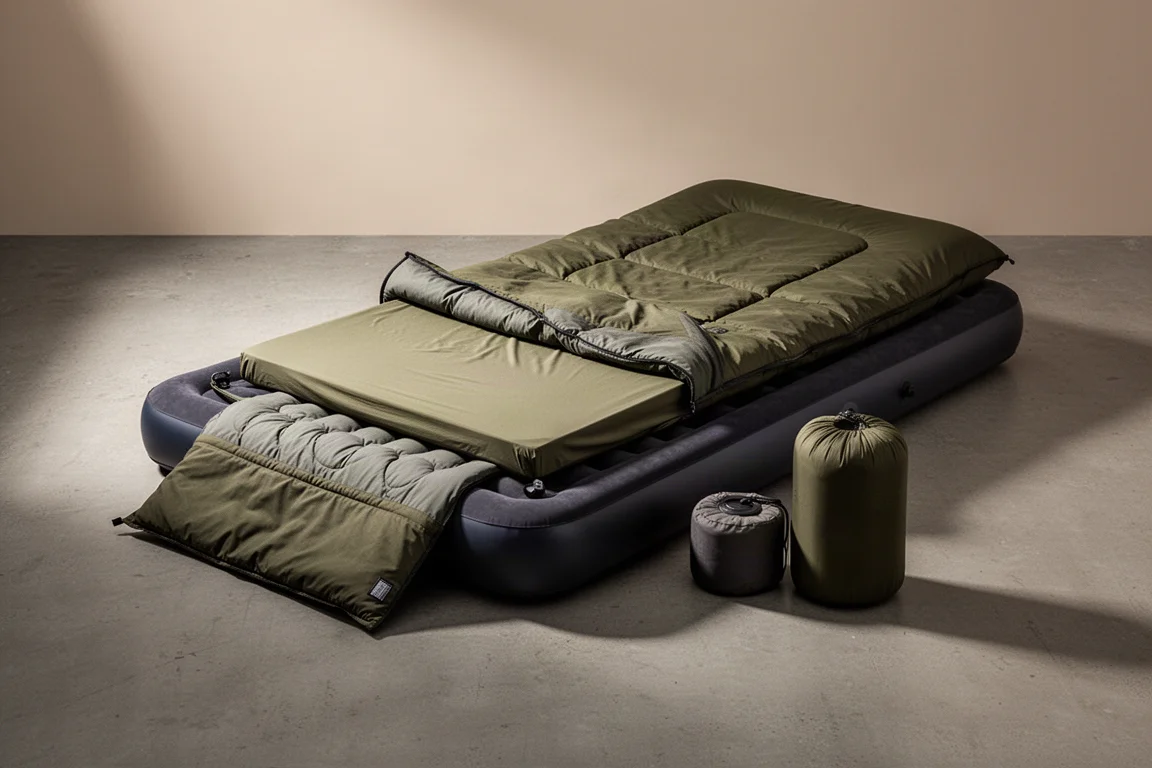
Camping sleep systems have moved a long way from cotton-filled rectangles to featherweight mummy bags and quilts. The Zen Bivy Bed takes a different angle: instead of a mummy bag, it builds a bed, with a top quilt that tucks into a sheet attached to the mattress so the covers stay over you the way they do at home. The range now covers a value-focused Light Bed, an Ultralight Bed, a lighter zippered Becker Bed and a stretch-top Ultralight Mattress, with a new down source planned to bring 900 fill power within easier reach.
This guide breaks down what each part of the system does, who it suits, and where the trade-offs sit.
How the Zen Bivy Bed System Works
The quilt is semi-rectangular, with straight lines rather than an hourglass taper. That detail matters when you roll around, because a quilt with a constriction tends to grab and twist at that point.
The footbox converts into a completely flat quilt, and folding it back into its tapered shape creates what the brand calls an origami baffle, an extra panel that flips in and closes the opening at the bottom. The zipperless convertible footbox uses overlapping panels instead of zippers, and those overlapping triangles also make the quilt wider when it is laid flat. A second design, the fast footbox, uses the same overlapping panels with a single attachment so it opens up wide while still holding your feet in a box.
The Kylie curve shortens the draw cord and leaves two side panels free to hang and seal against the mattress, which lets side sleepers hook the quilt over a shoulder without lifting the whole edge off the ground. The cord is routed to the side through a small tube instead of hanging in your face, and the feature is described as patent pending.
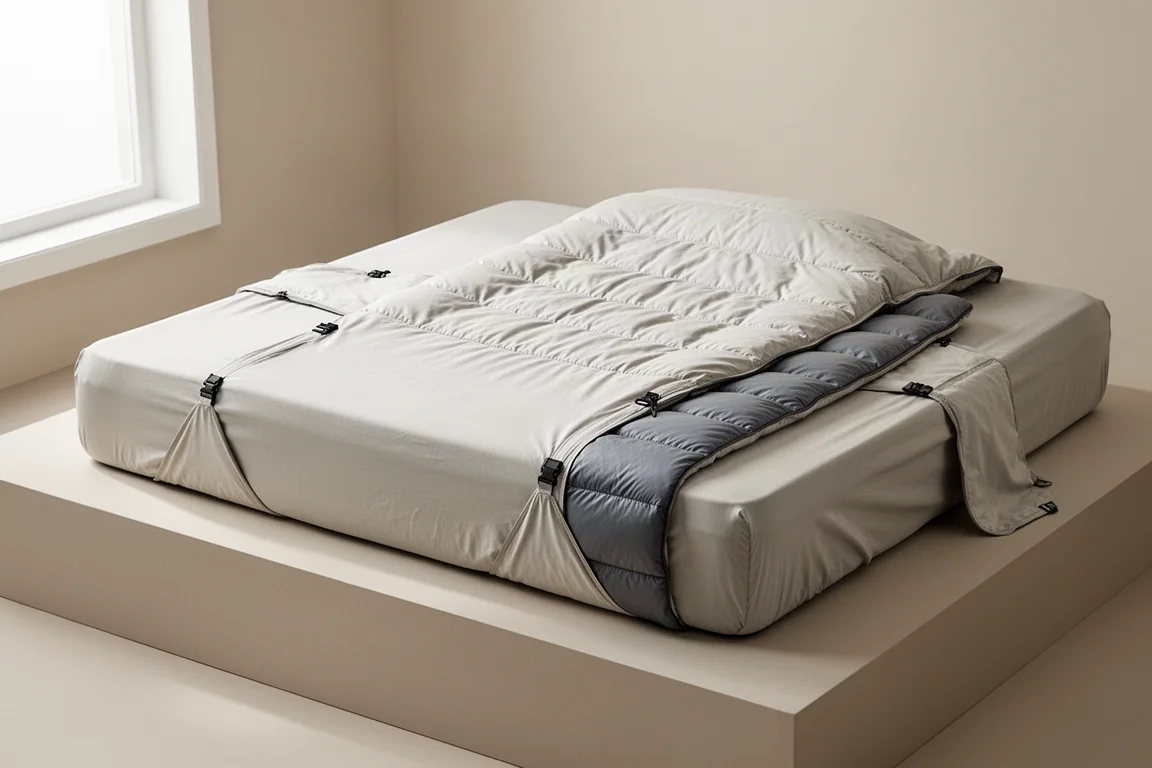
Attachment is the heart of the design. The quilt connects about ten inches in from its own edge on a hinge rather than to the edge of the mattress. That removes the cold spots that appear at the shoulders when a quilt is fixed to the mattress edge, and it lets the quilt float instead of pinning you down. Most models use clips, which are lighter than zippers but fussier to operate, and you can still slide in and out without unclipping. The hood, insulated or not, exists to tuck the top of the quilt in and cut drafts around the shoulders. Insulated versions are described as being as warm as a mummy bag and lighter at the same warmth, because there is no insulation underneath you.
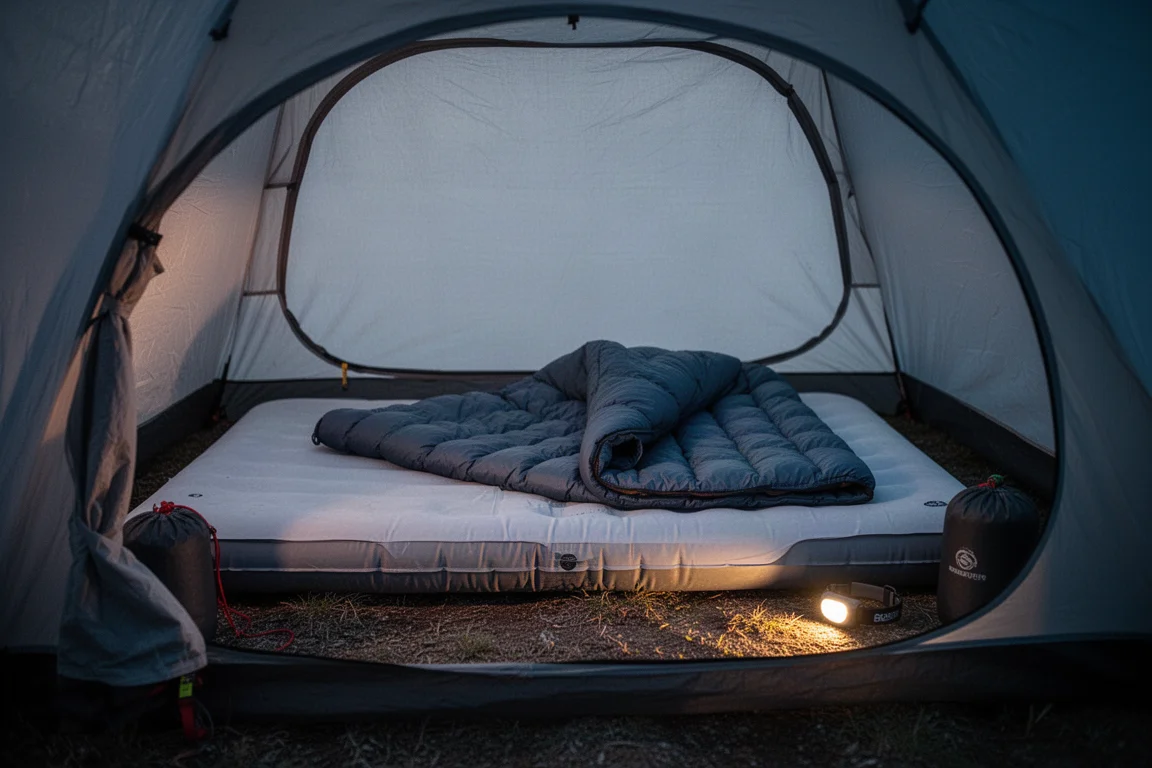
Taken together, these details target the two most common complaints about quilts: drafts, and the feeling of being pinned in place. The quilt stays tucked in, but it remains free to move with you.
Zen Bivy Light Bed: The Best Value in the Range
The Light Bed uses a 20D shell and 800 fill power down, which the brand positions as the sweet spot: genuinely light without the extreme price. It weighs four or five ounces more than the Ultralight Bed and costs a couple of hundred dollars less.
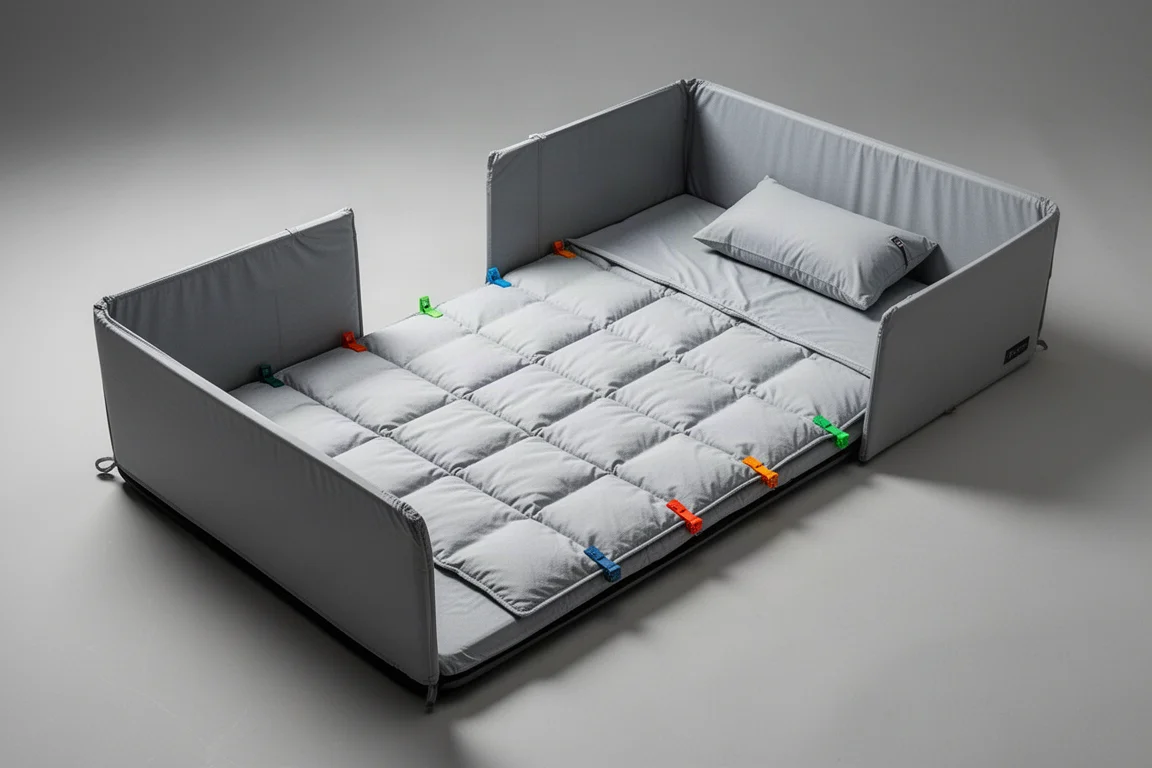
The 3/4-length sheet is the best-selling configuration. A full-length sheet is easier to fit and does not need the same tight straps, but it is noticeably heavier and adds no warmth to the foot end. Both sheet lengths are planned for next year, and the brand expects the full-length version to become the more popular of the two.
Zen Bivy Ultralight Bed: Maximum Warmth for the Weight
The Ultralight Bed pairs 900 fill power goose down with a Pertex shell. A quilt and sheet together come to around $600, so this is the option for buyers who want the lightest possible build and are prepared to pay for it. The same construction is available in the Light Bed for less money with a small weight penalty, which is why the brand often steers most buyers toward the Light Bed first.
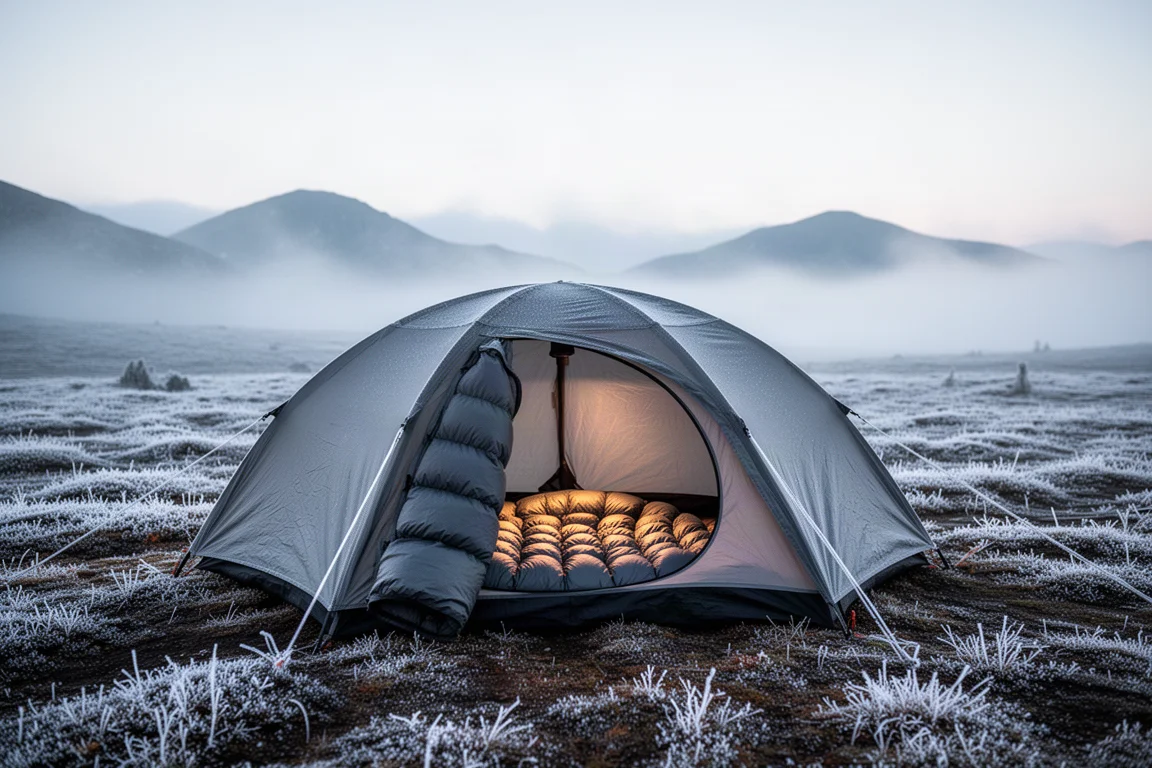
The design advantage over a mummy bag is the part worth understanding. Because there is no insulation underneath you, the system can match a mummy bag for warmth while weighing less, and it is intended to work across three seasons rather than being a two-season quilt that gets swapped out when temperatures drop.
Zen Bivy Becker Bed: A Lighter Zippered Option
The Becker Bed brings zippers back into a lighter build. Zippers are heavier than clips but more familiar, and they avoid the fiddling that some buyers dislike in the middle of the night. The version shown uses locking zippers that can be set anywhere along the opening and stay where you put them.
Weight comes down by using 50D pongee only at the touch points, on the head and underneath you, with lighter shell fabric elsewhere. The pongee is a special weave that feels closer to a cotton sheet than a nylon shell, and it is what gives this bed its bedding-like feel. The quilt uses the fast footbox. The colour shown is a prototype and not the final finish.
Zen Bivy Ultralight Mattress: Stretch Top Comfort
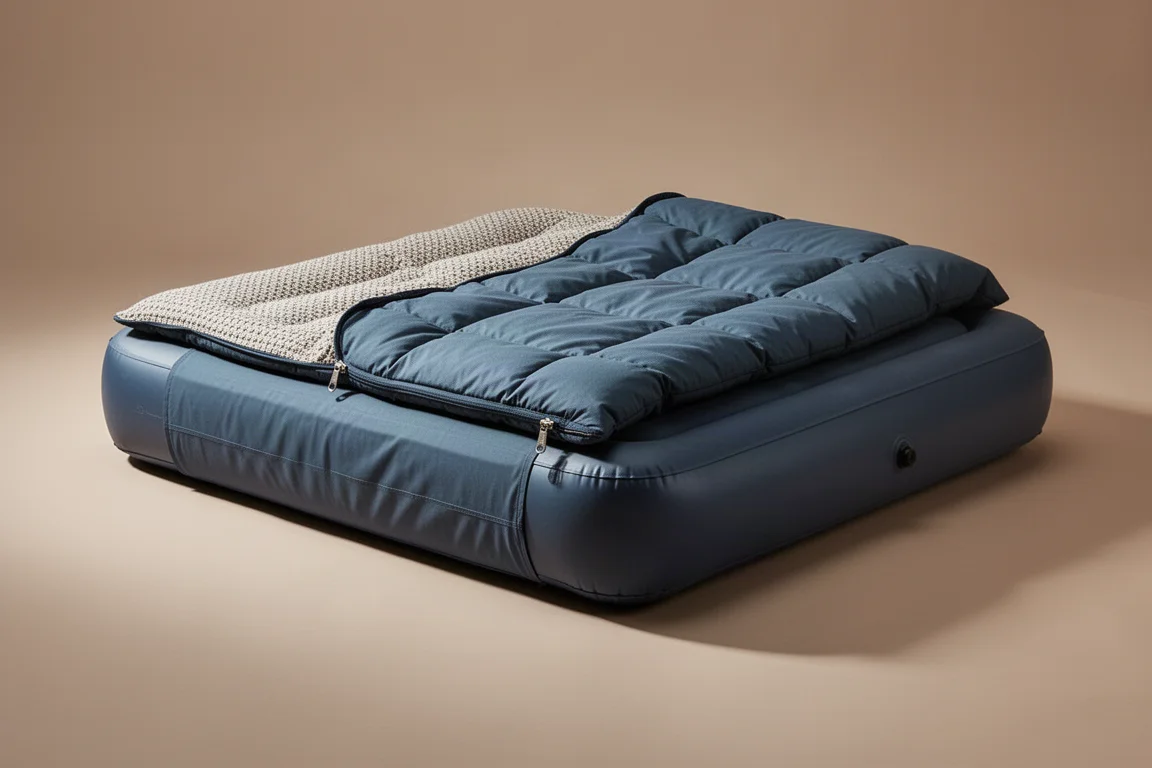
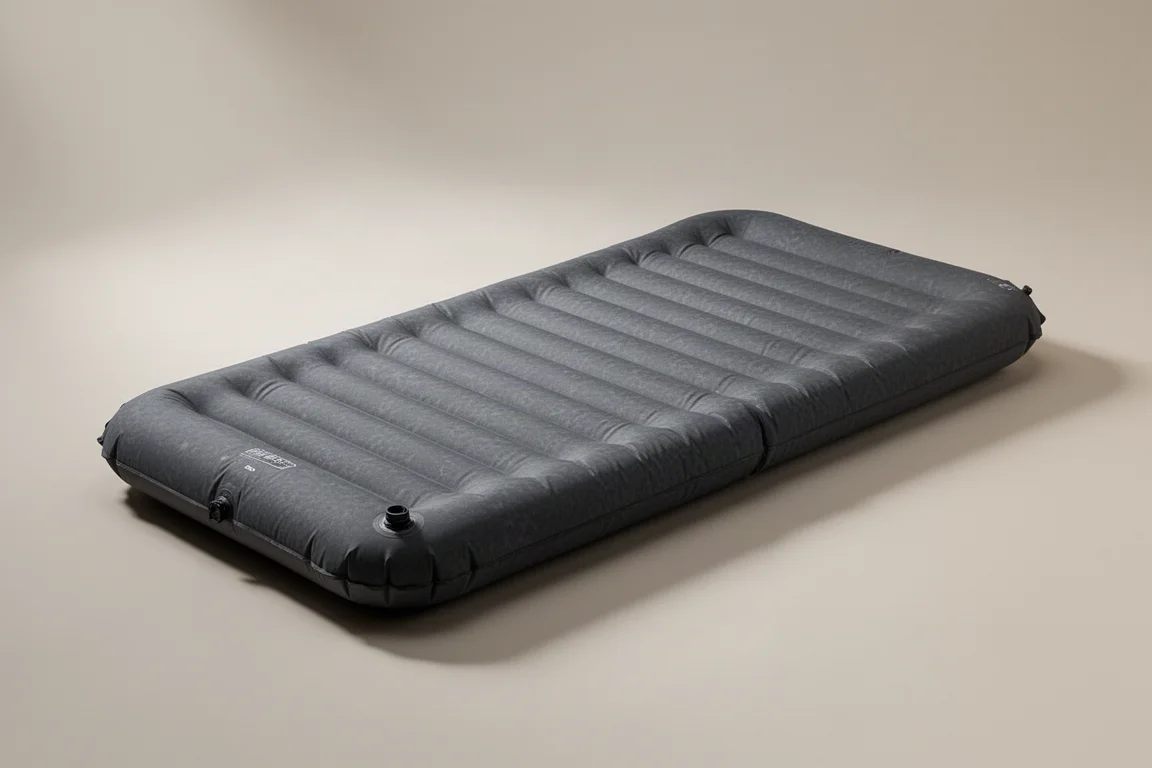
The Ultralight Mattress uses a 4-way stretch knit on top, which adds roughly three ounces over the plainer version. The stretch fabric is the whole point. With a conventional air mattress, firming it up makes the surface hard, while here the softness comes from the stretch top and the small chambers, so the mattress can be inflated firm without feeling like a rock.
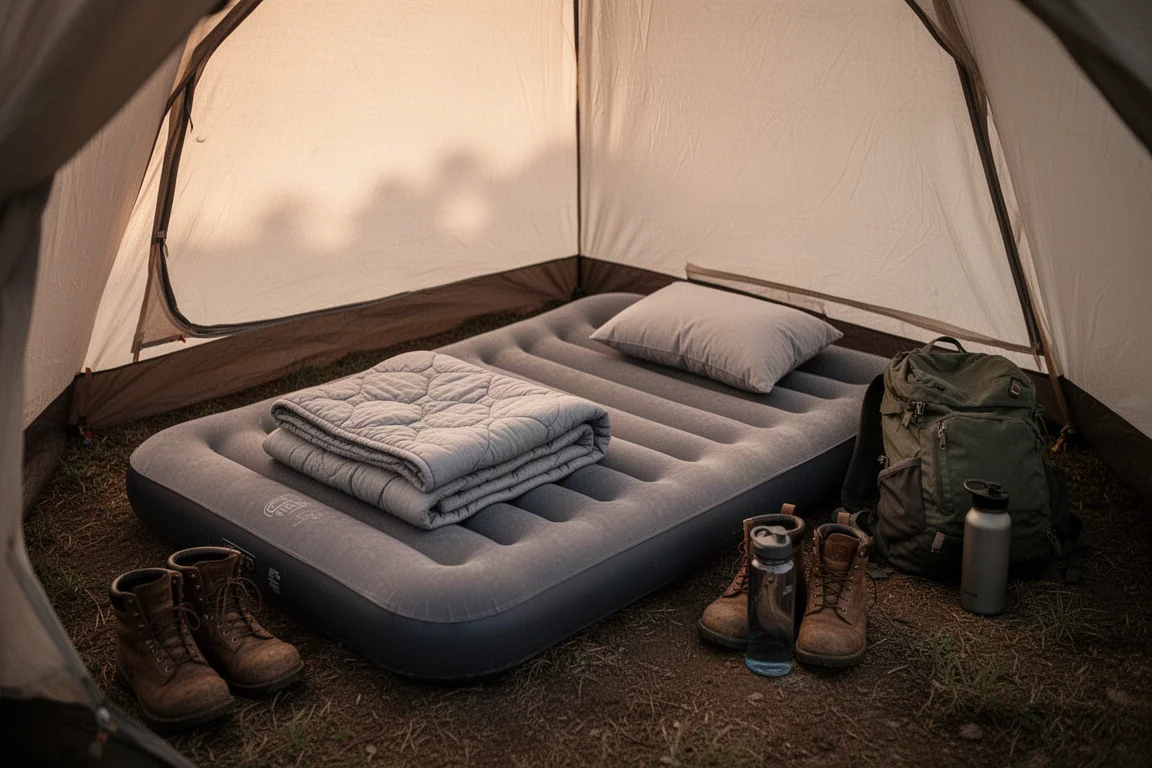
It still has to be inflated properly to work as intended, and buyers who prefer a soft, water-bed feel are likely to be happier with a more traditional vertical-tube design. A rectangular version of both mattresses is planned for next year, and the stretch-top style has sold roughly ten times more than the brand’s other mattresses.
What the New Muscovy Duck Down Means for Buyers
Goose down is expensive, and duck down has traditionally been limited to around 850 fill power at best. A newer source, the Muscovy duck, produces larger down clusters with more loft per cluster and can reach 900 fill power. The material needs ultrasonic cleaning during processing because its texture makes it harder to clean, and the result is described as very clean and springy, lofting faster than goose or duck down.
The claim that matters most for pricing is that 900 fill power Muscovy down is expected at roughly a third of the cost of goose down. The current 900 fill power goose down quilt is priced at about $450, and a Muscovy version of the same build is planned for next year at roughly $339 to $350. Durability is still unproven, and no firm claims are being made yet.
Buying Advice: Which Zen Bivy Setup Fits You
Start with how you sleep and how much you carry. If you want the lightest build and the highest fill power, the Ultralight Bed is the target. If you want most of that performance without the price, the Light Bed is the sensible pick, and the weight penalty is small. If zippers feel more approachable than clips, the Becker Bed is the one to look at. On the mattress side, the stretch-top Ultralight Mattress is the best-selling design in the range, while a more traditional vertical-tube mattress and the lower-priced Core Bed remain options for buyers who want a softer feel or a more accessible price.
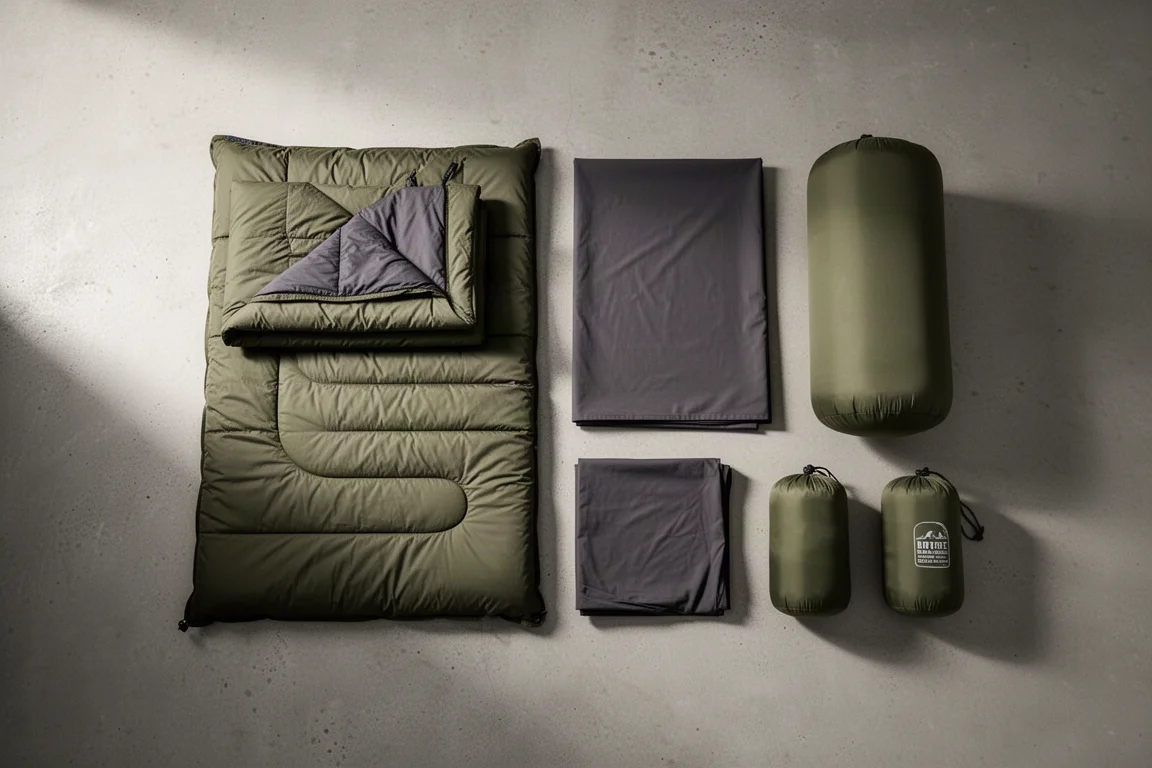
One practical note on the mattress: it is designed to be inflated firm, with the stretch top providing the softness. If a fully inflated mattress still feels too hard, that is a sign this style is not the right match, and a vertical-tube design will likely suit you better.
Conclusion
The Zen Bivy system makes the most sense for anyone who has grown tired of quilts that slide off the mattress and mummy bags that feel restrictive. The Light Bed is the value pick, the Ultralight Bed is the weight-obsessed option, the Becker Bed brings zippers back in a lighter package, and the Ultralight Mattress delivers the stretch-top comfort the range is known for. With 900 fill power Muscovy down planned at a lower price, the entry point for ultralight warmth should become friendlier next year.
Further reading
Related Reviews
Camping Sleep Systems
Backcountry Sleep System Guide: Two Pads and Two Pillows for Colder Nights
Two sleeping pads and two camp pillows that cut pressure points and tossing, plus the quilt setup habits that keep cold air out of your sleep system.
Camping Sleep Systems
Extreme Cold Sleep System: Three Pieces That Make Winter Camping Work
A practical look at the three core pieces of an extreme cold sleep system that together handle wind, cold ground, and moisture on sub-zero nights.
Camping Sleep Systems
NatureHike Ultralight Down Quilt Review: A Versatile Warm-Weather Sleep System
A close look at the NatureHike Ultralight Down Quilt, covering real-world warmth, build quality, weight, sizing, and the one trade-off to expect from any down-filled product.