Camping Sleep Systems
Zen Bivy Sleep System Guide: Beds, Mattresses, Pillows and Dry Sacks
A practical walk through the Zen Bivy sleep system lineup, from lightweight backpacking beds and rectangular mattresses to a foam-filled car camping pad, a two-layer pillow and welded dry sacks.
Introduction
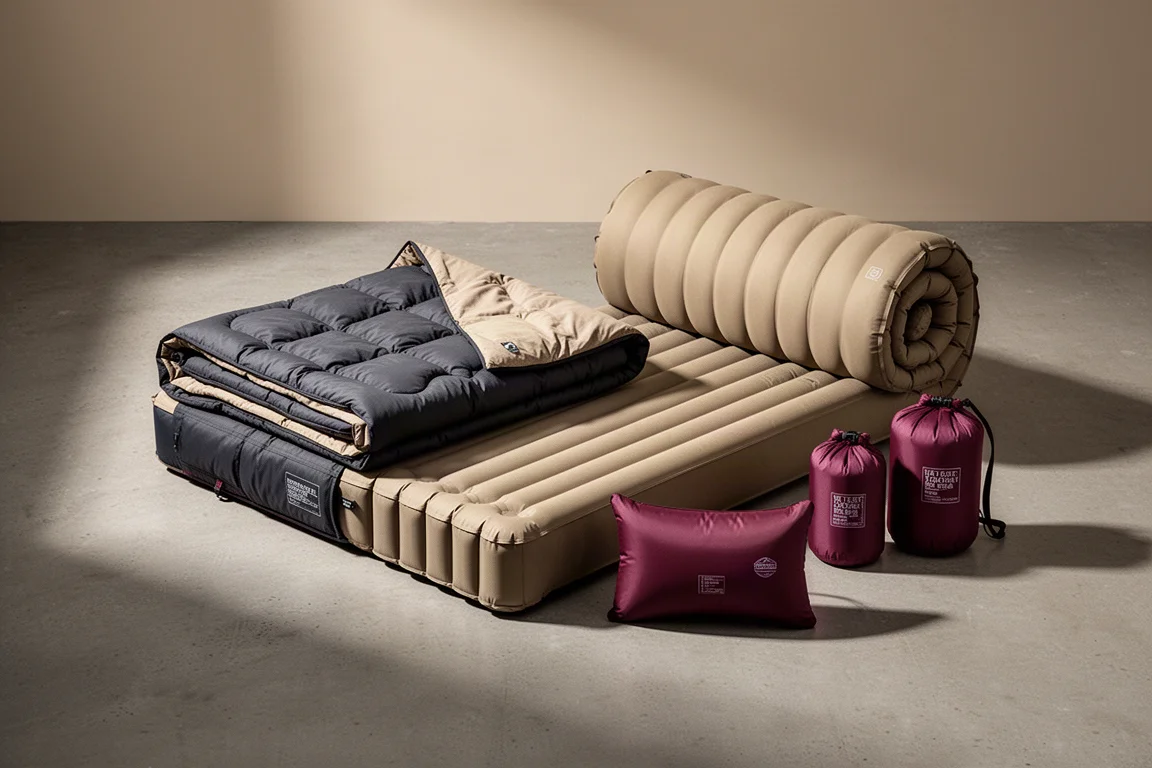
Zen Bivy builds sleep systems rather than single sleeping bags. A quilt attaches to a sheet instead of wrapping around you, and that sheet sits on top of a mattress with a pillow completing the setup. The range now spans backpacking through car camping, and the latest round of updates touches almost every piece in it.
Two themes run through the whole lineup. The first is weight. Thinner shell fabrics, single-layer side panels and simpler attachment hardware all shave grams for people who carry their gear. The second is comfort. Wider sheets, fully rectangular mattresses and roomier foot boxes all add a little bulk in exchange for a night that feels closer to sleeping at home.
What to Look For in a Zen Bivy Sleep System
The first question is how you camp. If the system travels on your back, you want the lighter fabrics, the clip-based attachments and a mattress that packs small. If it travels in a vehicle, you can accept extra padding, extra fabric and a foam core, because the weight penalty never reaches your shoulders.
The second question is shape. Tapered mattresses and tapered quilts save weight, but they take away width and length exactly where some sleepers want it. Fully rectangular versions of both are now available across much of the range, and they tend to suit side sleepers and anyone who sprawls. Foot box design follows the same logic: a fast foot box is lighter and simpler, while a fully convertible foot box opens flat for warmer nights.
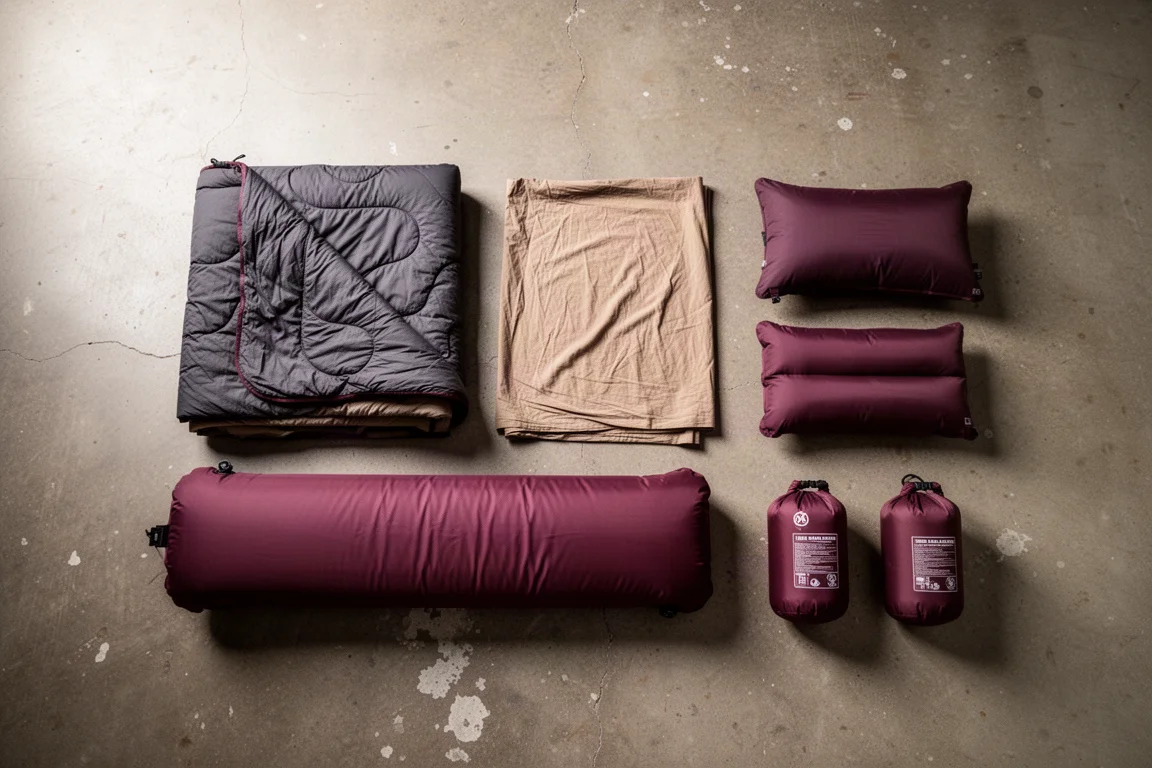
The third question is how the pieces connect. Zippers are familiar and easy to operate in the dark, but they tie a specific quilt to a specific sheet. Clip systems are lighter and make it easier to mix and match quilts and sheets, at the cost of a little more fumbling at night.
Zen Bivy Light Bed
The Light Bed is the weight-conscious option in the bed range, and the latest version makes two changes that pull in slightly different directions. The shell moves from a 20-denier fabric down to a 15-denier fabric, which trims weight. The liner moves to a 25-denier poly-cotton fabric that feels noticeably lighter and softer against the skin than the liner it replaces.
The bigger usability change is the sheet. Earlier Light Beds came only with a half-length sheet, which saved fabric but proved harder to fit and less comfortable to sleep on. A full-length sheet is now an option, and it adds roughly an ounce and a half. The bed is also available with either a fully convertible foot box or the semi-closed fast foot box, and it comes in three colors.
Zen Bivy Ultralight Mattress
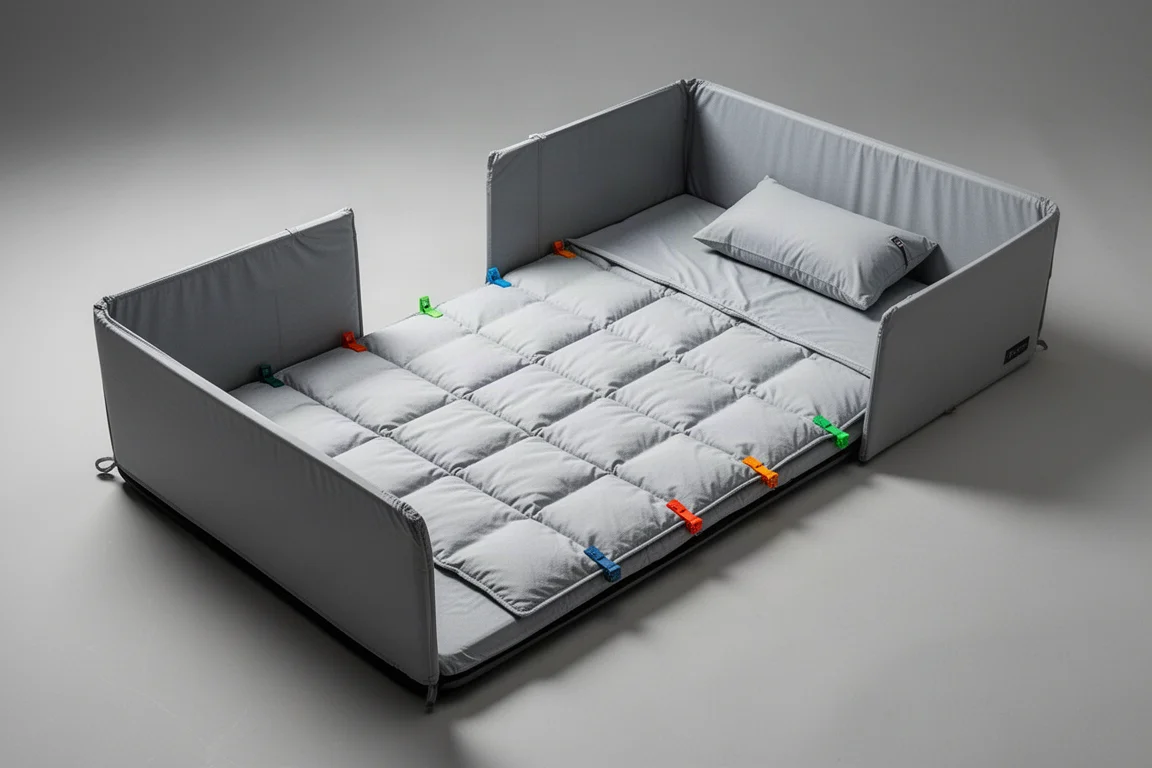
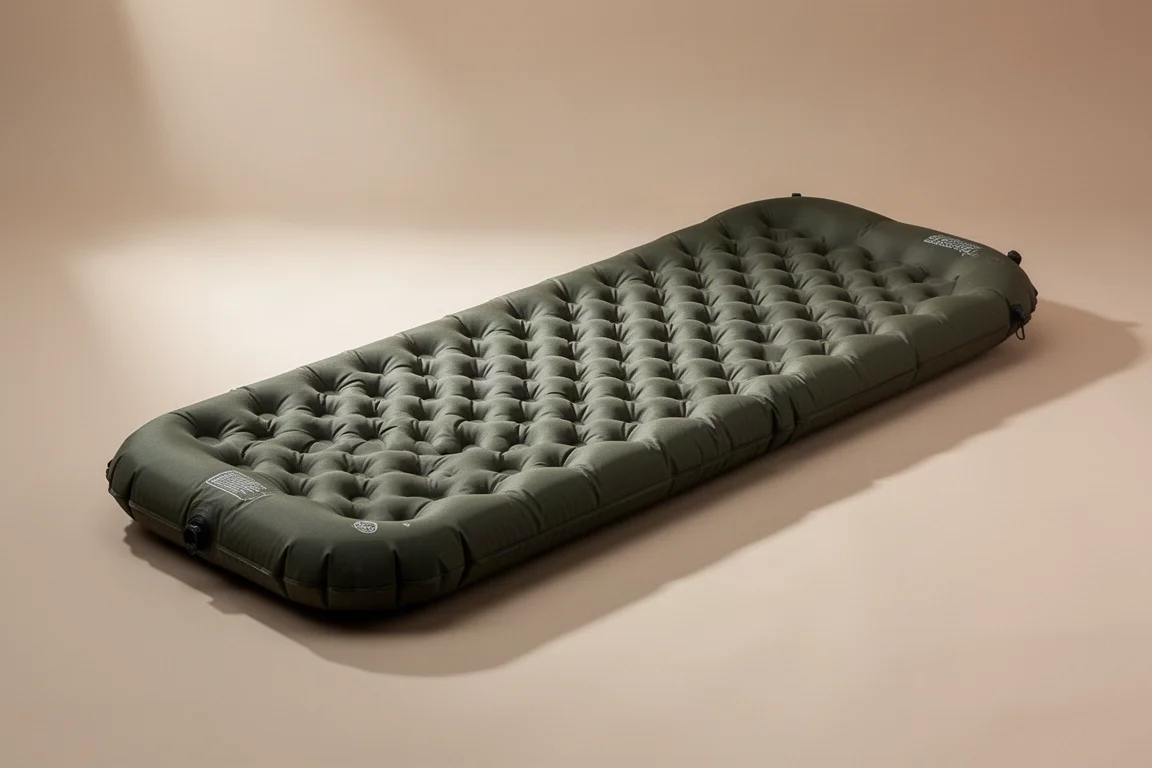
The Ultralight Mattress is one of two mattresses in the range that look almost identical at a glance. This is the lighter of the pair, and until recently both it and the Flex Air were offered only in a tapered shape that narrowed toward the feet. A fully rectangular version is now available as an option, while the rest of the design carries over unchanged.
The trade-off is straightforward. A tapered mattress saves weight, but it removes width right where some sleepers want it most. A rectangular mattress is simply more versatile, particularly for anyone who spreads out during the night.
Zen Bivy Flex Air Mattress
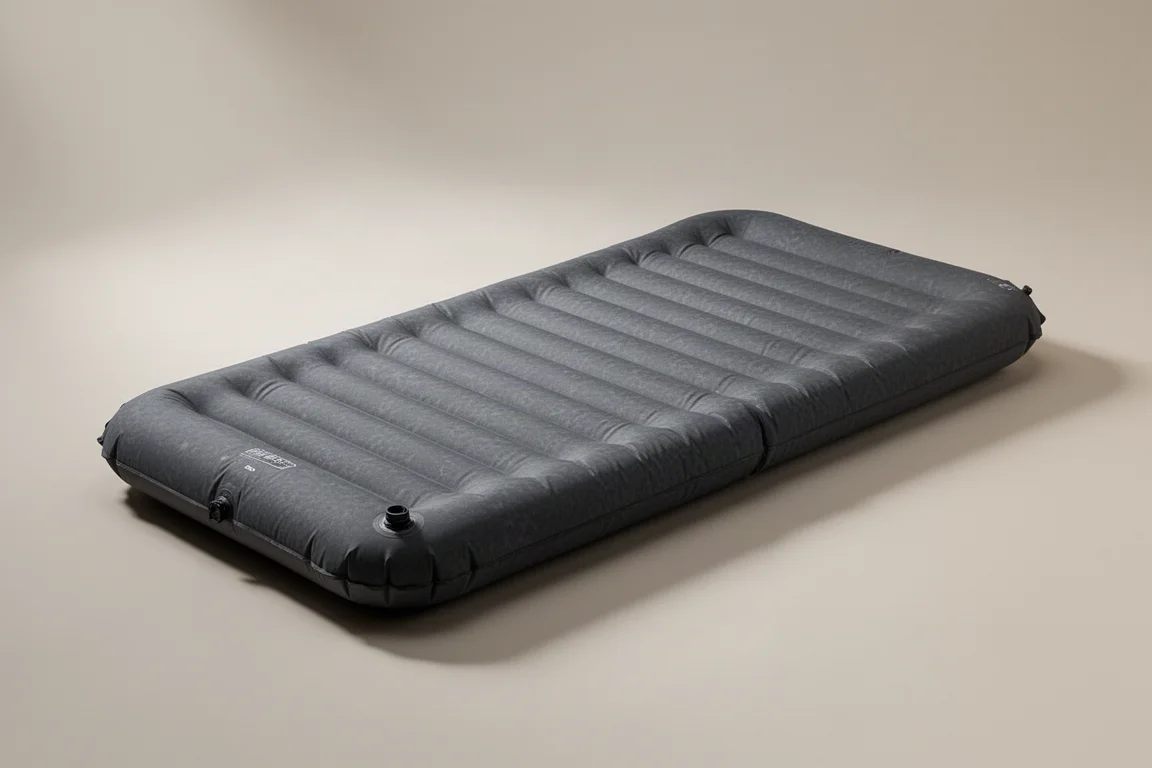
The Flex Air Mattress shares its overall shape and construction with the Ultralight Mattress, with one clear difference: the top fabric is a four-way stretch material. That makes it slightly heavier, and it also changes how the surface feels underneath a quilt or sheet. Like the Ultralight, it was previously tapered only, and a fully rectangular option is now part of the line.
Choosing between the two comes down to priorities. Backpackers counting grams will lean toward the Ultralight Mattress. Anyone who values a softer, more forgiving sleeping surface may prefer the stretch top on the Flex Air, and anyone who moves around at night should look at the rectangular version of either one.
Zen Bivy Flex 3D Mattress
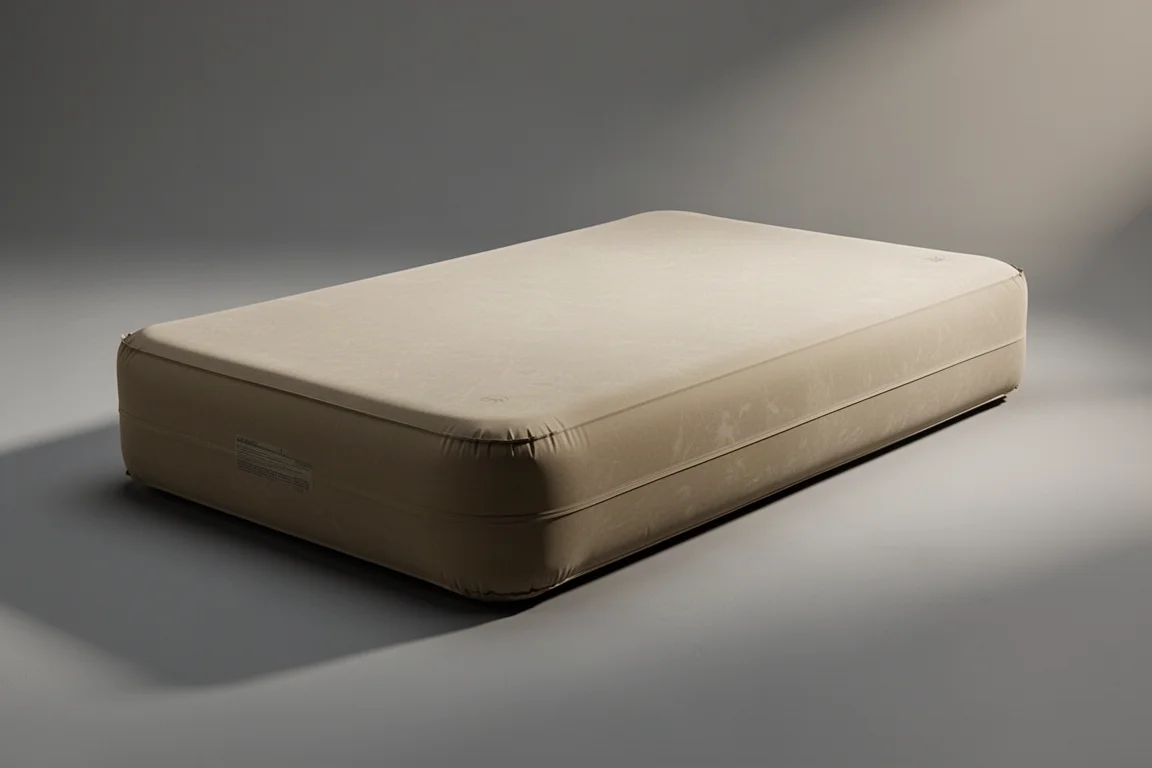
The Flex 3D is the premium car camping mattress, and it sits in a different category from the two inflatable pads above. The 3D in the name refers to the three-dimensional side panels. The sleeping surface is completely flat from edge to edge, and vertical walls carry that surface down to the floor, so the finished pad does not look or feel like a typical air mattress.
Inside is foam, and the mattress is self-inflating. Unroll it in a tent and it gradually fills on its own, though it will not reach full firmness without a top-off, which is why a quick pump is the practical way to get it ready the first time. With an R-value of around 7, it is positioned for use across seasons rather than summer only. It comes in 25 by 77 inch and 30 by 80 inch sizes. The compromise is packed size, because with that much foam inside it rolls up into a substantial bundle.
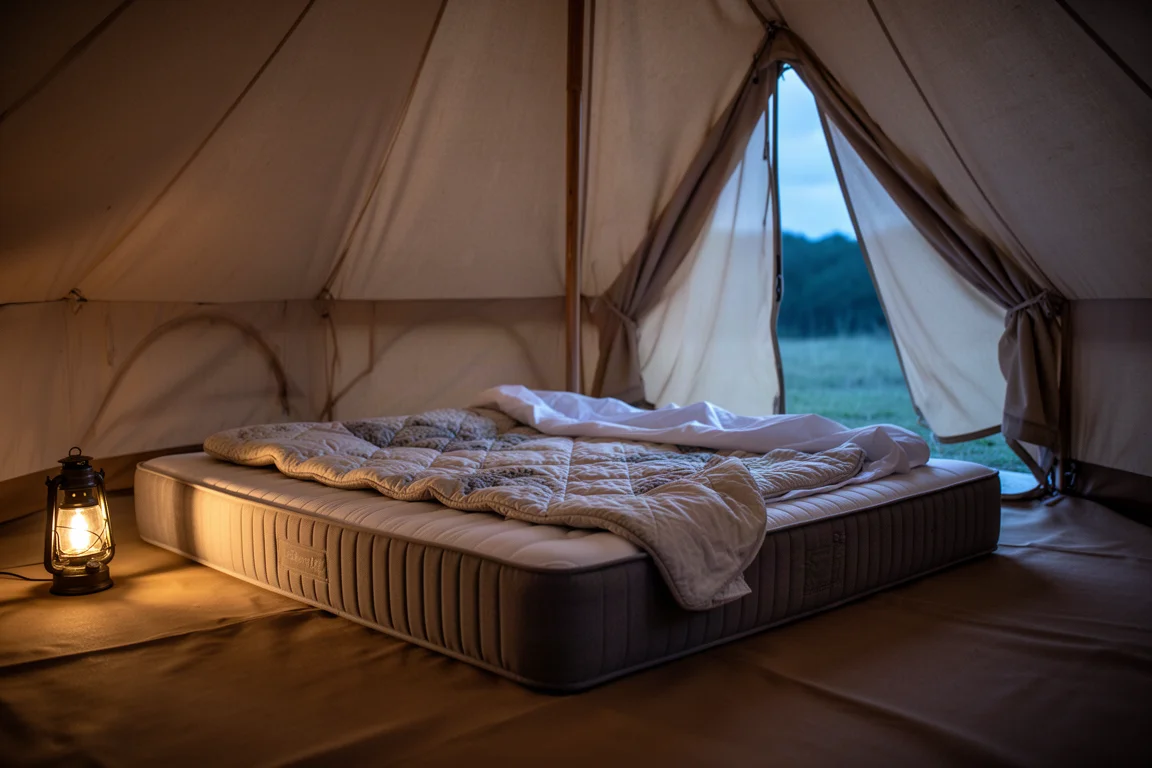
Sizing deserves a moment of thought. The 30 by 80 inch version is generous enough that it may not fit neatly in a small tent or a tight storage space, so it is worth measuring your shelter before choosing the larger option.
Zen Bivy Zip Bed Trek
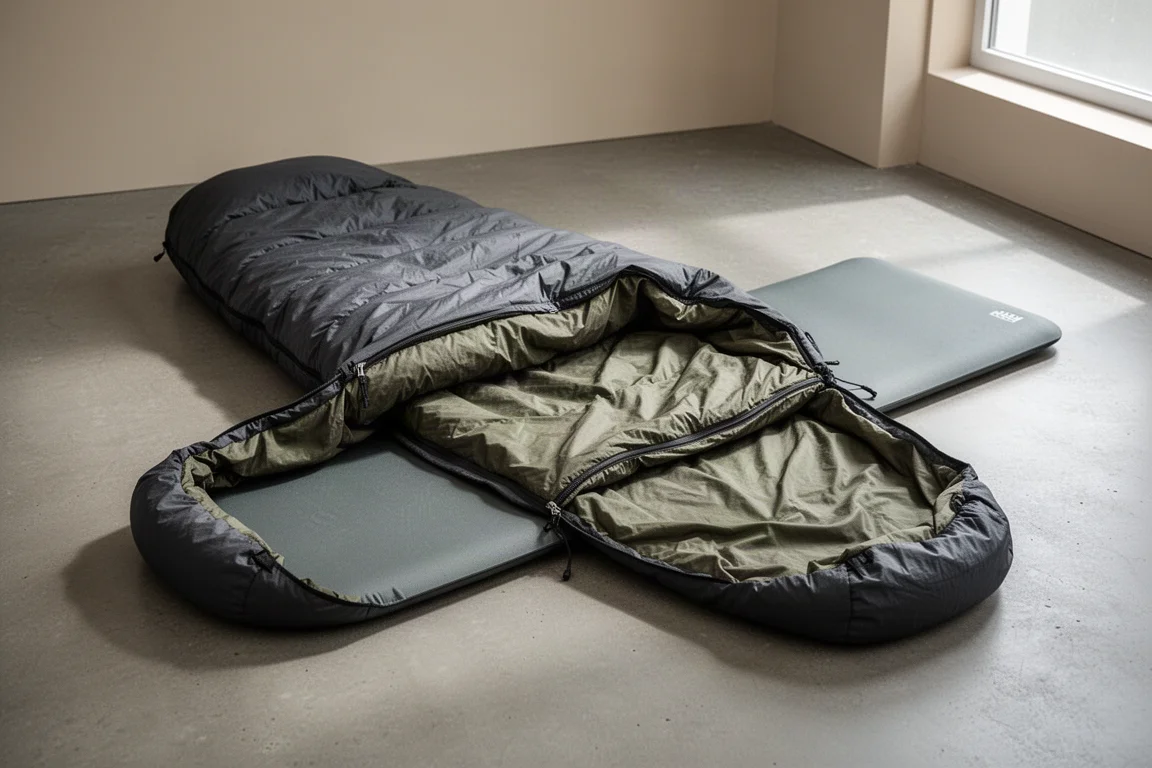
The Zip Bed Trek is the backpacking half of a split in the Zen Bivy bed range. The original Zen Bivy bed used zippers to join the quilt to the sheet, and that design has now been divided into two beds: one optimized for backpacking and one for car camping.
This is the backpacking version, and it is built around the fast foot box, which uses a single clip instead of the zipper that used to close the foot. The side panels are now single layer rather than padded, and 20-denier fabric is used only where it does not contact the body. Together those changes save roughly half a pound compared with the previous Endeavor bed. The liner is a 50-denier poly-cotton fabric, so it feels softer and more sheet-like than the Light Bed’s 25-denier liner.
The advantage of the zipper is familiarity. There are no clips to line up in the middle of the night. The trade-off is flexibility: because the zipper halves are matched to each other, owning several quilts and several sheets to swap between them is not really the point of this design.
Zen Bivy Zip Bed Overland
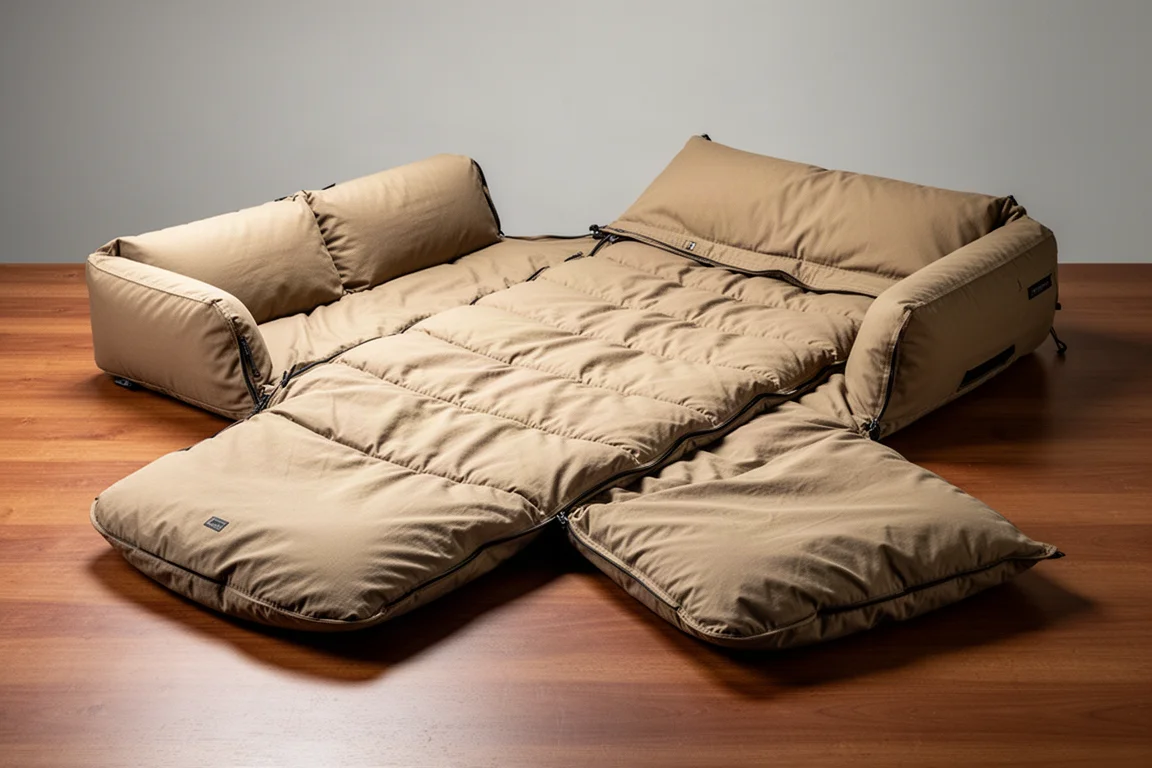
The Zip Bed Overland is the car camping counterpart, and it keeps the padded side panels that the Trek version sheds. Every fabric in the package is 50-denier poly-cotton, liner and shell alike, which gives it the most substantial feel in the bed range.
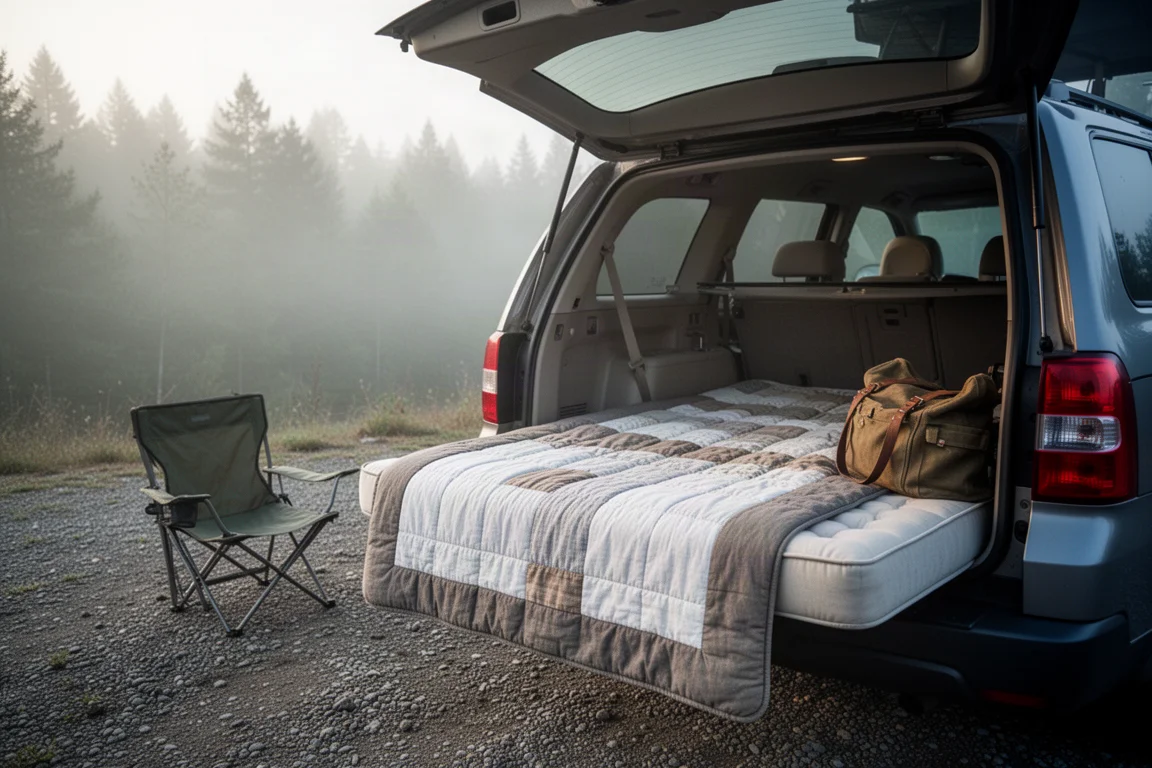
The larger difference is the quilt. Most quilts in the range are tapered, wider at the shoulders and narrower at the feet, which saves weight and keeps them thermally efficient in cold weather. Unzip the Overland’s quilt and it is fully rectangular. That makes the foot box roughly four to five inches wider than a standard one, and even fully zipped the bed keeps a semi-rectangular shape. For car campers who roll around at night, that extra room is the whole point.
Zen Bivy Soft Top Pillow
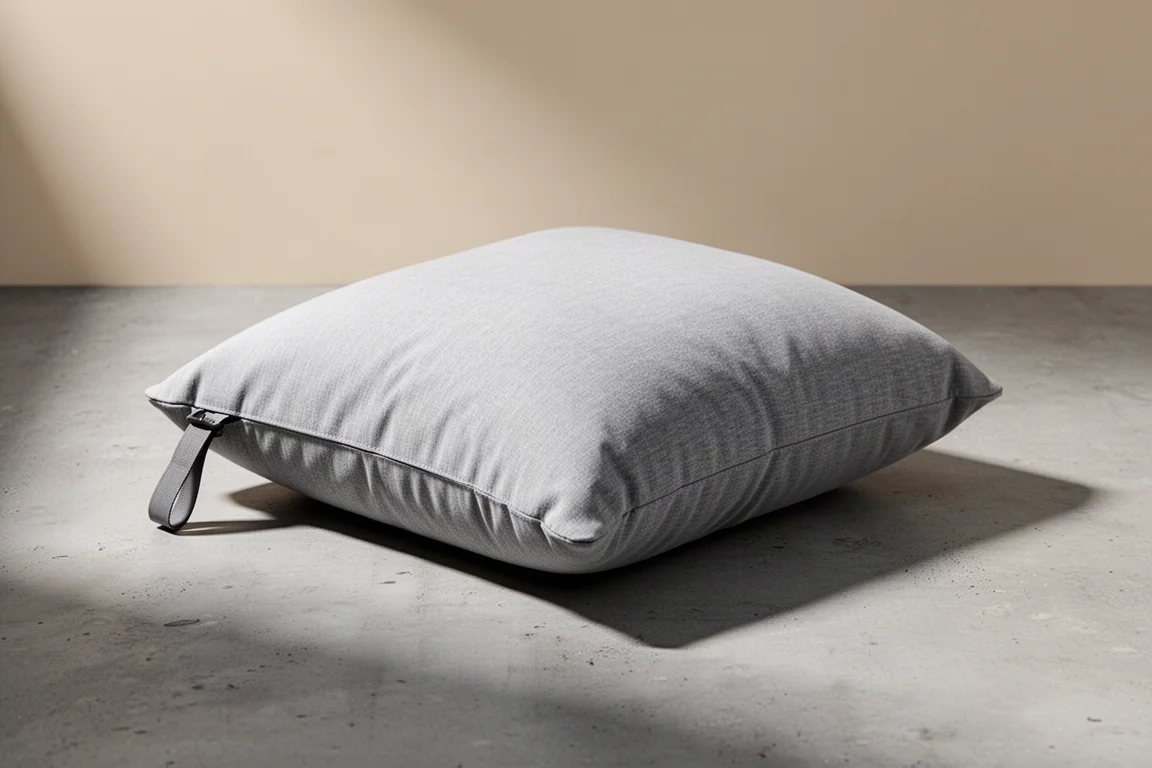
The Soft Top Pillow is a two-layer design. An internal bladder handles height adjustment, so you can tune how thick the pillow sits, and a down topper rests on top of the bladder to soften the surface. Larger sizes are now part of the range, including a large option for anyone who wants more surface area under their head.
Paired with one of the beds above, it completes the sleep system rather than acting as a standalone accessory. The quilt, sheet, mattress and pillow are all sized to work together, which is the main reason to build the setup from one range instead of mixing brands.
Zen Bivy Diddy Dry Sack
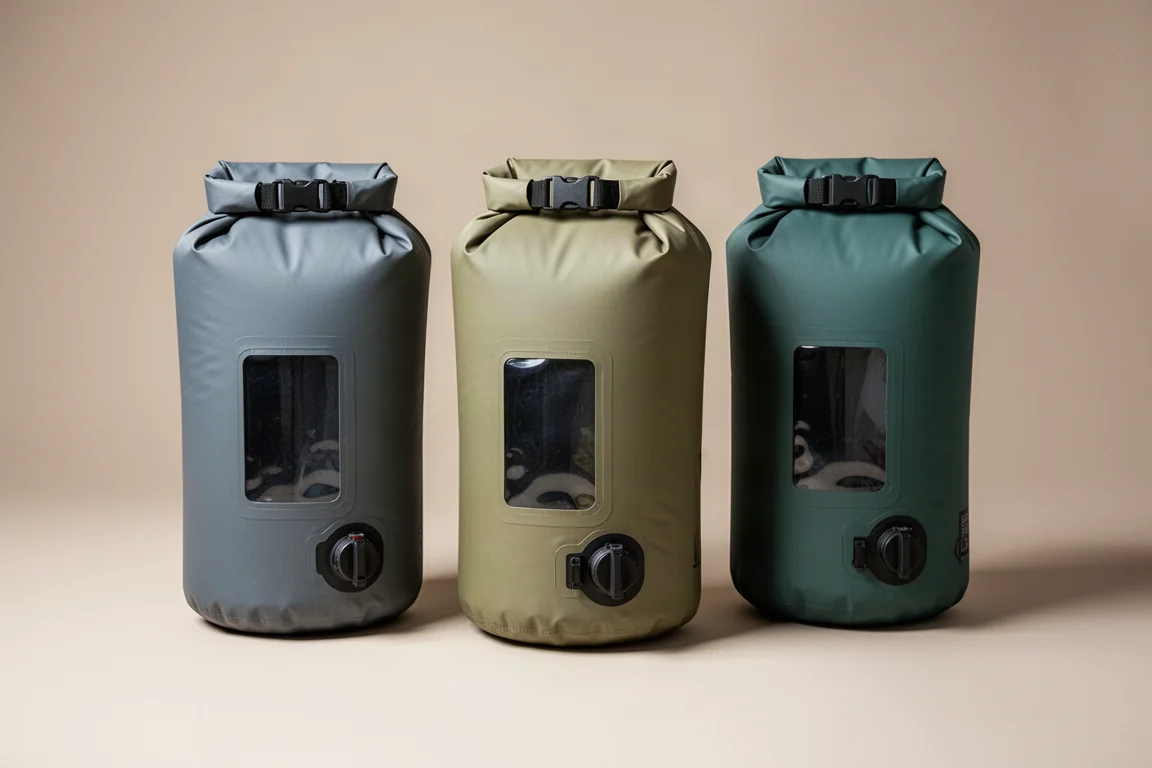
The Diddy Dry Sack is not a sleeping product, but it uses the same construction as the dry sacks Zen Bivy makes for its sleeping bags. The sacks are fully welded with no sewing, which removes the stitch lines that would otherwise need sealing. The shape is unusual as well: these are wider than they are tall, so they sit flat in a pack instead of standing up as a tall column.
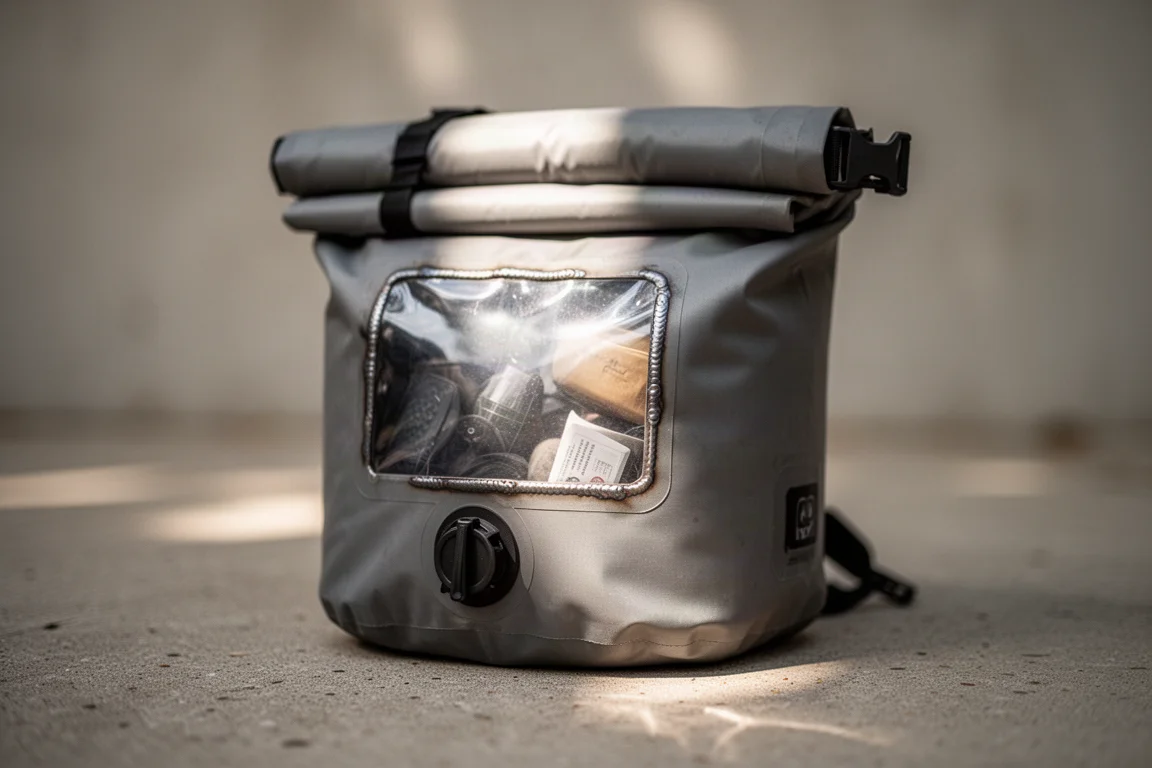
A clear window on the front is the detail that makes them practical. It is not primarily there to show what is inside. It lets light into the bag so you can dig through and find a headlamp or a tube of toothpaste without emptying the whole thing onto the ground. Roll the top down three times and the sack forms a pouch shape, and a release valve lets you squeeze the remaining air out so the contents compress and stay put inside a pack. Three sizes are available at 5, 3 and 2 liters, and they are color-coded so you can tell your food bag from your clothing bag at a glance. A related welded pack liner is also in development in two sizes, sized around 40-liter and 60-liter packs, designed to be loaded first and dropped into the bottom of a backpack.
Overall Buying Advice
Start with how the system will travel. Backpackers should look at the Light Bed with the full-length sheet, paired with either the Ultralight Mattress or the Flex Air Mattress, and should consider the rectangular option if they move around at night. Anyone who prefers zippers over clips on the trail should look at the Zip Bed Trek, which is the lightest zippered bed in the range.
Car campers can take the opposite approach. The Zip Bed Overland and the Flex 3D Mattress are built around comfort rather than packed weight, and the combination of a rectangular quilt with a flat-topped foam mattress is as close to a bed at home as this range gets. Just confirm the 30 by 80 inch size fits your tent before committing to the larger pad.
The smaller items are easy additions. The Soft Top Pillow completes the sleep setup with adjustable height and a down topper, and the Diddy Dry Sack solves organization once you are on the move. If you are building a system for the first time, buying the bed, mattress and pillow from the same range means the sizing and connection points already match.
Conclusion
The Zen Bivy lineup rewards a clear-eyed look at how you actually sleep outdoors. Weight-focused buyers get thinner fabrics, clip attachments and a lighter mattress, while comfort-focused buyers get padded sides, a wider rectangular quilt and a foam-filled pad that behaves more like a real bed. The pillow and the welded dry sacks round out the system for anyone who wants the whole setup to work as one.
Match the pieces to your camping style, size the mattress to your tent, and the range covers everything from a multi-day hike to a weekend at a drive-in site.
Further reading
Related Reviews
Camping Sleep Systems
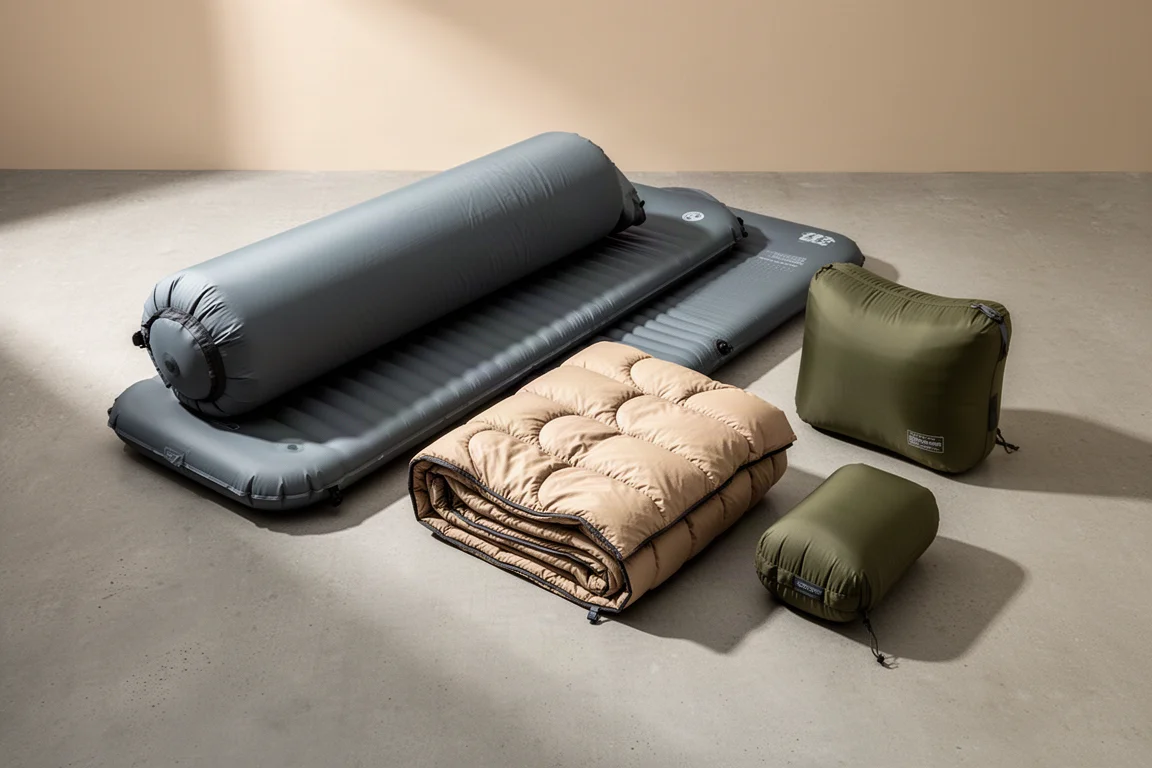
Backcountry Sleep System Guide: Two Pads and Two Pillows for Colder Nights
Two sleeping pads and two camp pillows that cut pressure points and tossing, plus the quilt setup habits that keep cold air out of your sleep system.
Camping Sleep Systems
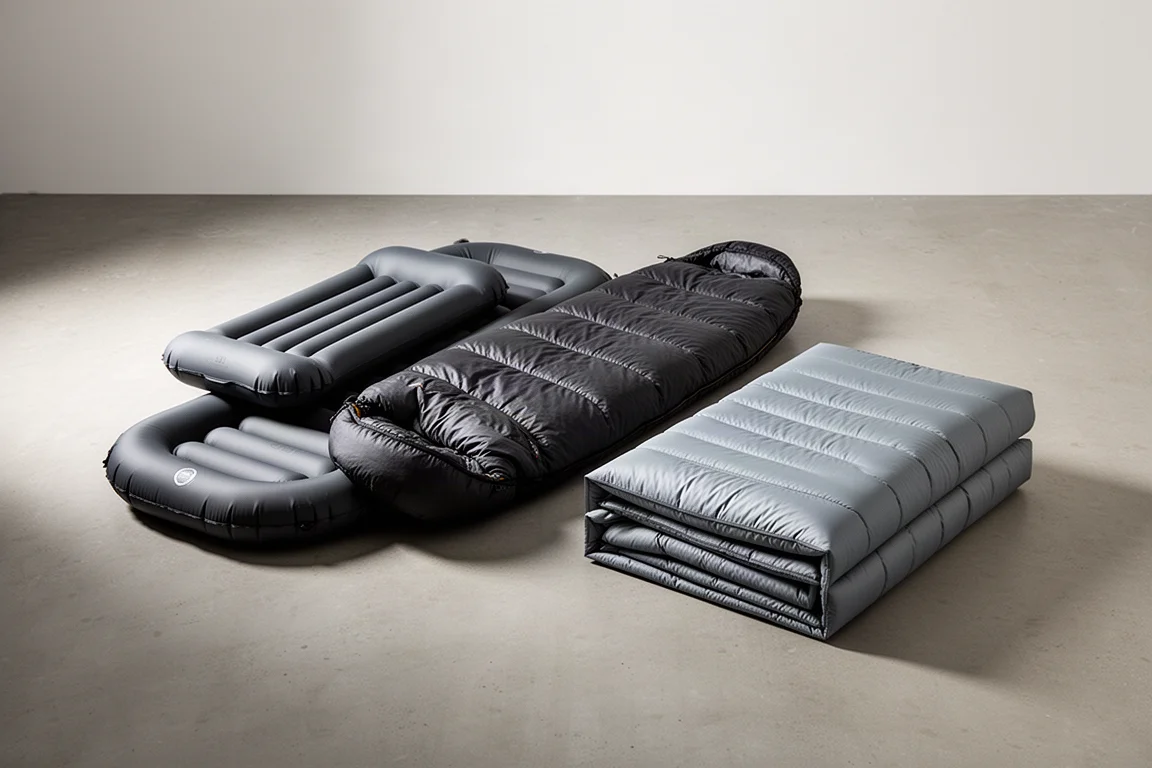
Extreme Cold Sleep System: Three Pieces That Make Winter Camping Work
A practical look at the three core pieces of an extreme cold sleep system that together handle wind, cold ground, and moisture on sub-zero nights.
Camping Sleep Systems
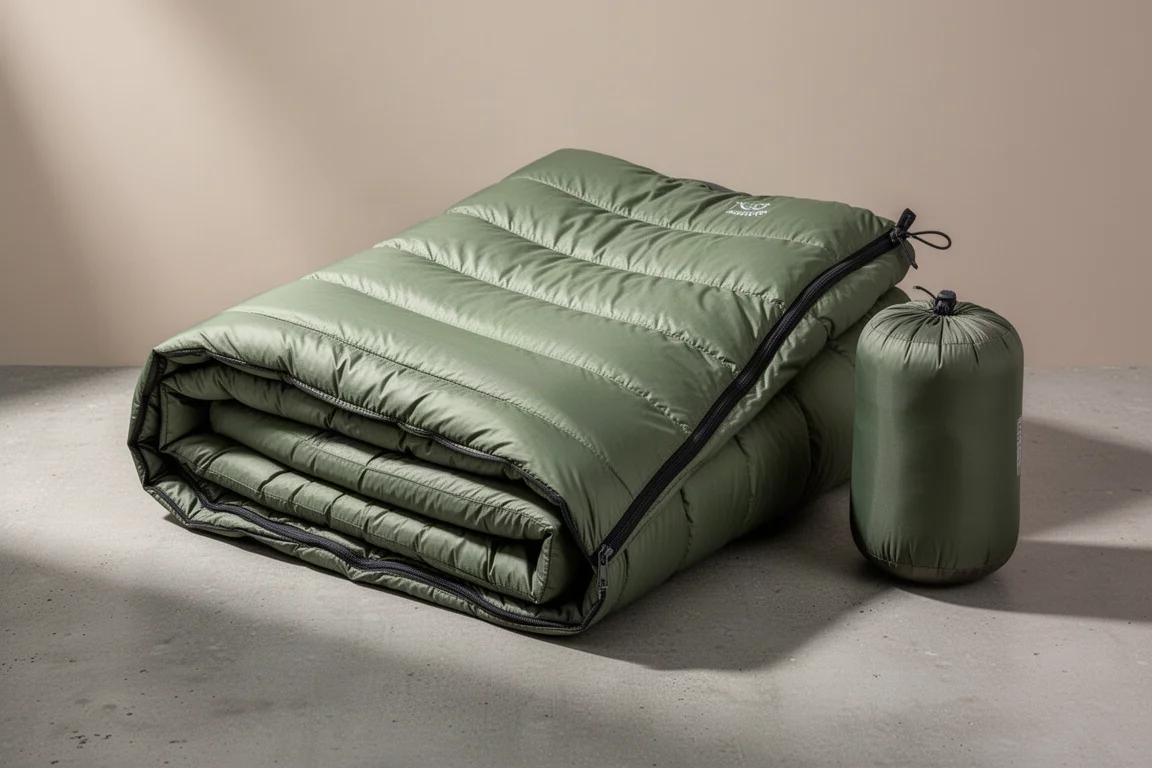
NatureHike Ultralight Down Quilt Review: A Versatile Warm-Weather Sleep System
A close look at the NatureHike Ultralight Down Quilt, covering real-world warmth, build quality, weight, sizing, and the one trade-off to expect from any down-filled product.