Camping Sleep Systems
Zen Bivvy Light Bed vs Sea to Summit Ascent: Two Bed-Like Backcountry Sleep Systems
A close look at two backpacking sleep systems built around bed-like comfort: the Zen Bivvy Light Bed quilt and fitted sheet, and the Sea to Summit Ascent down sleeping bag.
Introduction
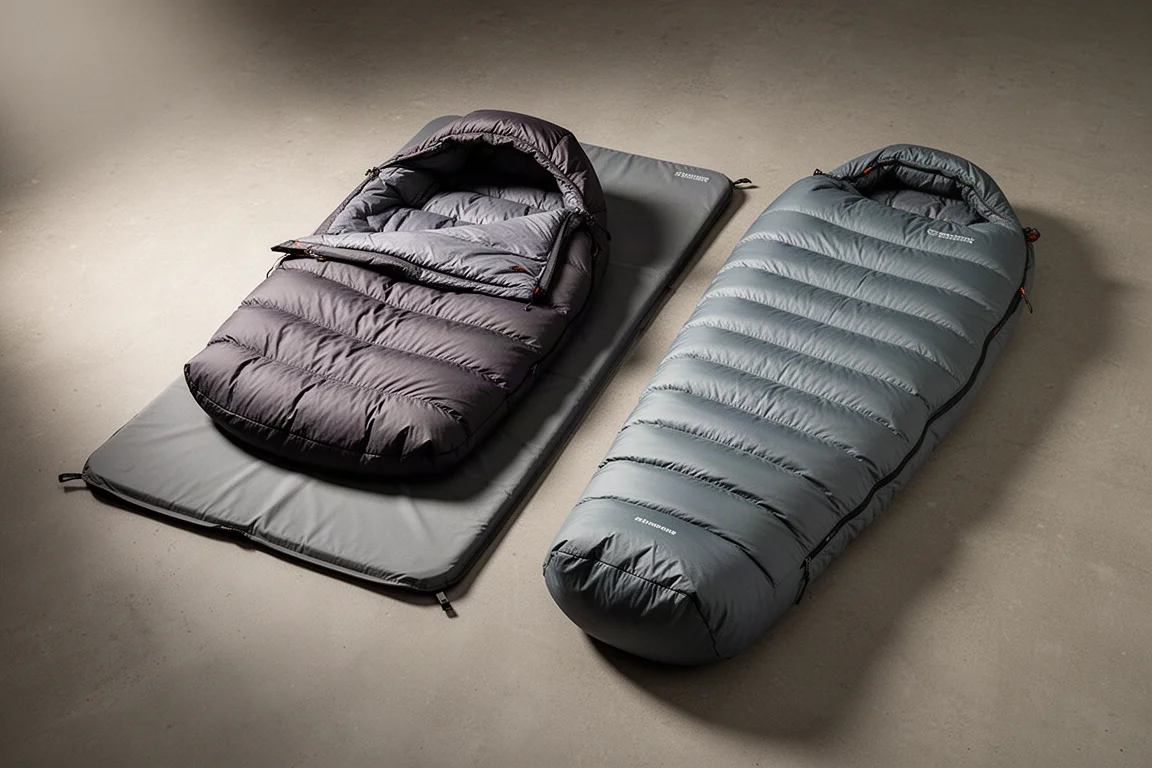
Sleep is the one part of a backpacking trip you cannot push through or work around. Two systems approach that problem from different directions while aiming at the same result: a setup that feels closer to a bed than to a cocoon. The Zen Bivvy Light Bed pairs a top quilt with a fitted sheet that wraps a sleeping pad, while the Sea to Summit Ascent Down Sleeping Bag keeps the familiar mummy silhouette and adds venting options that make it far more adaptable than its shape suggests.
Both are down-filled, both are built to limit drafts, and both accept a little extra weight and bulk in exchange for comfort you can actually feel in the middle of the night.
What Makes a Sleep System Feel Like a Bed
Three qualities separate a bed-like system from a standard bag. The first is width, because a sleep system that stays wide across the body does not need to be tucked underneath you to stay warm. The second is freedom to move, since rolling from side to side should not open a cold gap along the shoulder. The third is draft control, which is what turns a wide, comfortable setup into a genuinely warm one.
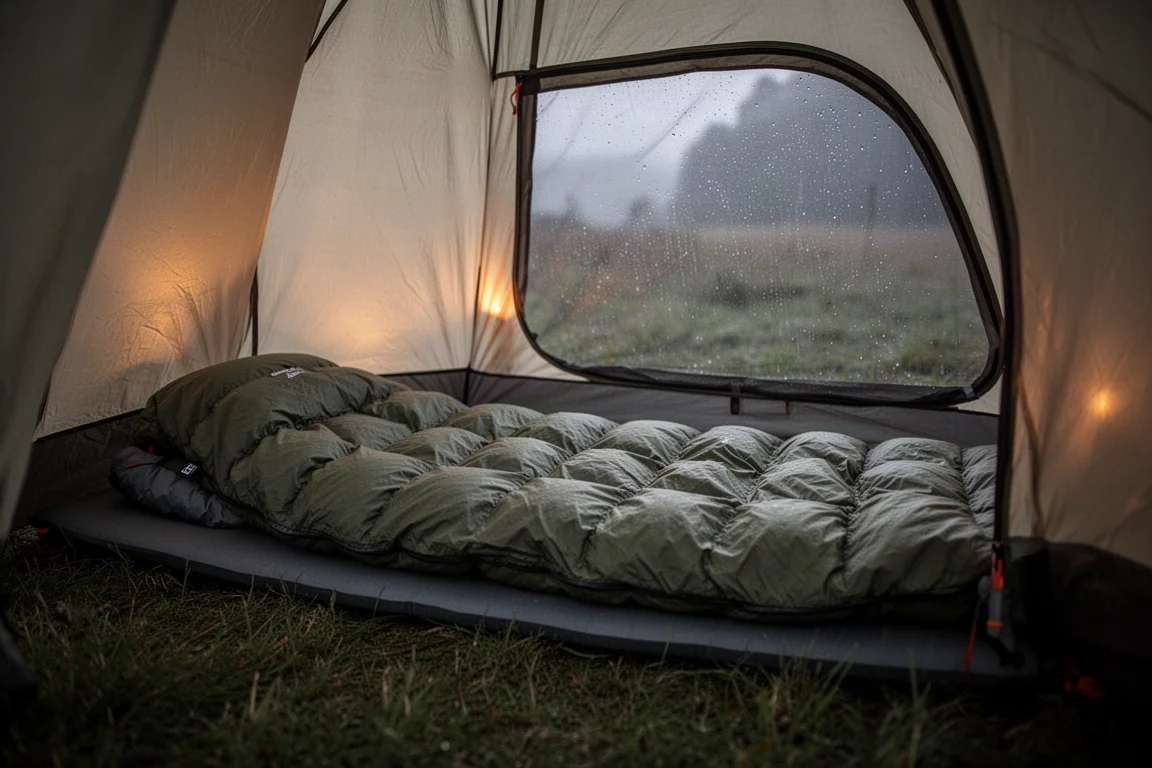
The Zen Bivvy Light Bed and the Sea to Summit Ascent answer those three questions differently, which is why the decision usually comes down to how you sleep rather than to which system is better on paper.
Zen Bivvy Light Bed: Quilt Attached to a Fitted Sheet
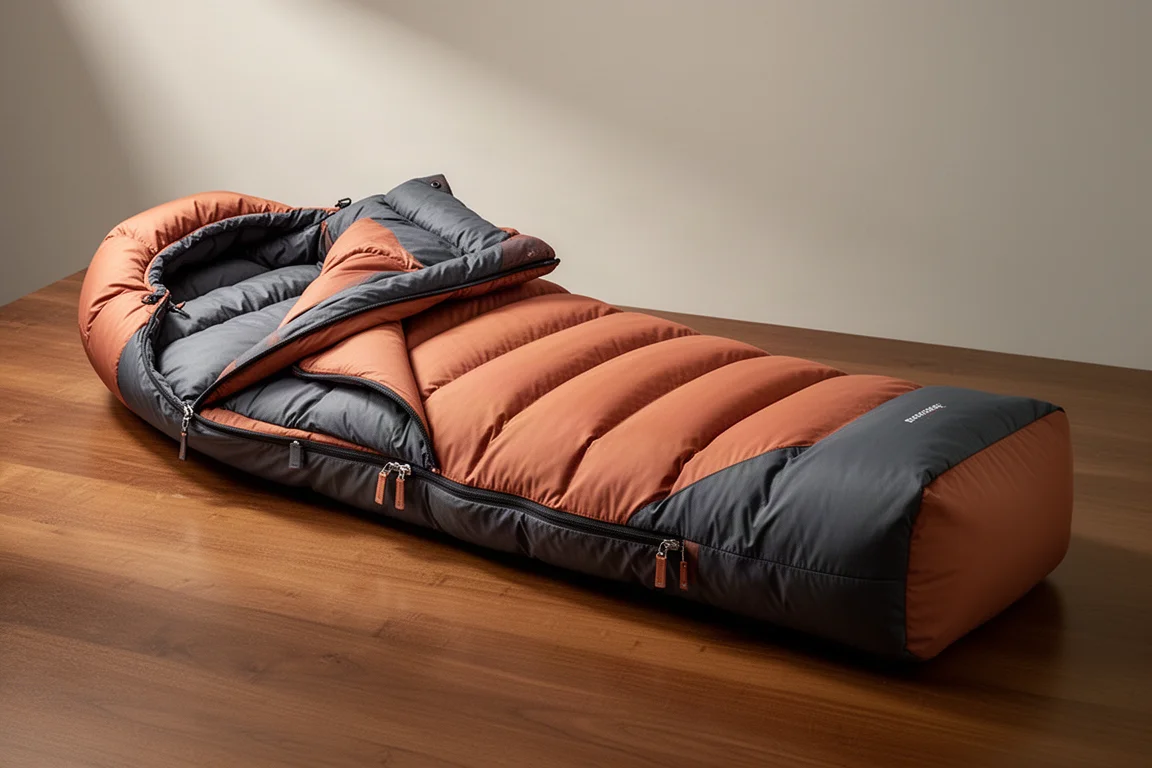
The Light Bed is a quilt system with a fitted sheet that wraps around a sleeping pad. The quilt attaches to that sheet with small hooks, and once the two are connected they form a full hood. That connection is the heart of the design: because the quilt stays anchored to the sheet, you can move around inside the system without opening the draft points that quilt setups normally create.
The quilt covered here is a 10 degree large, which makes it very wide and long enough for someone just under six feet. A side panel with hooks keeps the quilt wide across the body so it does not have to be tucked underneath you. The foot box is fully configurable, closing down tight for the warmest possible night, opening into a more rectangular shape for extra foot room, or left completely open for mild conditions when a quilt over a bed at home would do just as well.
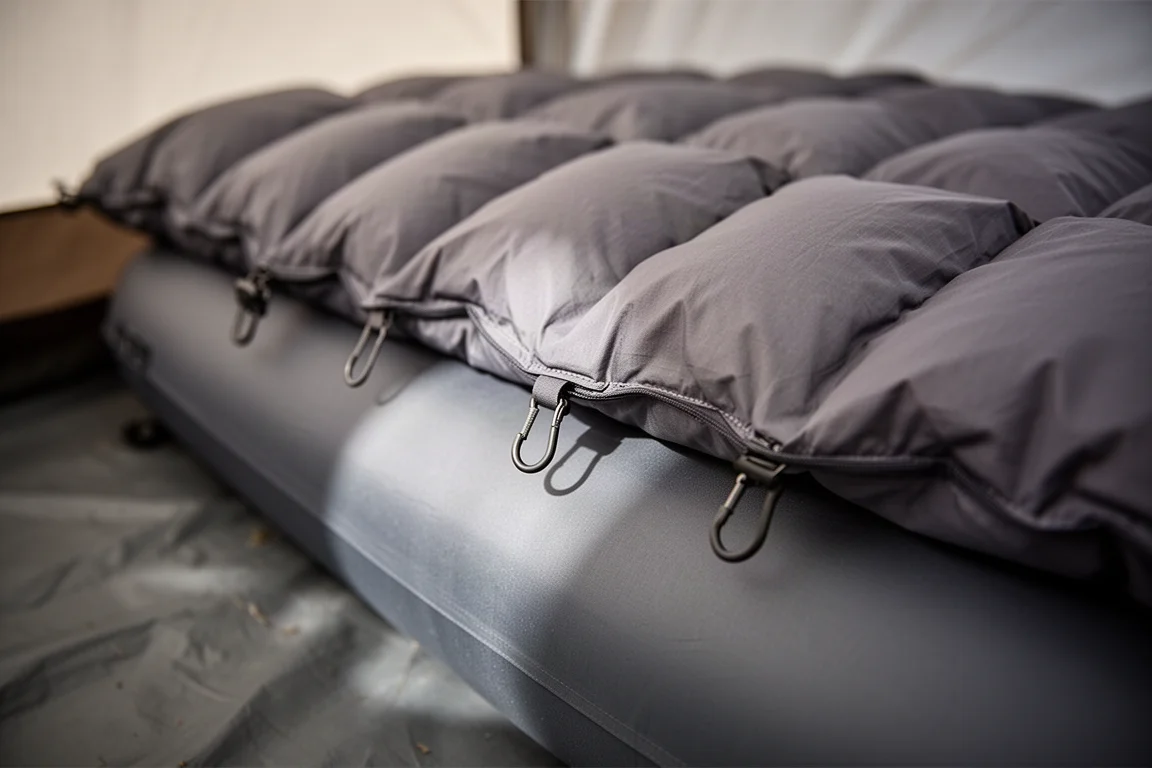
The hood is one of the largest parts of the design, and the quilt uses a shaped cut that sits under the chin without riding high, then rises over the shoulders to close off drafts. Fill is 800 fill power down with a treatment that helps it resist moisture and keep its loft, and the down is certified responsibly sourced. The Light Bed comes in several sizes, starting at 20 by 72, with wider and longer versions available for different pad and body dimensions.
Sea to Summit Ascent Down Sleeping Bag: Traditional Shape, Extra Venting
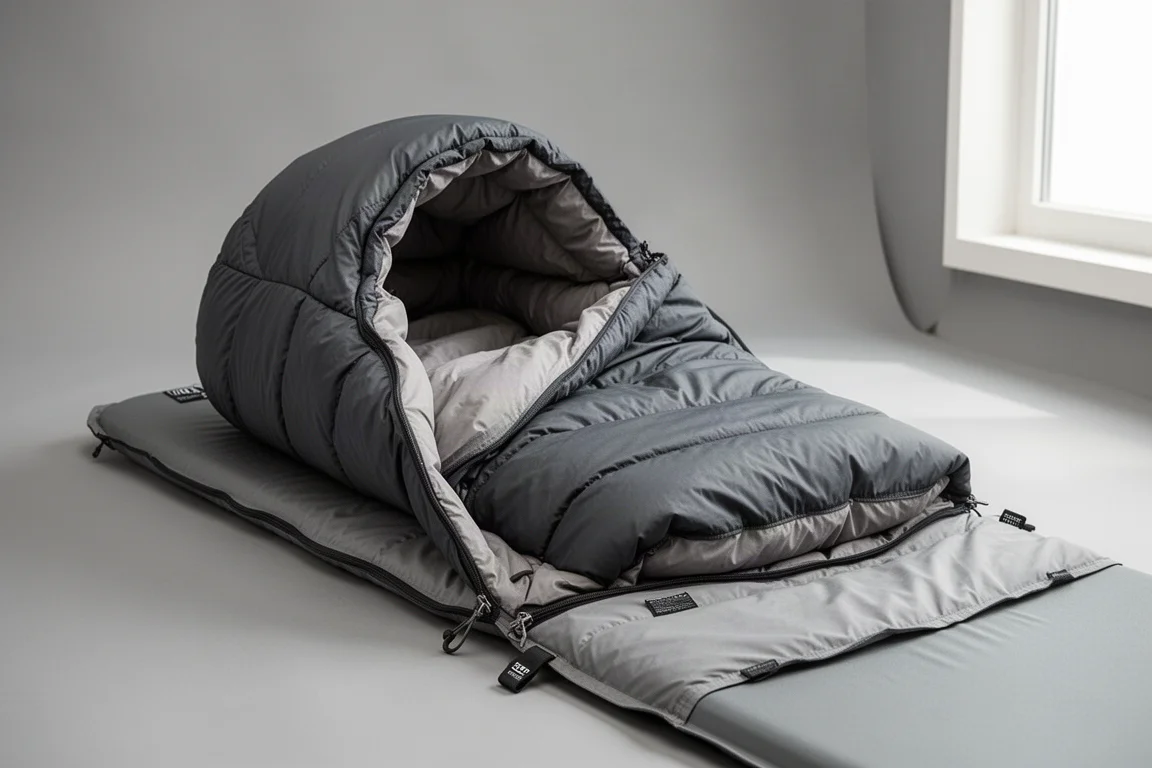
The Ascent is a 15 degree down bag with a mummy silhouette that keeps more rectangular proportions than most bags in its class. Fill is 750 plus fill power down that is responsibly sourced.
The main zipper runs roughly three-quarter length down one side of the bag, so it opens wide and is easy to climb into. Draft collars sit at the top and around the back of the neck, and the hood is fitted rather than loose.
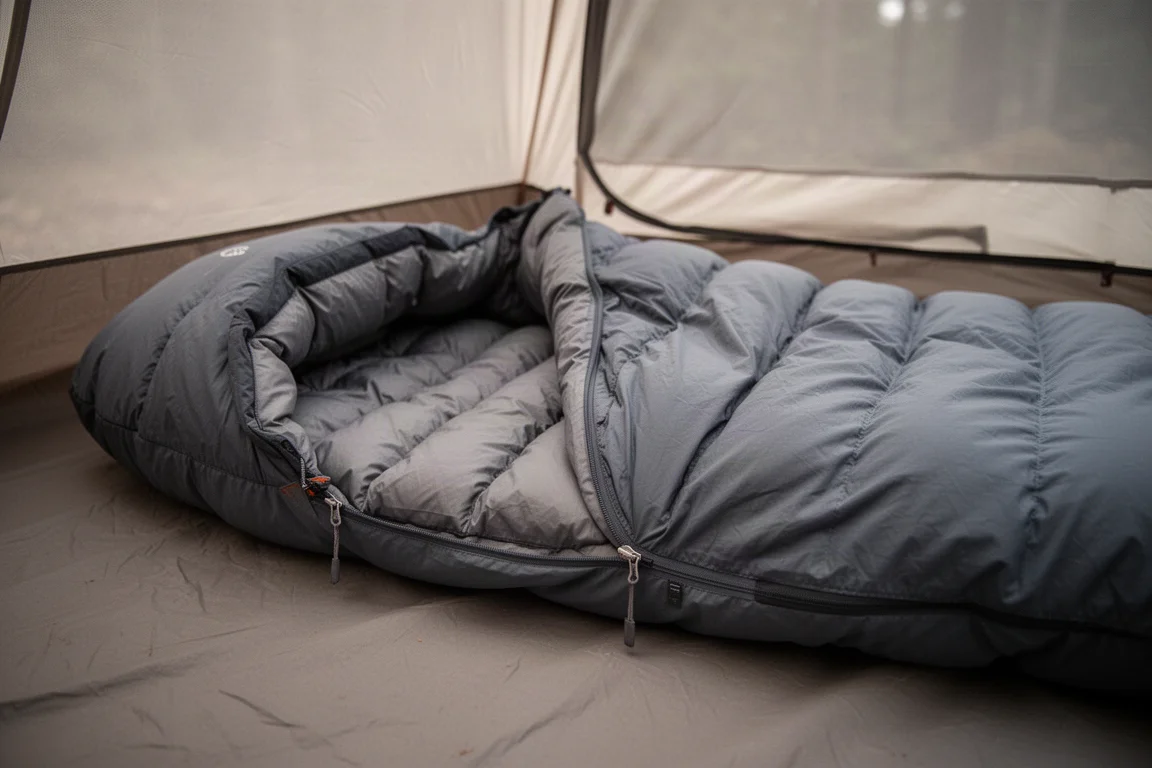
A second zipper on the opposite side is a half zip, and it is the feature that changes how the bag feels. Opening it lets the front of the bag drop away for venting, and the two zipper pulls make it simple to open the side and bring your arms out across your chest instead of lying fully cocooned. A separate zipper at the bottom of the foot box lets you vent the foot end or open it entirely when your feet run warm.
Despite the traditional shape, the interior stays open and roomy. The foot box is wider and more rectangular than a typical mummy, there is plenty of space to shift from side to side, and a small accessory pocket inside is handy for a headlamp or a water filter.
Buying Advice: Matching the System to Your Trips
Start with how you sleep. Anyone who rolls through the night or sleeps on their side will likely get more from the Light Bed, because the quilt stays anchored to the fitted sheet and keeps the system wide and draft-free while you move. If you prefer a single piece of gear that packs and sets up like a conventional bag, the Ascent is the more familiar route, and its venting zippers let it work across a wider spread of temperatures than a fixed mummy bag.
Temperature ratings are worth comparing directly. The Light Bed quilt described here is a 10 degree option, while the Ascent is rated to 15 degrees. The pad matters too, since the Light Bed’s fitted sheet is designed around a sleeping pad and works best with one you already trust.
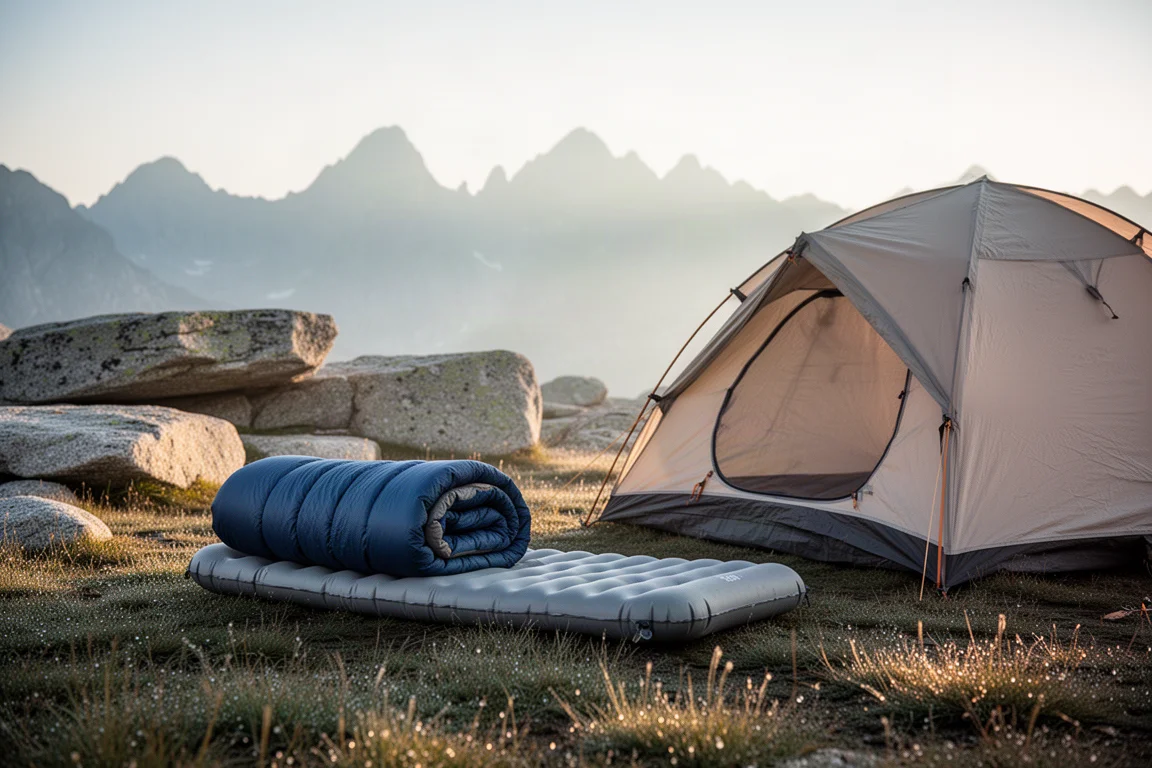
Both systems rely on treated, responsibly sourced down, so a little care pays off over time. Keep the bags dry, air them out after a trip, and store them loose rather than compressed so the down can recover its loft between outings.
Conclusion
The Zen Bivvy Light Bed and the Sea to Summit Ascent reach bed-like comfort by different routes: one through an anchored quilt and fitted sheet that stay wide while you move, the other through a traditional down bag with enough venting to adapt to the night. If backcountry sleep quality sits near the top of your priorities, both are sensible places to start, and the right pick is simply the one that matches the way you actually sleep.
Further reading
Related Reviews
Camping Sleep Systems
Backcountry Sleep System Guide: Two Pads and Two Pillows for Colder Nights
Two sleeping pads and two camp pillows that cut pressure points and tossing, plus the quilt setup habits that keep cold air out of your sleep system.
Camping Sleep Systems
Extreme Cold Sleep System: Three Pieces That Make Winter Camping Work
A practical look at the three core pieces of an extreme cold sleep system that together handle wind, cold ground, and moisture on sub-zero nights.
Camping Sleep Systems
NatureHike Ultralight Down Quilt Review: A Versatile Warm-Weather Sleep System
A close look at the NatureHike Ultralight Down Quilt, covering real-world warmth, build quality, weight, sizing, and the one trade-off to expect from any down-filled product.