Backpacking Sleep Systems
Zen Bivvy Light Bed vs Big Agnes Lost Ranger: Two Backpacking Sleep Systems Compared
A quilt-style sleep system and a three-in-one bag, compared on real overnight temperatures, comfort, ventilation, and packed size.
Introduction
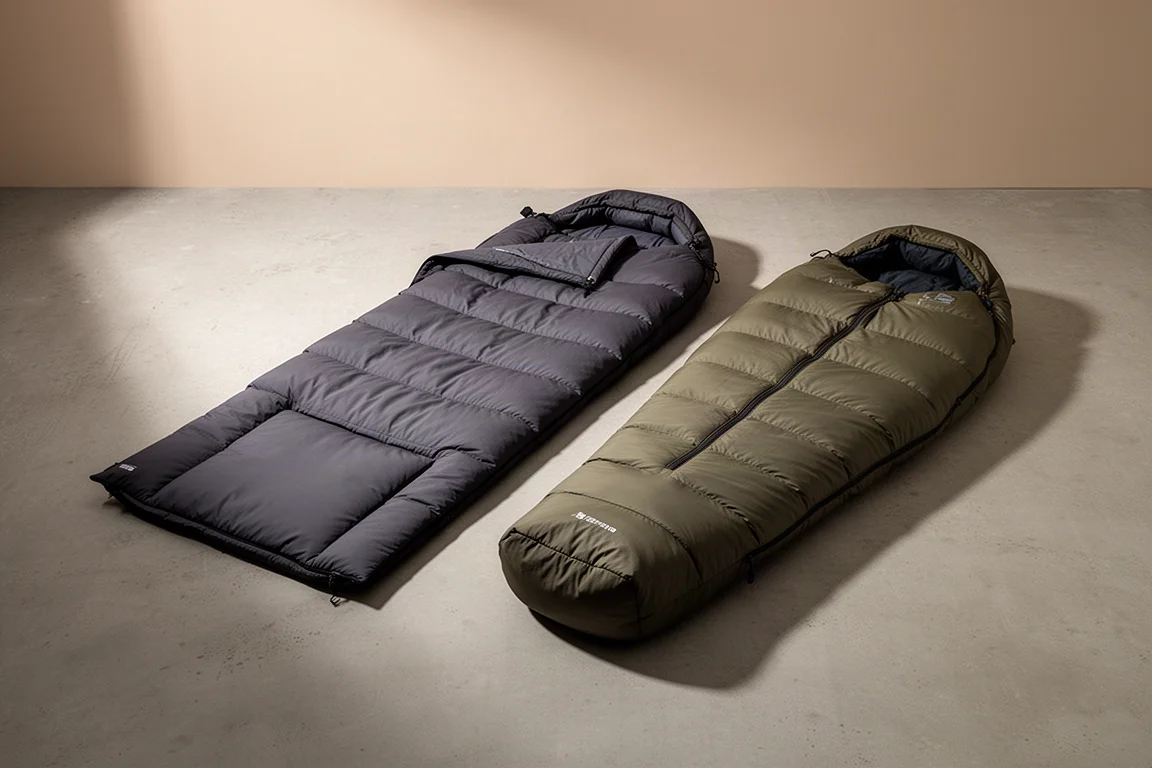
Backpacking sleep gear usually forces a choice between warmth, weight, and how much room you have to move. The Zen Bivvy Light Bed and the Big Agnes Lost Ranger attack that trade-off from opposite directions. The Zen Bivvy is a quilt and sheet pairing that tries to feel like a bed at home. The Lost Ranger is a three-in-one bag built to cover a wider range of seasons with a single purchase.
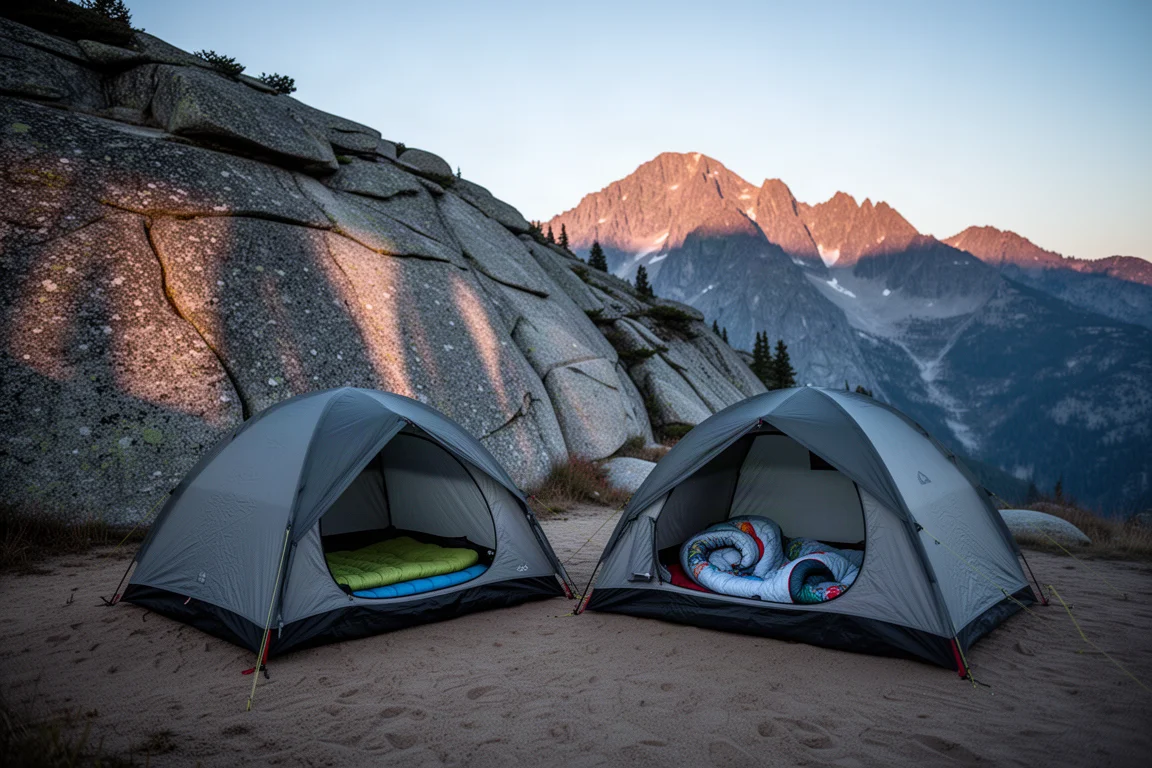
Both systems were used over several nights in the Sawtooth Mountains, where overnight temperatures fell to around 36°F. That is a useful test range: cool enough to expose weak spots in warmth and ventilation, but far from deep winter. What follows is how the two compare, and which one makes more sense for different kinds of trips.
What to Look For in a Backpacking Sleep System
The details that decide whether you sleep well are rarely the headline temperature rating. They are smaller things: how the bag or quilt closes, whether you can vent heat without fully opening it, whether your pillow stays where you put it, and how much room you have to roll from your back to your side or stomach.
Closure design matters more than most buyers expect. Zippers are familiar and quick, but they can be awkward when you are half asleep and trying to change position. Clip and clasp systems avoid the zipper track entirely, though small hardware can be harder to locate by touch in a dark tent.
Packed size is the other half of the equation. A sleep system that is comfortable but takes up a large share of your pack volume changes what else you can bring, especially on multi-day routes where food and water already compete for space. Sizing deserves the same attention, because the difference between a generous cut and a snug one is often the difference between sleeping through the night and waking up repeatedly.
Zen Bivvy Light Bed: A Quilt That Feels Like a Bed
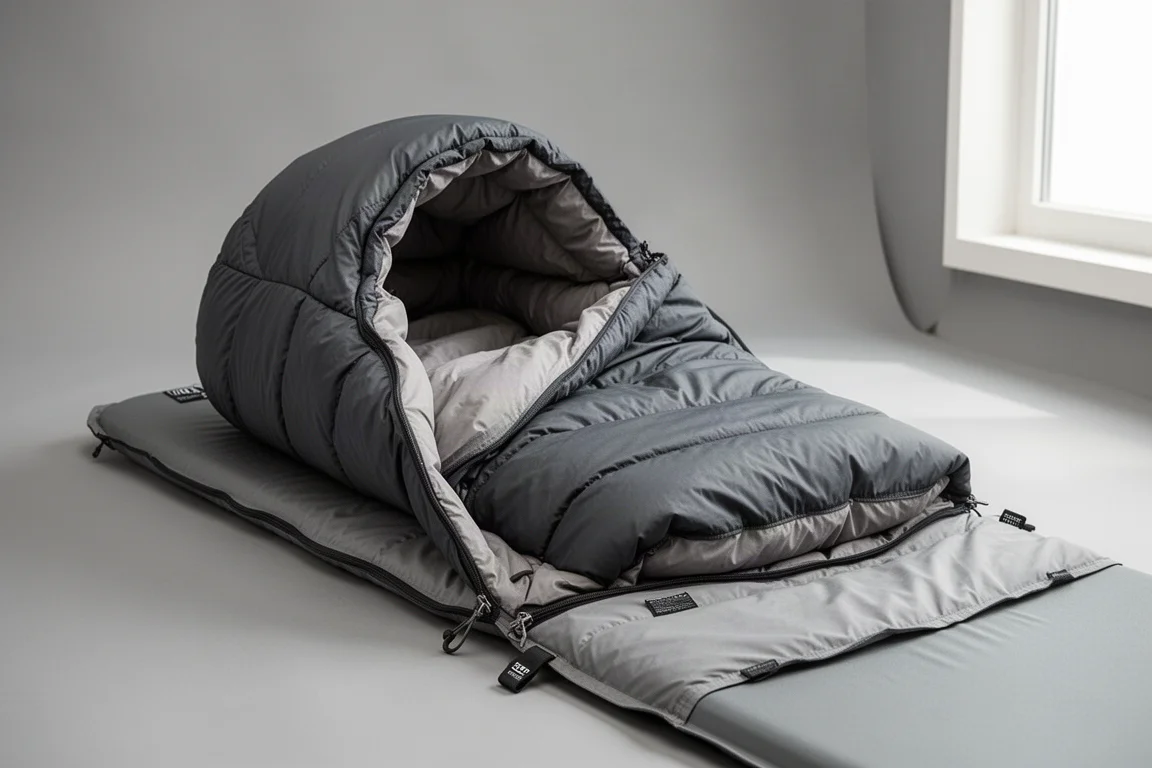
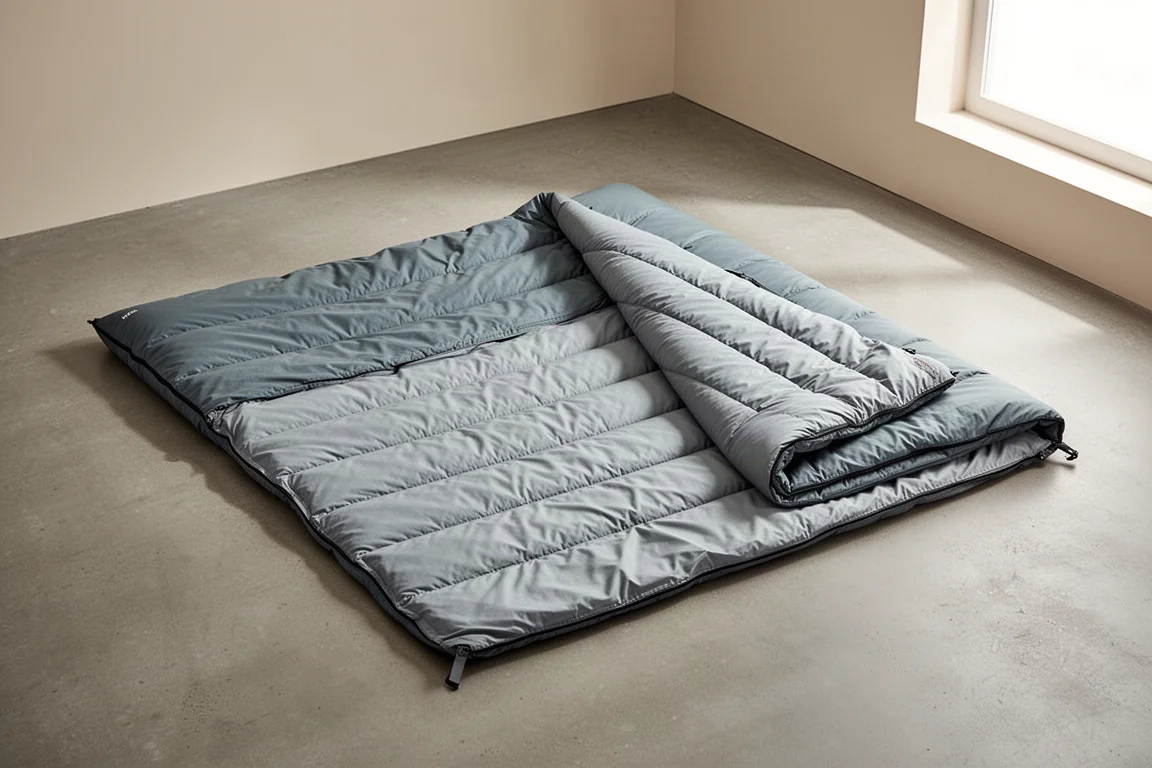
The Zen Bivvy Light Bed is built as a two-piece system: a quilt-style top layer and a bottom sheet that wraps under the sleeping pad and attaches at the corners with stretchy material, so it adapts to different pad sizes. The two pieces are sold separately but are designed to work together, and the pairing is where the concept makes sense.
Instead of a zipper, the top layer connects along the sides with small clasps that can be opened or closed depending on how cold the night looks. Extra clip points along the sides, plus a drawcord at the foot box, let you vent heat from specific areas rather than opening the whole system. The most distinctive feature is a very large pillow barn, deep enough that a pillow stays in place, and the opening can be pulled over the head like a hood when conditions demand it. The insulation is down, rated at 800 fill.
The version tested was the 10-degree option in the extra wide and extra long size, roughly 25 inches wide by 77 inches long, priced at around $400. On a night that dropped to about 36°F it was comfortably warm with room to spare. The open interior makes it easy to sleep on your stomach, or to keep an arm outside the quilt without needing a glove or a puffy layer, which is a genuine advantage for anyone who dislikes being fully cocooned.
The main drawbacks are bulk and the clasps. The extra wide, extra long version takes up significant pack space, and a smaller 20 by 72 size would trim that without giving up the bed-like layout. Reattaching the clasps in the middle of the night is also fiddly enough that a light is often needed, which is the one place a conventional zipper is genuinely easier.
Big Agnes Lost Ranger: A Three-in-One Sleep System
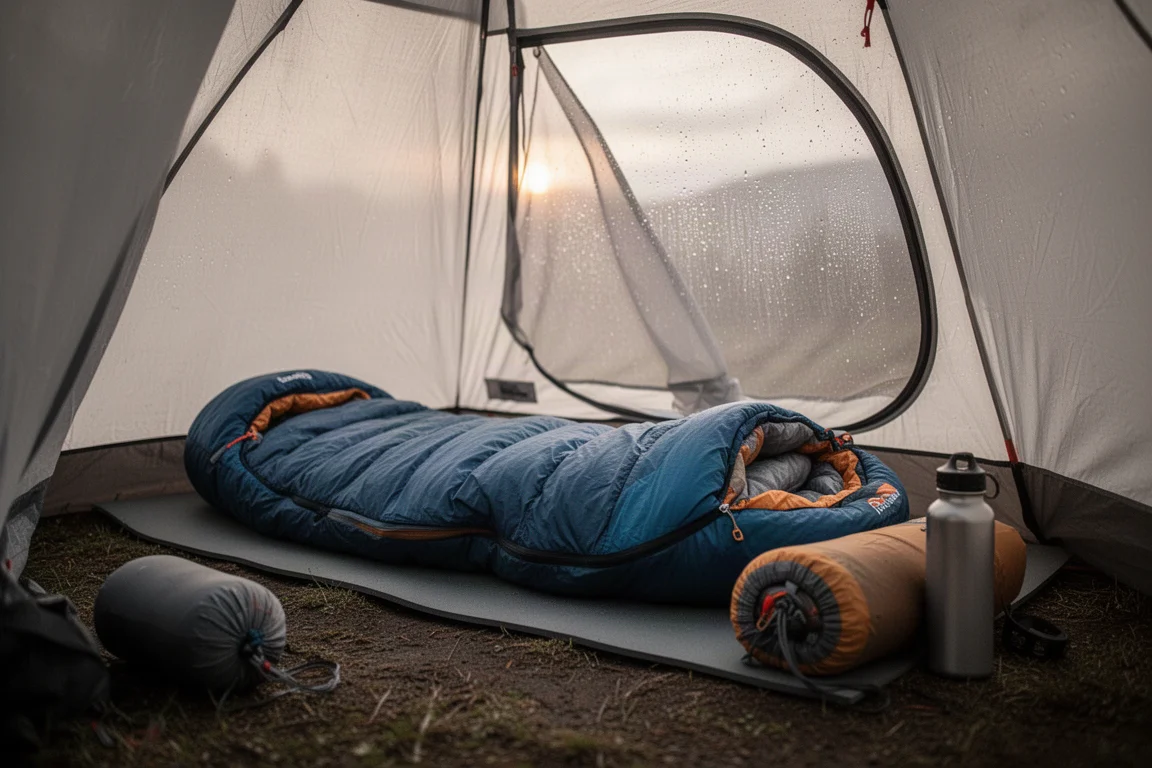
The Big Agnes Lost Ranger takes a different route. It is a three-in-one design intended to work across seasons with a single setup, which appeals to anyone who wants one purchase to cover a range of conditions rather than buying separate bags for different trips.
The trade-off sits in the closure and the interior. The zipper system is the weak point, and rolling from one side to the other means negotiating the zipper rather than simply turning over. The interior fabric also feels slick compared with the Zen Bivvy sheet. On the plus side, it delivered a normal night’s sleep on the same trip, and the all-in-one approach means fewer decisions about what to pack.
For a buyer starting from nothing, that flexibility has real value. For a buyer who already owns a quilt or a bag and wants better sleep rather than broader coverage, the case is weaker.
Warmth, Ventilation, and Comfort Through the Night
Ventilation is where the Zen Bivvy separates itself. Because the top layer attaches with multiple clasps and clip points, heat can be released from the sides or the foot box without opening the whole quilt. That matters on nights that start cold and warm up, or for anyone who runs warm in the early hours and does not want to wake up overheated.
The pillow barn changes sleeping position more than it first appears. With a pillow held in place, it is possible to keep an arm under it and outside the insulation, which removes the usual choice between cold arms and an extra layer. The hood-like opening can be drawn over the head when temperatures drop, so the same system covers both milder and cooler nights.
The Lost Ranger covers a similar temperature range through its layered design, but the mummy-style closure and slick lining make it feel more restrictive. It kept its occupant warm, yet the sense of being sealed in is the opposite of what the Zen Bivvy offers.
Packed Size and Bulk on the Trail
Packed volume is the Zen Bivvy’s clearest compromise. The extra wide, extra long 10-degree version is a large item to fit into a pack, and the two-piece construction adds a little more to manage than a single bag. Choosing the 20 by 72 size would reduce that bulk while keeping the same layout.
The Lost Ranger’s three-in-one design also asks for pack space, since the system is made up of multiple components rather than one shell. Neither option is a minimalist choice, so if pack volume is your first constraint, a simpler single bag remains the smaller answer. If comfort outranks volume, both systems earn their place.
Sizing and Fit: Why Dimensions Matter
Pad compatibility is central to the Zen Bivvy design. The bottom sheet attaches at the corners with stretchy material, which lets it fit a range of pad sizes, and the top layer clips to that sheet rather than to the pad itself. Getting the sheet positioned well is what keeps the whole system aligned through the night.
The tested size, 25 inches wide by 77 inches long, is generous. It is also the reason the system feels like a bed rather than a bag. Buyers who want the same feel with less material should look at the 20 by 72 option. The Lost Ranger follows conventional bag sizing, with the mummy shape hugging the body more closely, which helps thermal efficiency but leaves noticeably less room to shift position.
Buying Advice: Which Sleep System Fits Your Trip
If comfort and freedom of movement are the priority, and you can live with the packed size, the Zen Bivvy Light Bed is the stronger choice. The bed-like interior, the large pillow barn, and the ability to vent heat in stages make it easier to sleep well across a range of overnight temperatures. At around $400 for the 10-degree version it is a considered purchase, and the smaller 20 by 72 size is worth a look if pack volume is tight.
The Big Agnes Lost Ranger makes more sense for a buyer who wants one three-in-one system to cover multiple seasons and does not already own a bag. Its flexibility is real, but the zipper system and the slick lining are compromises you live with on every trip.
Either way, match the temperature rating to the conditions you actually camp in. A 10-degree system used on a 36°F night has plenty of margin, and staged ventilation is what keeps that margin usable rather than too warm.
Conclusion
Both systems sleep well, but they solve different problems. The Zen Bivvy Light Bed trades pack space for the closest thing to sleeping in a real bed, with no zipper to fight in the dark and a pillow barn that keeps everything in place. The Big Agnes Lost Ranger trades some comfort for a single three-in-one setup that covers more of the year. Choose based on which of those compromises you would rather make.
Further reading
Related Reviews
Backpacking Sleep Systems
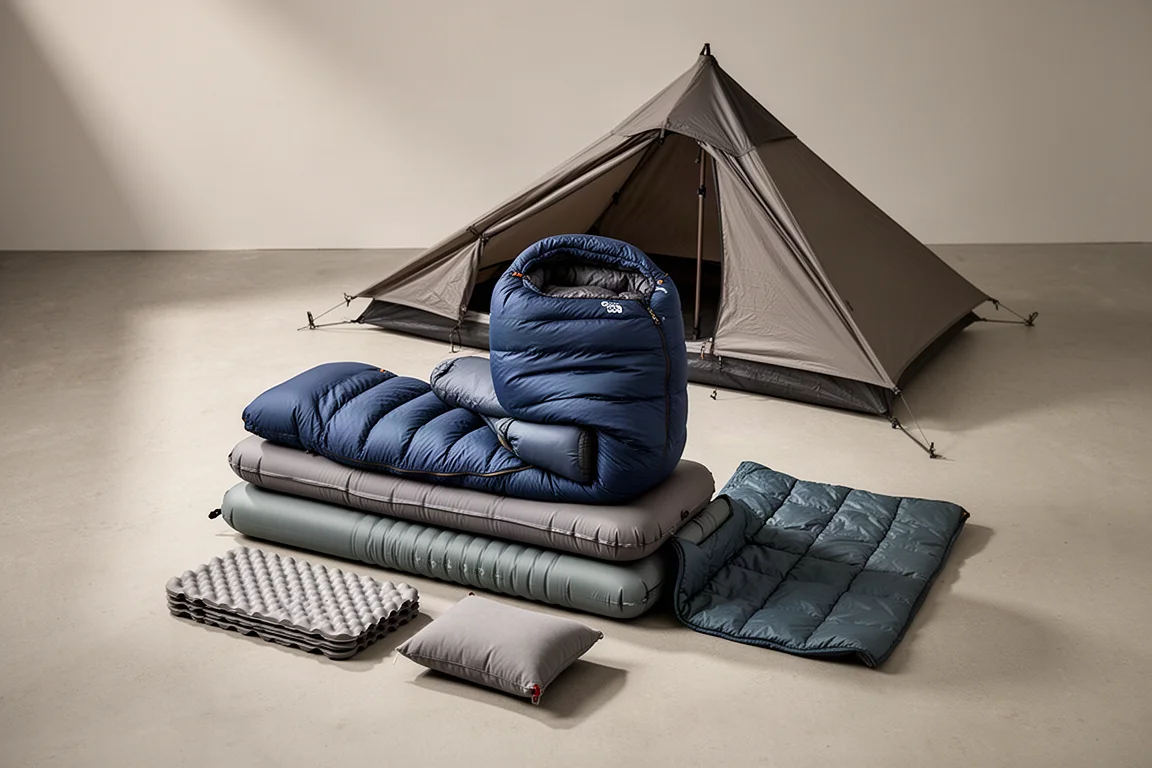
Extreme Cold Sleep System: Six Backpacking Layers for Deep Winter Warmth
A bottom-up look at a six-piece winter sleep system, from a foam ground mat to a floorless shelter, and the reason each layer earns its place.
Backpacking Sleep Systems
Luxury Backpacking Sleep System: Four Pieces That Feel Like a Bed at Home
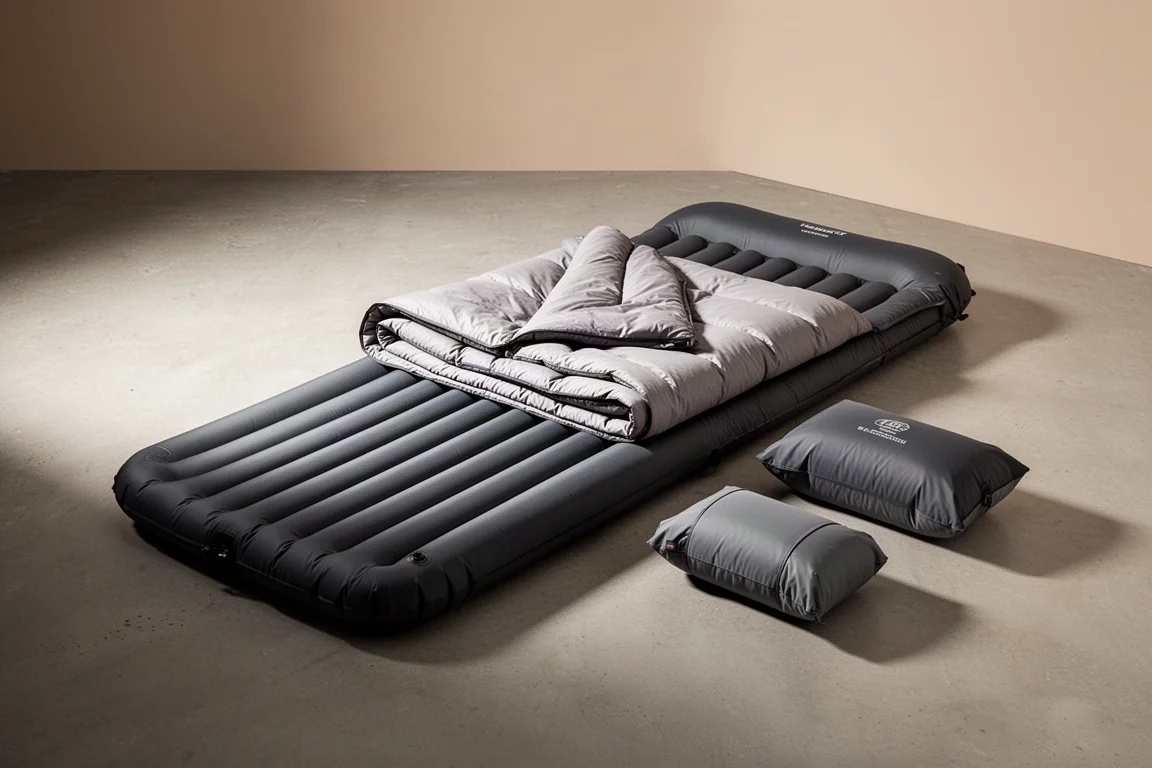
A wide, thick sleeping pad, a draft-free quilt, a generously cushioned pillow, and a few small habits that bring backcountry sleep much closer to home.
Backpacking Sleep Systems
Quilts vs Sleeping Bags for Backpacking: Five Sleep Systems Compared
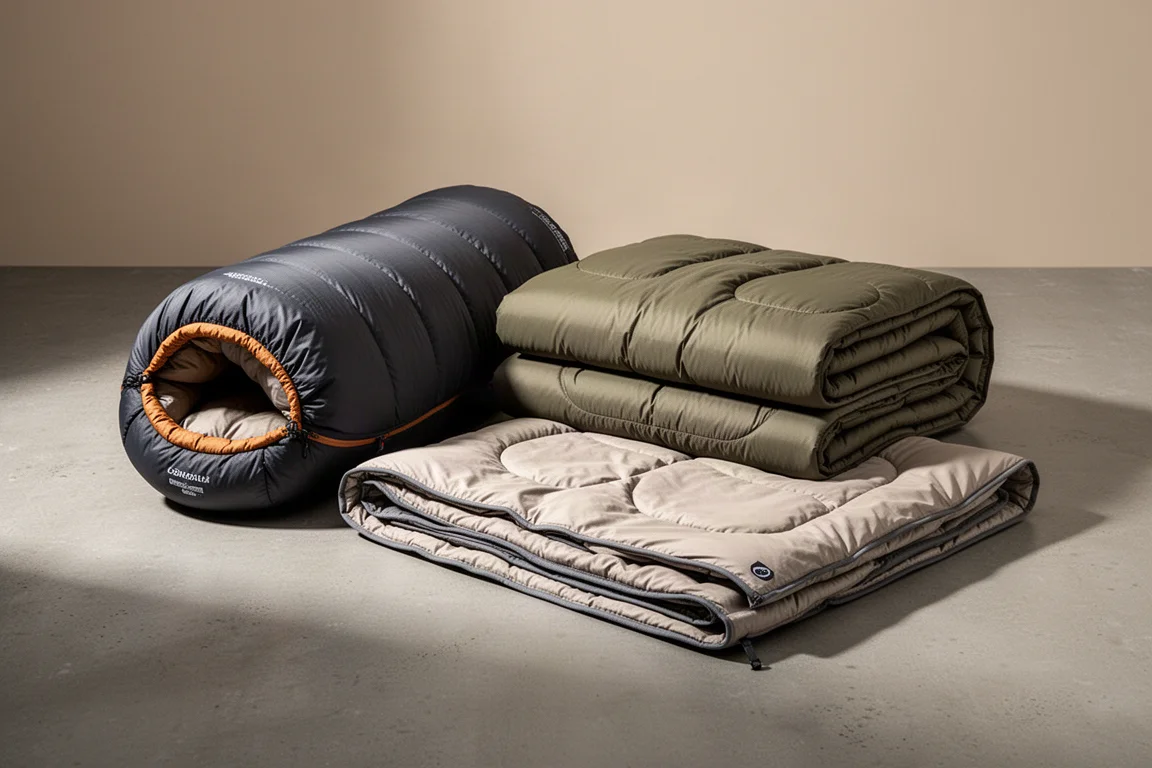
A practical look at five backpacking sleep systems, from wide quilts to adjustable sleeping bags and a ground-focused quilt bed, and how to choose between them.