Backpacking Sleep Systems
Zen Bivvy Light Bed System Review: A Backcountry Sleep Setup That Stays in Place
A long-term look at the Zen Bivvy Light Bed System, covering how the quilt, pad sleeve, and hood work together, how it handles cold conditions, and what to weigh before buying.
Introduction
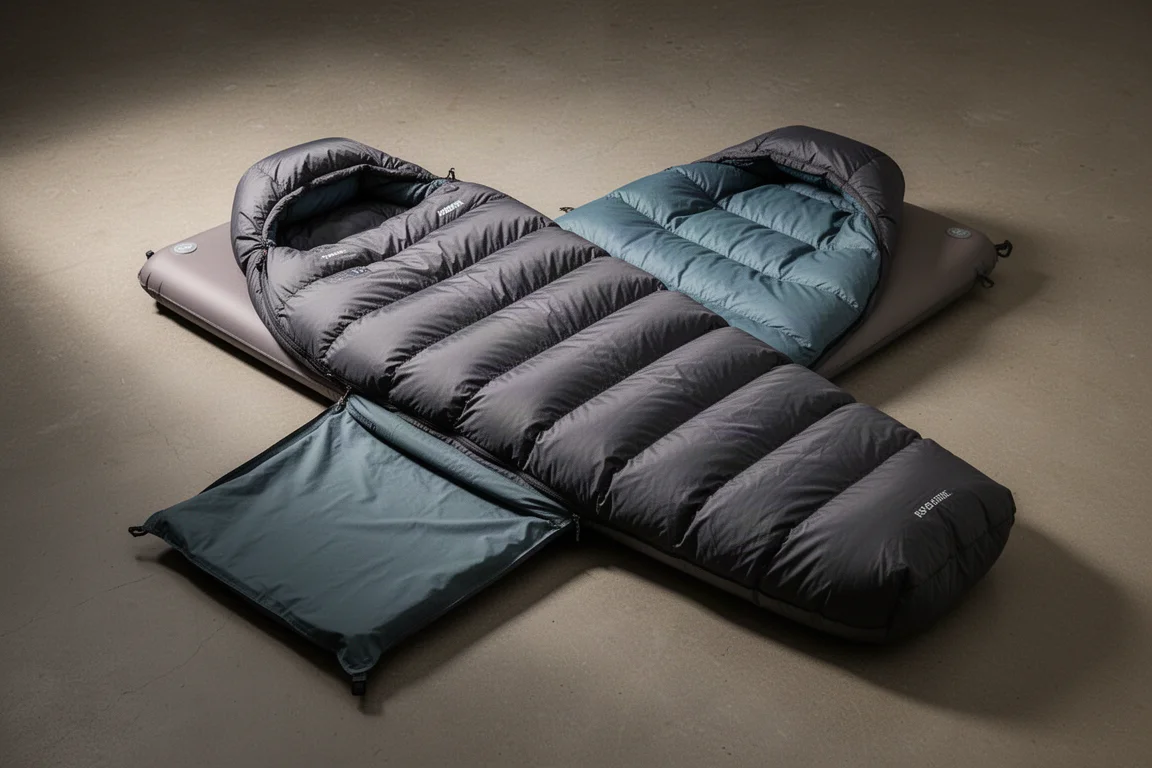
The Zen Bivvy Light Bed System approaches backcountry sleep differently. Rather than a traditional mummy bag, it combines a down quilt, a fitted pad sleeve with an integrated hood, and a sleeping pad into a single connected unit. The aim is straightforward: remove the draft points that make quilts fussy and keep the insulation where you put it, even when you change position during the night.
This review is based on several months with the system, including both the 25°F and 10°F quilt versions, used across winter, spring, and summer trips.
Who the Zen Bivvy Light Bed System Is For
The system suits backpackers who want a bed-like sleeping experience rather than the enclosed feel of a mummy bag. The quilt drapes over you while the pad sleeve keeps everything in place, so you get the roomy feel of a blanket with much of the draft control of a bag.
It also makes sense for anyone who moves around while sleeping. Because the quilt is attached to the pad sleeve, it does not roll away with you and open up cold spots along the sides.
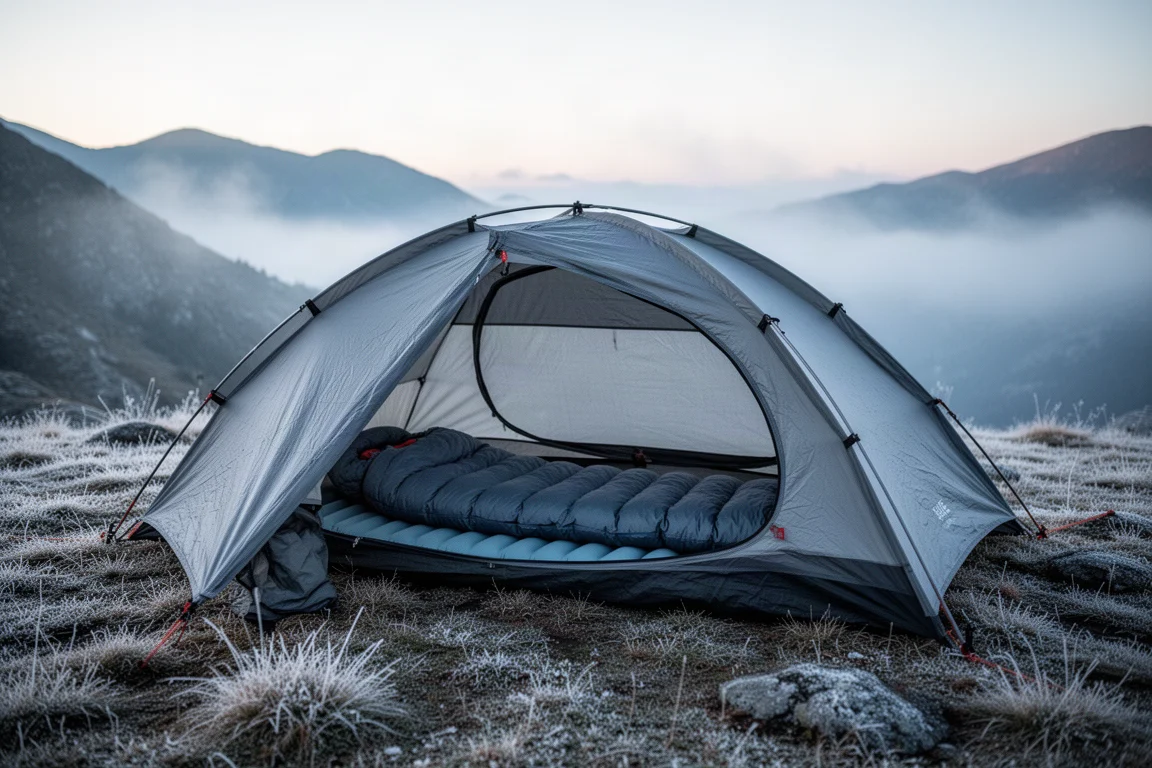
Cold-weather trips are where the design earns its keep most clearly, particularly for campers who sleep on their side or change position often. If you only camp in mild summer conditions and already sleep comfortably under a simple quilt, the full system is more than you need.
How the System Fits Together
There are three main parts. On top is the quilt, which is open at the back, closes at the foot box, and has no hood of its own. Below it sits the pad sleeve, which carries fabric side wings, attachment points, and a generously sized hood. The third part is a sleeping pad, which the sleeve wraps around to hold the whole assembly together.
The pad sleeve is sized for a specific pad. The matching Zen Bivvy Light Mattress measures 25 by 77 inches, and a narrower 20-inch-wide version is also offered. Choosing the wider sleeve is worthwhile: it leaves more room to move, and a shorter 25 by 72 inch pad still works well inside the longer sleeve.
The Quilt: Three Ways to Configure It
Used on its own, the quilt works like a traditional open-back quilt. Close the foot box, skip the hood, and travel light and simple. The differences show up in the details: the quilt is cut wider and longer than many traditional quilts, and it is designed to attach to the pad sleeve rather than simply drape over it.
The attachment points also change how warm the quilt sleeps. At the foot box, overlapping panels close off draft points without any zippers on the quilt. Color-coded clips make the different configurations easy to set up, and they can be adjusted from inside the system without much fuss. Fully closed, the foot box is narrow and warm. Opened up, it is considerably wider and allows more room to move. Undone completely, the quilt flattens out into a large blanket.
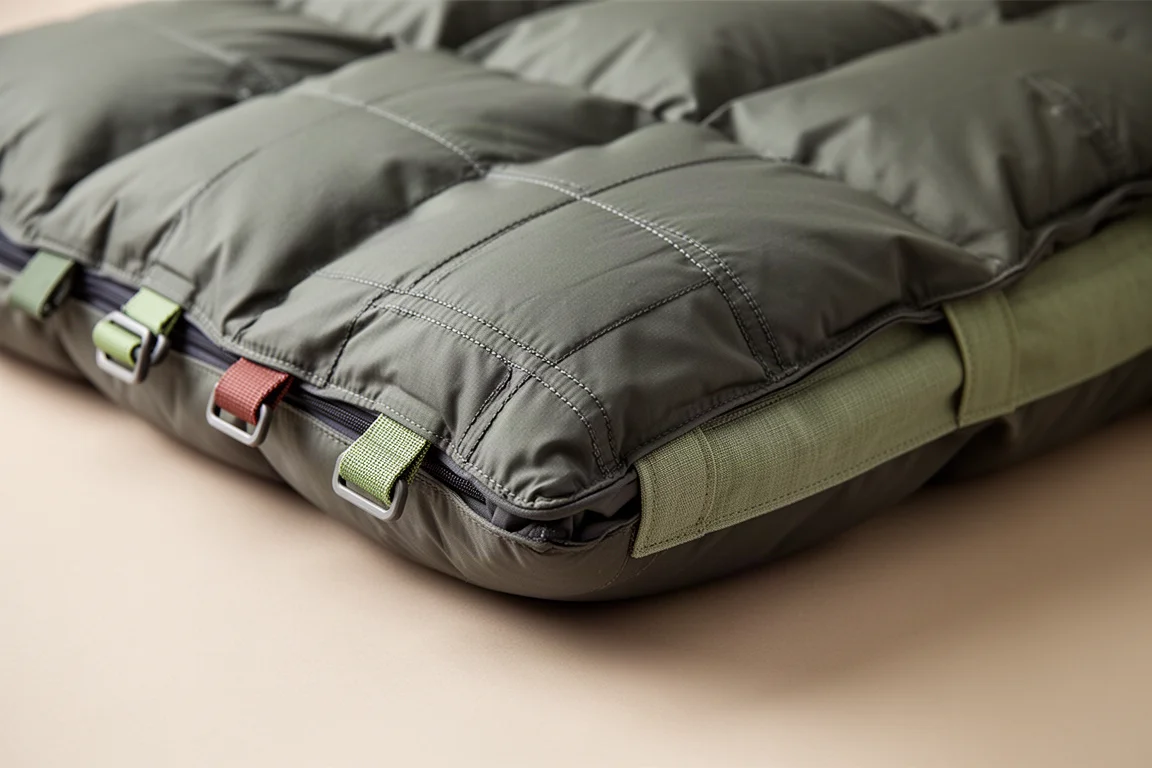
The insulation is 800 fill power HyperDrive down, responsibly sourced. The shell uses a 20 denier fabric, which is slightly heavier than the 15 or 10 denier fabrics used on some quilts but noticeably softer against the skin. Baffling is zoned: horizontal baffles in the foot box, vertical baffles through the torso to limit down migration toward the sides, and smaller baffle dimensions throughout to keep the down where it belongs.
The Pad Sleeve, Hood, and Warmth Details
The pad sleeve is what turns the separate pieces into one system. Fabric wings run along each side with clips and hook-and-loop tabs that hold the quilt in place, so lifting the whole assembly keeps the quilt attached to the pad instead of sliding off it.
The wings themselves carry no insulation. Their job is to add a little height and to let the baffle under each clip tuck and wrap around the attachment point, which keeps the quilt edge sealed when you shift in the night. The back panel fabric is soft and stays put.
At the head end, the top of the quilt uses a curved shape with a draft collar baffle. Cinching is limited to a narrow section rather than running across the full width, which lets the collar snug around the neck while the rest of the quilt stays loose. The two loose sections tuck into the oversized hood, and the face opening at the top of the hood can be closed down to a small gap.
Temperature Performance in Real Conditions
The 10°F quilt has been used into the mid-teens Fahrenheit and stayed warm and comfortable, provided the sleeping pad underneath matched the conditions. The 25°F quilt has handled freezing temperatures in the same way, with a pad of the appropriate R-value doing its part of the work.
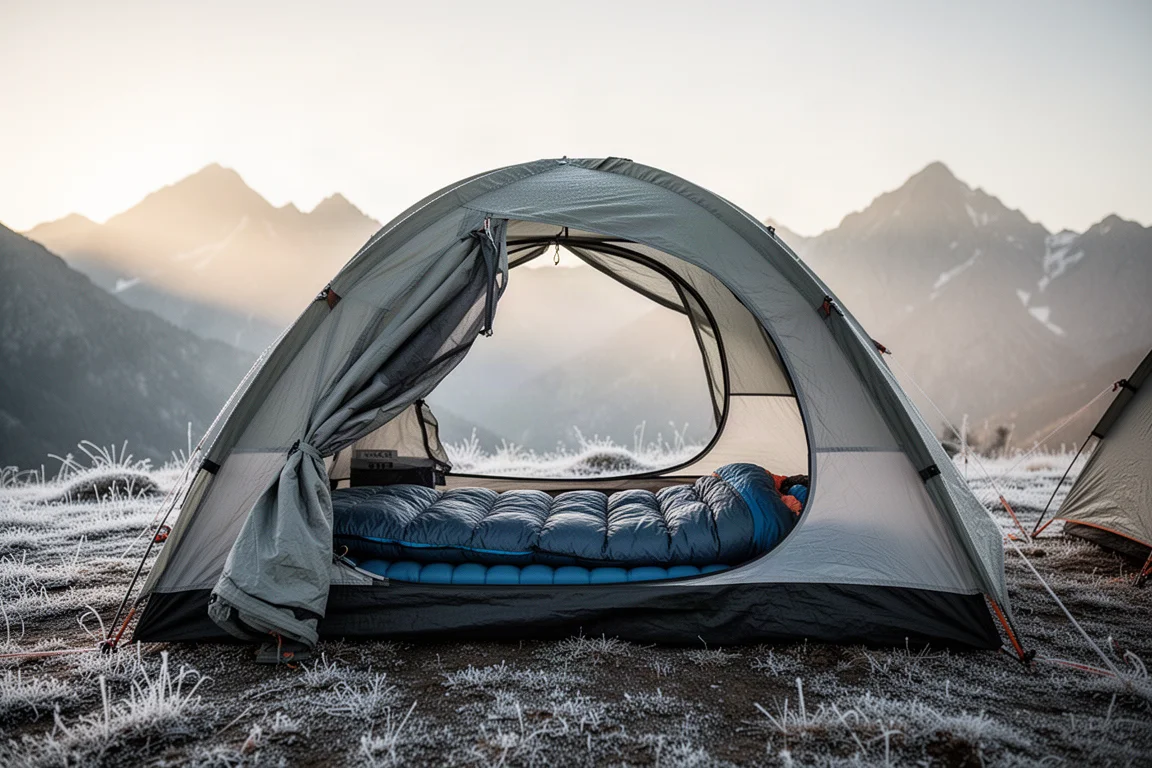
For trips that push toward the lower end of a quilt’s range, adding a sleeping bag liner is a sensible way to extend comfort without changing the rest of the system.
The matching Zen Bivvy pad uses vertical baffles, a construction some sleepers find less comfortable than a quilted pad design, though it offers a good R-value and guarantees the integrated fit the sleeve was built for. A quilted pad such as the Nemo Quasar 3D in a regular wide size has also paired very well with the system.
Things to Consider Before Buying
The pad sleeve is the main limitation. It is built around a 25-inch-wide pad, and on a 20-inch-wide pad there would be too much fabric for it to perform as intended. Systems with an adaptable sleeve, such as the Big Agnes Lost Ranger, fit a wider spread of pad widths, so if you own several pads in different sizes, that flexibility is worth weighing.
A stuff sack is not included. At a system price in the region of $400 to $450, a compression sack or dry bag ought to be part of the package rather than a separate purchase, since you need something to compress the quilt and sleeve down for the pack.
There is also a small weight penalty from the 20 denier shell, which is the trade-off for the softer hand feel.
Buying Advice
Match the quilt rating to the coldest nights you realistically expect, then match the pad to the same conditions. The quilt rating alone will not carry a trip if the pad underneath cannot hold its share of the warmth.
Choose the 25-inch-wide pad sleeve rather than the 20-inch option. Even if you are shorter than the length the sleeve is designed for, the extra width makes the system easier to live with, and a shorter pad of the same width fits fine inside it.
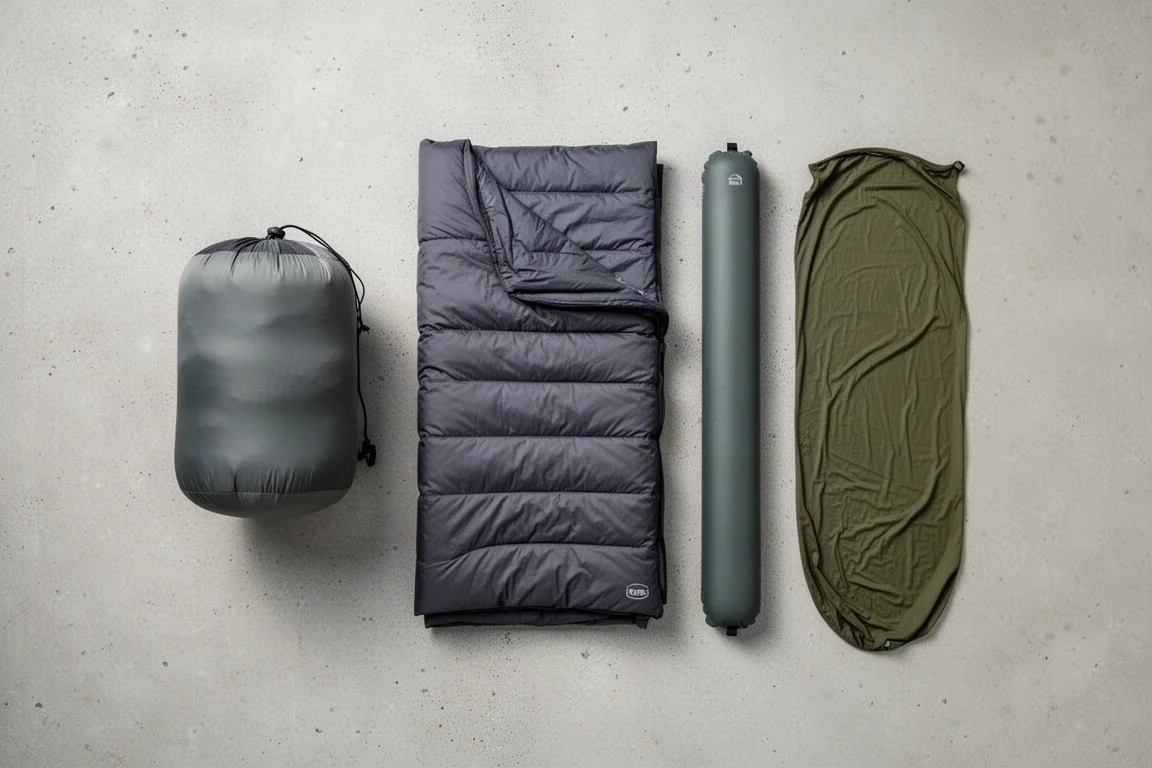
Budget for a compression or dry bag if you do not already own one, and consider a liner if you plan to camp near the lower limit of the quilt’s rating. The 25°F version covers three-season trips well, while the 10°F version is the better choice for winter and shoulder-season use.
Conclusion
The Zen Bivvy Light Bed System is one of the more thoughtfully assembled sleep systems available for backpacking. The quilt, sleeve, and hood work as a single unit, the attachment points remove the draft problems that make quilts frustrating, and the range of configurations lets one setup cover a wide spread of temperatures.
The system was developed by Michael Galvin, the founder of Zen Bivvy, who also created the Backcountry Bed at Sierra Designs, and that background shows in the details: color-coded clips, a hood that actually fits, and a quilt that stays where you put it. The pad sleeve sizing and the missing stuff sack are worth planning around, but for backpackers who want a bed-like night in the backcountry, this is a system that earns its place in the pack.
Product link
View more details for Zen Bivvy Light Bed System
This product is mentioned in the review. Check the specifications, options, and compatibility before buying.
View more details for Zen Bivvy Light Bed SystemFurther reading
Related Reviews
Backpacking Sleep Systems
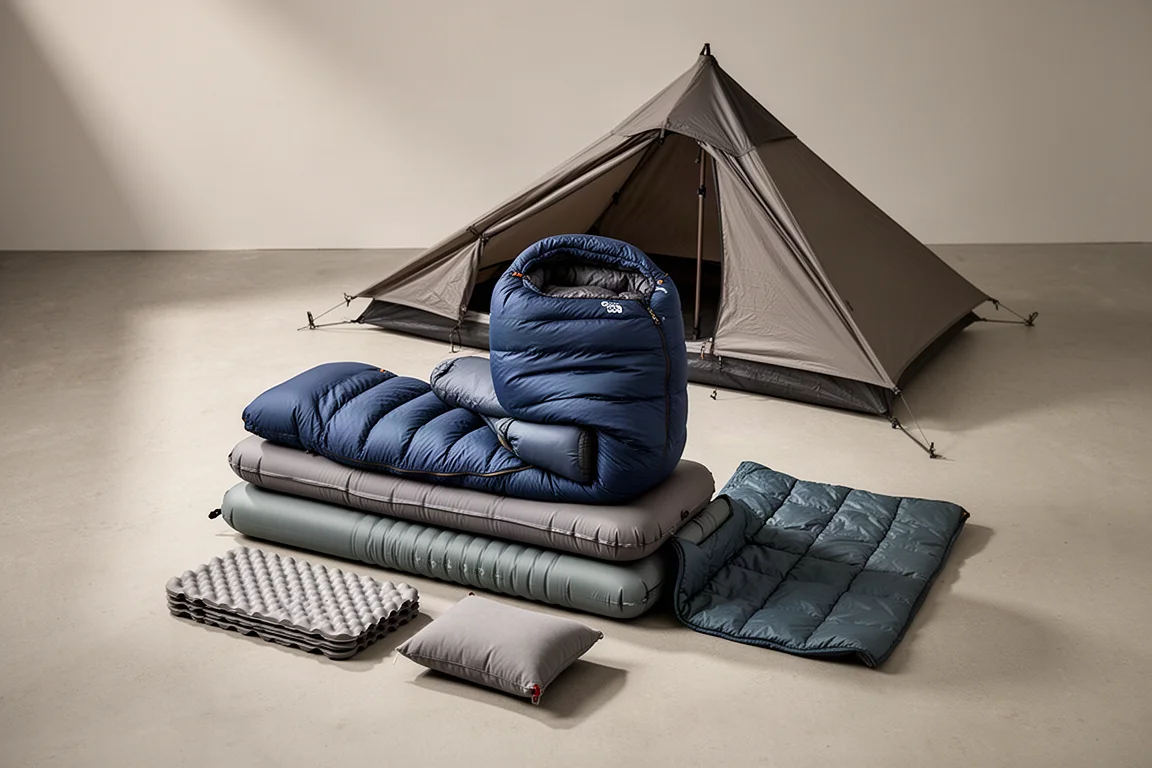
Extreme Cold Sleep System: Six Backpacking Layers for Deep Winter Warmth
A bottom-up look at a six-piece winter sleep system, from a foam ground mat to a floorless shelter, and the reason each layer earns its place.
Backpacking Sleep Systems
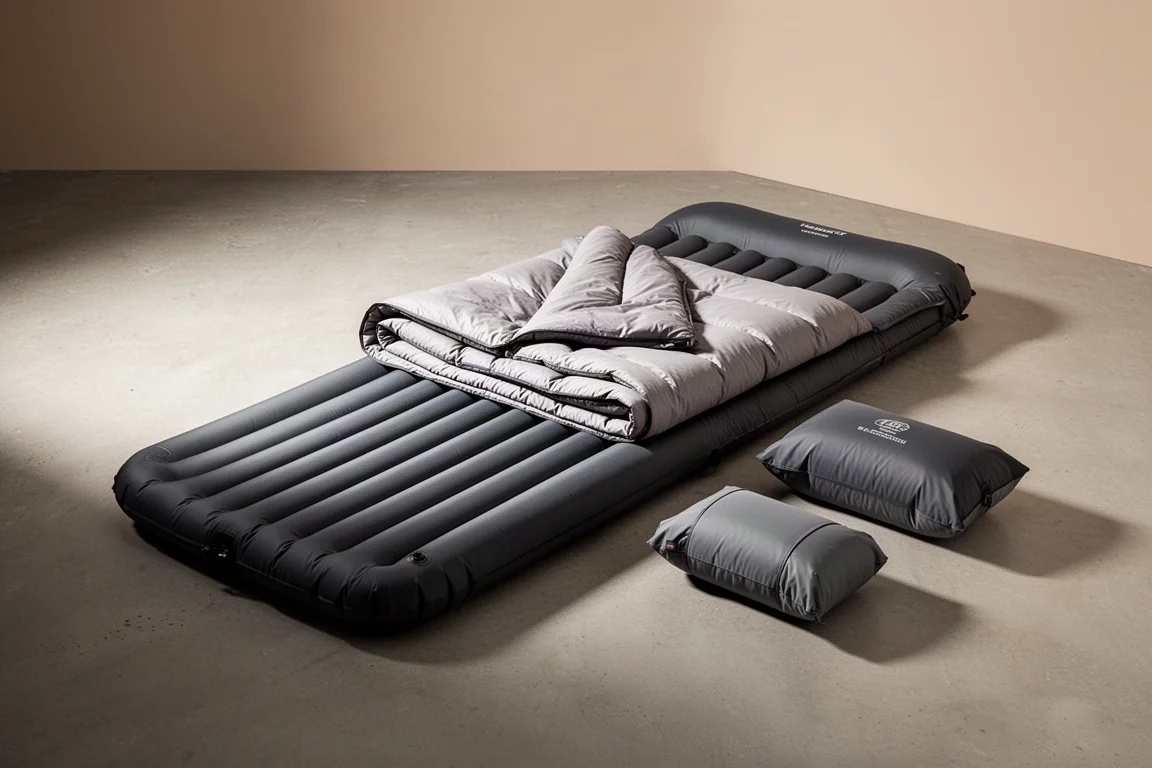
Luxury Backpacking Sleep System: Four Pieces That Feel Like a Bed at Home
A wide, thick sleeping pad, a draft-free quilt, a generously cushioned pillow, and a few small habits that bring backcountry sleep much closer to home.
Backpacking Sleep Systems
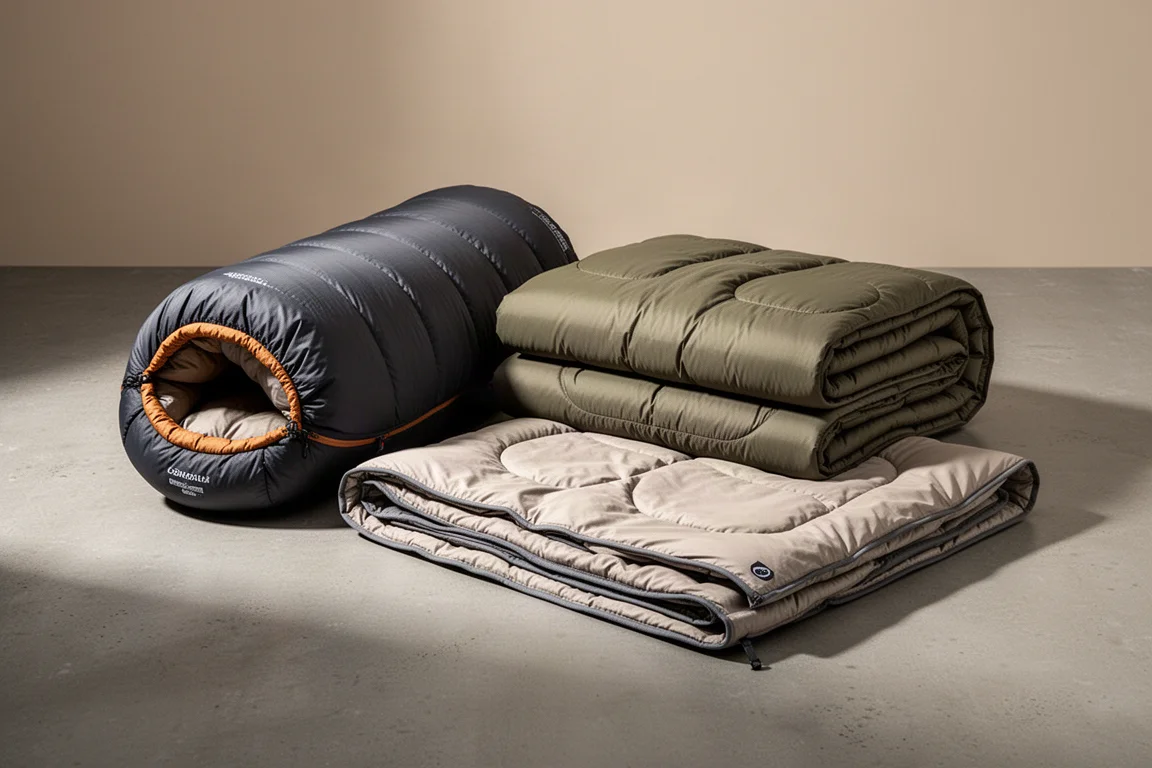
Quilts vs Sleeping Bags for Backpacking: Five Sleep Systems Compared
A practical look at five backpacking sleep systems, from wide quilts to adjustable sleeping bags and a ground-focused quilt bed, and how to choose between them.