Camping Sleep Systems
Zen Bivvy Light Bed and Nemo Quasar 3D: A Comfort-First Backcountry Sleep System
A two-piece sleep system that pairs the sculpted Nemo Quasar 3D pad with the Zen Bivvy Light Bed quilt, plus what to weigh before buying.
Introduction
A genuinely good night of sleep in the backcountry usually comes down to two things: the pad underneath you and the insulation on top of you. This pairing takes that idea seriously. The Nemo Quasar 3D handles the foundation, and the Zen Bivvy Light Bed handles the layer above it.
Together they form a sleep system aimed at a bed-like feel rather than a stripped-down ultralight setup. Early nights on this combination rank among the most comfortable in the backcountry so far, and the details below explain why.
What Makes a Comfortable Backcountry Sleep System
Comfort is personal, but a few mechanical factors tend to decide whether a night goes well.
The first is pad shape. A flat pad with straight baffles supports you evenly but does little to keep you centred. A sculpted pad with raised edges and curved baffles can cradle the body instead of letting it drift during the night.
The second is draft control. Quilts are light and packable, but they only work if they stay where you put them. Every gap at the shoulders, hips, or feet becomes a cold spot by morning.
The third is room to move. An oversized quilt with a generous foot box lets you shift position without dragging insulation off your shoulders.
When those three factors line up, the result feels less like camping gear and more like a bed.
Nemo Quasar 3D: The Foundation
The Quasar 3D was not an obvious pick at first. Its horizontal baffle layout is the type that often feels flat, and on paper the pad looks conventional. What changes the picture is the profile.
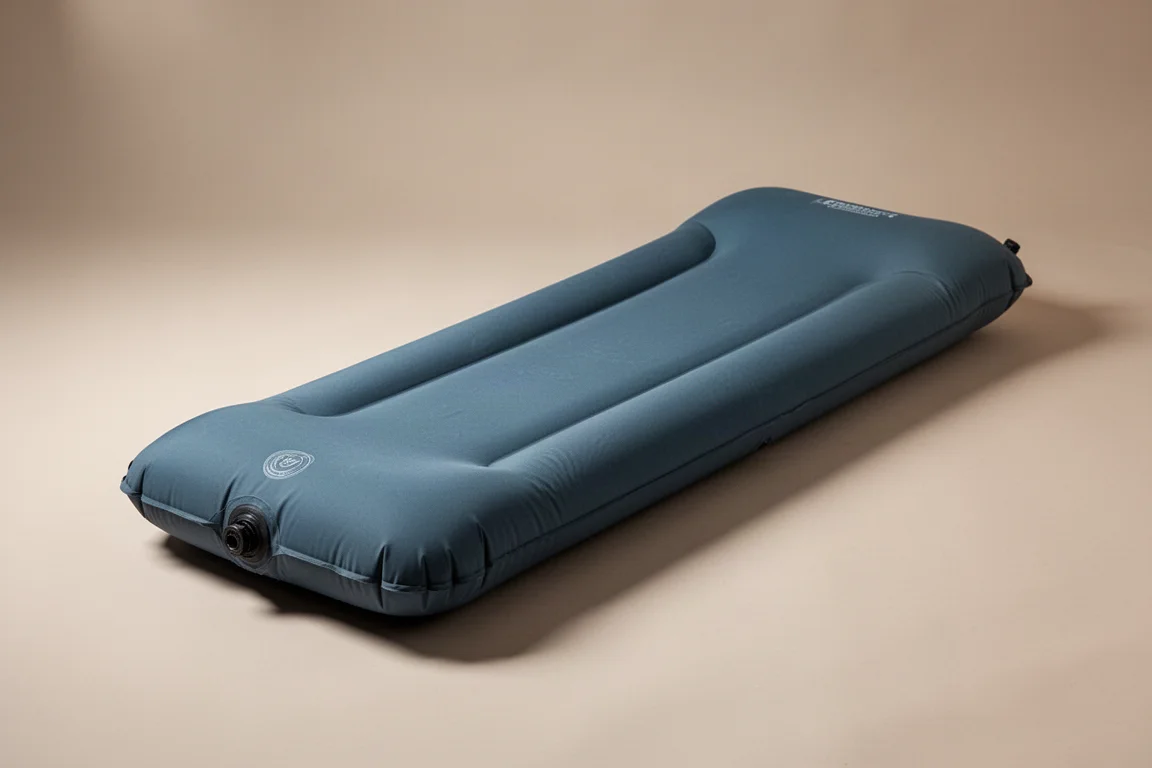
Instead of a flat slab, the pad uses a scooped 3D shape. The side walls sit higher than the centre, so the pad cradles your body rather than supporting it as a plane. The baffles are not straight either. Each one carries a slight curve, which adds a little more give under the hips and shoulders.
The shaping continues front to back. The head end is taller than the foot end, and the top baffle at the head is noticeably deeper, giving the pad a gentle ramp. In the 25 inch wide version there is enough surface area that the cradling effect is easy to feel the moment you lie down.
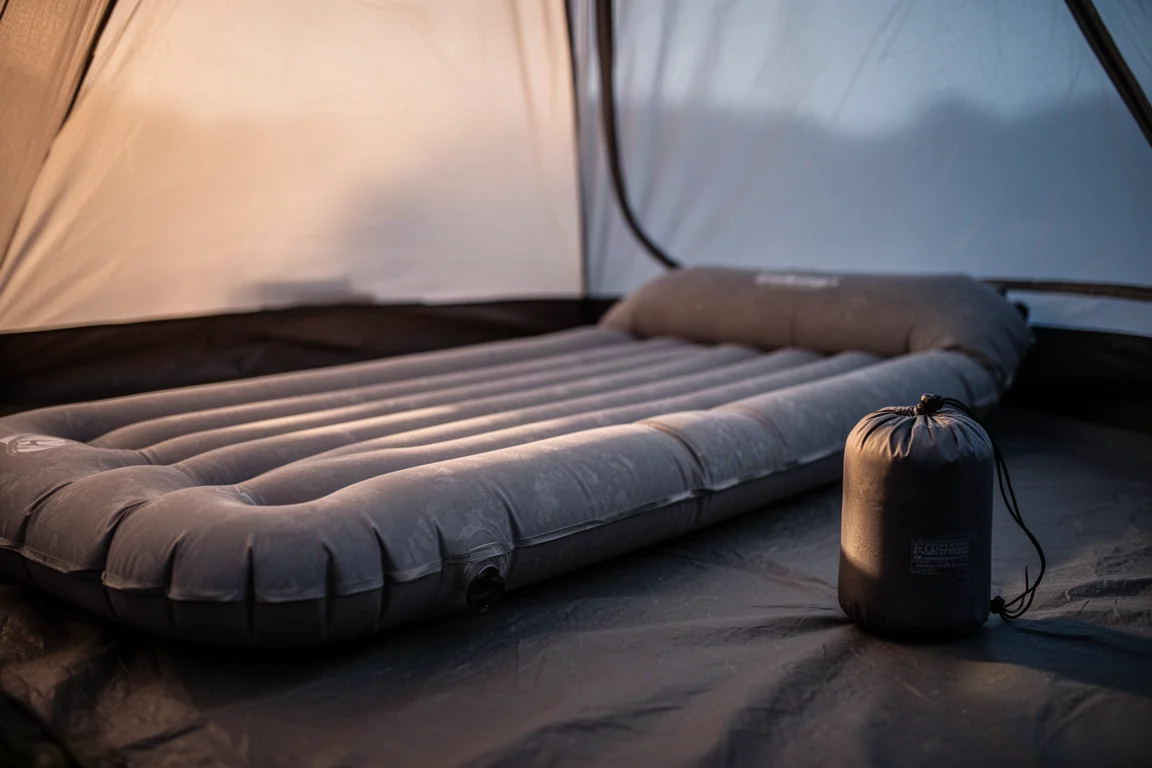
The trade-off is weight. The regular wide size comes in at 2 pounds 1 ounce, which is heavier than several pads in the same class. That is the cost of the wider cut and the sculpted shape. It is also Nemo’s first bluesign certified pad, which speaks to how the materials are sourced.
Zen Bivvy Light Bed: The Quilt Layer
At first glance the Zen Bivvy Light Bed reads as bulky and overbuilt, and quilts are not for everyone. The design story behind it is what makes it worth a closer look: the founder of Zen Bivvy also created the Sierra Designs Backcountry Bed, so the thinking behind a bed-like backcountry sleep setup runs deep here.
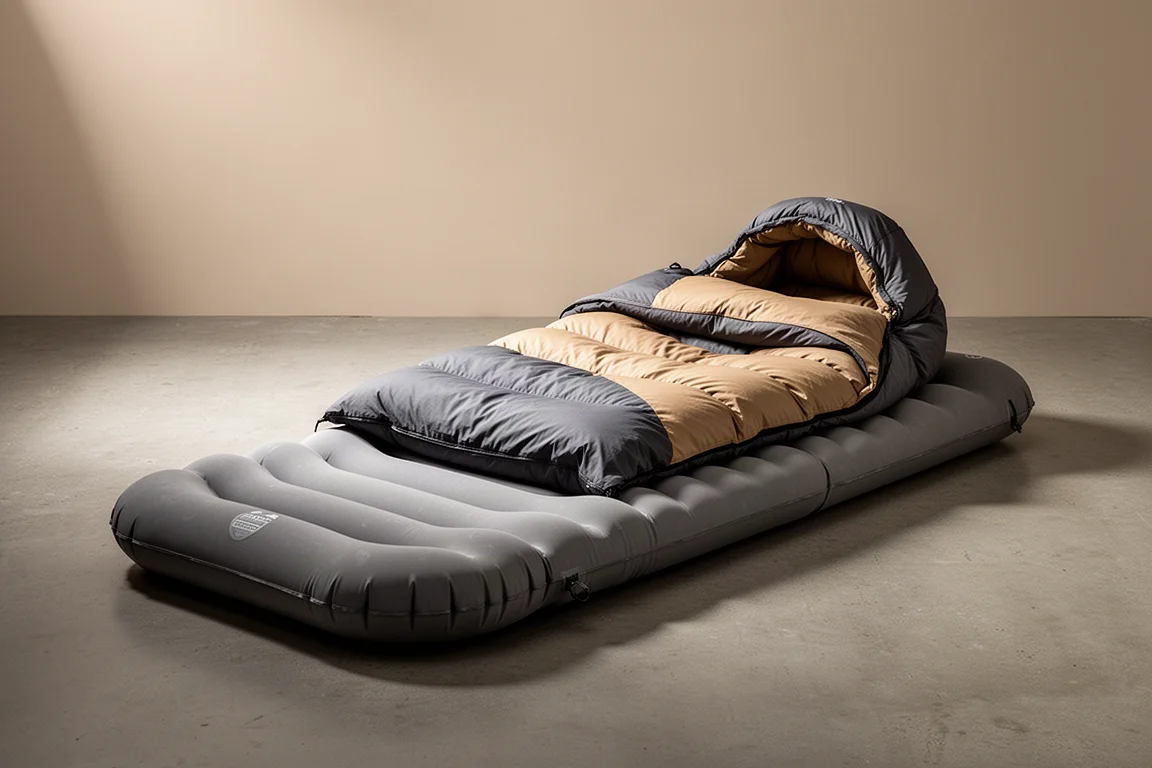
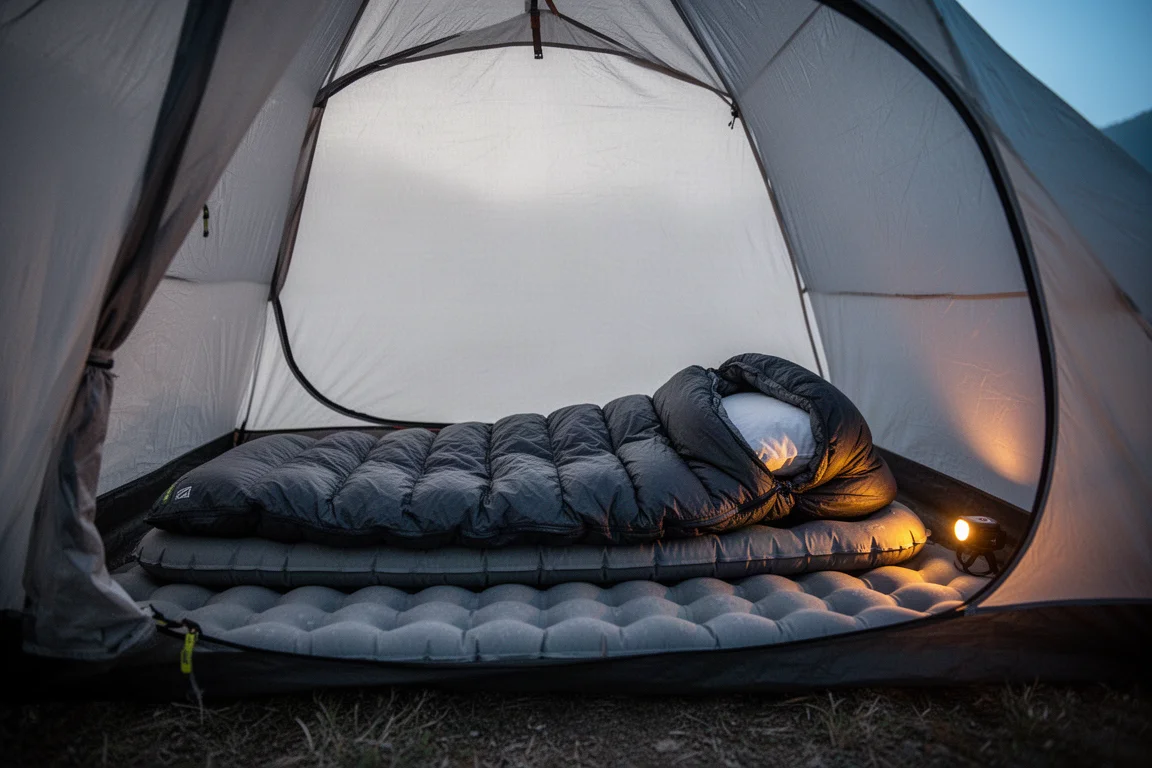
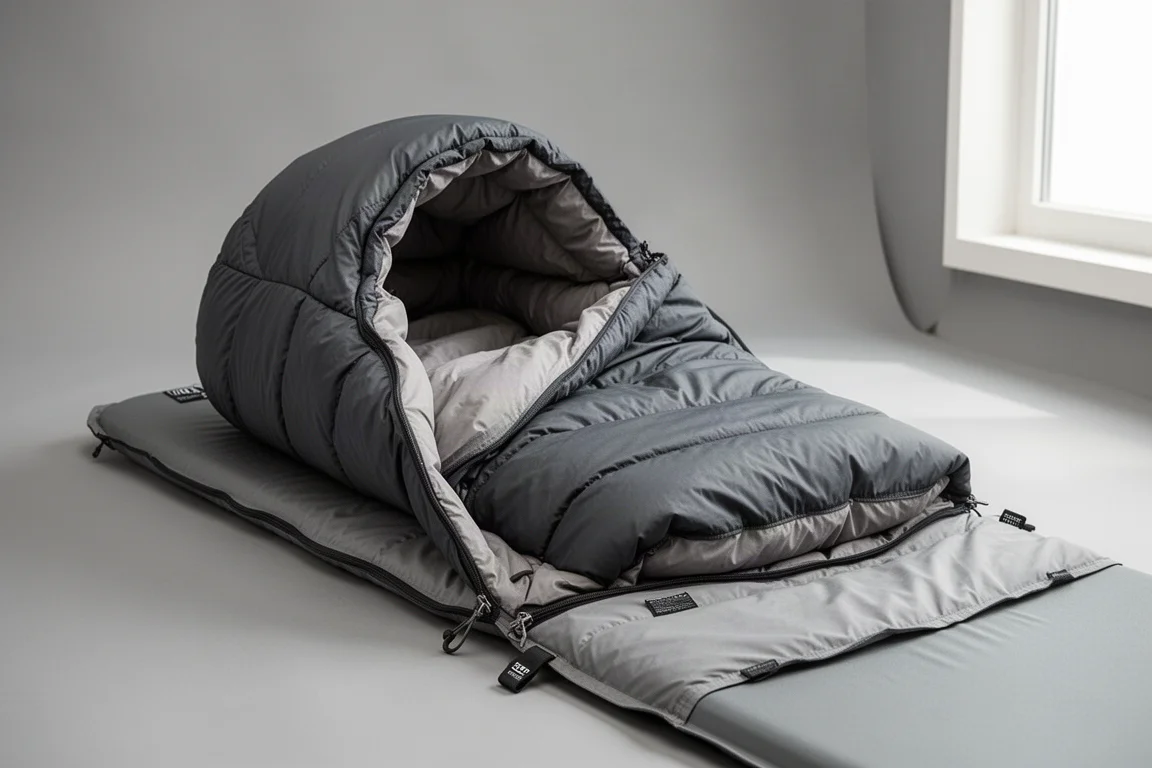
The system is a quilt, but not a loose one. It clips to a fitted sheet that wraps around the sleeping pad, so the whole thing becomes an enclosed unit. Attachment points along the edges hold the quilt in place while you move, which means it does not flip over with you during the night. Unhooking those same points makes it easy to get in and out.
Draft control comes from the fitted sheet’s side walls, which close off the gaps that usually let cold air in. The hood is large enough to swallow a full-size pillow and hold it in place, and it will do the same for a backpacking pillow.
The insulation is 800 fill down inside a soft 20 denier nylon shell, and the quilt is oversized with a roomy foot box. A vertical baffle at the shoulders keeps the down from slumping away from your neck. Below freezing, it did not take much effort to warm the system up or to hold that warmth.
How the Two Work Together
Individually, each piece is competent. Together, they cover each other’s weak points.
The pad supplies the shape and the cradling that keeps you centred. The fitted sheet locks onto that pad and gives the quilt a stable anchor, so the draft-free seal does not depend on how still you sleep. The quilt’s oversized cut then has room to move without pulling away from the sheet.
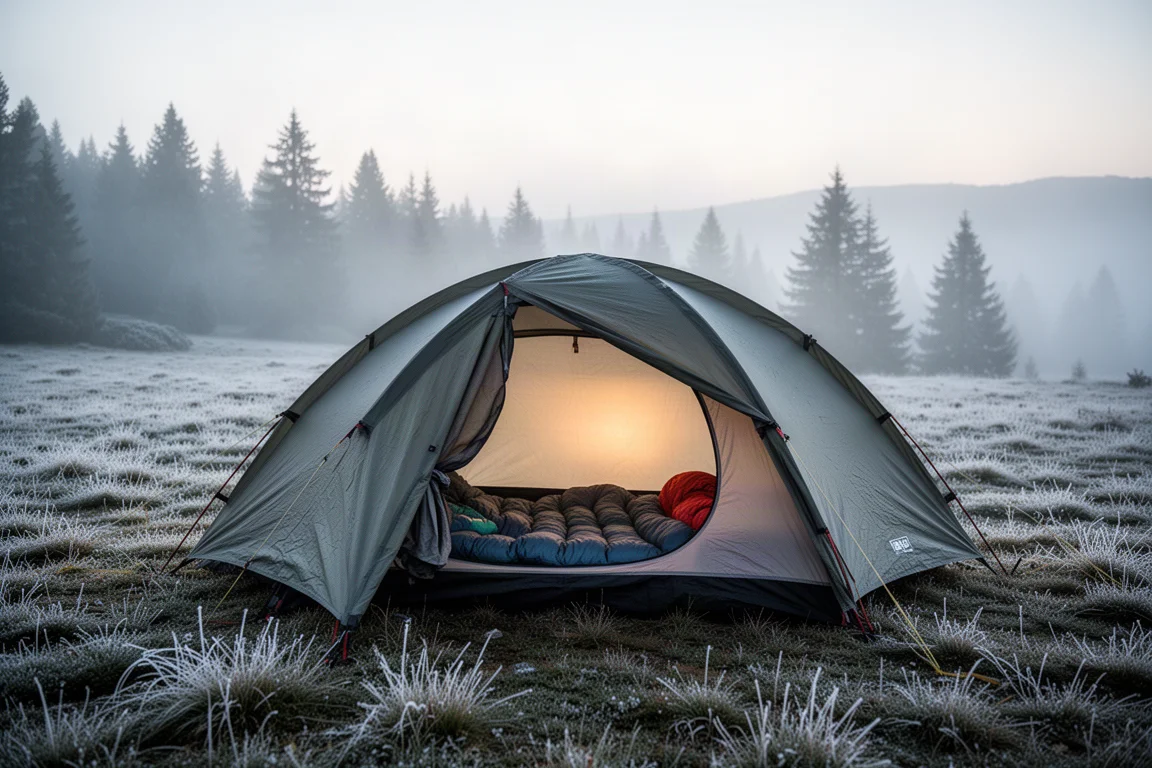
The result is a system where the pad’s sculpted edges and the quilt’s side walls push in the same direction: keeping insulation close to the body and keeping cold air out. That is the part that feels closest to sleeping in a bed rather than on a mat.
Buying Advice
The honest question is whether you want to carry the extra weight. This is not the lightest setup available, and the regular wide pad is a clear example of that. What you get in return is a far more forgiving night.
Consider the pad on its own if you already have insulation you like and simply want a more comfortable surface. The Quasar 3D stands well by itself, and its shape does the work whether or not a quilt is clipped to it.
Consider the full pairing if you sleep cold, move around a lot at night, or have been frustrated by quilts that slide off. The attachment system and the fitted sheet address exactly that problem, and both pieces are built around the same idea.
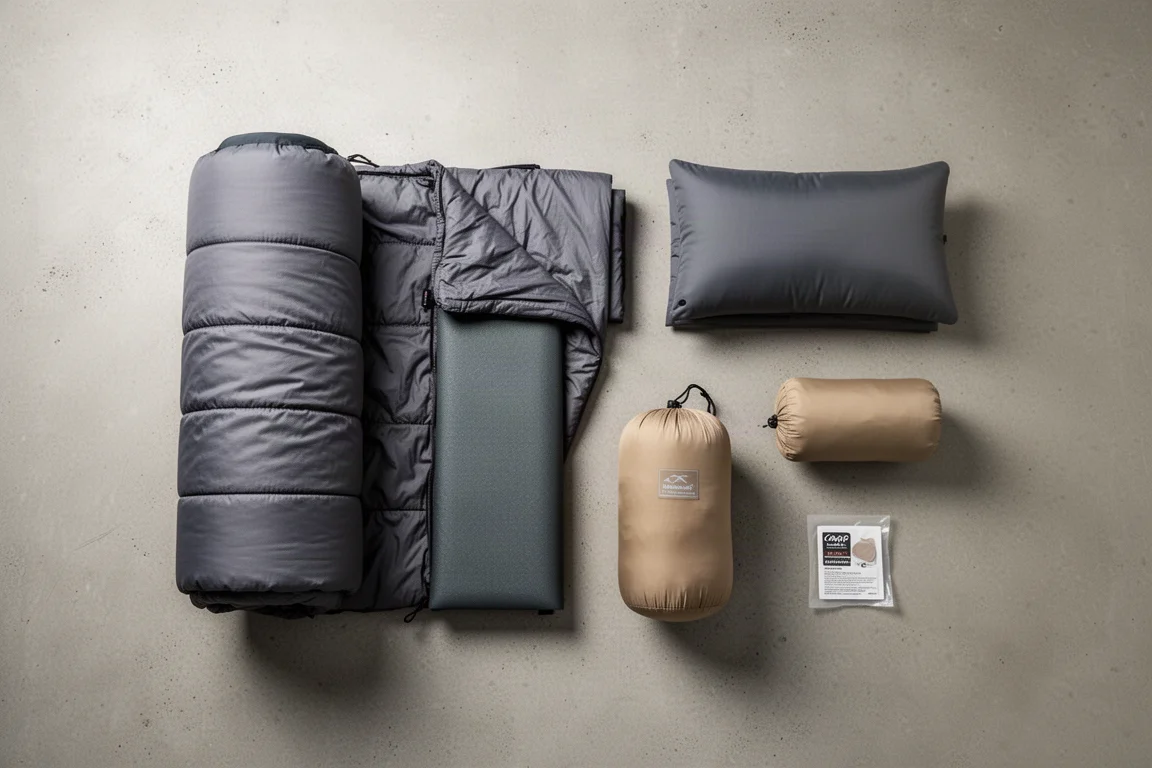
For anyone assembling a comfort-first setup, the combination is worth trying before committing to a lighter alternative. Prioritising sleep usually pays off across a multi-day trip.
Conclusion
The Nemo Quasar 3D and the Zen Bivvy Light Bed make a strong case for treating sleep as a piece of gear rather than an afterthought. The pad brings a sculpted, cradling shape that feels comfortable from the first minute, and the quilt brings a draft-resistant, oversized layer that stays put through the night.
Neither piece is the lightest choice available, and that is the honest trade-off. For backpackers who would rather carry a little more and sleep well, this pairing is one of the more convincing comfort-first sleep systems out there.
Further reading
Related Reviews
Camping Sleep Systems
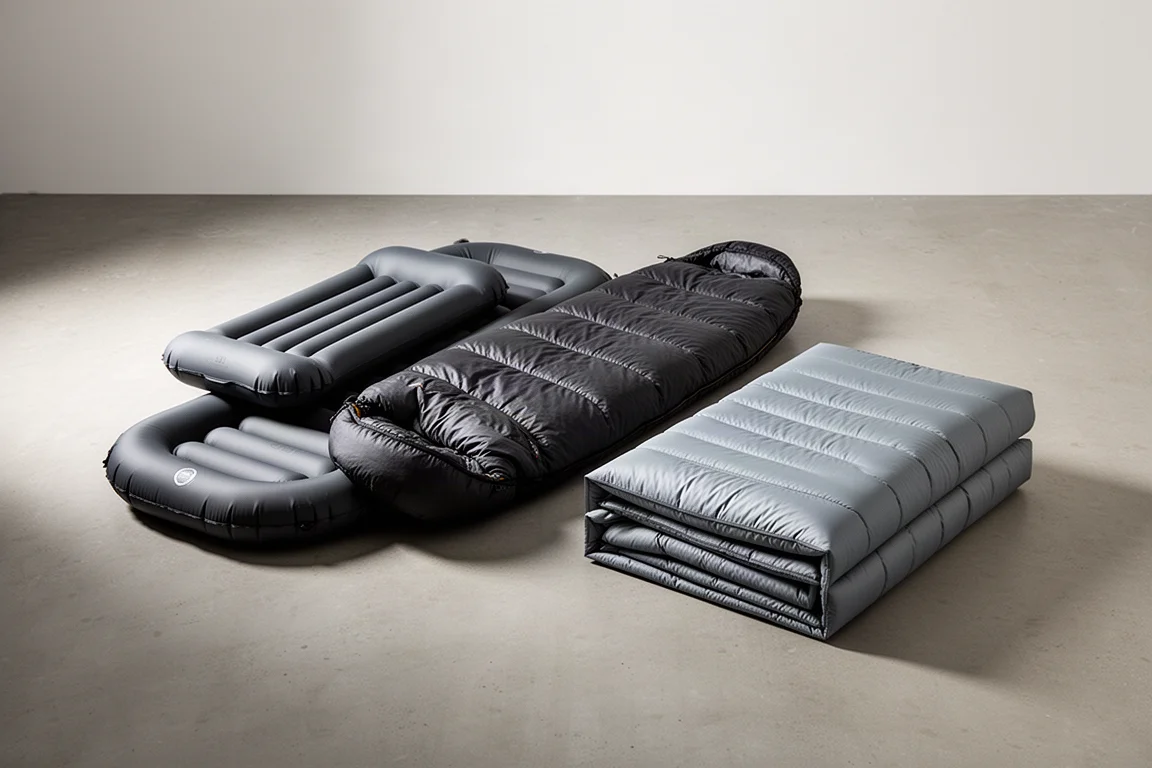
Backcountry Sleep System Guide: Two Pads and Two Pillows for Colder Nights
Two sleeping pads and two camp pillows that cut pressure points and tossing, plus the quilt setup habits that keep cold air out of your sleep system.
Camping Sleep Systems
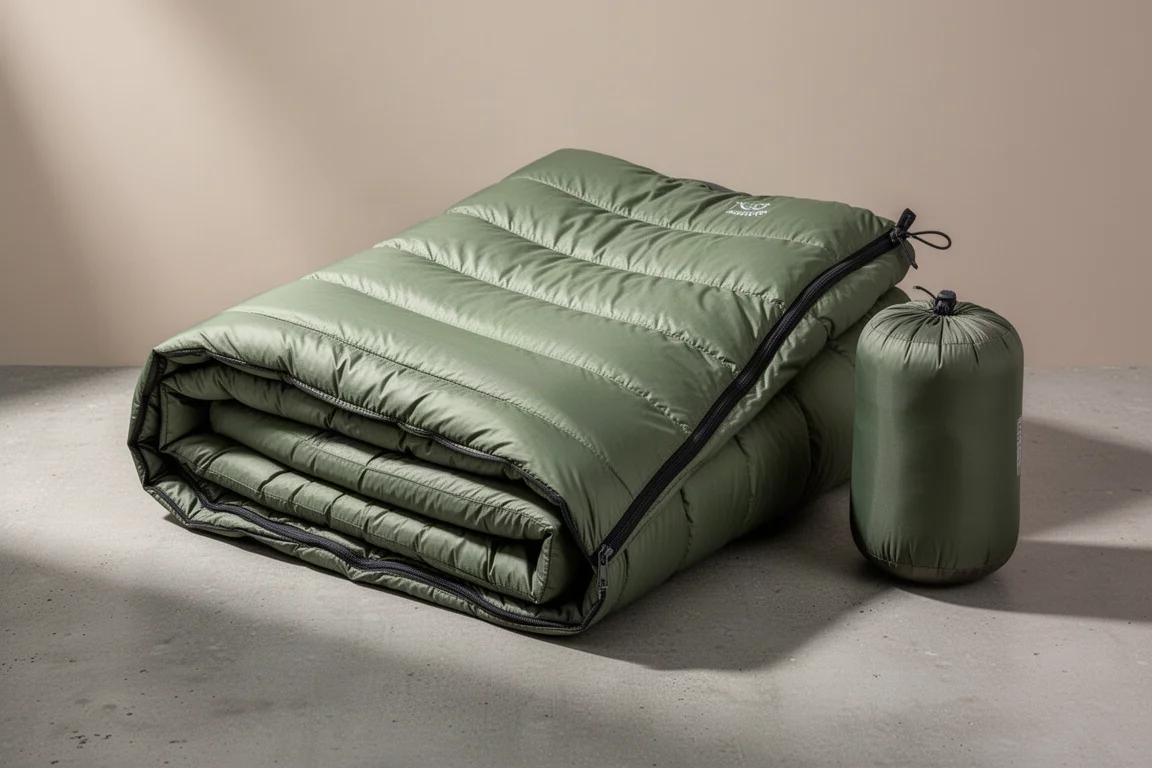
Extreme Cold Sleep System: Three Pieces That Make Winter Camping Work
A practical look at the three core pieces of an extreme cold sleep system that together handle wind, cold ground, and moisture on sub-zero nights.
Camping Sleep Systems
NatureHike Ultralight Down Quilt Review: A Versatile Warm-Weather Sleep System
A close look at the NatureHike Ultralight Down Quilt, covering real-world warmth, build quality, weight, sizing, and the one trade-off to expect from any down-filled product.