Backpacking Sleep Systems
Zen Bivvy Light Bed 10 vs Big Agnes Lost Ranger: Two Backpacking Sleep Systems Compared
A quilt-and-sheet sleep system against a three-in-one zippered bag, compared on room, warmth, ventilation, and packed bulk.
Introduction
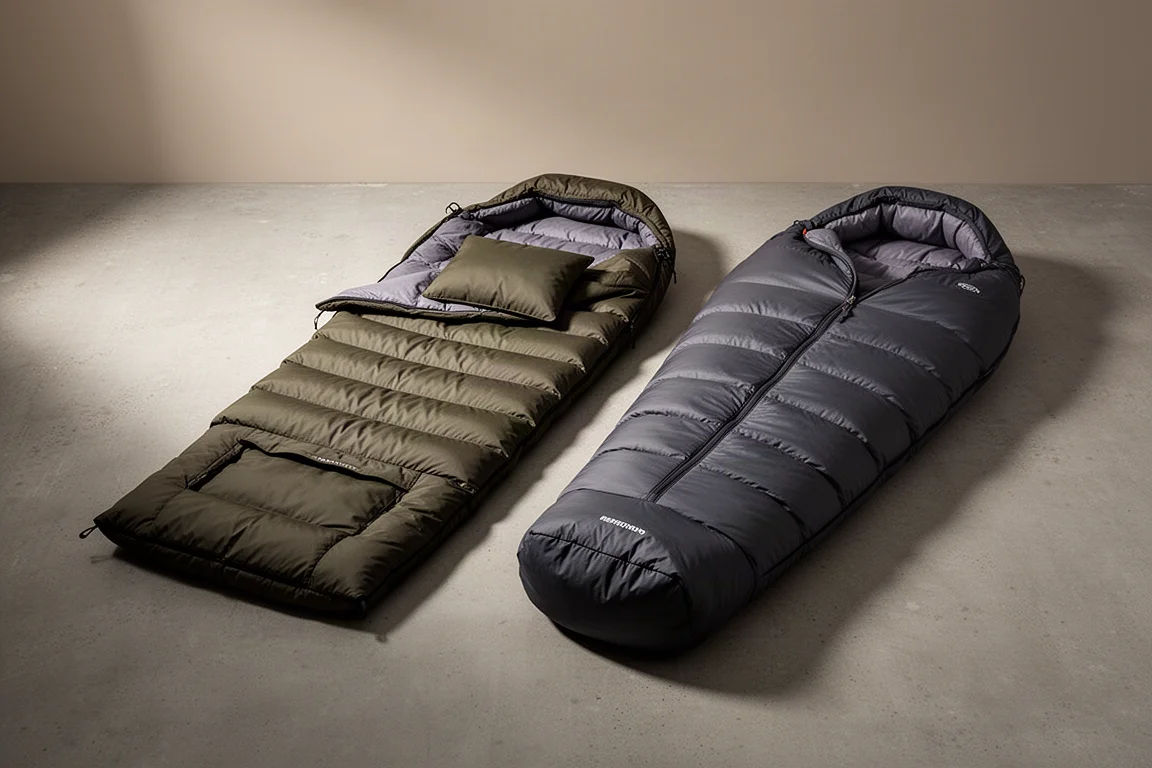
Choosing a backpacking sleep system usually comes down to one question: do you want the enclosed feel of a traditional bag, or the open, bed-like layout of a quilt? The Zen Bivvy Light Bed 10 and the Big Agnes Lost Ranger sit on opposite sides of that question, and both were put through real nights in the Sawtooth Mountains, including a camp beside an alpine lake with overnight temperatures around 36 degrees.
This comparison looks at how each system is built, how it performs once the temperature drops, and which type of camper each one genuinely suits.
How These Two Sleep Systems Differ
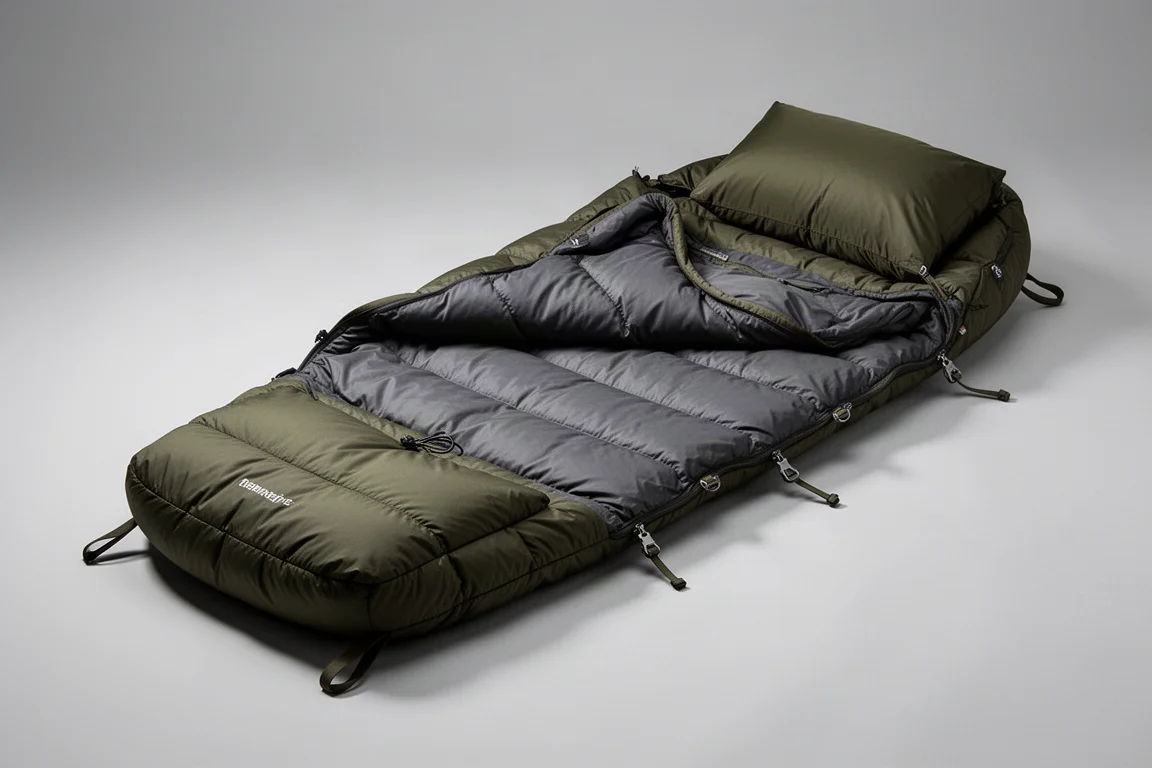
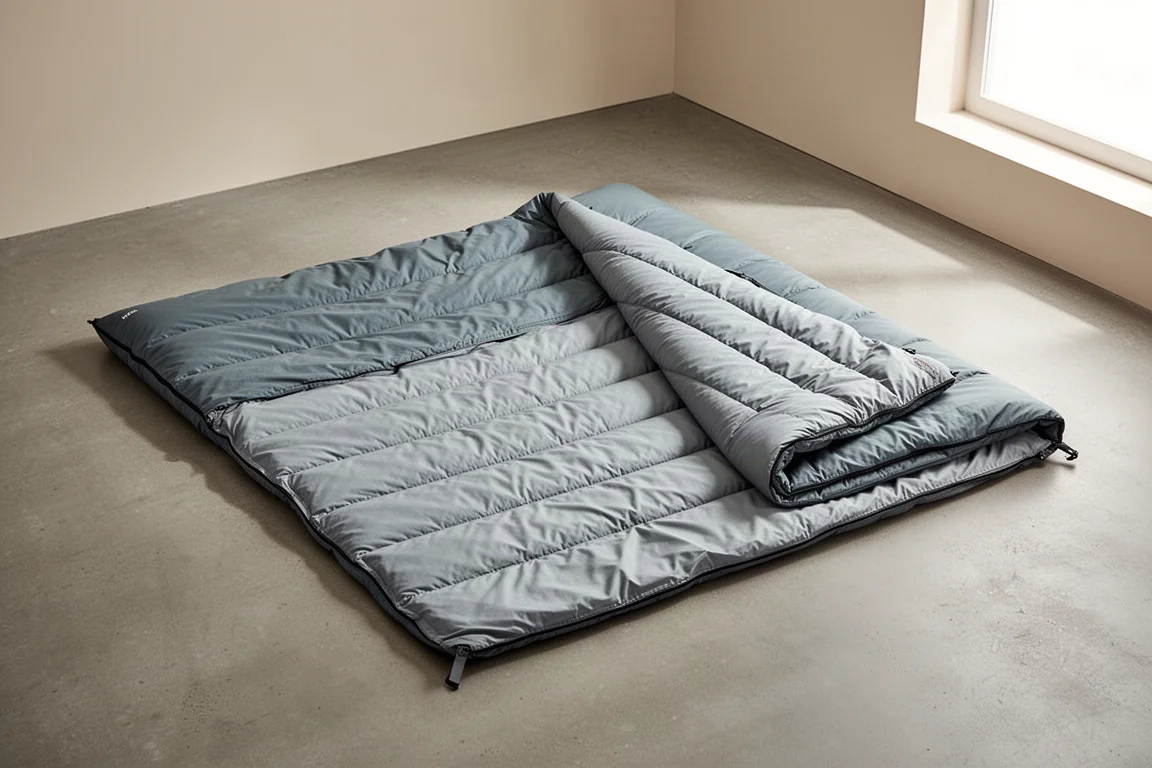
The Zen Bivvy Light Bed 10 is a quilt-and-sheet design. The quilt drapes over the top of you, while a separate bottom attachment covers the pad beneath. The two pieces connect through stretchy corner straps and a row of clasp hooks along the edge, so the system can be bought as a quilt on its own or as the complete setup.
The Big Agnes Lost Ranger takes the more familiar route: a three-in-one system built around a zippered bag. It aims to cover a wider range of conditions with a single purchase, which makes it appealing if you are starting from nothing.
The practical differences show up quickly. The Zen Bivvy has no zipper to fight with in the dark, while the Lost Ranger keeps the full zipper layout. The interior sheet on the Lost Ranger also feels noticeably slicker than the Zen Bivvy’s, a small detail you notice on the first night.
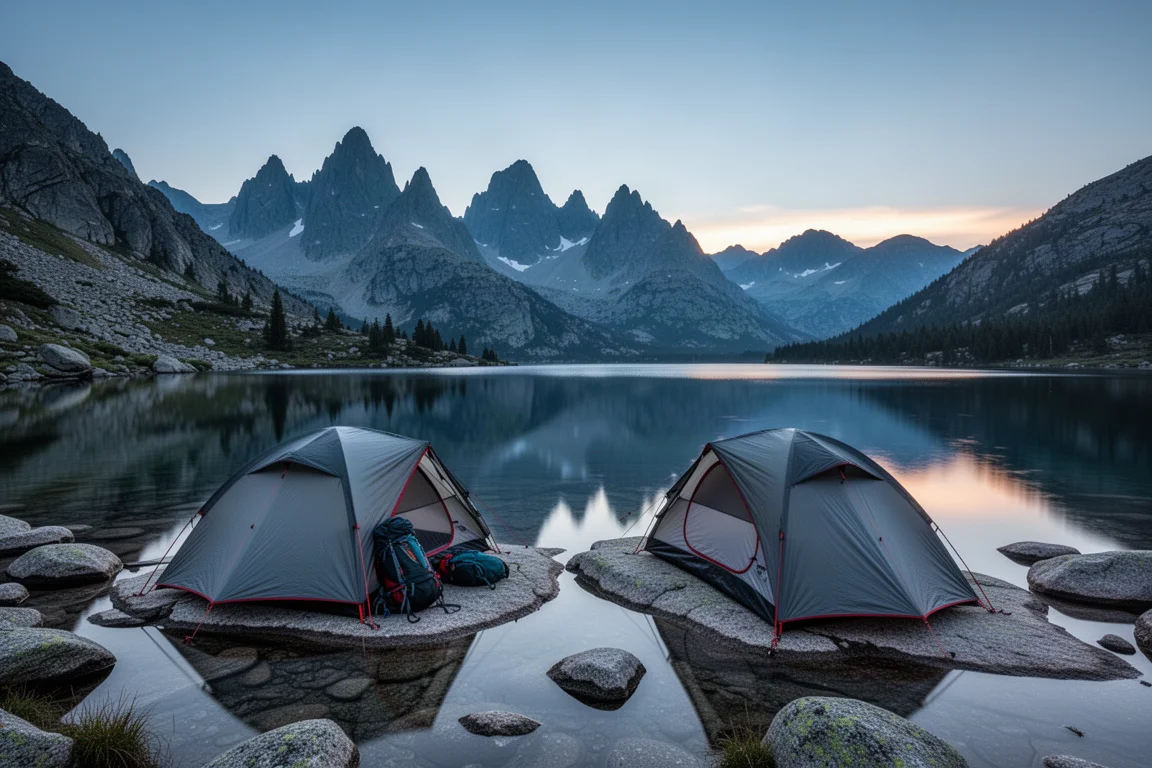
Both systems ask you to think about how you sleep, not just how cold it gets. Side sleepers and stomach sleepers get more room to move in the quilt layout, while anyone who prefers being fully enclosed will feel more at home in the zippered bag.
Zen Bivvy Light Bed 10: A Quilt Built to Feel Like a Bed
The Light Bed 10 is rated to 10 degrees and filled with 800 fill down. The version tested here was the extra wide, extra long size at 25 inches wide and 77 inches long, which is generous enough that it barely fits inside a smaller one-person tent.
What stands out is the sense of space. With the quilt draped over the top and the sheet attached beneath the pad, the setup feels closer to a bed at home than to a sleeping bag. You can roll onto your stomach, stretch out, or move an arm without the fabric fighting back.
Adjustment is handled by clasps rather than zippers. You can close the system up for a cold night or open sections for ventilation, including at the foot box, which has a drawcord so you can seal or vent it depending on how warm you are running. The stretchy corner attachments are designed to fit a range of pad sizes.
Nighttime Ventilation and the Pillow Barn
The pillow barn is the feature that changes the most about how the system sleeps. It is large enough to hold a full-size camp pillow securely, and because the head section is insulated, it can be pulled up into a hood when conditions demand it. On warmer nights you can leave it open and let heat escape.
That head section also solves a common annoyance: sleeping with an arm tucked under the pillow. Because the quilt covers the shoulders and upper arms without sealing you in, you can keep a hand outside the pillow area without needing a glove or a puffy jacket to stay warm.
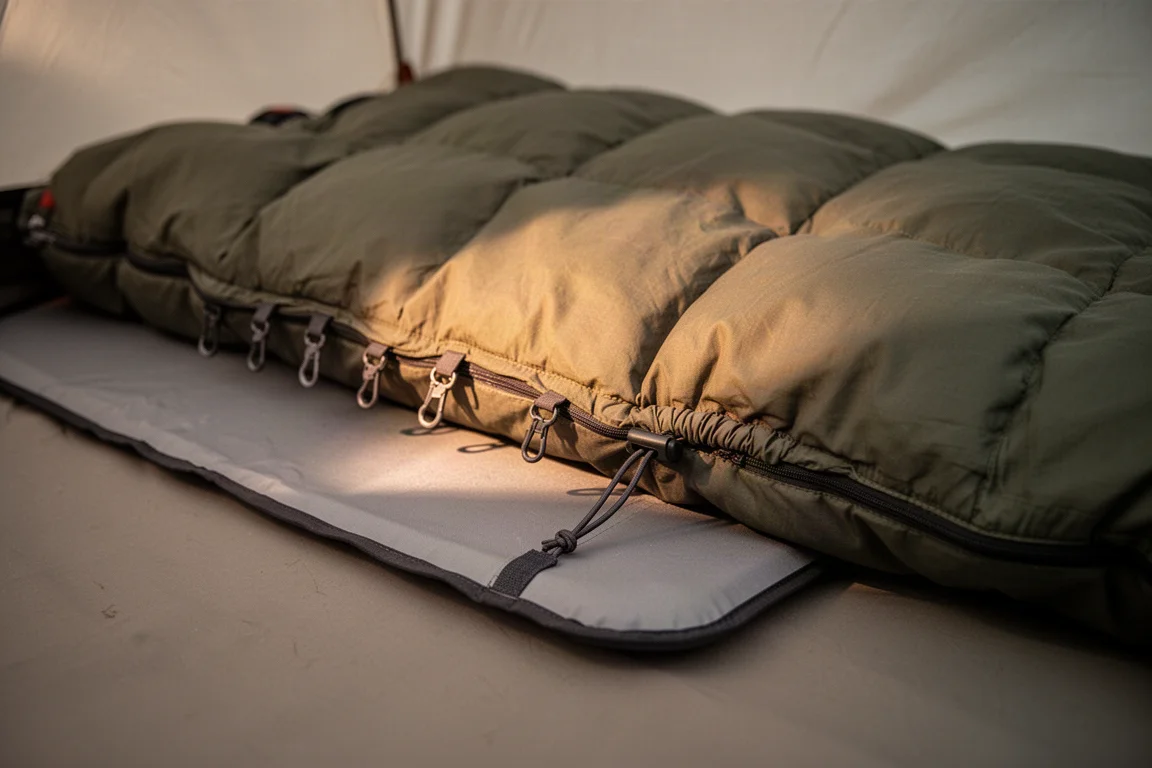
Ventilation is handled through multiple clip points, so the quilt can be opened gradually instead of all at once. The trade-off is that the small clasps take some learning. Reattaching them in a dark tent is fiddlier than reaching for a zipper, and on a first trip it is easy to leave the foot box adjusted poorly and end up with cold feet.
Big Agnes Lost Ranger: The Three-in-One Option
The Lost Ranger is built as an all-season, three-in-one system, and that flexibility is its main argument. If you own no sleeping gear at all and want one purchase that covers a wide range of trips, this approach has real value.
The sleeping experience is more traditional. It sleeps fine, and the enclosed shape suits anyone who likes the mummy-style cocoon. The weak point is the zipper. Rolling over inside the bag is less about the bag being restrictive and more about the zipper getting in the way, and it was the most consistent complaint across the nights tested.
Packability, Bulk, and Trail Weight
Neither system is a featherweight, but bulk is the more noticeable issue. The extra wide, extra long Zen Bivvy in particular is large, and it fills a small tent almost completely. If you are choosing sizes, the narrower and shorter option would pack down more easily without giving up the 10 degree rating.
The Lost Ranger packs in the familiar way for a bag of its type, and its three-in-one design means you carry whichever configuration the conditions call for.
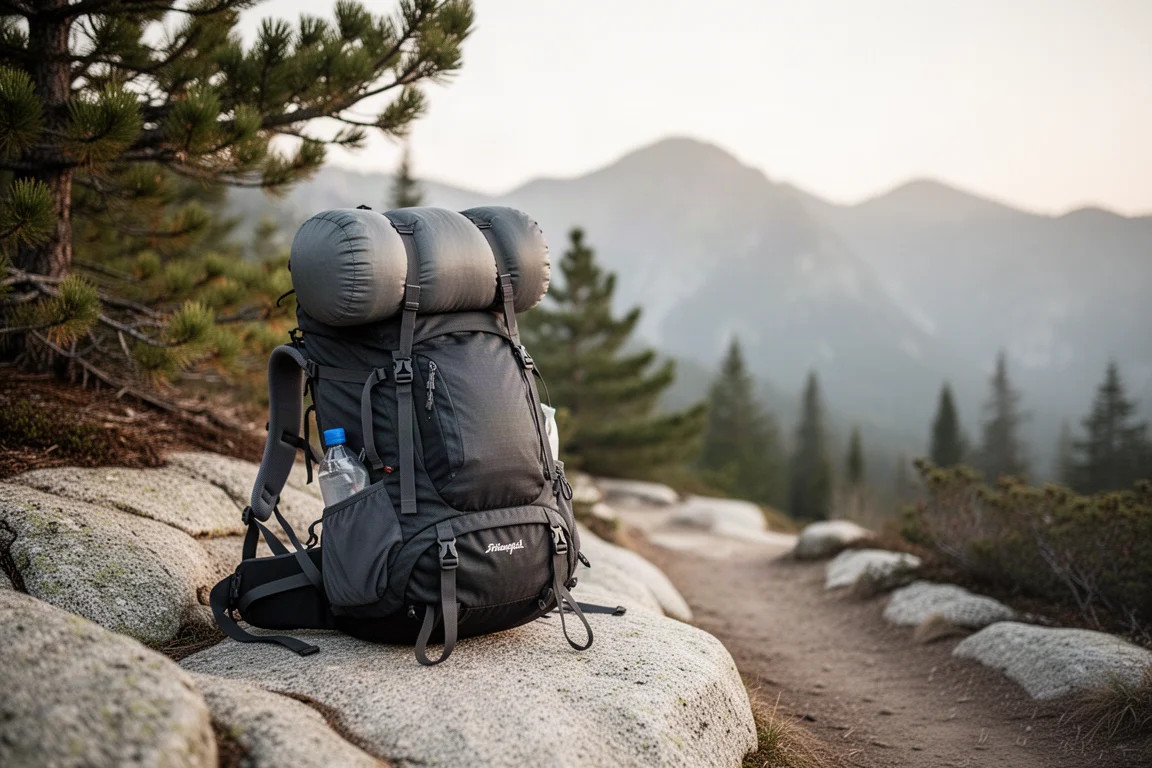
For multi-day trips, it is worth weighing packed size against the comfort you actually gain. A quilt system that takes up more room in the pack but delivers noticeably better sleep is often the better trade, particularly on longer routes where rest matters more.
Warmth, Weather, and Temperature Ratings
The Light Bed 10 is a 10 degree system, and it was used on a night that dropped to around 36 degrees. That left plenty of margin, and the quilt ran warm enough that the head section could be left open for ventilation. The 800 fill down does the heavy lifting here.
The Lost Ranger also slept fine on the same trip. Its advantage is range rather than outright warmth, since the three-in-one layout is designed to be reconfigured as conditions change.
Two practical notes apply to both. First, the foot box deserves attention before you sleep, not in the middle of the night. Second, head insulation and pillow position make a bigger difference to perceived warmth than most people expect, which is where the Zen Bivvy’s design has the clearest edge.
Buying Advice
If comfort and freedom of movement are your priorities, the Zen Bivvy Light Bed 10 is the stronger choice. The quilt layout, the large pillow barn, and the absence of zippers all point to a system built around sleeping the way you do at home. The 10 degree version runs around $400, which puts it in serious-gear territory, so it makes the most sense for campers who sleep out often enough to feel the difference.
The Big Agnes Lost Ranger makes more sense if you want one system that adapts across seasons, or if you are building a kit from scratch and value the three-in-one approach over an open quilt layout. Just go in expecting the zipper to be the part you notice most.
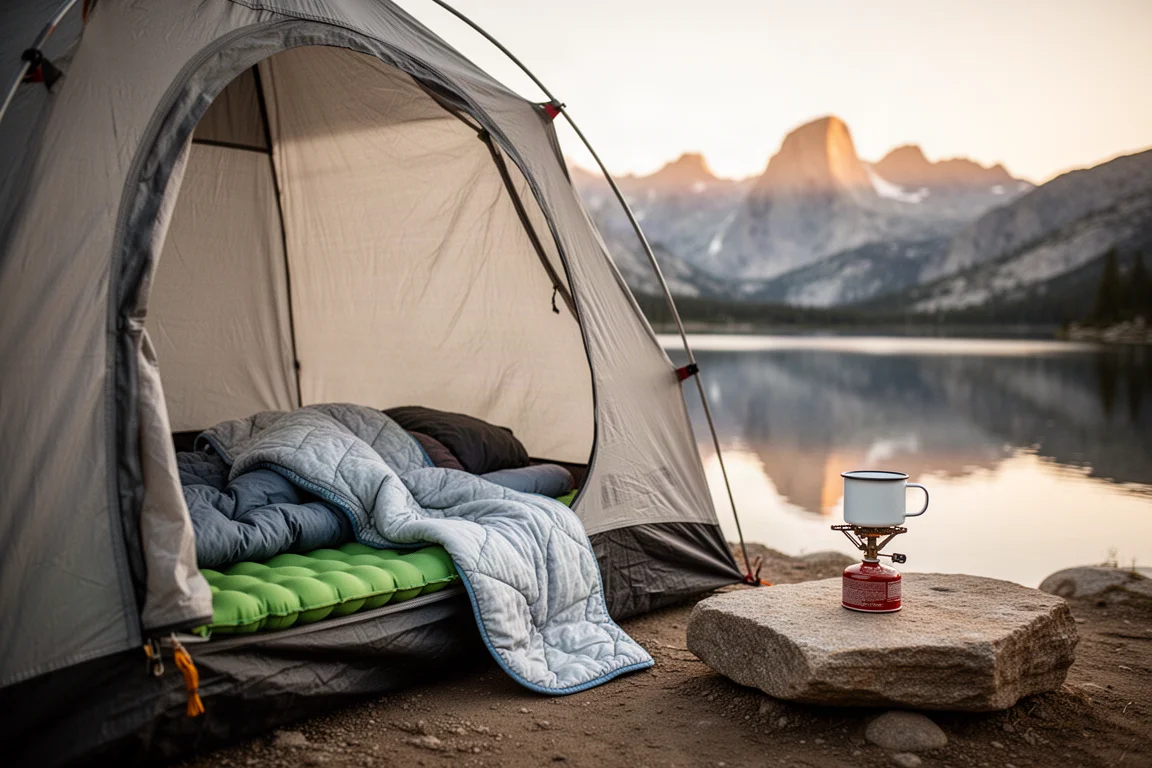
A simple way to decide: if you have ever woken up because you felt trapped inside your bag, choose the quilt. If you have ever woken up cold because your quilt shifted off you in the night, choose the enclosed system.
Conclusion
Both systems do the job, but they solve different problems. The Zen Bivvy Light Bed 10 wins on room, ventilation, and pillow security, with clasps that take a night or two to master. The Big Agnes Lost Ranger wins on flexibility for anyone who wants a single three-in-one setup, provided the zipper does not bother you. Match the layout to how you actually sleep, and either one will serve you well in the mountains.
Further reading
Related Reviews
Backpacking Sleep Systems
Extreme Cold Sleep System: Six Backpacking Layers for Deep Winter Warmth
A bottom-up look at a six-piece winter sleep system, from a foam ground mat to a floorless shelter, and the reason each layer earns its place.
Backpacking Sleep Systems
Luxury Backpacking Sleep System: Four Pieces That Feel Like a Bed at Home
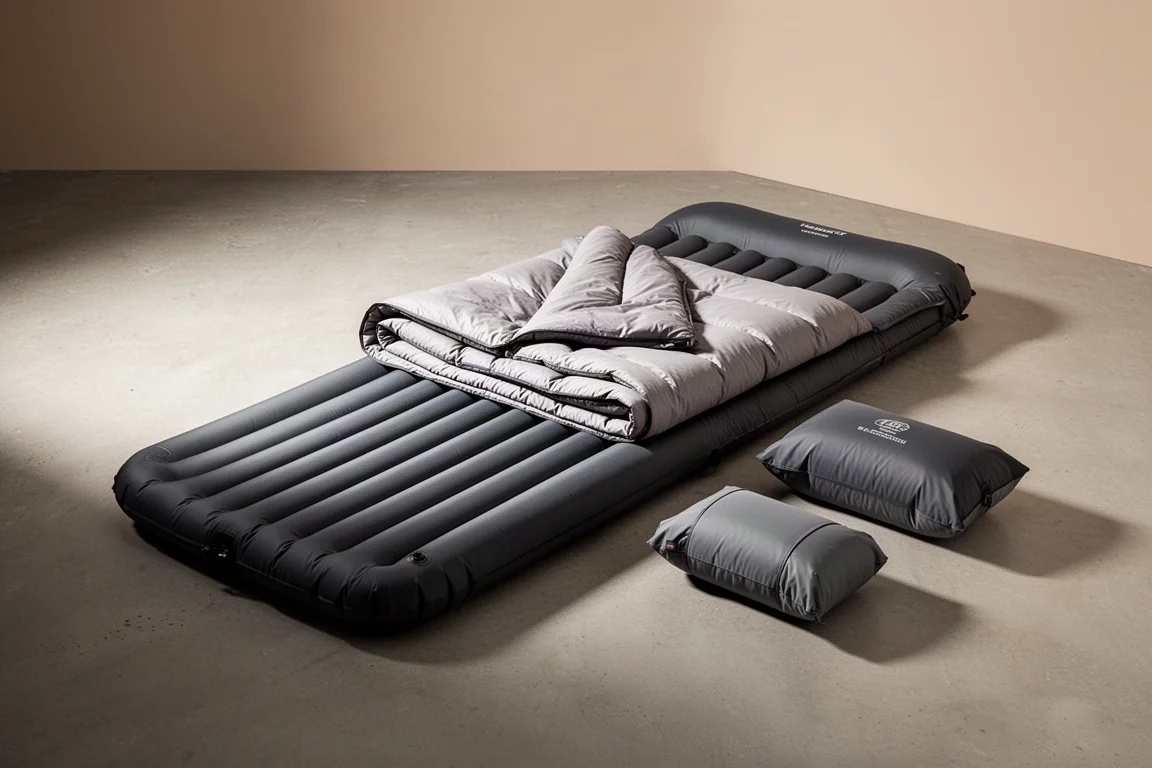
A wide, thick sleeping pad, a draft-free quilt, a generously cushioned pillow, and a few small habits that bring backcountry sleep much closer to home.
Backpacking Sleep Systems
Quilts vs Sleeping Bags for Backpacking: Five Sleep Systems Compared
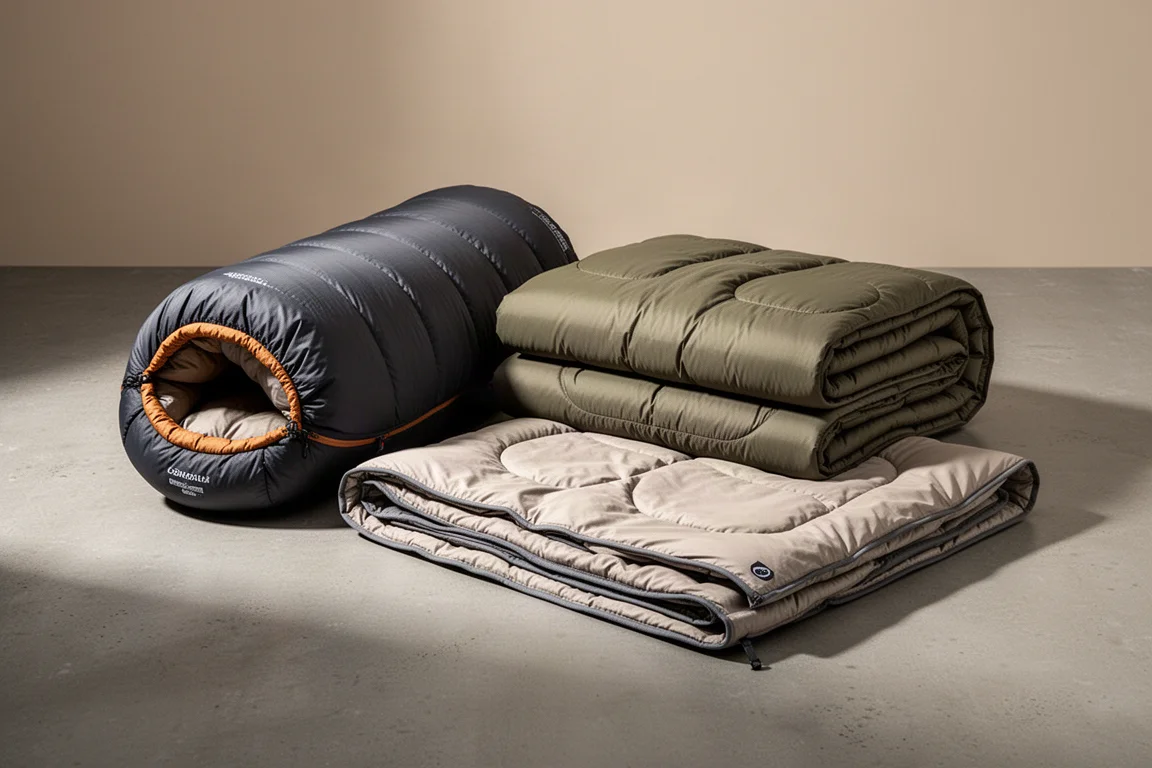
A practical look at five backpacking sleep systems, from wide quilts to adjustable sleeping bags and a ground-focused quilt bed, and how to choose between them.