Experimental Aircraft Engines
ZD C100 Engine Review: A Rotax 912 Clone Running Strong Past 50 Hours
A 100 hp Rotax 912 clone installed on a Zenith 701, with real-world fuel burn, climb performance, and ownership impressions after 50 hours.
Introduction
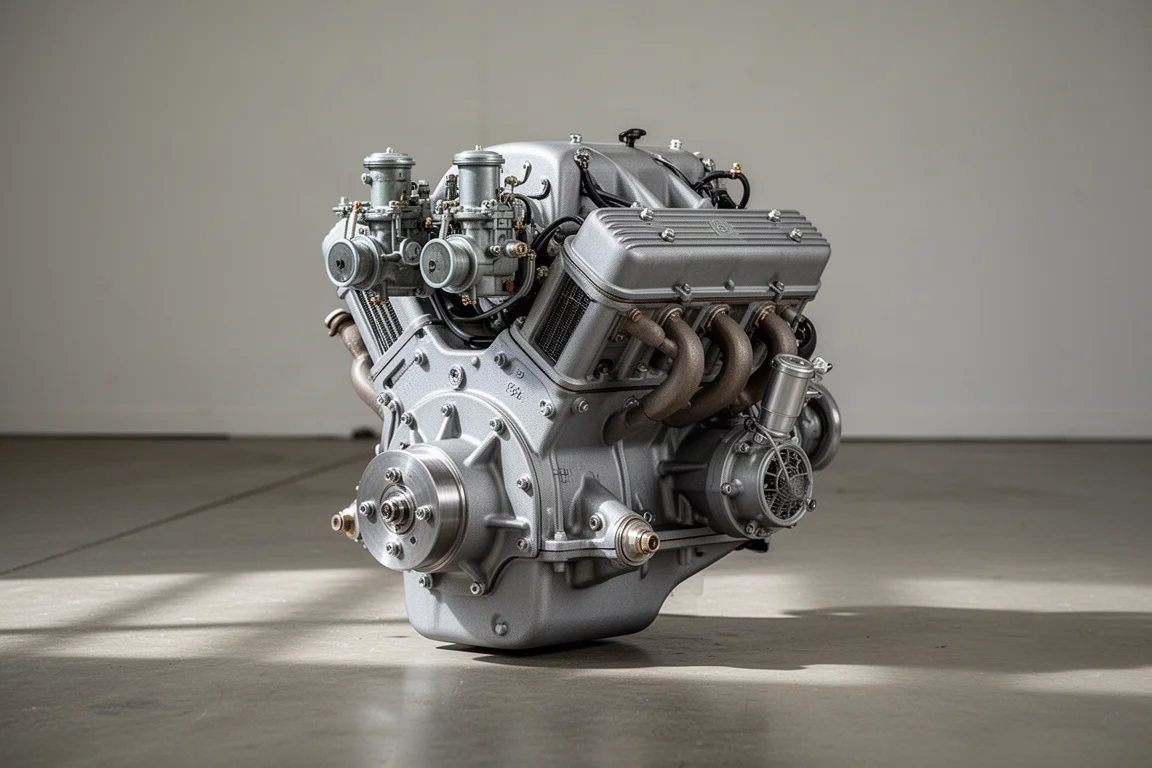
The ZD C100 arrived quietly at recent airshow booths, but interest around it has grown fast. It is a clone of the Rotax 912 producing 100 horsepower, sold at roughly a third of the price of the original, and one of the first operators to put real hours on it has been flying it on a Zenith 701 out of Woodstock, New Brunswick, Canada. After just over 50 hours, the report is straightforward: it runs the way you would expect a 912 to run, with good power, reasonable fuel burn, and no reliability issues so far.
First Impressions: Nearly Indistinguishable From a 912
The engine is designed to be a direct Rotax 912 clone, and the differences are mostly cosmetic. The valve covers carry different markings, and the case finish is a slightly darker grey, whether that comes down to paint or metallurgy. Beyond that, it follows the original down to the thread pitch of the nuts and bolts. The owner reports that parts interchange freely, meaning a replacement piston could come from Rotax if needed and would fit.
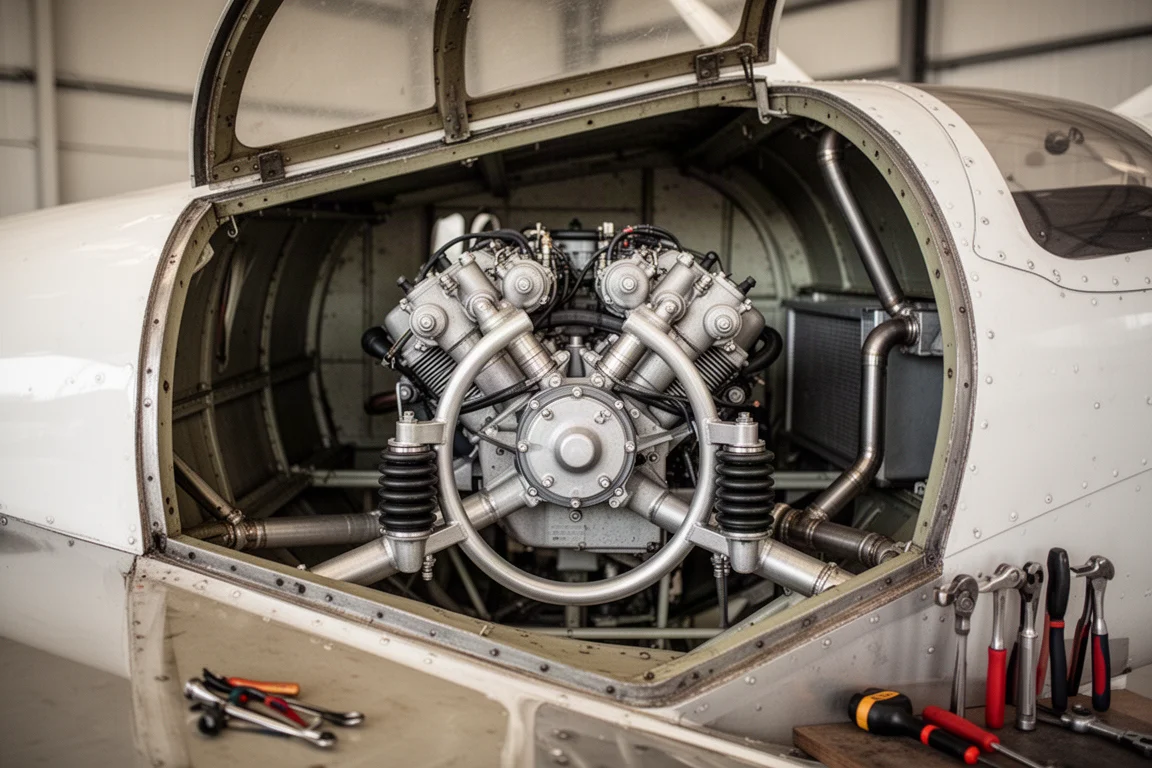
In operation, the similarities are just as close. Startup, smoothness, and sound are reportedly identical, and the engine cools normally and stays within its temperature range. The only noted difference is that this unit warms up slightly faster. Nothing observed in 50 hours raised any red flags about reliability.
Installation on a Zenith 701
Because the engine is a clone, installation was simple. The factory Rotax firewall-forward kit from Zenith bolts straight on, and the only modification required was re-clocking the water pump to a different location, which is standard procedure when using that kit on a 912. The engine uses the updated ring mount rather than a bed mount, and the whole installation followed the step-by-step guide without surprises.
Break-in is handled at the factory, with the engine already started and run before shipping. The owner simply followed first-run guidance to vary RPMs during the initial five hours rather than holding a fixed setting for long stretches. No extended ground running or elaborate procedure was needed.
Real-World Performance
Climb performance is the headline improvement over the Jabiru 2200 the aircraft previously wore. That 85 hp engine was described as anemic on a slow airframe, lacking low-end torque for quick getaways and climbs. The ZD C100 changes the picture considerably.
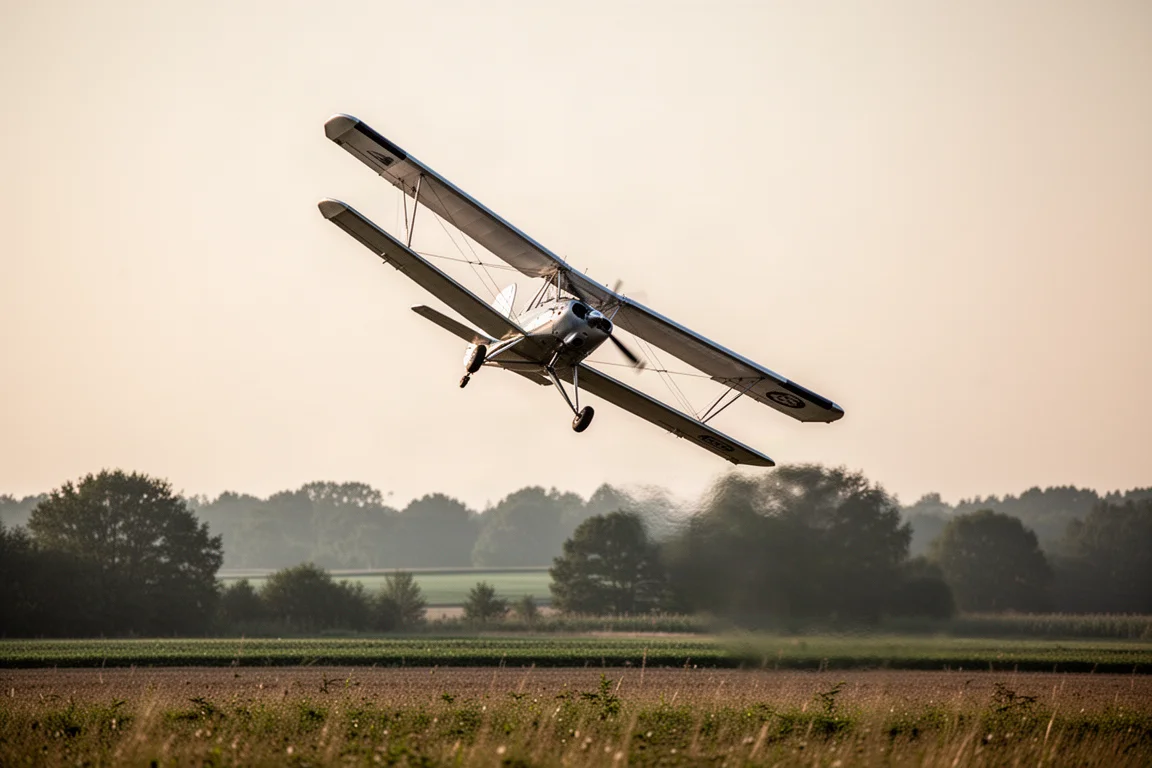
At cruise RPM around 5,000, fuel burn sits right at four gallons per hour, which matches the published Rotax fuel burn figure for those RPM settings exactly. Climb rate is between 1,200 and 1,500 feet per minute, but the more impressive number is climb angle, roughly 35 degrees. It is steep enough that the pitot tube, out of alignment with the airflow, fails to register any airspeed on the indicator during maximum-performance climbs. That is a technique for experienced pilots on a familiar airframe only, not something to replicate.
The Carburetor Trade-Off
The main annoyance is the carburetors. Like the 912, the engine uses pressure-compensating carburetors, in this case a Bing clone that is dimensionally identical, and standard Bing parts fit perfectly when re-jetting. There is no in-cockpit mixture control, so when temperatures change, the carburetors need manual adjustment with needle clip changes.
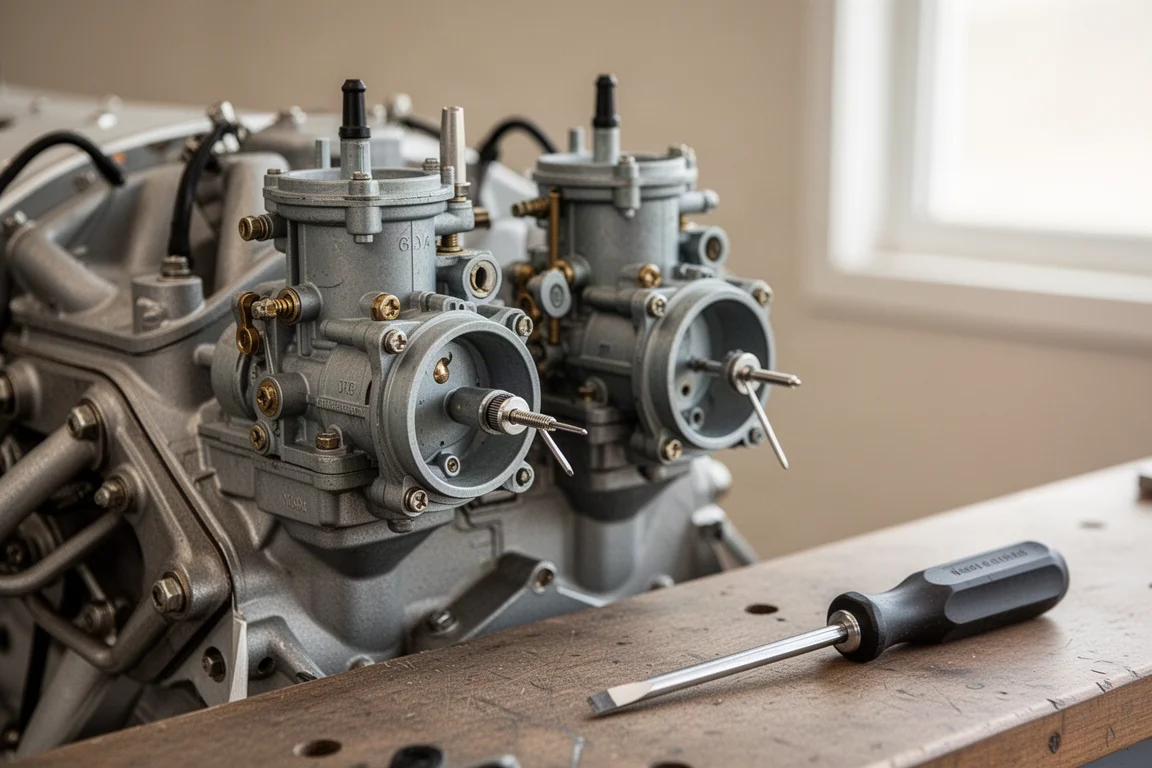
In a Canadian climate ranging from minus 20 Celsius to over 35 Celsius, the owner has already worked through three separate settings: summer, fall, and winter. Each retune takes roughly 25 to 30 minutes. The planned fix is a conversion to EFI, which would remove this seasonal fiddling entirely.
Warranty and Oil Consumption
The engine carries a warranty in the range of 200 hours or a few years, which is a reasonable offer for a newly introduced engine design. Operators in Europe have been running these engines and reporting good results, which helped make the early-adopter gamble feel justified.
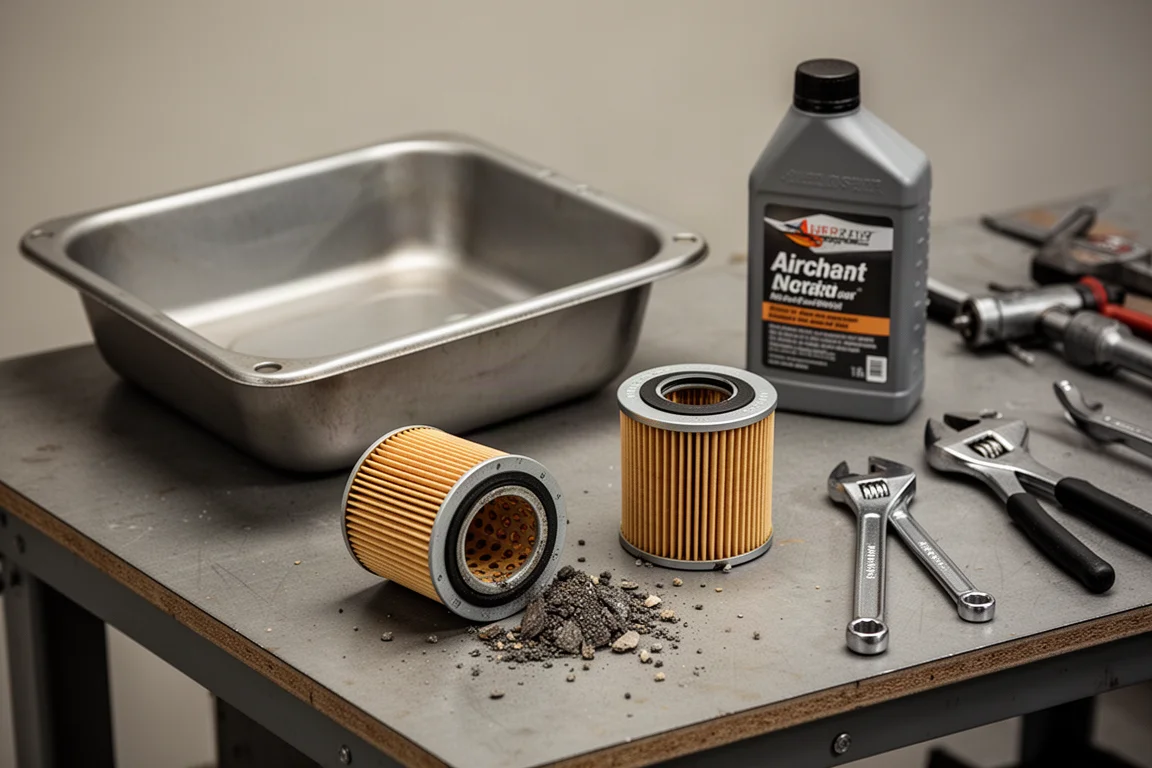
Oil consumption is minimal. At the first 25-hour oil change, the level was down only about an eighth of an inch from the middle of the dipstick, and the same pattern has held since. Oil filter inspections show nothing out of the ordinary, just occasional tiny silver specks that are normal for any engine. The recommended interval is the first change at 25 hours, then every 50 hours, and cutting open the filter at each change is part of the routine.
The propeller in use is a Warp Drive three-blade with an HP hub, around 70 inches, matching Rotax’s default propeller specification for the 912 on this airframe. Spark plugs are the correct NGK type supplied with the engine.
Buying Advice
For builders of a Zenith 701 or similar light experimental aircraft who want 912-class power without the 912 price tag, the ZD C100 is a compelling option after 50 hours of trouble-free flying. The key considerations: budget time for seasonal carburetor tuning or plan an EFI conversion, keep up the 25-to-50-hour oil change routine with filter inspections, and consider periodic oil analysis to build a long-term history on what is still a young engine platform. The direct parts compatibility with the Rotax 912 significantly reduces the parts-supply risk that usually worries clone buyers.
Conclusion
The ZD C100 has so far delivered exactly what it promises: 912 performance, sound, and fuel burn at a third of the price. With minimal oil consumption, clean filter inspections, and a dramatic climb improvement over the previous engine, the early gamble is paying off. Watch this space as hours accumulate, because a longer-term picture will be the real test for any new engine.
Product link
View more details for ZD C100 Engine
This product is mentioned in the review. Check the specifications, options, and compatibility before buying.
View more details for ZD C100 EngineFurther reading
Related Reviews
Ultralight Aircraft
Badland Aircraft Ultralight and Polini 303: A Practical Path Into Ultralight Flying
A closer look at the Badland Aircraft Ultralight and the Polini 303 engine that powers it, from folding wings to kit options.
Aviation
Badland Ultralight Kit and Thump Air 420cc: A Practical Backyard Aircraft Combo
A true 247-pound ultralight kit that hits the advertised weight, plus a new four-stroke engine option built for torque and lighter fuel burn.
Aircraft Engines
Corvair 2850 Aircraft Engine: A Builder-Friendly Conversion Worth Knowing
The Corvair 2850 is a horizontally opposed, air-cooled six-cylinder conversion engine with a flexible build path, honest weight, and support for experimental aircraft builders.